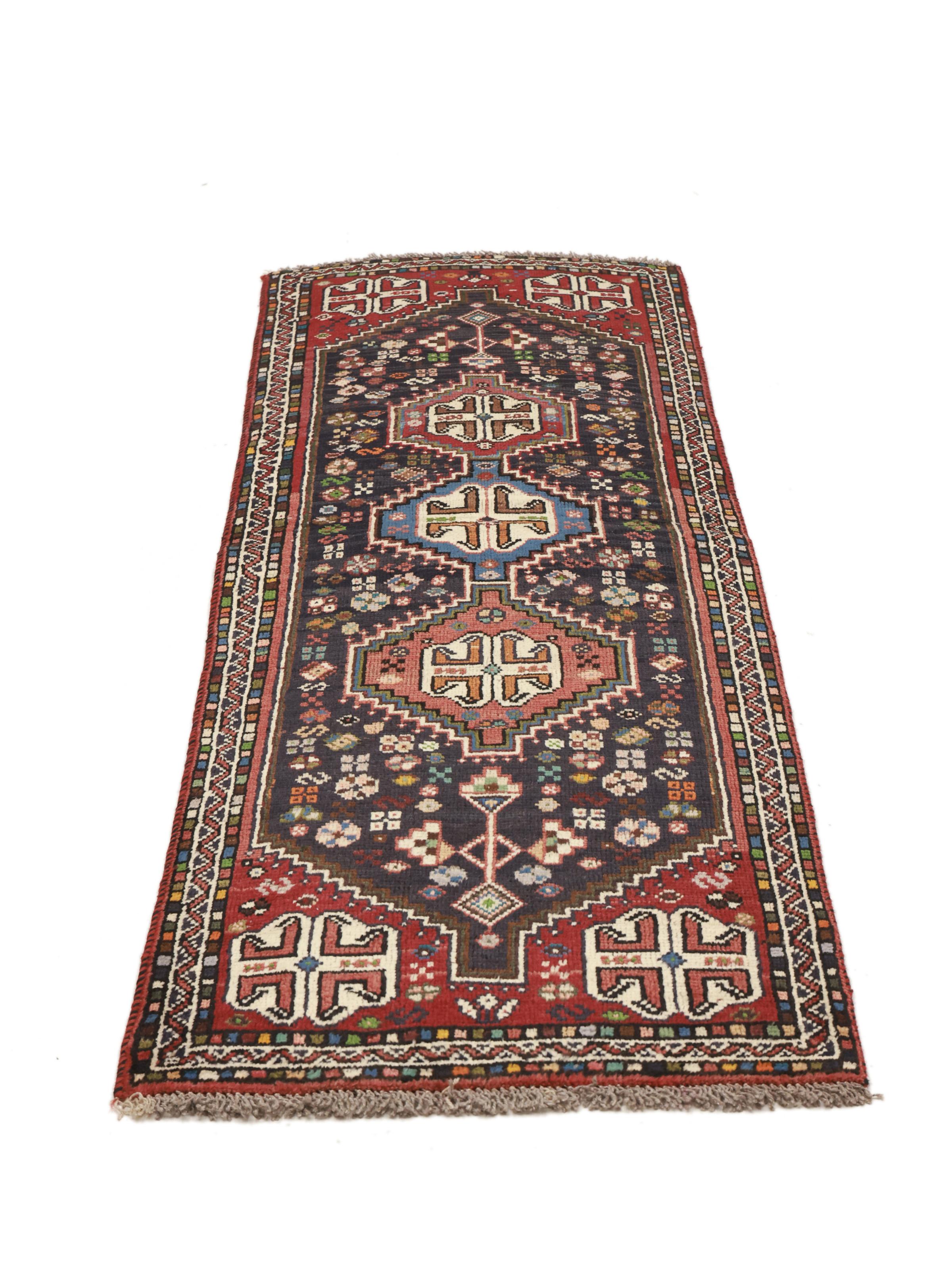
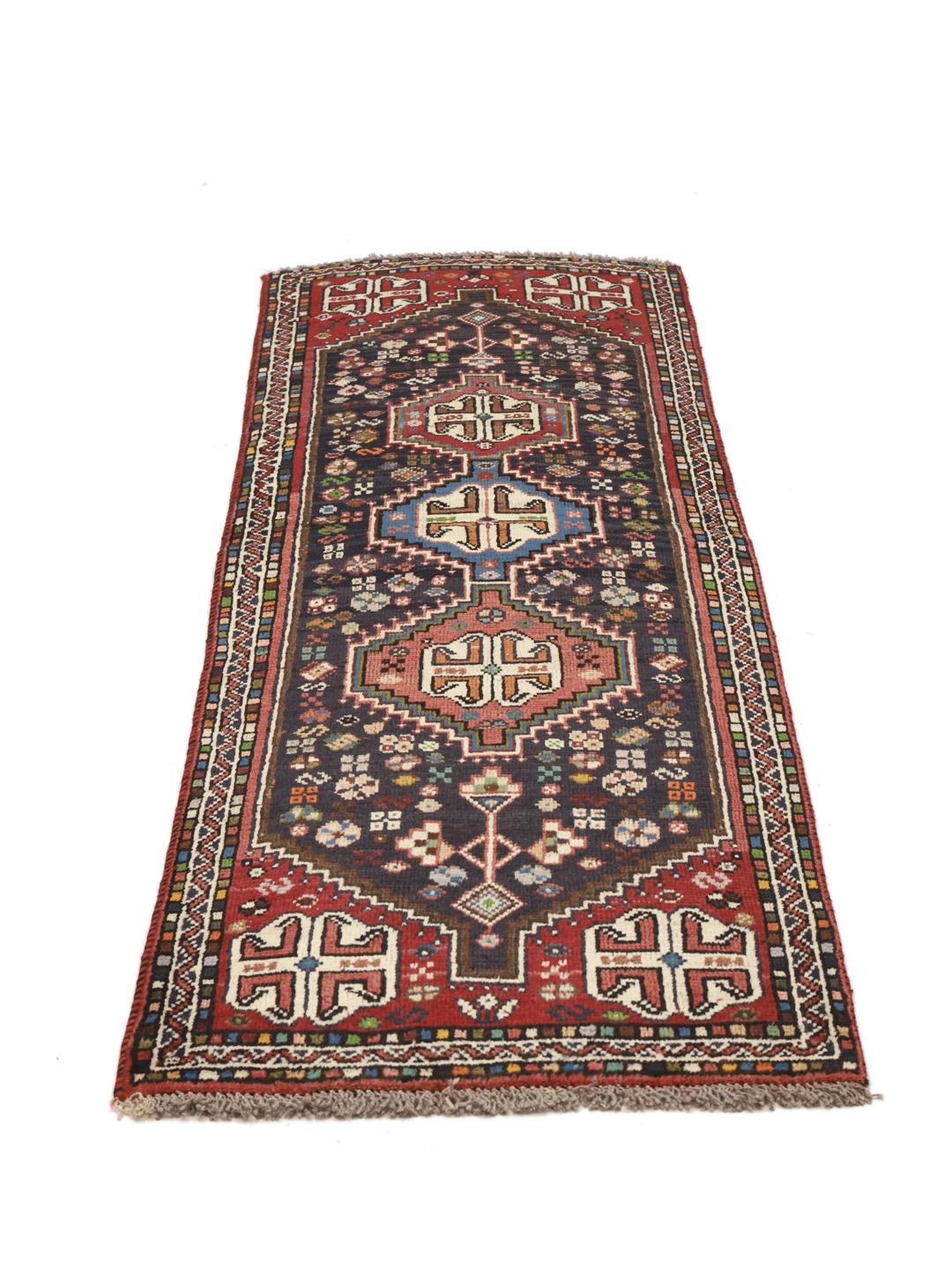
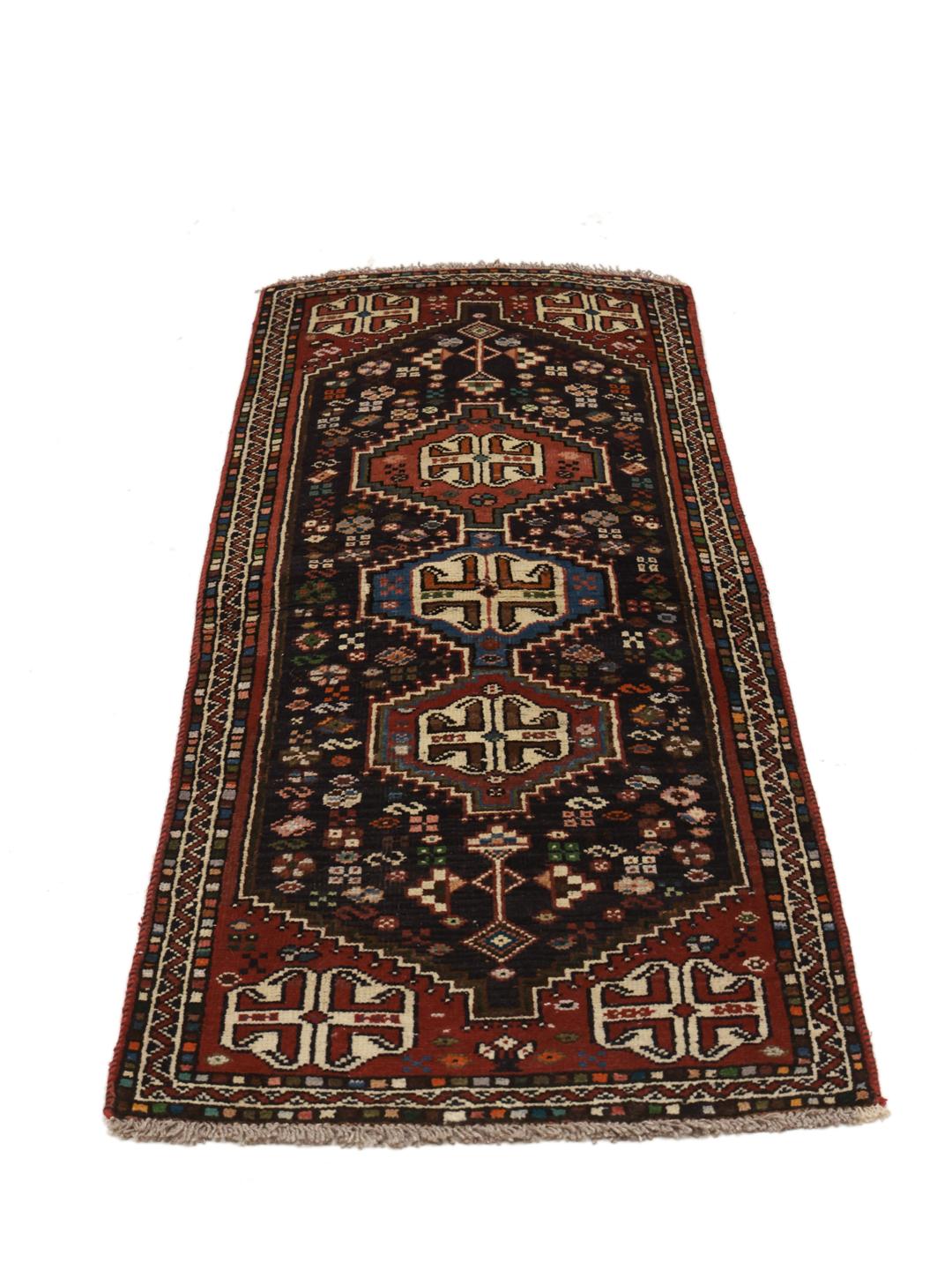
Shiraz rugs originate from the Fars province in the Middle Eastern region, a landscape historically defined by its nomadic tribes. These rugs are deeply connected to the lifestyles of the Qashqai and other tribal groups who moved across the rugged mountains, carrying their weaving traditions with them as a way to express their identity and history.
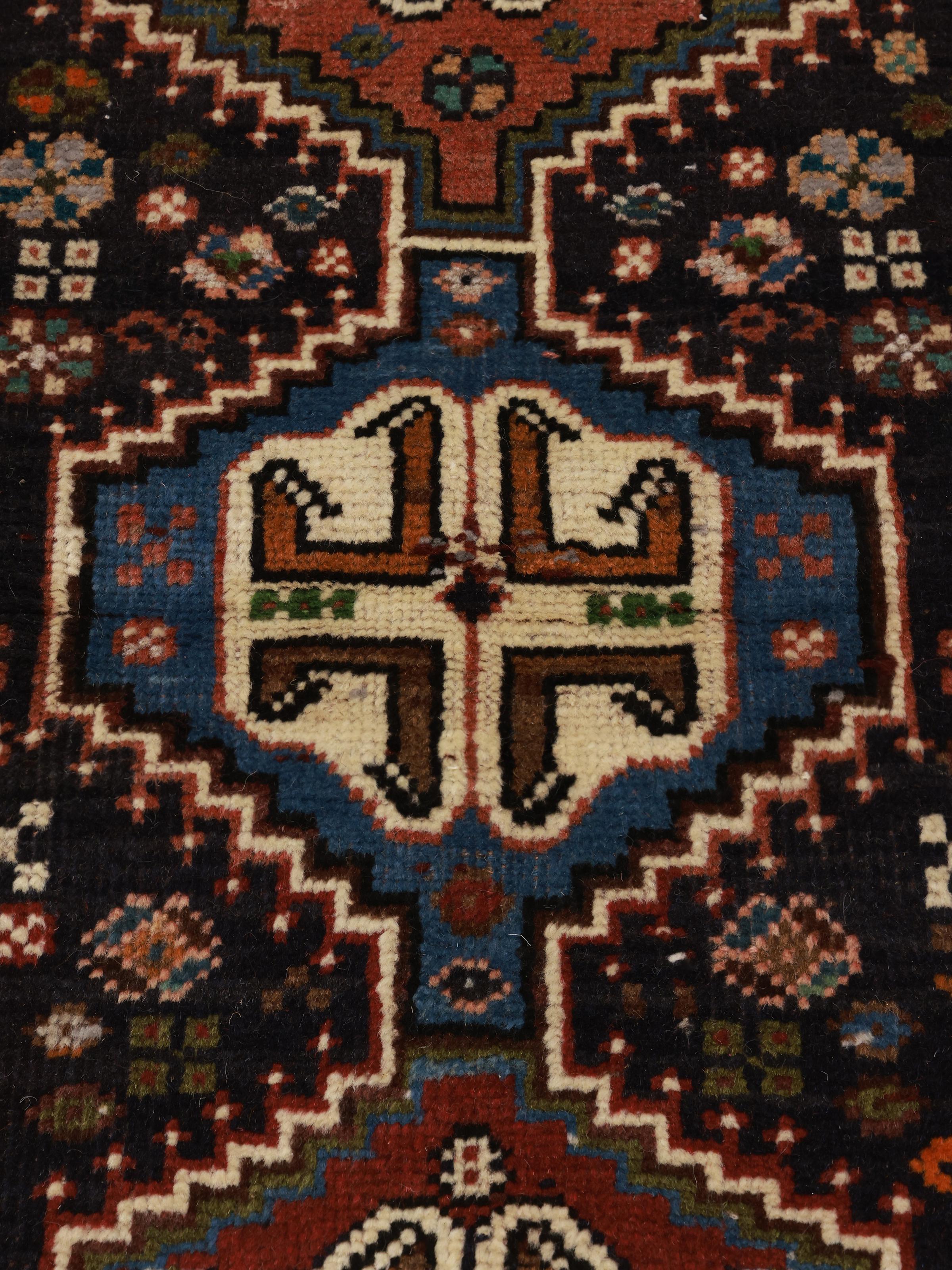
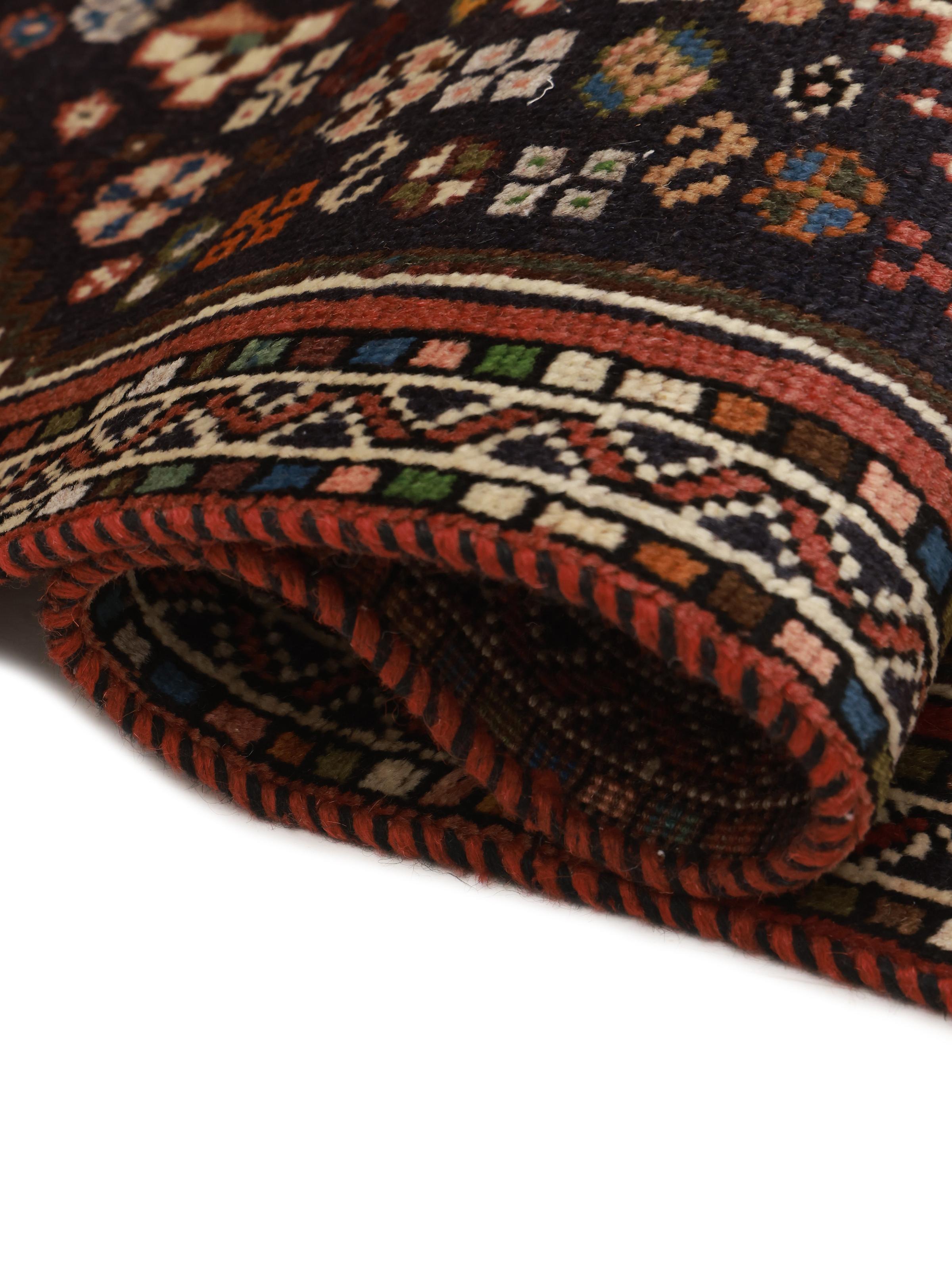
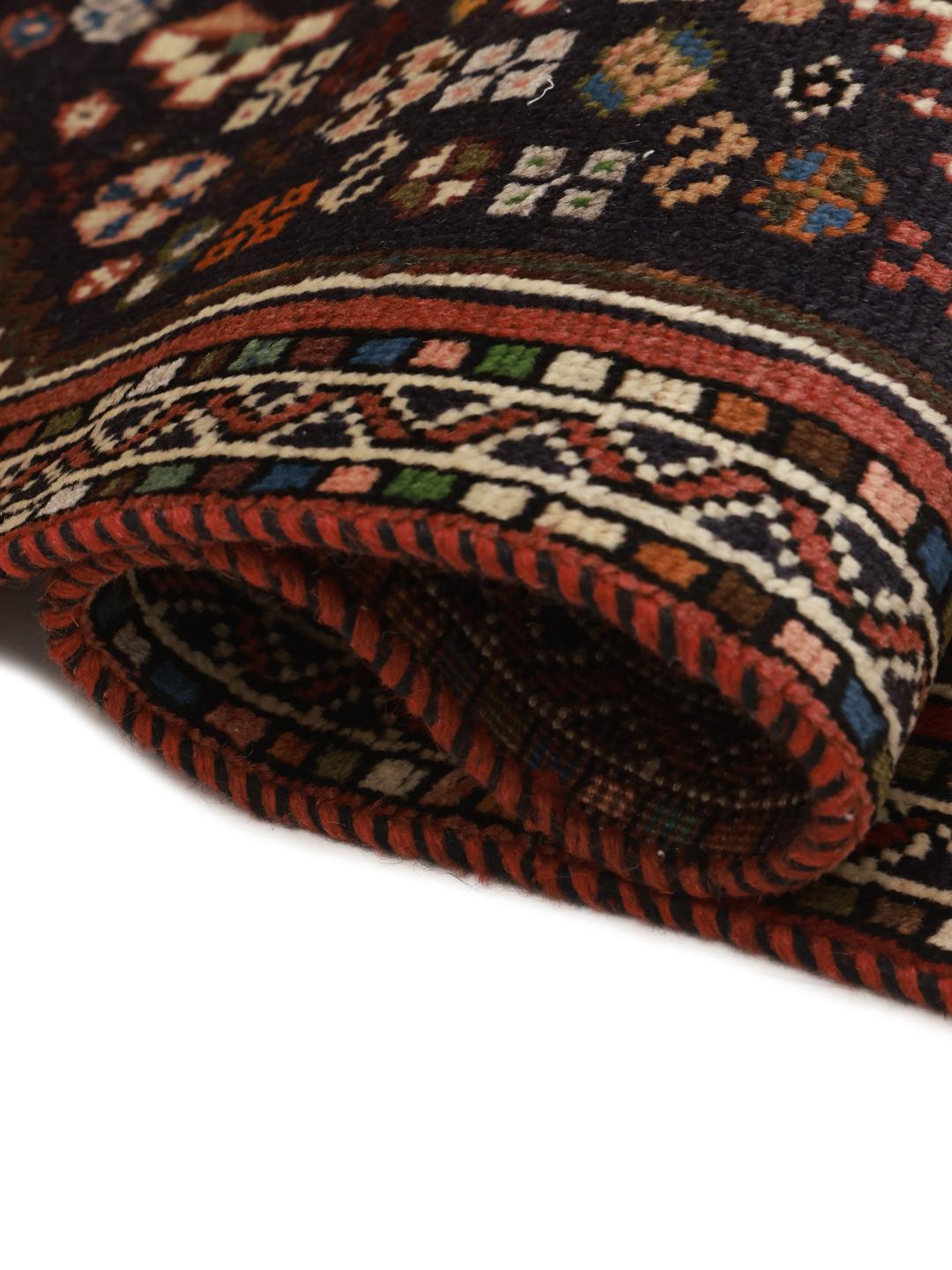
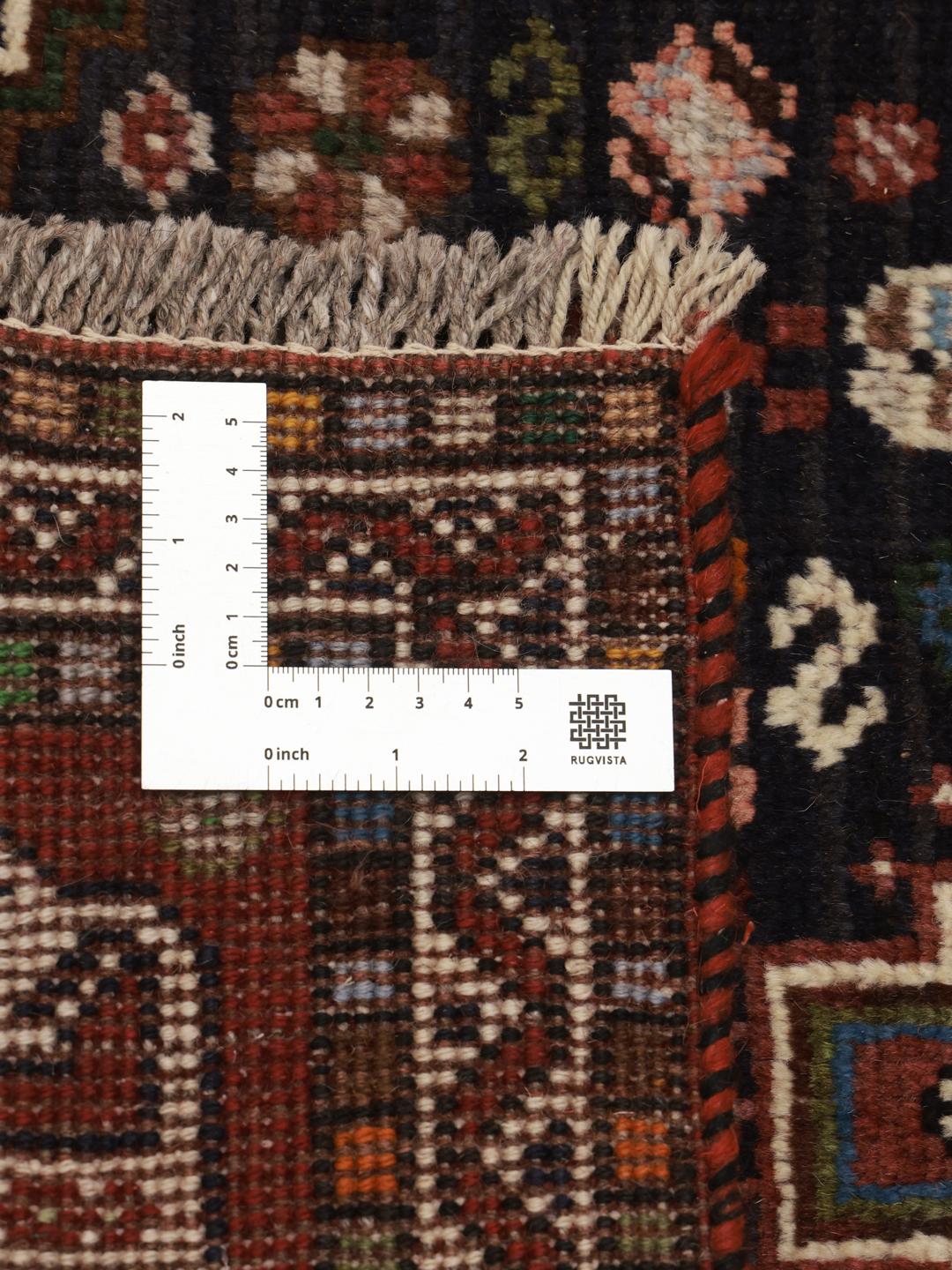
The term hand-knotted refers to the technique where each pile yarn is individually tied to the foundation. This method is fundamental to the quality of these rugs, as it allows for the creation of intricate, durable designs that are built to last for generations. Unlike machine-made rugs, these pieces possess a natural variation that tells the story of the artisan's hand.
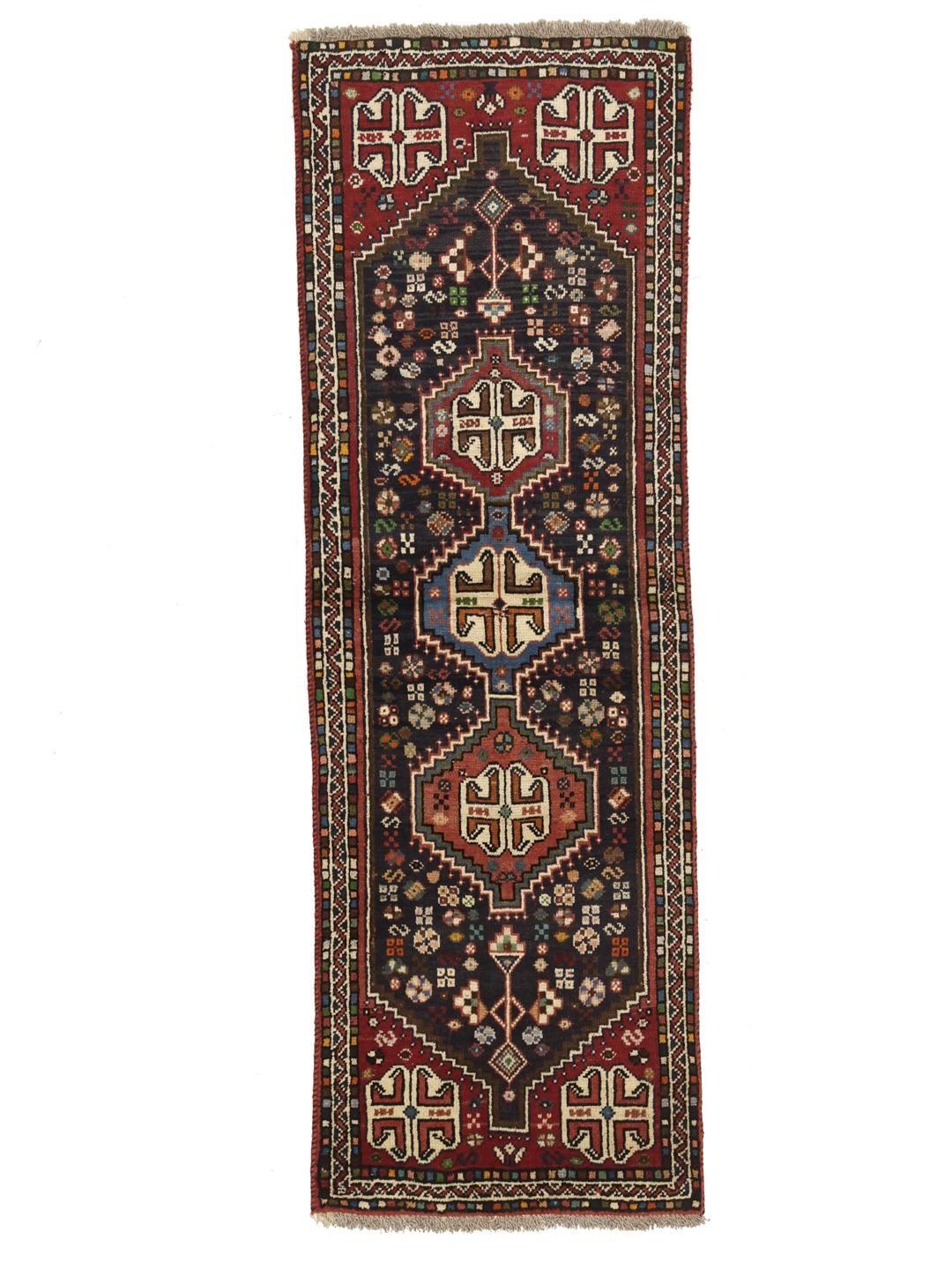
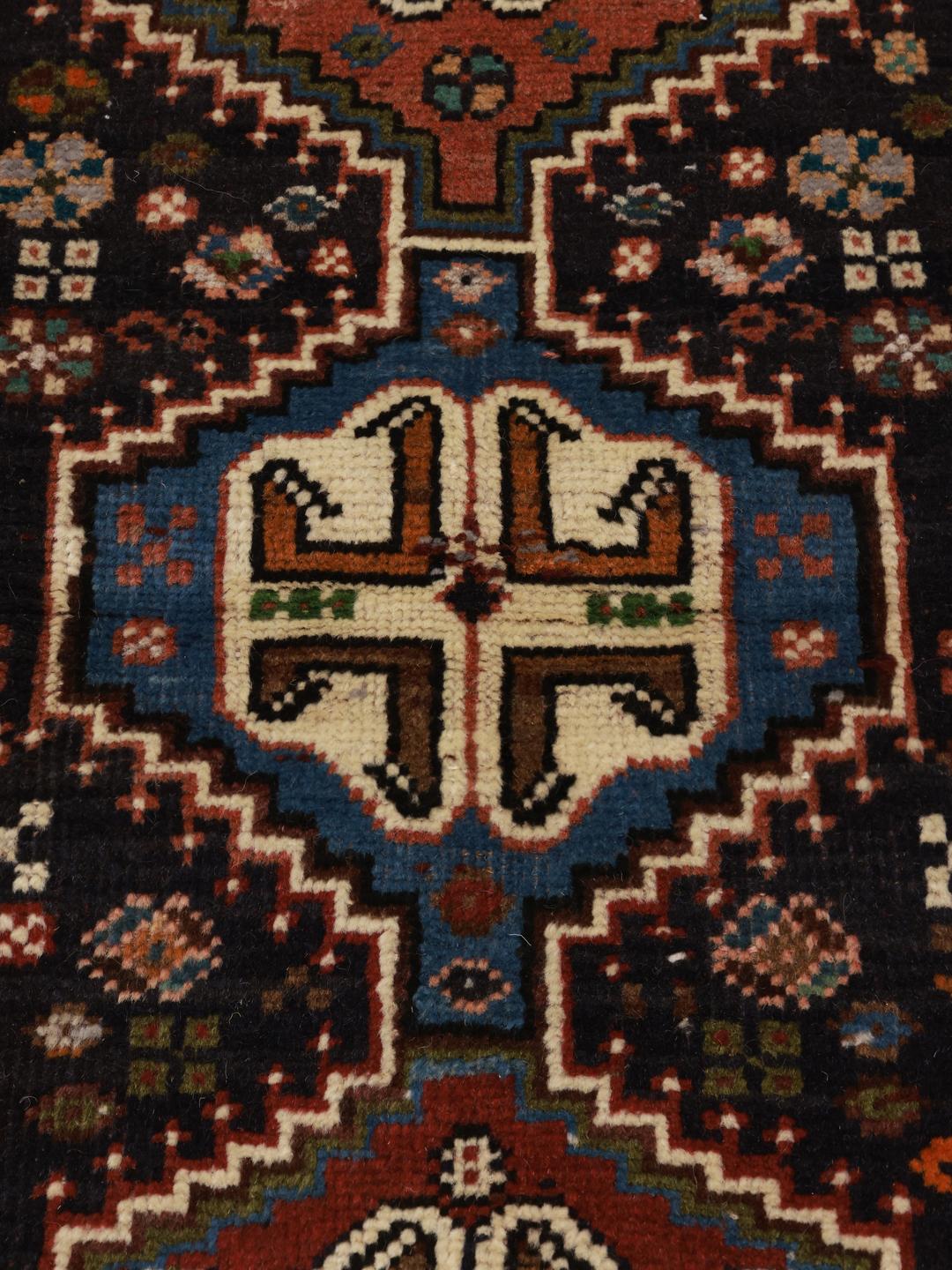
Visually, these rugs are known for their bold, geometric language. They often feature stylized medallions, tribal flora, and repeating motifs that feel both spontaneous and deeply symbolic. The use of vibrant, deep colours against dark fields is a classic hallmark of the tradition, often framed by elaborate borders that show the weaver's unique interpretation of ancestral patterns.
Collecting a rug from this tradition is an investment in cultural longevity. These pieces are valued for their raw, authentic charm and the skill required to produce them without the aid of modern technology. When you place this rug in your home, you are continuing a long-standing practice of honouring human craftsmanship and the enduring appeal of nomadic design.