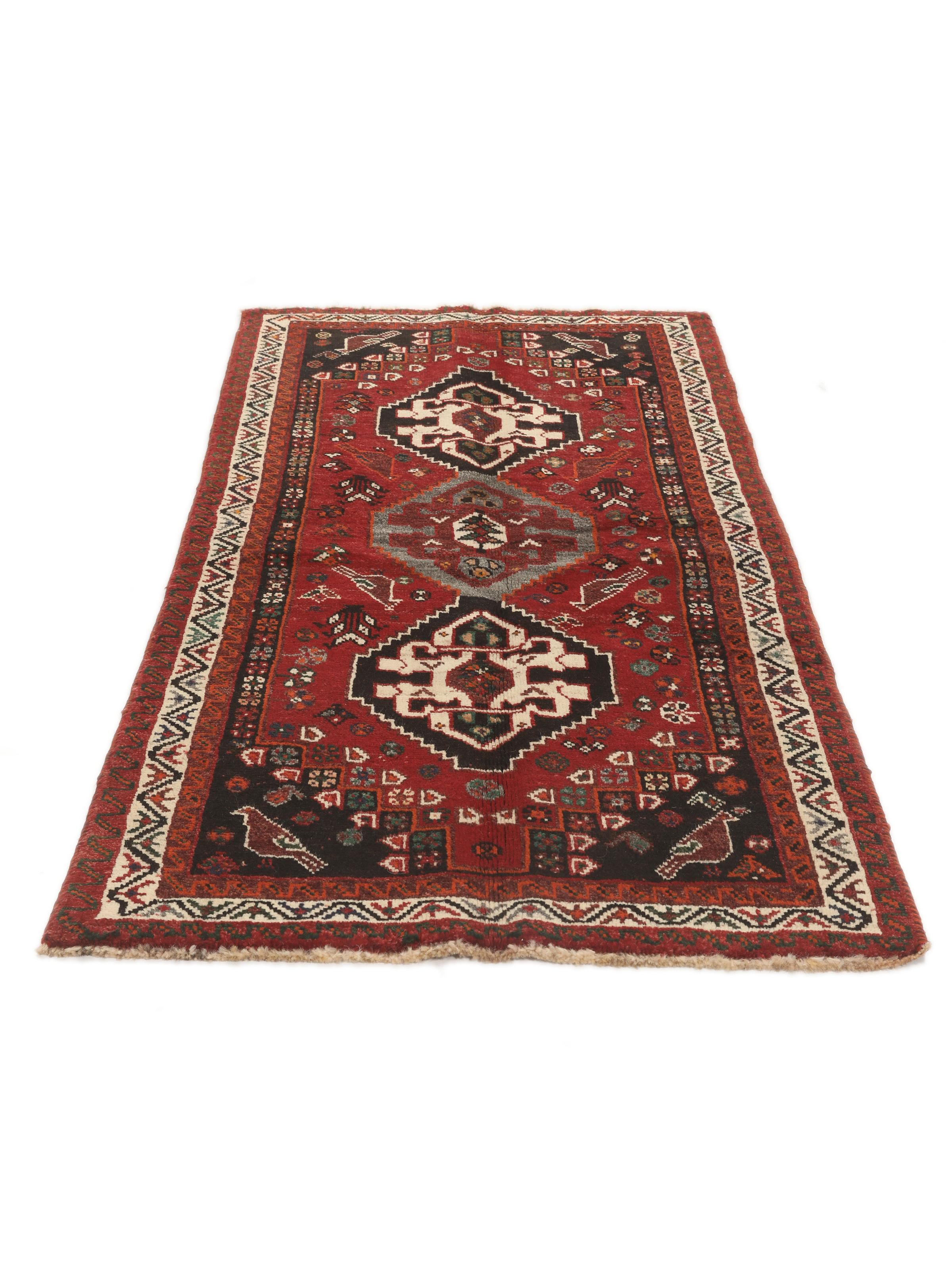
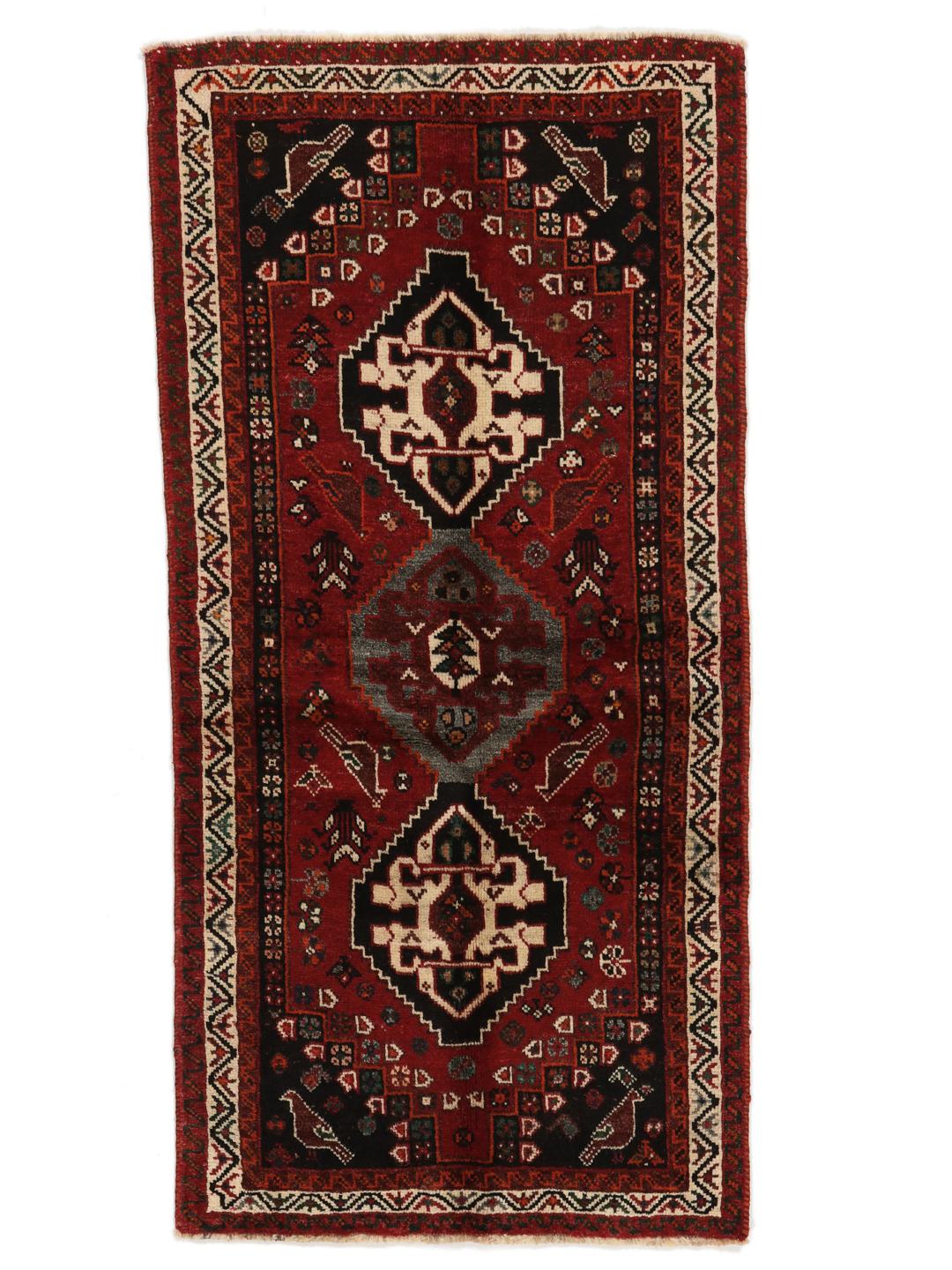
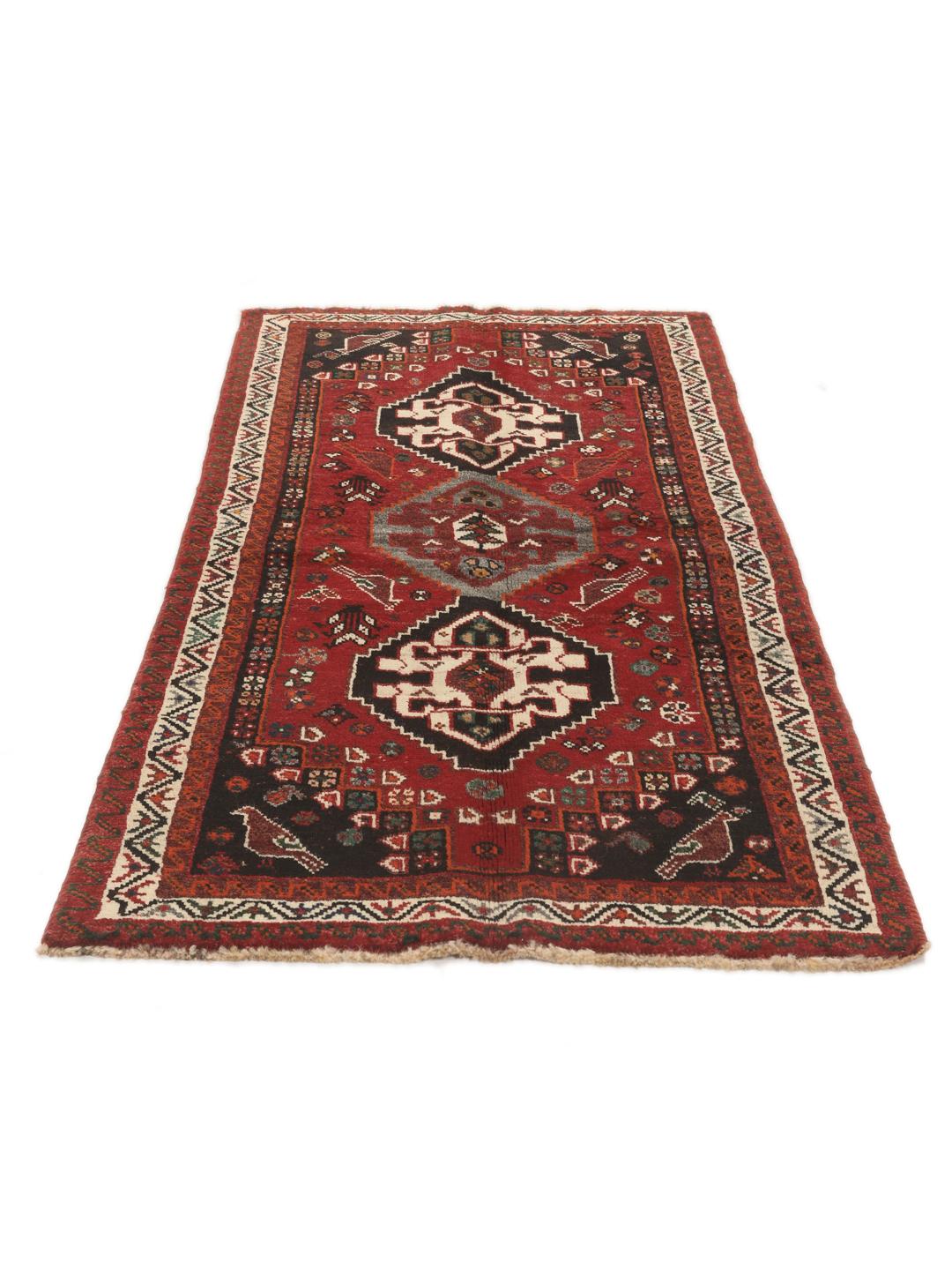
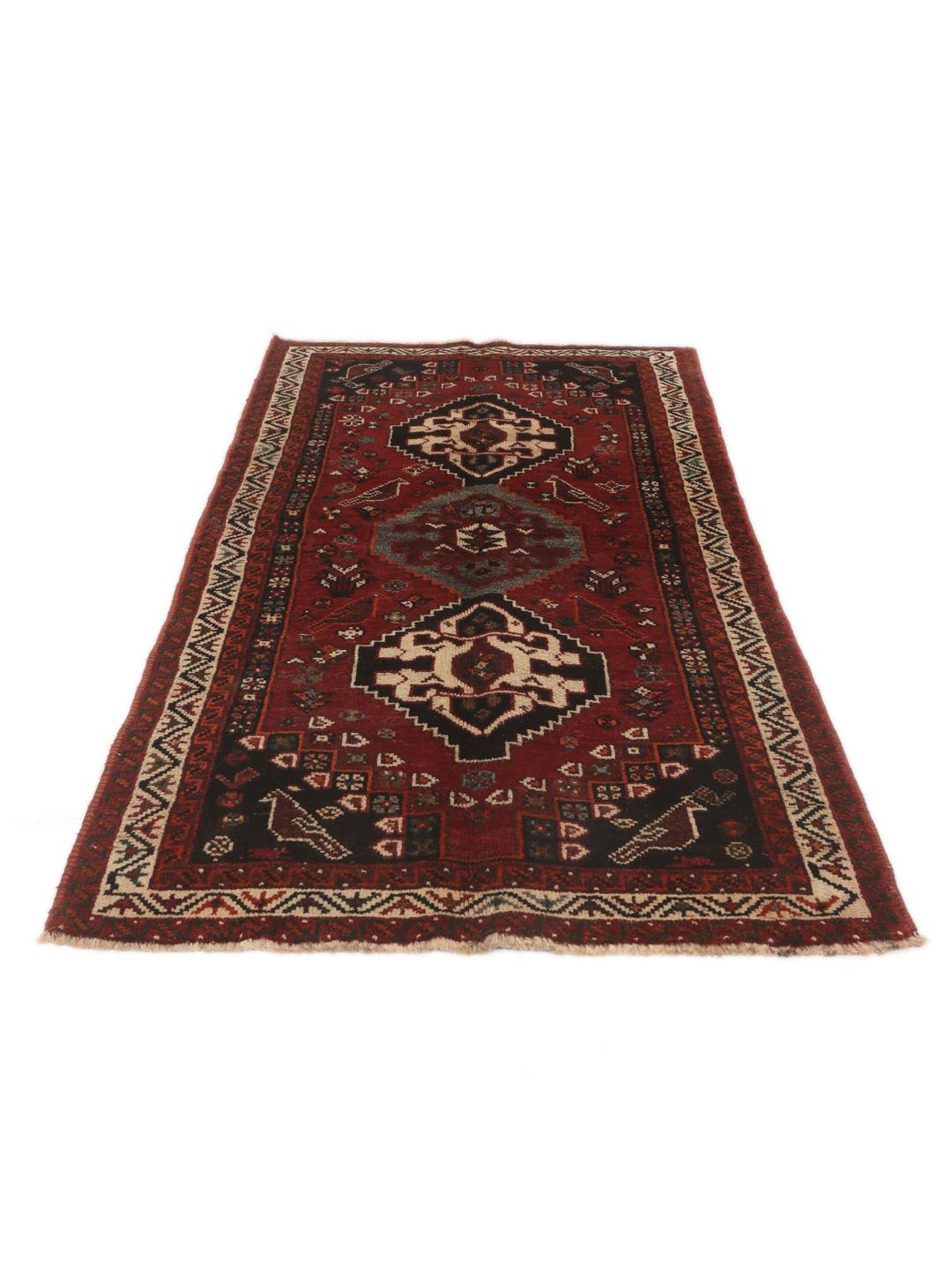
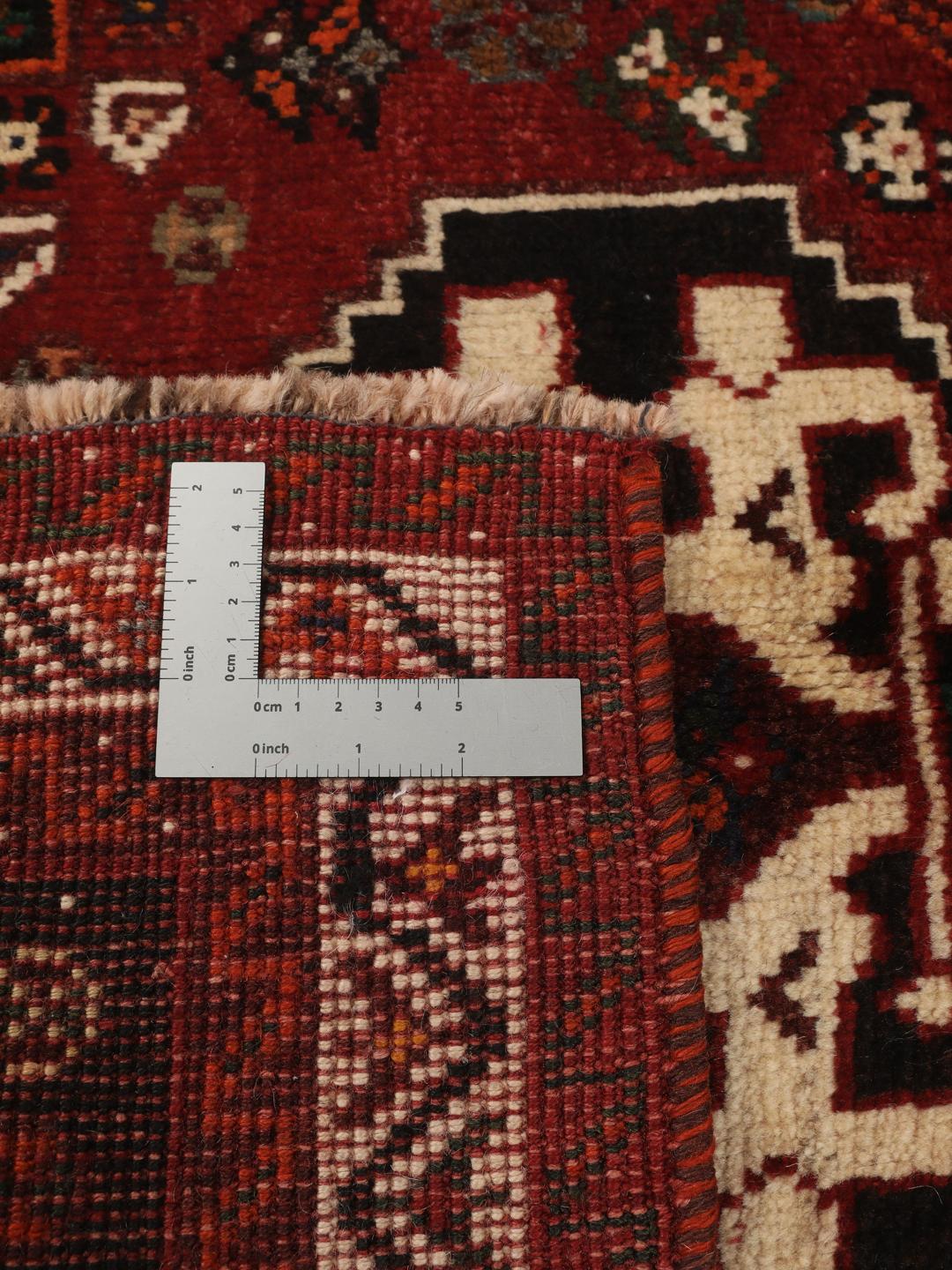
Shiraz rugs originate from the Fars province in the Middle Eastern region, a territory with a long and storied history of nomadic and semi-nomadic weaving. These rugs are traditionally crafted by various tribes, including the Qashqai and Khamseh, who have passed down their design language through generations, creating a tradition that is as much about cultural expression as it is about utility.
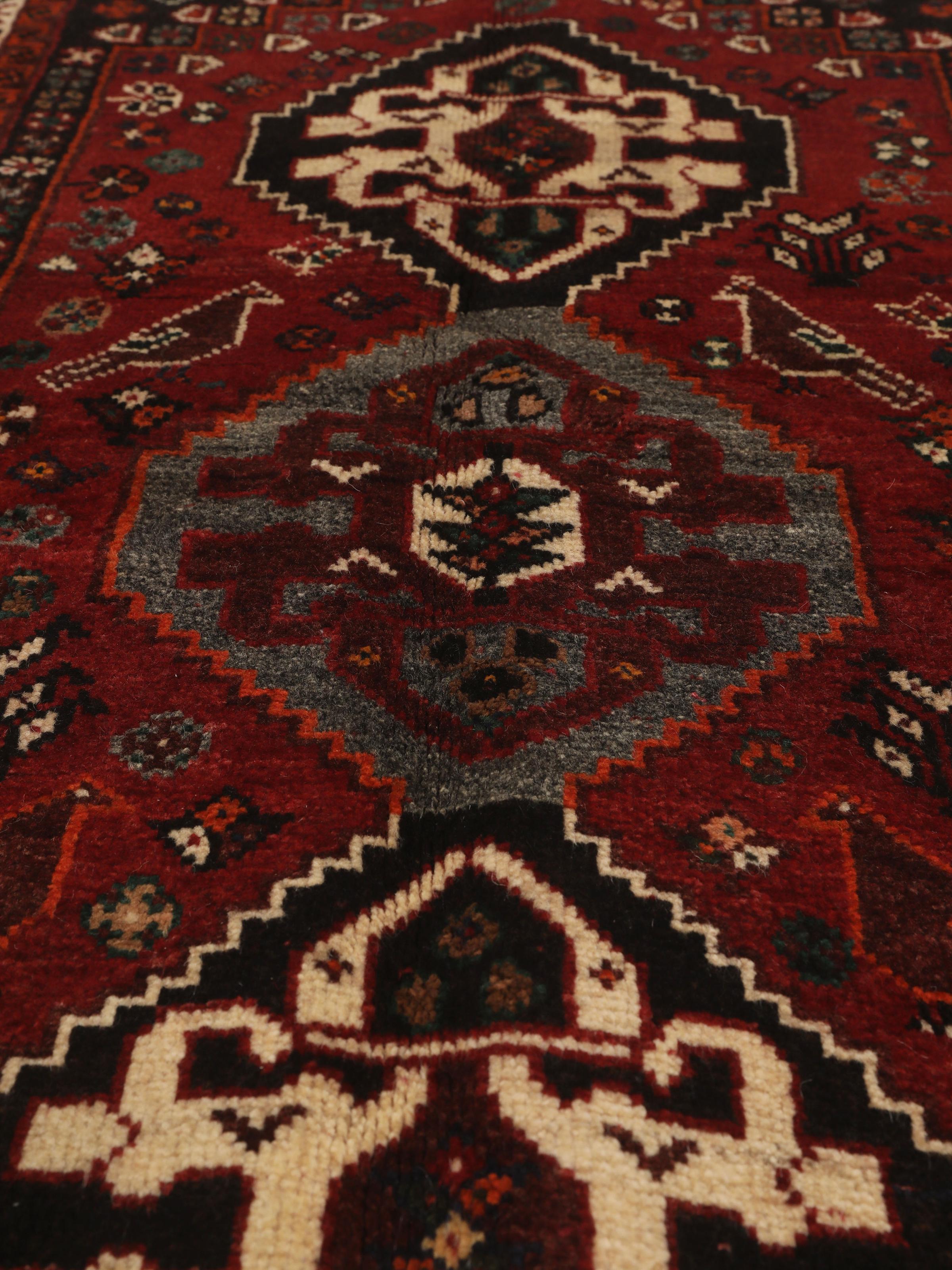
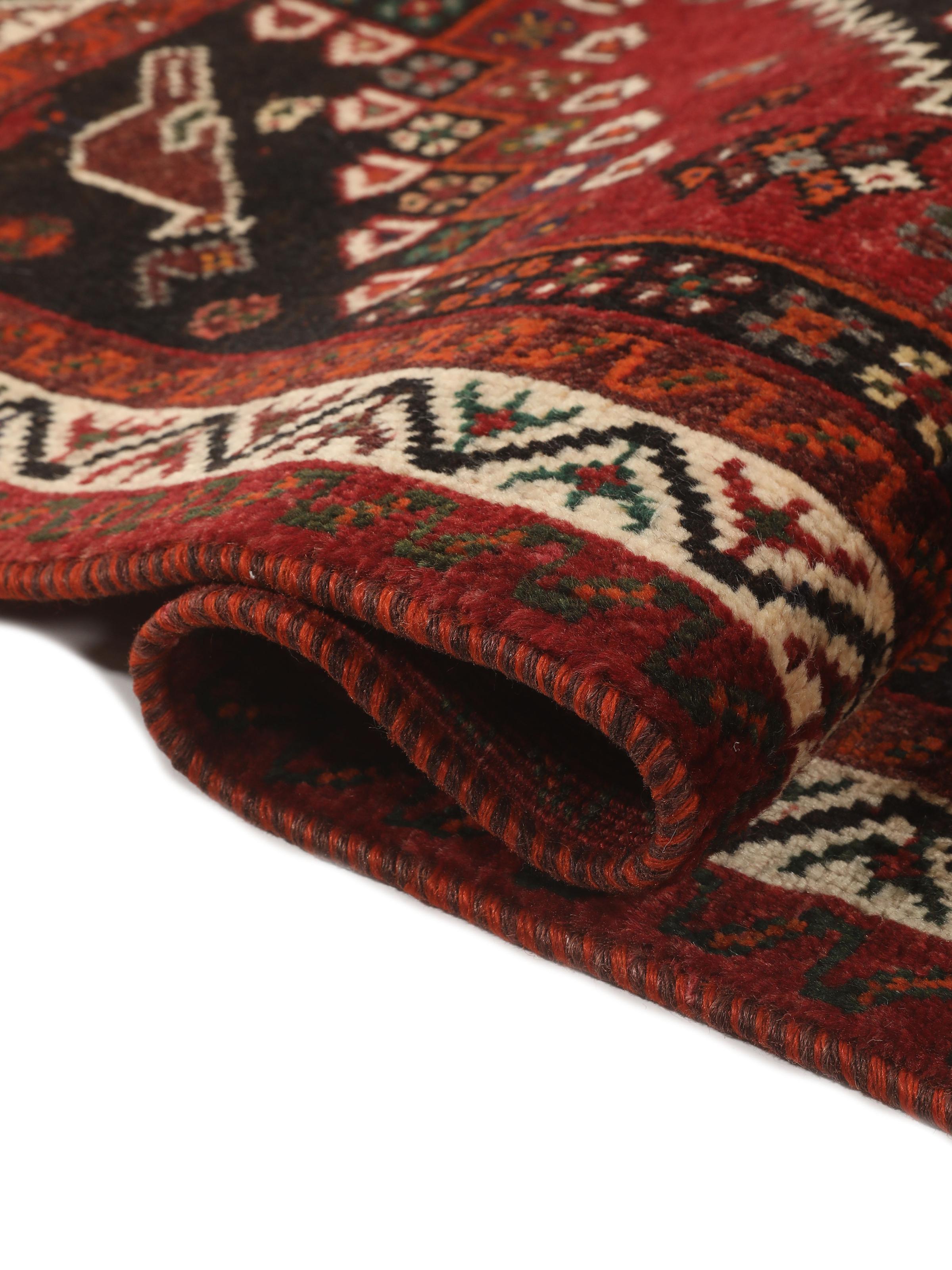
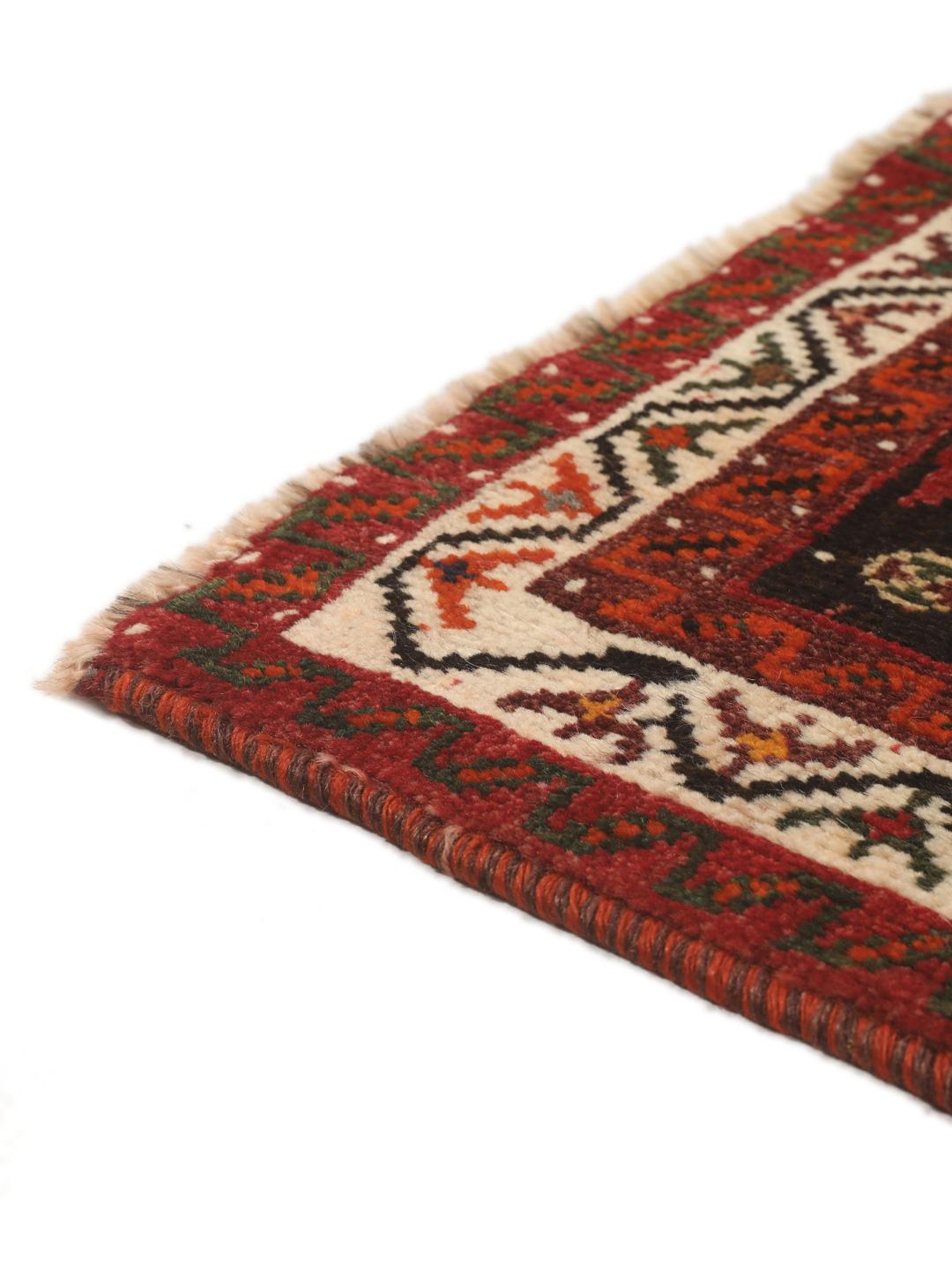
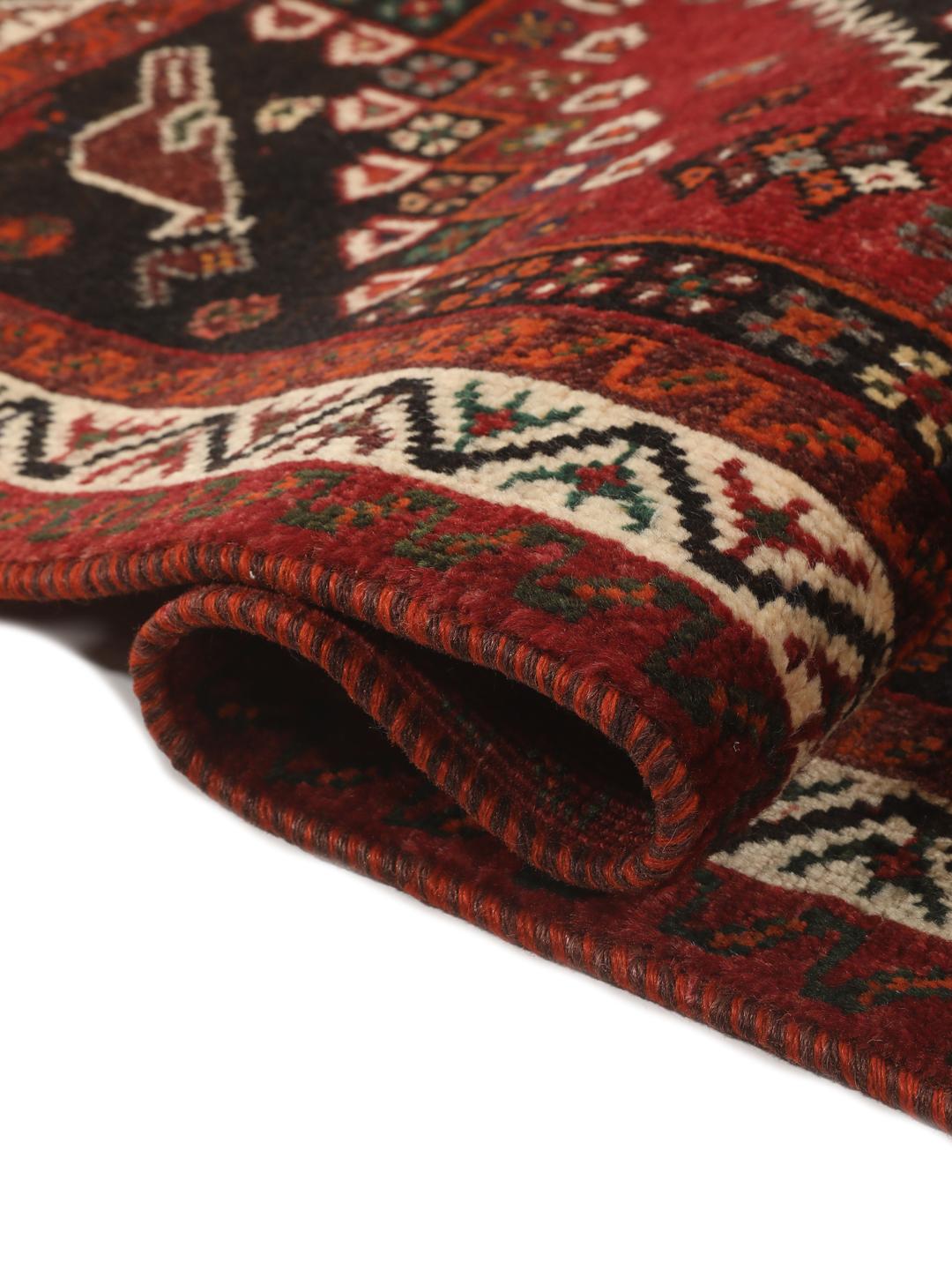
The technical quality of a Shiraz rug is defined by its Wool-on-Wool construction, which provides a flexible yet incredibly sturdy foundation. Unlike factory-made carpets, these rugs often incorporate variations in colour and pattern that reflect the weaver's environment and the specific batch of hand-spun Wool used, making each rug a living record of its creation.
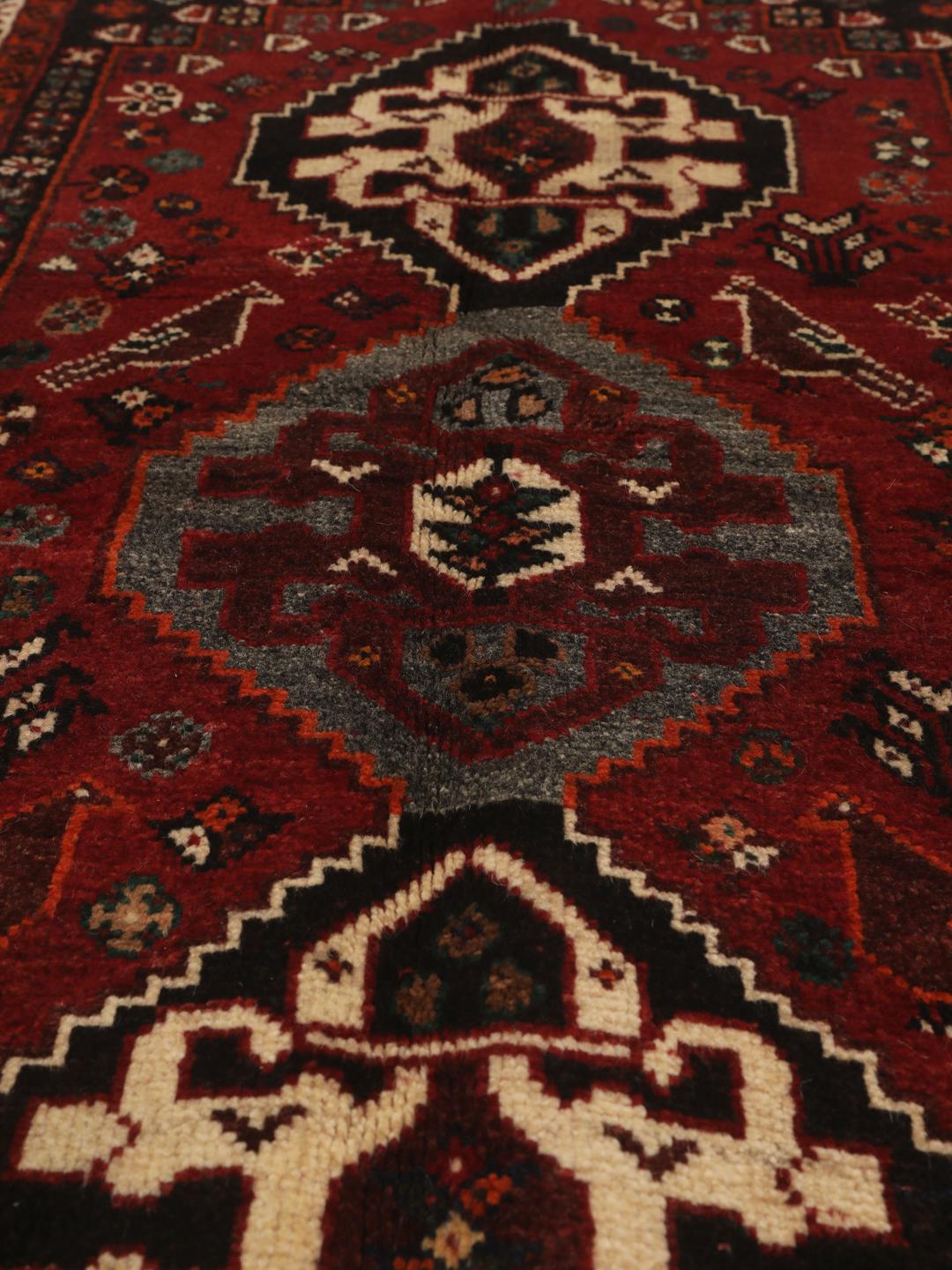
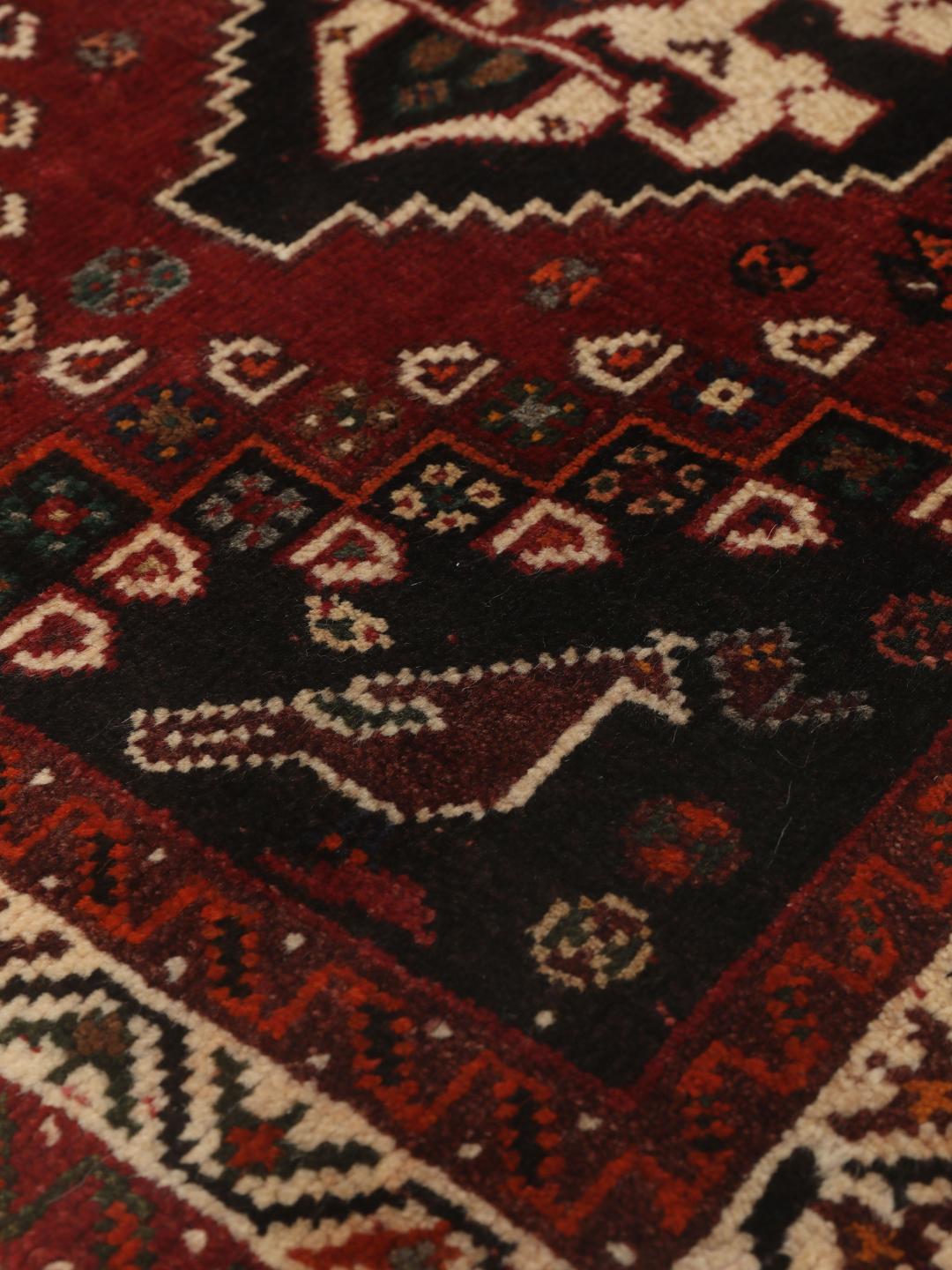
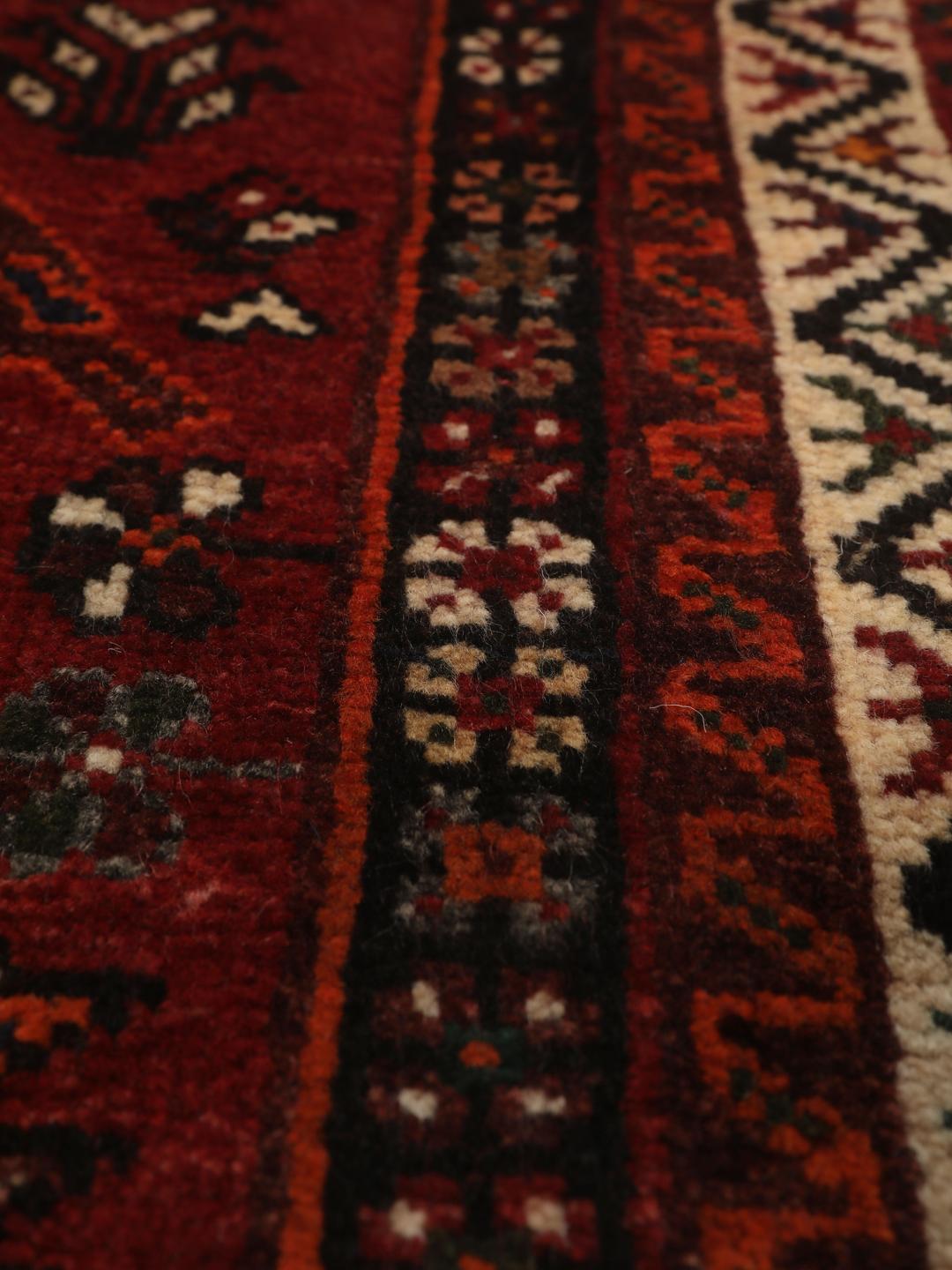
Visually, these rugs are celebrated for their bold geometric aesthetic and repeating motifs, often featuring stylised birds, flowers, and medallions that carry symbolic meaning within the weaving tribes. The use of a deep, resonant dark-red field is a hallmark of the tradition, serving as a canvas for the contrasting geometric elements that give the rug its rhythmic, balanced look.
Collectors value Shiraz rugs for their authentic tribal spirit and the honest, unrefined beauty of their construction. Owning one is an opportunity to connect with a legacy of human skill that has resisted the push toward mass production, offering a piece of functional art that retains its value and character for decades.