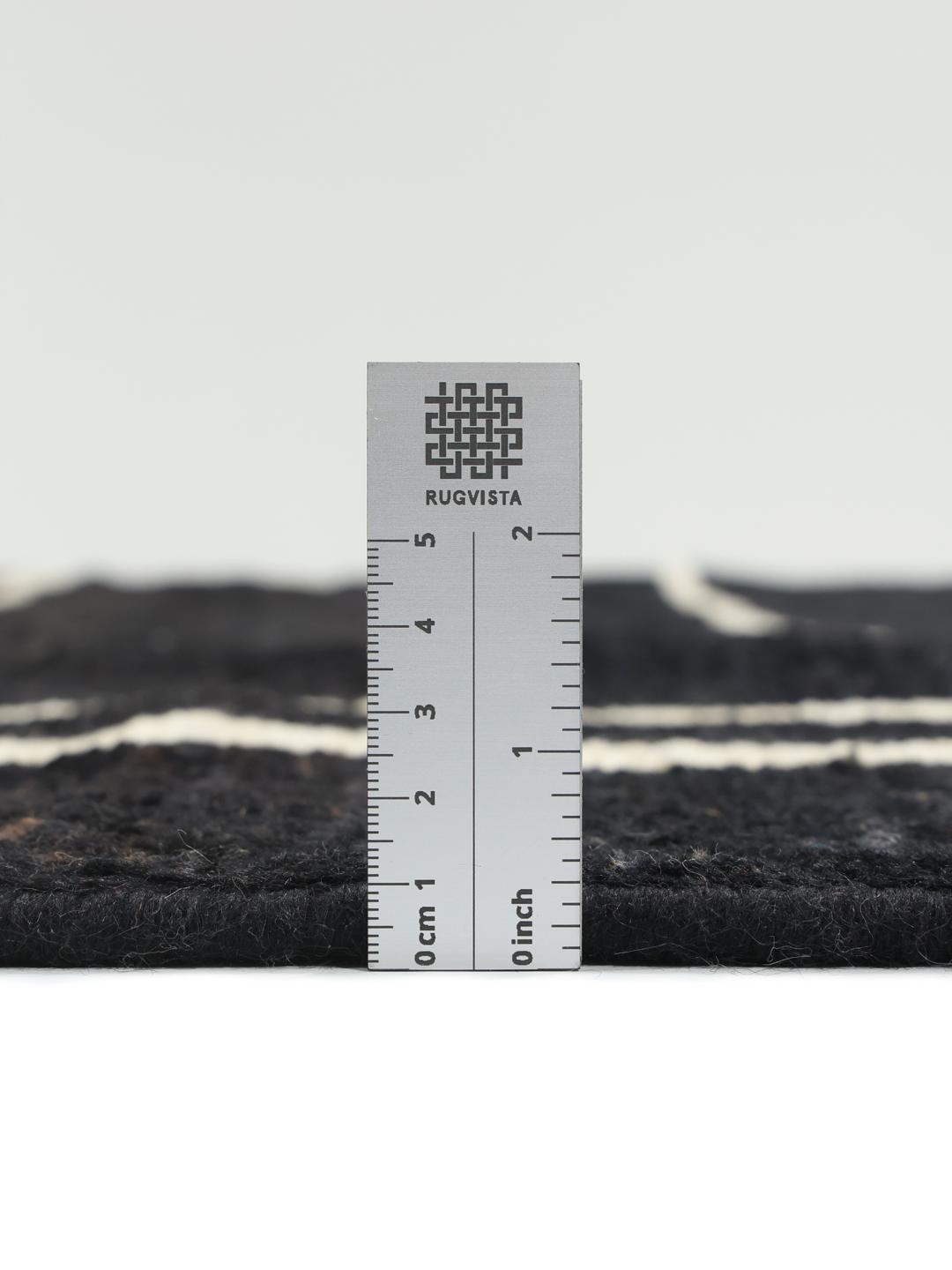
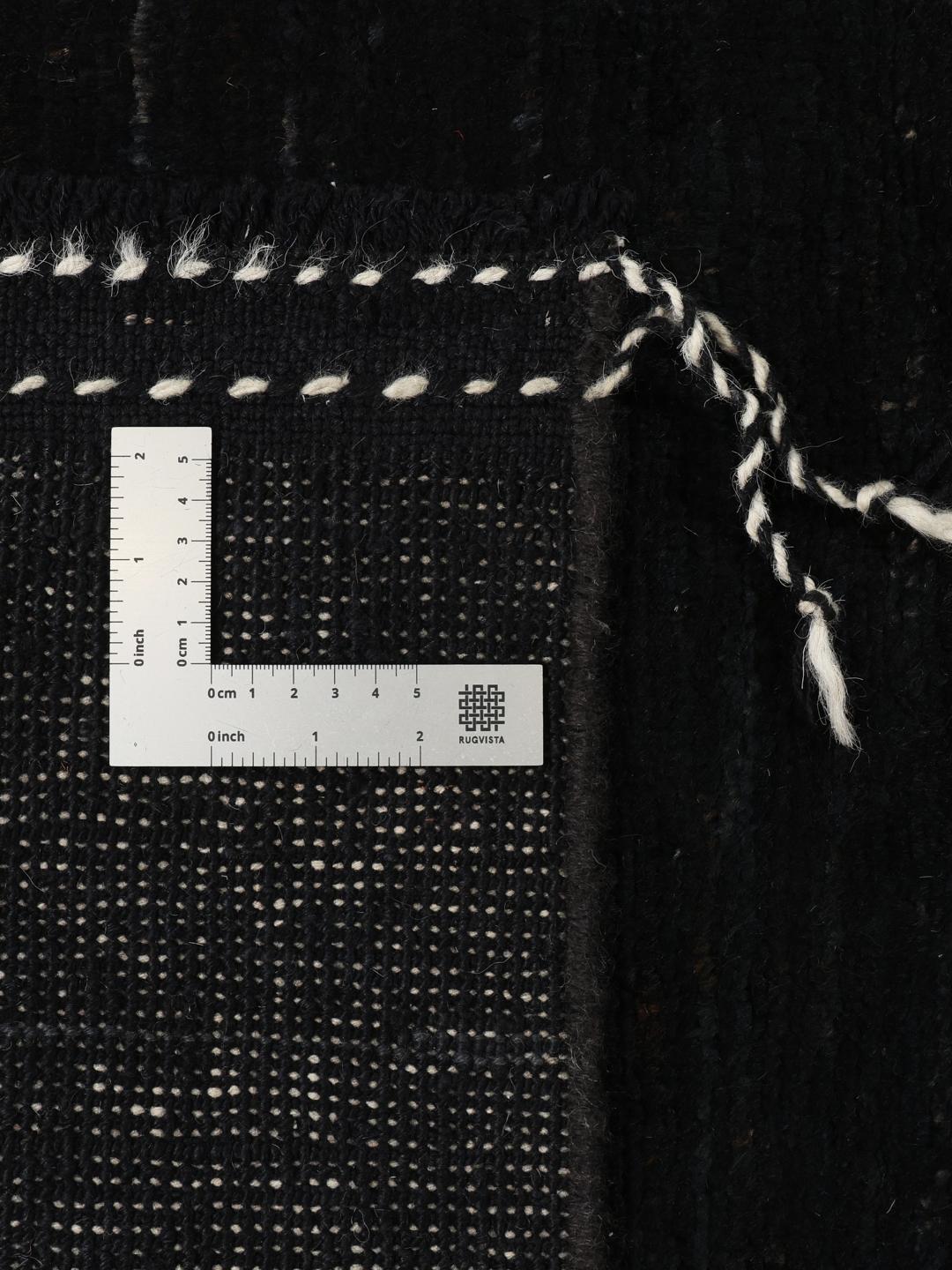
Gabbeh rugs have a storied history rooted in the nomadic traditions of the Middle East. Originally woven for personal use by tribal groups, these rugs were prized for their warmth and practicality, often serving as bedding or floor coverings in harsh climates. Unlike more formal, intricate carpets, traditional Gabbeh rugs were celebrated for their thick pile and spontaneous, artistic designs.
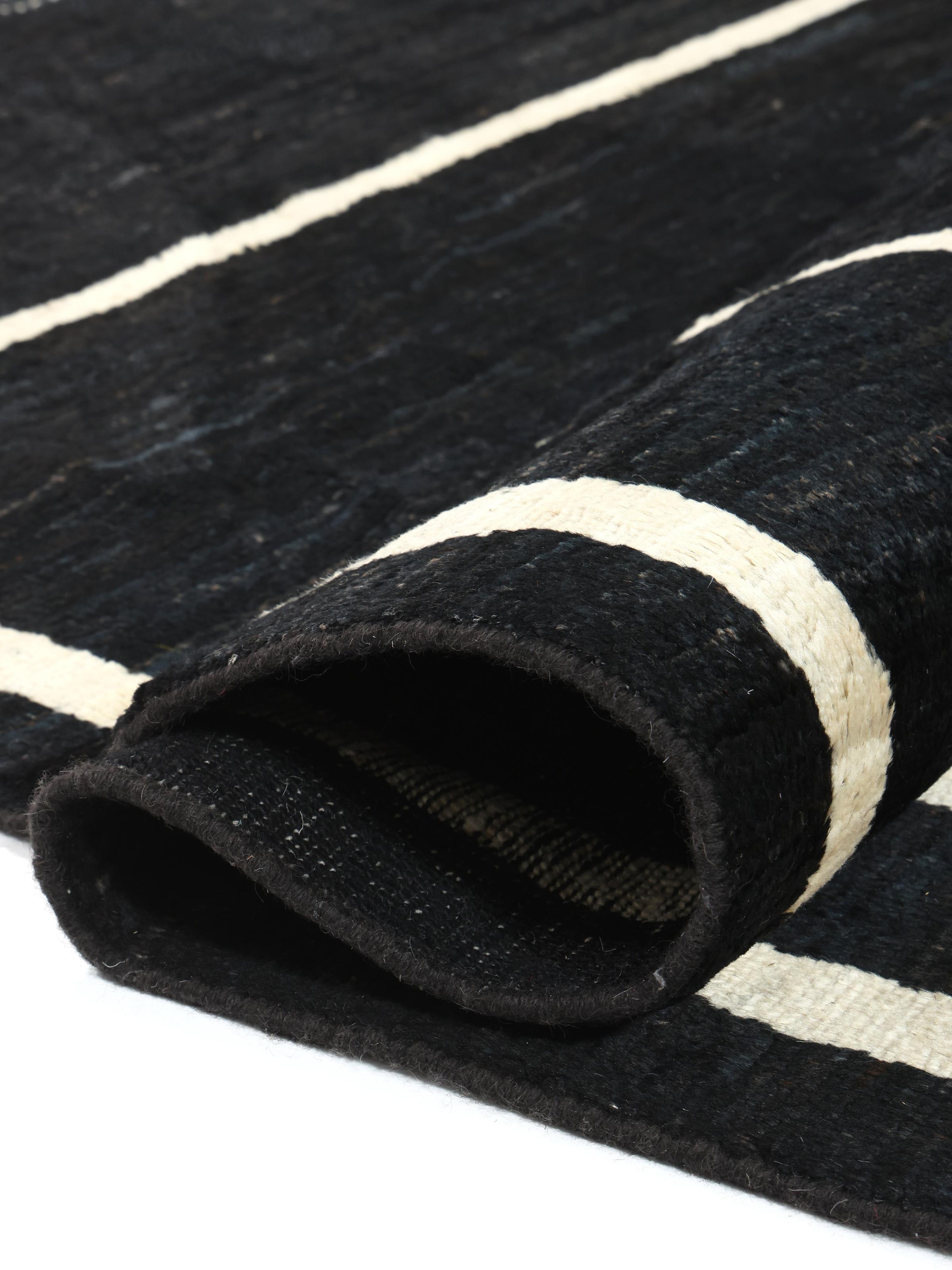
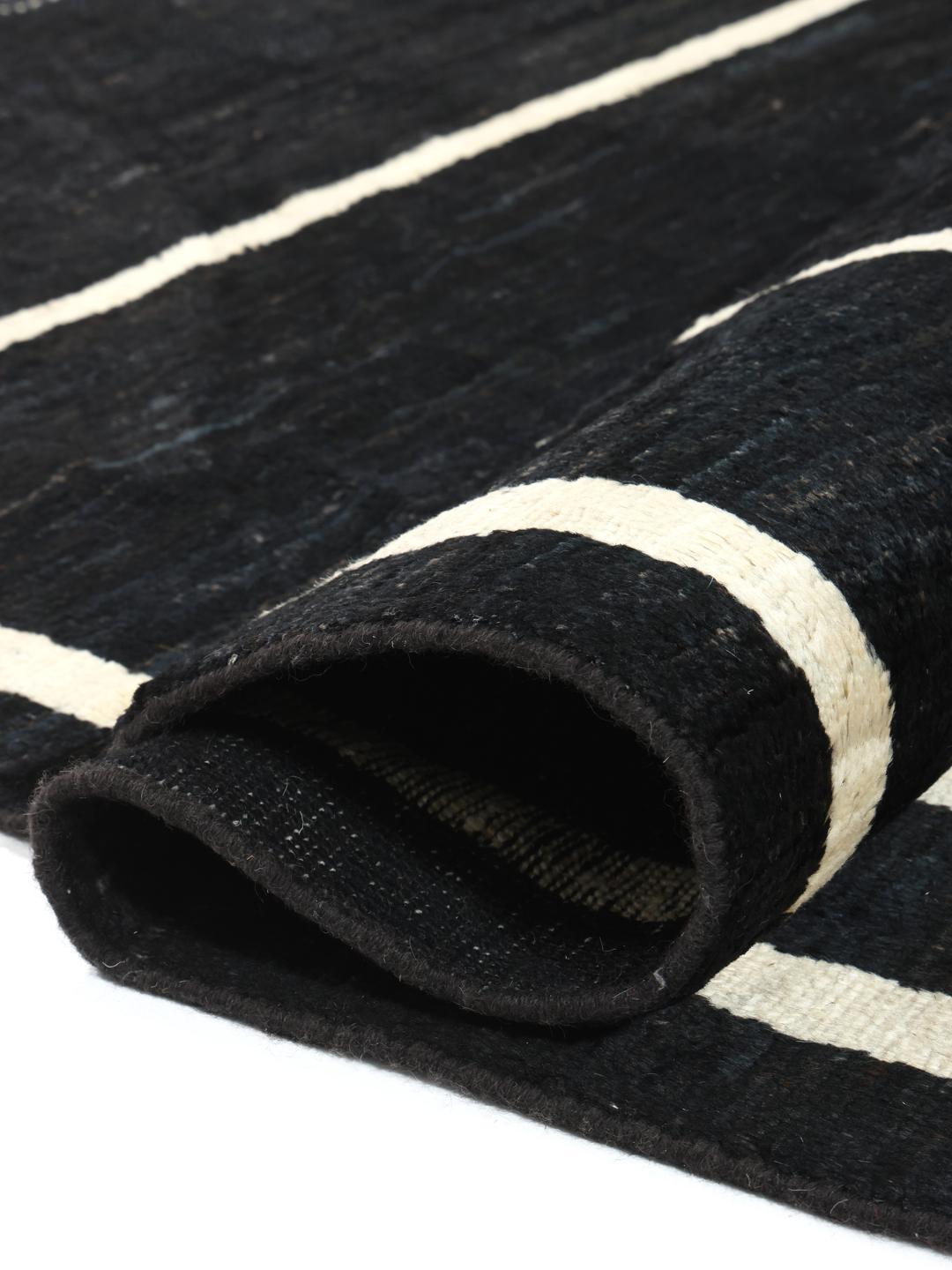
The evolution of the Gabbeh into a modern design staple represents a beautiful intersection of ancient craft and contemporary interior needs. Today, this tradition is expertly upheld by weavers in Afghanistan, who bring a sophisticated edge to these historic techniques. By maintaining the thick, hand-knotted construction while adopting cleaner, more abstract patterns, these rugs bridge the gap between cultural heritage and modern aesthetic preferences.
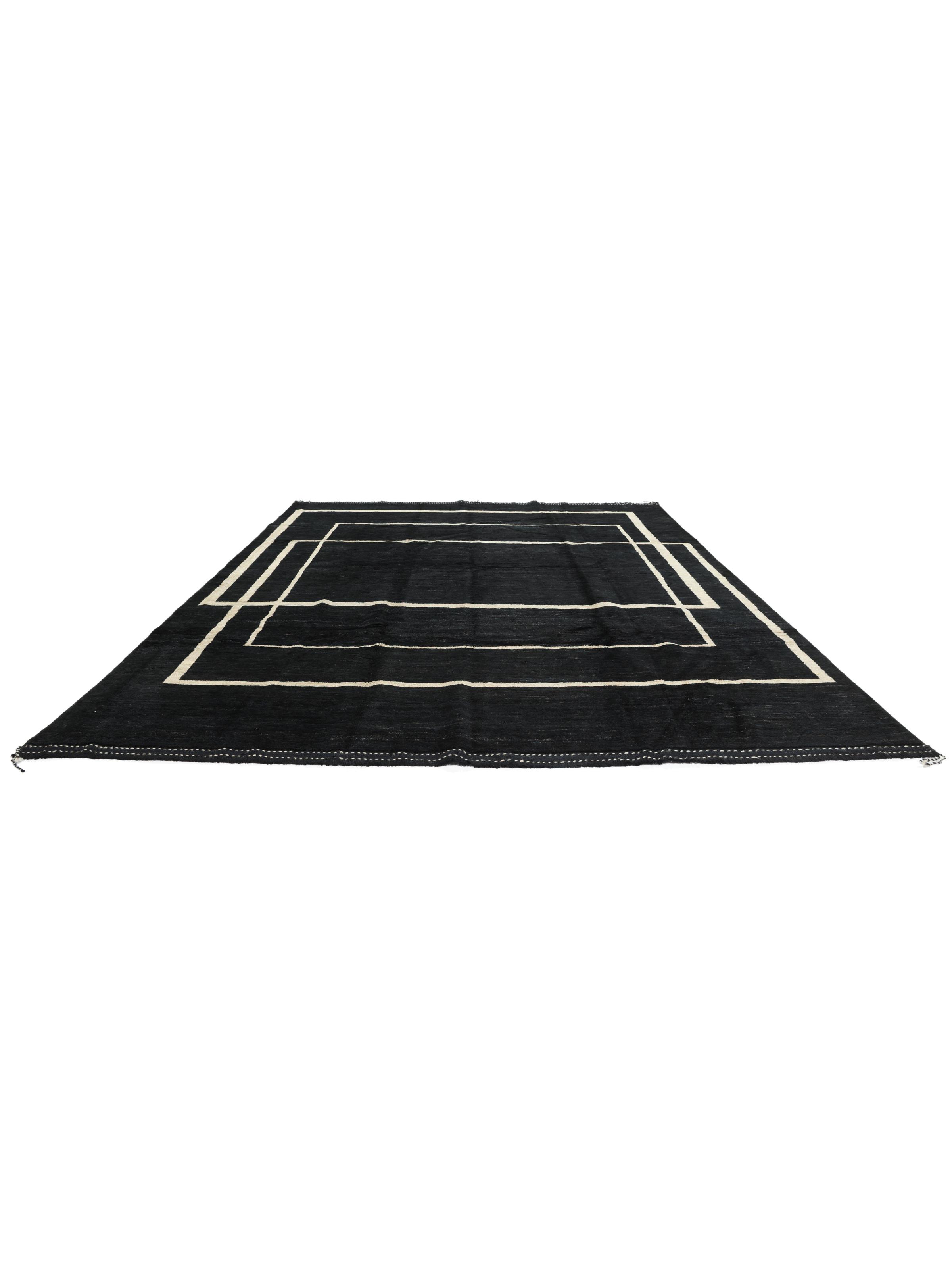
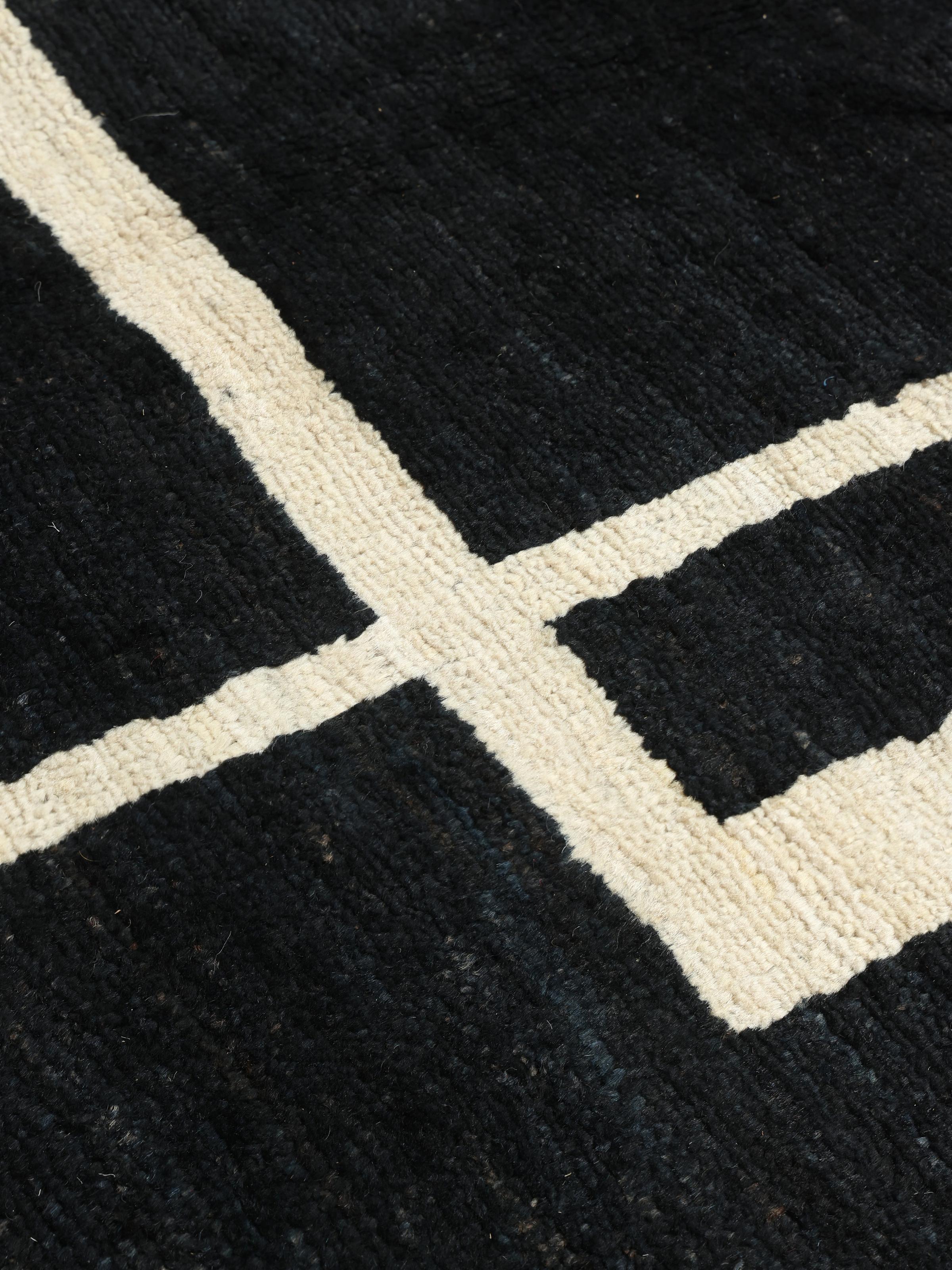
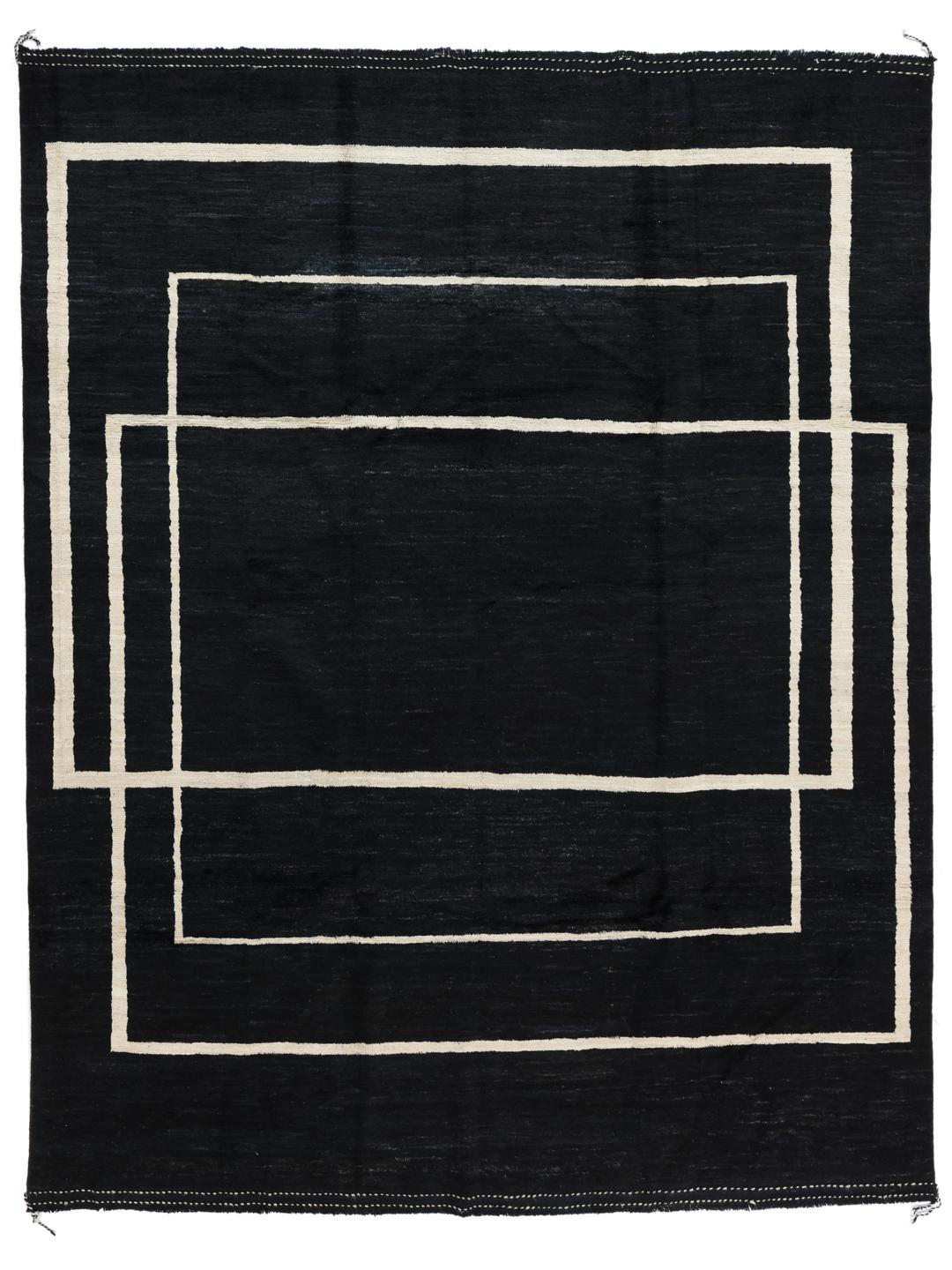
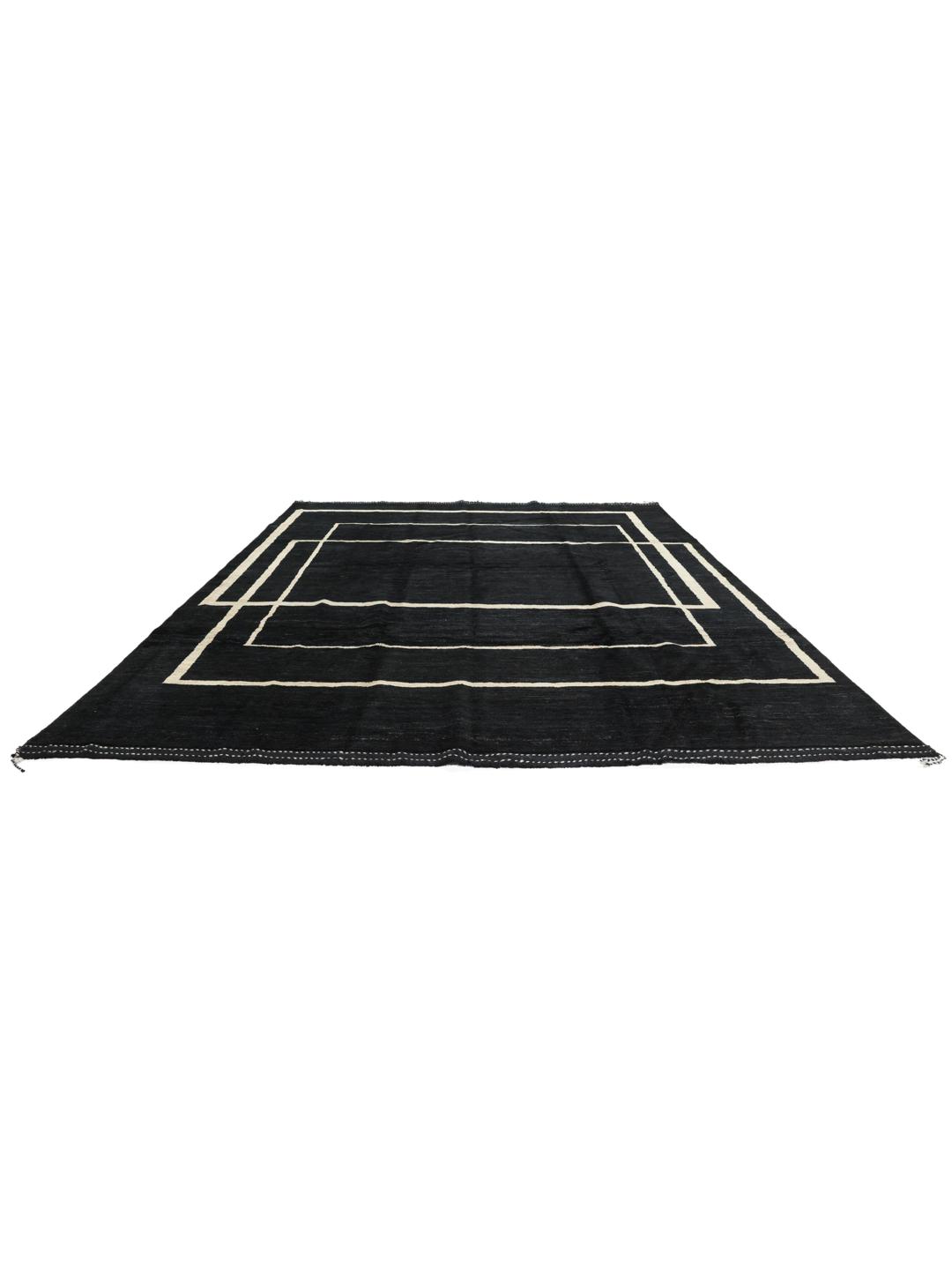
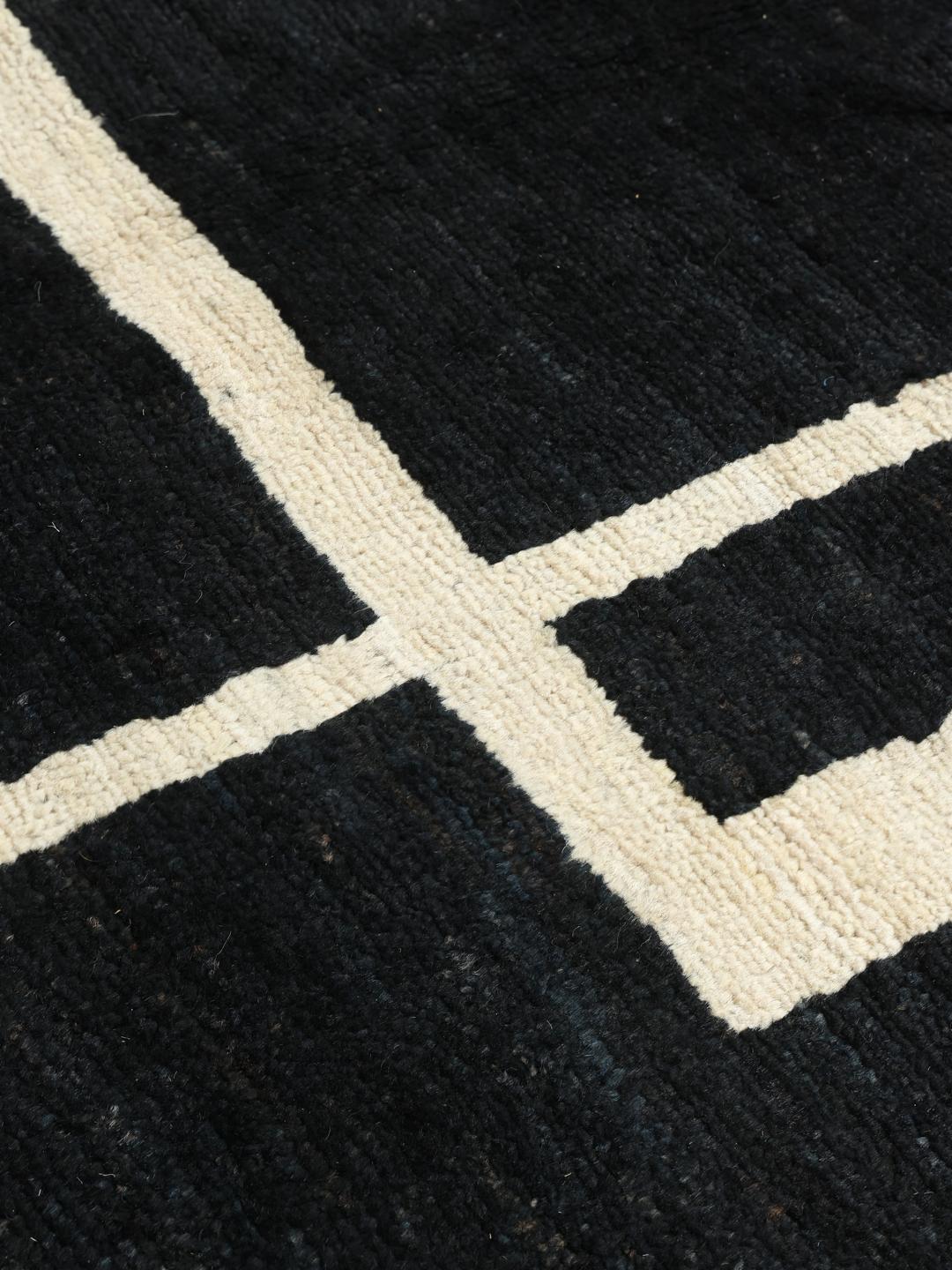
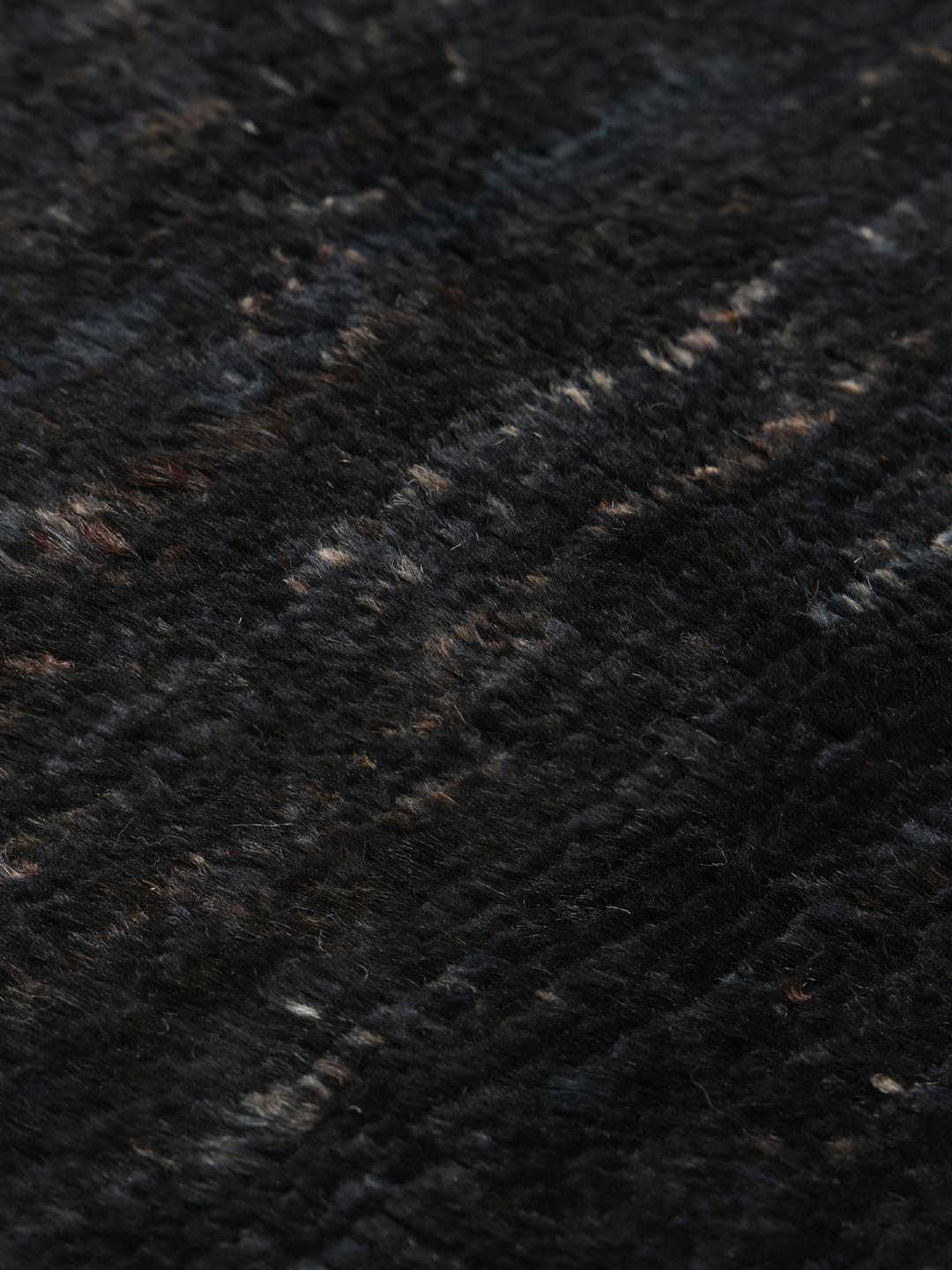
The visual language of this rug is defined by its minimalist approach, which is a departure from the more common, dense floral or tribal patterns usually associated with the region. The use of simple, geometric frames allows the raw, natural texture of the Wool to shine. This choice of pattern reflects a modern design philosophy that values clarity and balance, making it a perfect fit for a contemporary living environment.
Collecting a rug from this tradition is an investment in the preservation of human skill. Because each piece is created without a pre-drawn chart, the weaver acts as a true artist, making creative decisions throughout the process. This cultural weight adds a layer of depth to your home, as you are not just acquiring a rug, but a testament to a craft that has been passed down through generations of skilled hands.