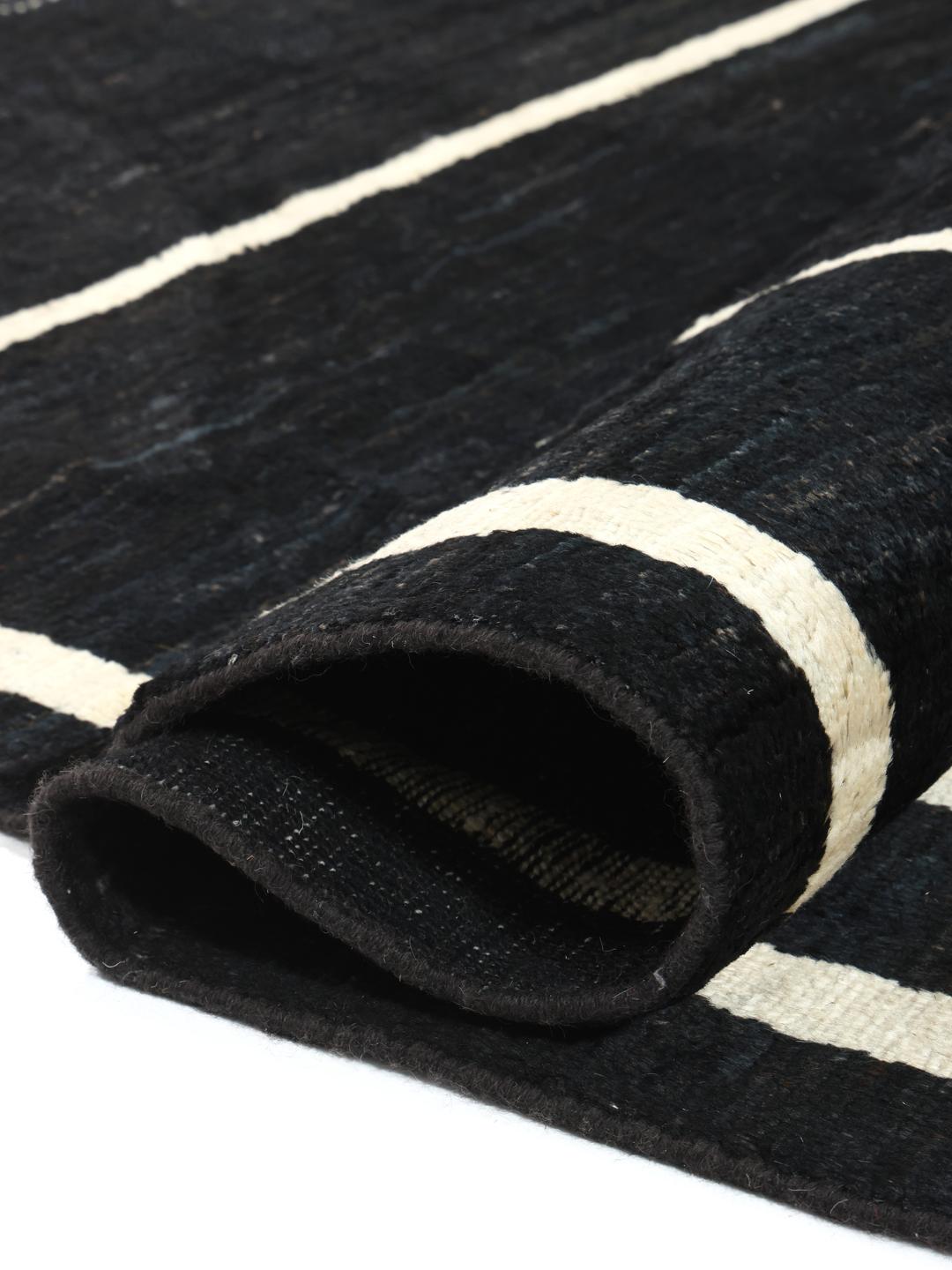
Gabbeh rugs have a storied history rooted in the nomadic traditions of the Middle East, where they were originally woven for personal use by tribal weavers. Unlike more formal, ornate carpets, the Gabbeh was designed as a heavy, thick floor covering intended to provide warmth and comfort in harsh environments. Over time, these rugs have evolved from functional household items into celebrated pieces of modern art.
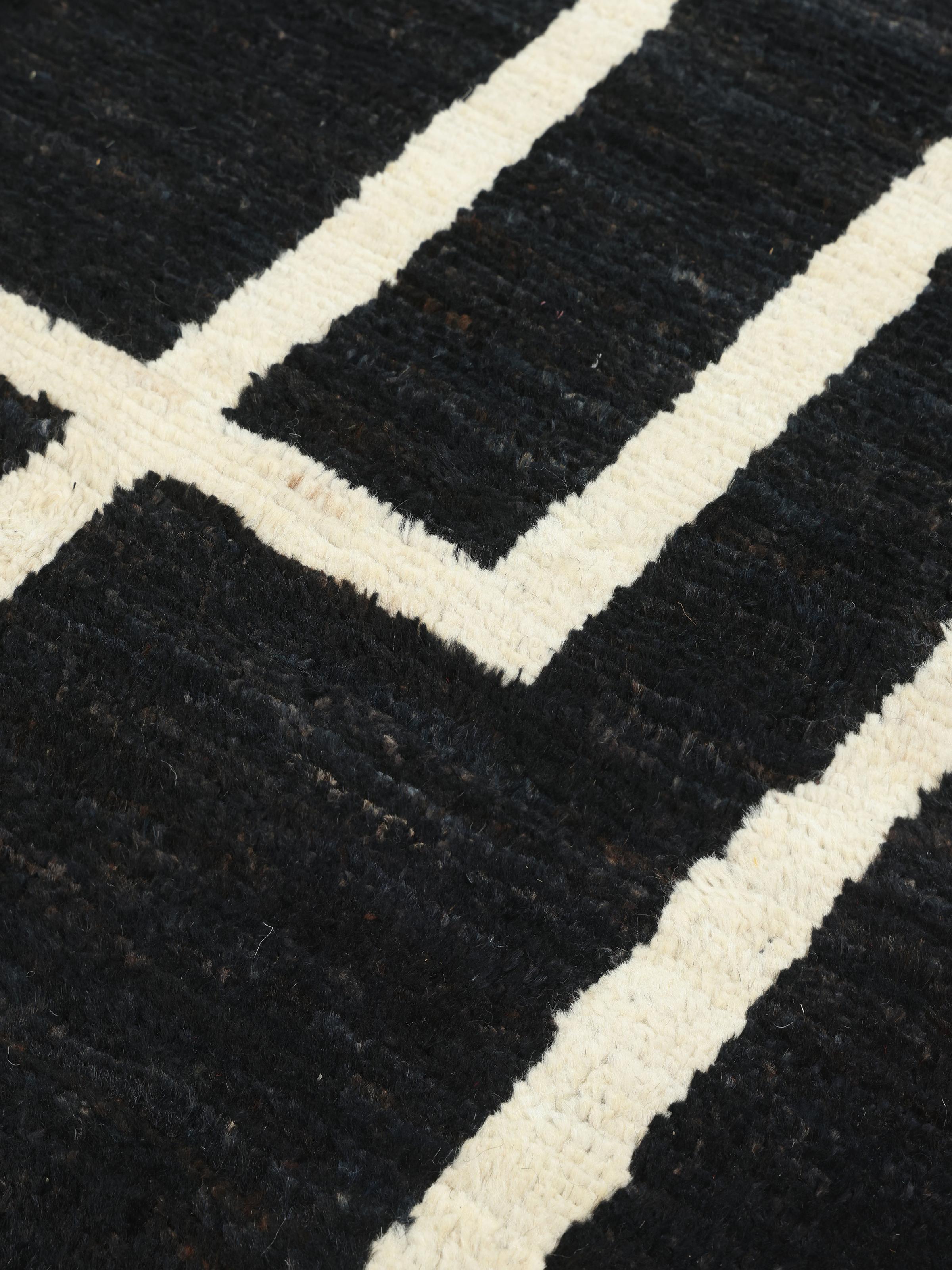
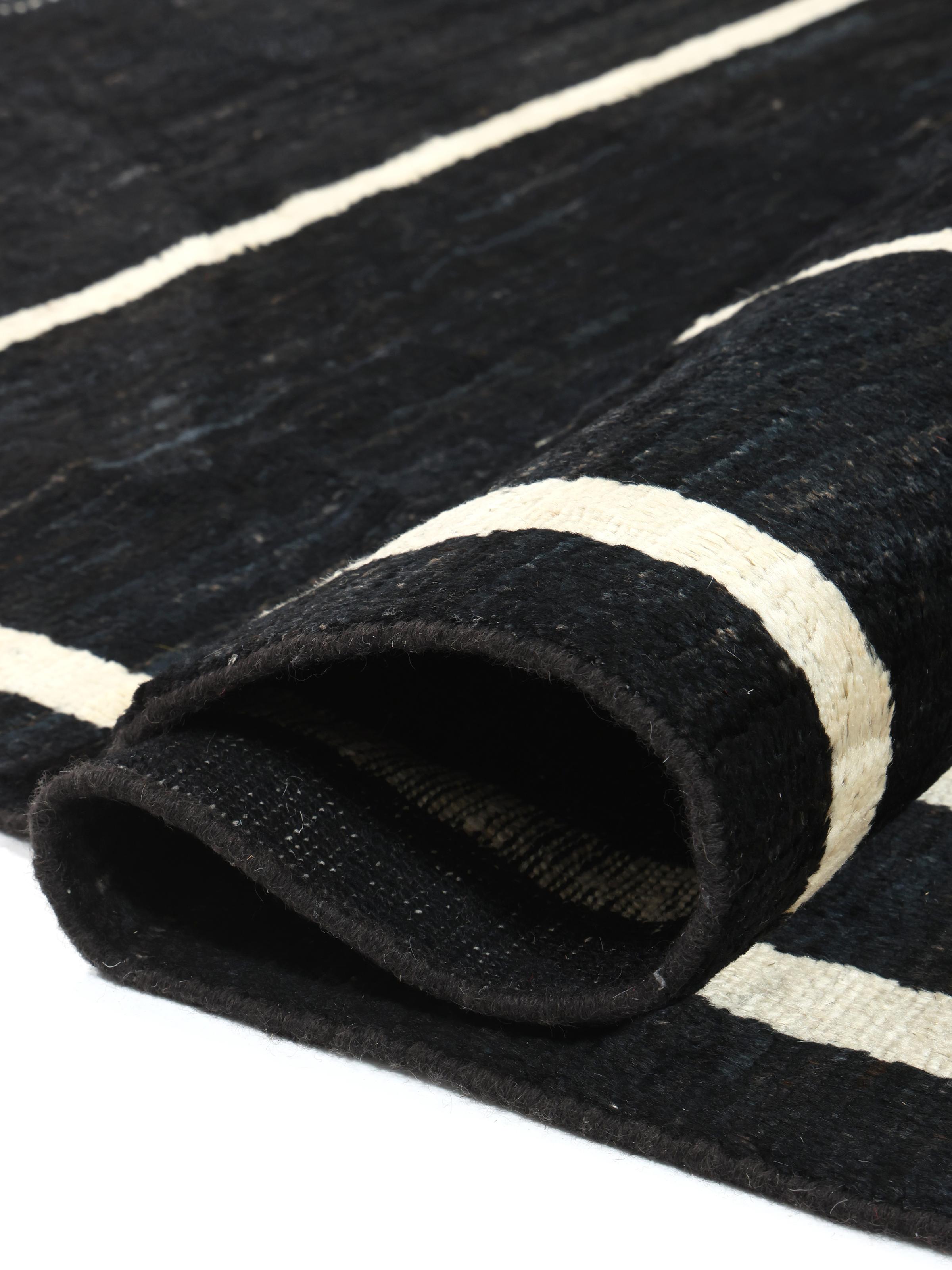
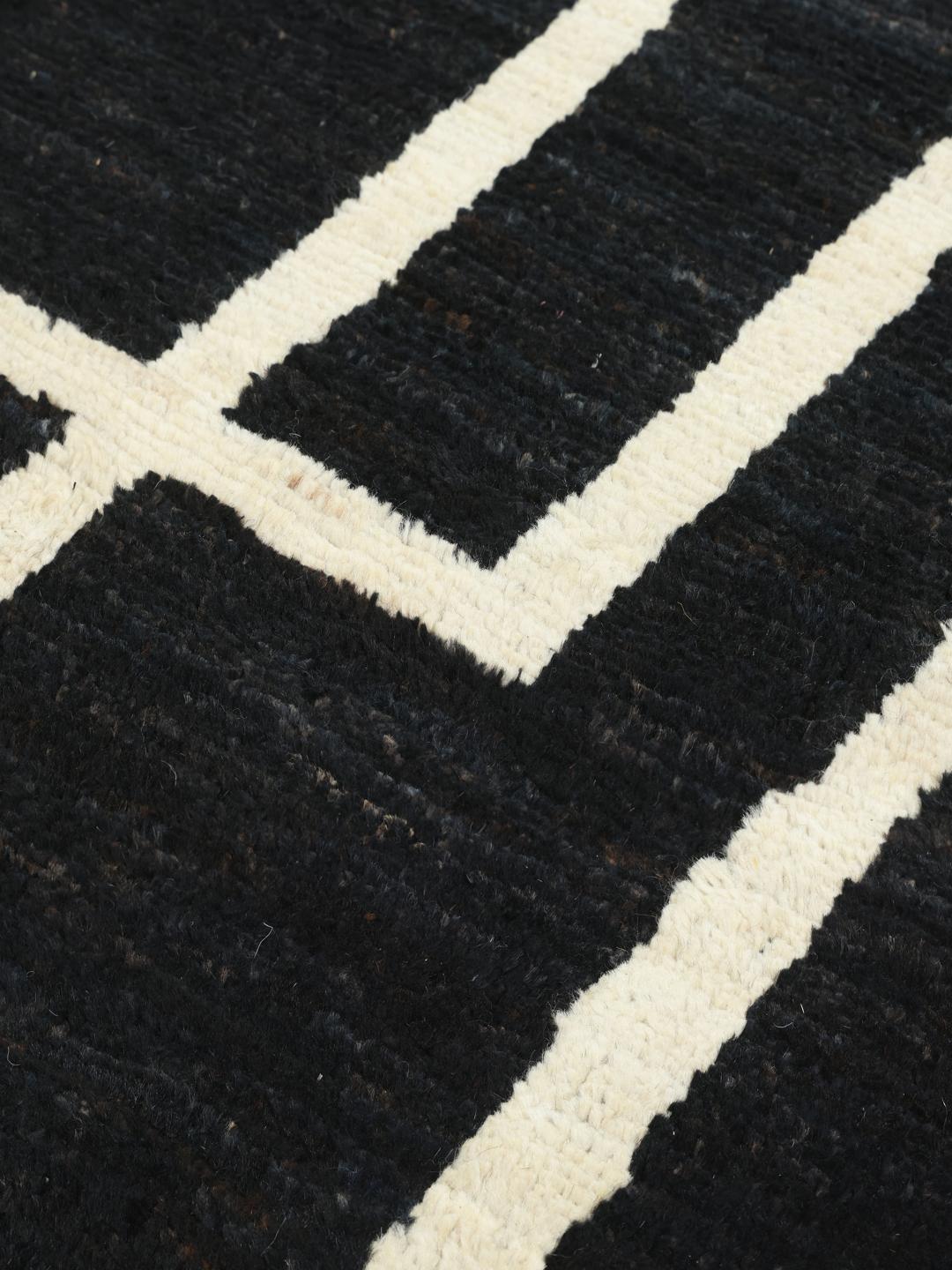
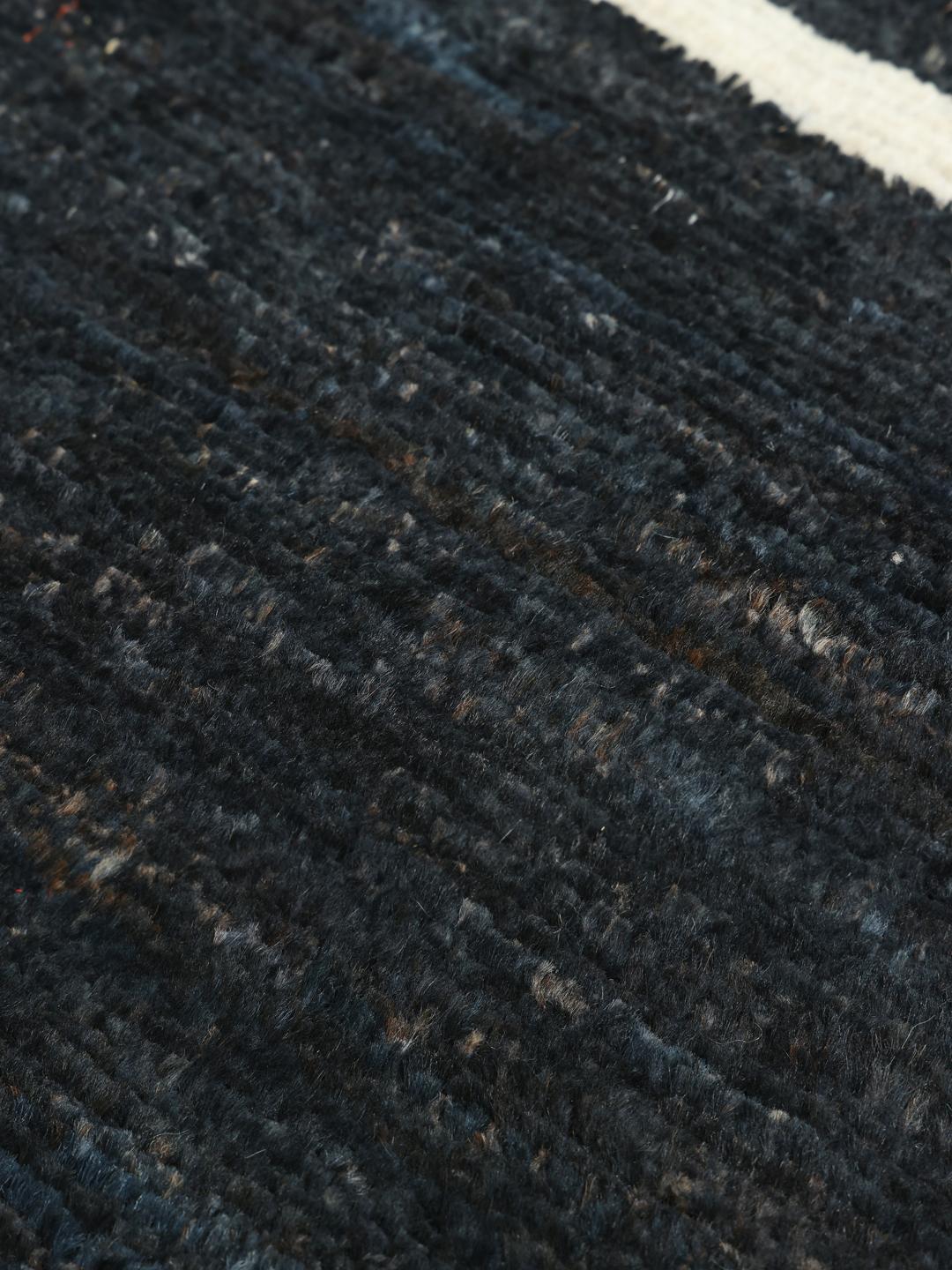
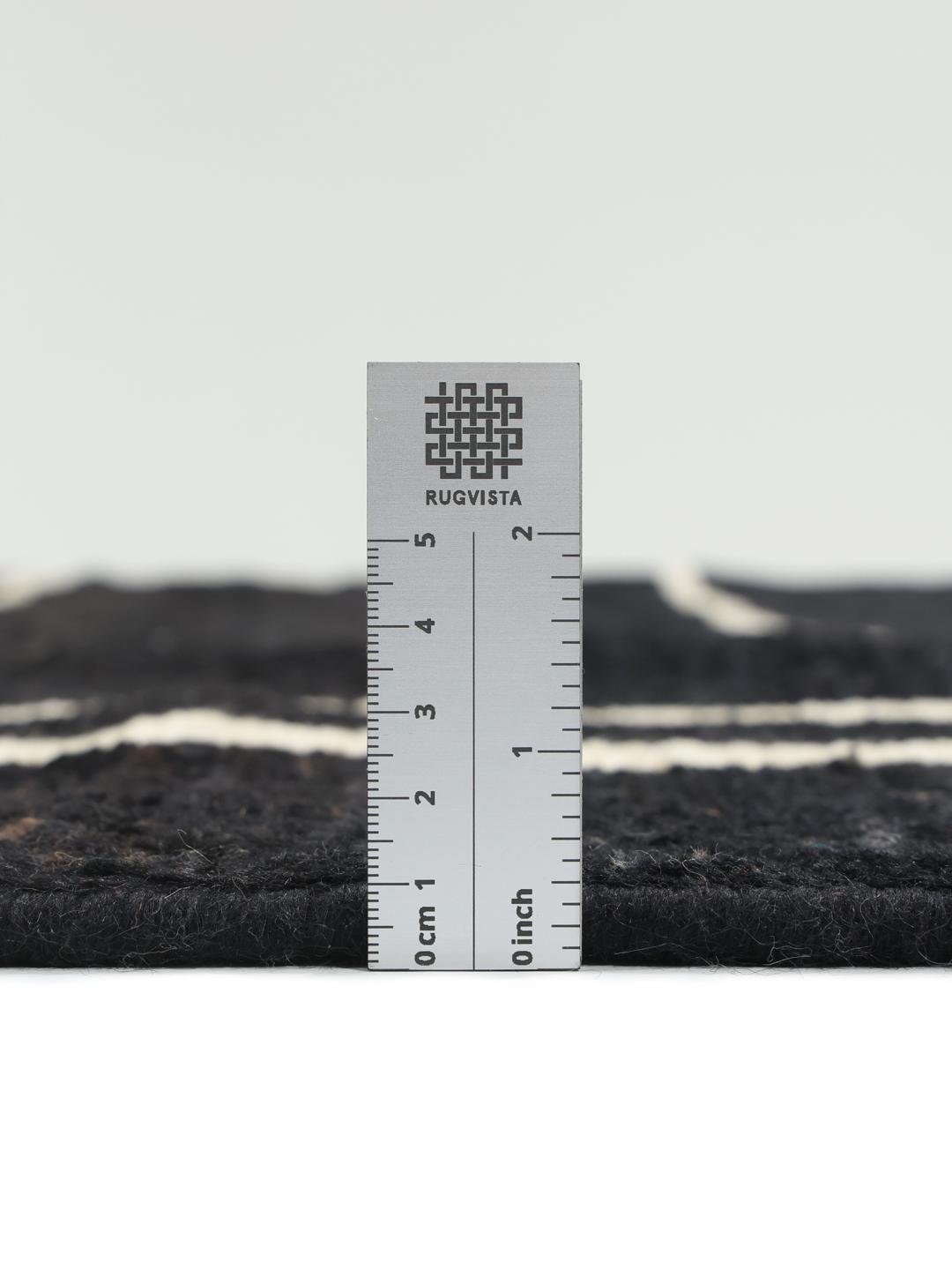
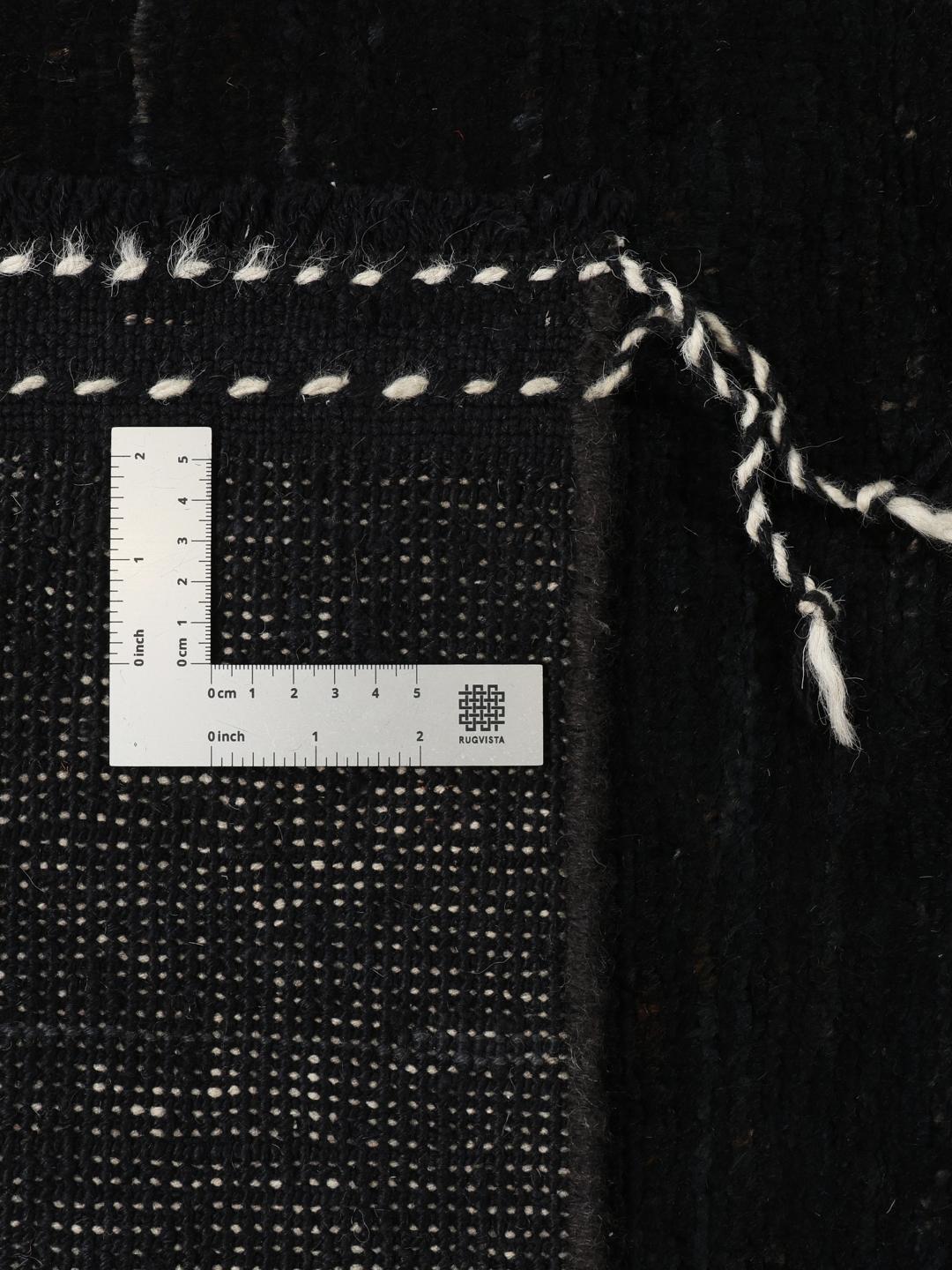
The term Gabbeh itself refers to a style that is typically characterised by a thicker, longer pile and a more relaxed approach to design compared to traditional city-made rugs. In modern contexts, this style has been refined to embrace minimalist aesthetics, allowing the natural quality of the wool and the depth of the dye to take centre stage. The focus remains on the tactile experience, prioritising a soft, dense surface that feels luxurious to the touch.
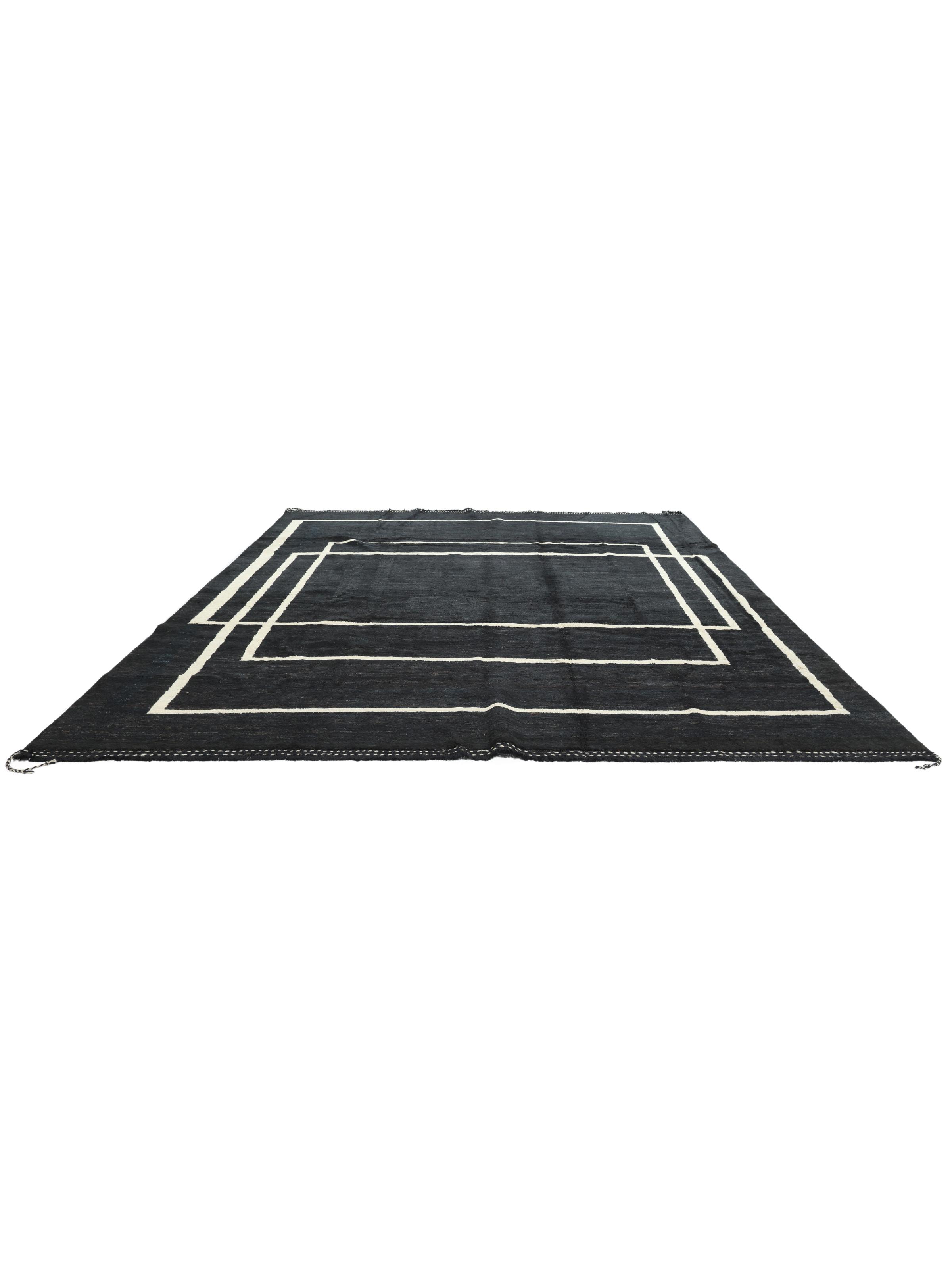
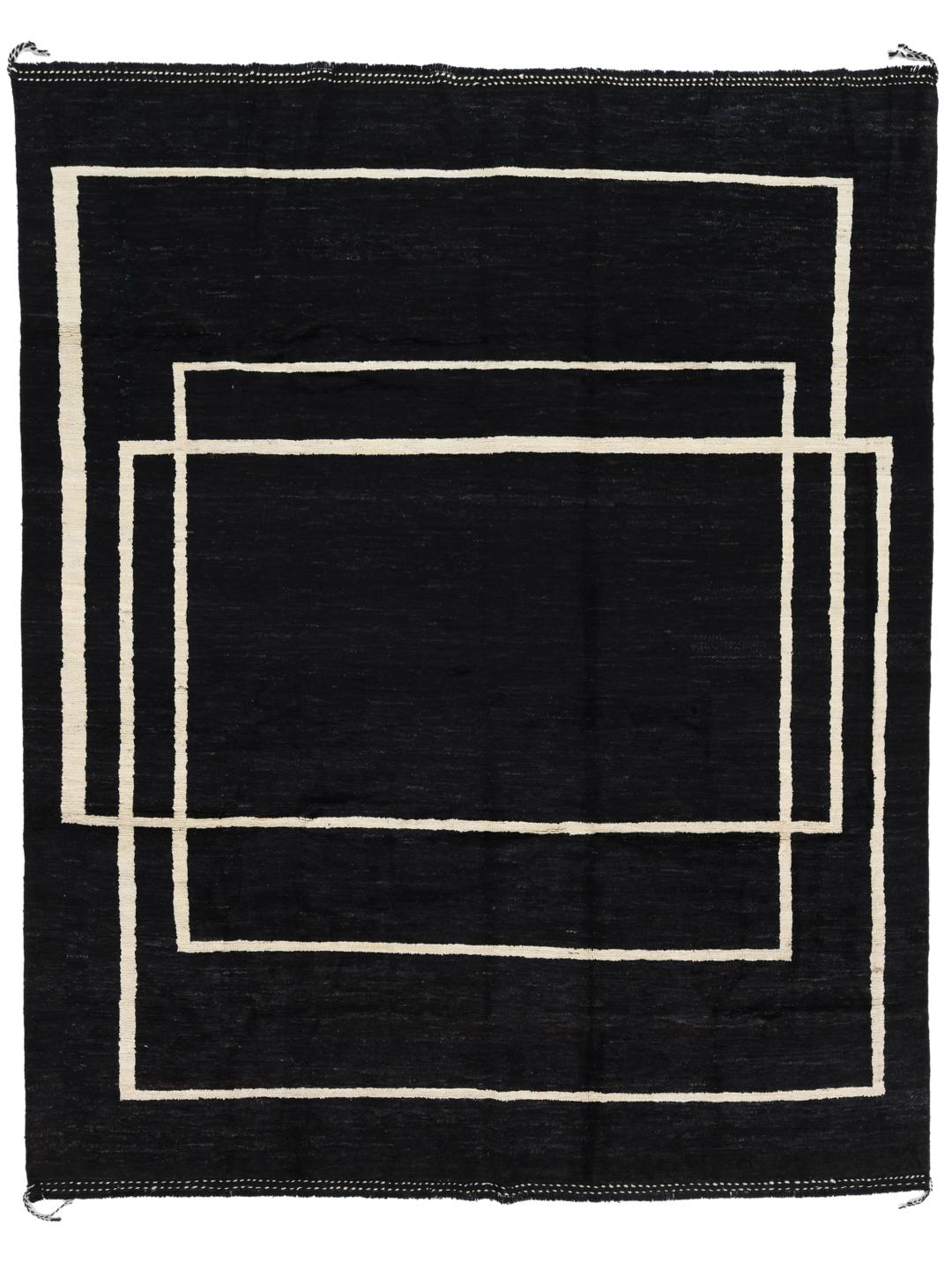
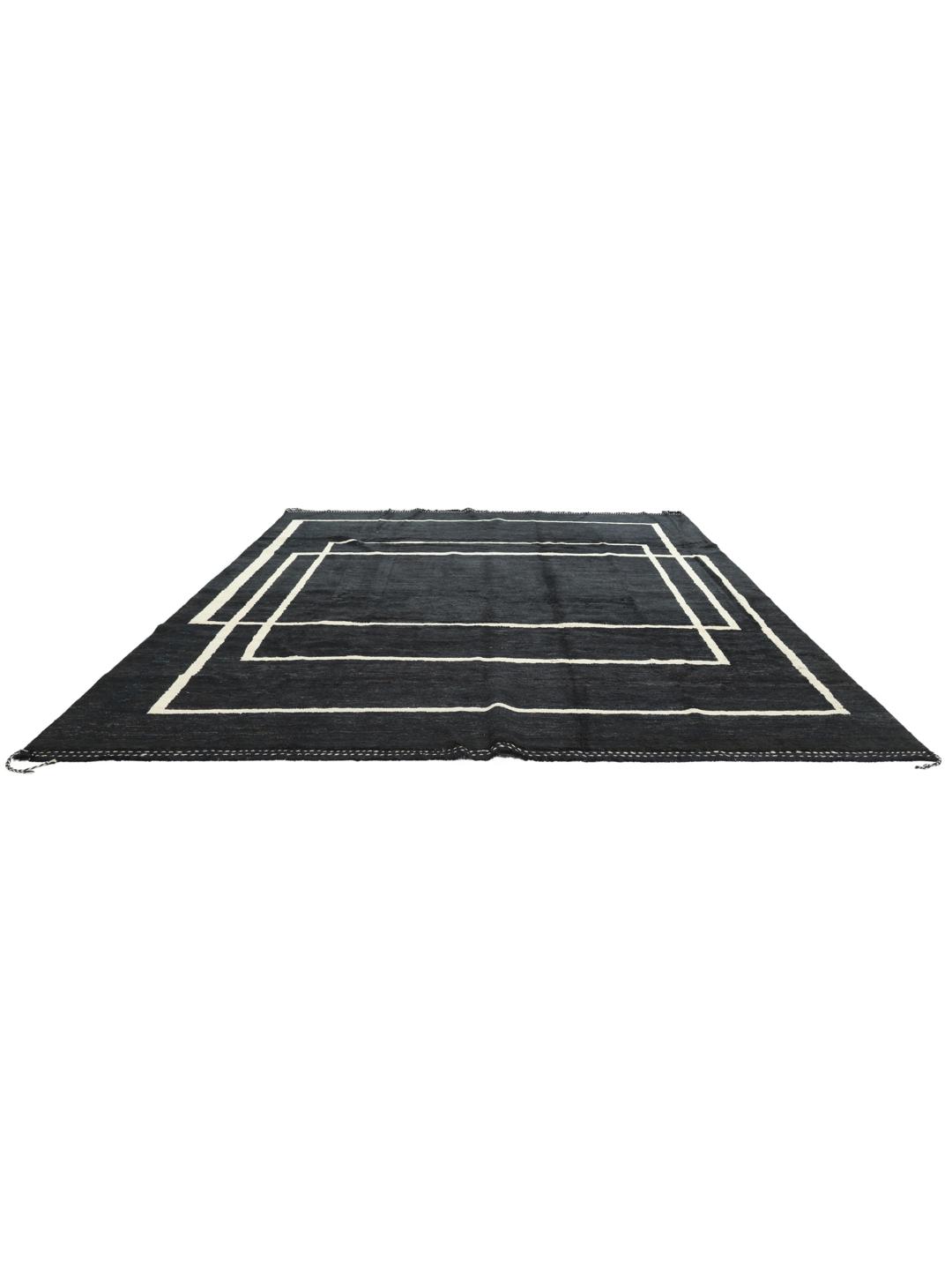
Signature design elements in this category often feature large, open spaces, bold shapes, and a reduced colour palette. While traditional nomadic Gabbehs might showcase stylized animals or tribal symbols, the modern iteration seen here favours clean, geometric lines that emphasise scale and form. The contrast between the dark background and the stark, light-coloured rectangles creates a striking visual tension that is both contemporary and timeless.
Collectors value these rugs for their authenticity and the direct connection they provide to a centuries-old craft tradition. Owning a piece like this is a way to bridge the gap between ancient methods and modern interior design, celebrating the skill of the weaver and the natural beauty of the materials. It is a piece that carries cultural weight and lasting quality, making it a meaningful addition to any thoughtful home.