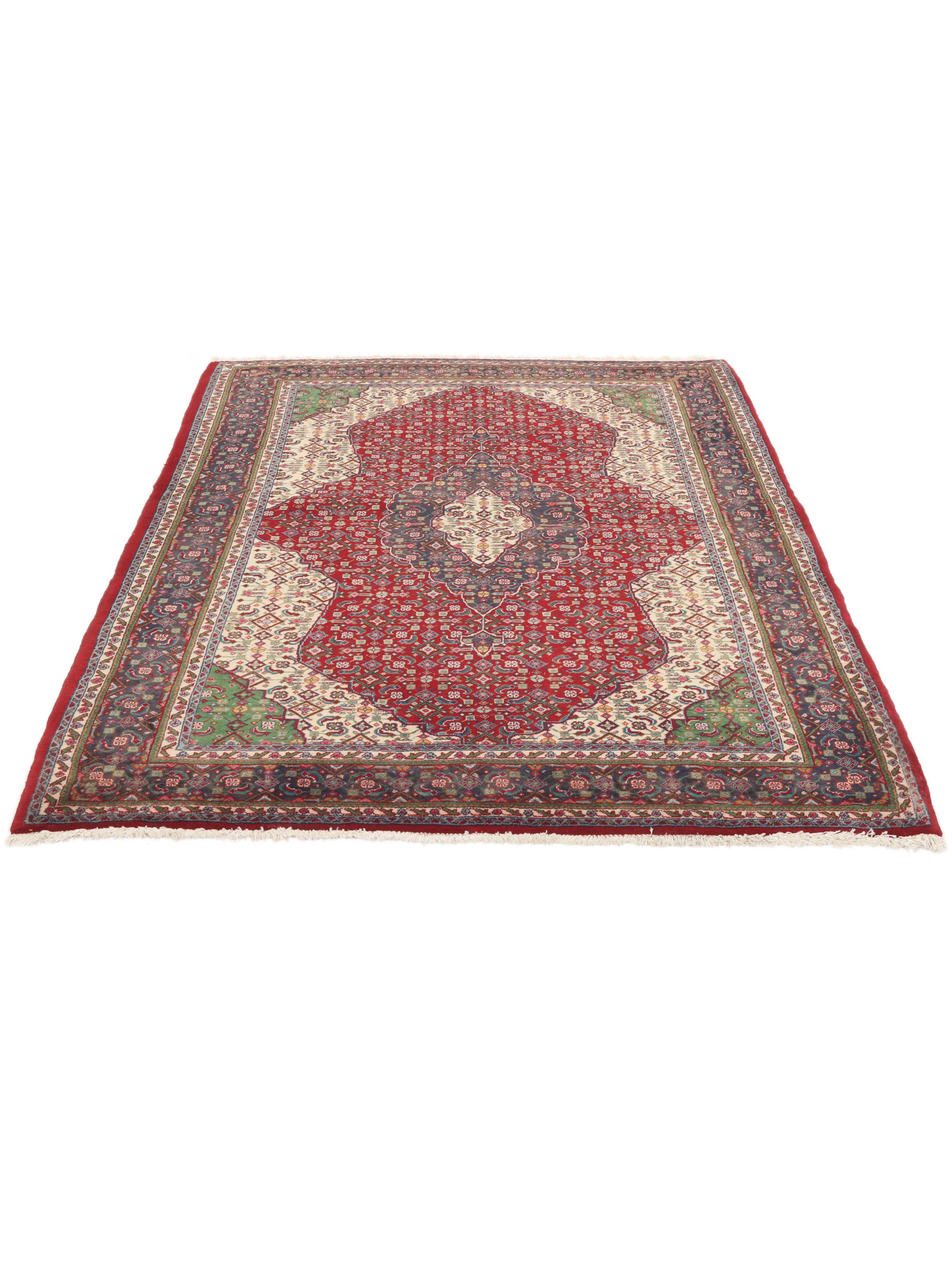
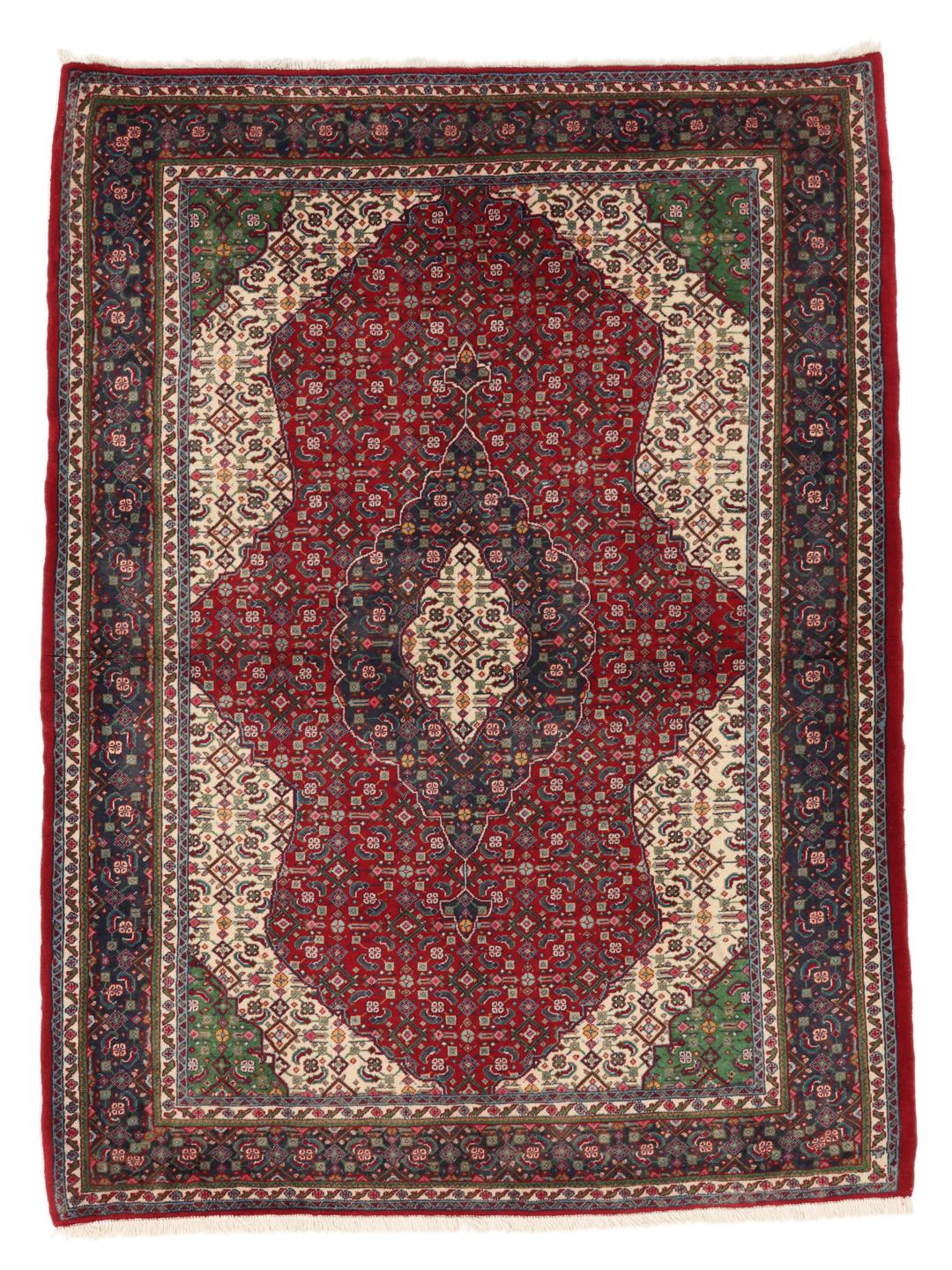
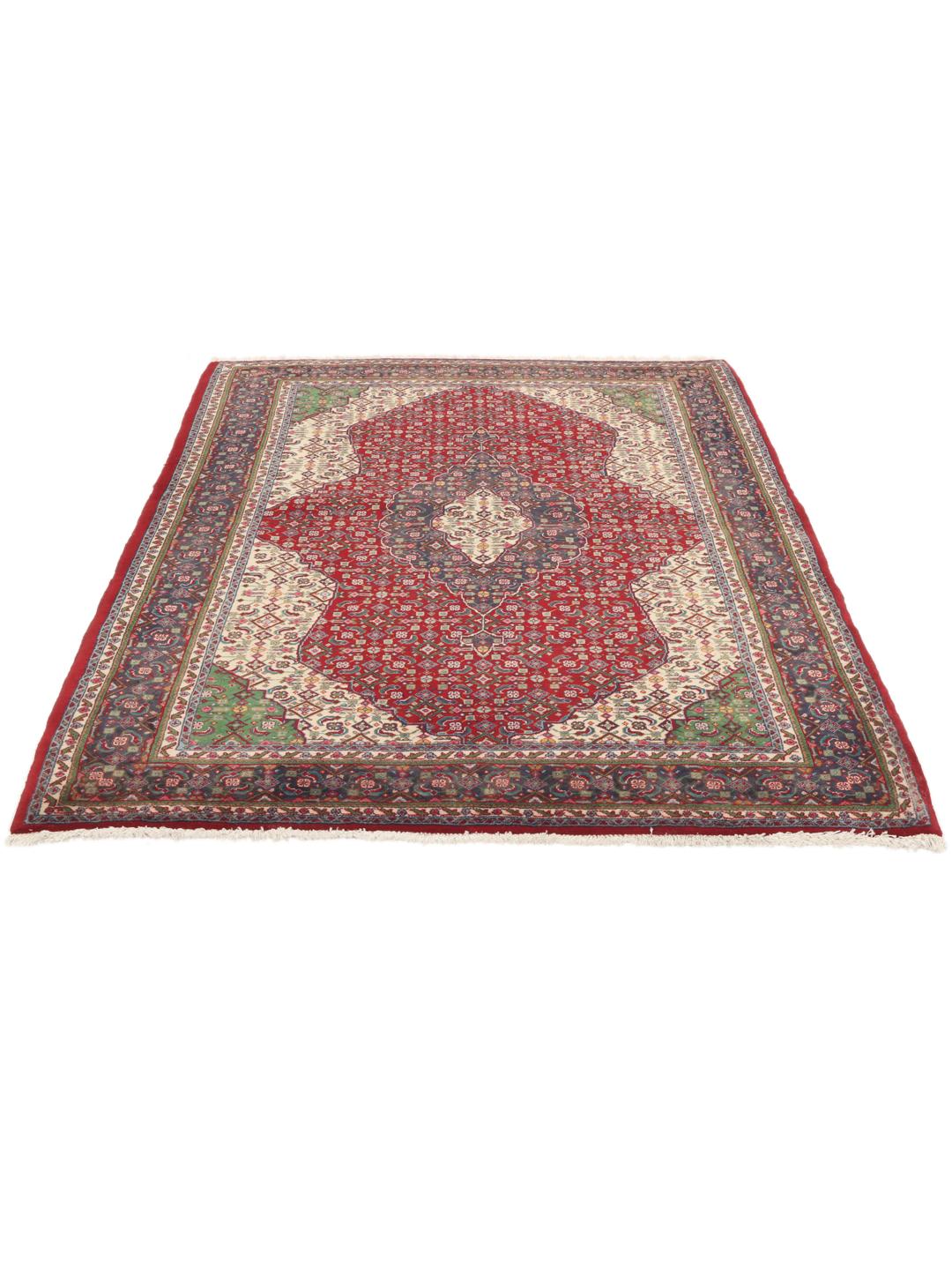
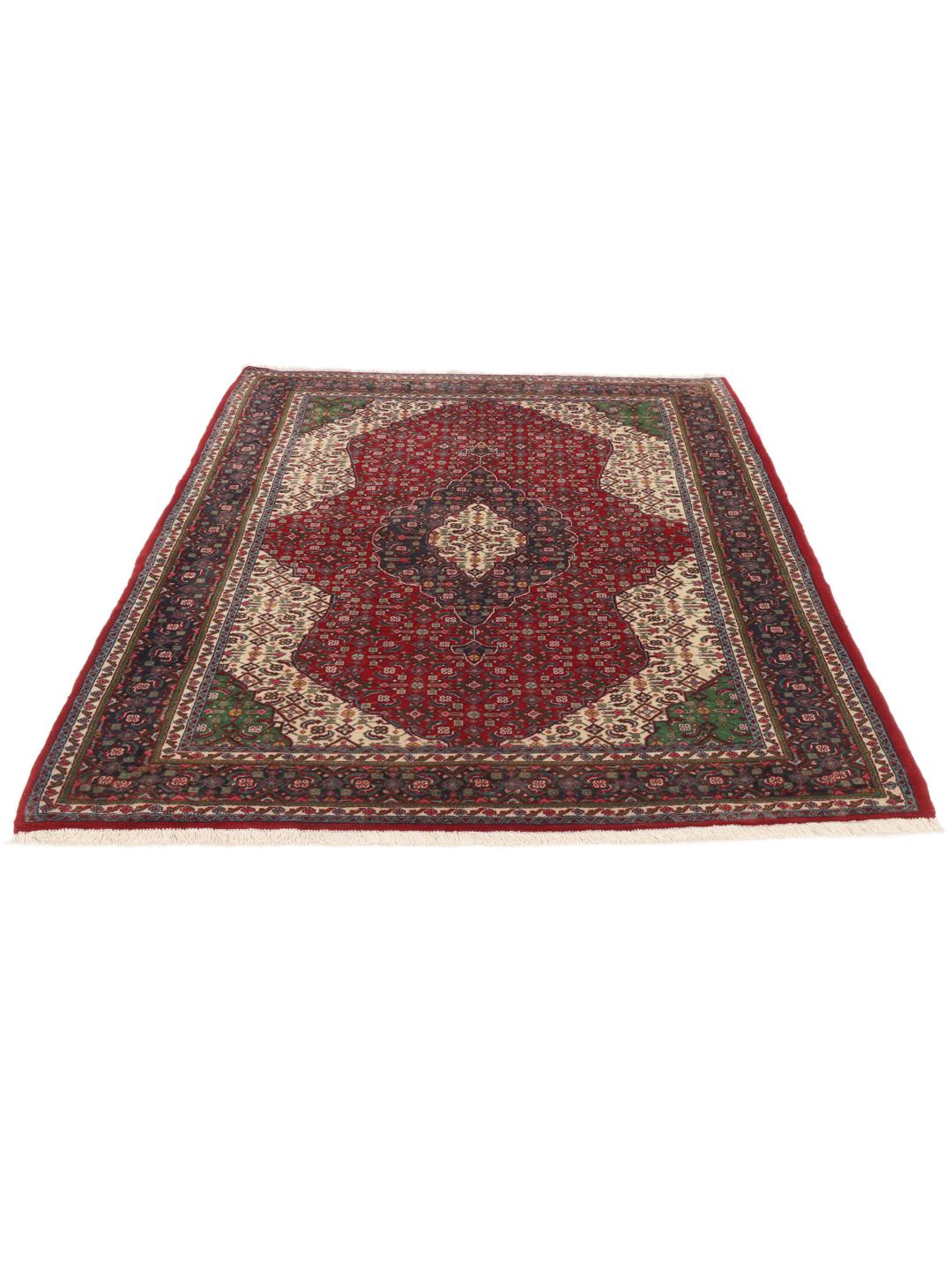
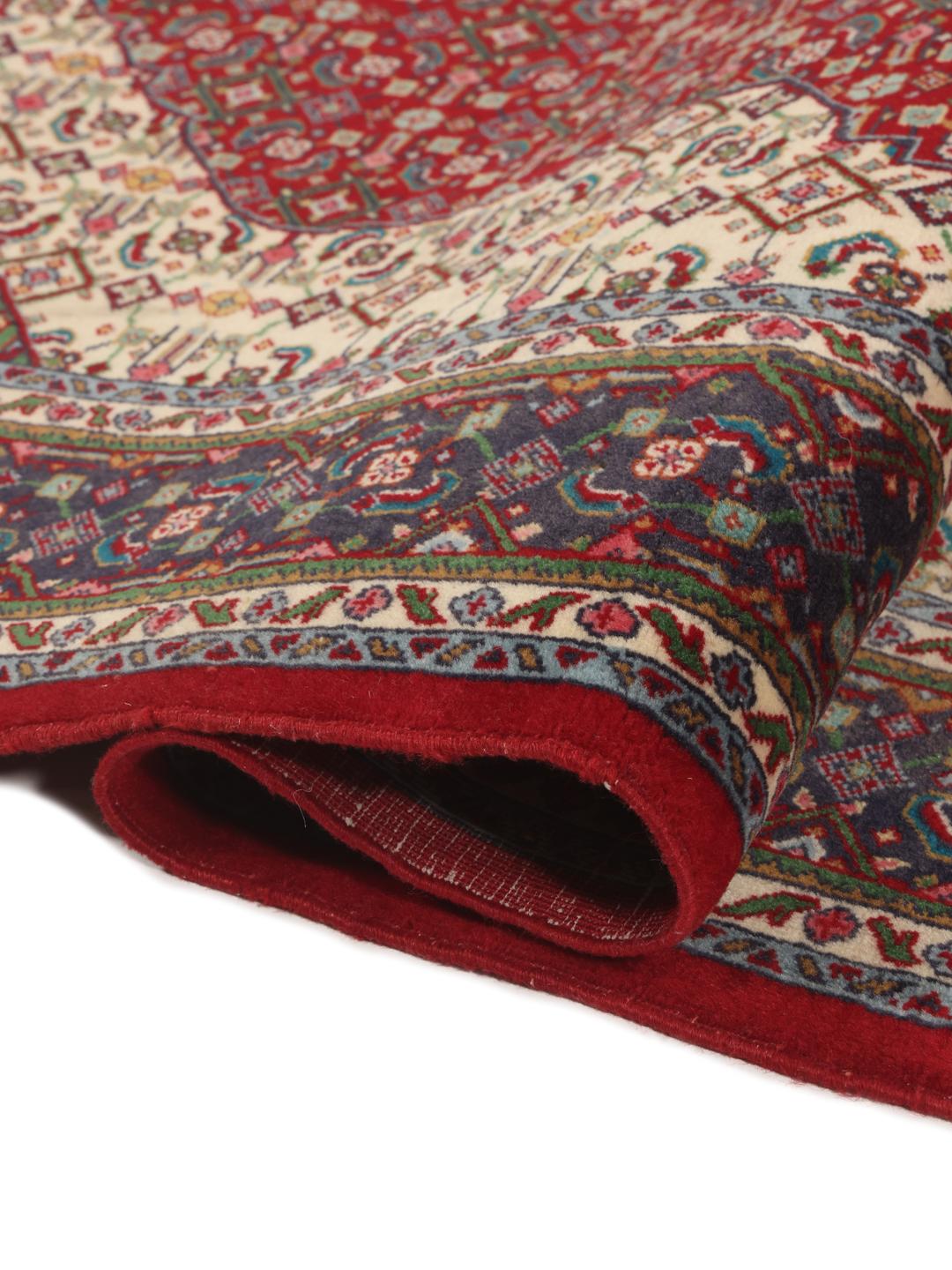
The tradition of weaving in Tabriz, a historic city in the Middle East, is world-renowned for its elegance and technical mastery. For centuries, this region has served as a central hub for the art of rug making, evolving from a center of court-commissioned pieces to a source of some of the most sought-after hand-knotted rugs in the world. The craft has been refined through generations, with master weavers passing down techniques that define the region's unique aesthetic.
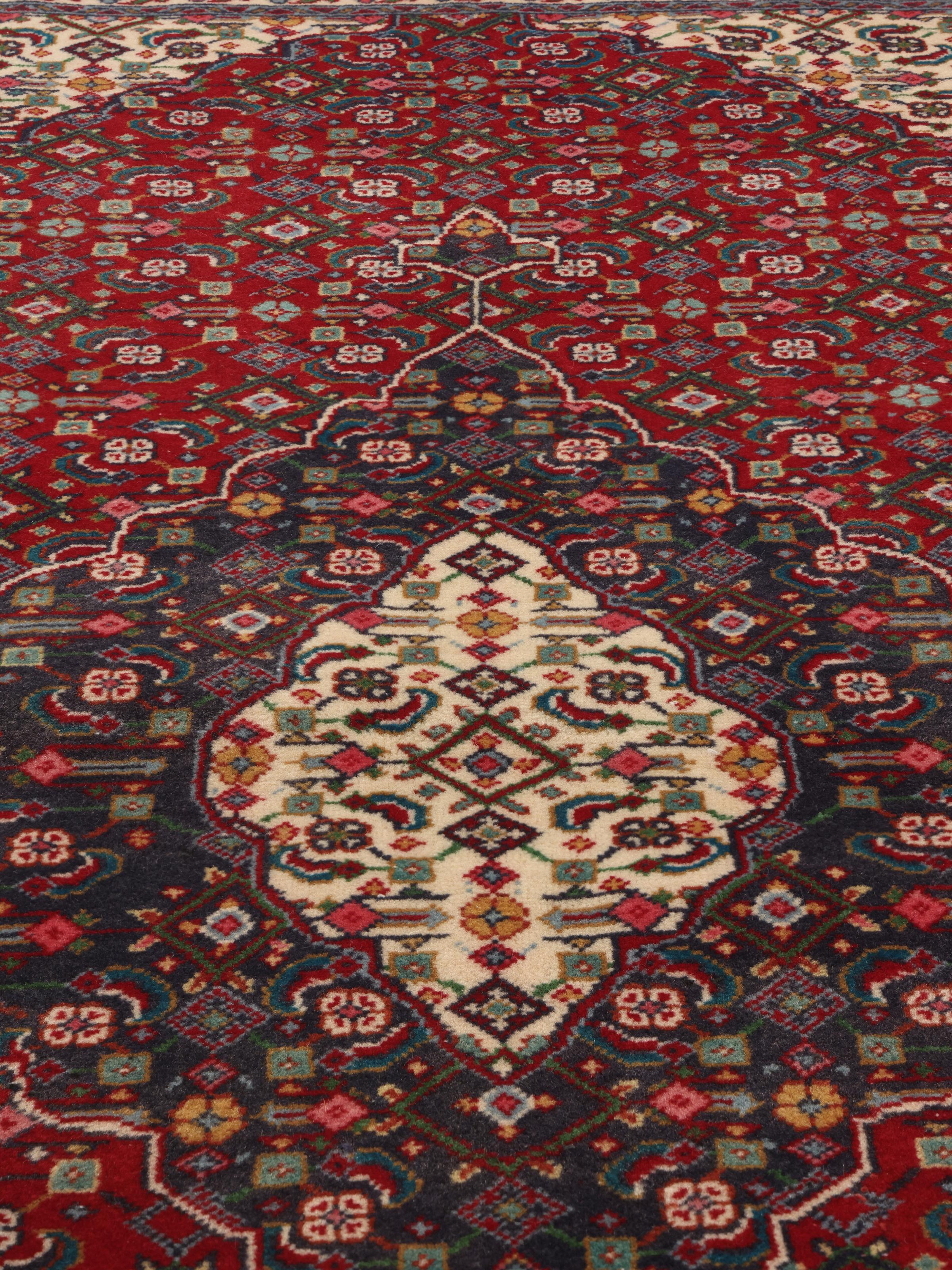
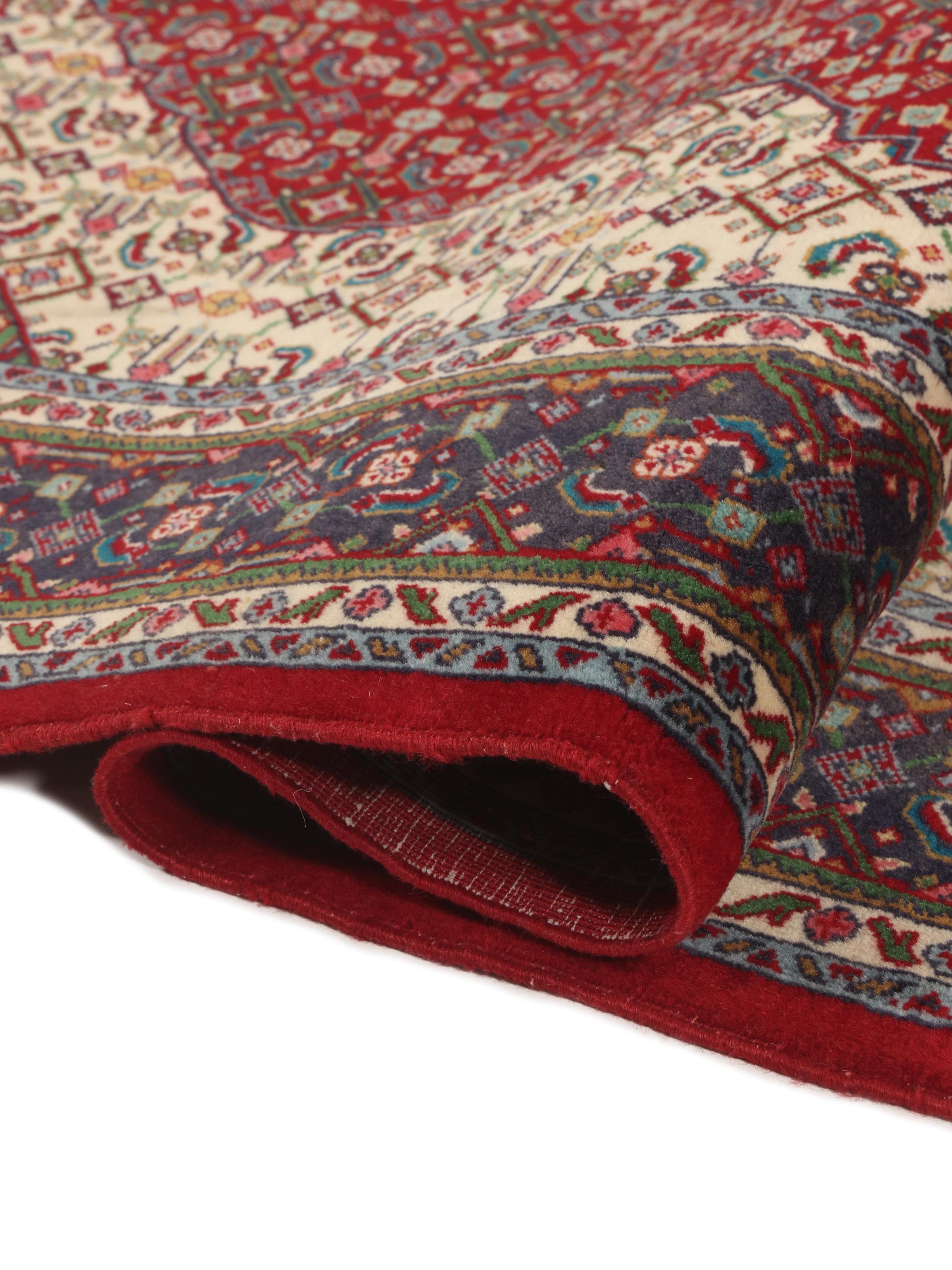
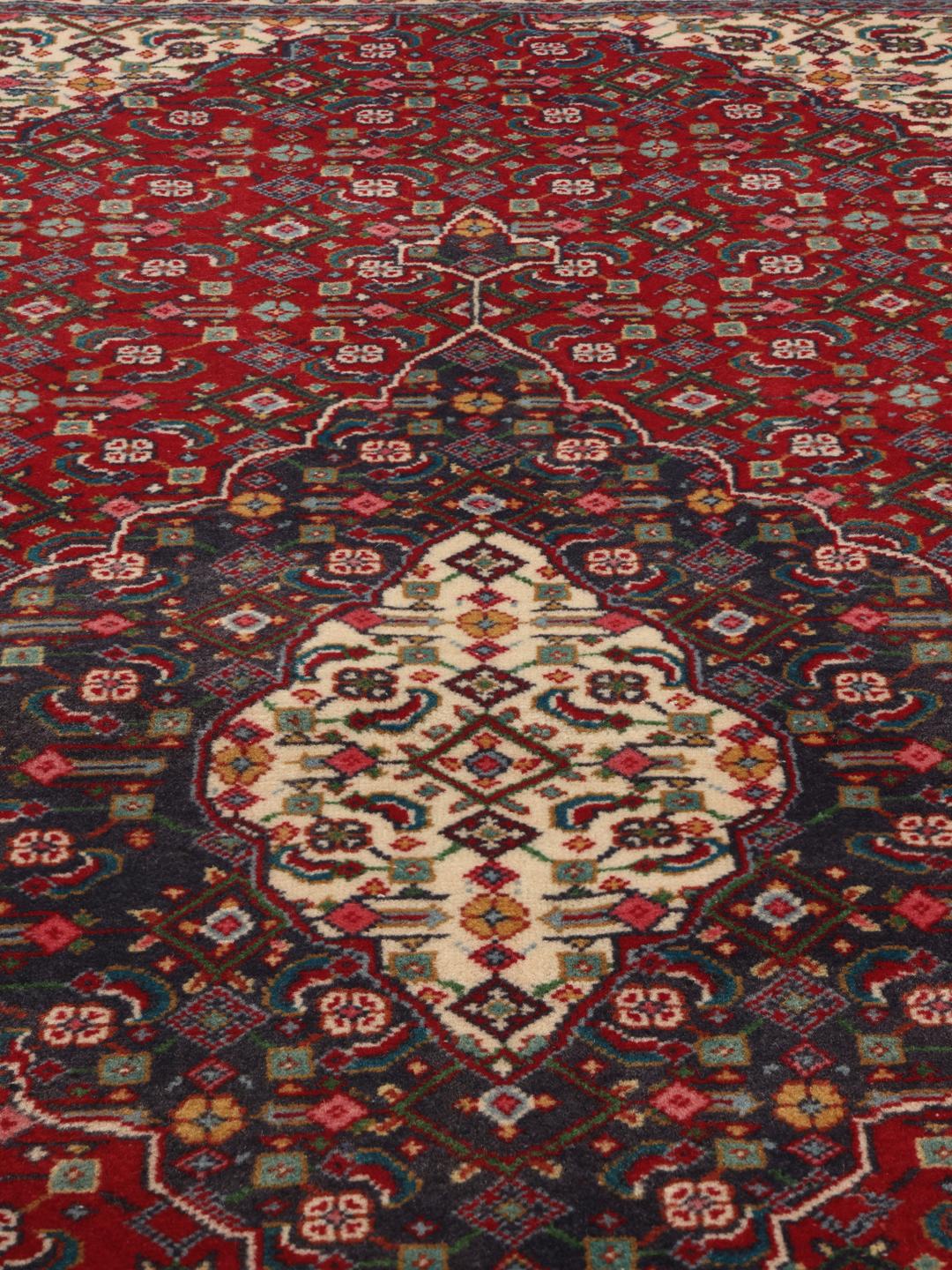
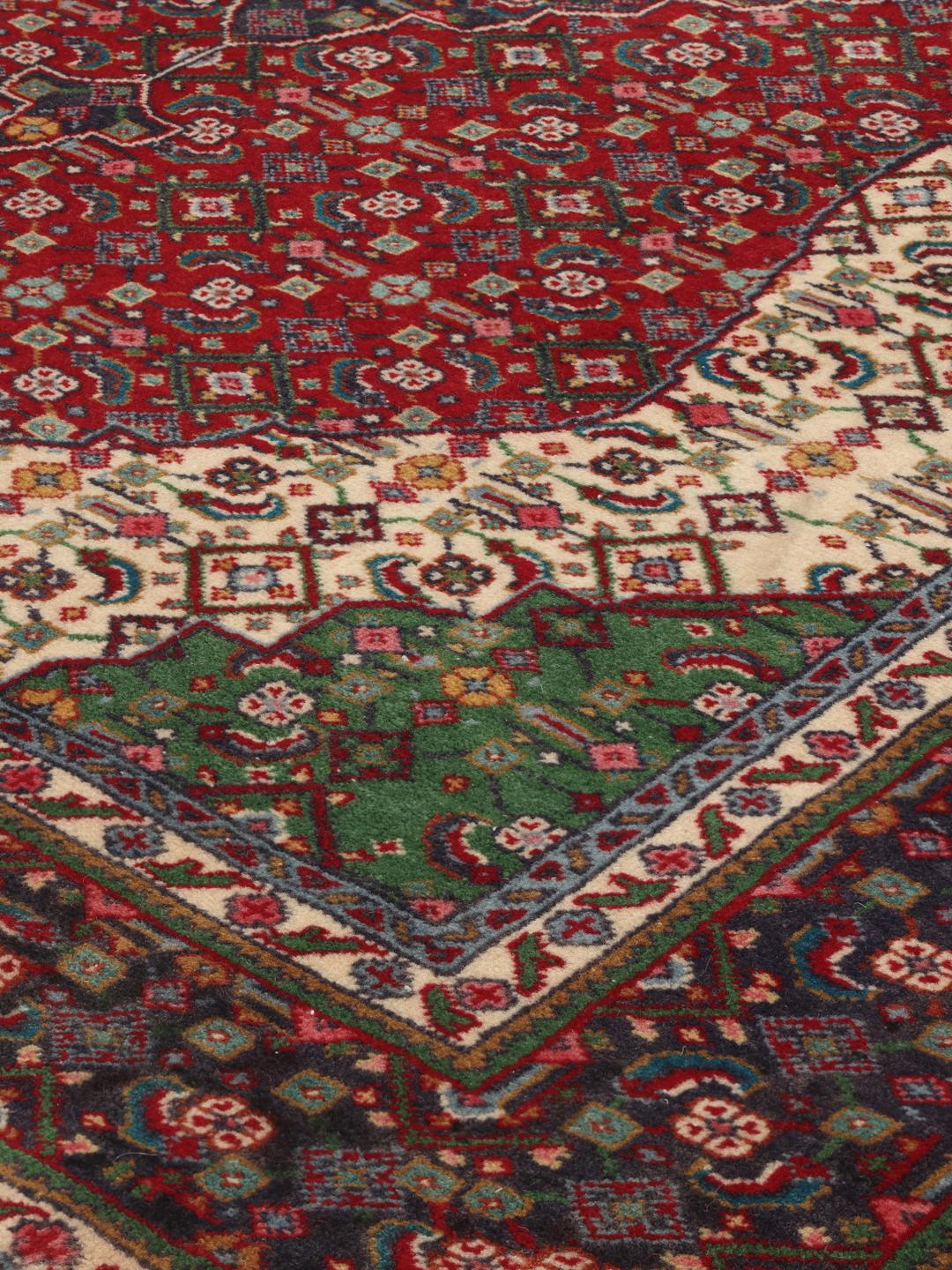
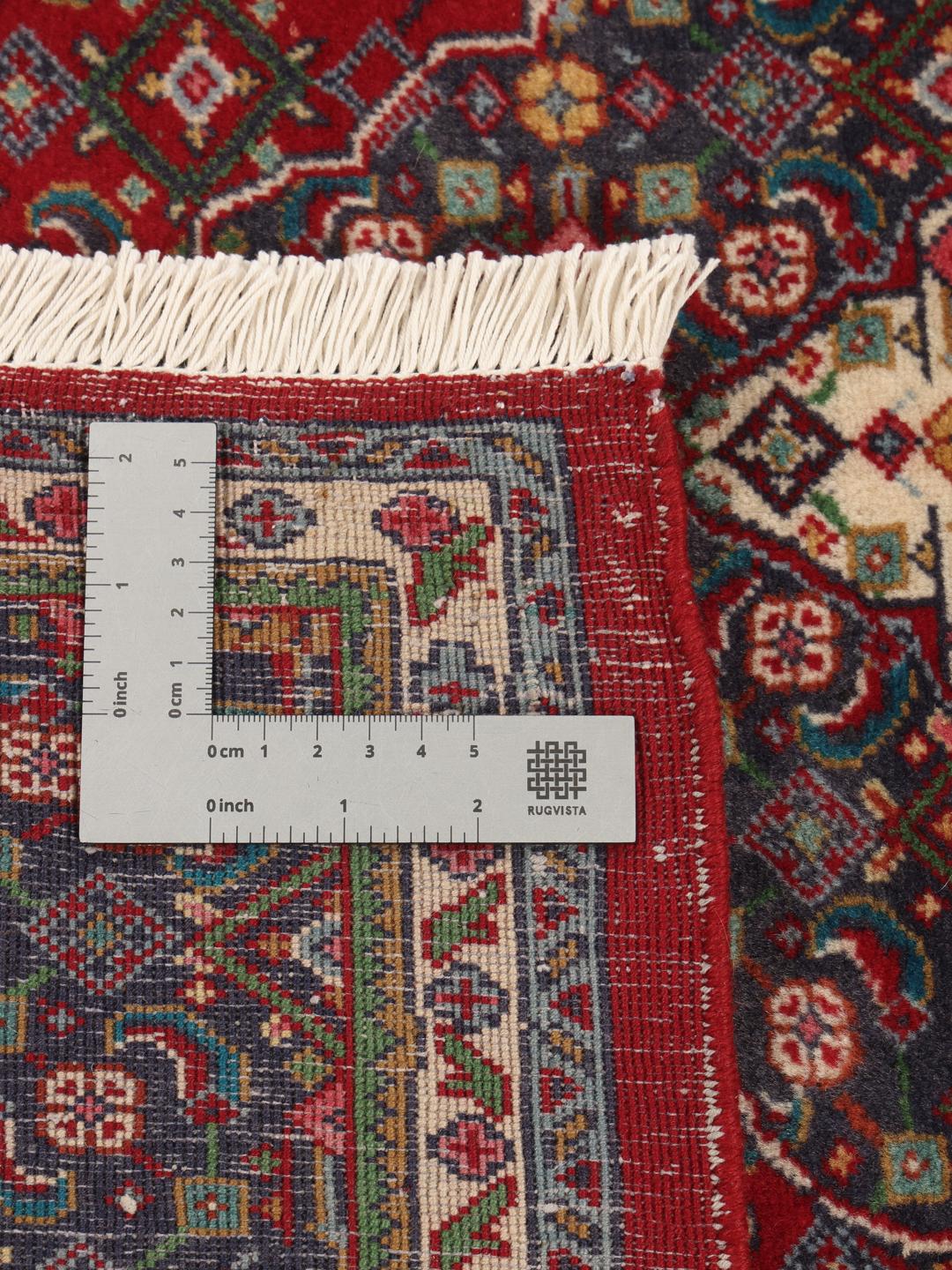
The designation '40 Raj' refers to a specific system of measuring the density of the knots, which essentially dictates the quality and fineness of the rug. A 40 Raj rug is considered a mark of high-quality craftsmanship, where the number of knots per unit of measurement is carefully calibrated to allow for intricate, curvilinear designs. This technical precision is what gives these rugs their signature sharpness and allows for the development of complex, layered patterns that would be impossible to achieve with lower-density construction.
Signature design elements of these pieces often include a central medallion surrounded by floral scrolls, vines, and palmettes. The composition is typically symmetrical, reflecting the formal and artistic values of the region. While many follow these traditional layouts, the specific choice of colour and the subtle variations in motif placement make every piece a distinct expression of the weaver's personal skill and local tradition.
Owning a piece from this tradition is about more than just decoration; it is about acquiring a piece of cultural history. These rugs are highly valued by collectors for their durability, the complexity of their designs, and the human effort required to bring them to life. They represent a bridge between the ancient world and contemporary homes, offering a sense of heritage and enduring quality that stands the test of time.