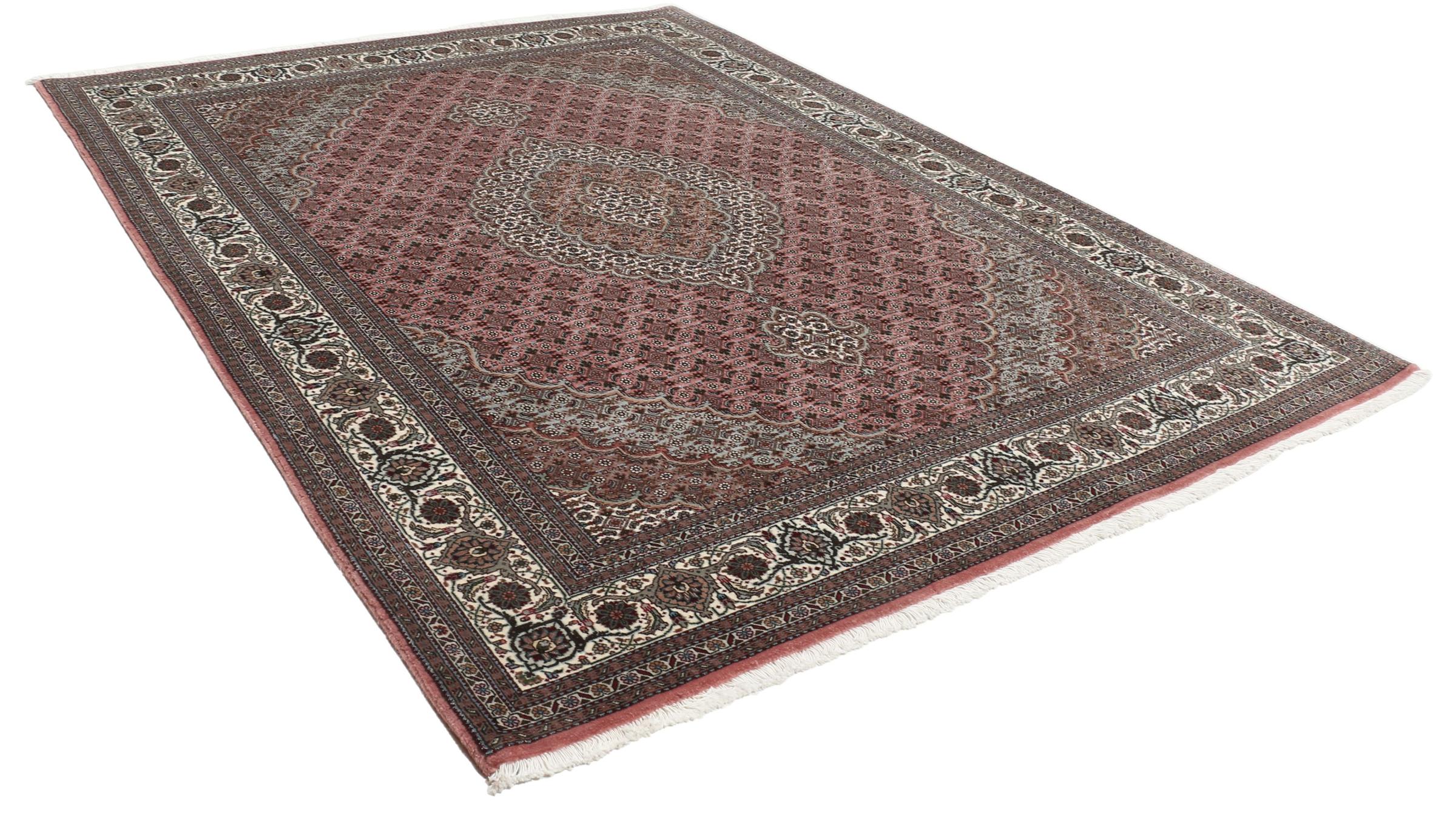
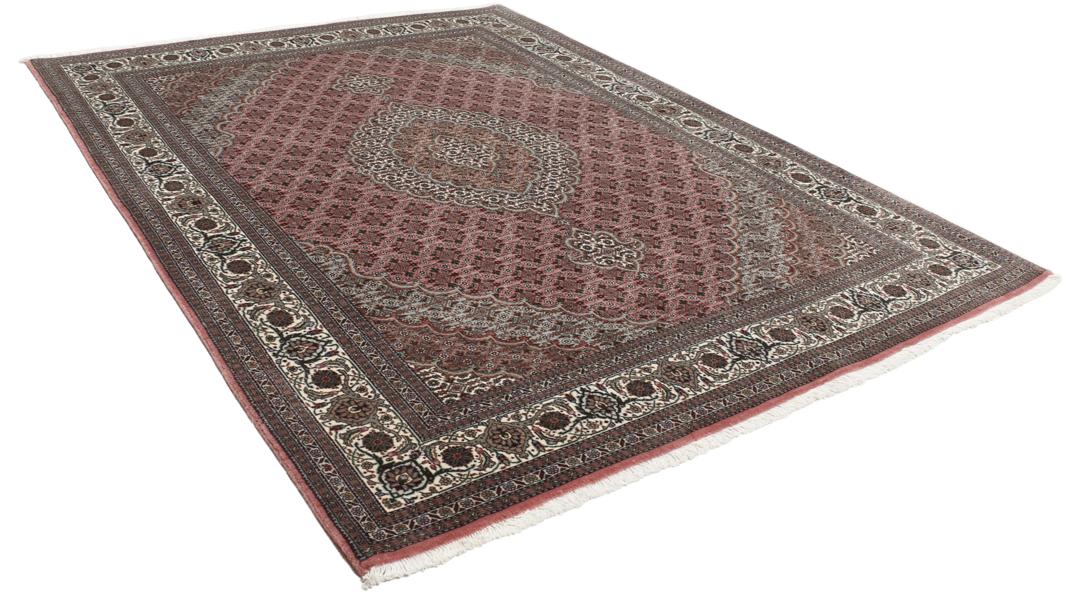
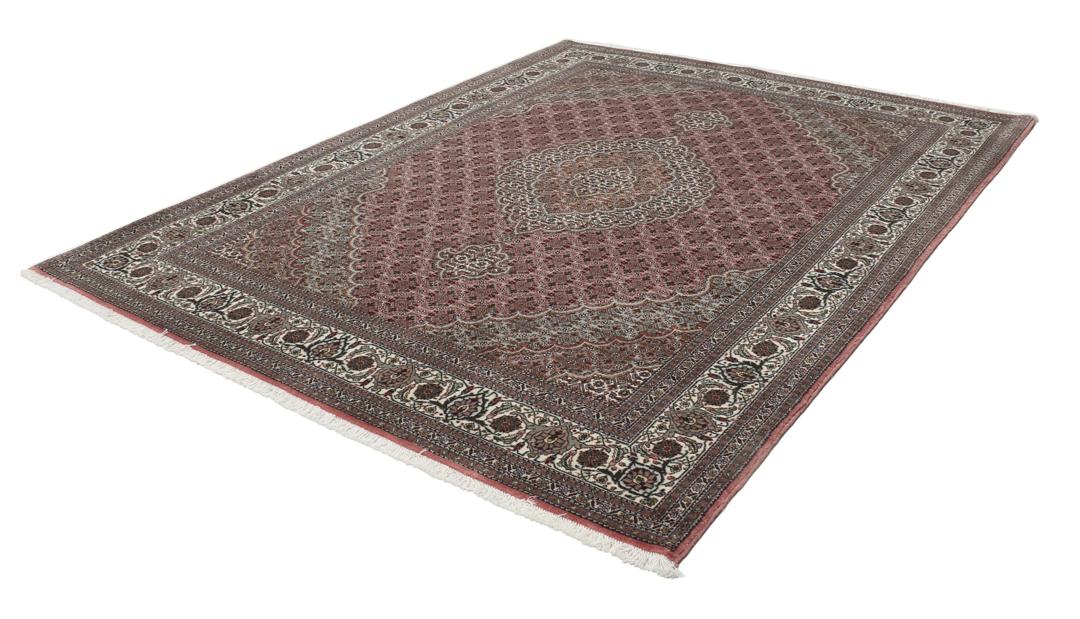
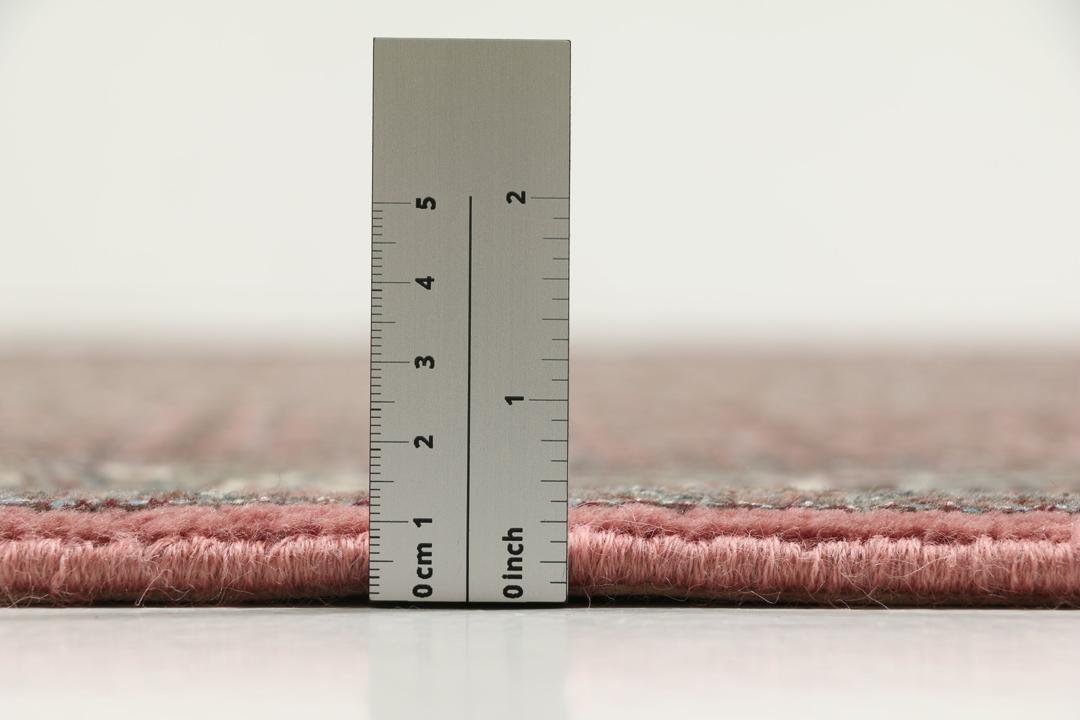
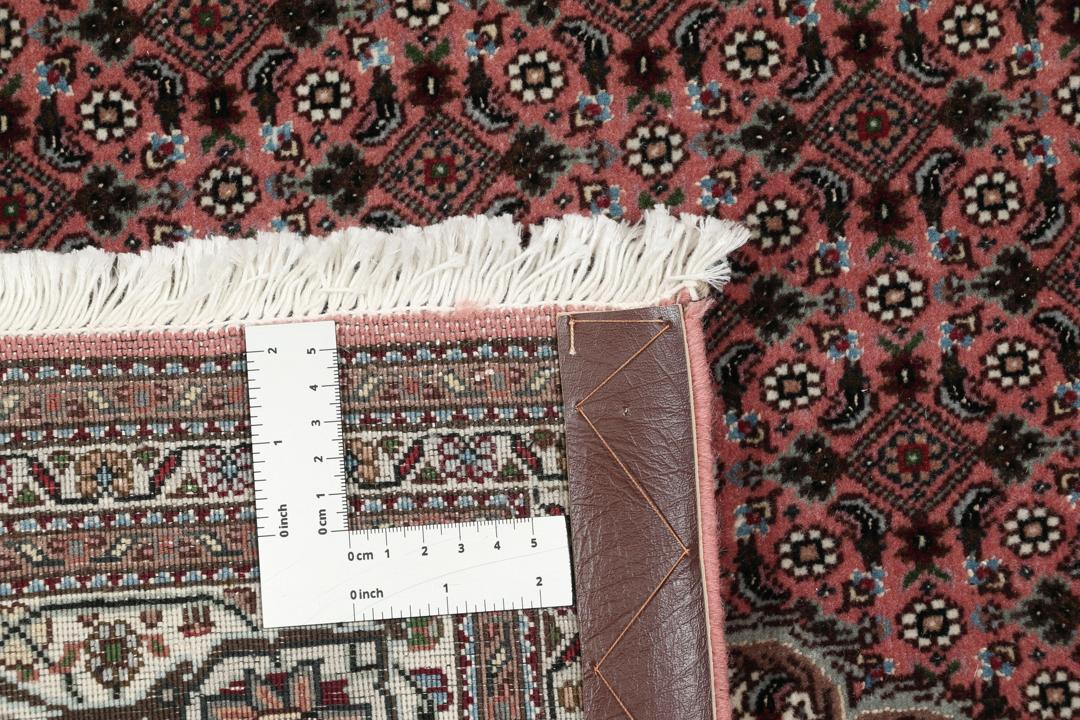
The tradition of Tabriz rugs finds its roots in the historic city of Tabriz, located in the northwestern part of the Middle East. As one of the oldest rug-weaving centres in the world, Tabriz has long been a hub for artistic exchange, influenced by the city's position along historic trade routes. The weaving traditions here have evolved over centuries, blending local ingenuity with influences from neighbouring cultures to create a style that is globally recognised for its technical sophistication.
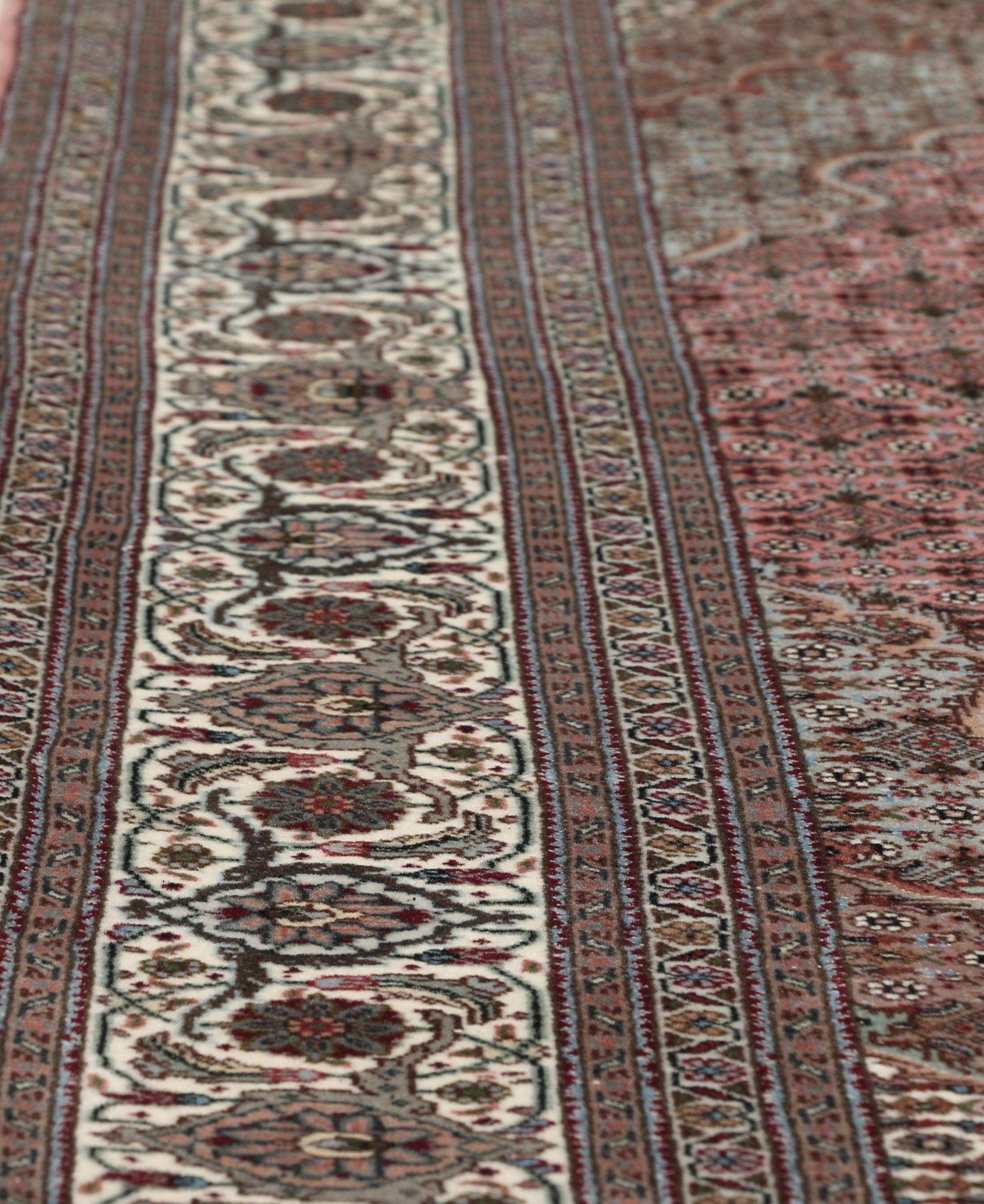
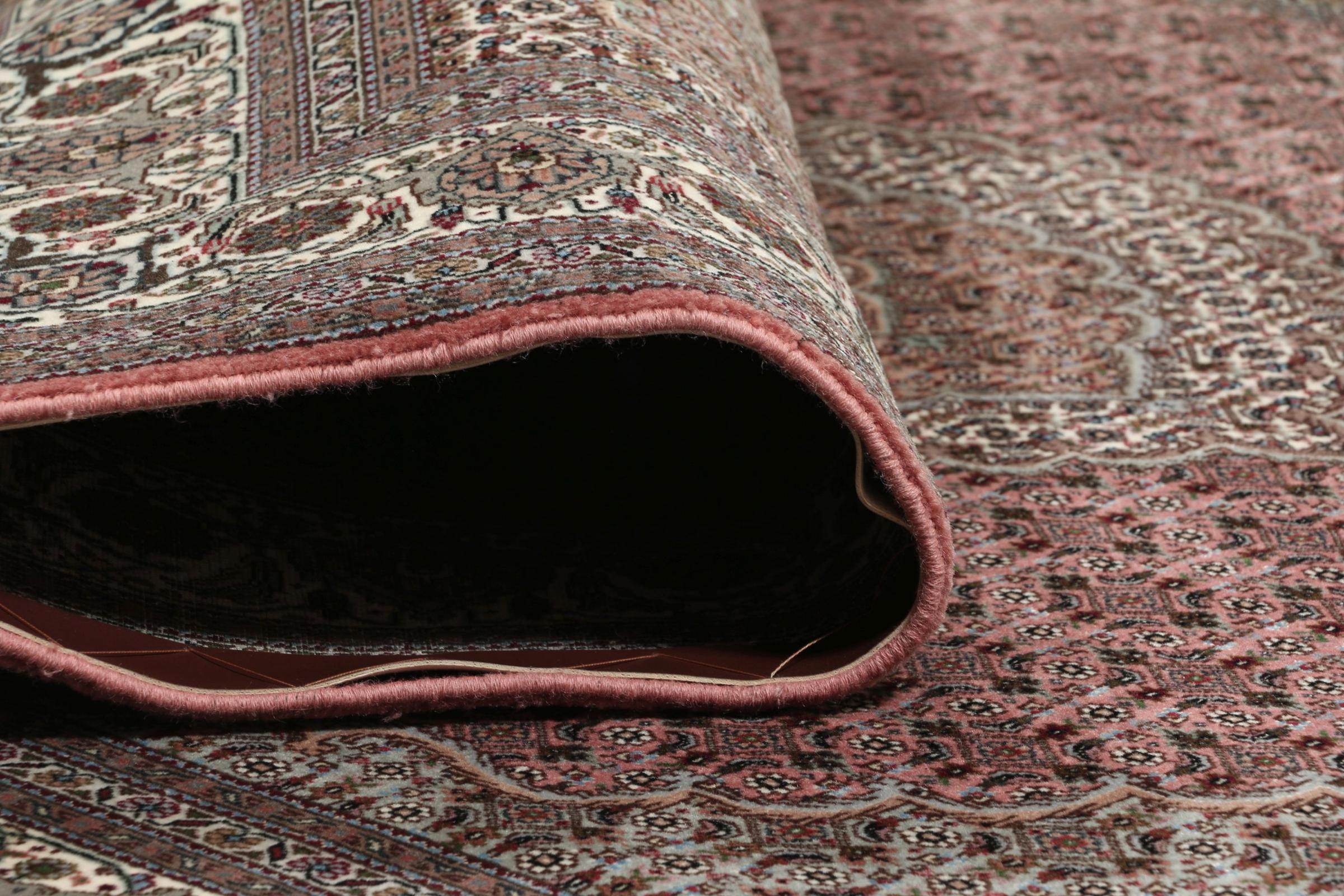
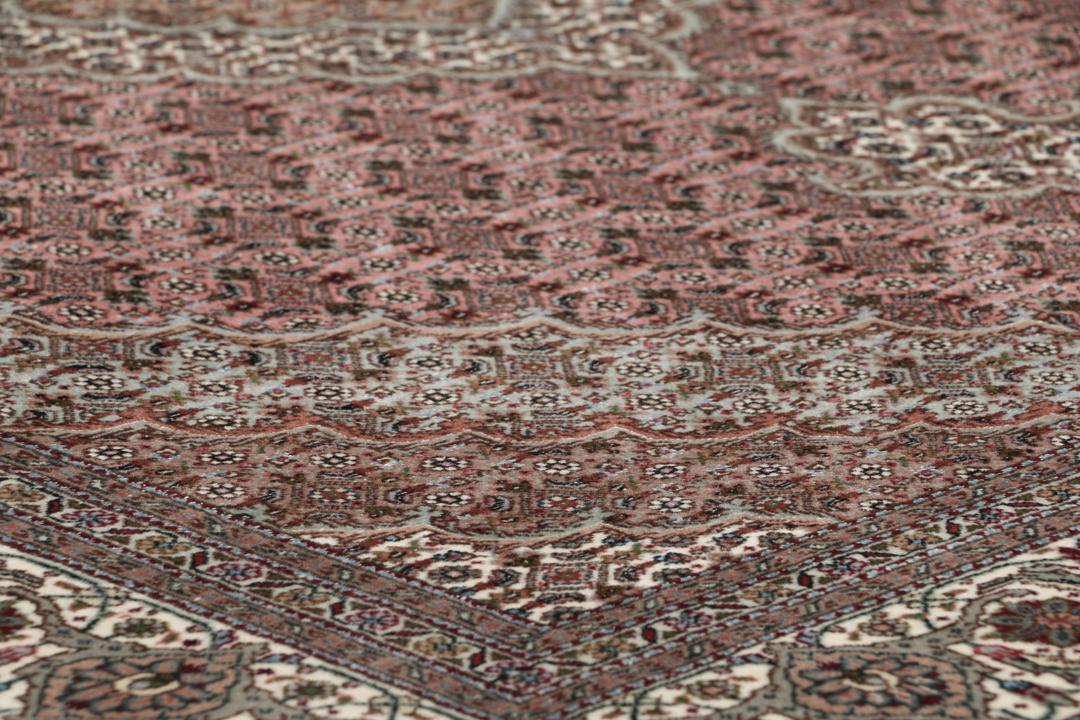
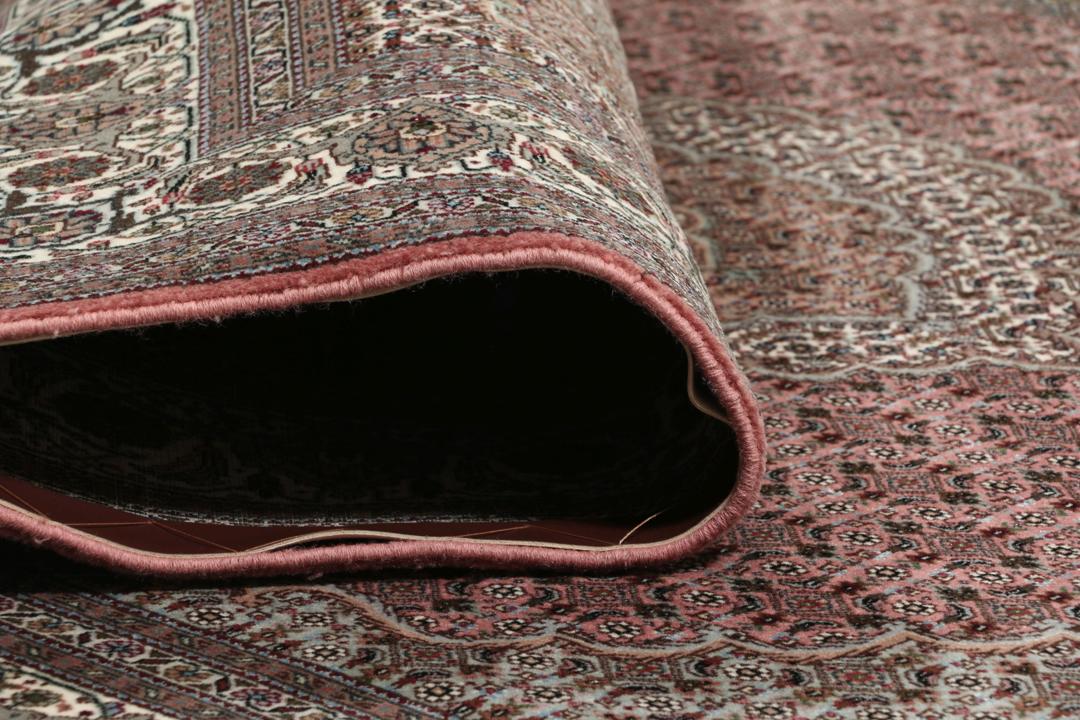
The term '50 Raj' is a vital indicator of quality within this tradition. It refers to the number of knots per 7 cm of the rug's width, a measurement that dictates the fineness of the weave. A 50 Raj rug is considered a mark of high-level craftsmanship, as it allows for extremely detailed patterns and a very dense, durable pile. This technical standard is what enables the creation of such complex, flowing floral designs that appear almost like paintings on the floor.
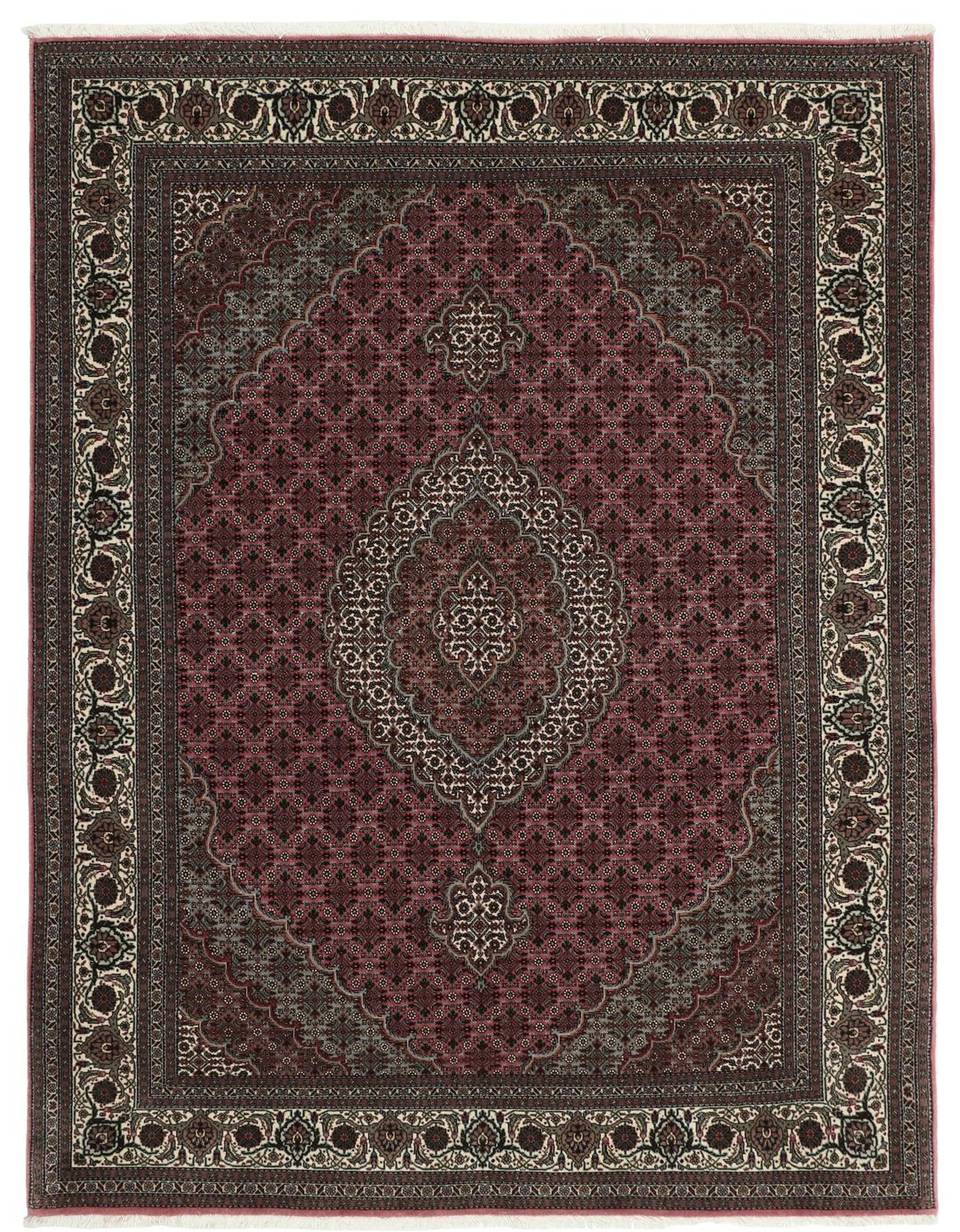
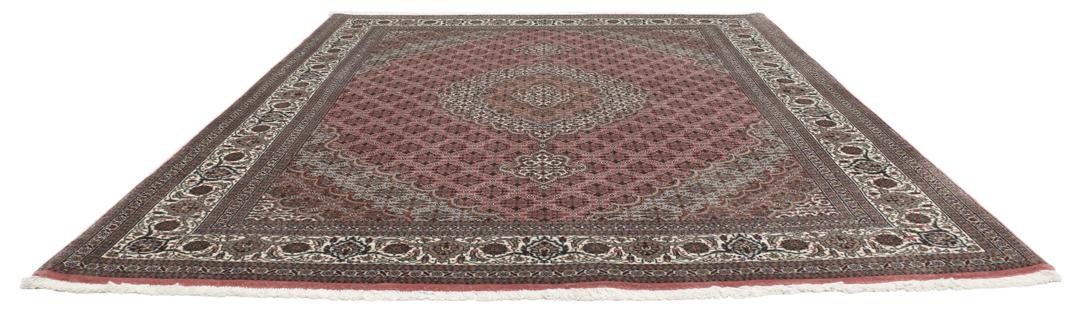
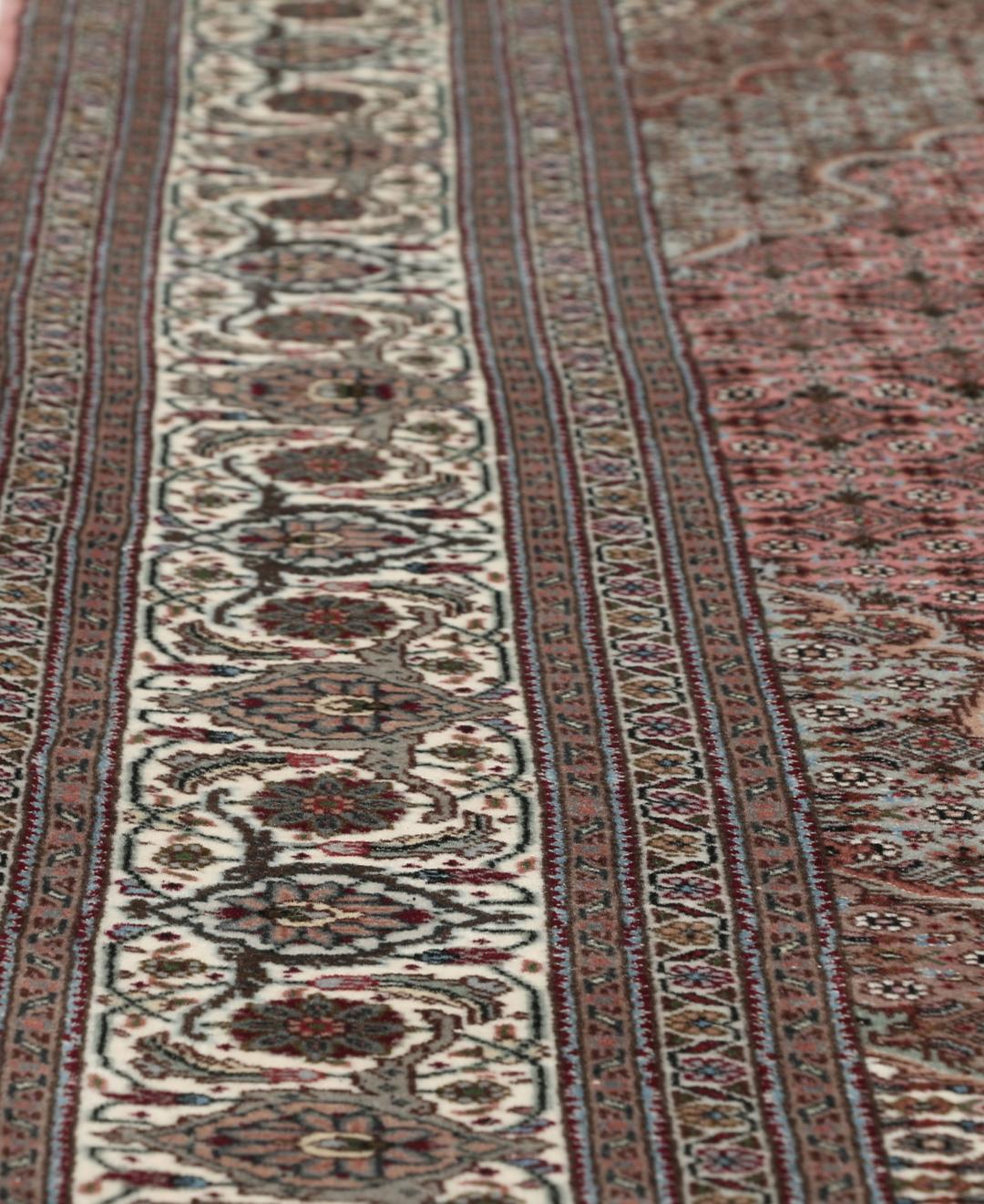
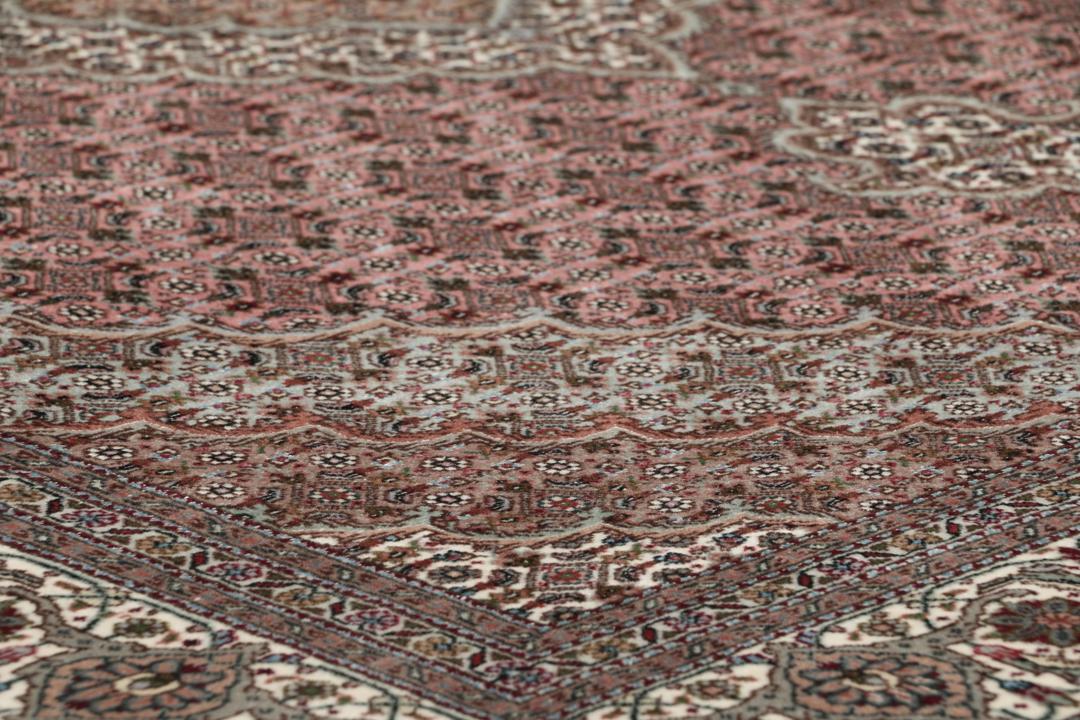
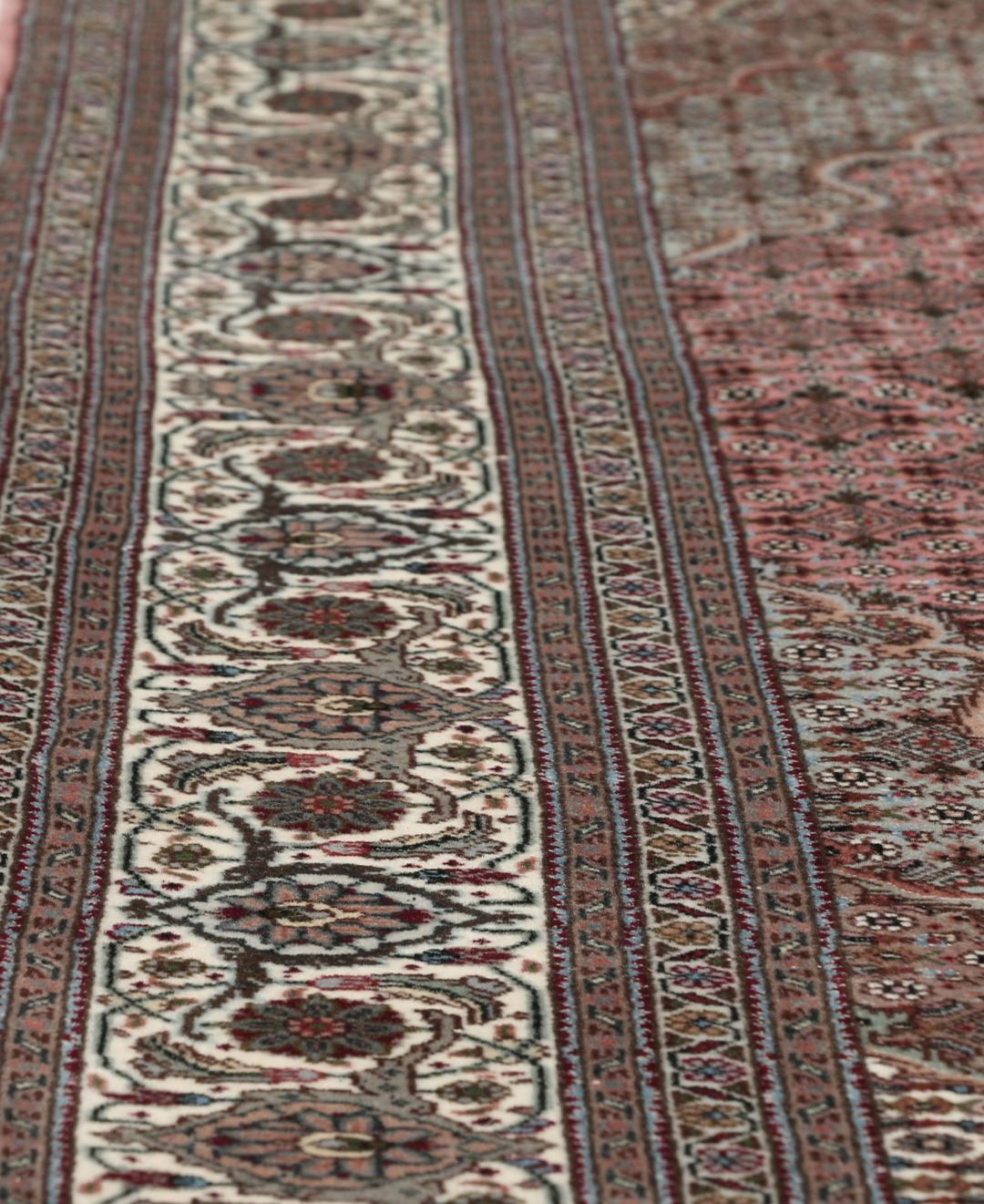
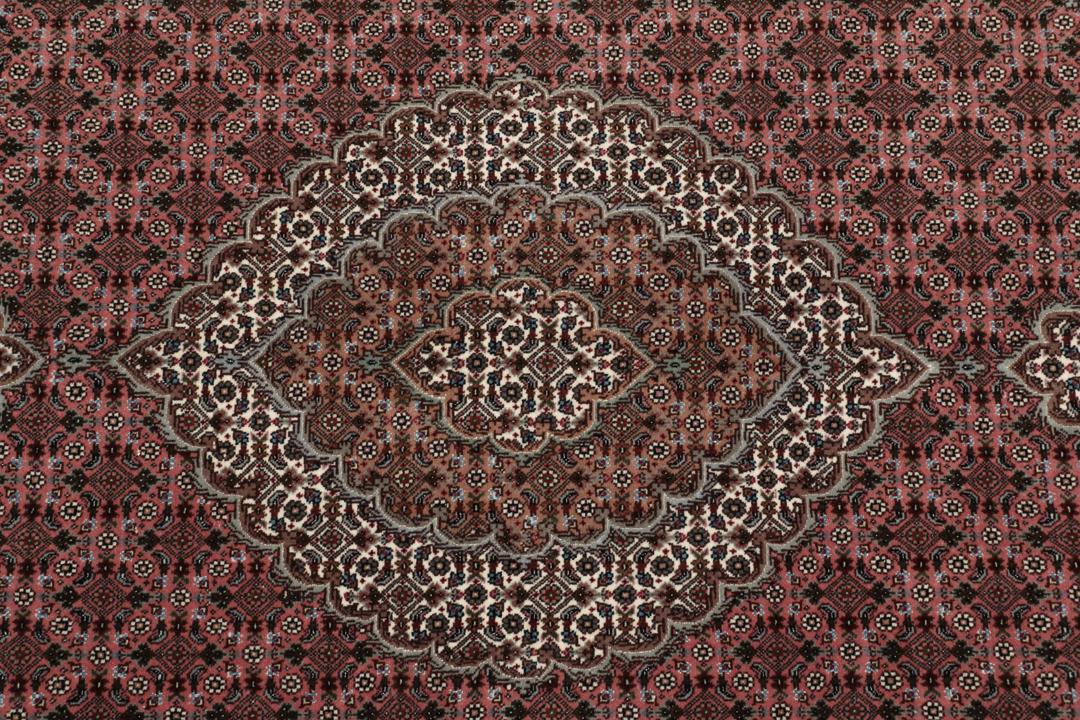
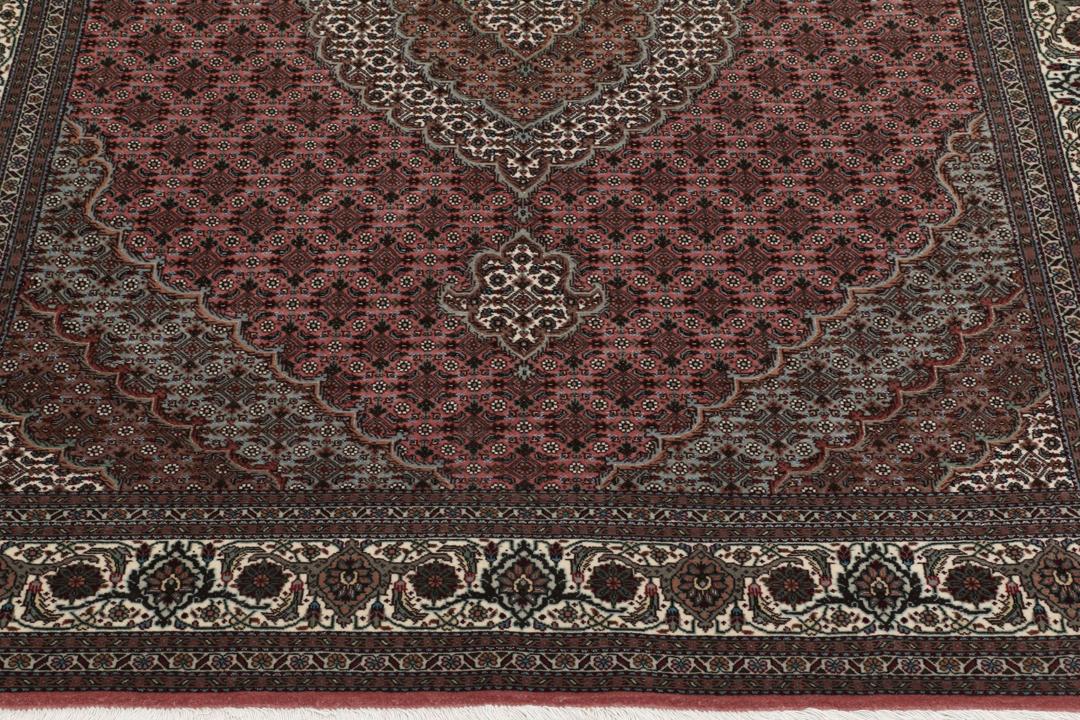
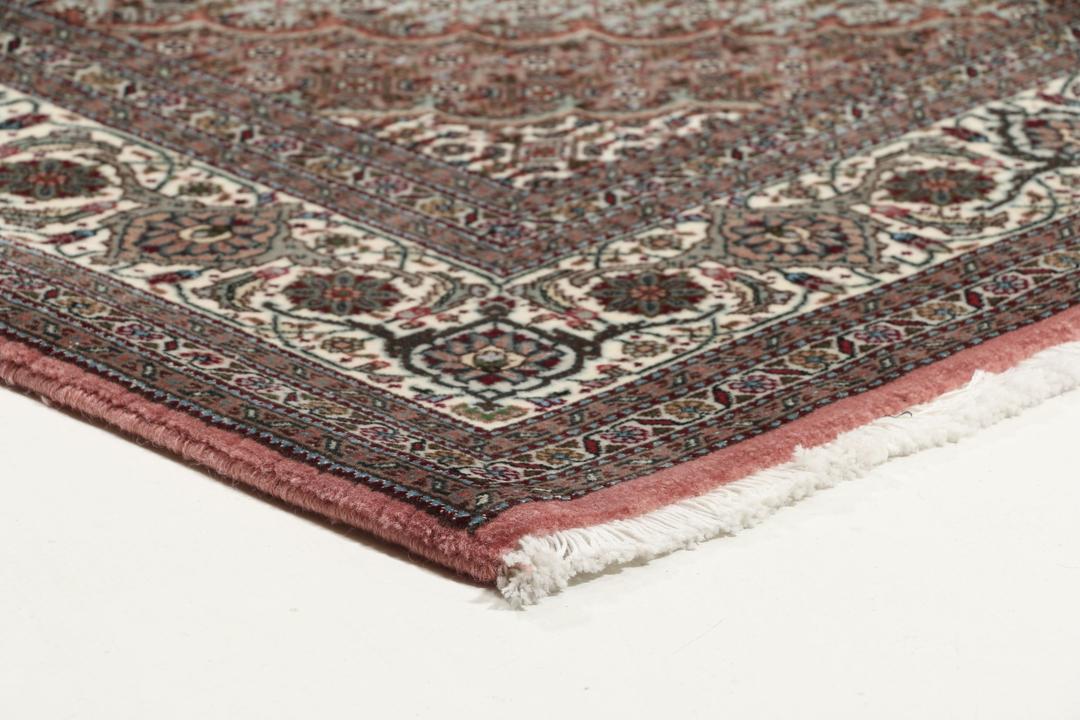
Design-wise, Tabriz rugs are celebrated for their balanced layouts and classical motifs. The typical composition features a prominent central medallion surrounded by lush, intricate floral arrangements, often framed by a series of detailed, harmonious borders. While the patterns are deeply rooted in tradition, the specific execution on this rug showcases a refined use of colour and space that elevates it beyond a standard decorative item, turning it into a canvas of cultural expression.
Owning a piece from this tradition is an acquisition of heritage and master-level skill. Collectors and homeowners alike value these rugs not only for their beauty but for the immense dedication required to produce them. To possess a hand-knotted rug of this lineage is to hold a piece of history, representing a legacy of artistry that has been preserved and refined by generations of weavers.