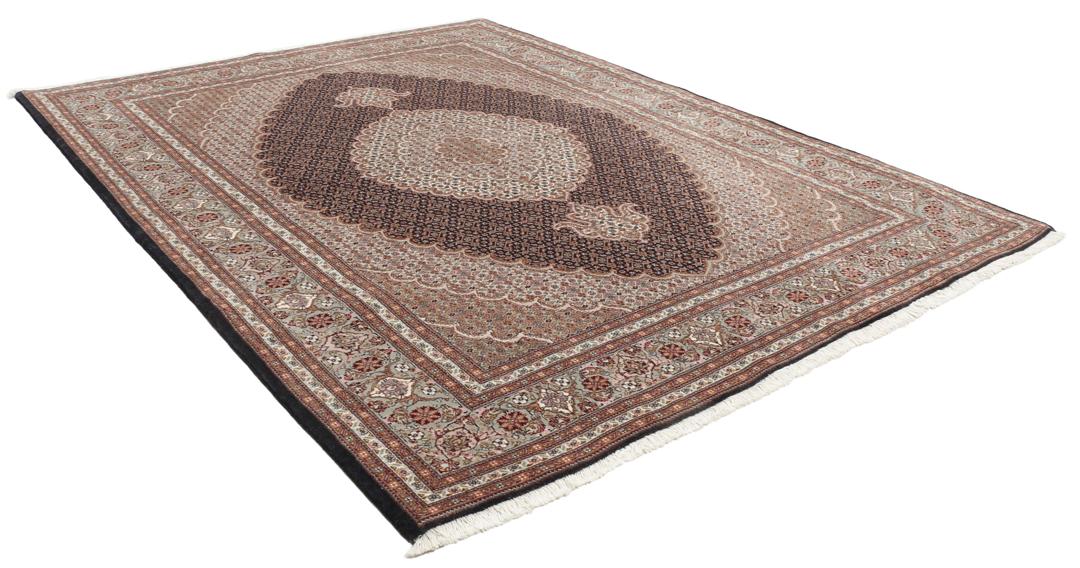
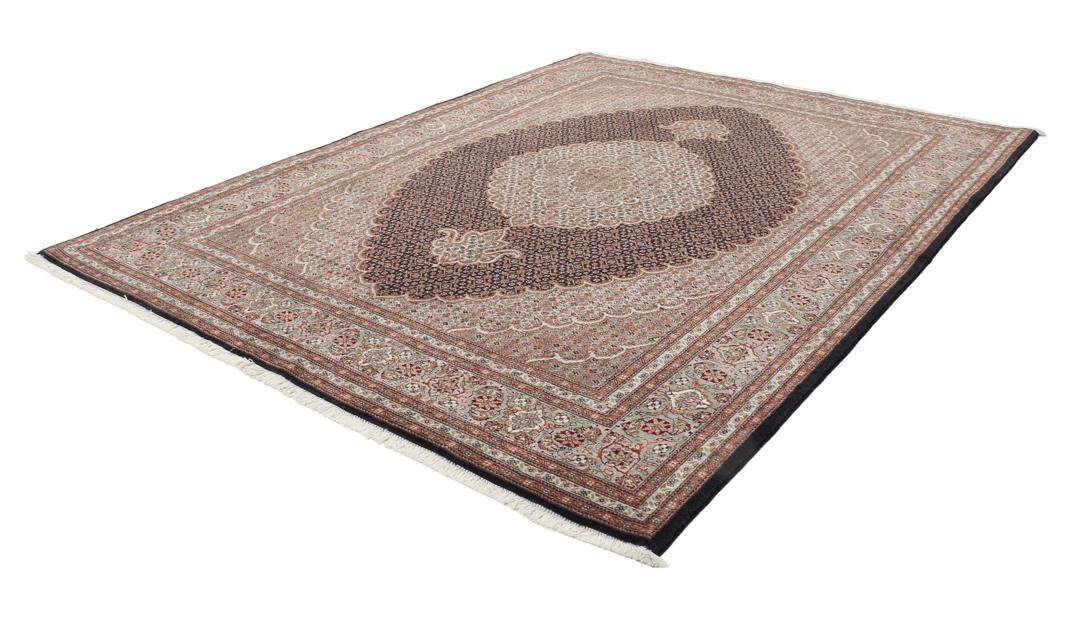
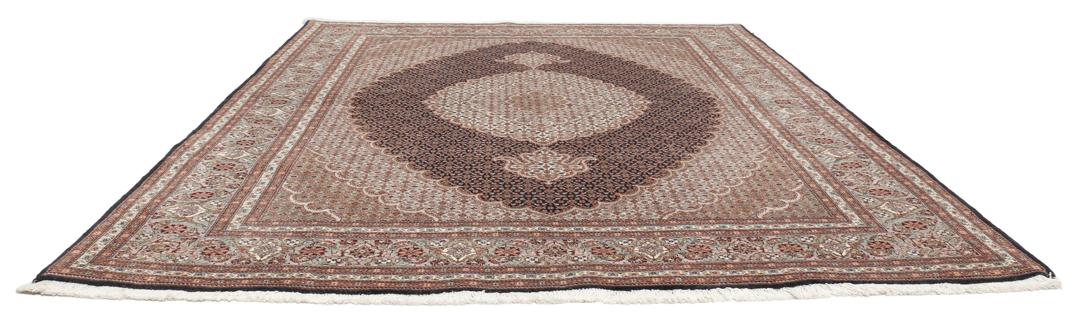
Tabriz rugs originate from one of the oldest rug-weaving centres in the Middle East, located in the historic city of Tabriz. This region has been a hub of artistic production for centuries, serving as a vital stop on the ancient Silk Road. The tradition of weaving here has evolved over generations, blending local techniques with influences from across the globe to create a style that is both deeply rooted in history and refined for modern sensibilities.
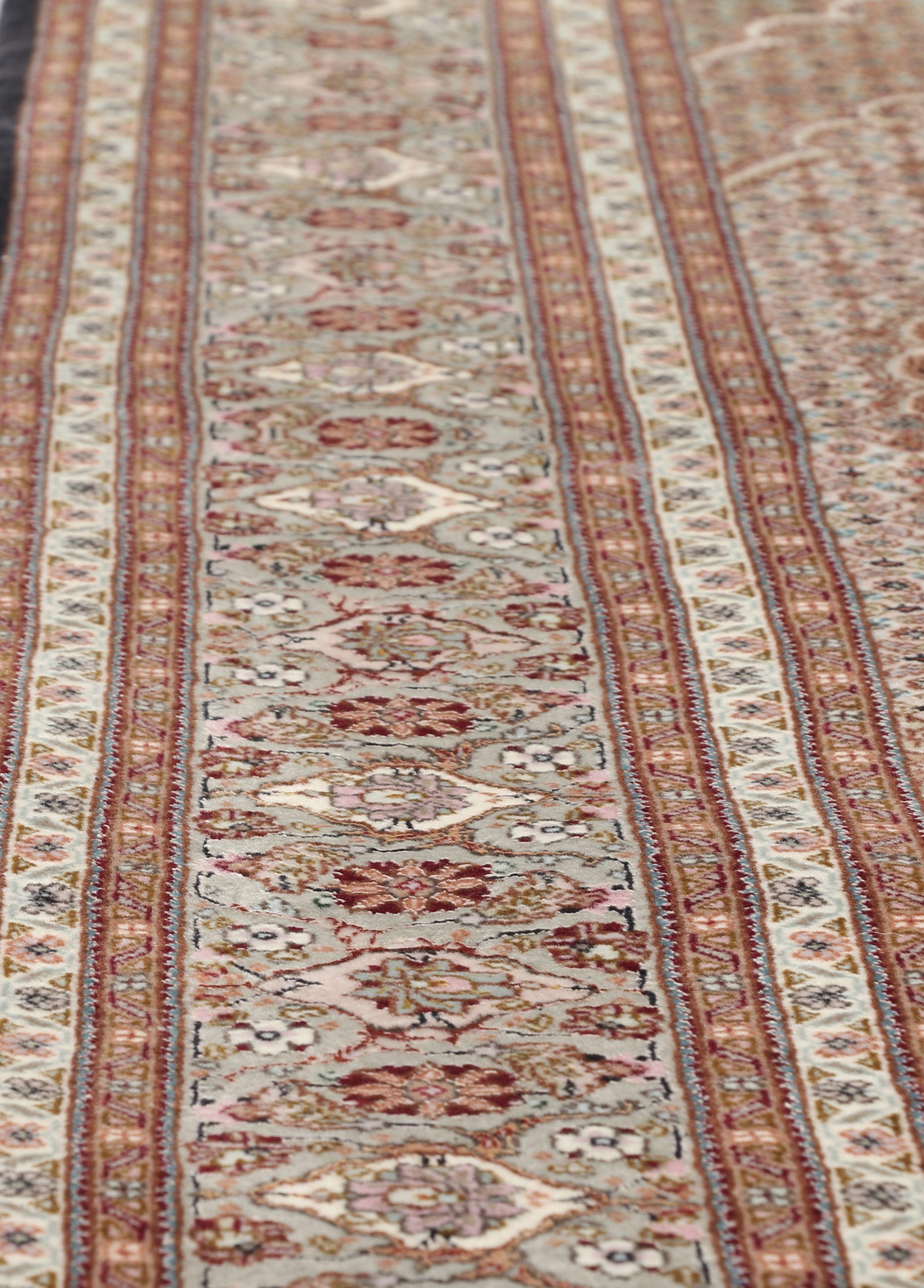
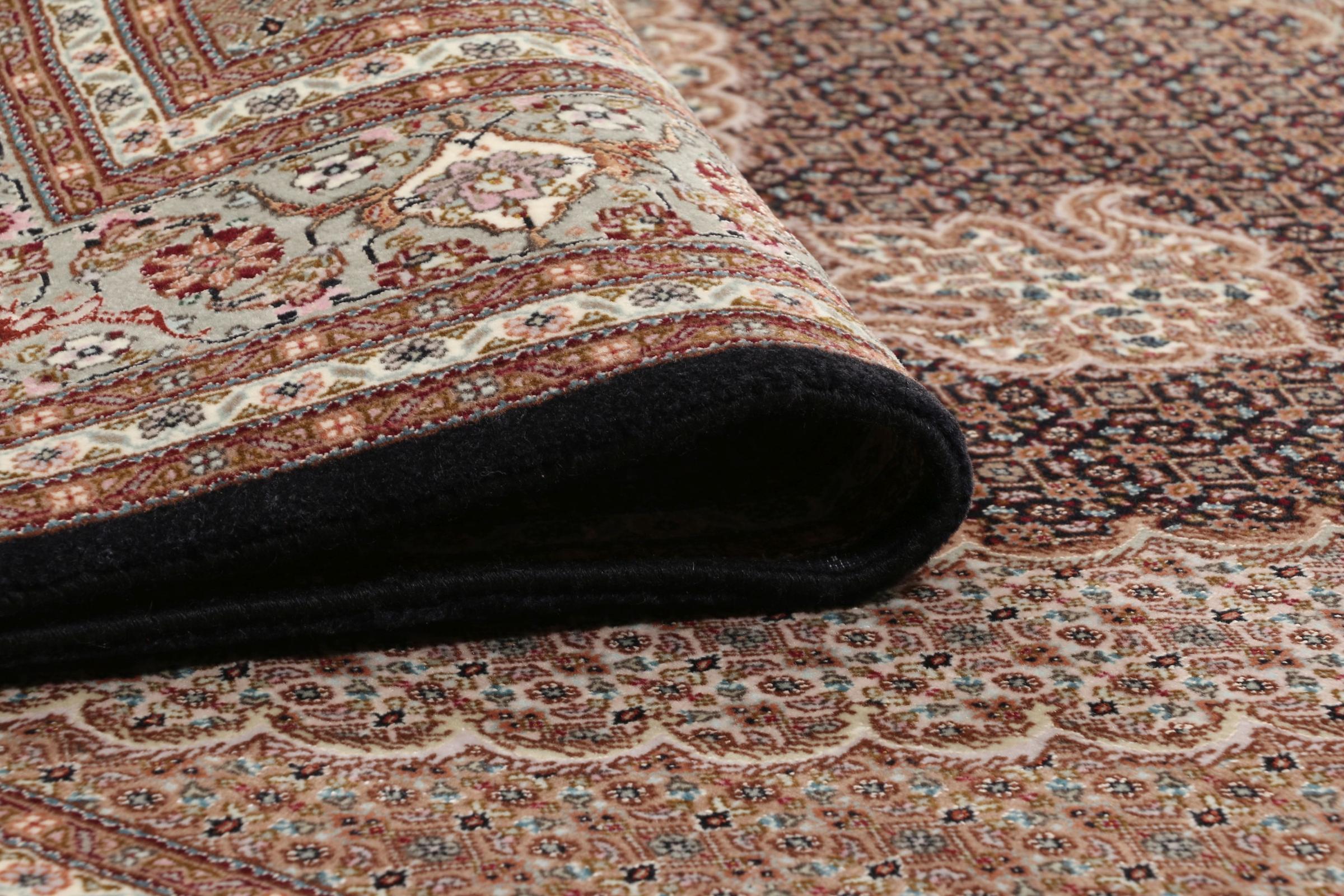
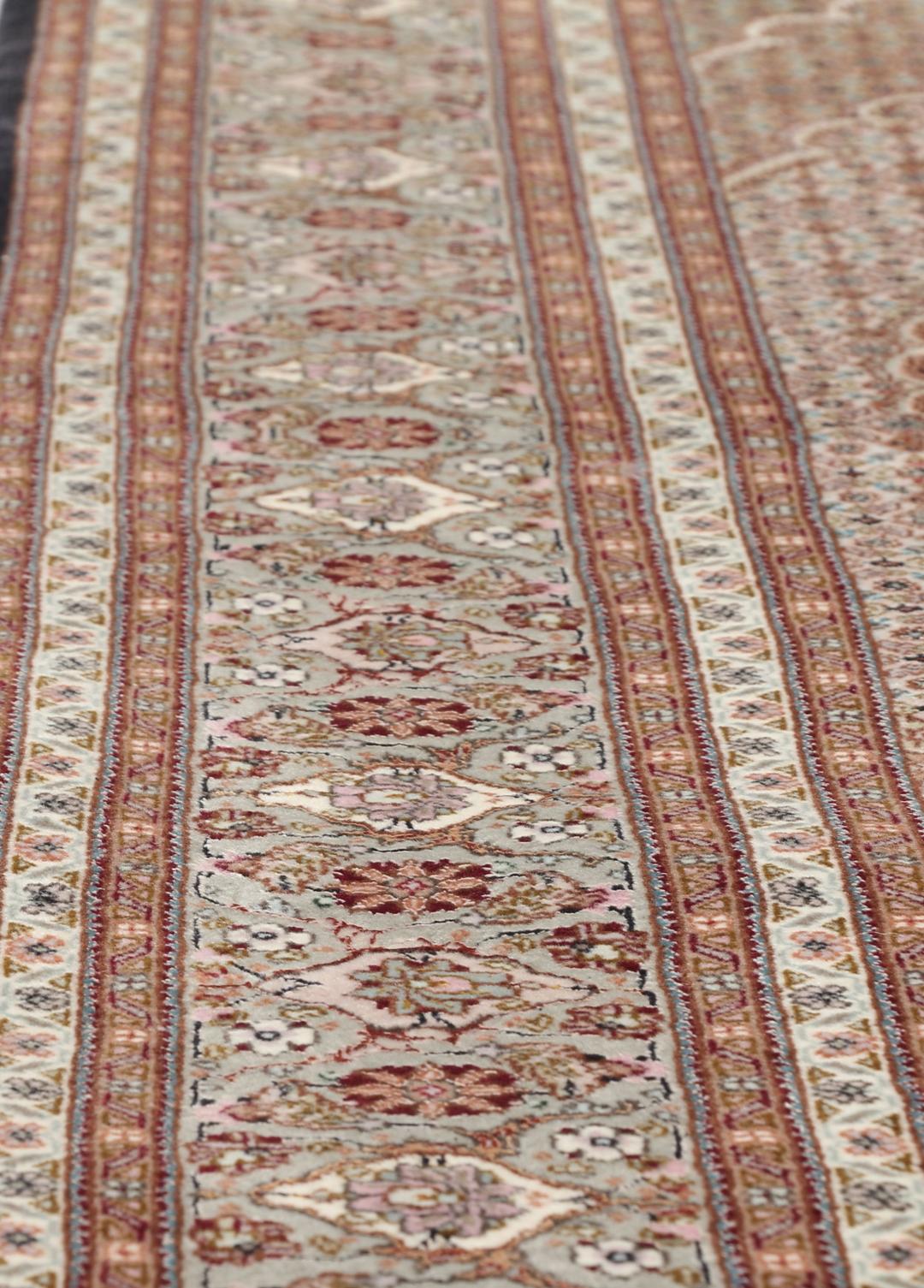
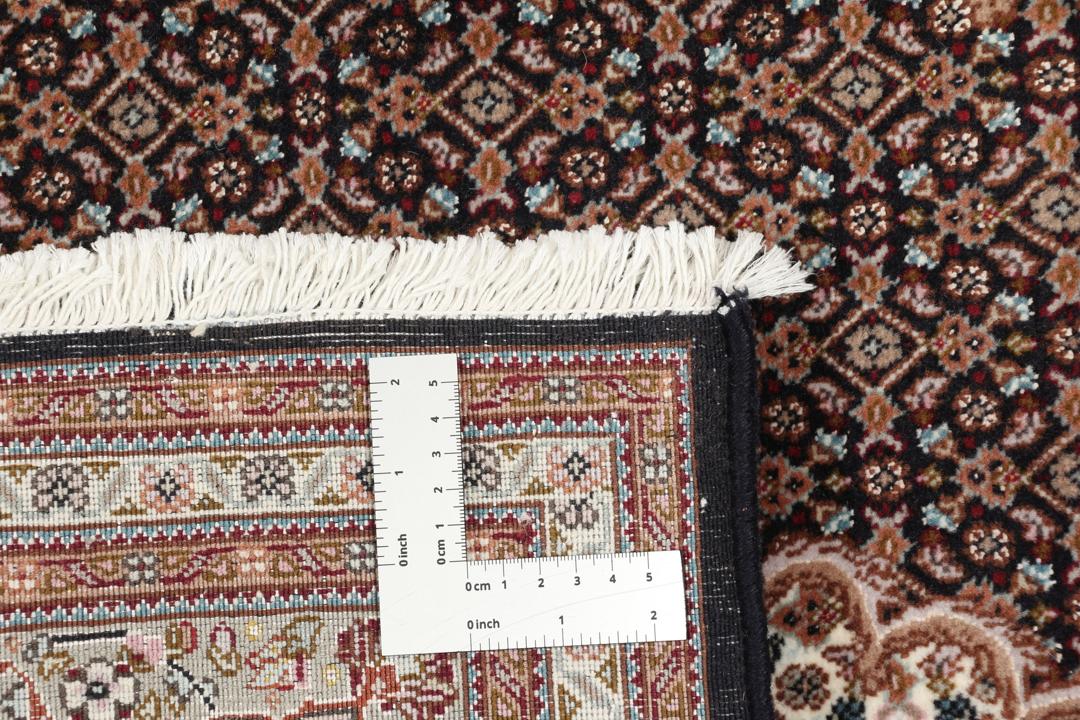
The designation '50 Raj' refers to a specific technical standard of quality in Tabriz weaving. 'Raj' is a unit of measurement based on the number of knots across a set width, and a 50 Raj count signifies a high density of knots. This technical precision is essential for producing the intricate, flowing patterns and fine details that characterise these rugs, ensuring that the finished product is both beautiful and robust.
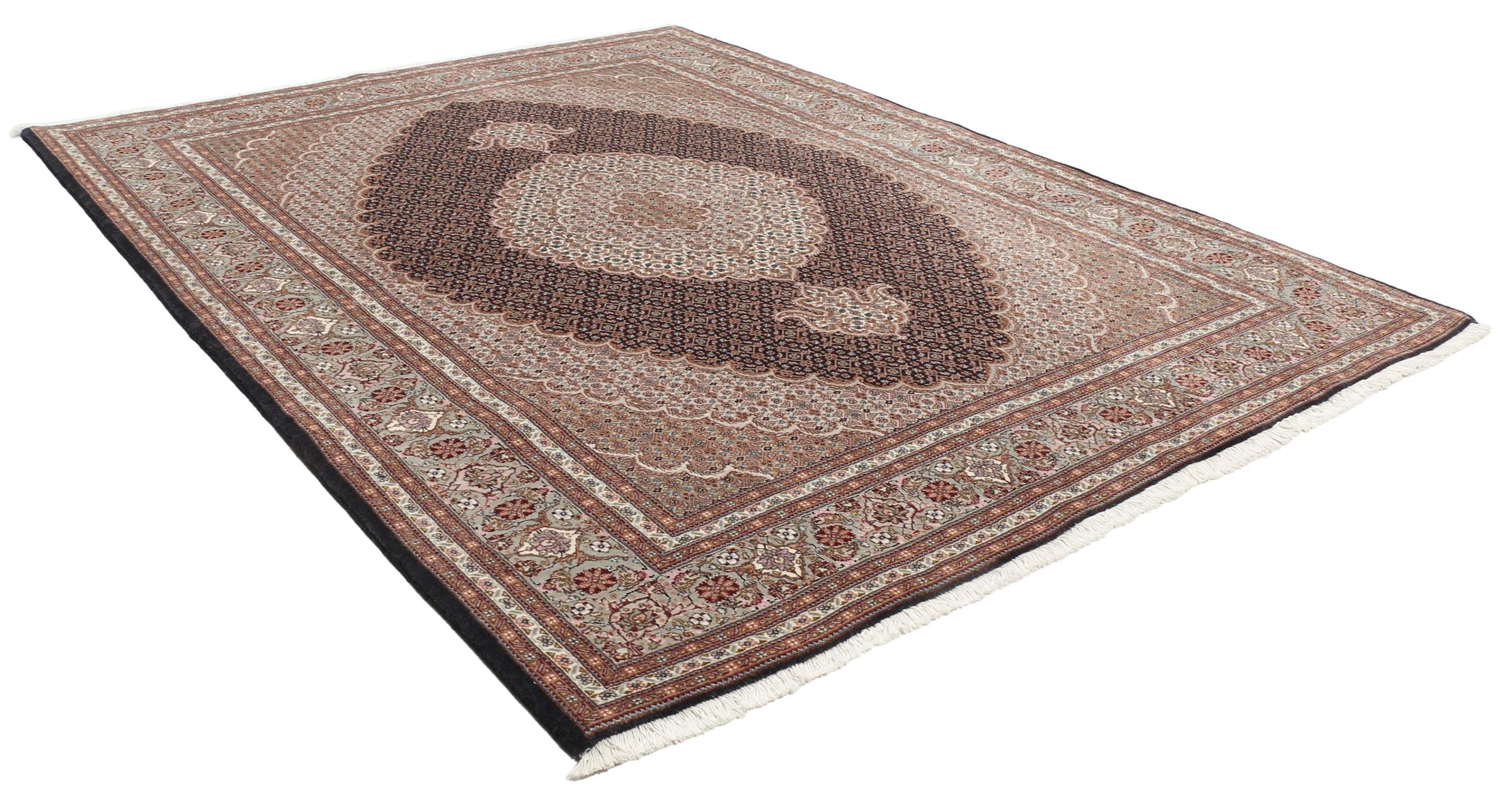
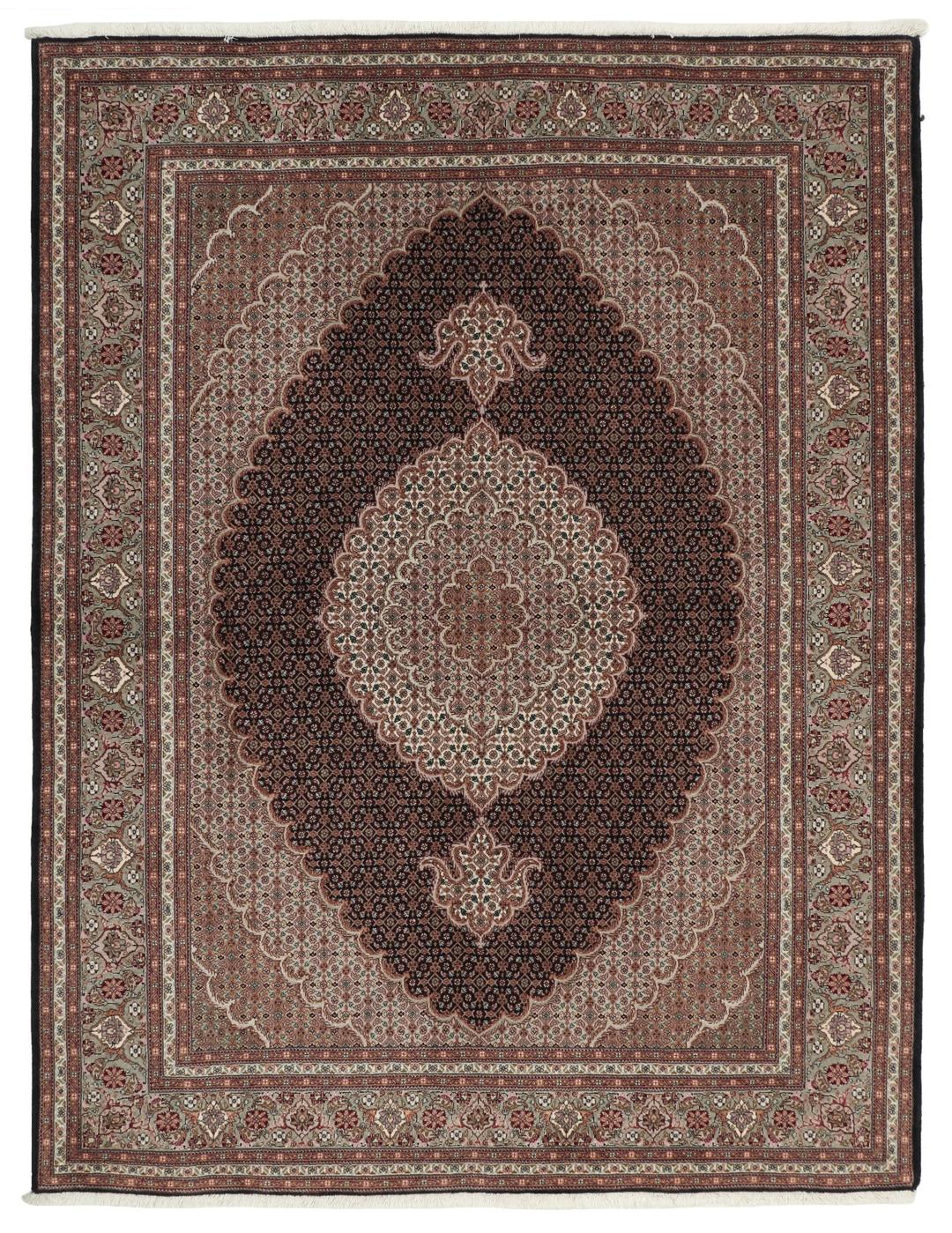
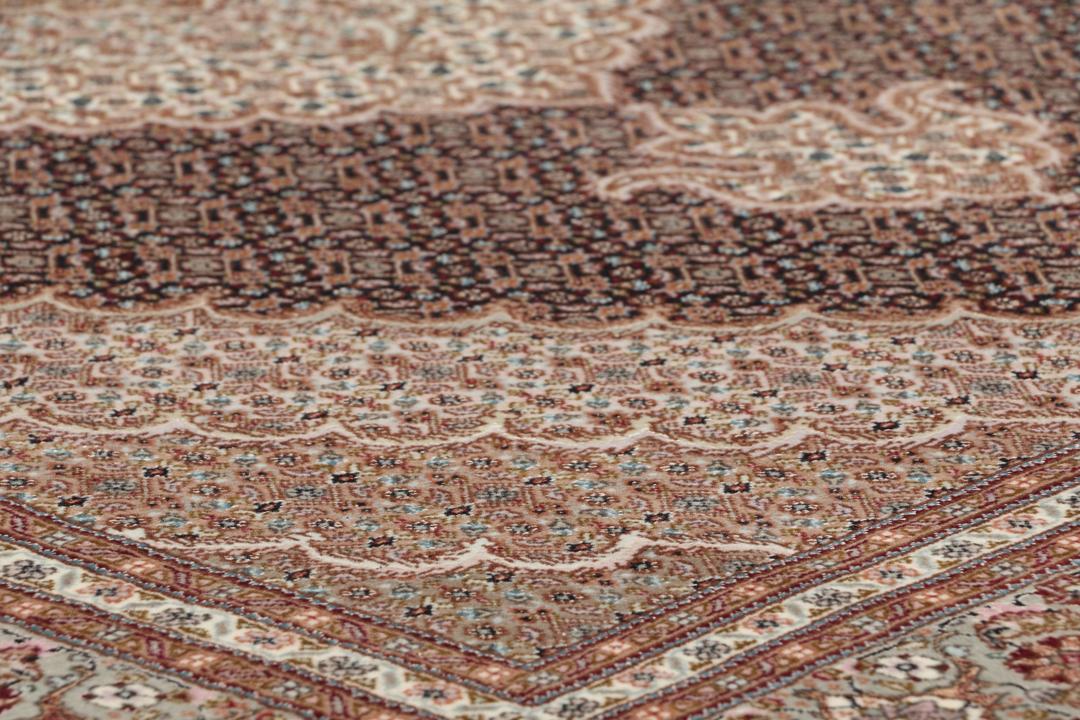
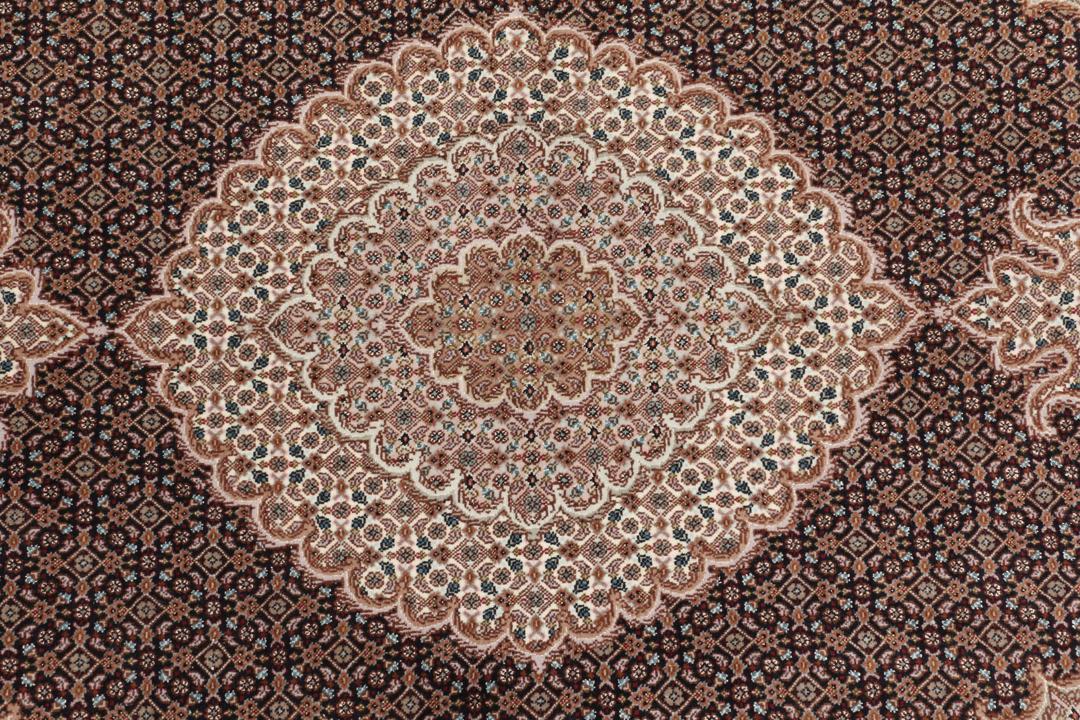
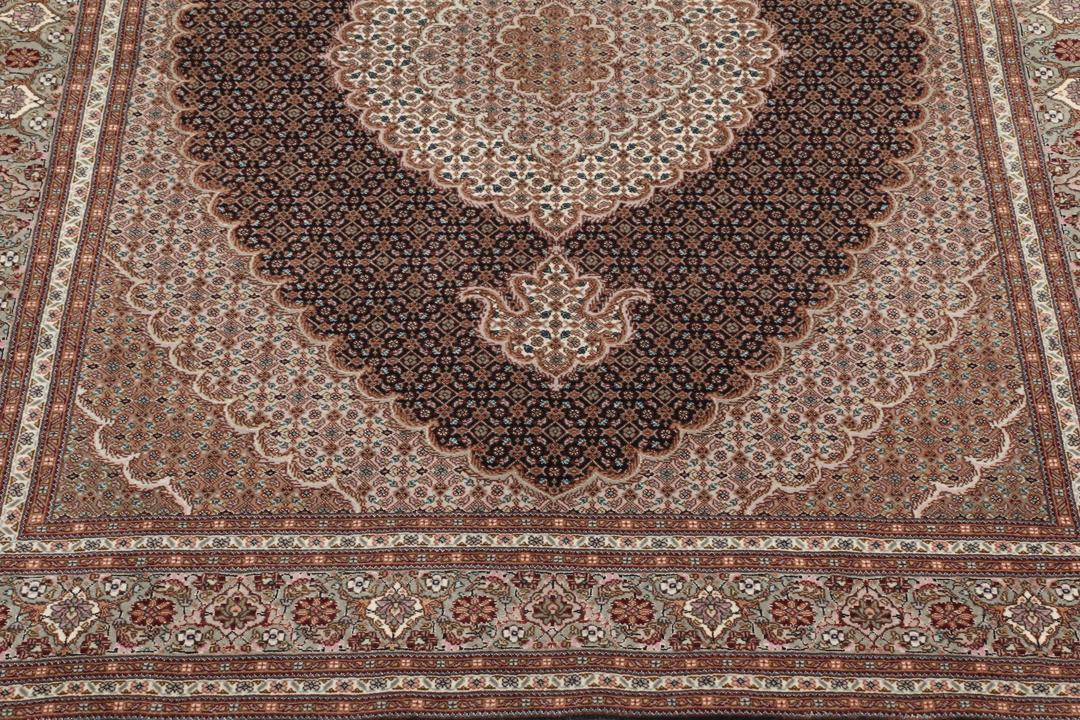
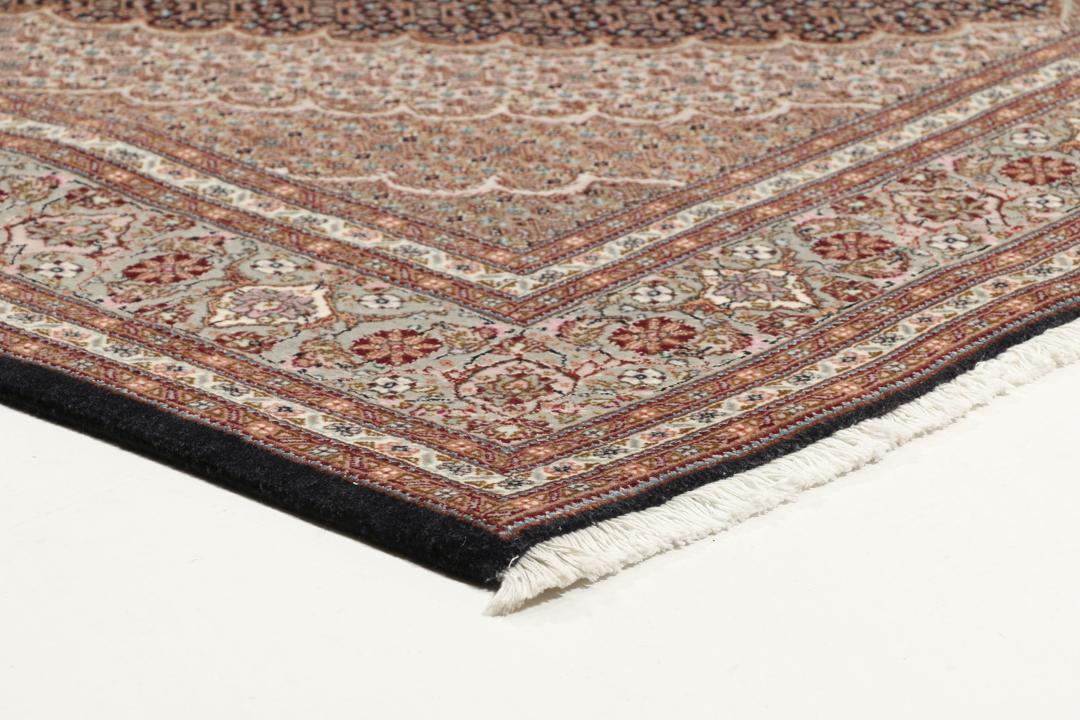
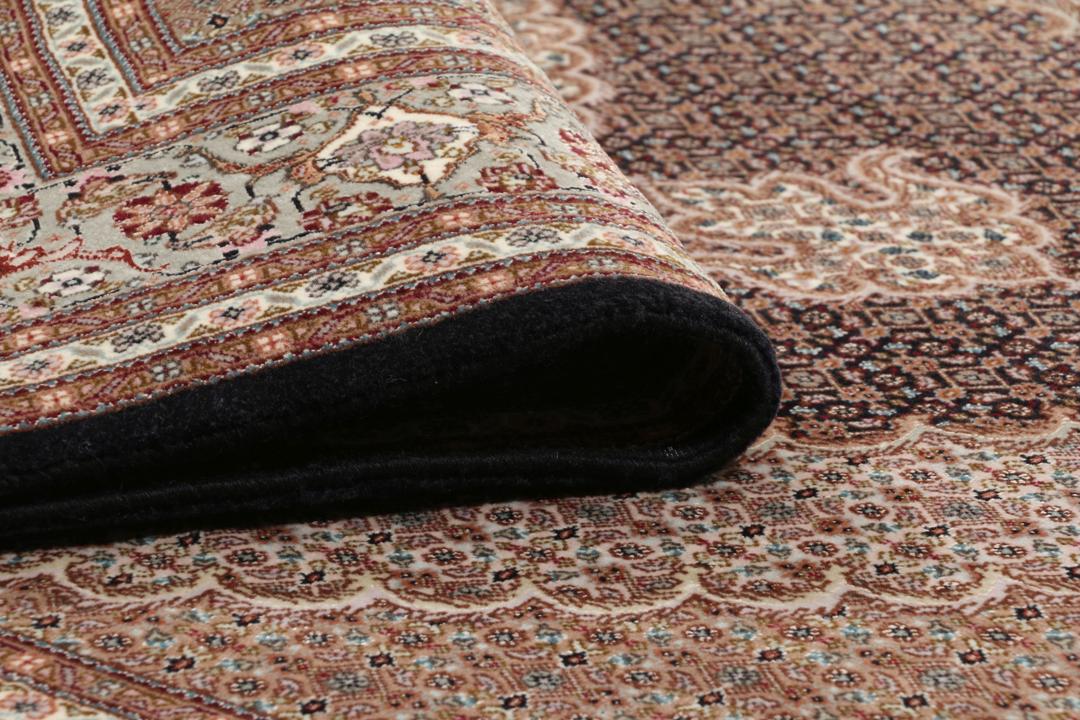
Visually, Tabriz rugs are known for their sophisticated use of medallions, scrolling vines, and palmettes. This specific piece showcases a balanced composition where the central medallion draws the eye, framed by elaborate borders that demonstrate the weaver's mastery of symmetry and colour. The use of traditional motifs reflects a long-standing commitment to artistic excellence that has defined this region's output for generations.
Collectors value Tabriz rugs for their combination of aesthetic grace and technical perfection. Owning a piece from this tradition is an investment in cultural heritage, representing a level of skill that is increasingly rare in the modern world. It is a testament to the enduring appeal of hand-crafted items, offering the owner a connection to a rich, centuries-old narrative of human creativity.