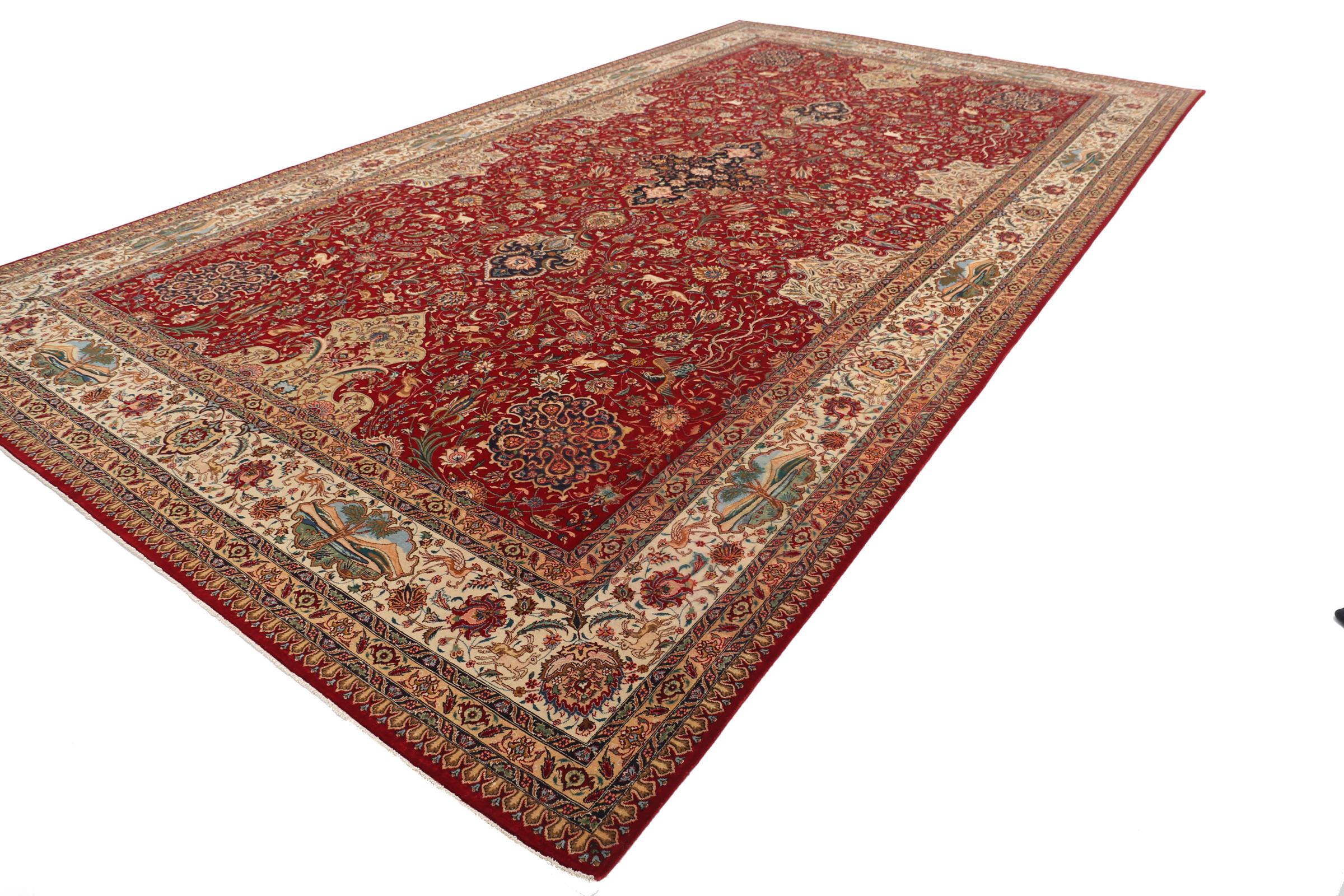
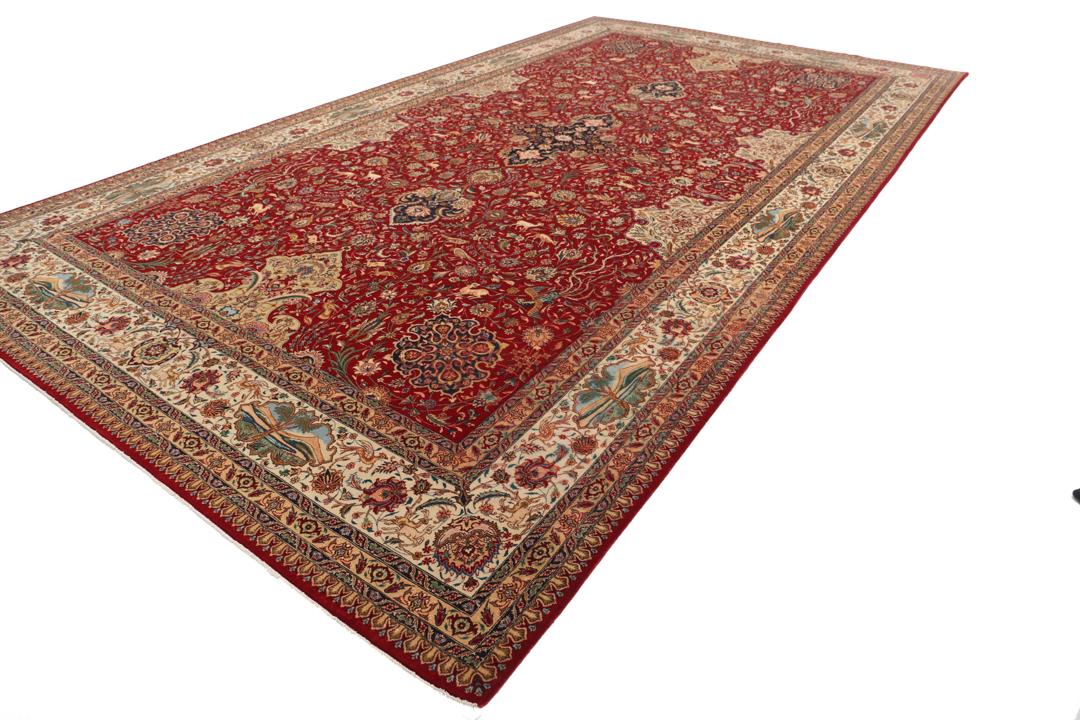
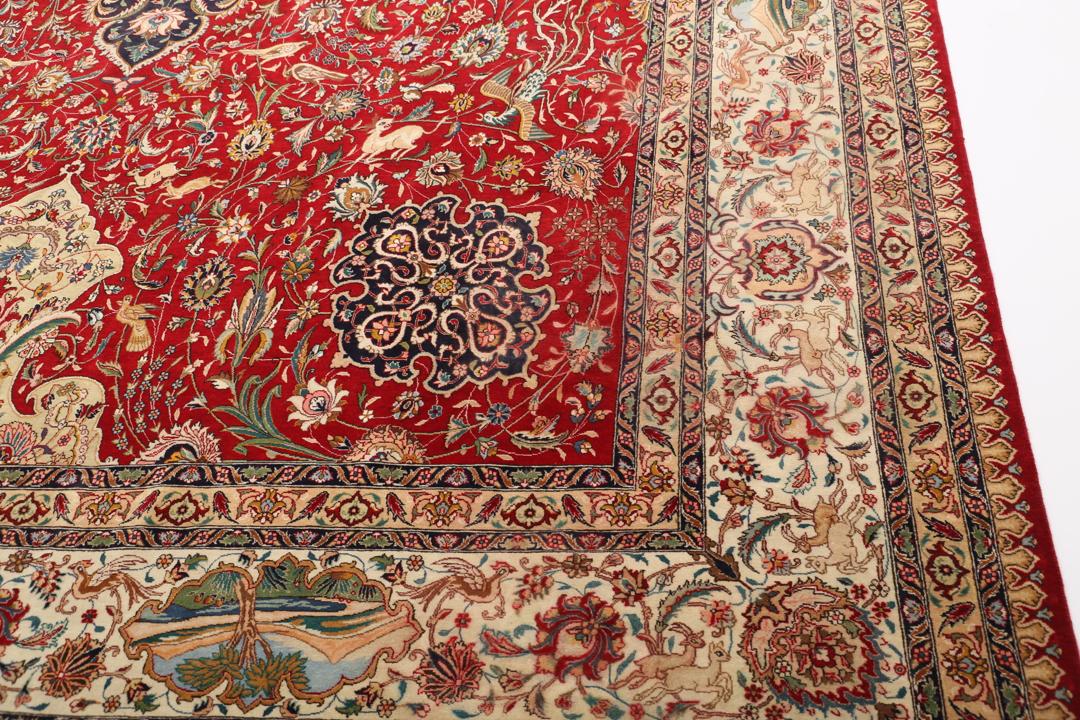
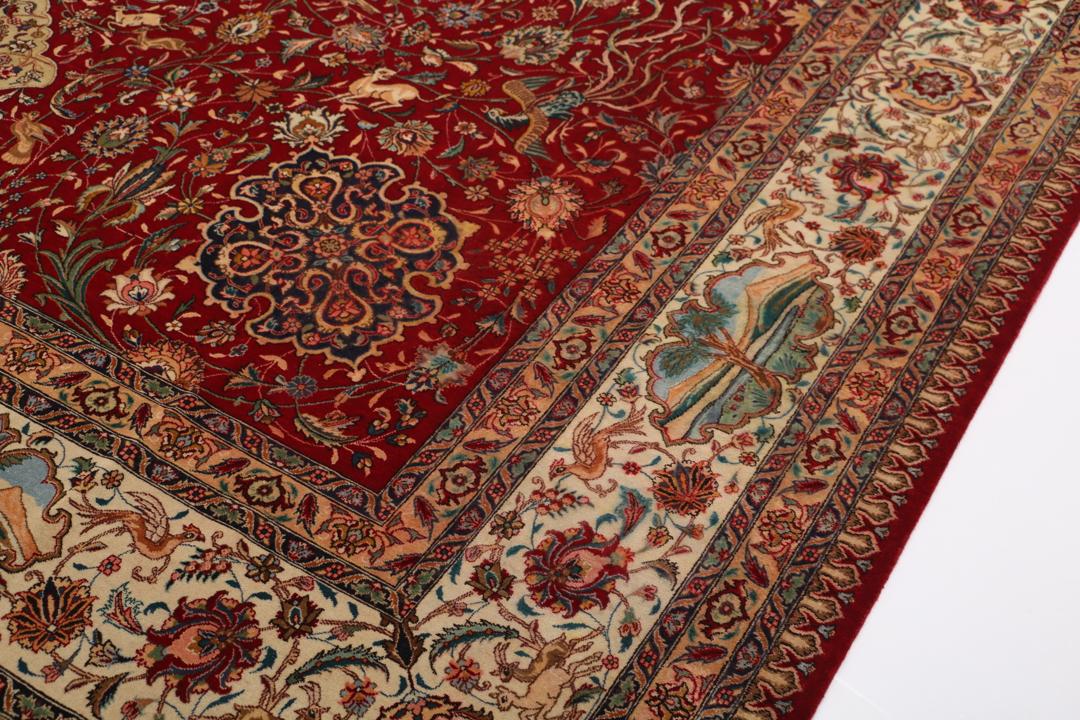
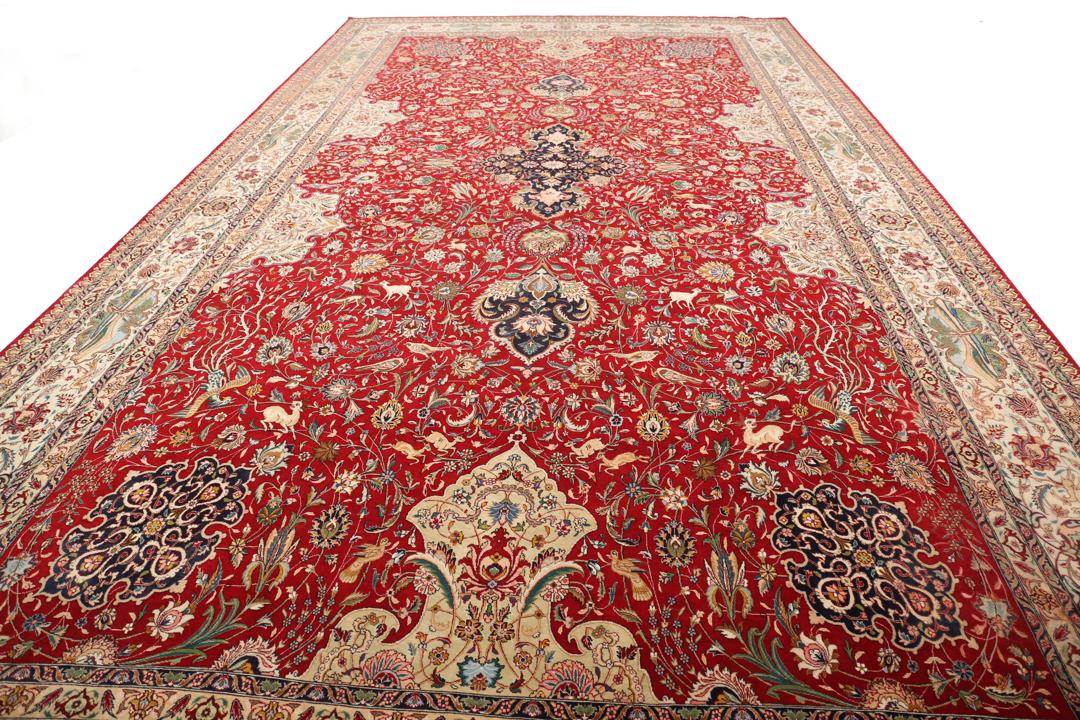
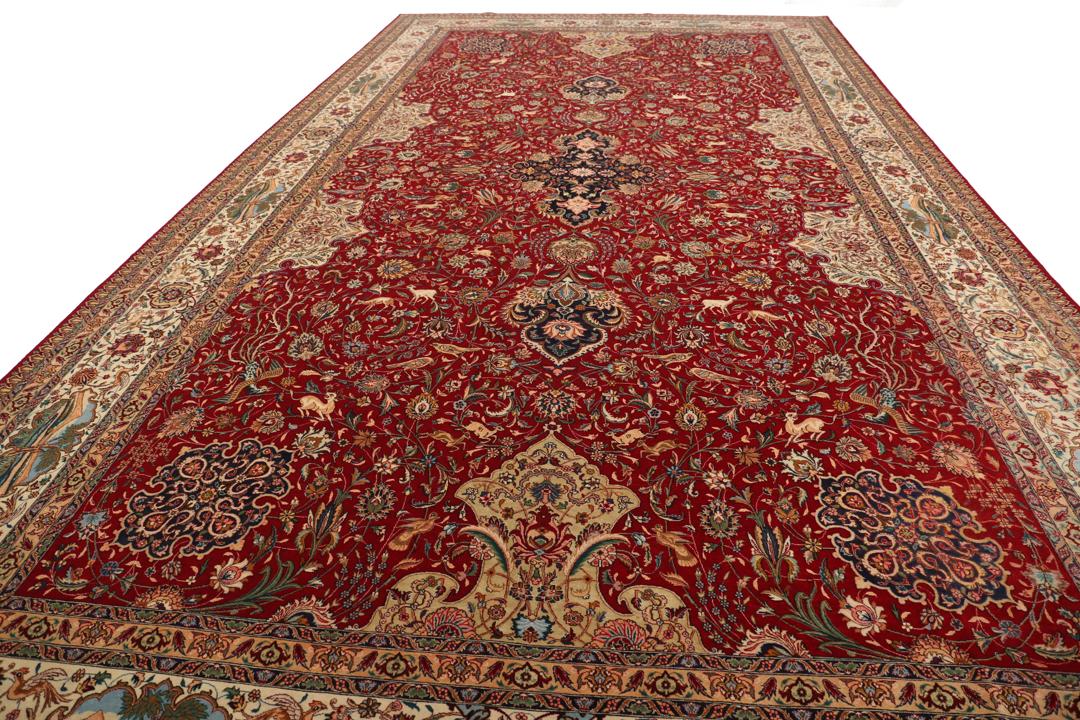
Tabriz rugs represent the pinnacle of Middle Eastern weaving tradition, originating from one of the oldest rug-weaving centres in the world. Located on the historic Silk Road, the city of Tabriz has long been a hub for artists and weavers who blended regional styles with refined courtly designs. This rug is a product of that storied lineage, continuing a legacy of artistic innovation that has persisted for centuries.
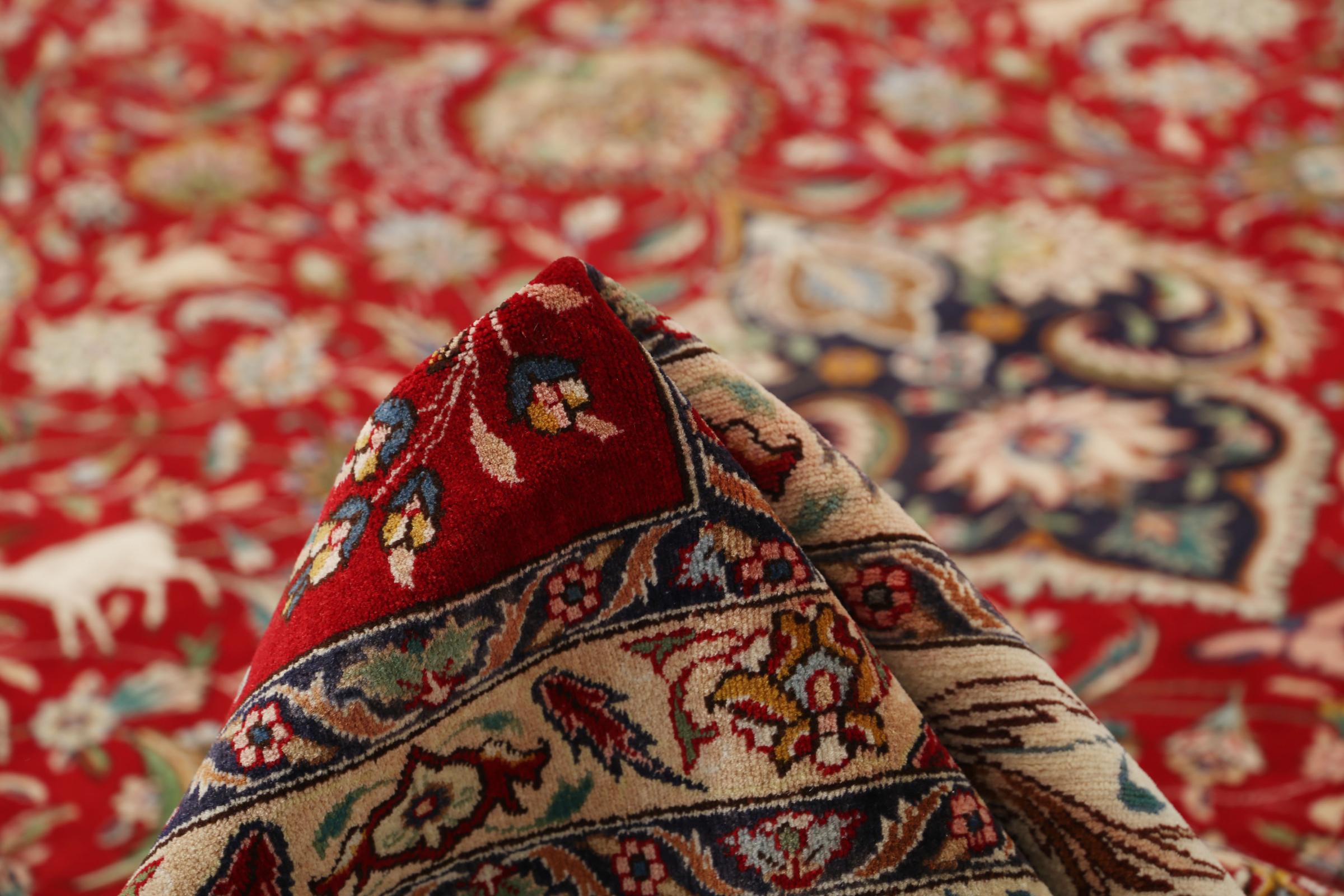
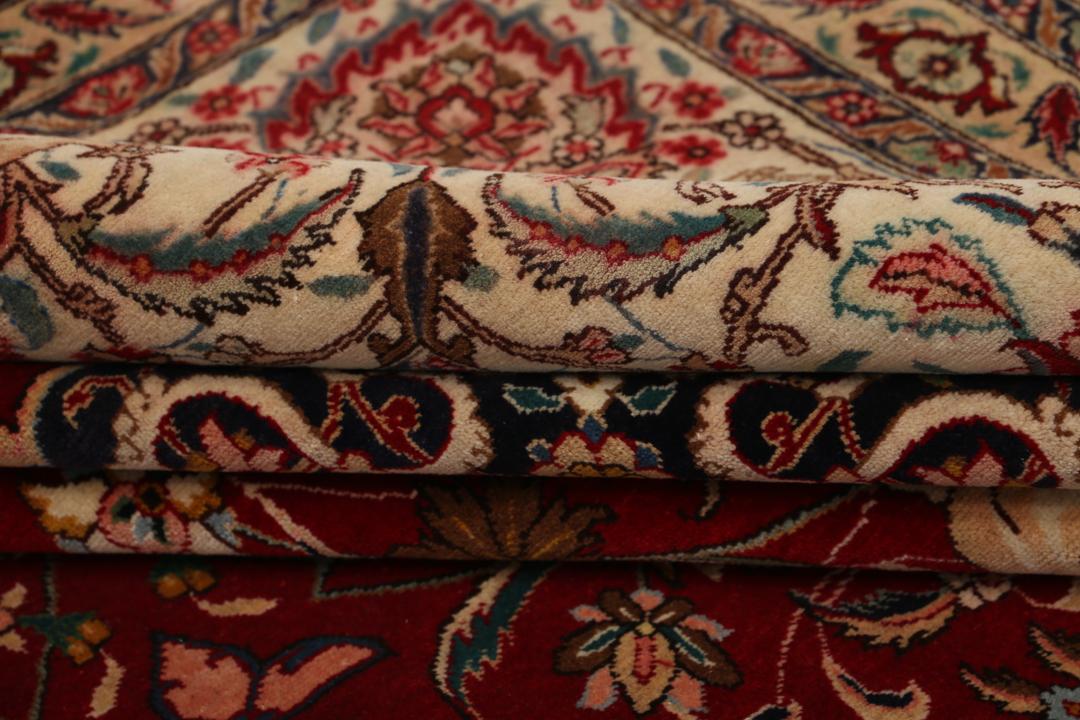
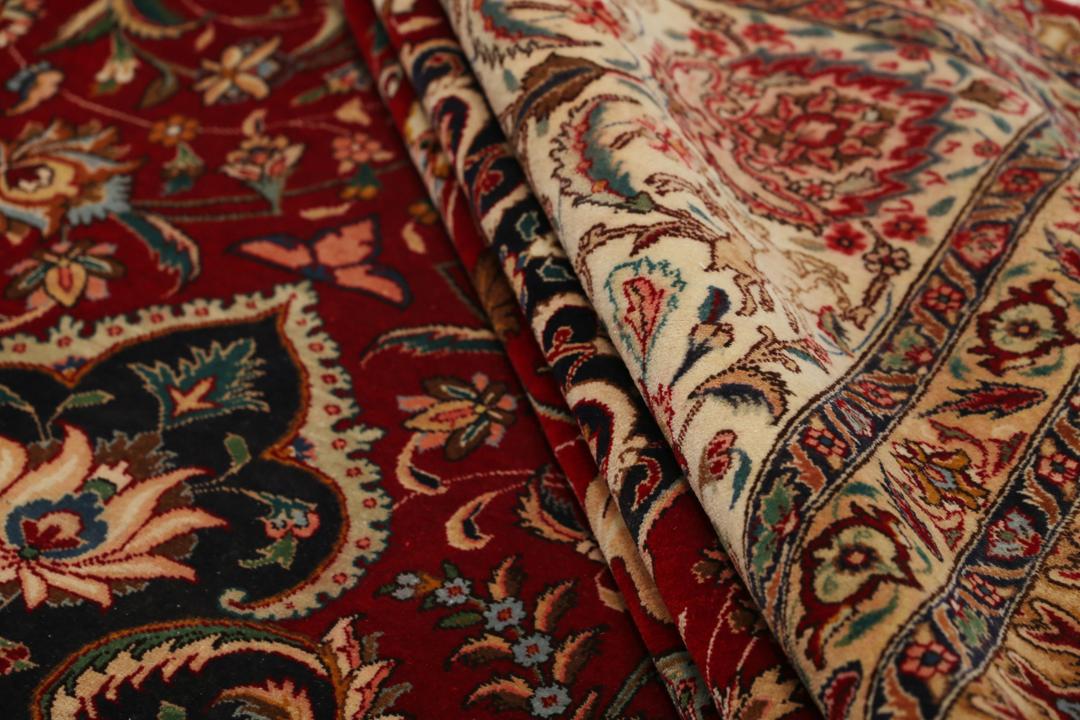
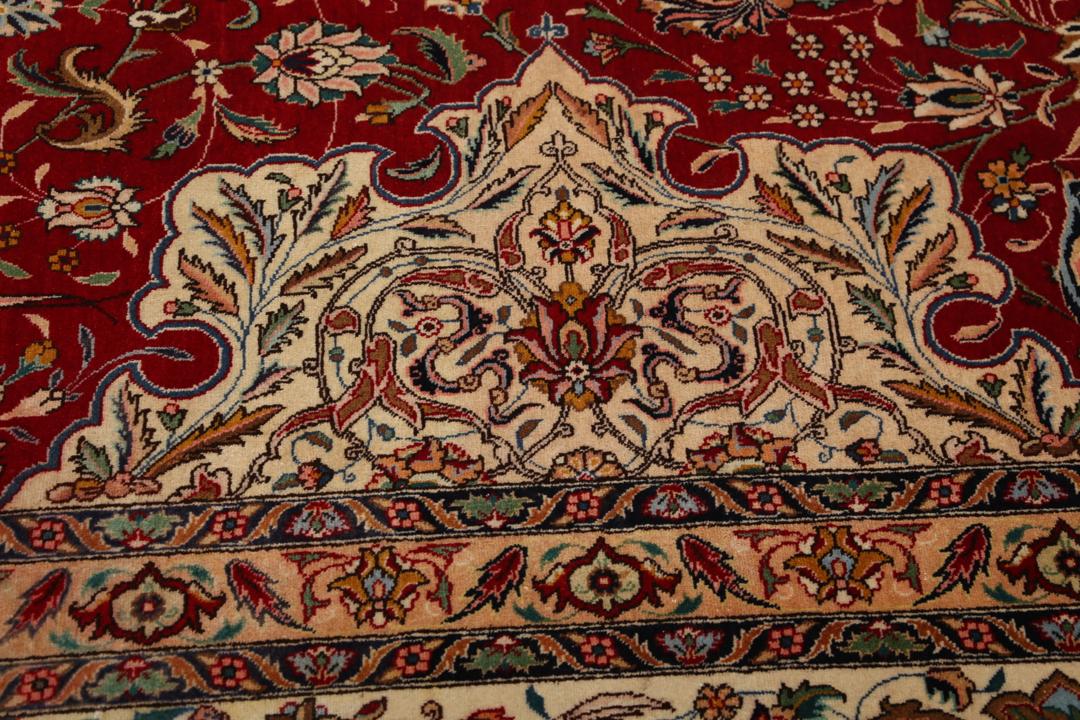
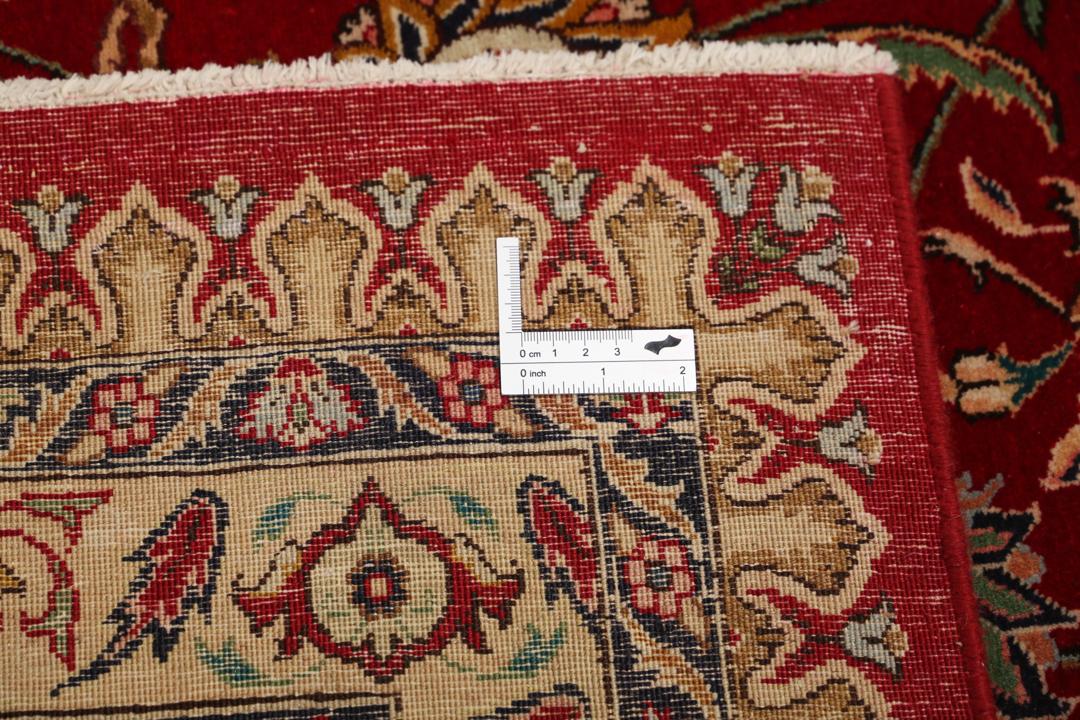
The term 50 Raj refers to a specific technical standard of knot density, which serves as a benchmark for quality in the region. A higher Raj count indicates a much finer weave, allowing for the intricate, curvilinear patterns that define the Tabriz style. This level of technical mastery requires years of training, ensuring that the final product is not merely a floor covering, but a high-precision textile that showcases the weaver's ability to manipulate fine materials into complex, flowing designs.
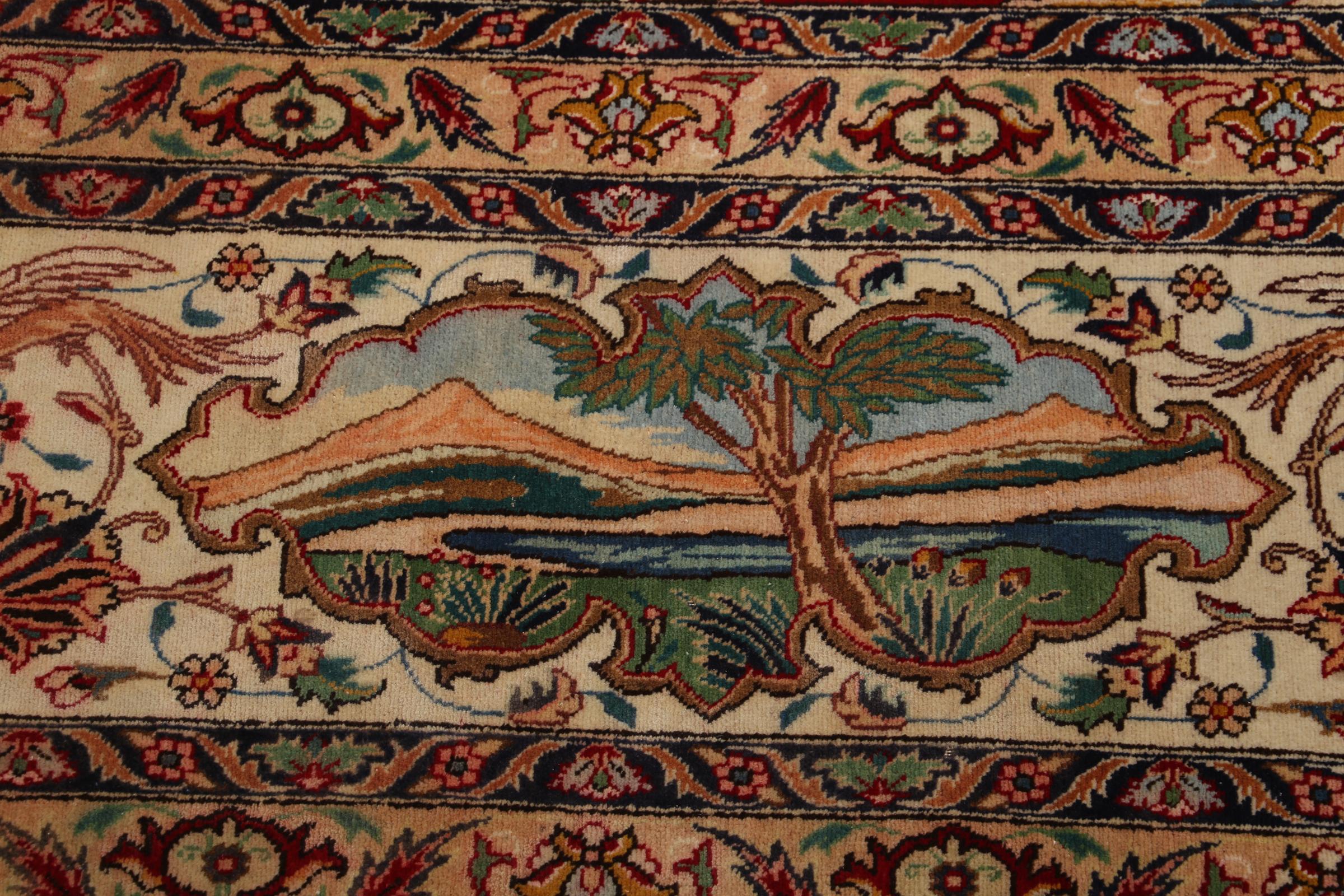
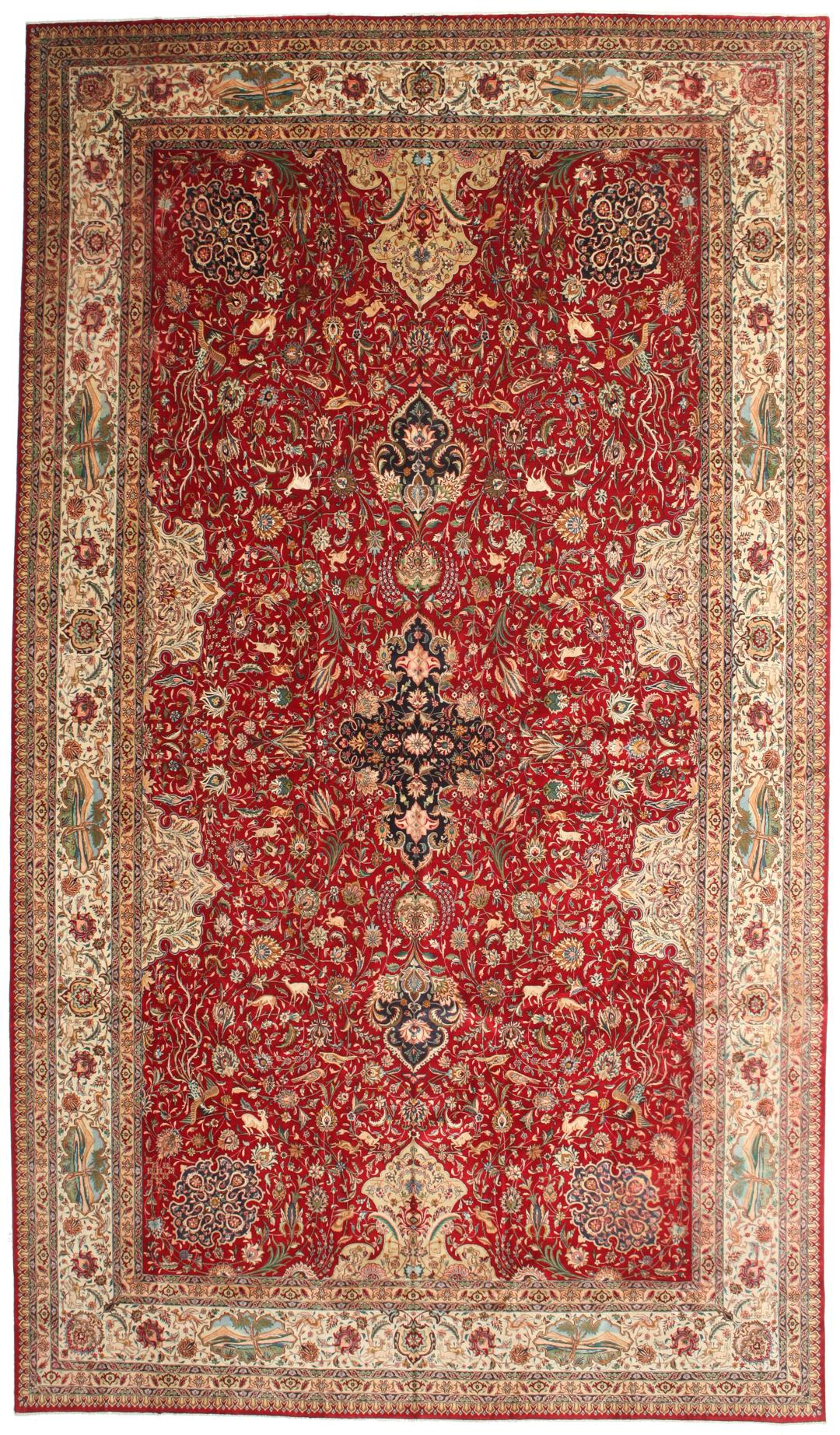
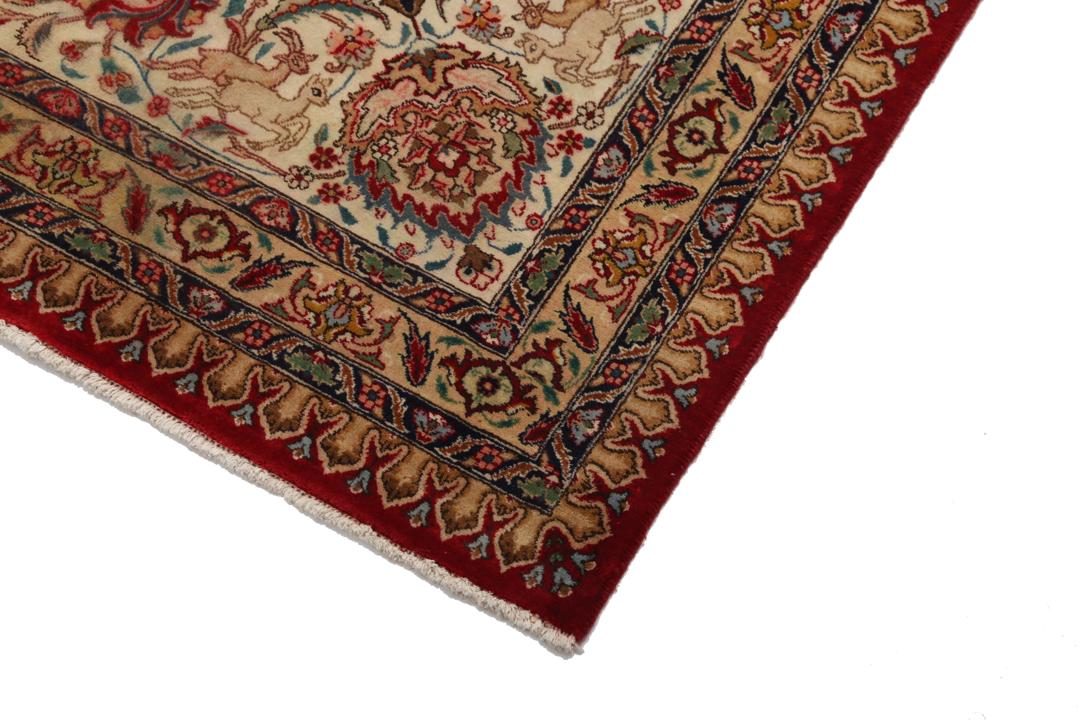
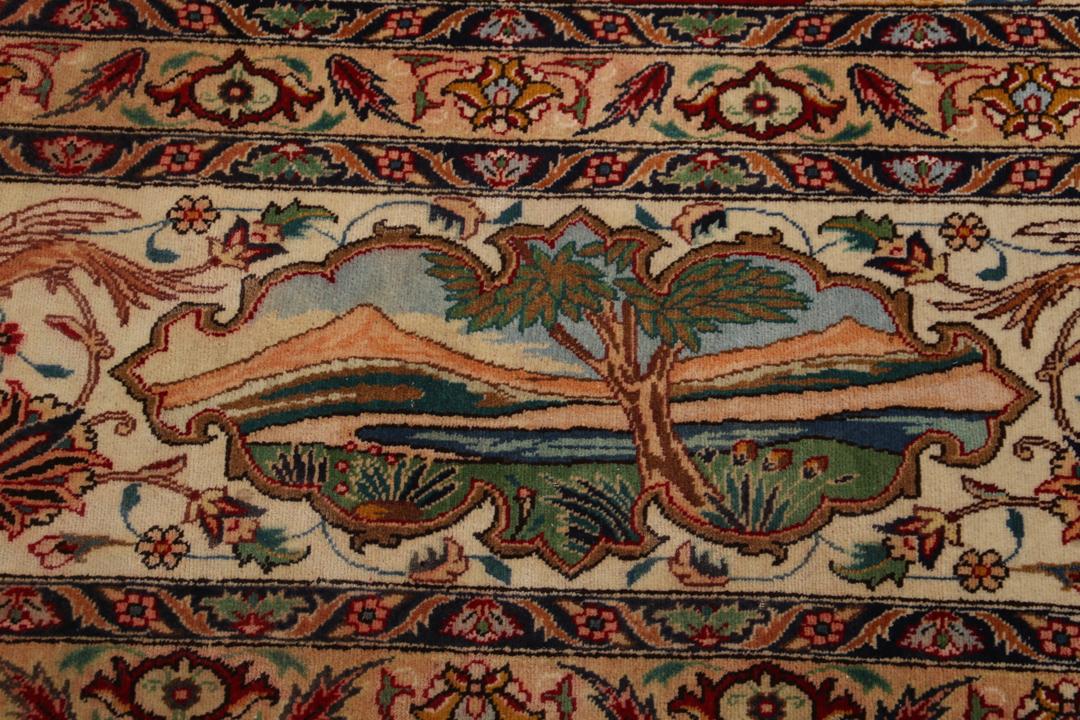
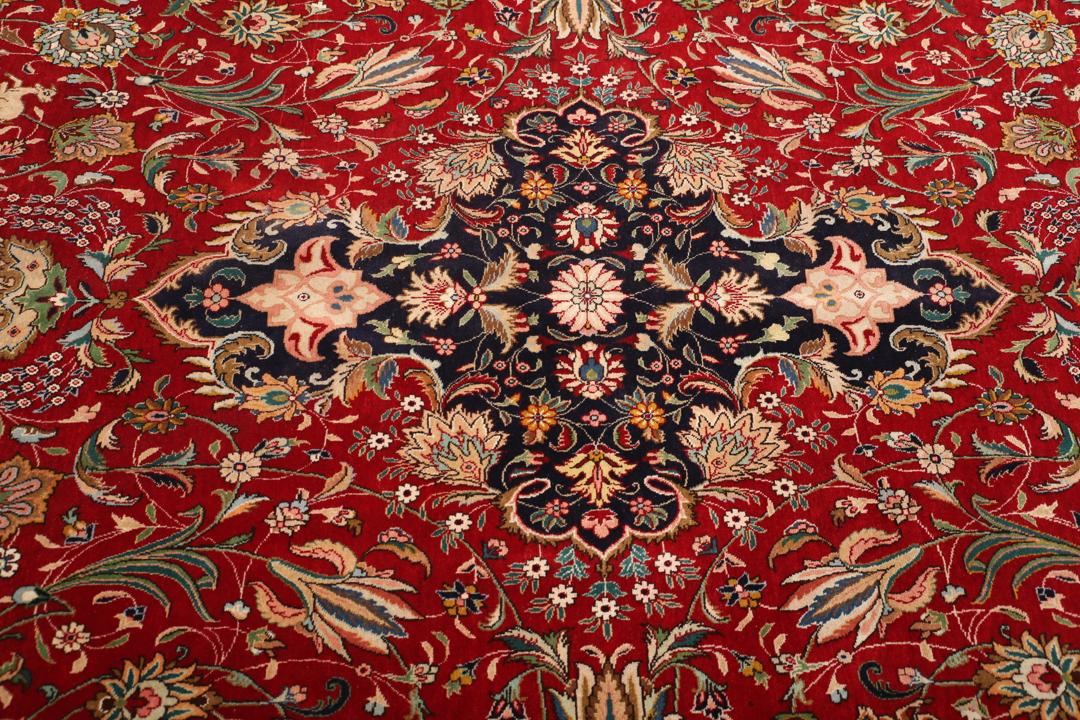
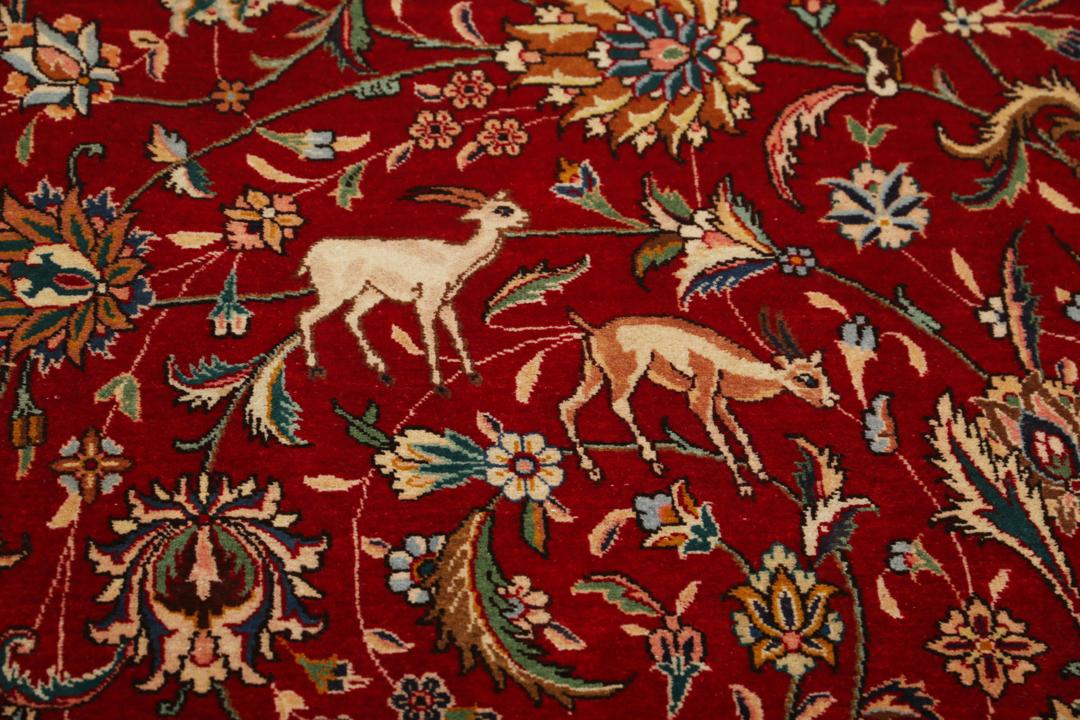
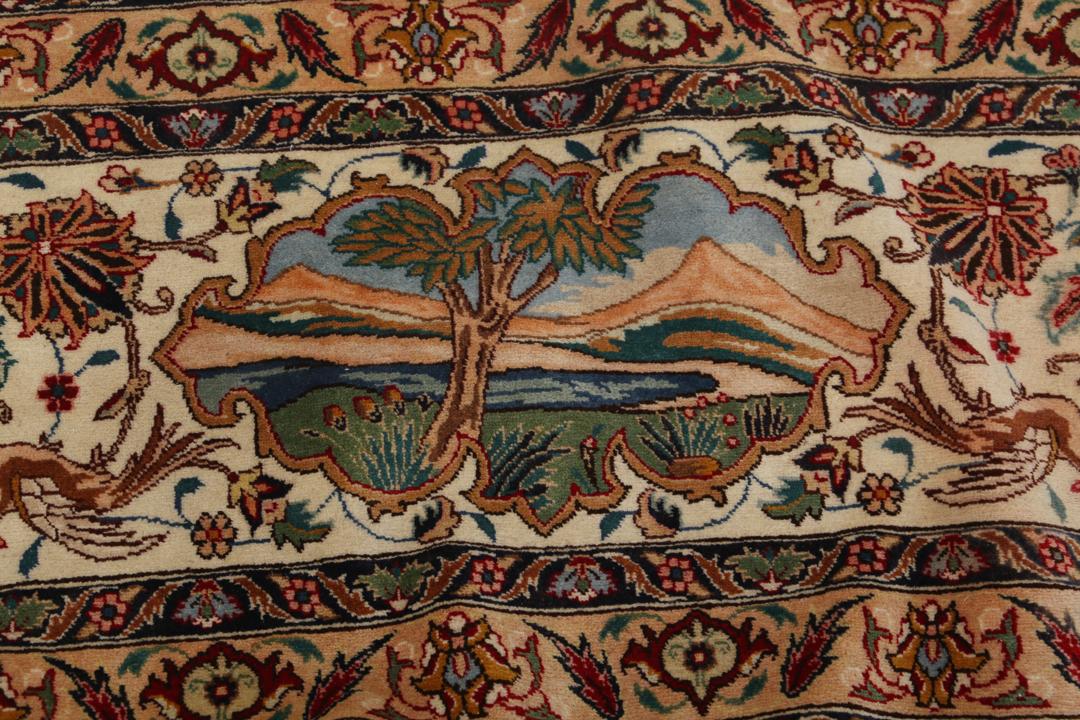
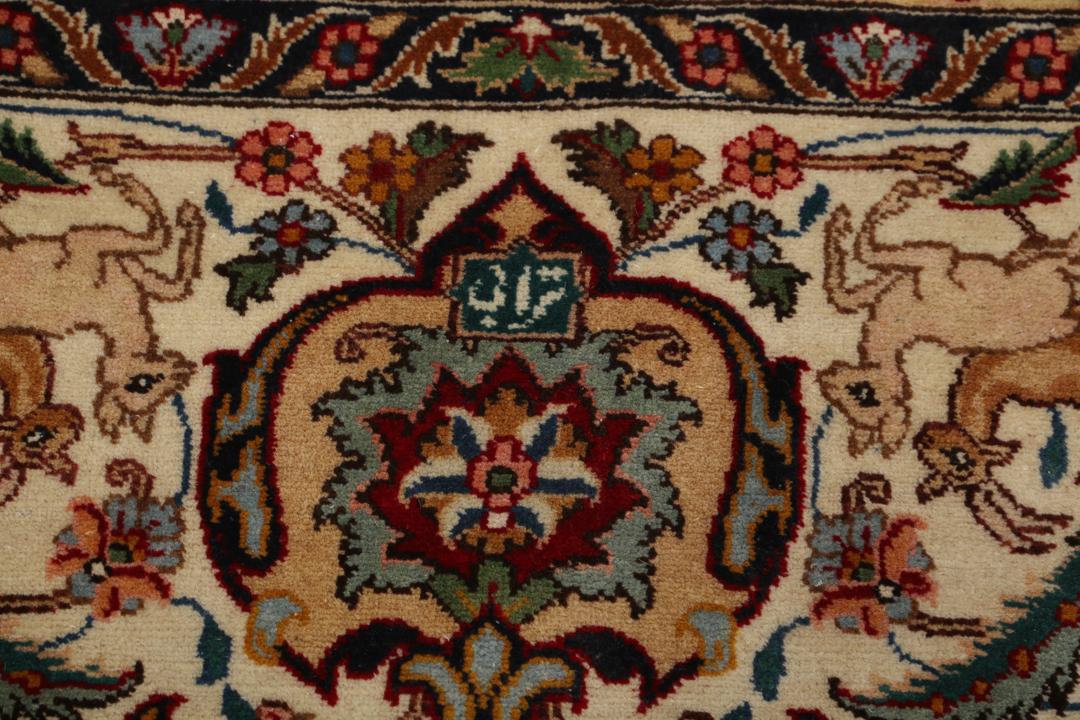
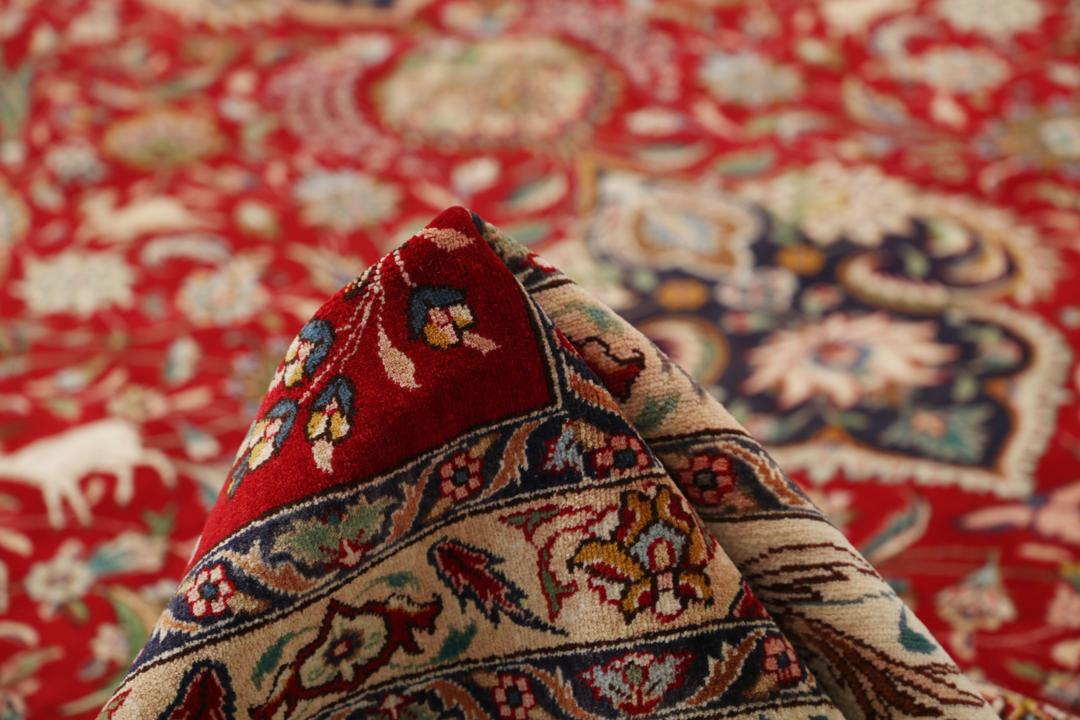
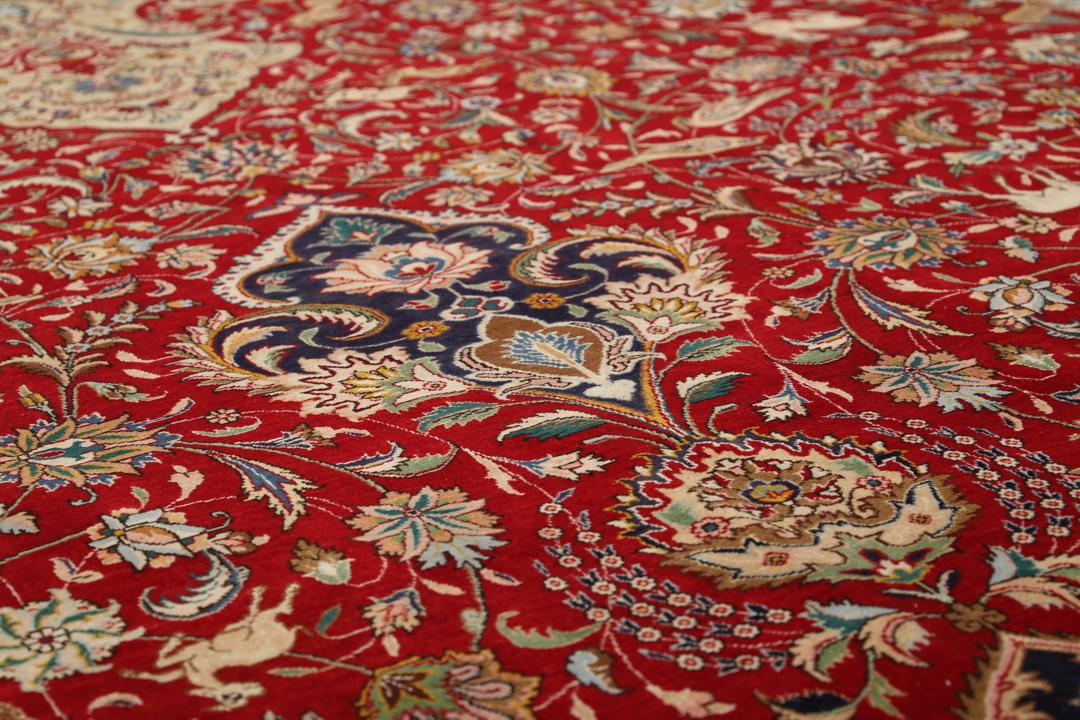
Visually, this rug is characterised by its sophisticated layout, often featuring a central medallion surrounded by a sea of delicate floral scrolls, vines, and pictorial motifs like animals or birds. The borders are typically framed with precision, acting as a structural anchor for the flowing organic shapes within. The signature of the master weaver, Torabi, adds a layer of provenance, identifying this rug as a work by a specific artisan whose style is recognised within this tradition.
Collecting a signed Tabriz rug is an investment in cultural heritage. These pieces are highly valued because they represent the intersection of historical tradition and individual artistic expression. Owning such a rug signifies an appreciation for the human skill and historical continuity that goes into creating something of this complexity and beauty, making it a prized item for collectors and home enthusiasts alike.