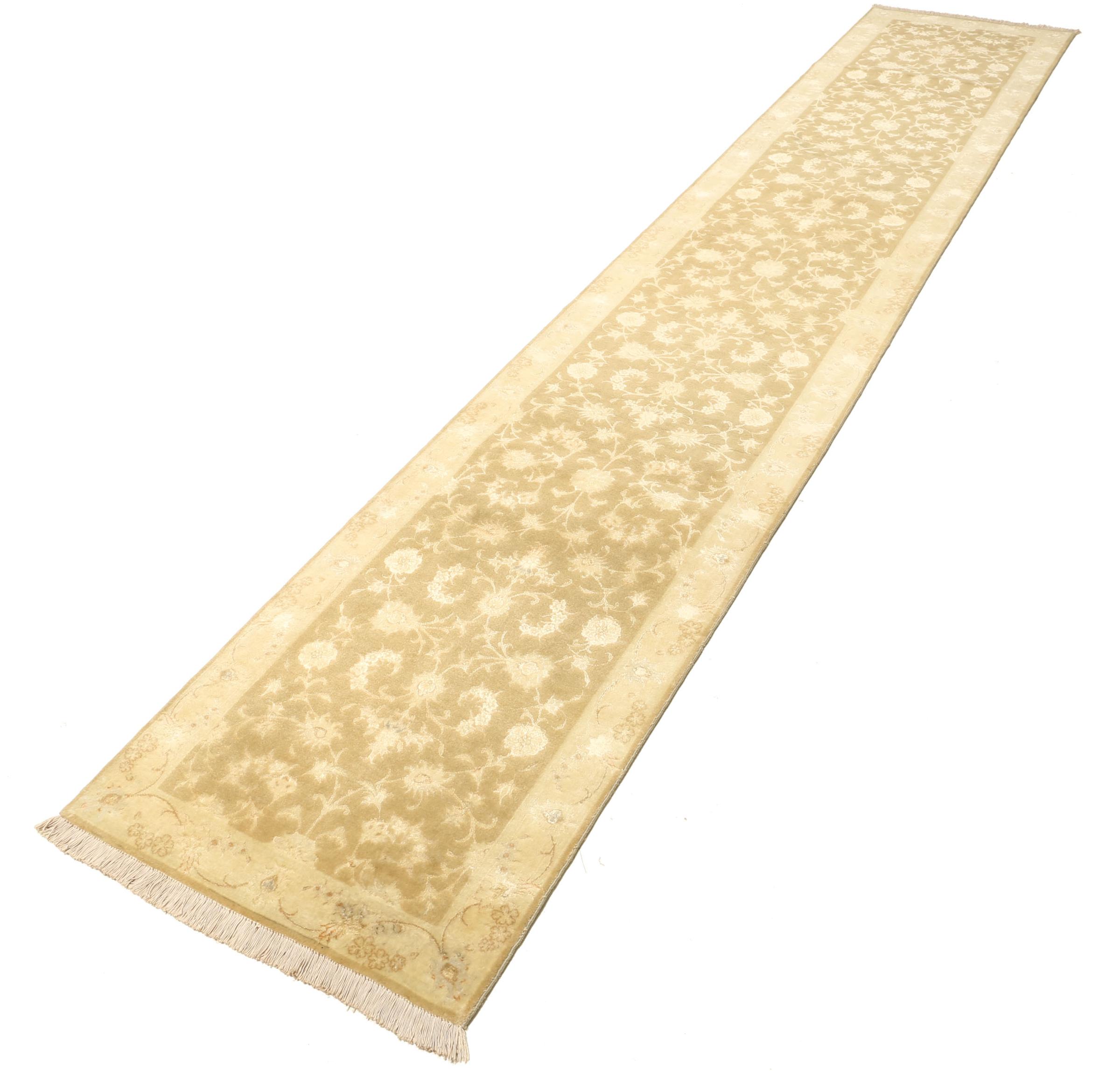
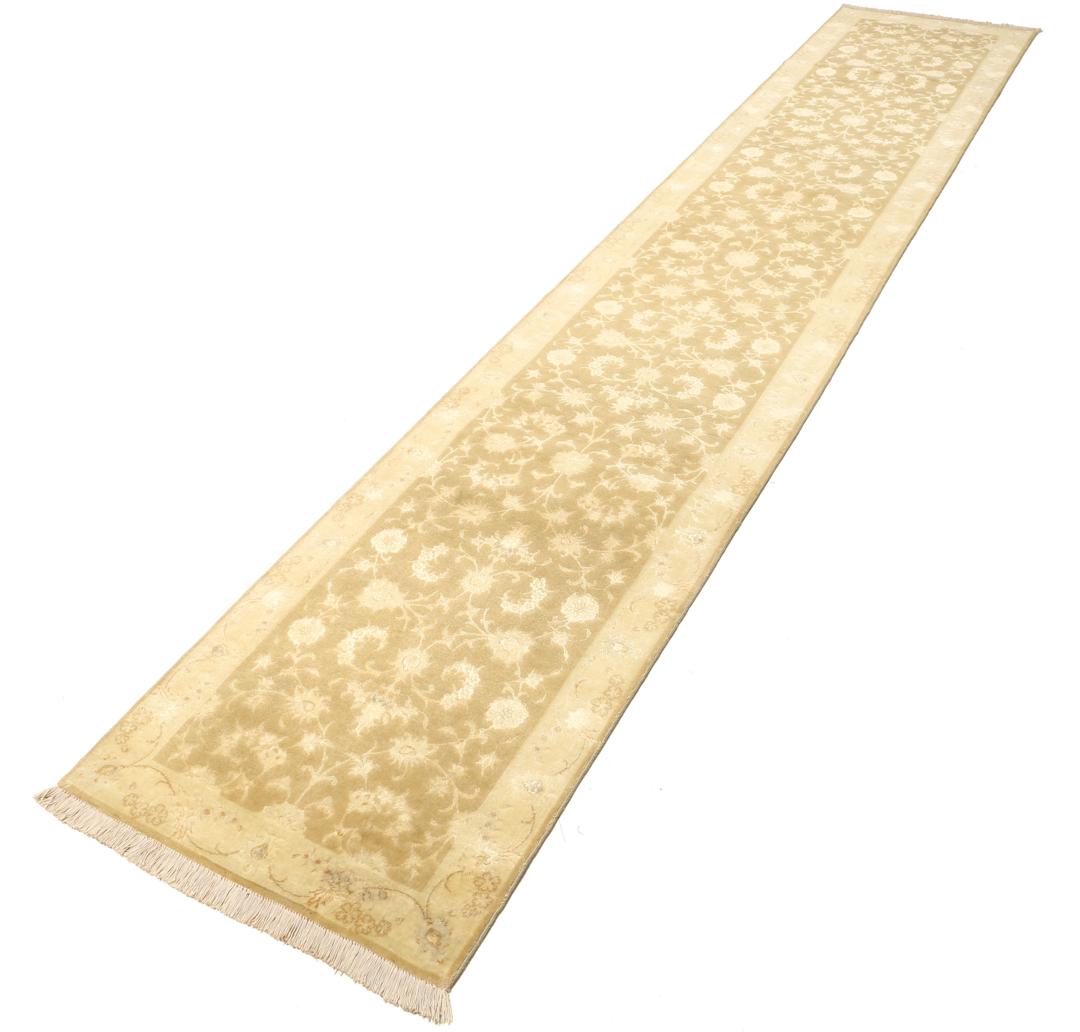
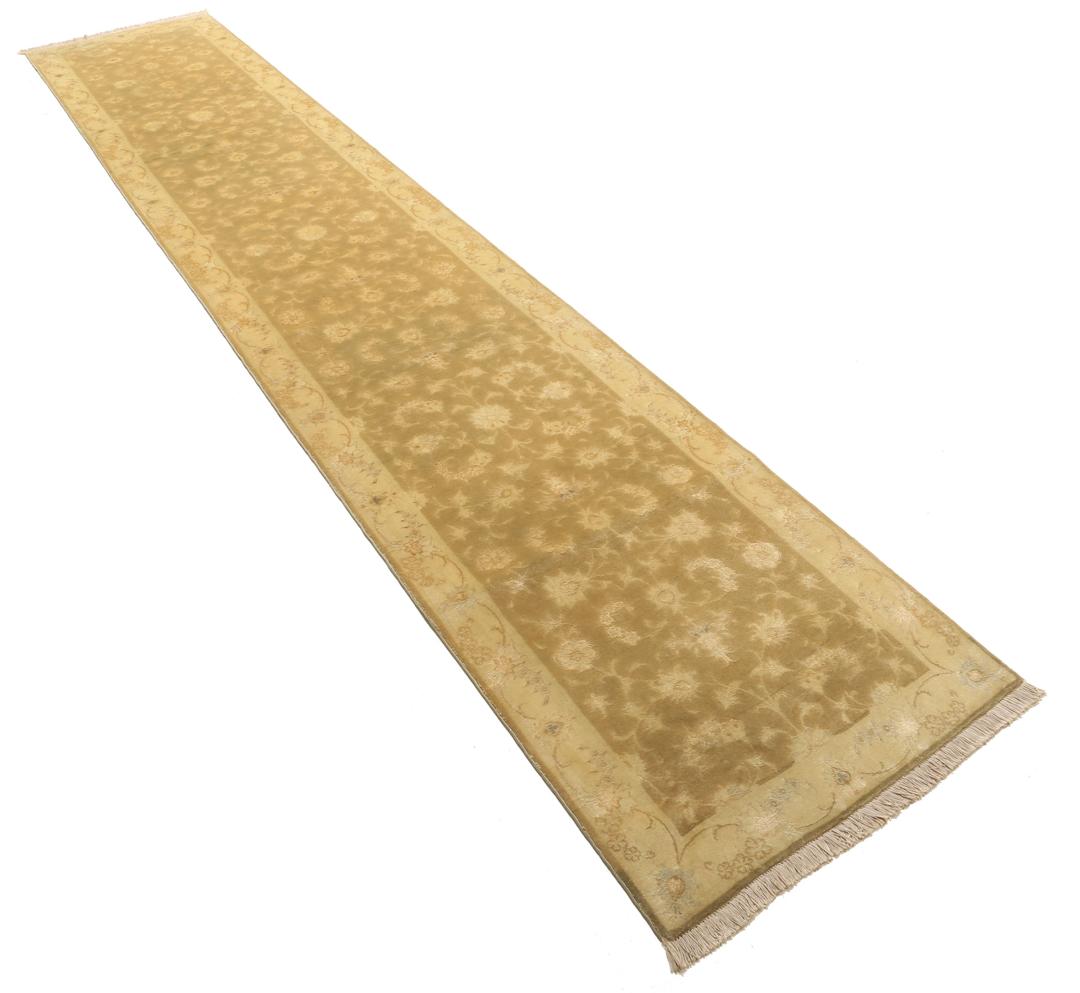
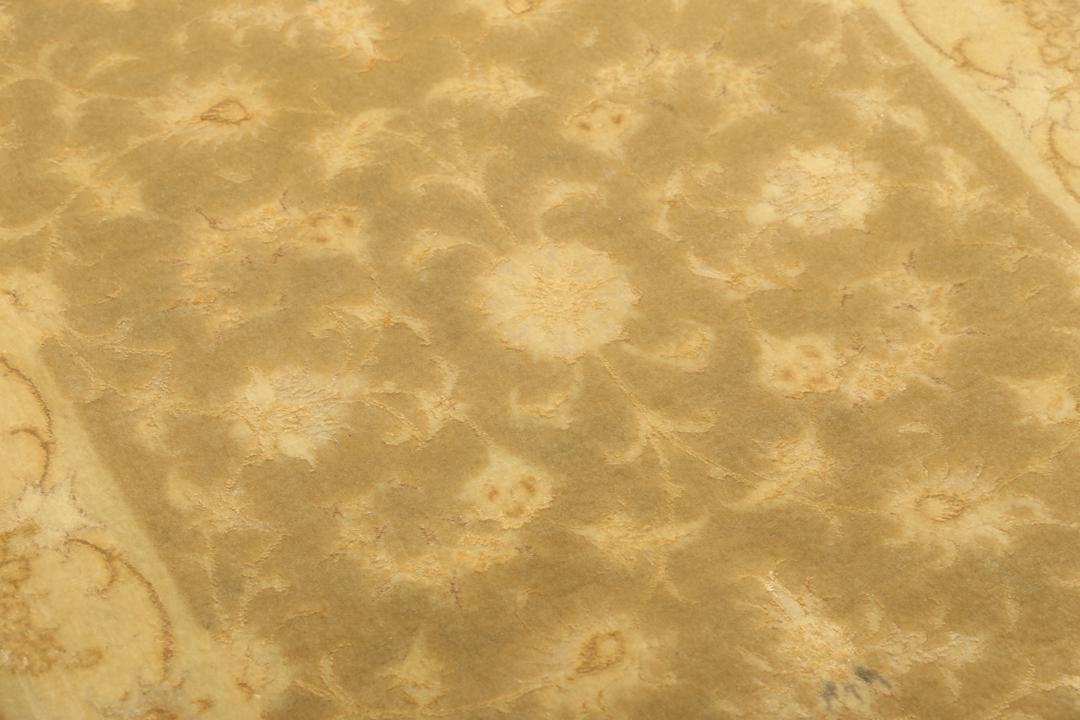
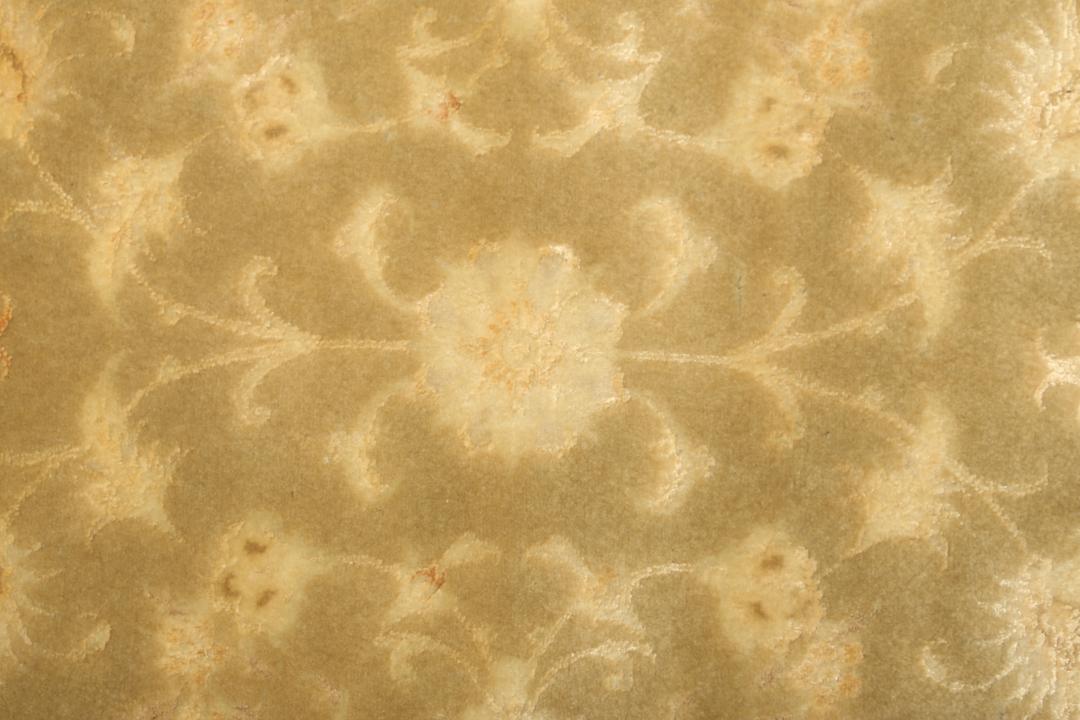
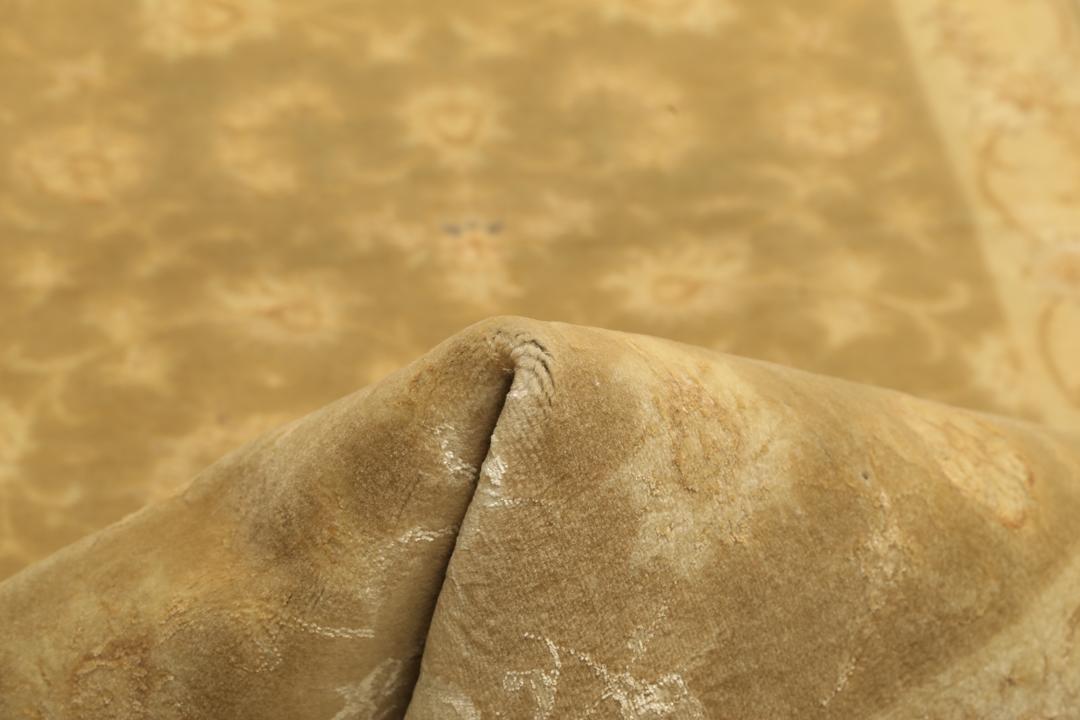
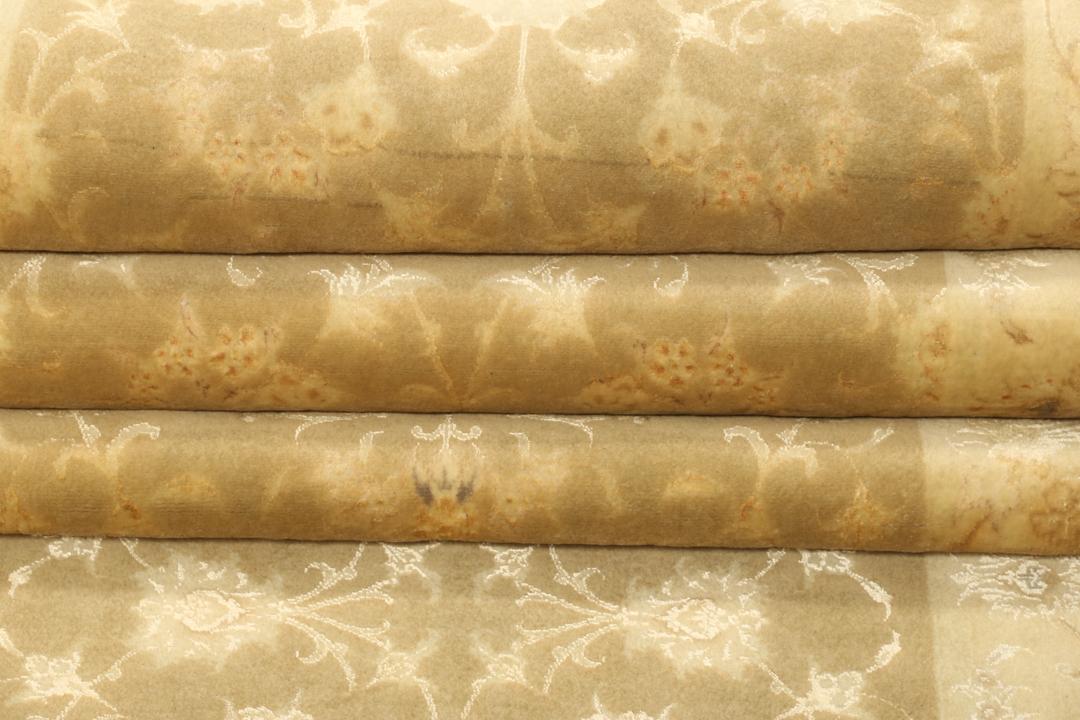
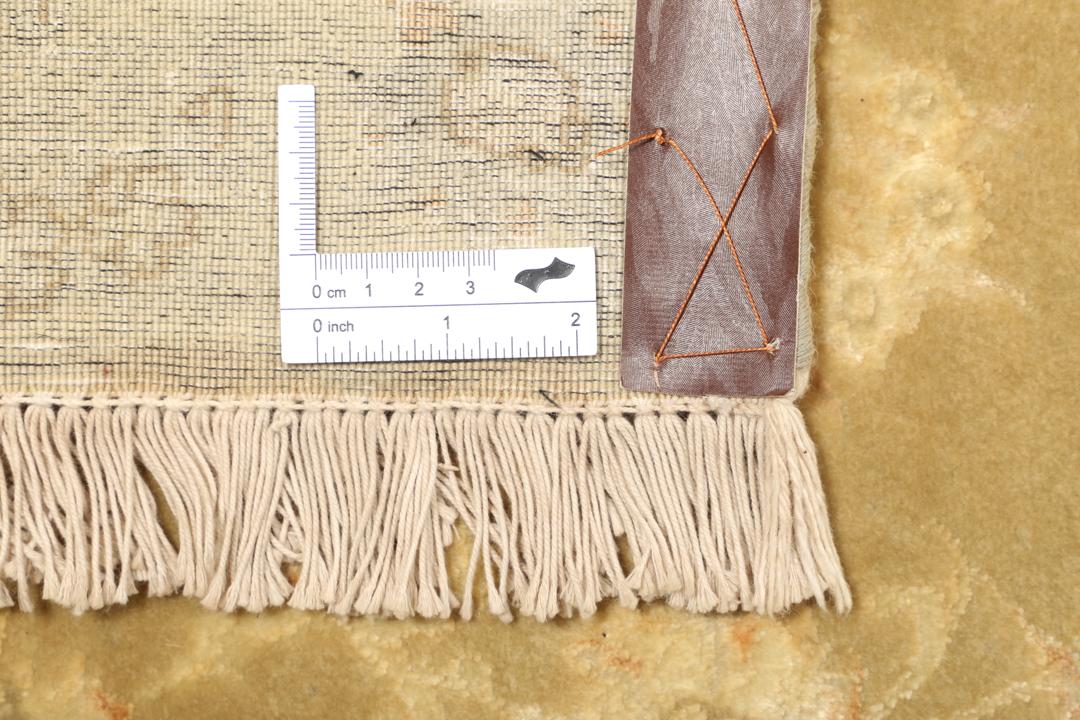
Tabriz rugs originate from the historic city of Tabriz in the Middle East, a region renowned for its centuries-old tradition of rug weaving. As one of the oldest weaving centres in the world, Tabriz has long been a hub for master weavers who have refined their craft through generations, blending artistic innovation with technical mastery.
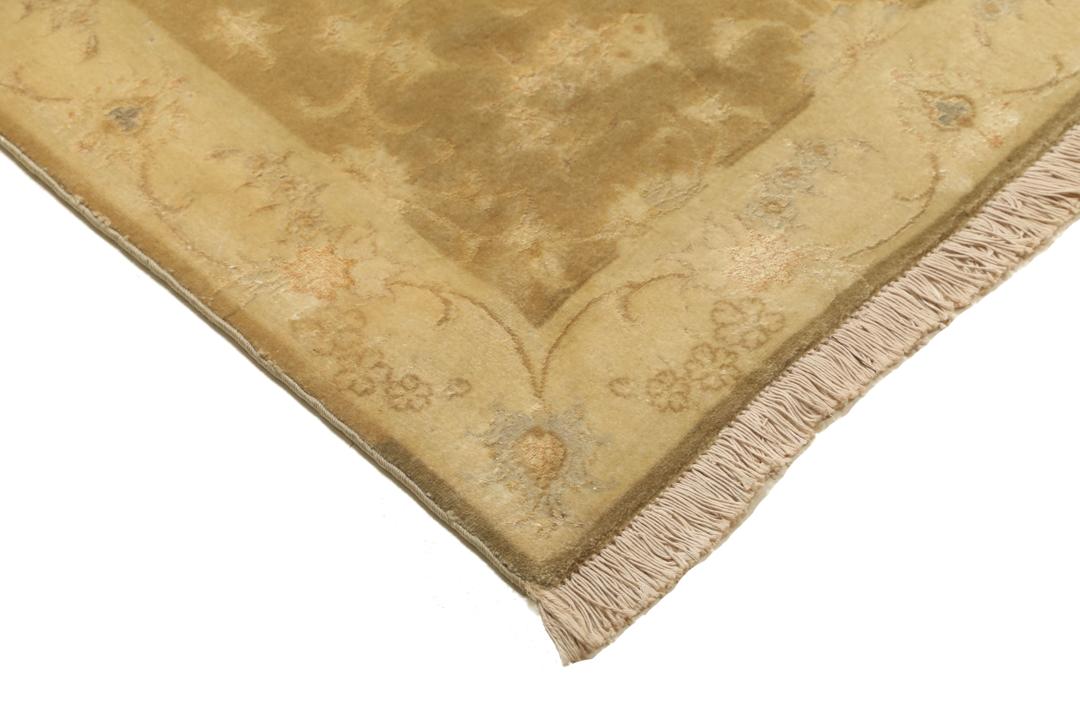
The designation '50 Raj' refers to a specific measurement of knot density along a set length, indicating a high level of fineness. This technical specification is a hallmark of quality, meaning the rug has a very high number of knots per square meter. This density allows for incredibly detailed, sharp patterns and creates a pile that is both dense and luxurious to the touch.
Design-wise, Tabriz rugs are celebrated for their sophisticated floral compositions, often featuring central medallions surrounded by intricate vines, palmettes, and leaves. These designs are highly formal and balanced, reflecting the classical aesthetic traditions of the region. The use of silk alongside wool is a traditional technique used to highlight specific design elements, creating a beautiful contrast in texture and sheen.
Collecting a Tabriz rug is a way of preserving a significant cultural legacy. These rugs are highly valued for their artistic complexity and the immense skill required to produce them. Owning one is an investment in human craftsmanship and history, offering a sense of permanence and elegance that mass-produced floor coverings simply cannot provide.