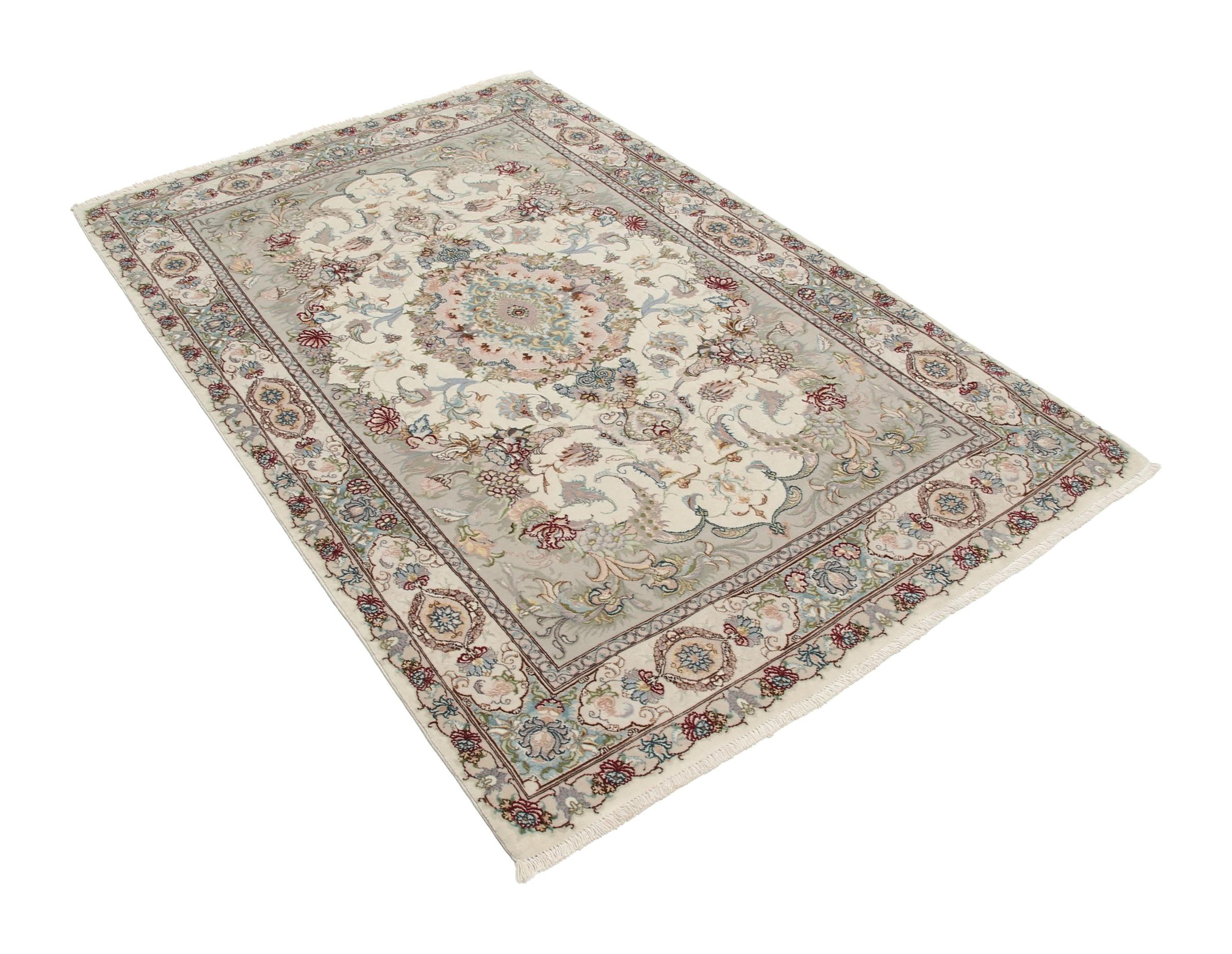
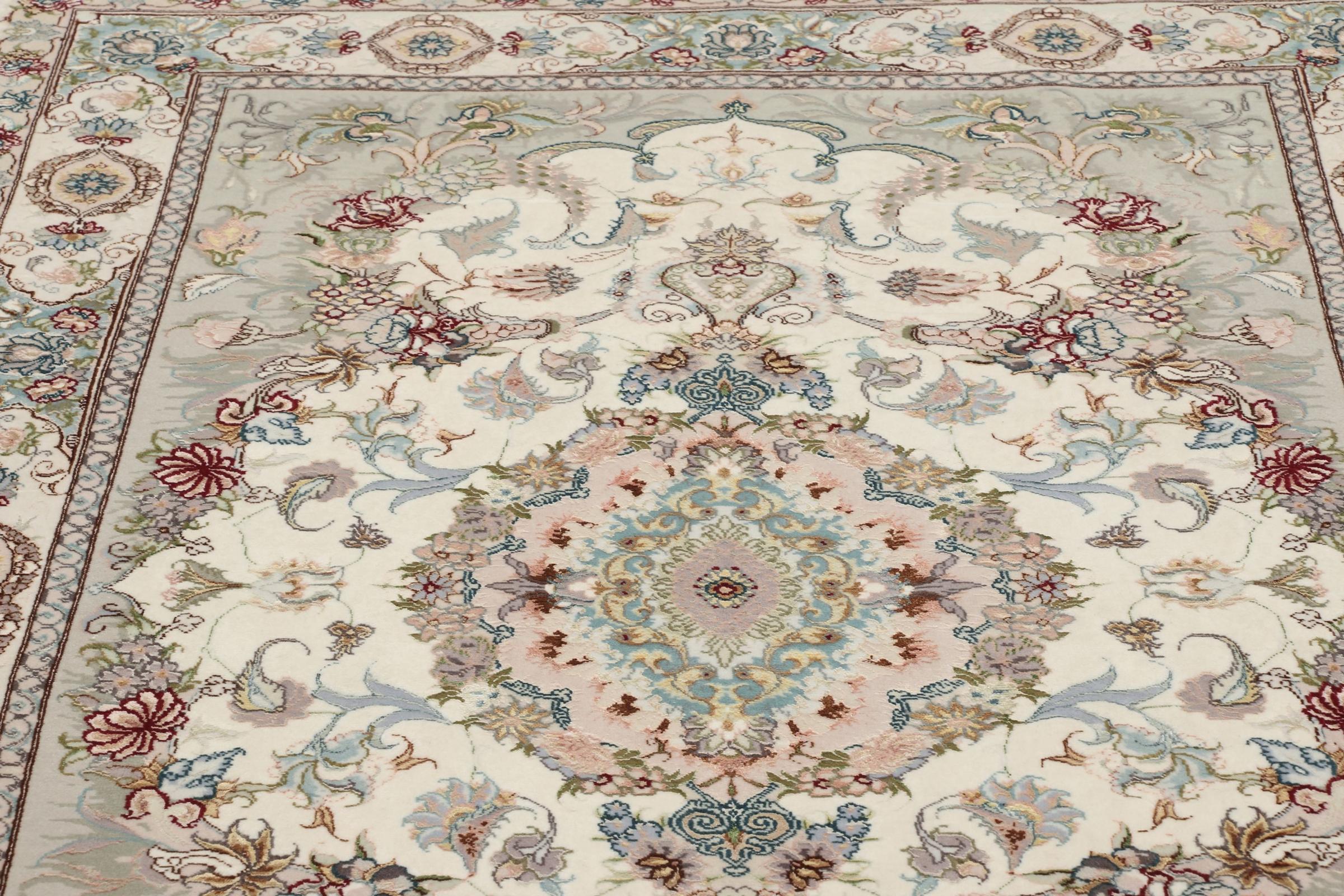
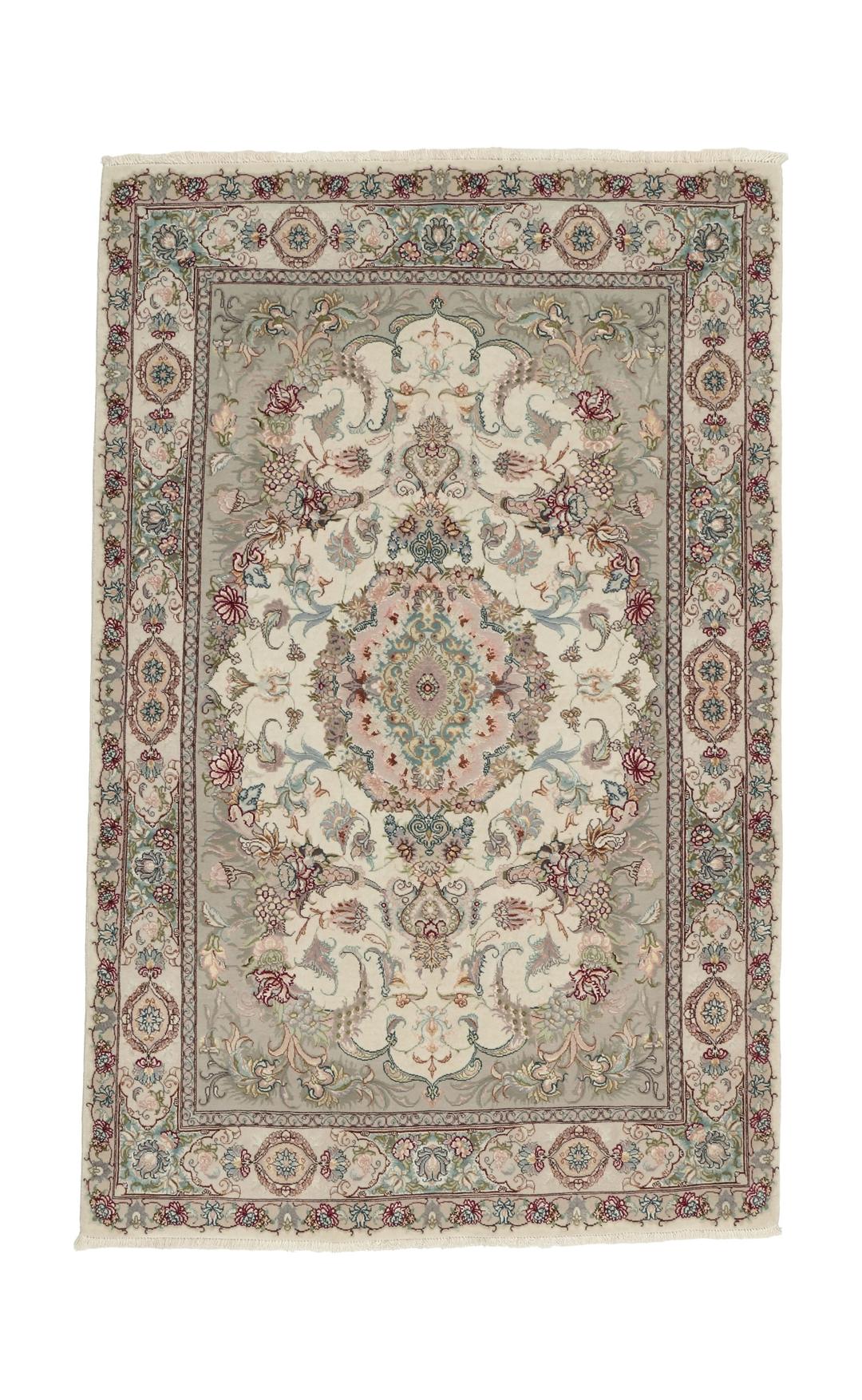
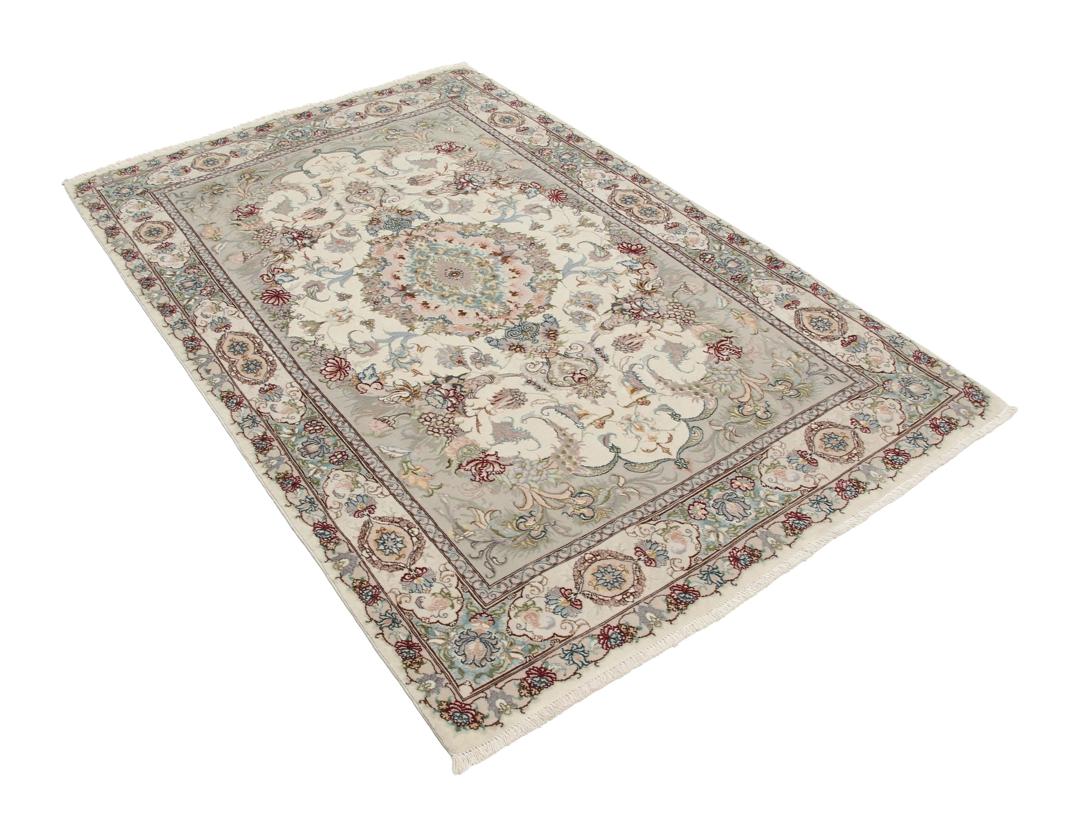
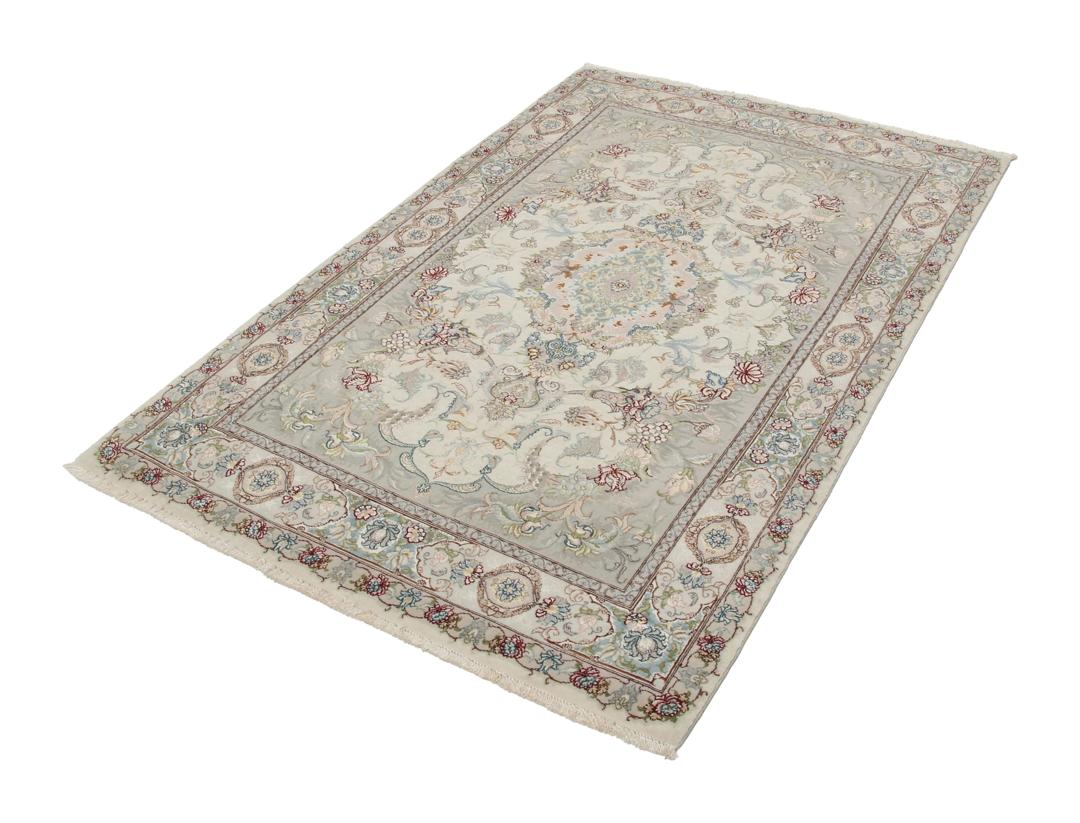
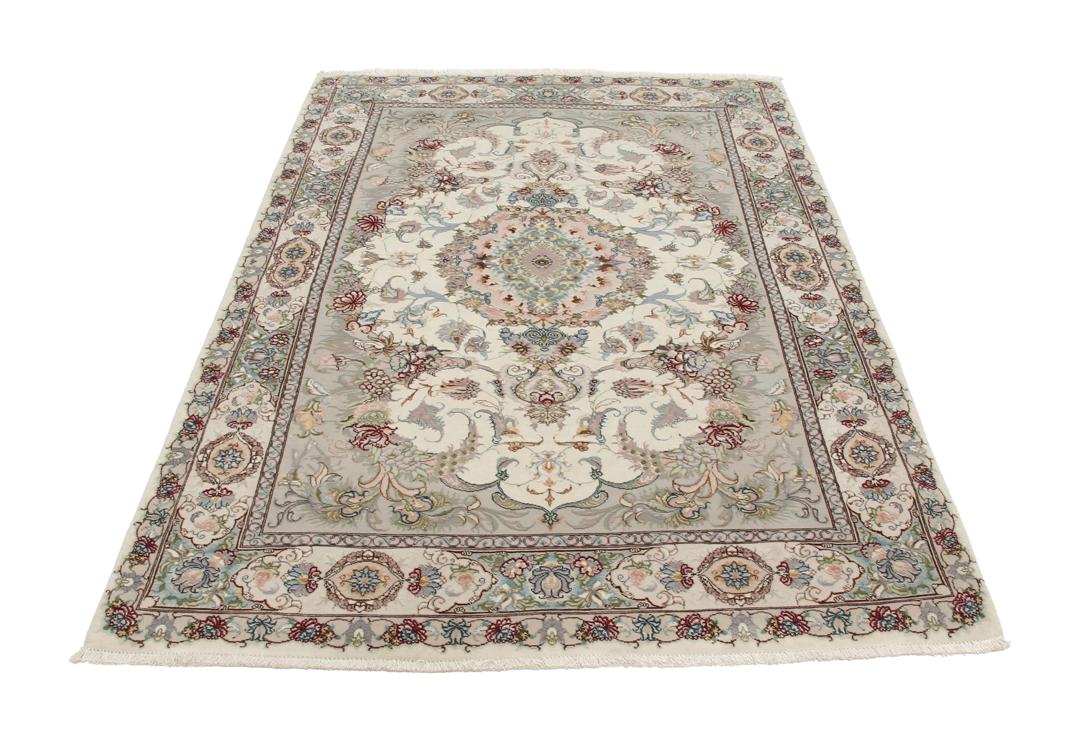
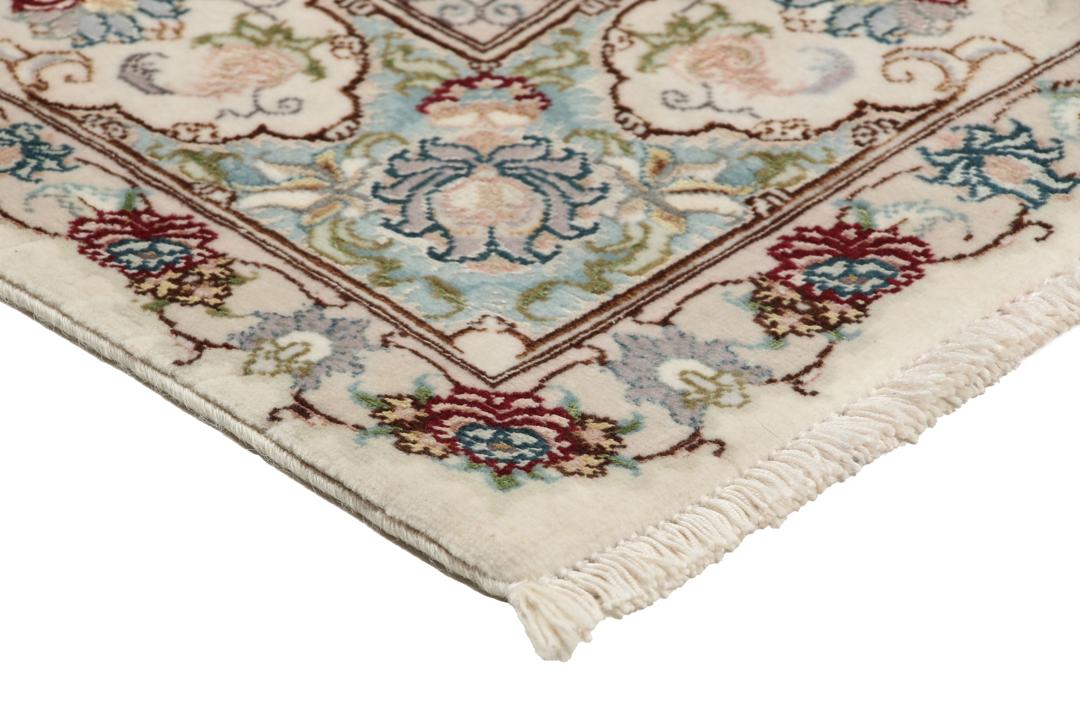
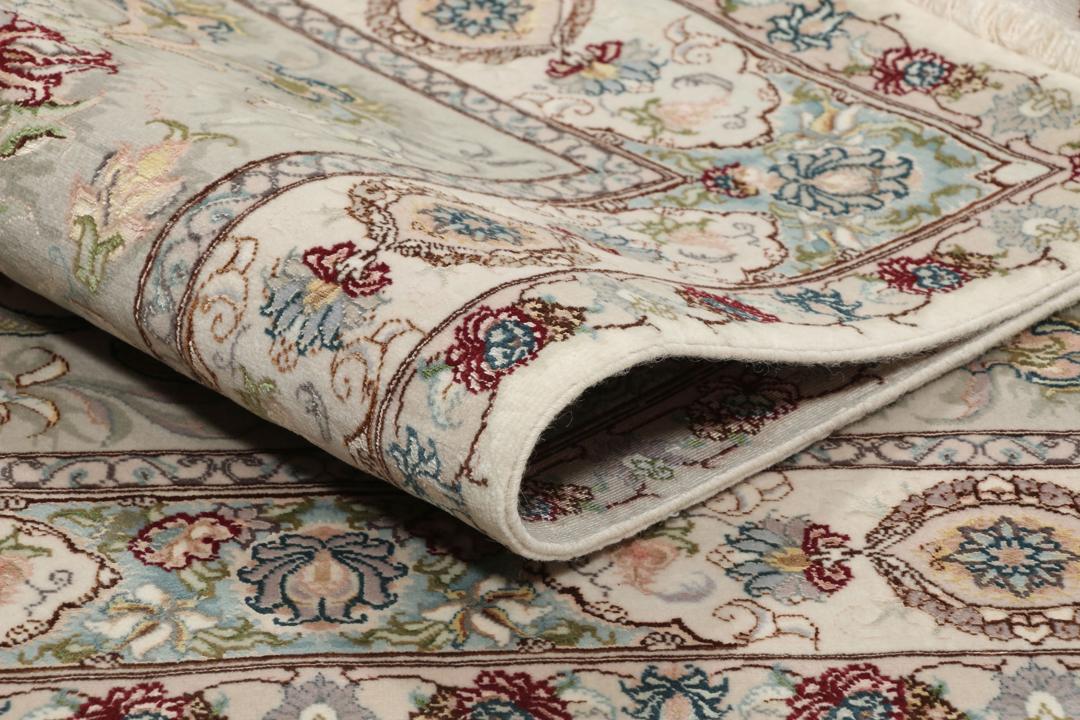
The city of Tabriz, located in the northwestern part of the Middle East, is one of the oldest and most significant centres of rug weaving in the world. With a history stretching back to the 12th century, Tabriz has long been a hub for the artistic and cultural exchange of the Silk Road, which is reflected in the incredible diversity and sophistication of the rugs produced there.
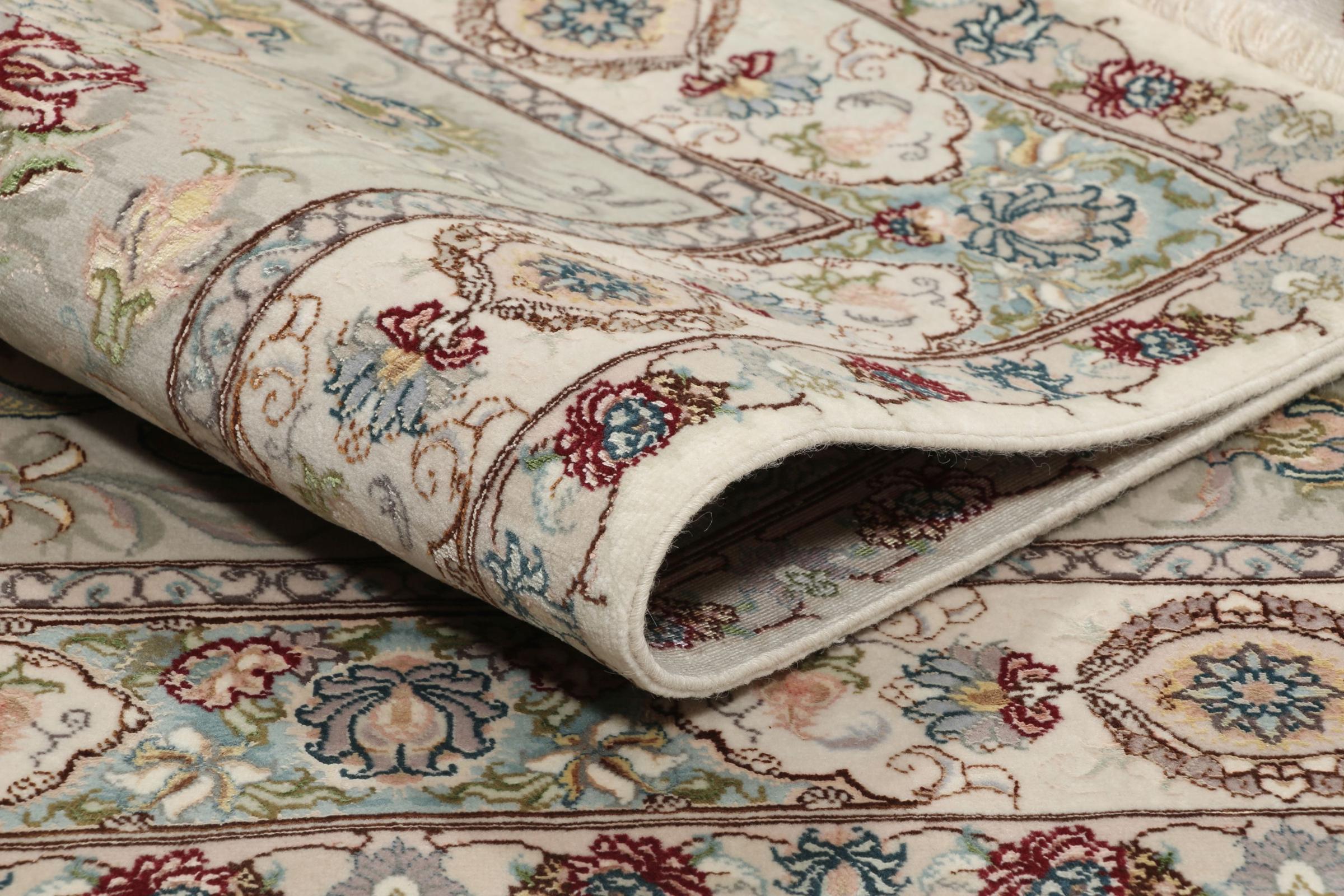
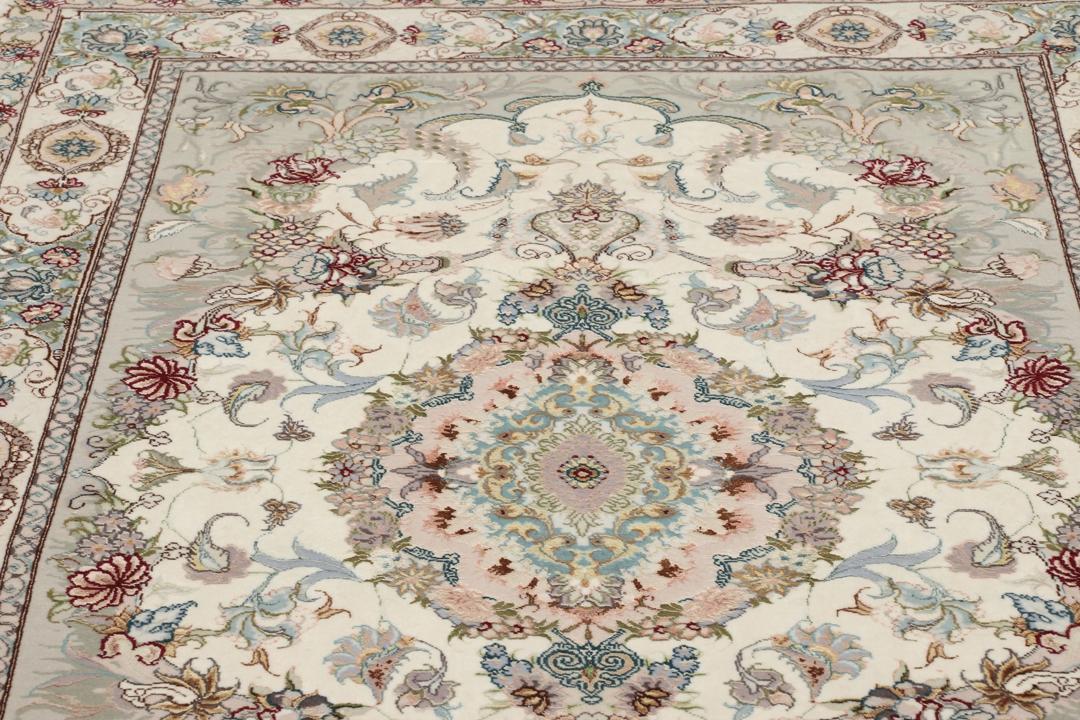
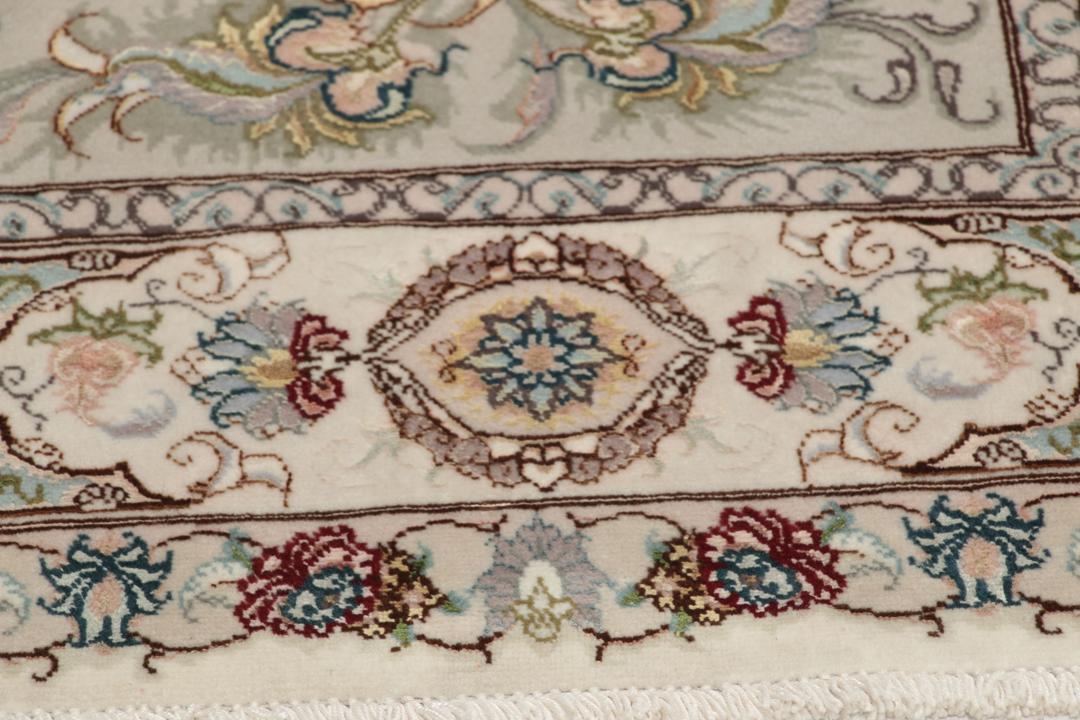
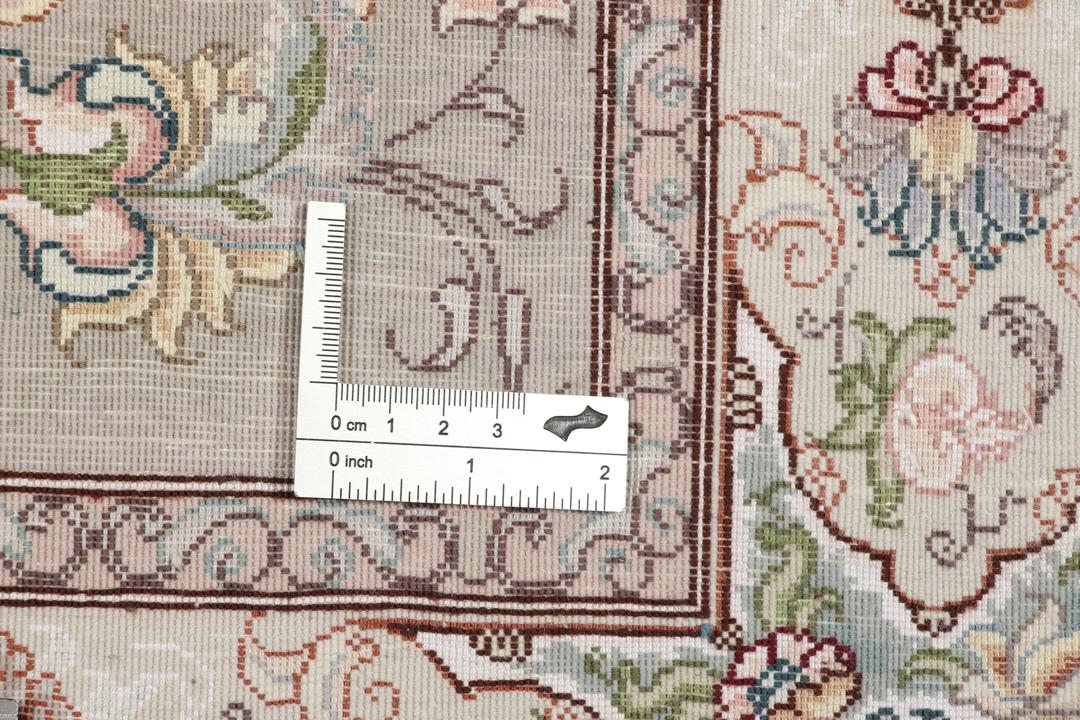
The term '60 Raj' refers to a specific measurement system used to denote the fineness of the knotting in these rugs. A 'Raj' is a unit of length equivalent to 7 cm, and the number indicates how many knots are present within that distance. A 60 Raj classification signifies an exceptionally high level of density, which is essential for creating the intricate, painterly designs that are synonymous with this region's finest output.
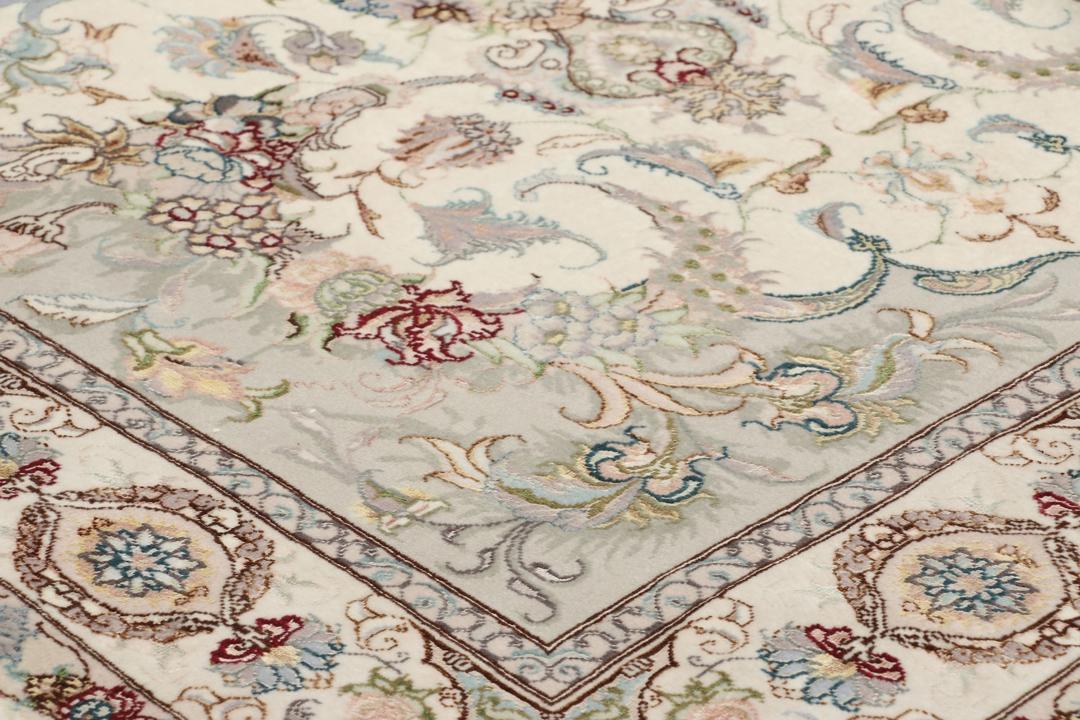
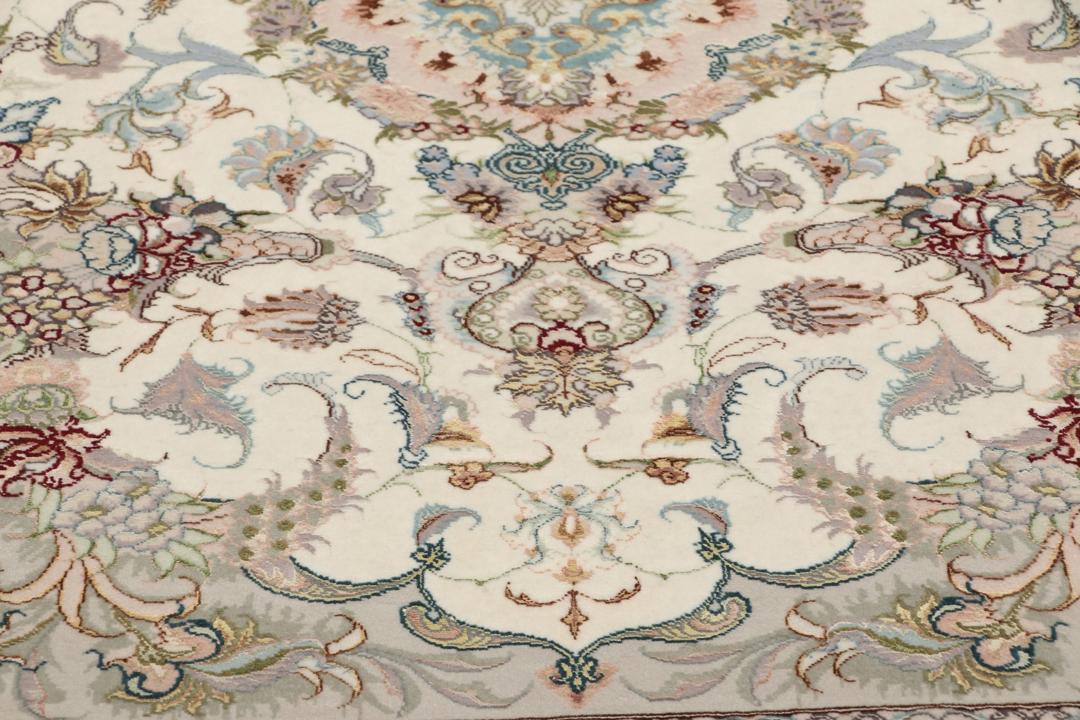
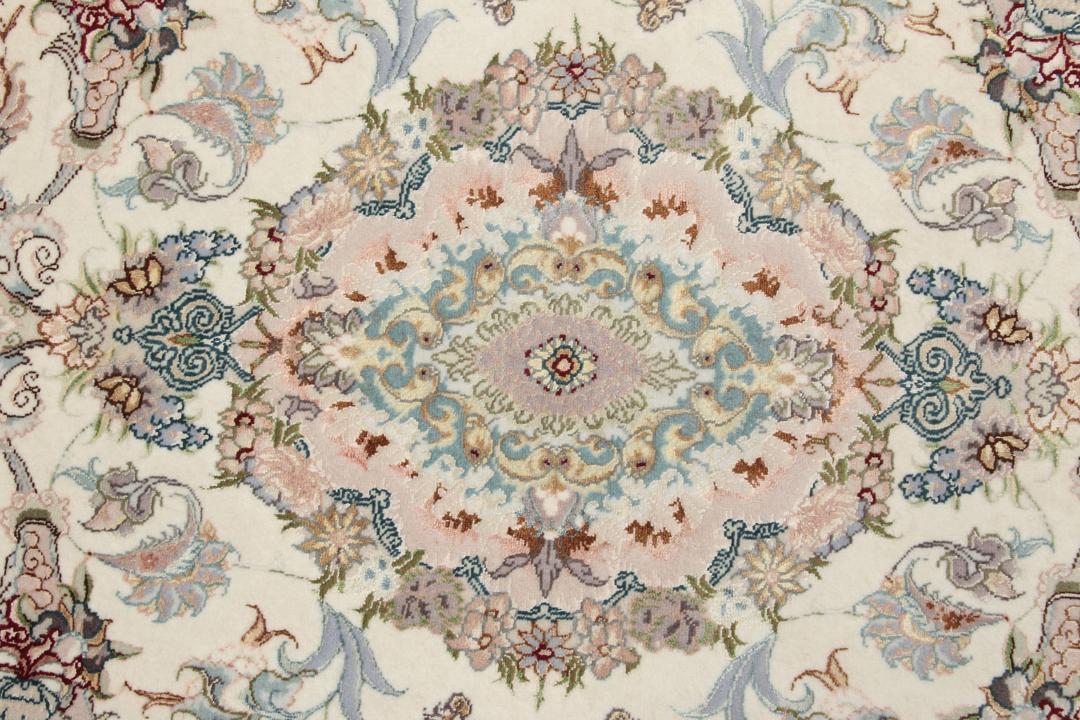
Signature design elements of Tabriz rugs often include central medallions surrounded by elaborate, flowing floral patterns, vines, and palmettes. These designs are frequently inspired by classical architecture and miniature paintings, showing a high degree of artistic control. The use of a balanced, formal layout makes these rugs highly sought after for their ability to bring structure and sophistication to an interior.
Owning a 60 Raj Tabriz rug is a testament to the appreciation of human skill and cultural heritage. These pieces are not merely floor coverings but are widely considered collector's items that represent the pinnacle of traditional weaving techniques. By bringing one into your home, you are preserving a centuries-old tradition of craft and artistic dedication that remains as relevant and beautiful today as it was in the past.