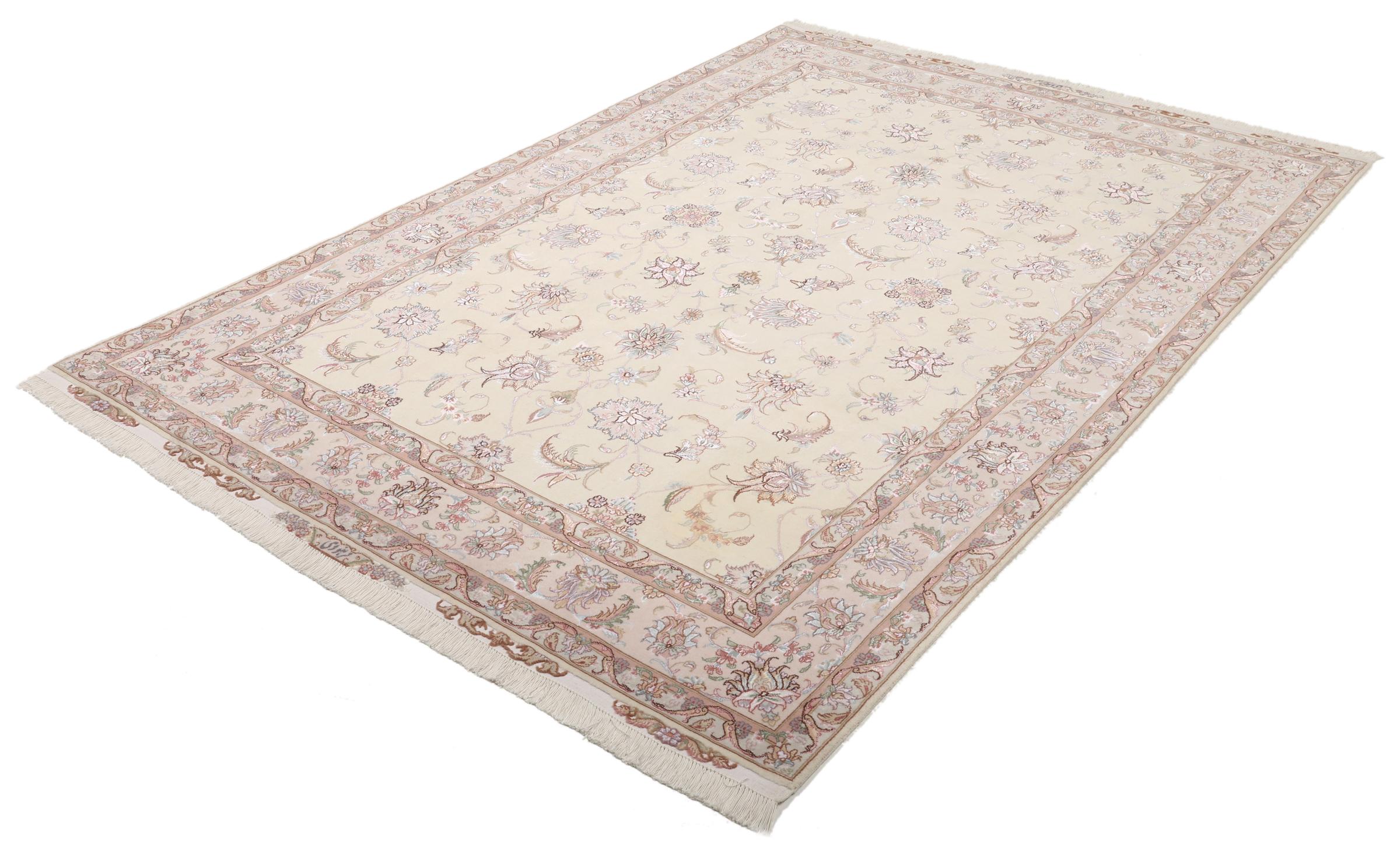
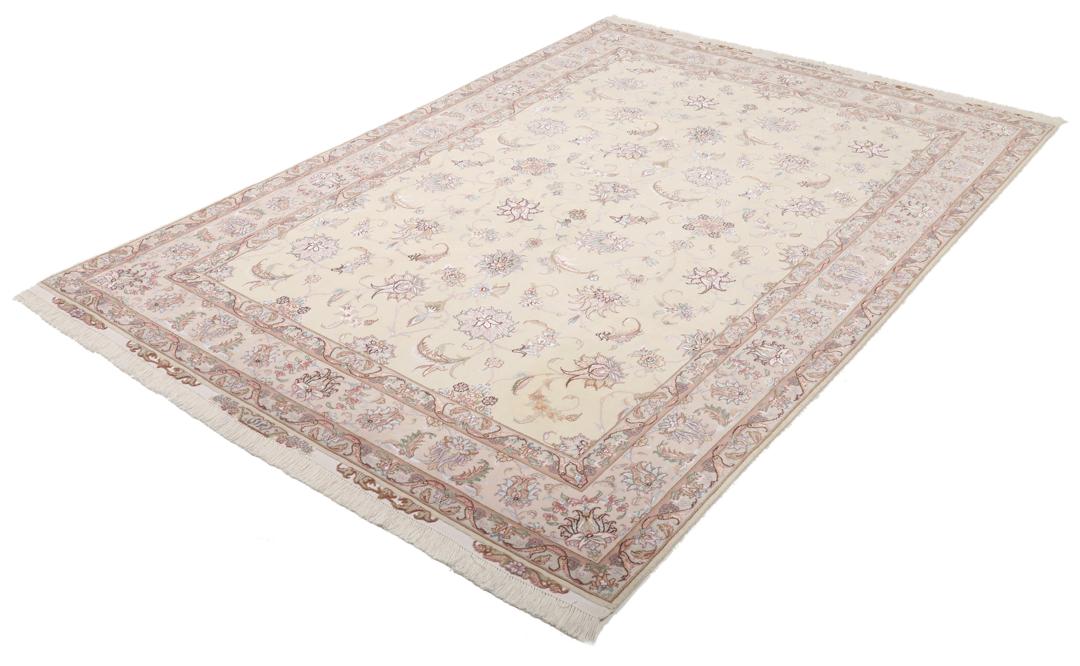
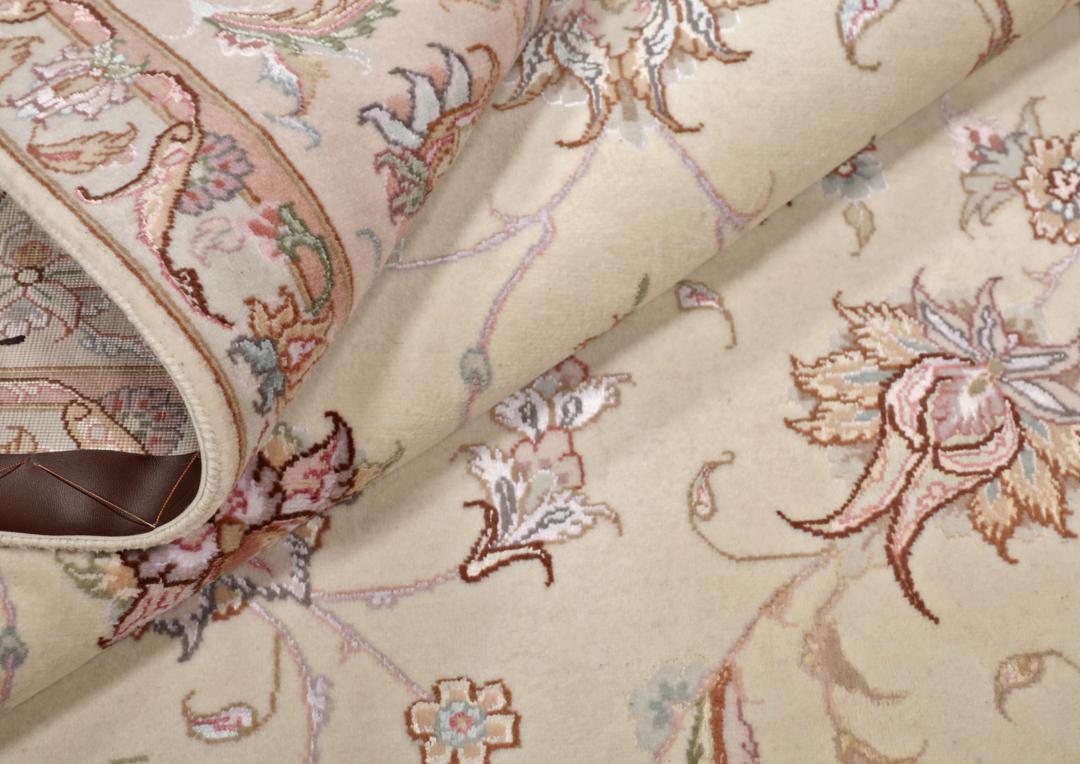
Tabriz rugs originate from one of the oldest carpet-weaving centres in the Middle East, located in the historic city of Tabriz in northwestern Azerbaijan. For centuries, this region has been a focal point of artistic exchange along the Silk Road, blending diverse cultural influences into a unique and highly refined rug-making tradition that is celebrated globally for its sophistication and technical excellence.
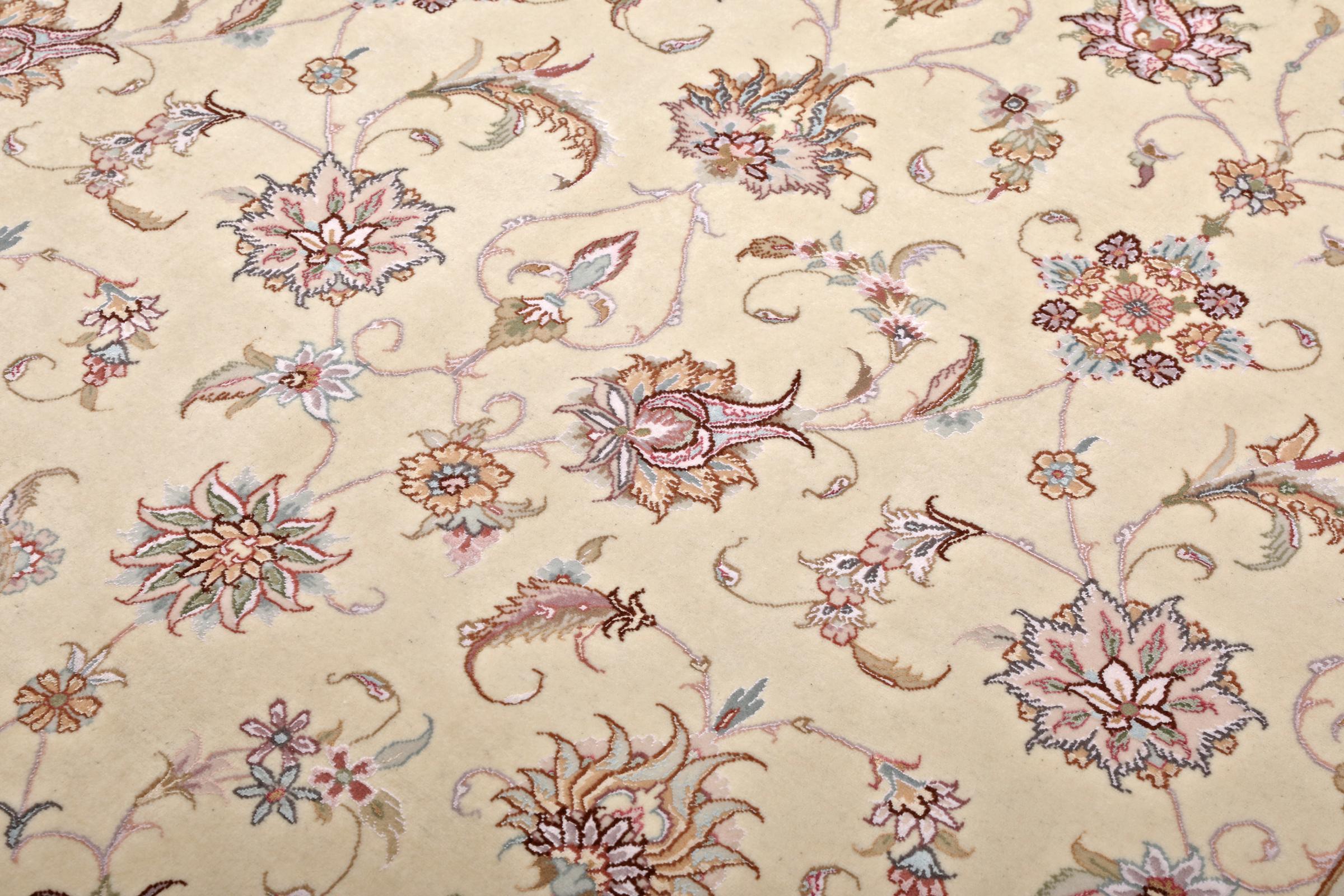
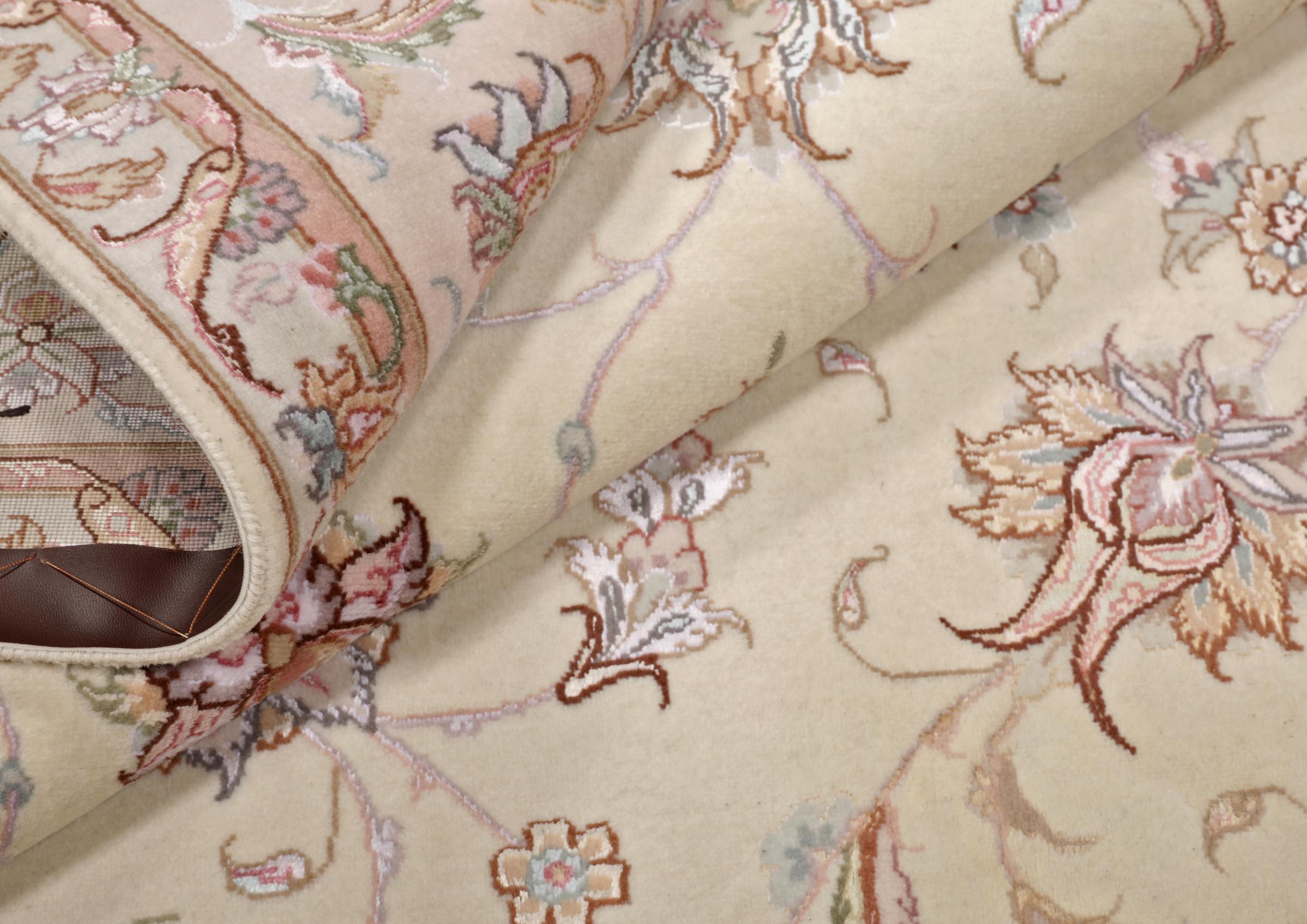
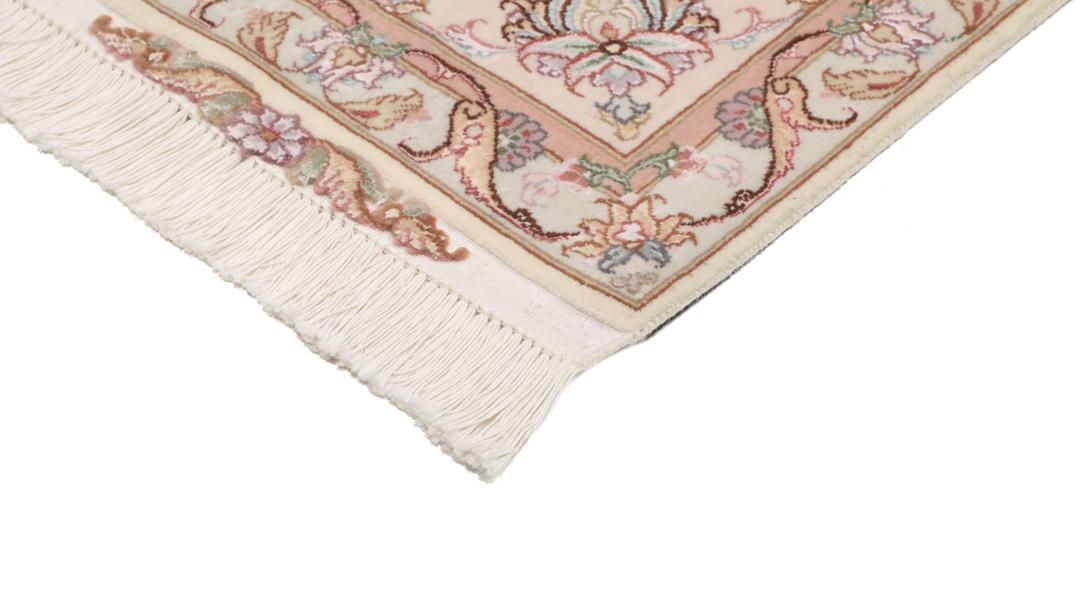
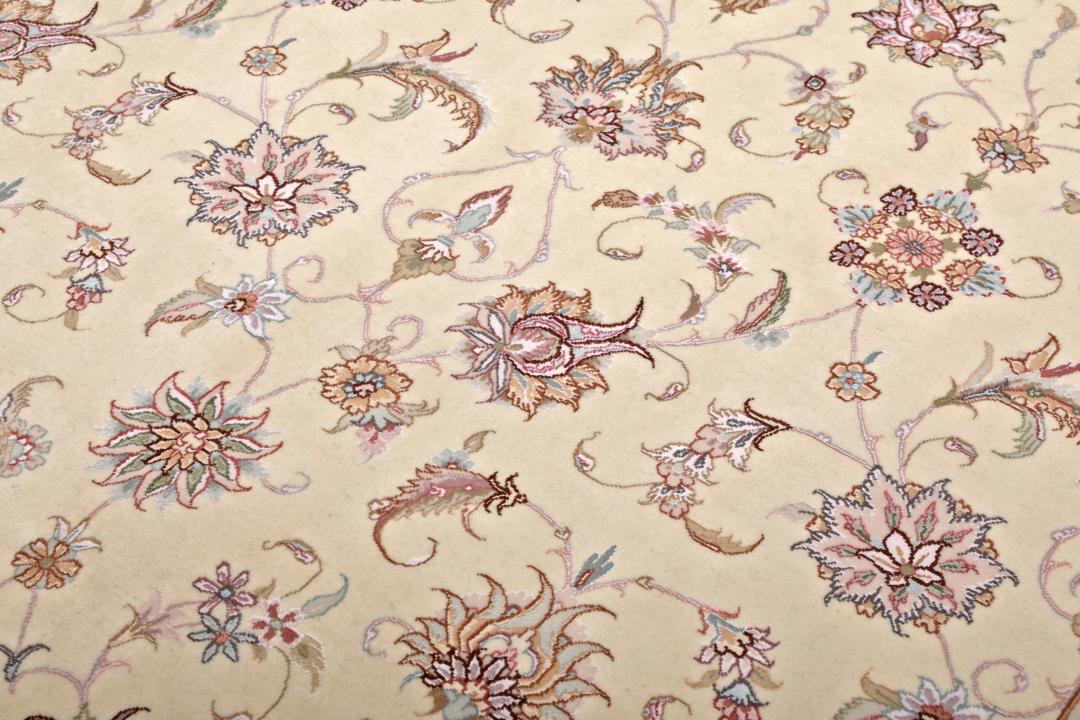
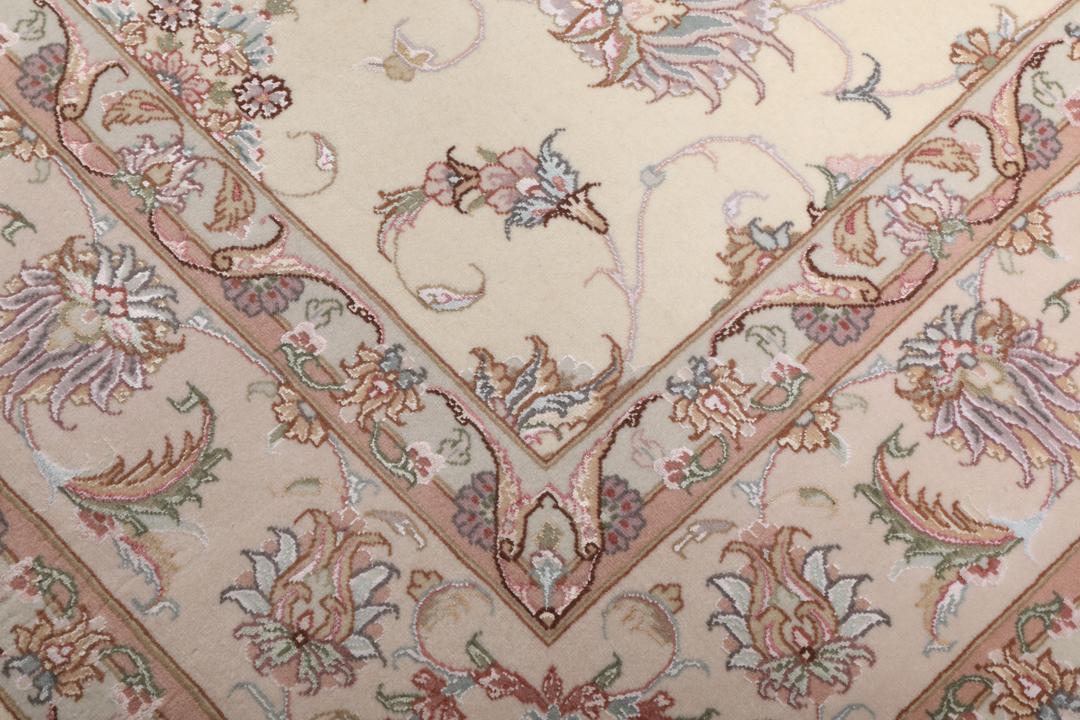
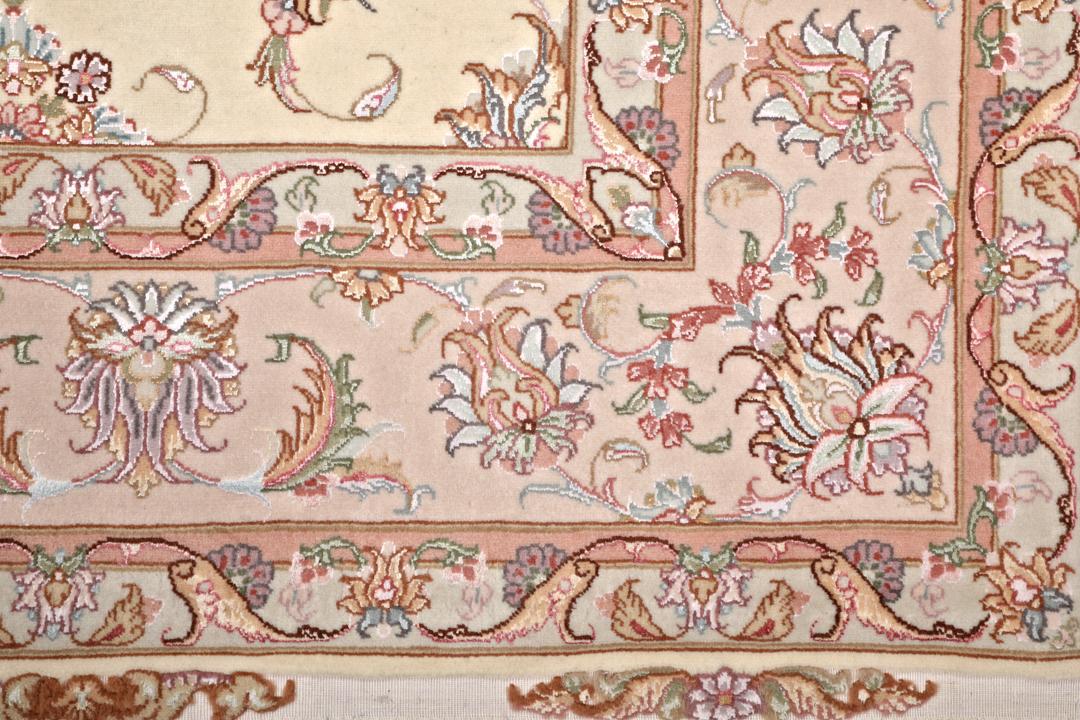
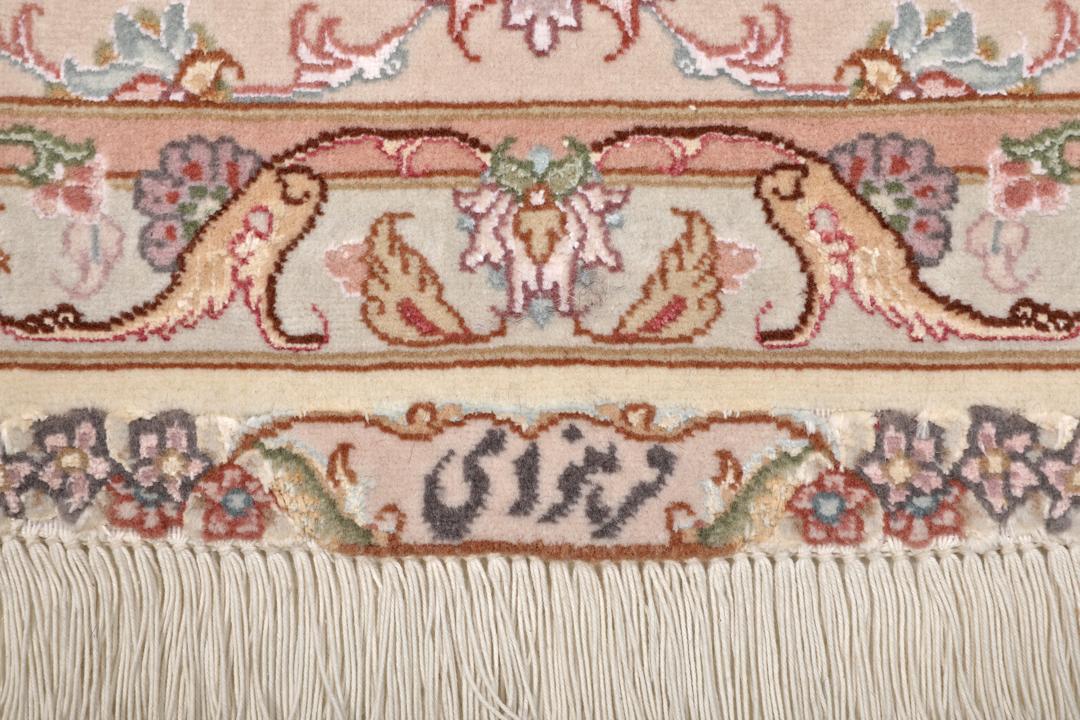
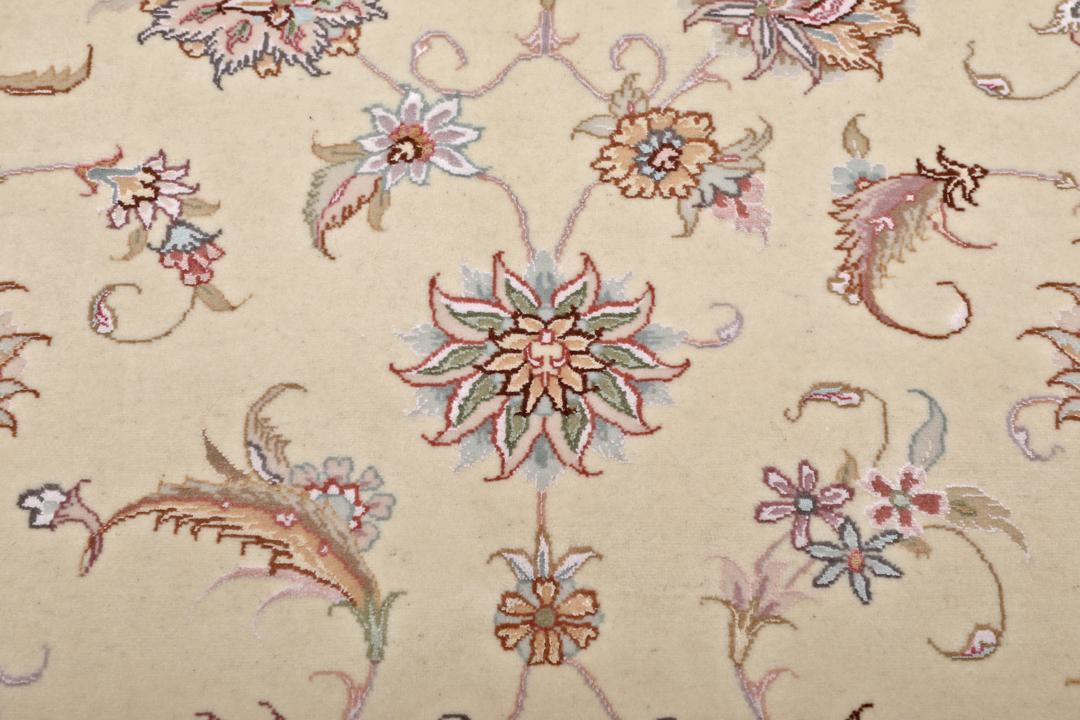
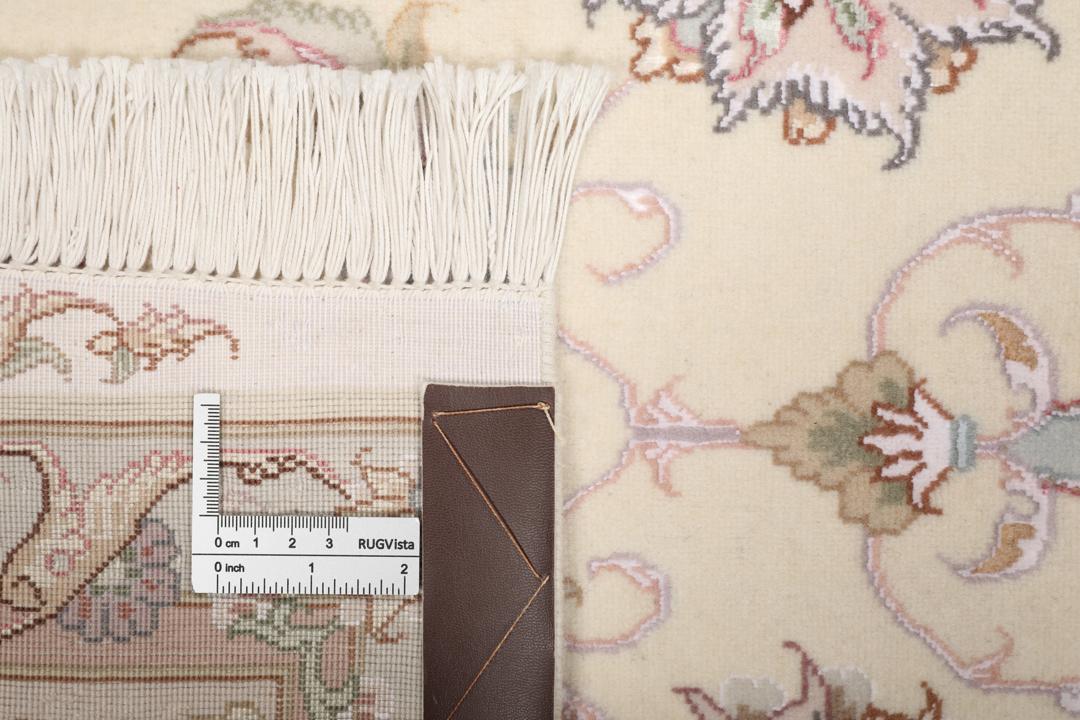
The term 60 Raj is a vital technical indicator of quality, referring to the number of knots within a specific measurement along the width of the rug. A 60 Raj construction implies an extremely fine weave, demanding high-level expertise from the weaver. This precision allows for the creation of incredibly detailed, curvilinear patterns that appear almost painterly, distinguishing these pieces from the more geometric or tribal styles found elsewhere.
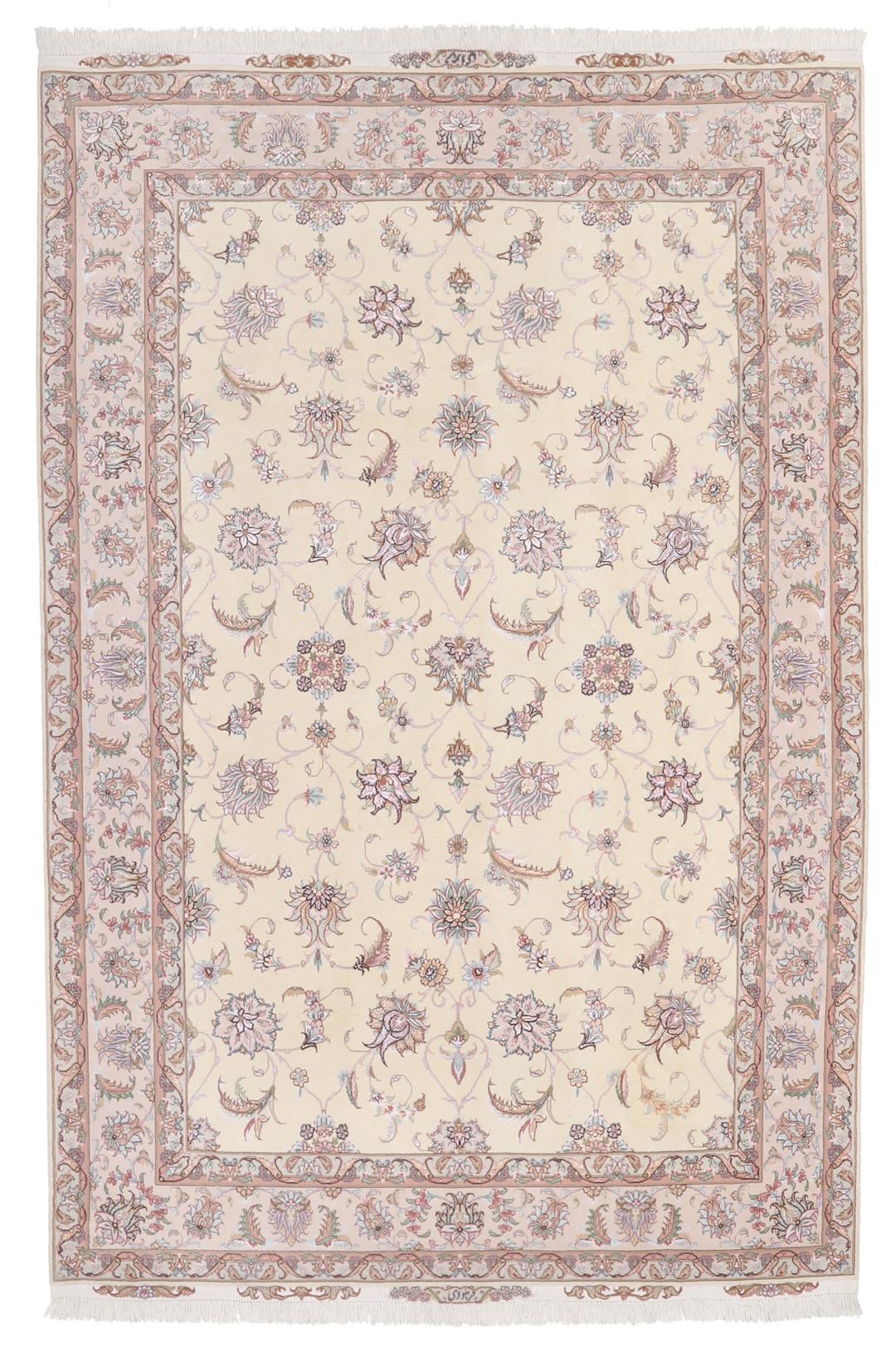
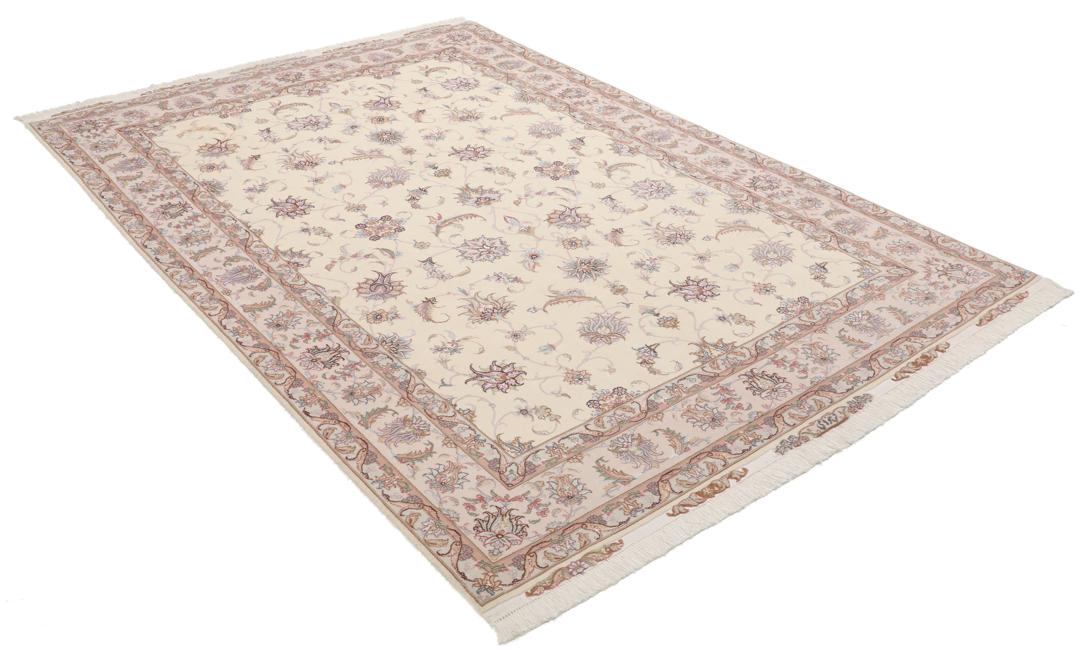
Design-wise, these rugs are known for their intricate floral motifs, often featuring central medallions surrounded by elaborate vines and blossoms. The colour palettes are typically balanced and harmonious, often utilising soft, natural tones that emphasise the delicacy of the patterns. It is common to see a formal border framing the field, which reinforces the sense of order and balance that defines the Tabriz style.
Collecting a Tabriz rug is an investment in a storied tradition that values patience, precision, and artistic vision. These rugs are cherished not only for their aesthetic beauty but also for the cultural heritage they represent. Owning one is a way to connect with a long lineage of master artisans, ensuring that this demanding and beautiful craft continues to be appreciated for its lasting quality and timeless design.