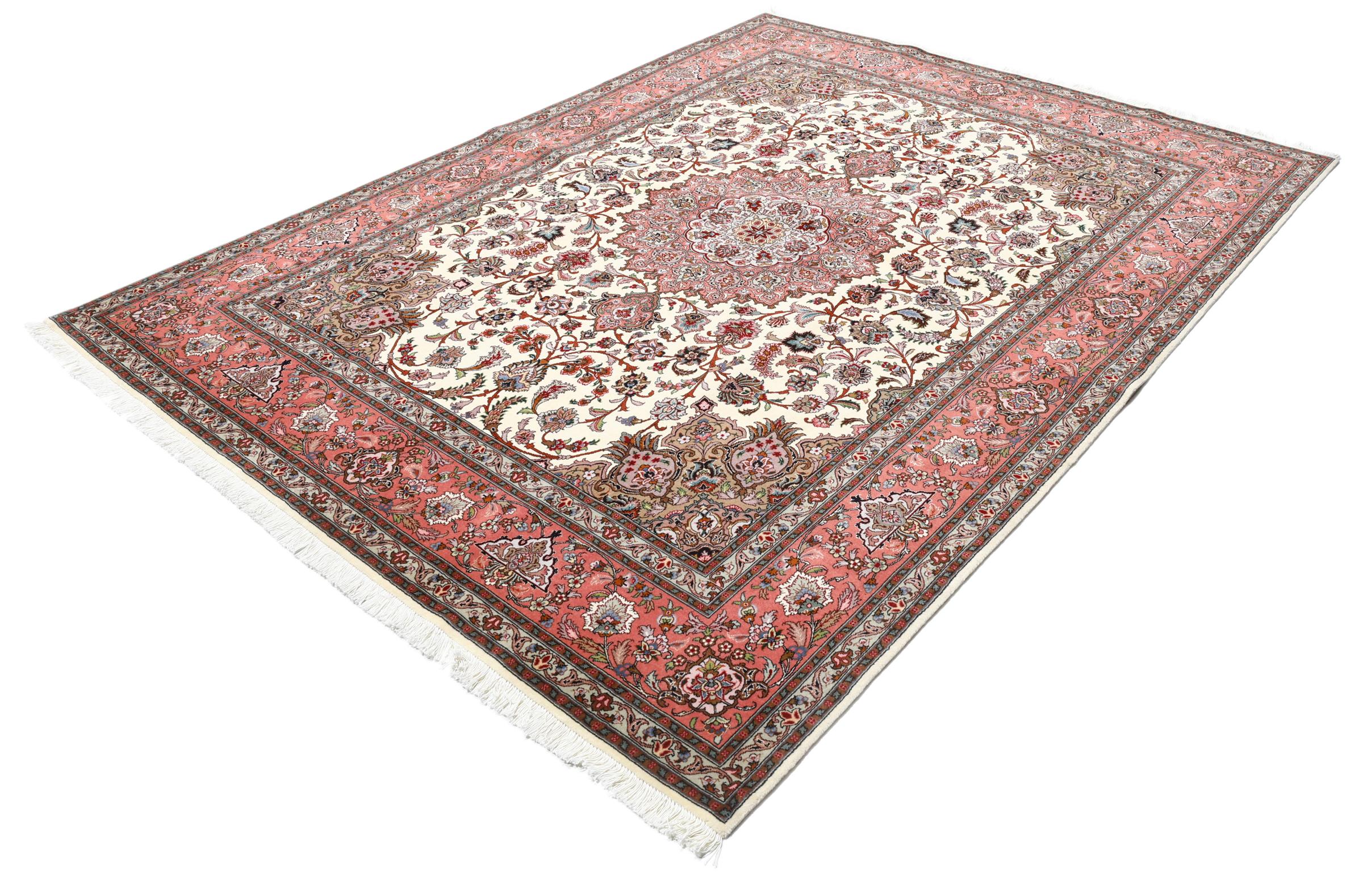
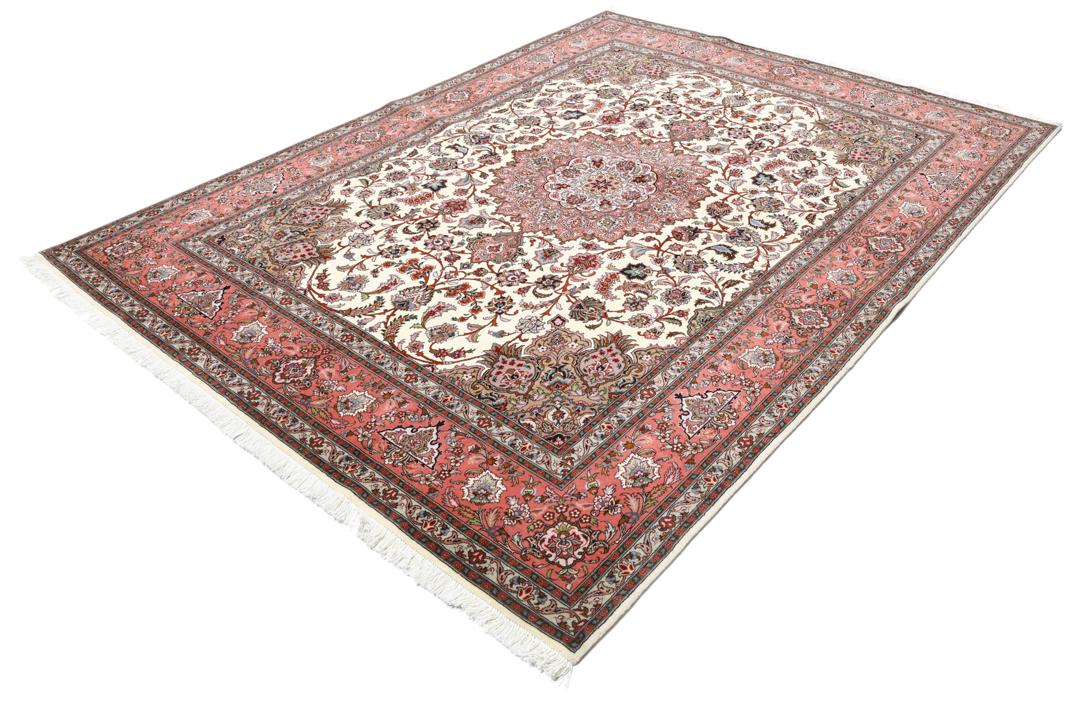
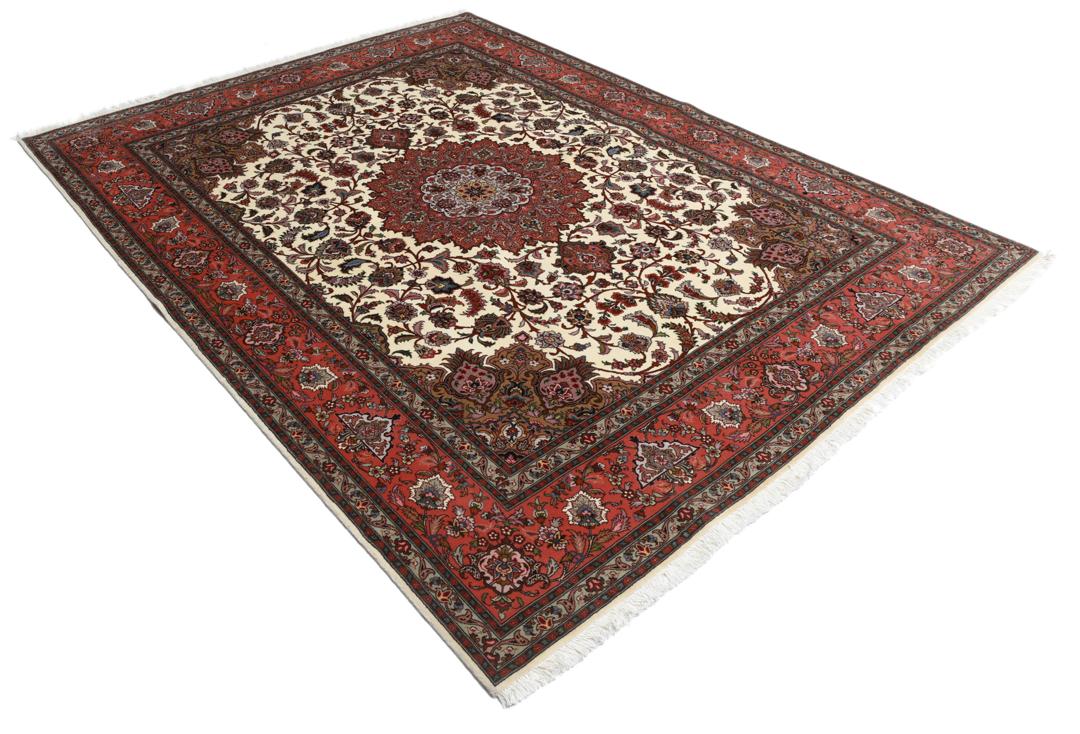
Tabriz, the capital of East Azerbaijan Province in the Middle East, is one of the world's oldest and most prestigious rug-weaving centres. With a history stretching back to the 12th century, the city has long been a crossroads for trade and artistic exchange, allowing its weavers to synthesise diverse influences into a distinct and highly refined tradition.
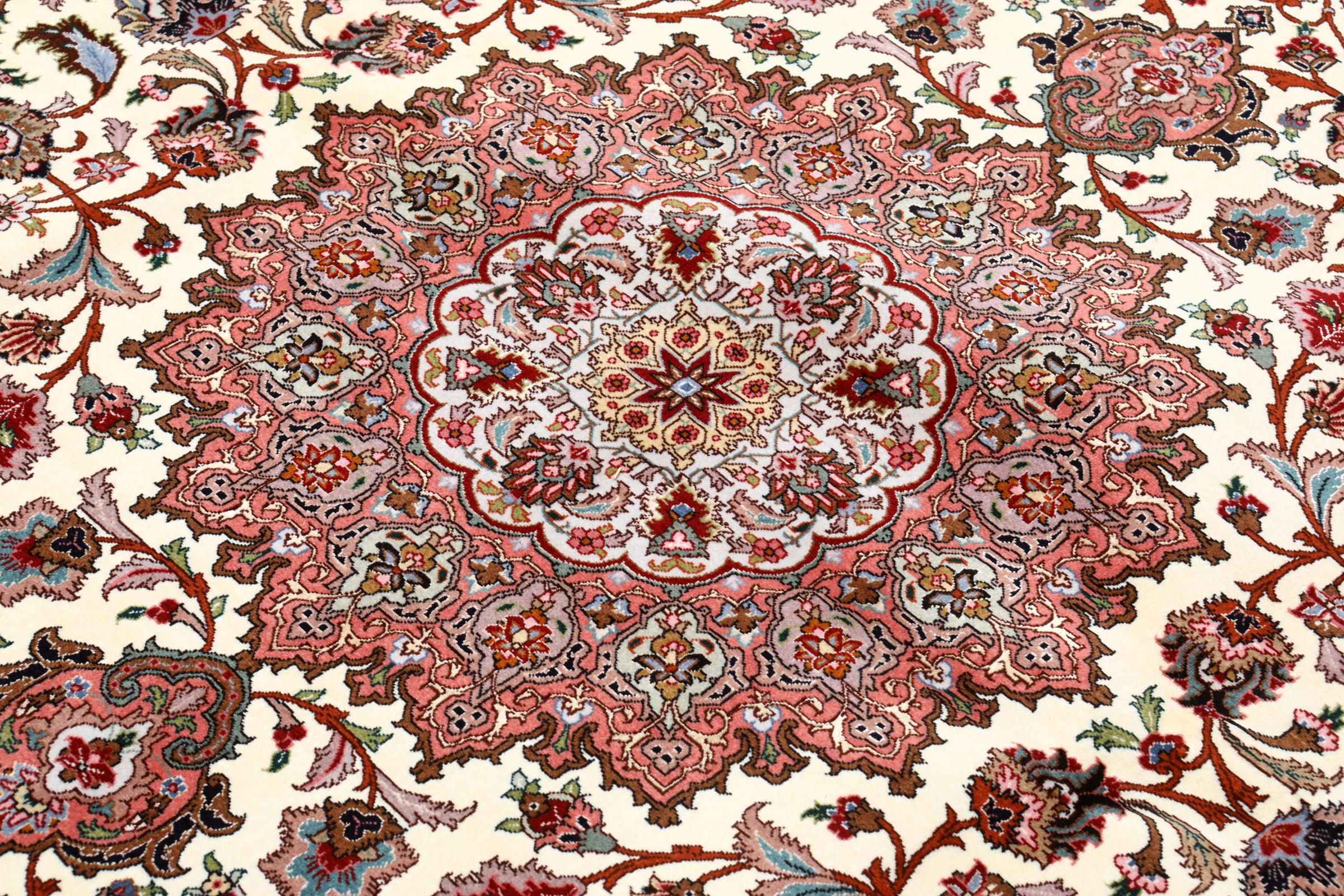
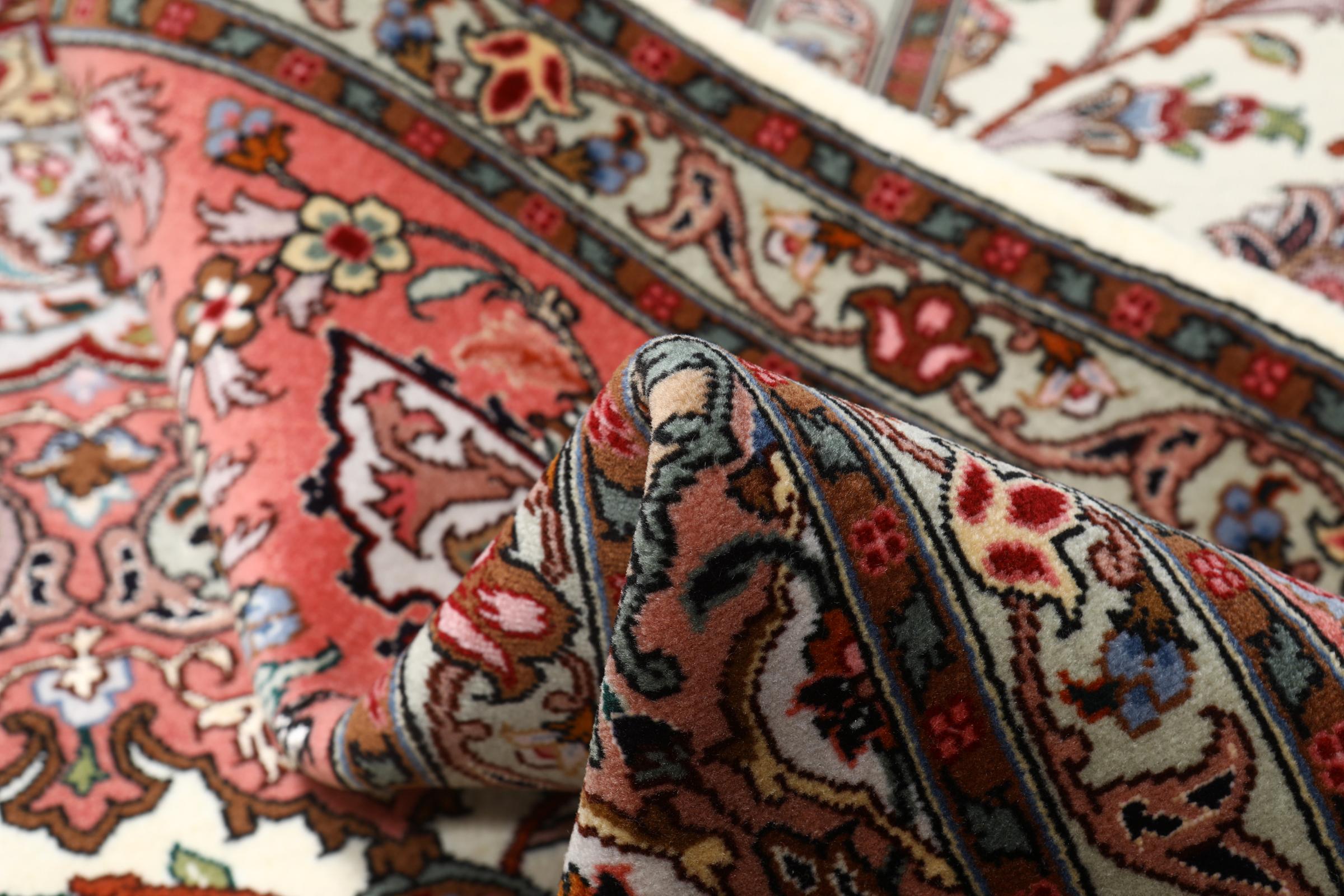
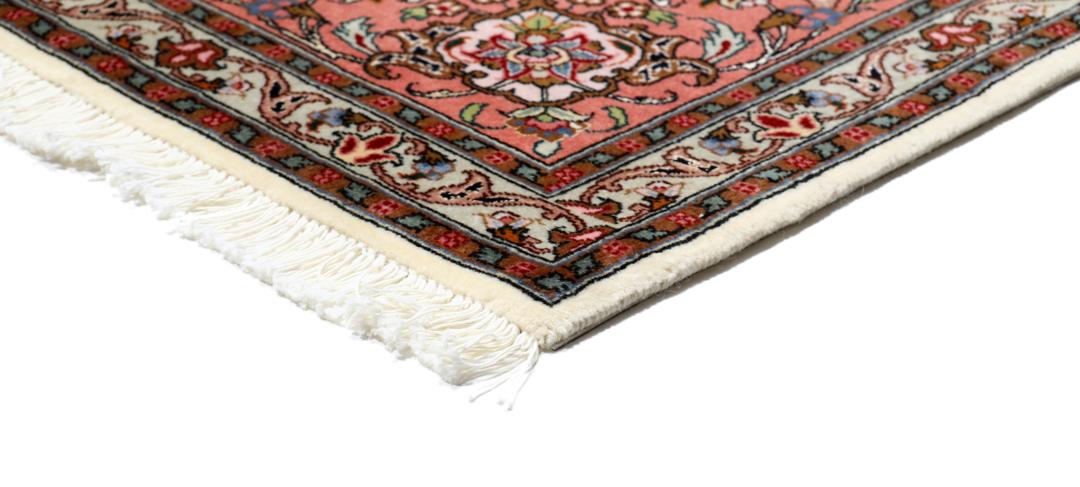
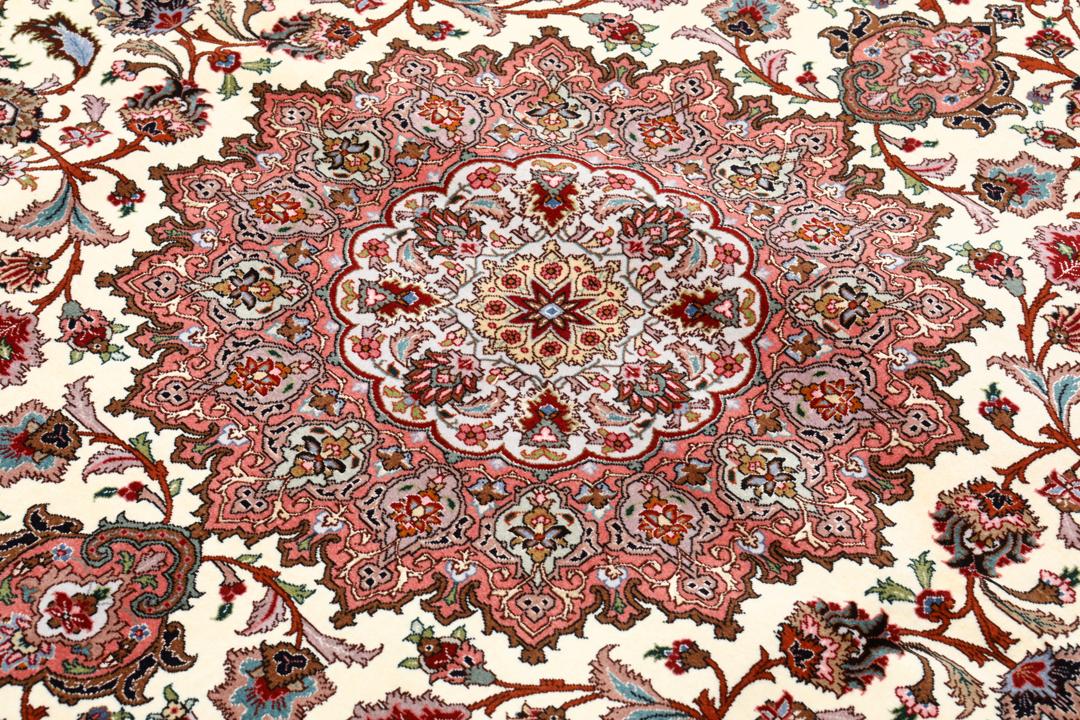
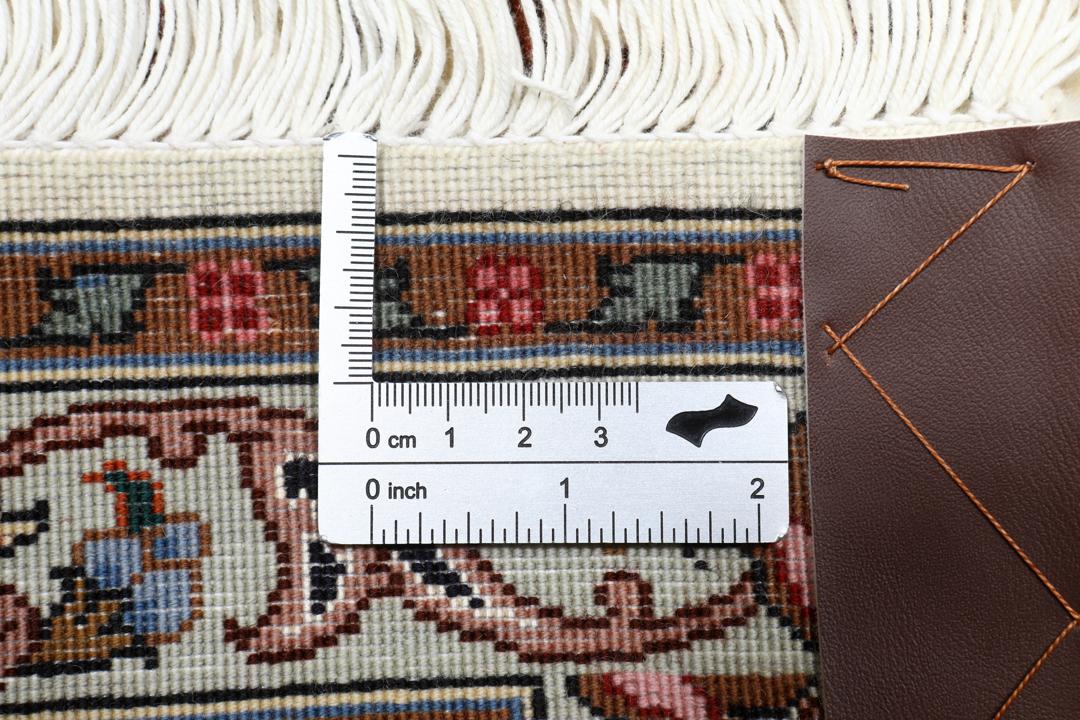
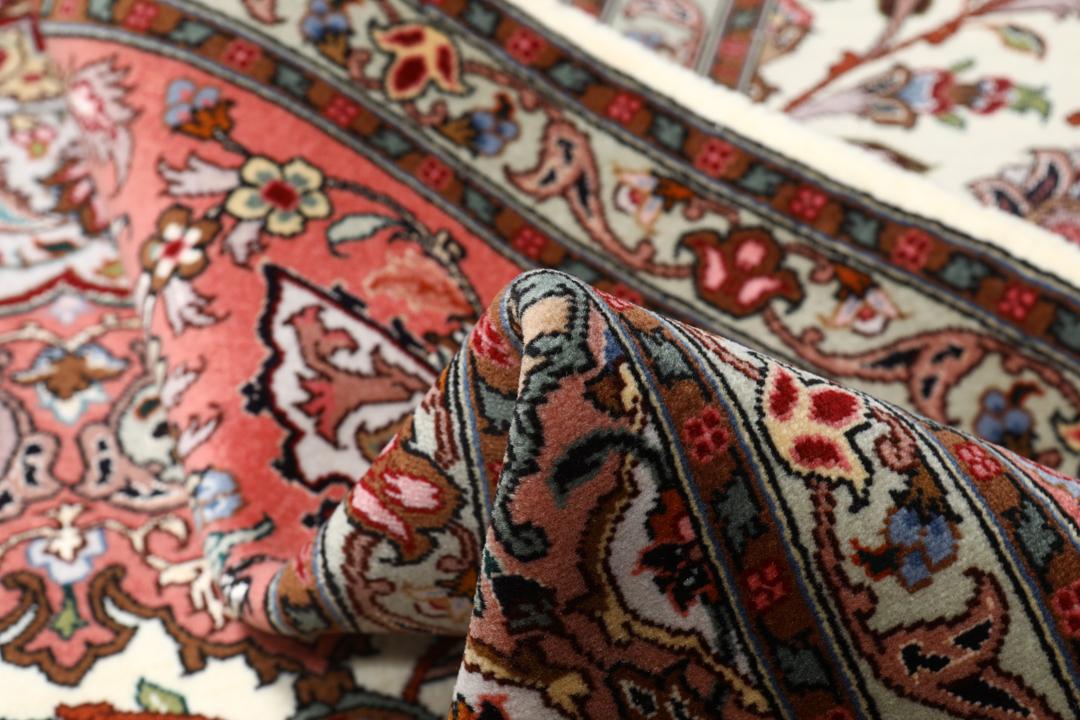
The designation '60 Raj' refers to a specific system of measuring knot density in Tabriz rugs. A higher Raj count signifies a more complex and demanding weaving process, requiring thinner, stronger threads and a higher concentration of knots per square centimetre. This technical standard is what allows for the incredibly precise, almost painterly detail for which Tabriz rugs are internationally renowned.
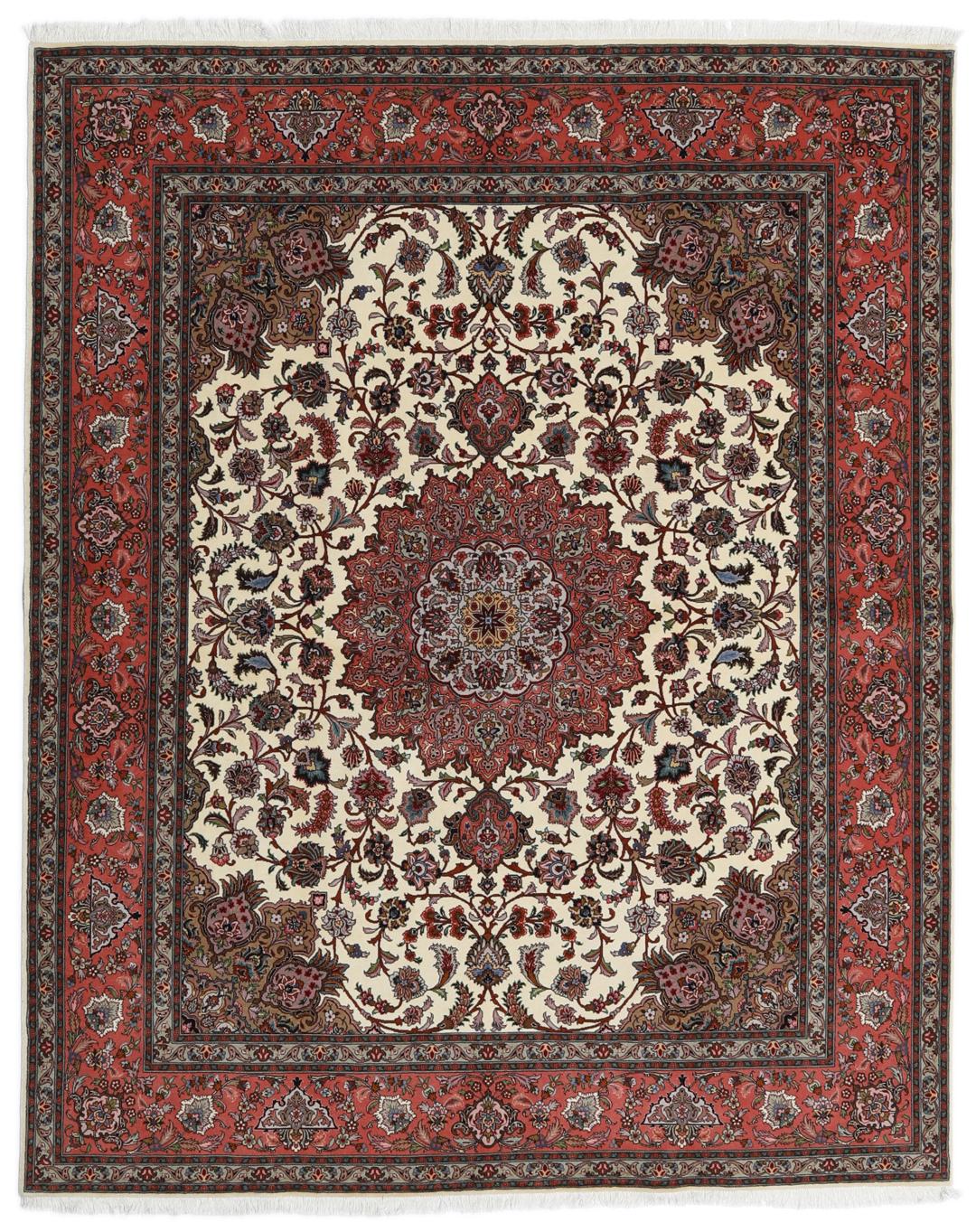
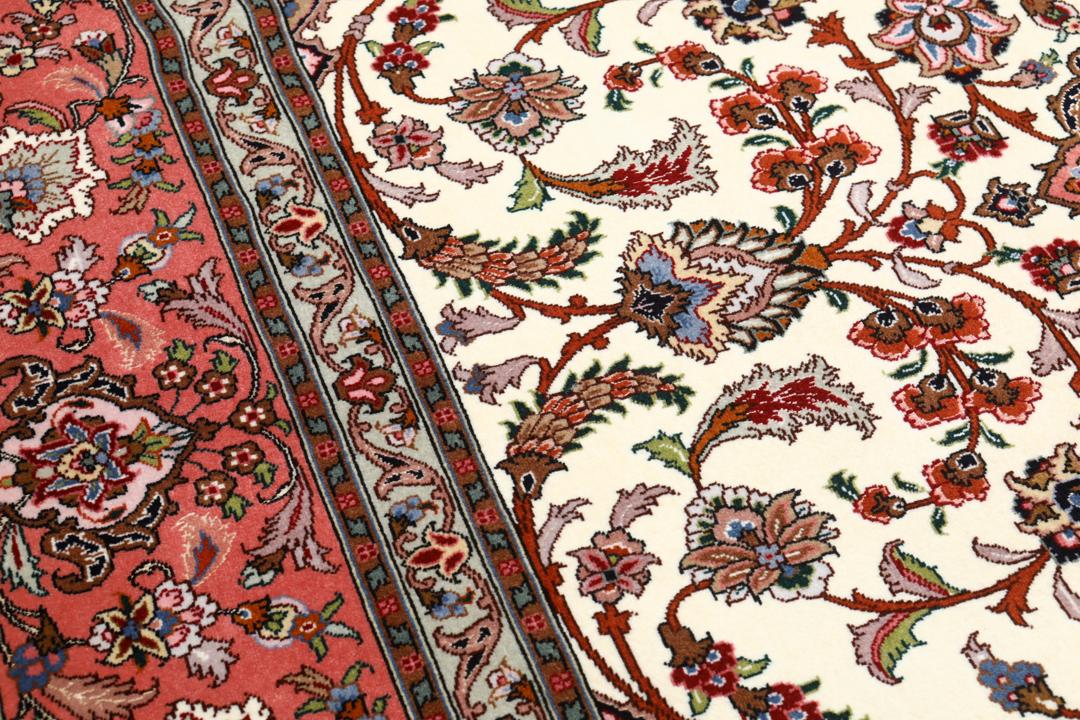
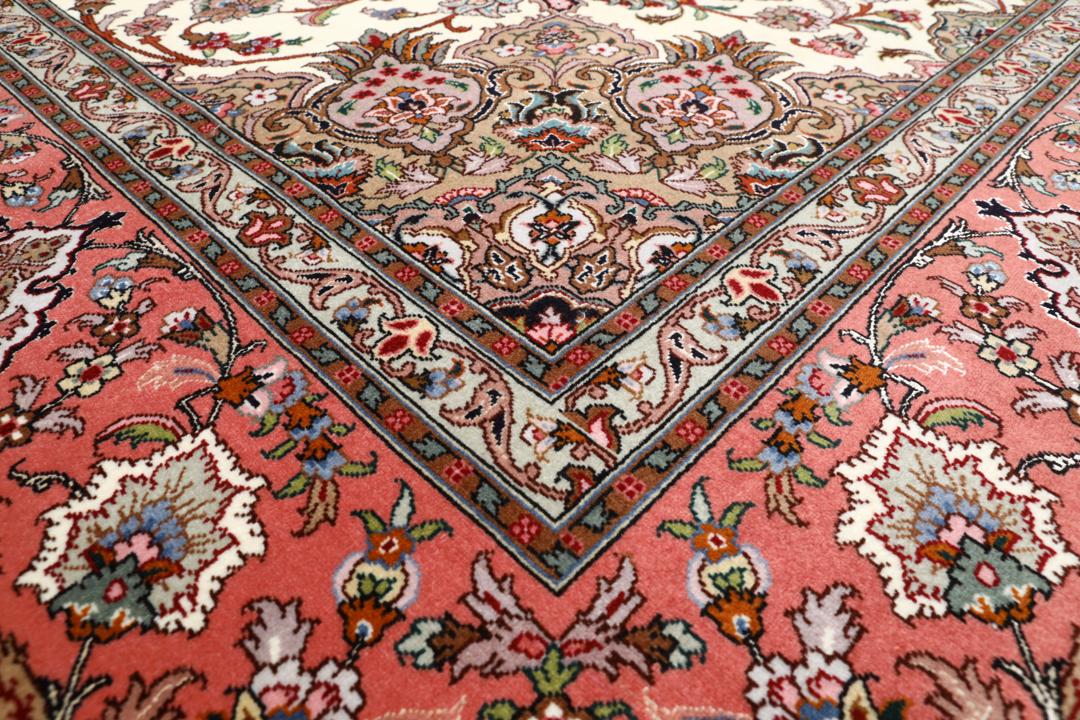
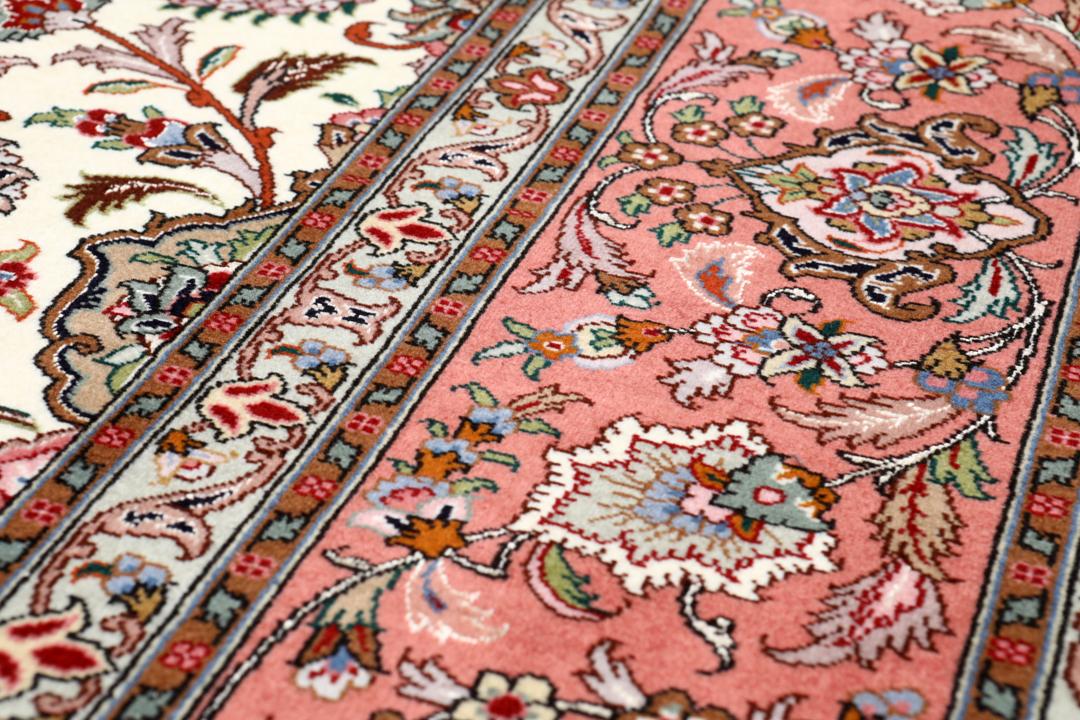
Signature design elements of the Tabriz style often include a central medallion, ornate corner spandrels, and a field filled with Shah Abbasi flowers, palmettes, and scrolling arabesques. While many Tabriz rugs draw from a shared vocabulary of motifs, the specific arrangement and colour palette of each piece are unique to the vision of the master designer and the weaver, making every rug a distinct expression of the tradition.
Collectors value Tabriz rugs for their combination of artistic beauty and technical perfection. To own a piece from this tradition is to possess a tangible link to a centuries-old craft that has been refined by generations of weavers. It represents a significant investment in cultural heritage and a standard of quality that remains unmatched in the world of hand-knotted textiles.