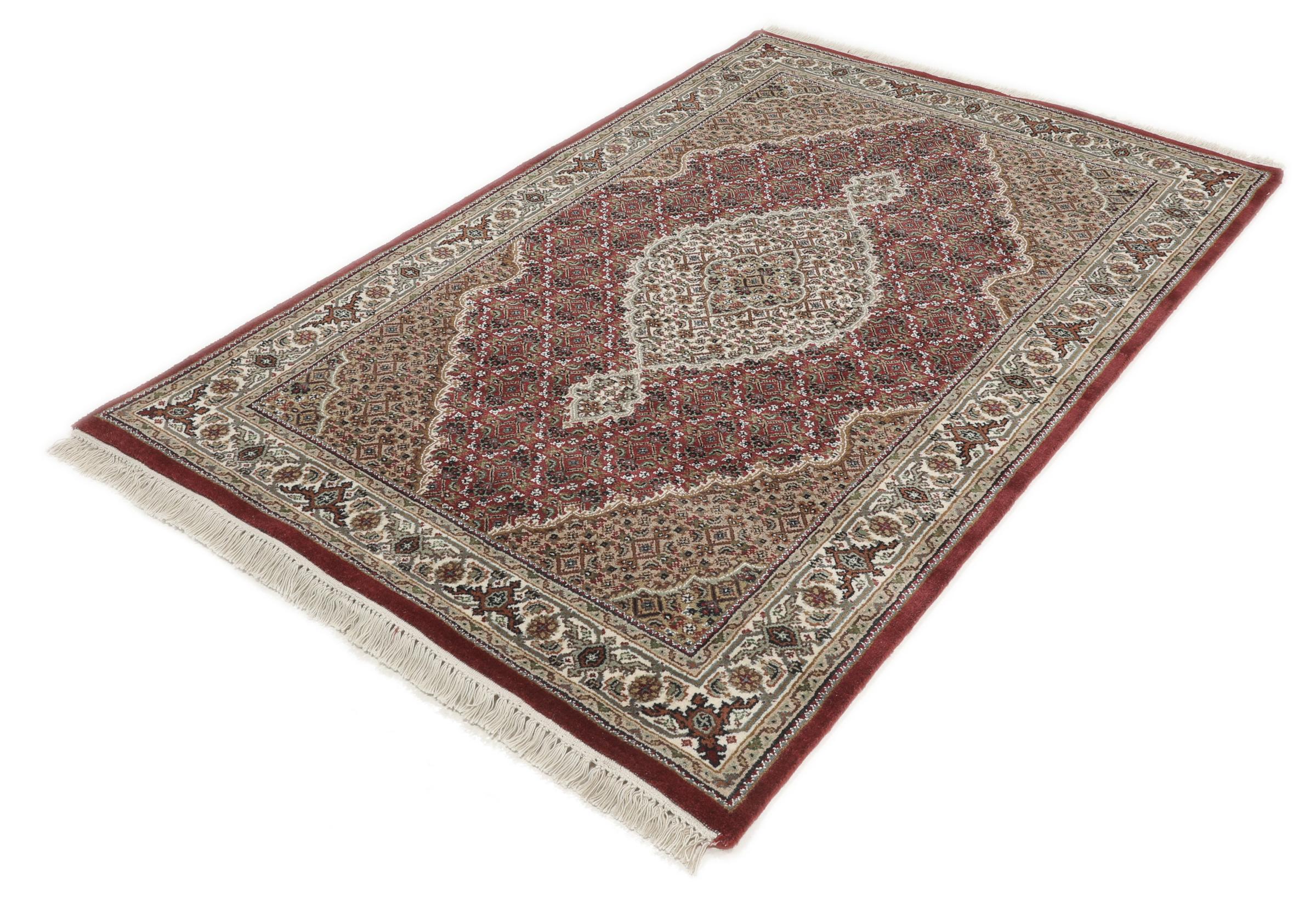
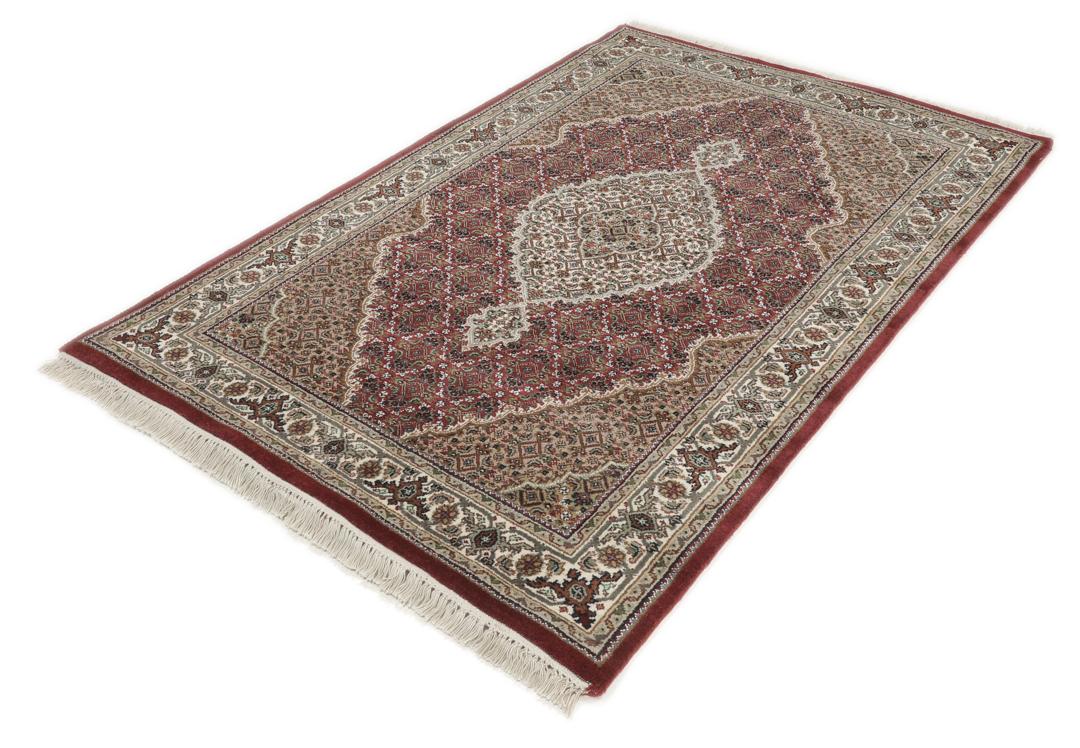
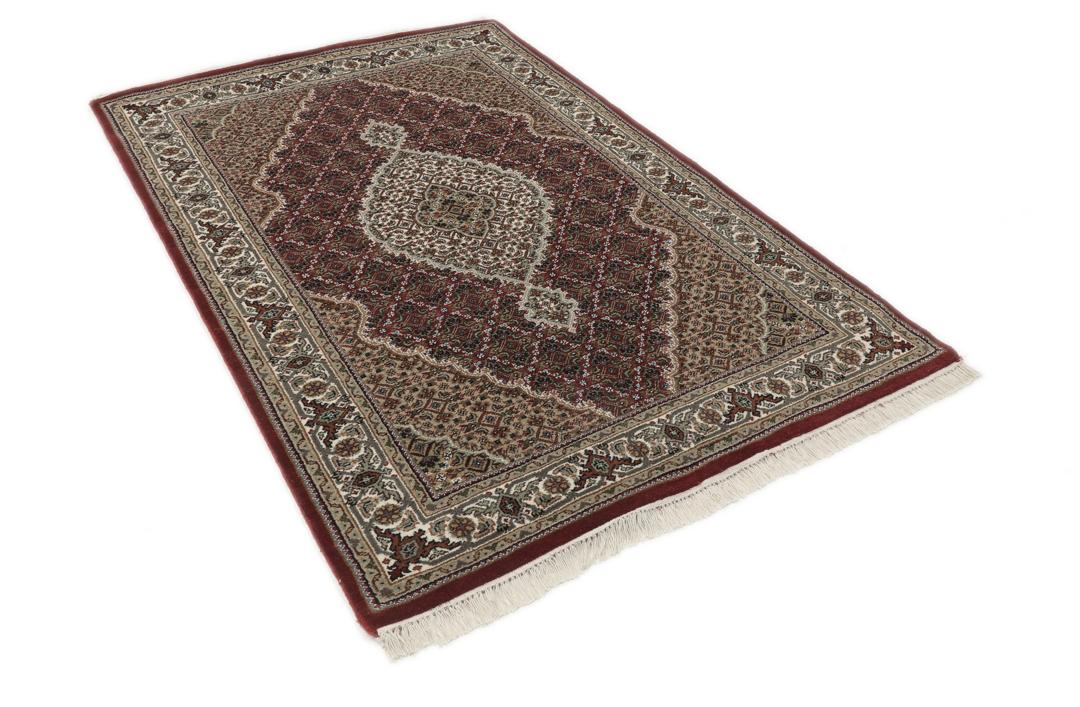
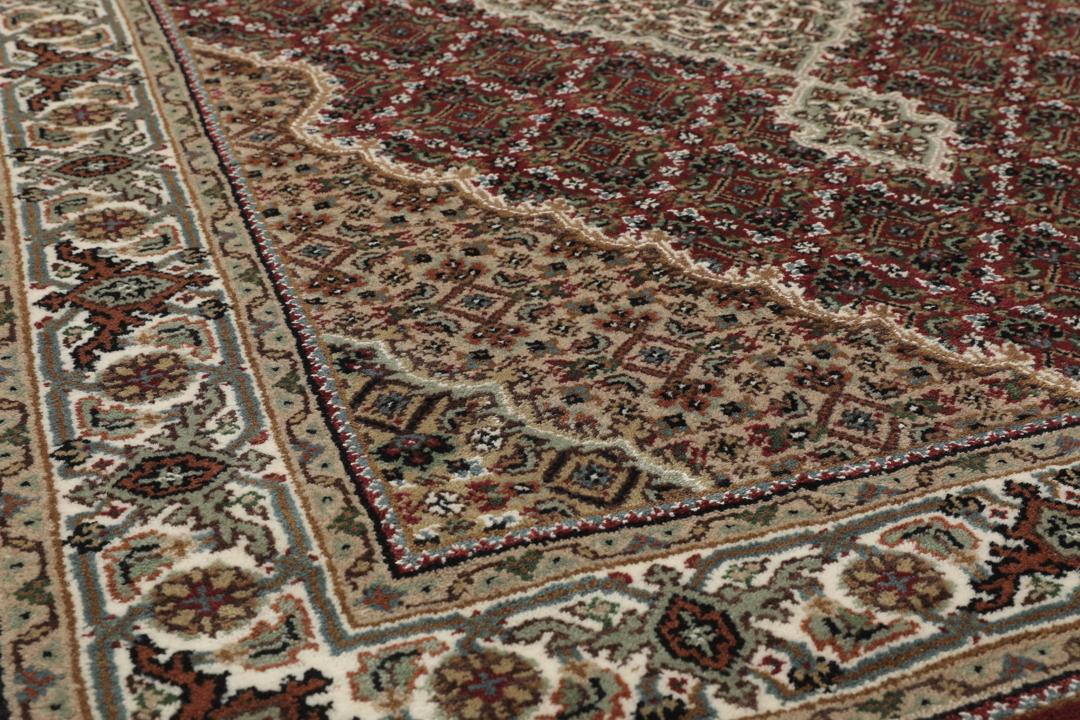
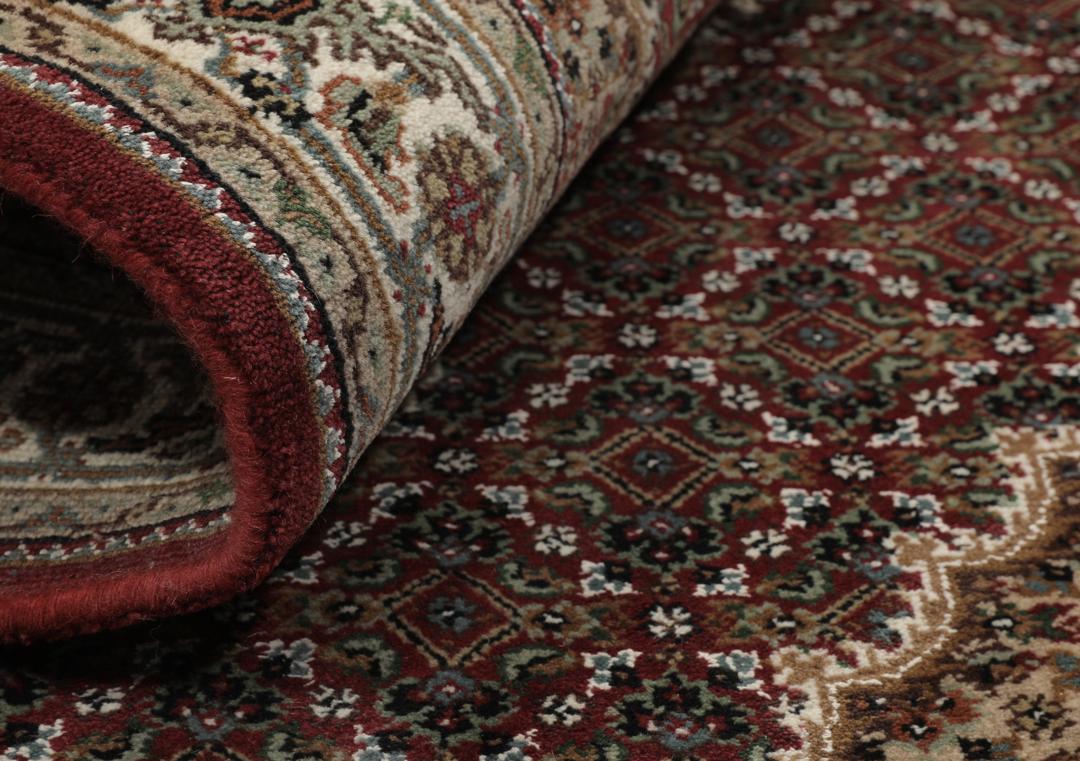
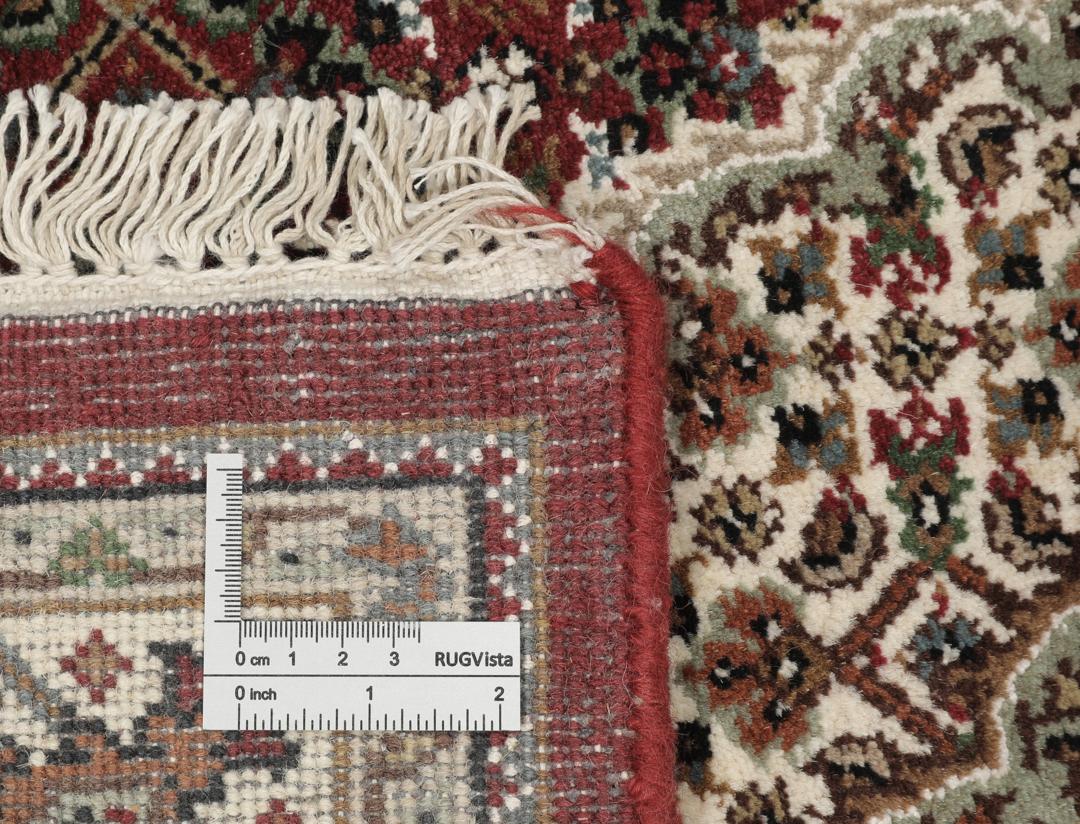
Tabriz rugs originate from the historic city of Tabriz, located in the northwestern region of the Middle East. This city has been a vital centre for rug weaving for centuries, serving as a crossroads for trade and artistic exchange along the ancient Silk Road. Today, this tradition is celebrated globally, with weavers in various regions continuing to uphold the intricate standards set by their predecessors.
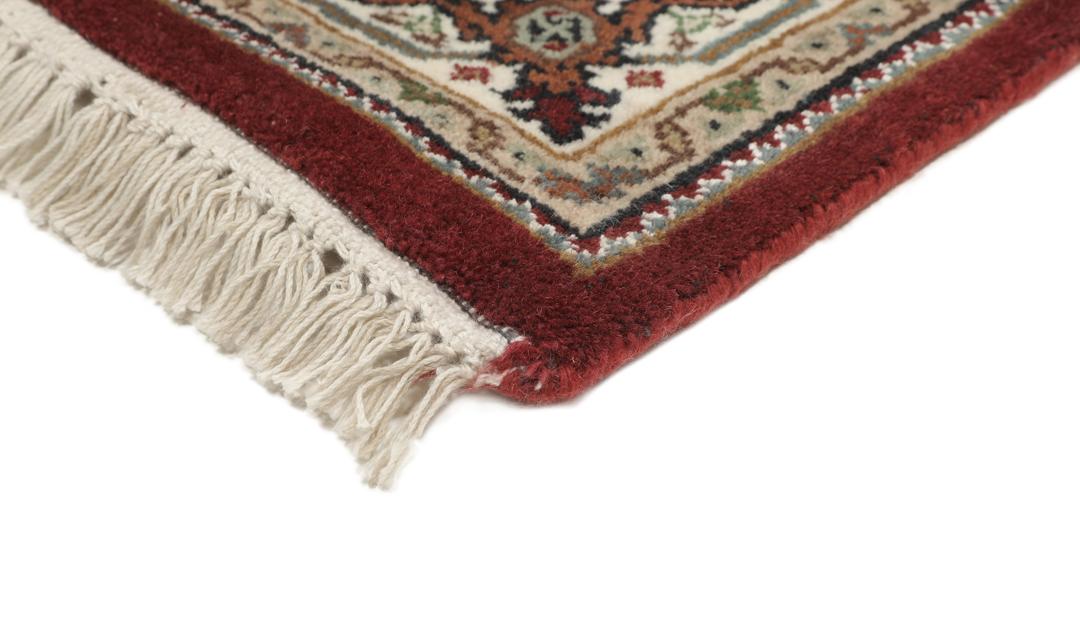
The term 'Tabriz' refers to a specific style of weaving that emphasises high-quality construction and complex, often curvilinear, patterns. These rugs are known for their balance and symmetry, which require a high level of expertise to execute correctly. The focus on balanced design ensures that the rug acts as a cohesive visual element in a room rather than just a decorative floor covering.
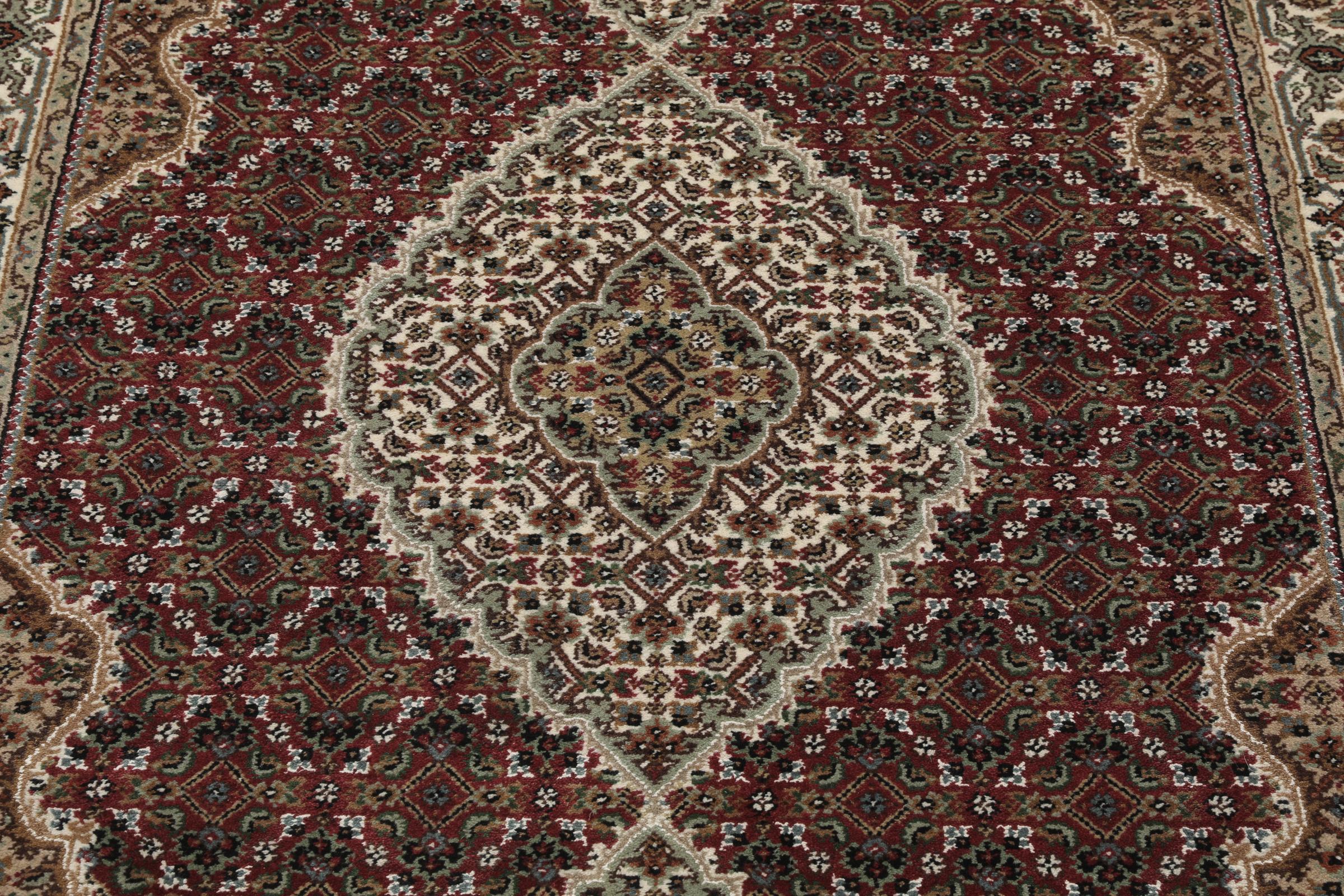
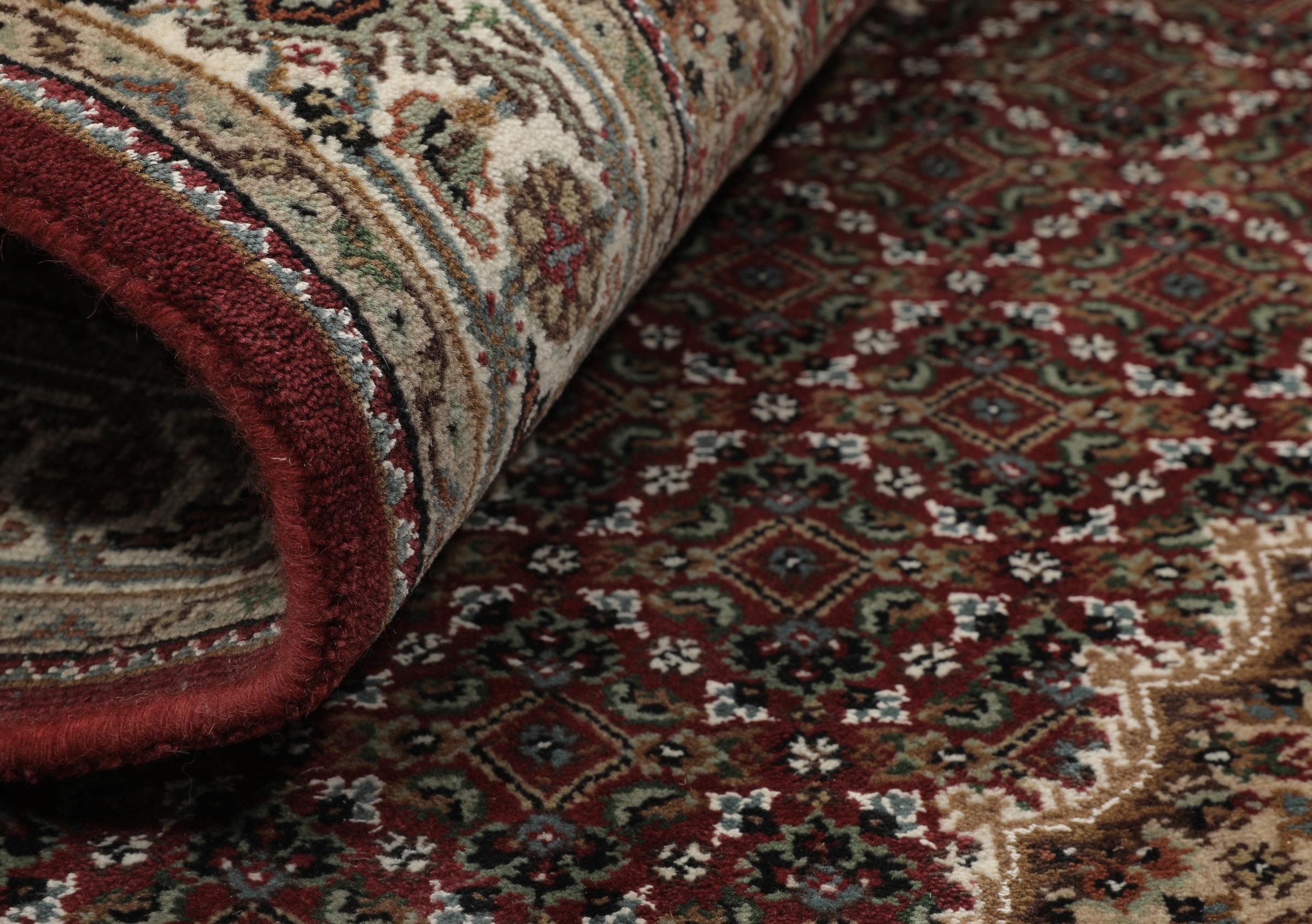
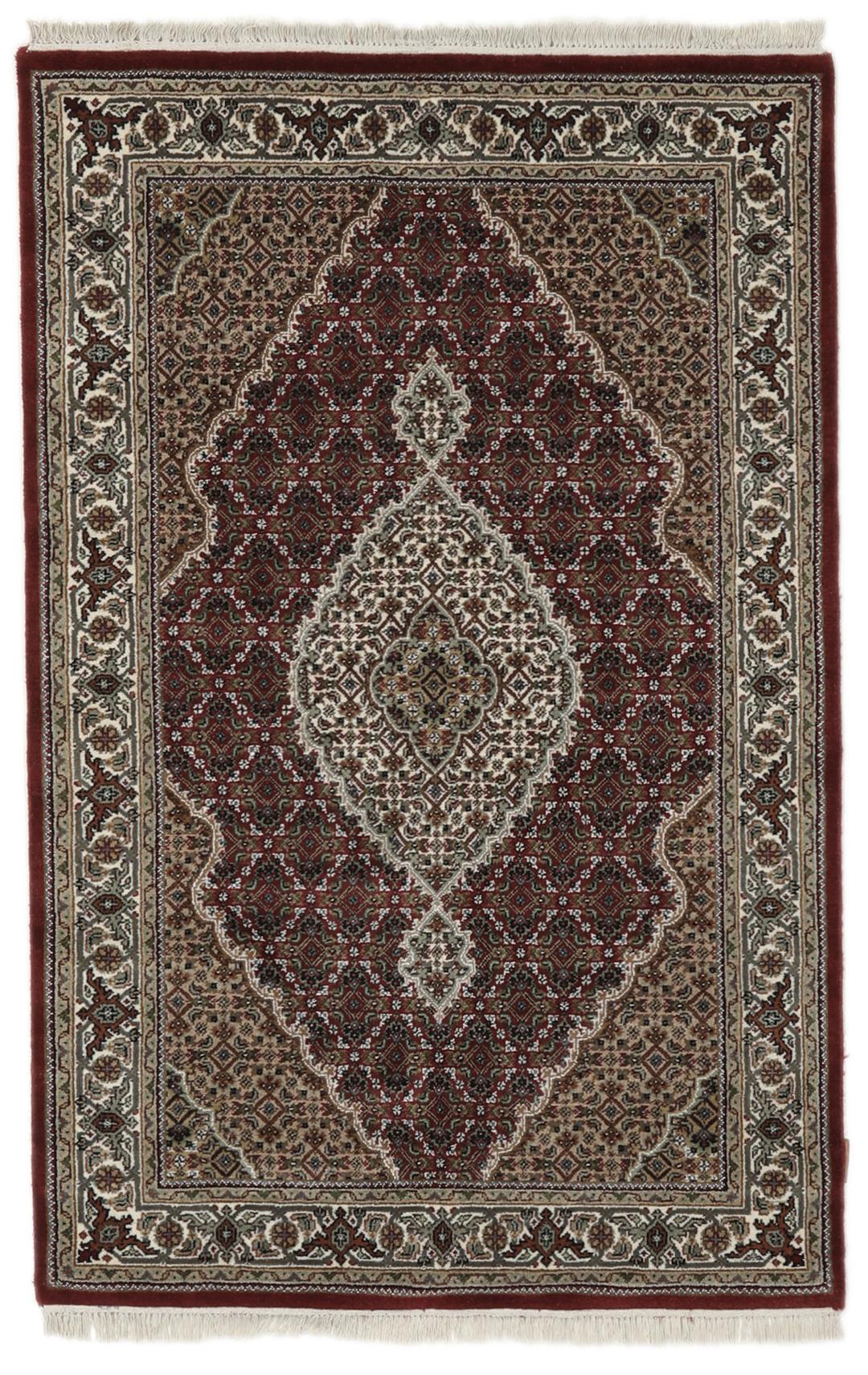
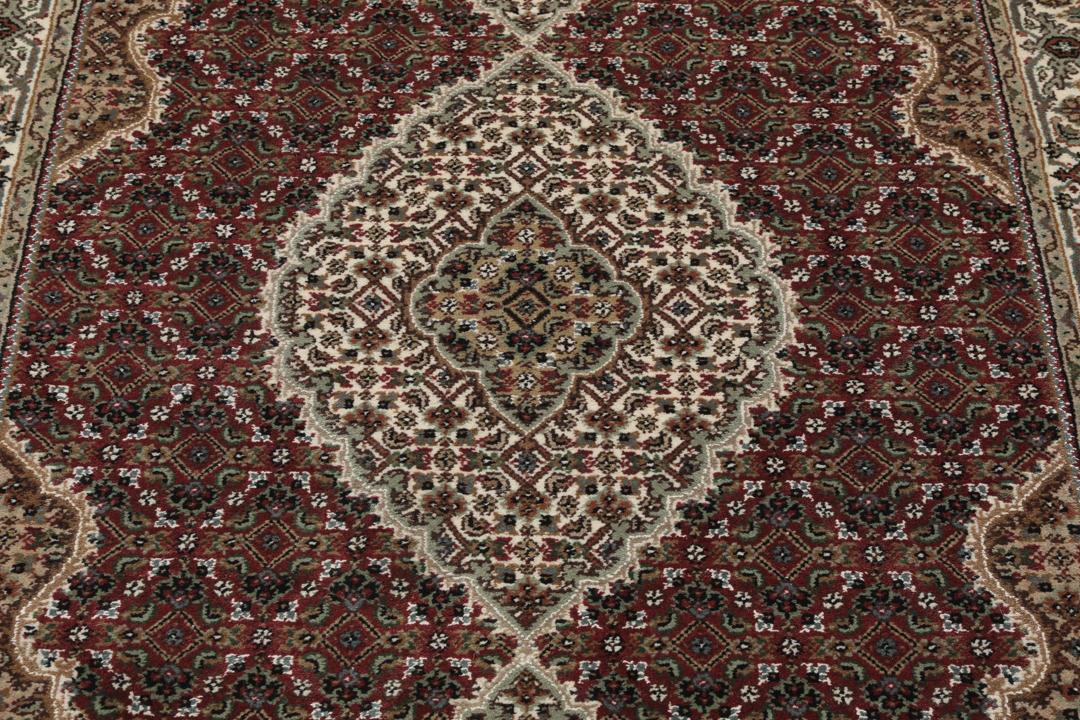
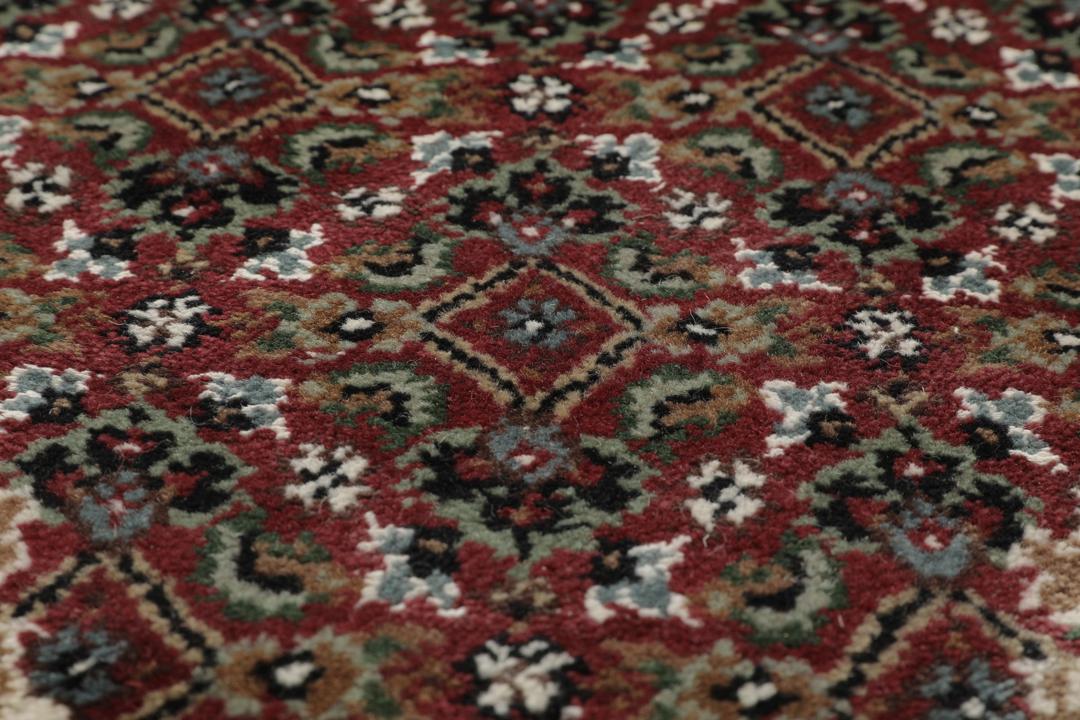
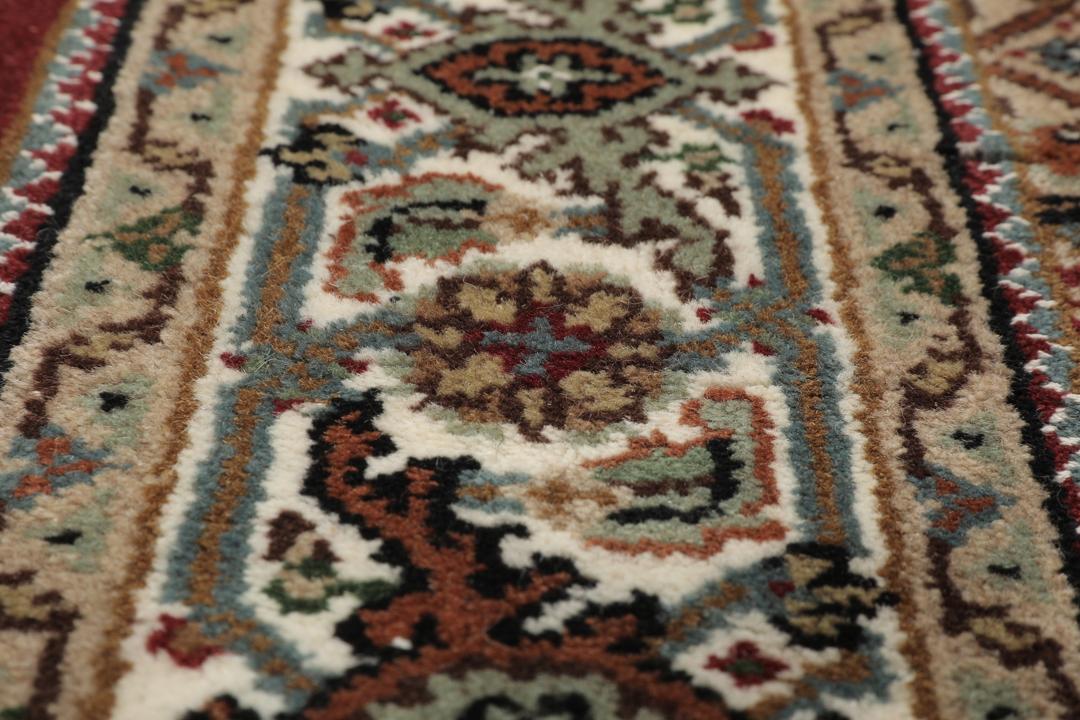
Signature elements of this tradition include elaborate central medallions, scrolling vines, and floral motifs that cover the field. The border is often as detailed as the centre, creating a frame that directs the eye inward. The colour palettes are typically sophisticated, utilising deep, saturated tones to highlight the complexity of the design.
Collecting a Tabriz-style rug is an investment in cultural heritage. These pieces are valued for their ability to bridge the gap between historical artistry and modern living. Owning one is a statement of appreciation for human skill and the enduring nature of craft, making it a cherished addition to any home.