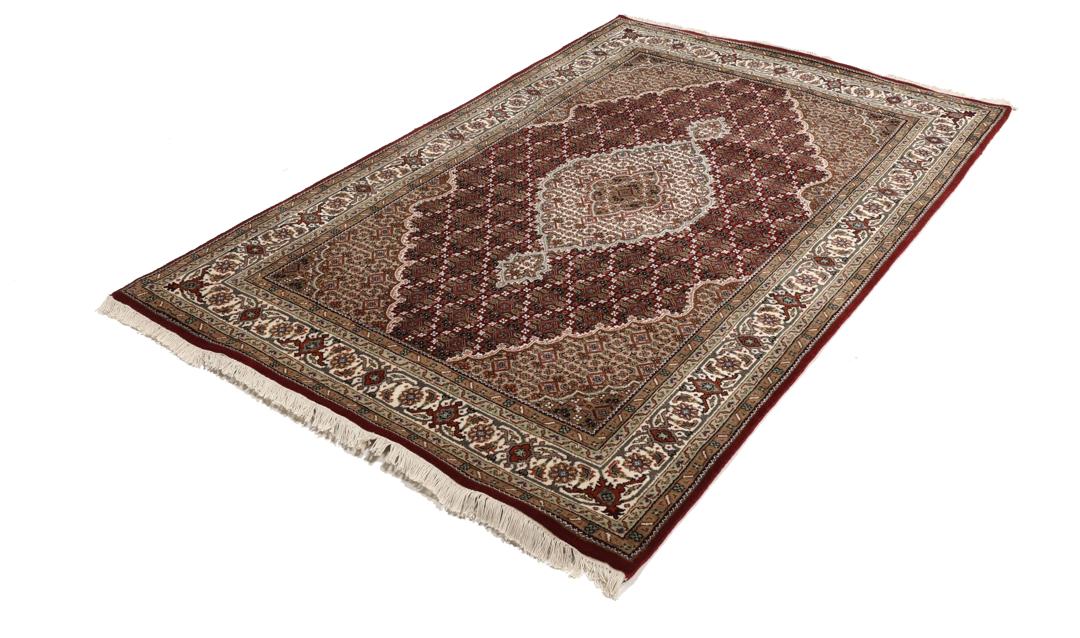
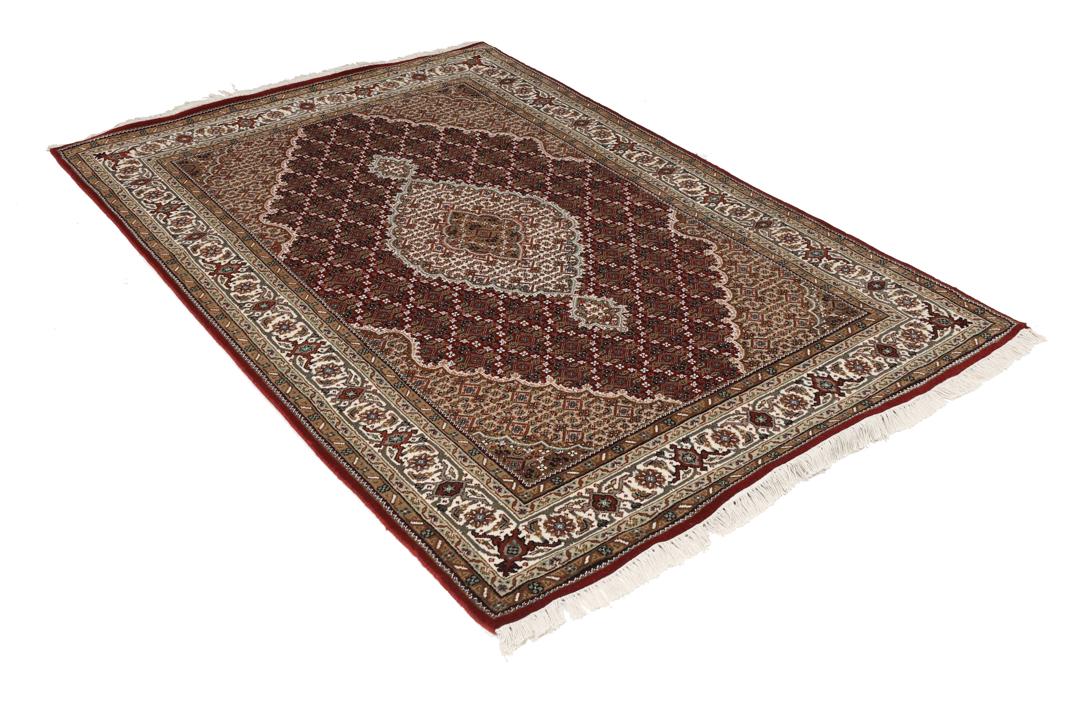
The Tabriz rug tradition finds its roots in the historic city of Tabriz, located in the Middle East. Historically, Tabriz was a vital hub on the Silk Road, a crossroads where artistic influences from across the continent merged. Over centuries, these designs evolved into the sophisticated, highly detailed patterns that are recognised globally today.
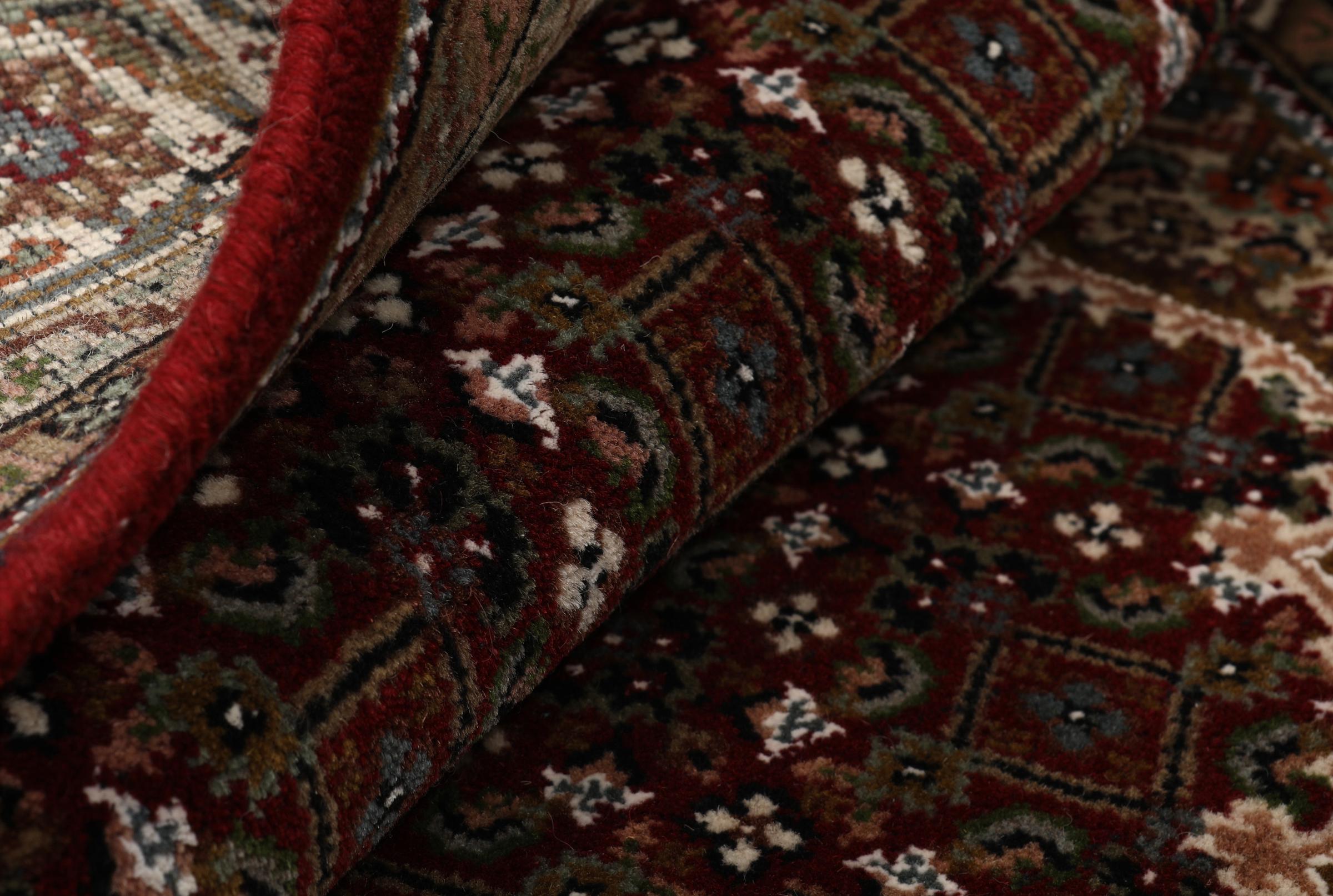
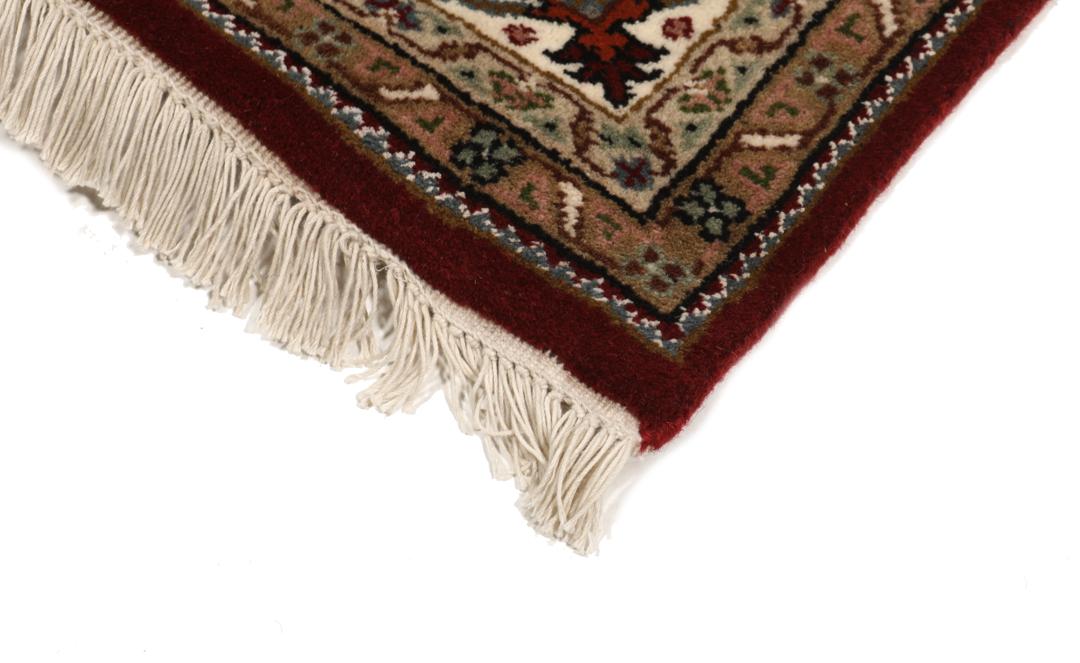
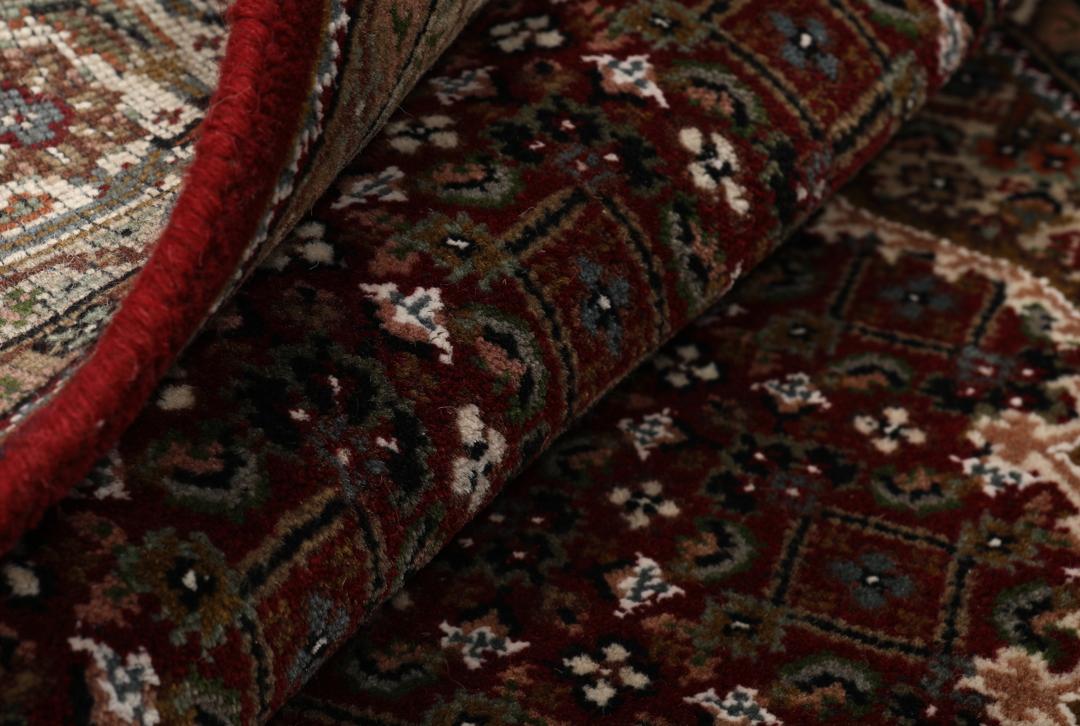
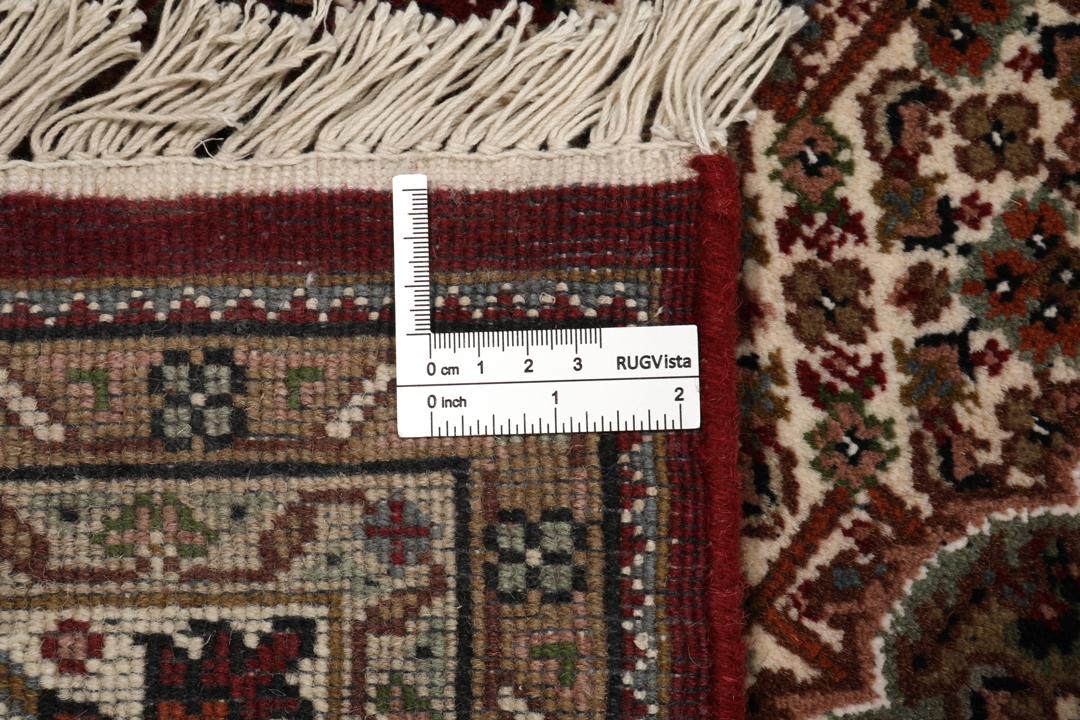
The term Tabriz has come to represent a standard of excellence in rug weaving. While the style originated in the Middle East, master weavers in India have adopted and refined these techniques, maintaining the rigorous standards of detail and precision that define the category. The use of high-quality wool on a sturdy foundation remains a hallmark of this tradition.
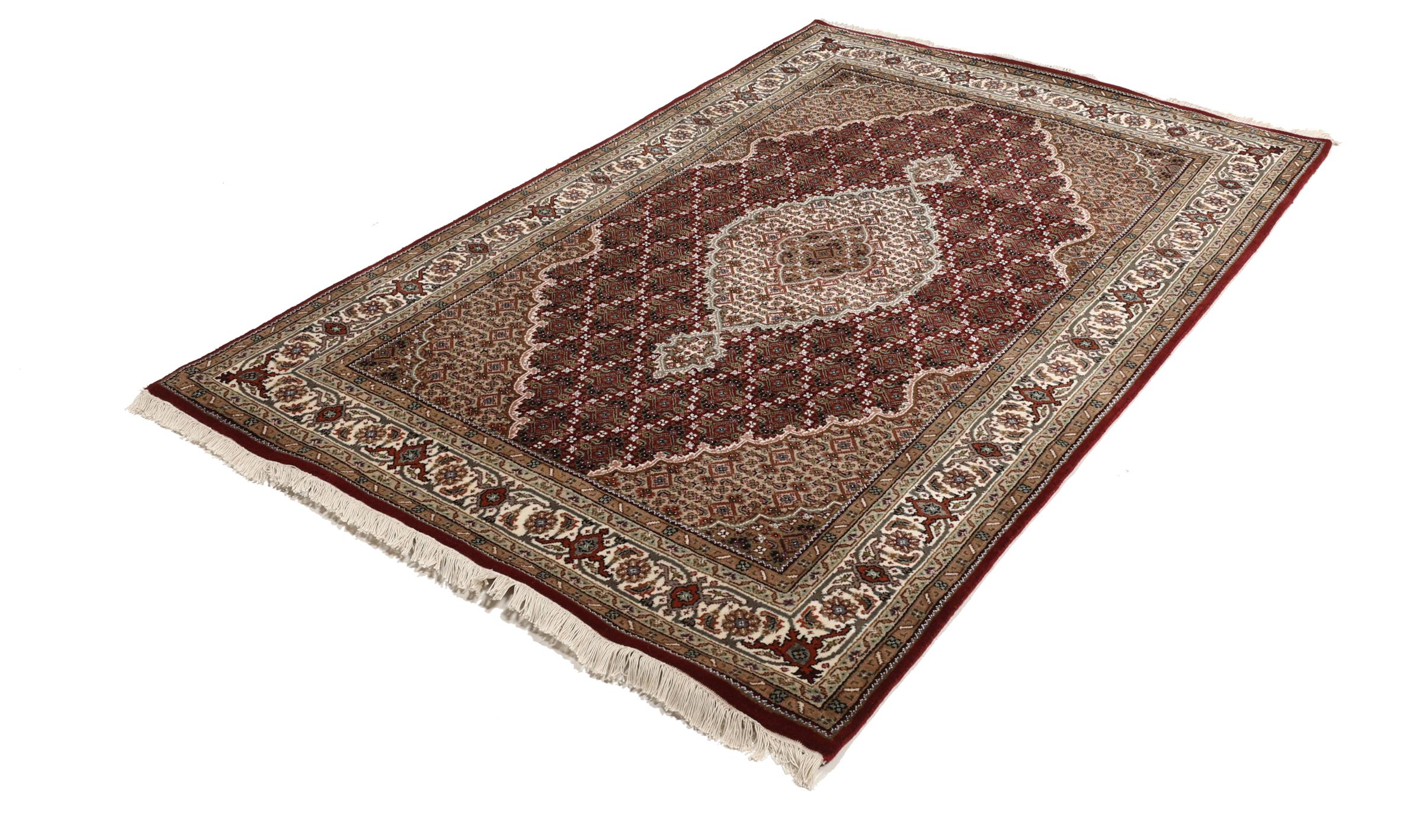
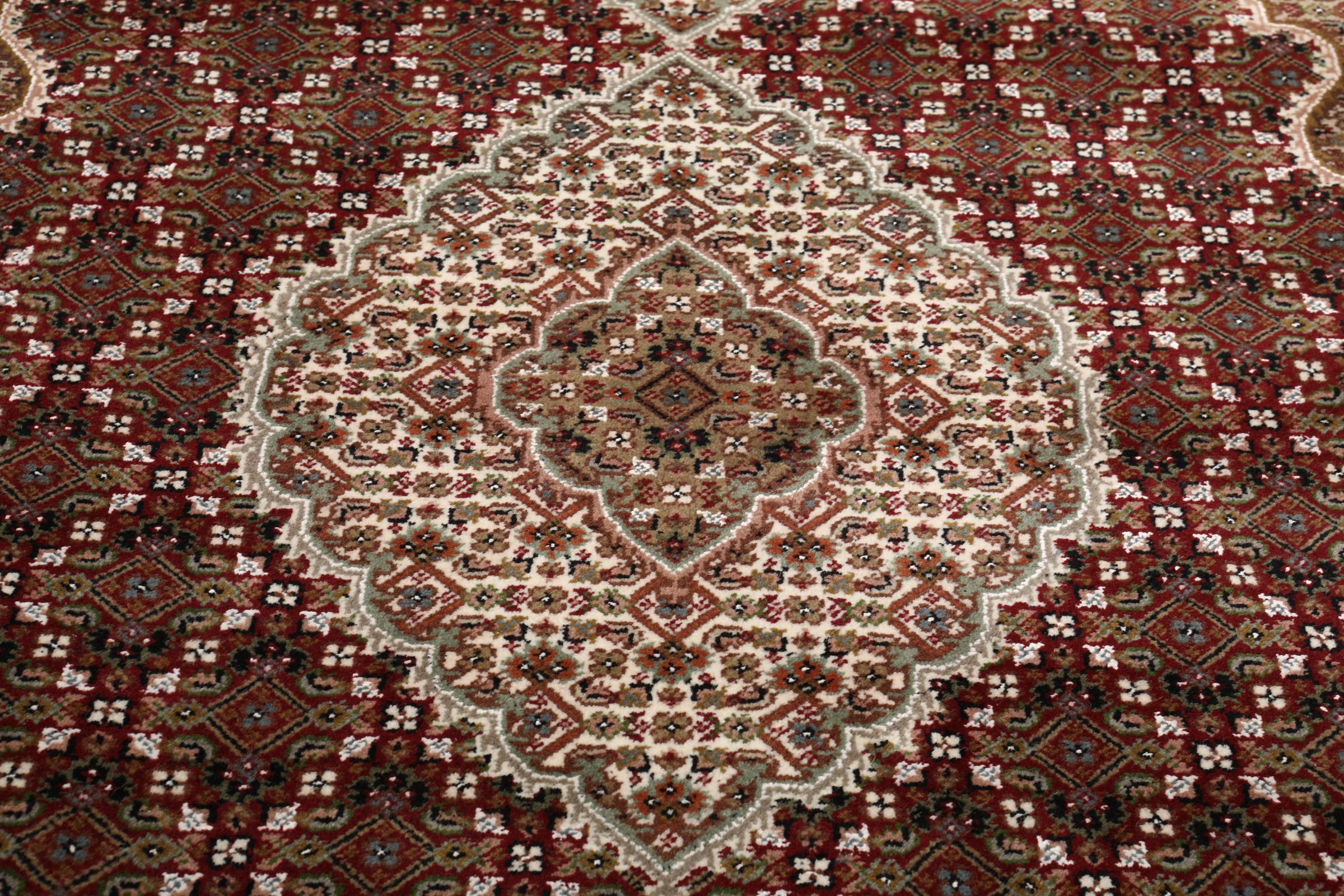
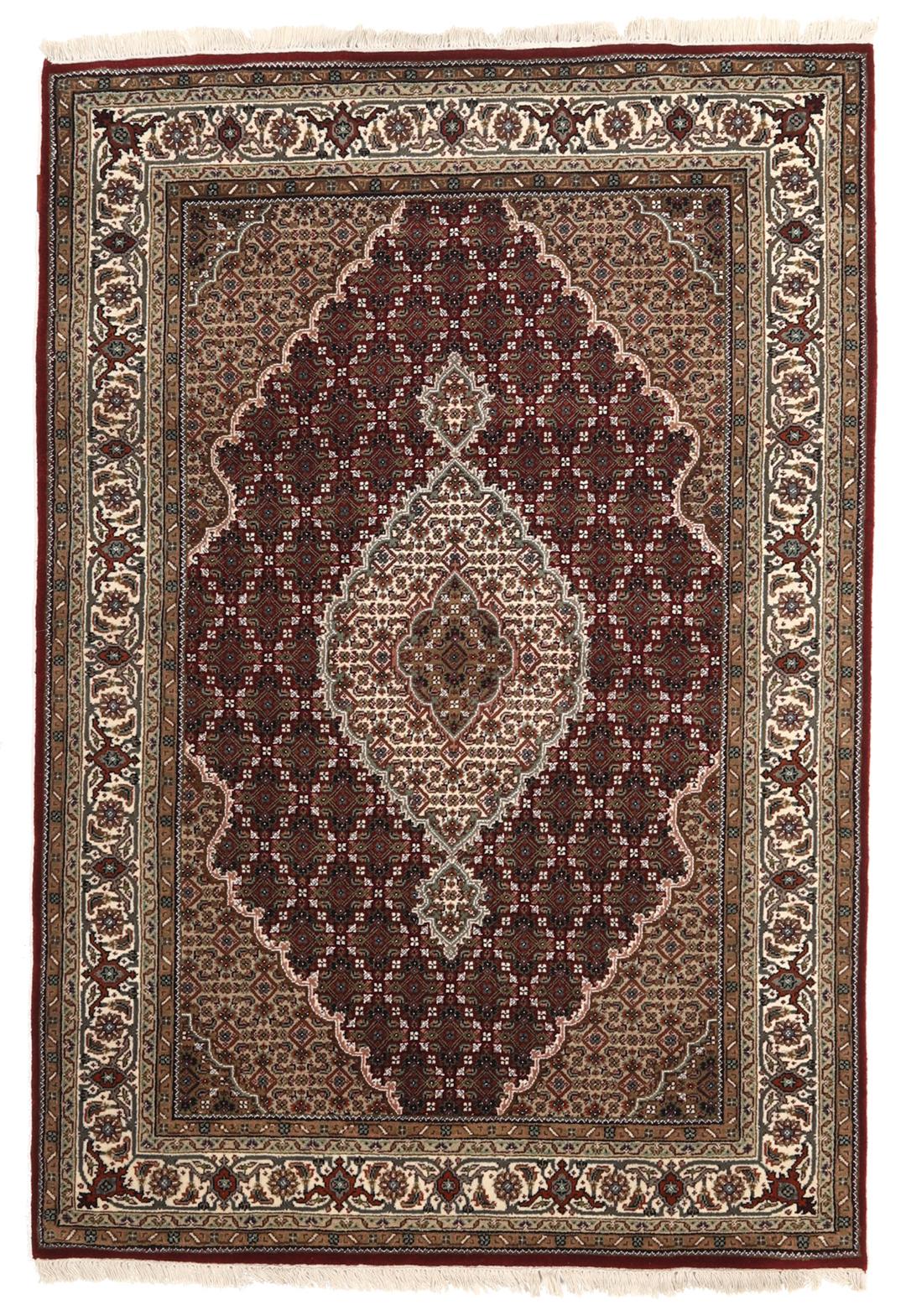
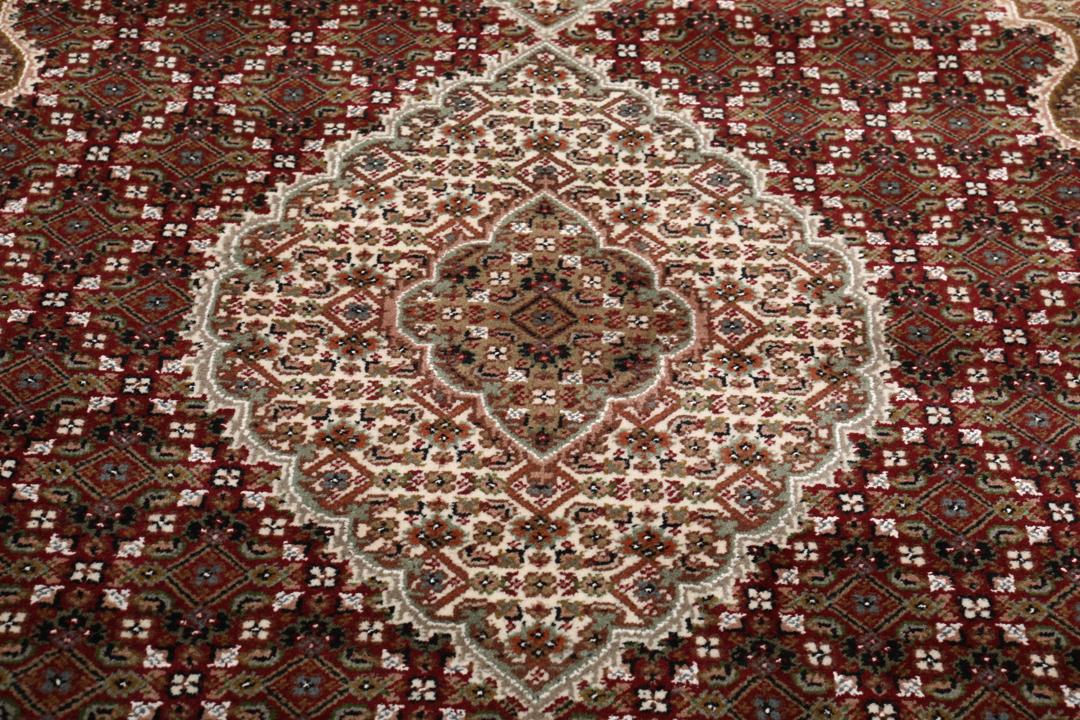
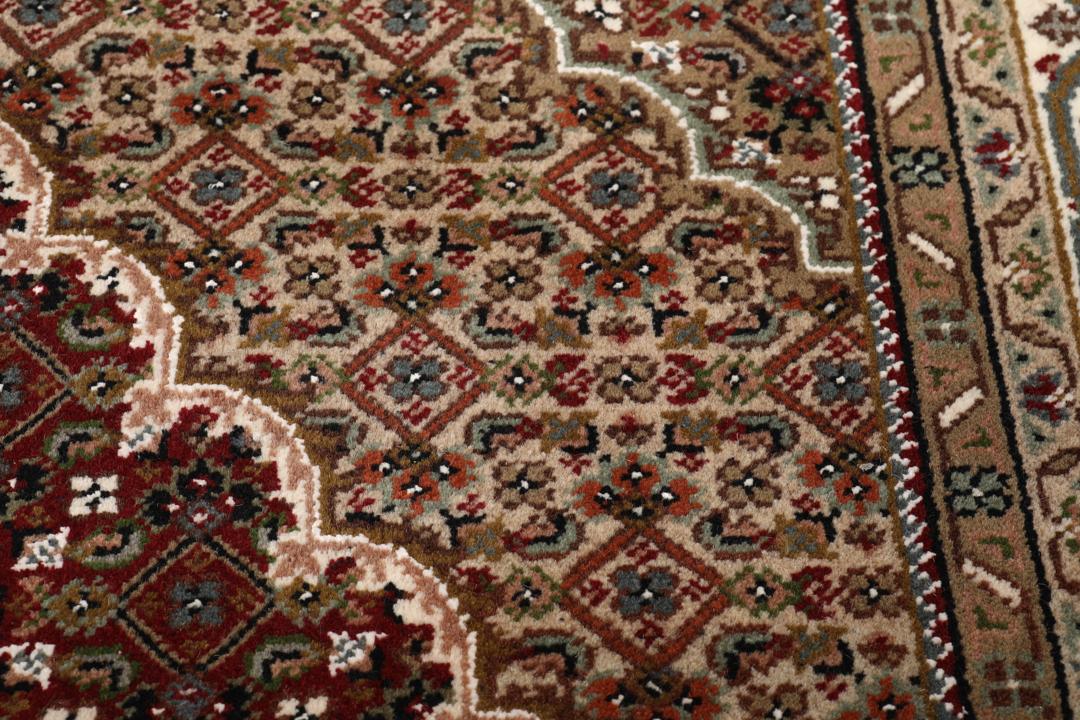
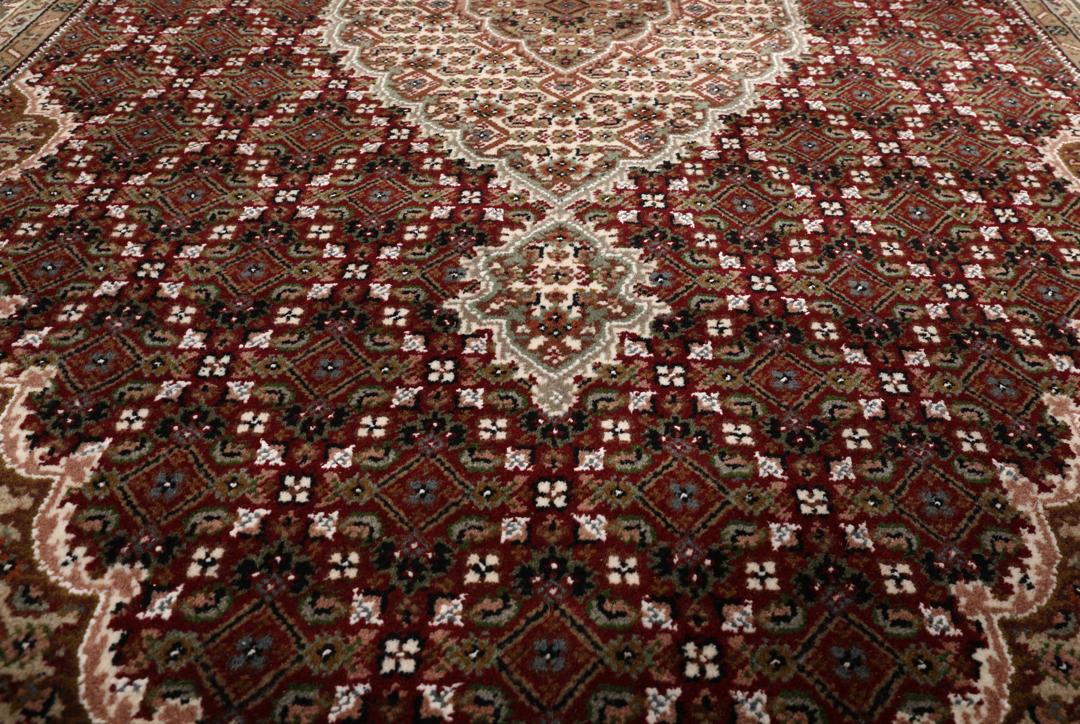
Design-wise, Tabriz rugs are known for their formal, balanced compositions. A classic feature is the central medallion, which often draws inspiration from architectural motifs or garden designs. The field is typically filled with elaborate floral scrolls, leaves, and vines, all framed by a wide, decorative border that anchors the overall composition.
Collectors value these rugs not only for their aesthetic appeal but for the immense skill required to produce them. Owning a piece from this tradition is an act of preserving a long-standing craft. It represents an appreciation for the history of design and the human capability to transform raw, natural materials into something that brings beauty and dignity to a home for generations.