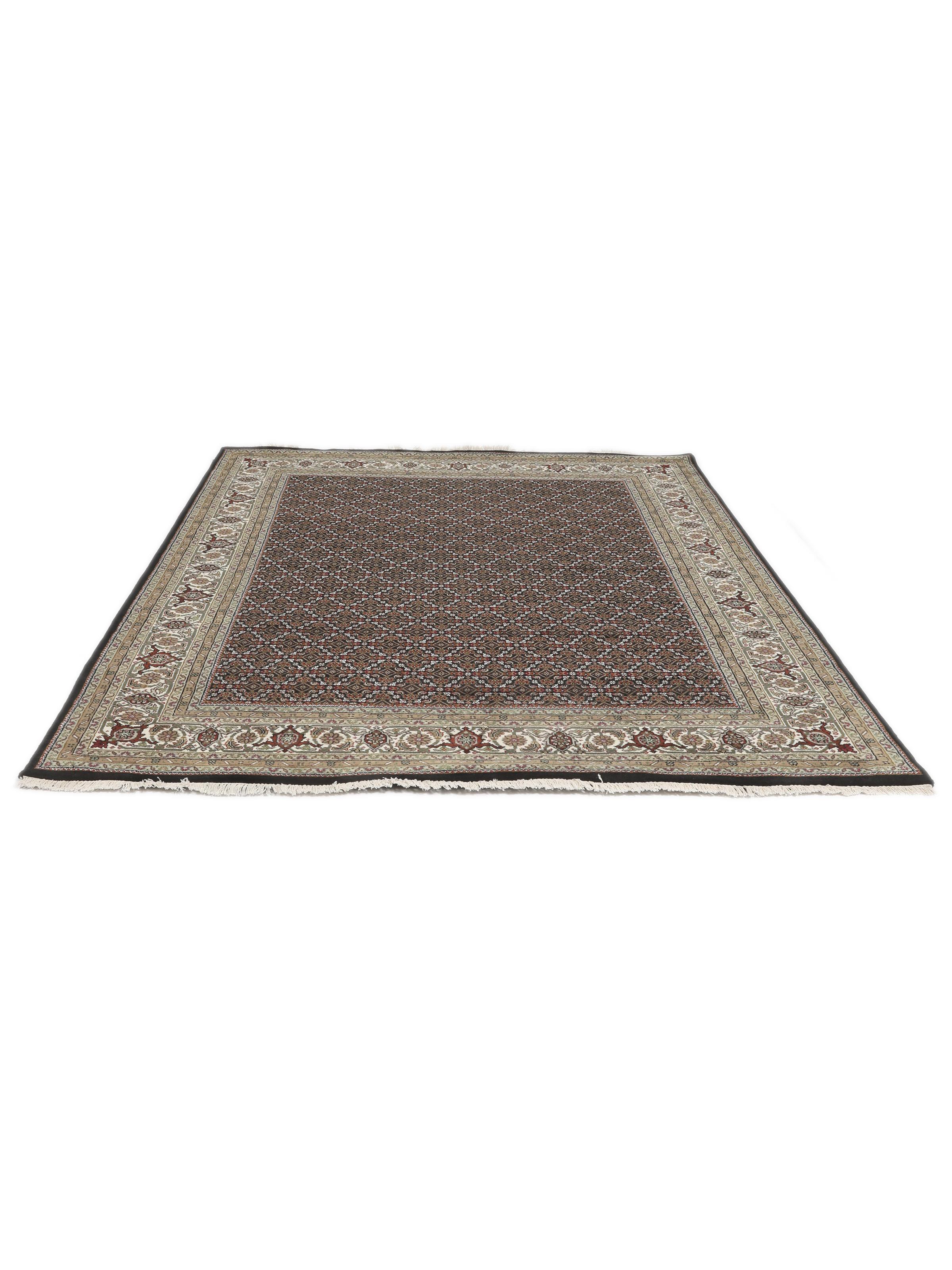
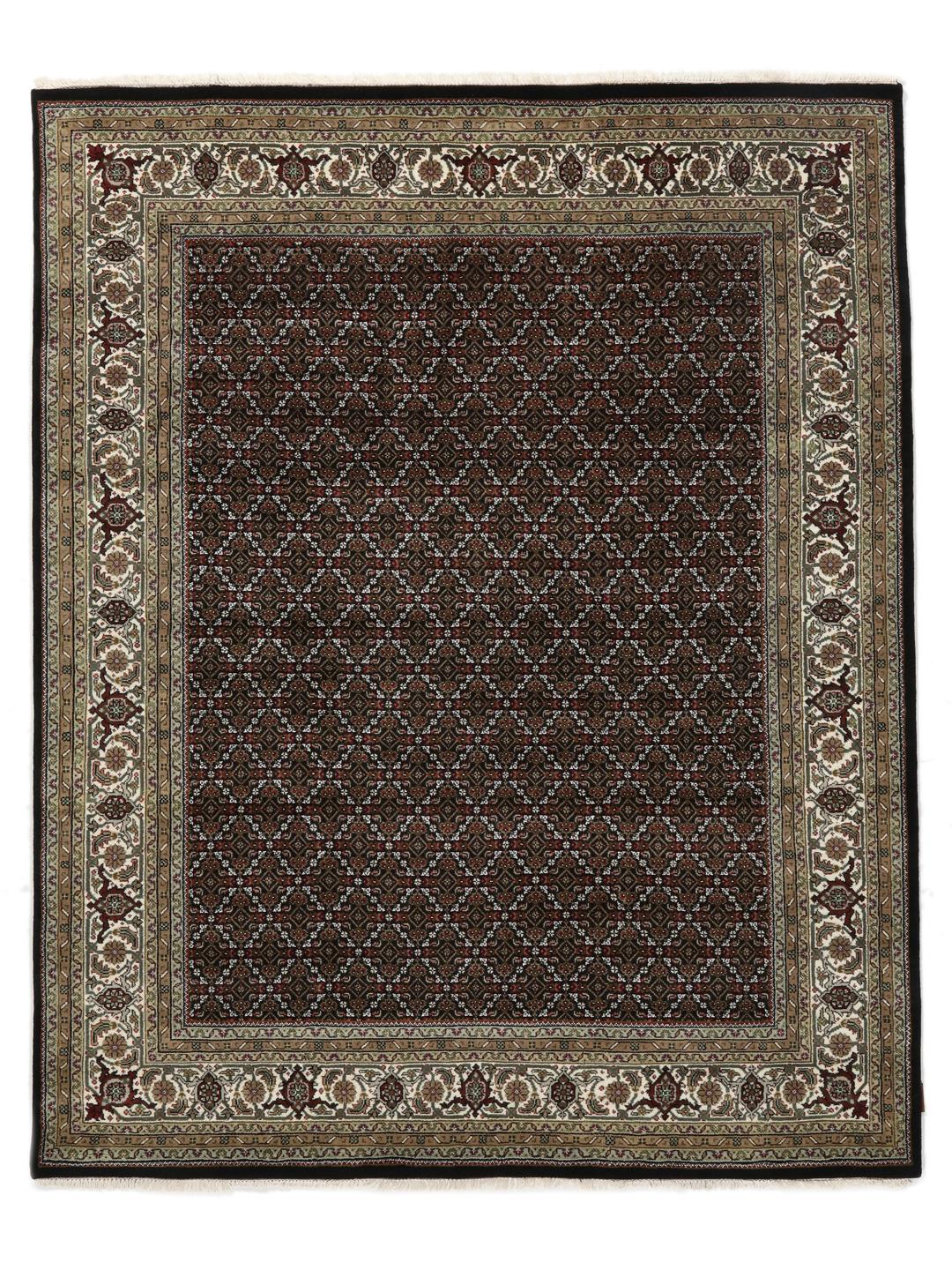
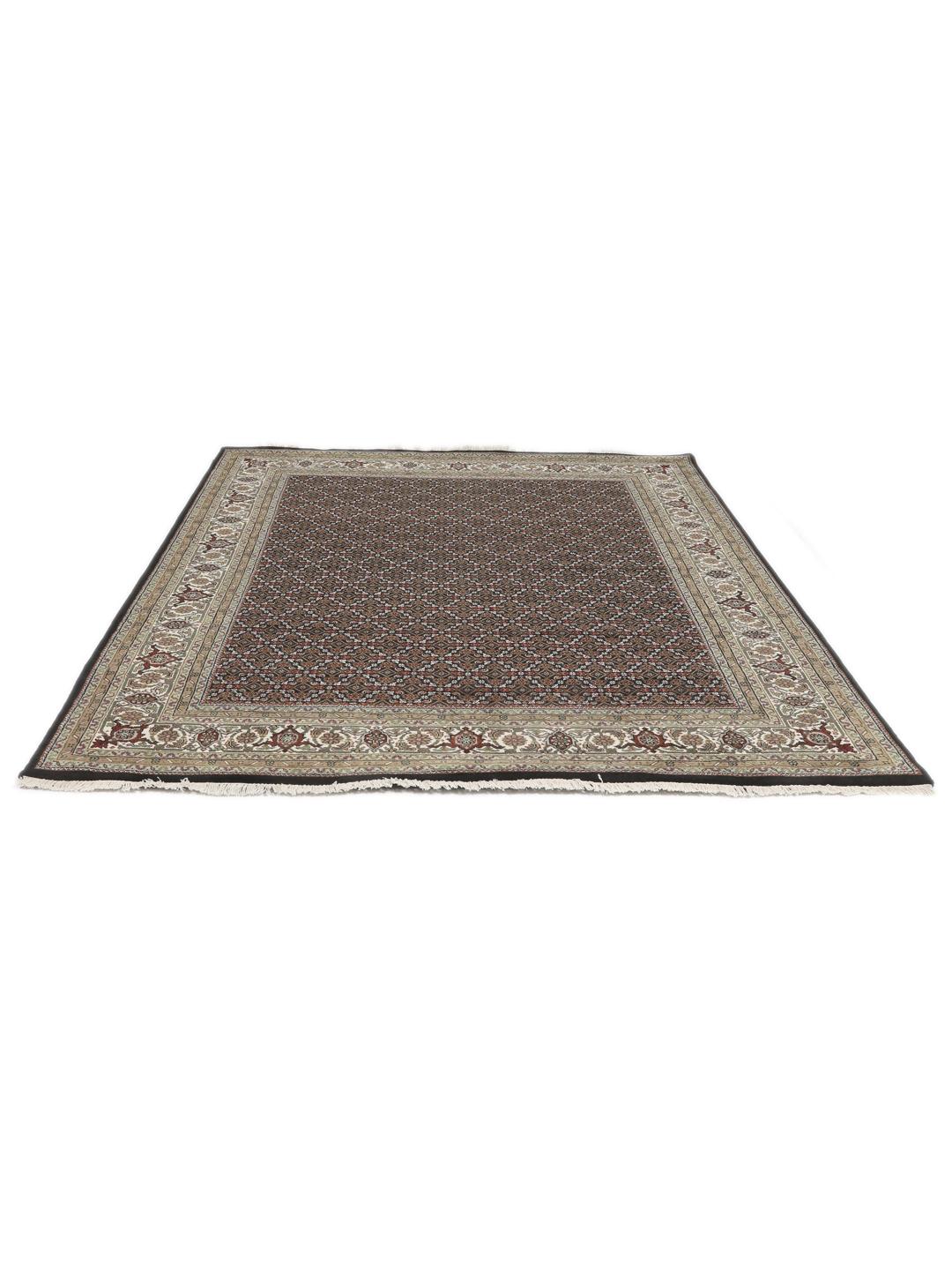
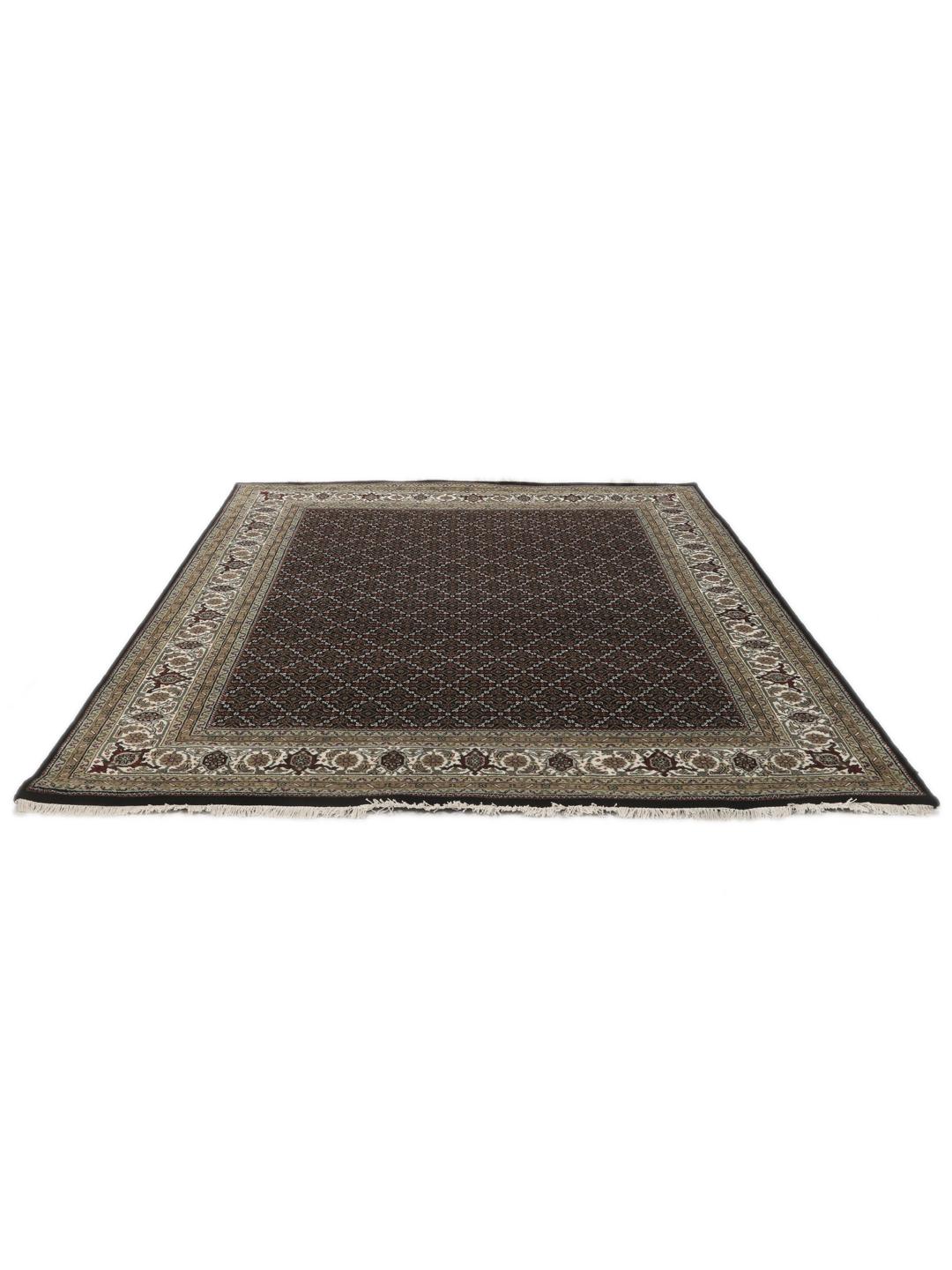
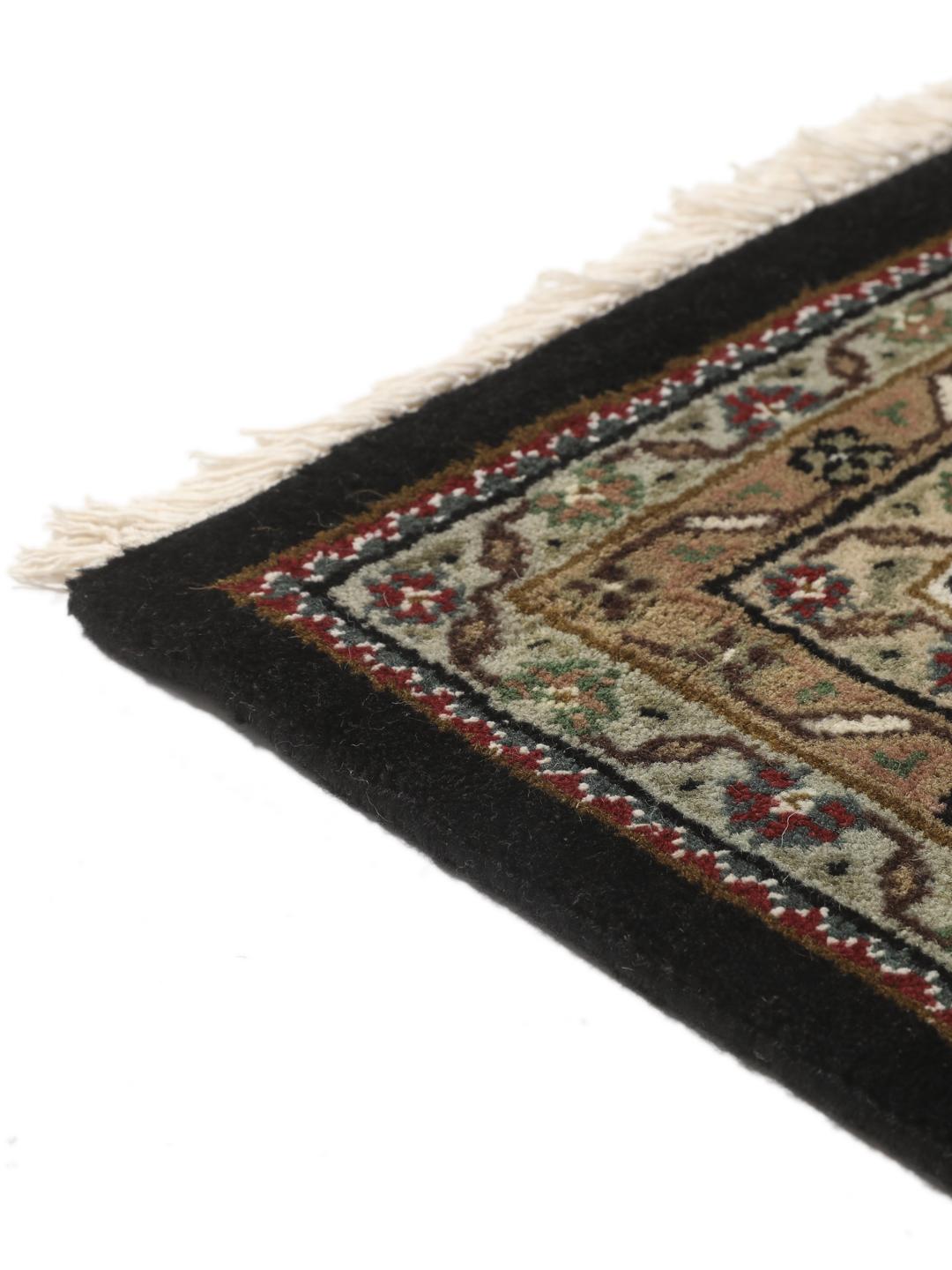
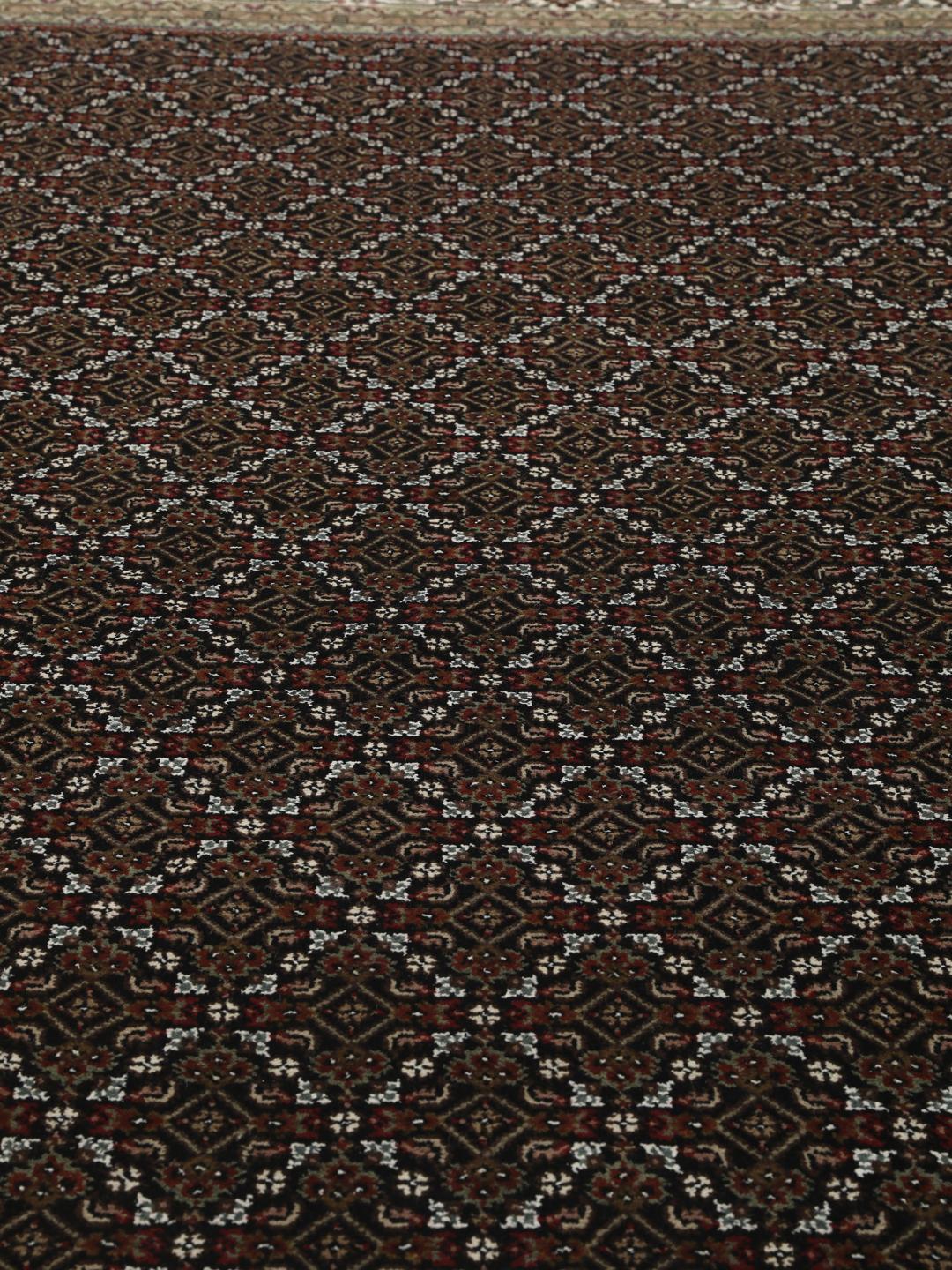
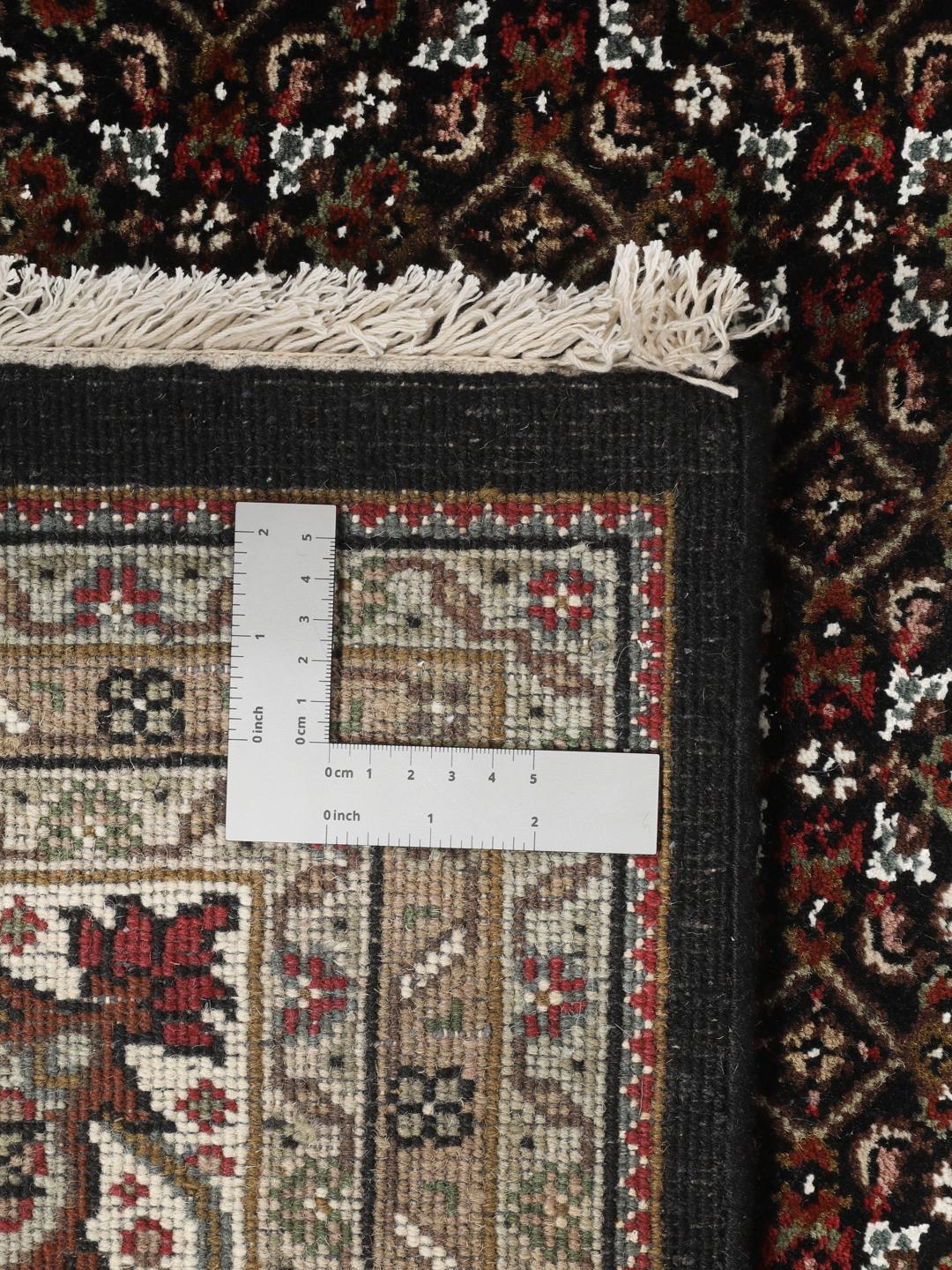
The Tabriz rug tradition originated in the historic city of Tabriz, located in the Middle East, which has served as a pivotal centre for textile arts for centuries. Historically, these rugs were produced under royal patronage, often adorning the palaces and mosques of the region with their sophisticated designs and high-quality construction.
The term Tabriz refers to a specific style of weaving that is renowned for its immense variety of patterns, ranging from classic floral medallions to elaborate garden motifs. This flexibility in design is a hallmark of the tradition, reflecting the city's role as a meeting point for diverse cultures along historical trade routes.
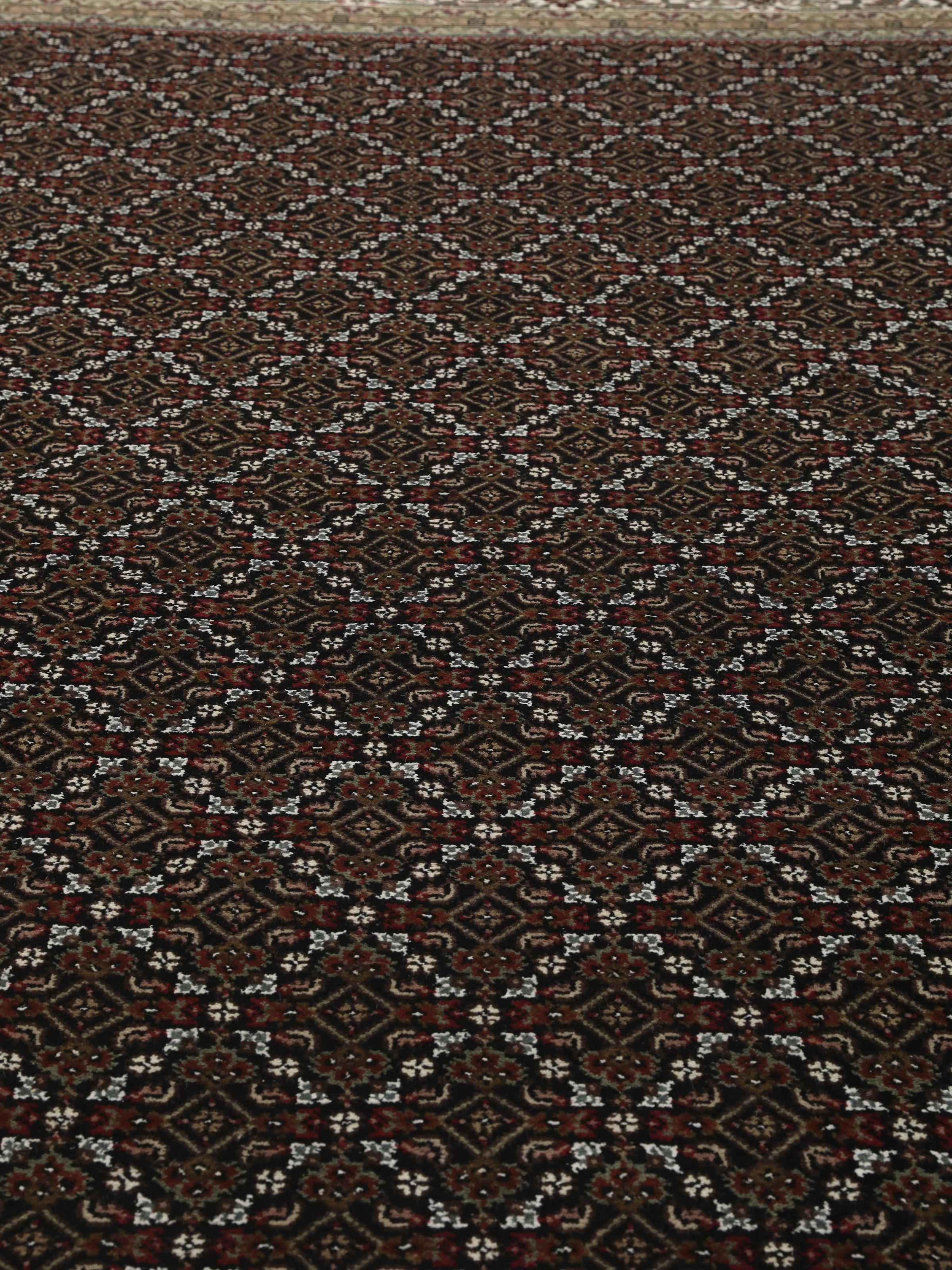
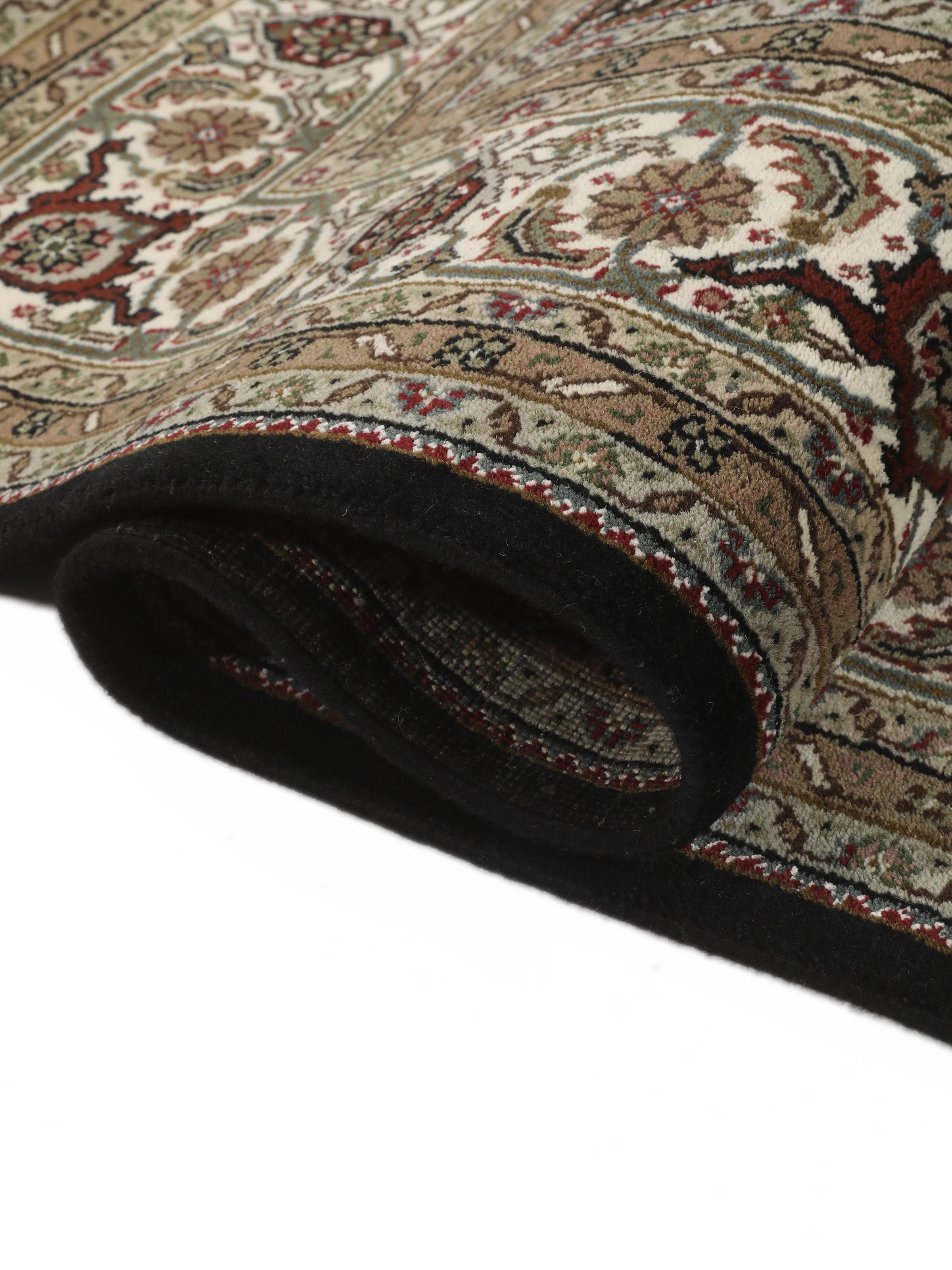
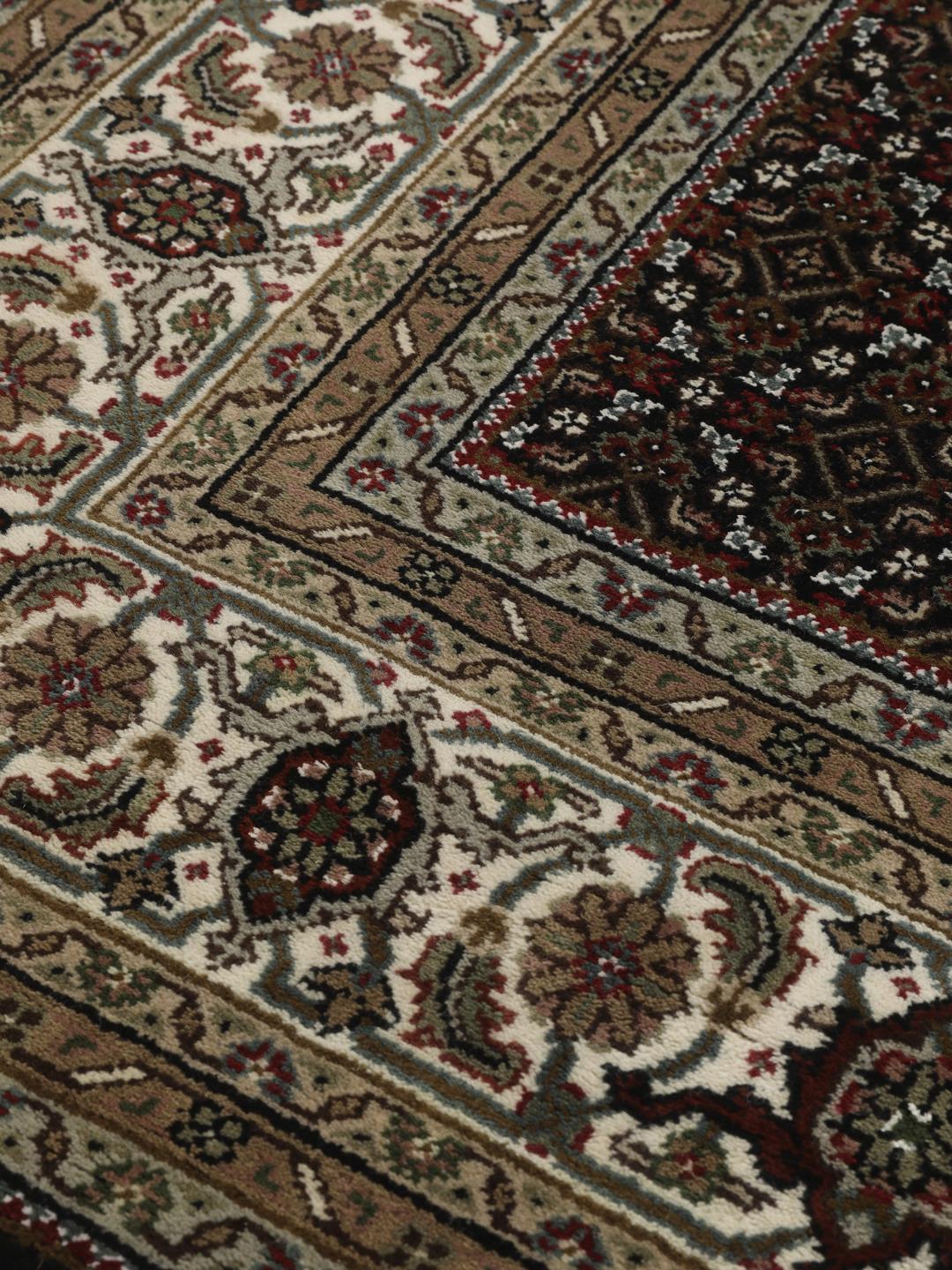
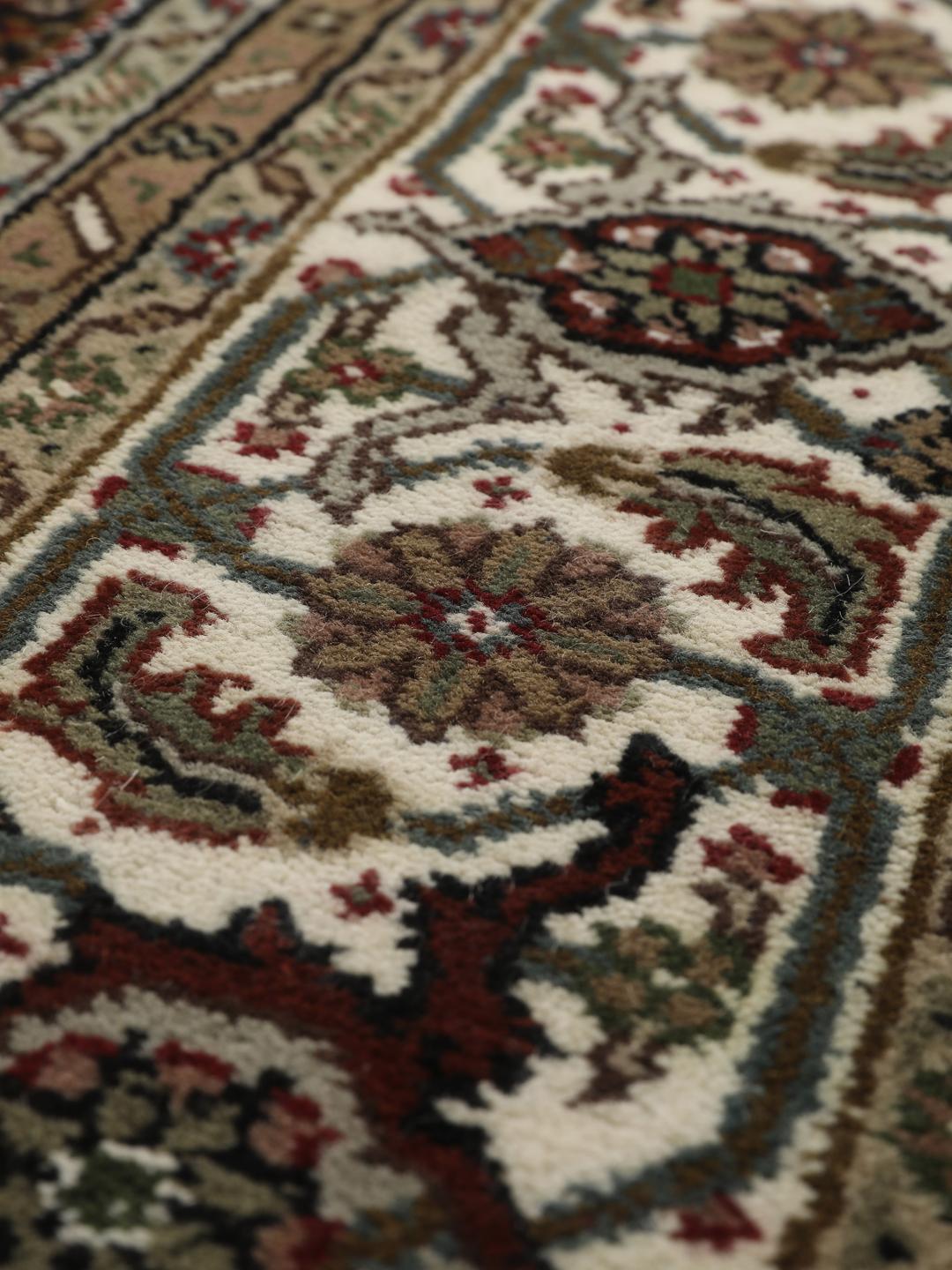
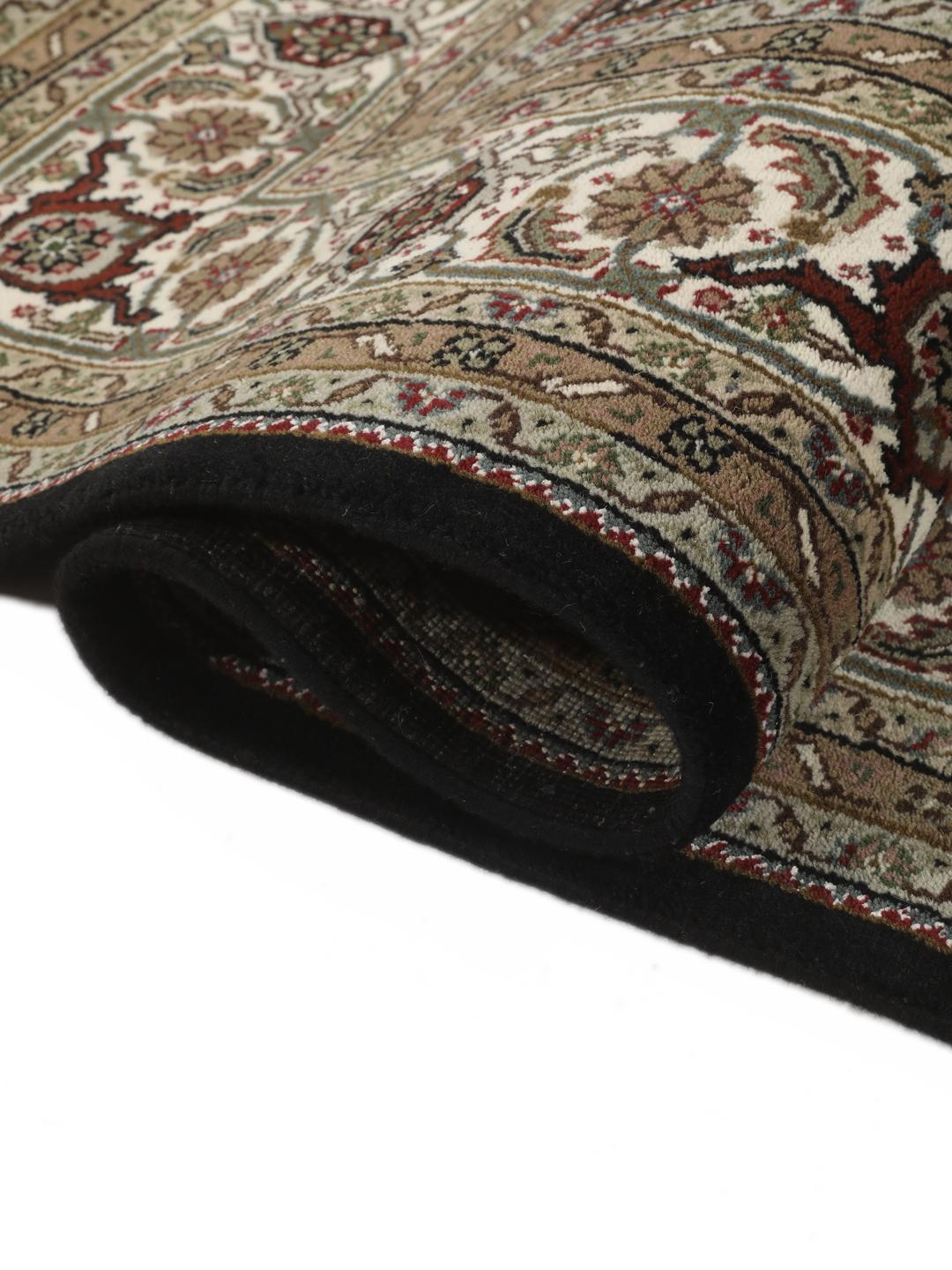
Visually, Tabriz rugs are characterised by their formal, well-defined layouts. They typically feature a central medallion surrounded by dense, flowing floral arrangements or scrolling vines, all enclosed within an intricate, multi-layered border. This rug, while rooted in this tradition, showcases a contemporary interpretation of those classic design elements, maintaining the symmetry and elegance expected of the style.
Collectors value Tabriz rugs for their historical significance and the immense skill required to produce them. Owning a piece from this lineage is a testament to an appreciation for cultural heritage and the enduring value of hand-crafted excellence, offering a sense of connection to a rich, centuries-old artistic narrative.