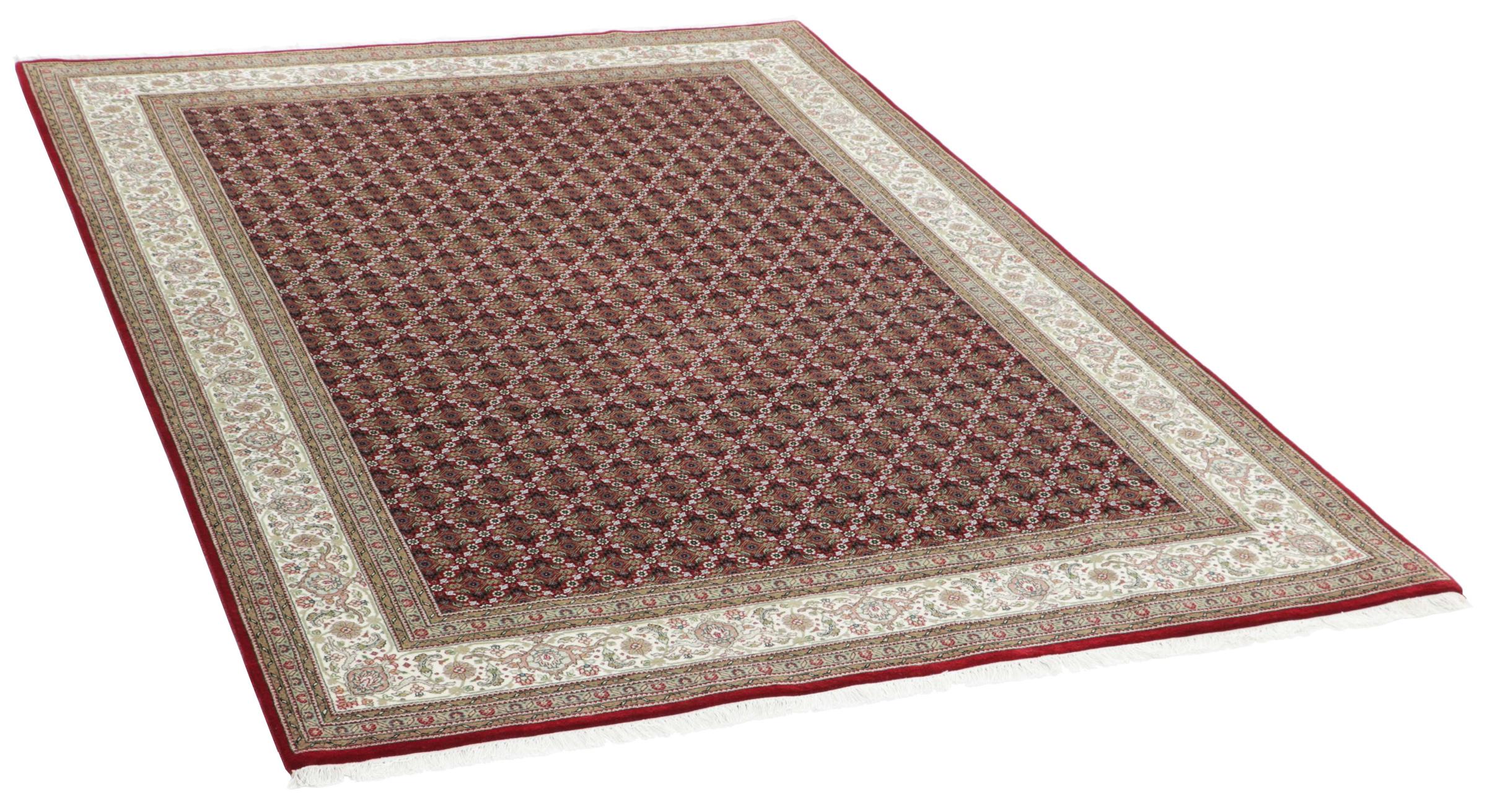
The Tabriz rug tradition finds its roots in the historic city of Tabriz, located in the northwestern region of the Middle East. Historically, it has been one of the most significant centres for rug weaving, celebrated for setting the standard for design and technical excellence that has influenced weavers far beyond its borders, including the skilled artisans in India who continue these time-honoured practices today.
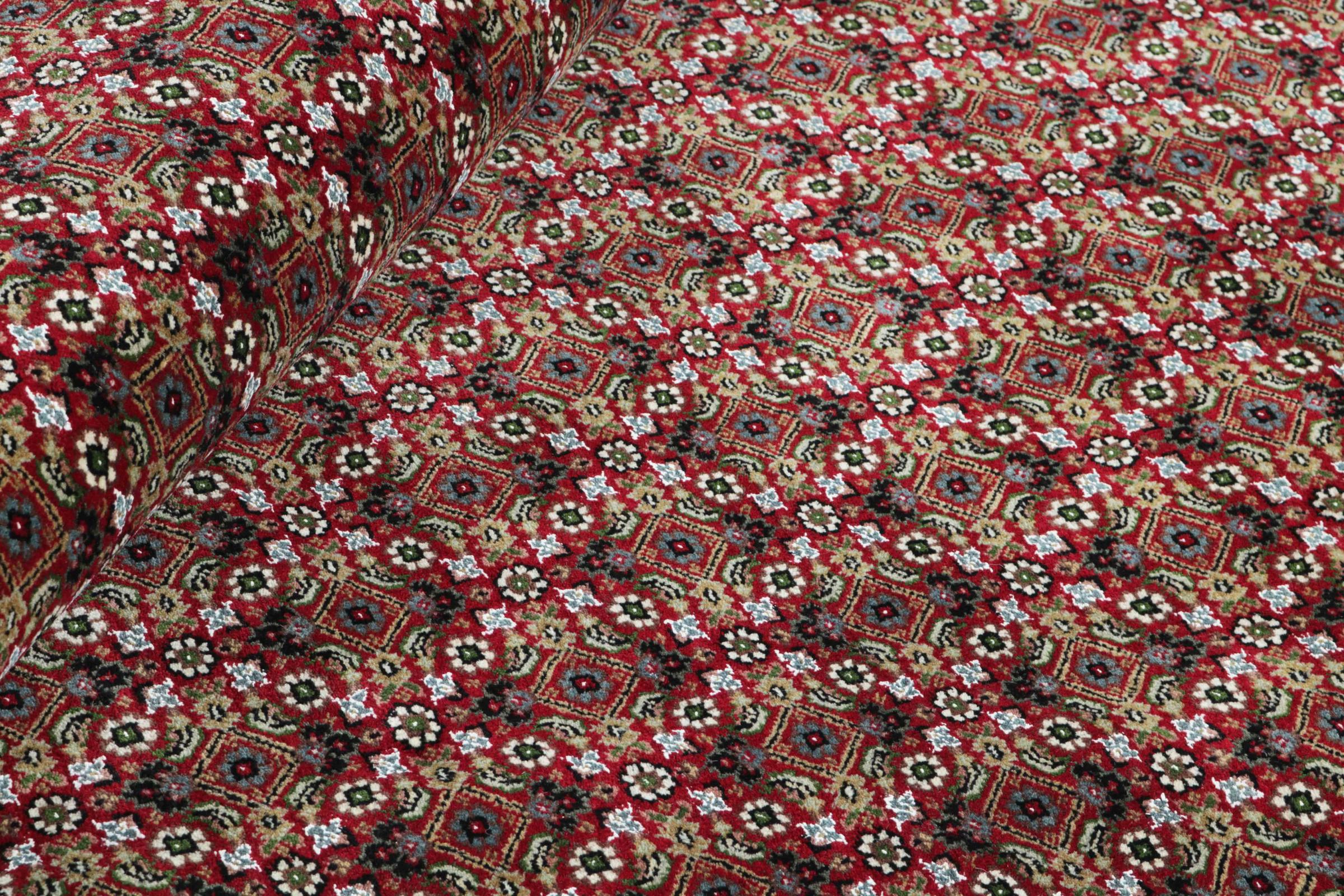
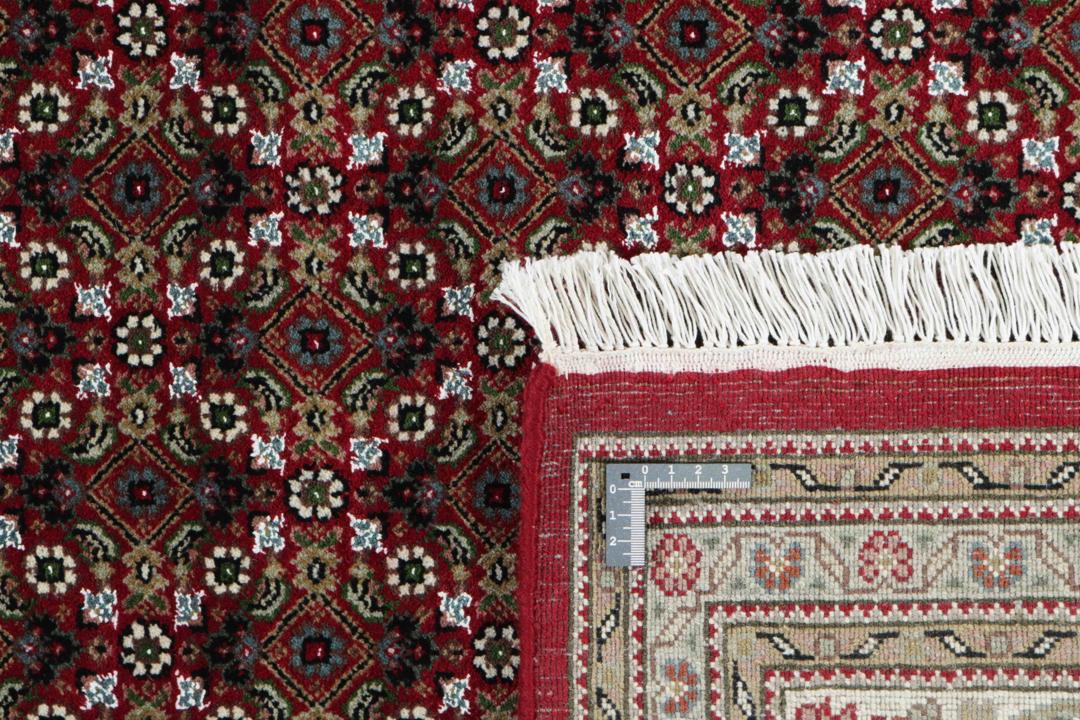
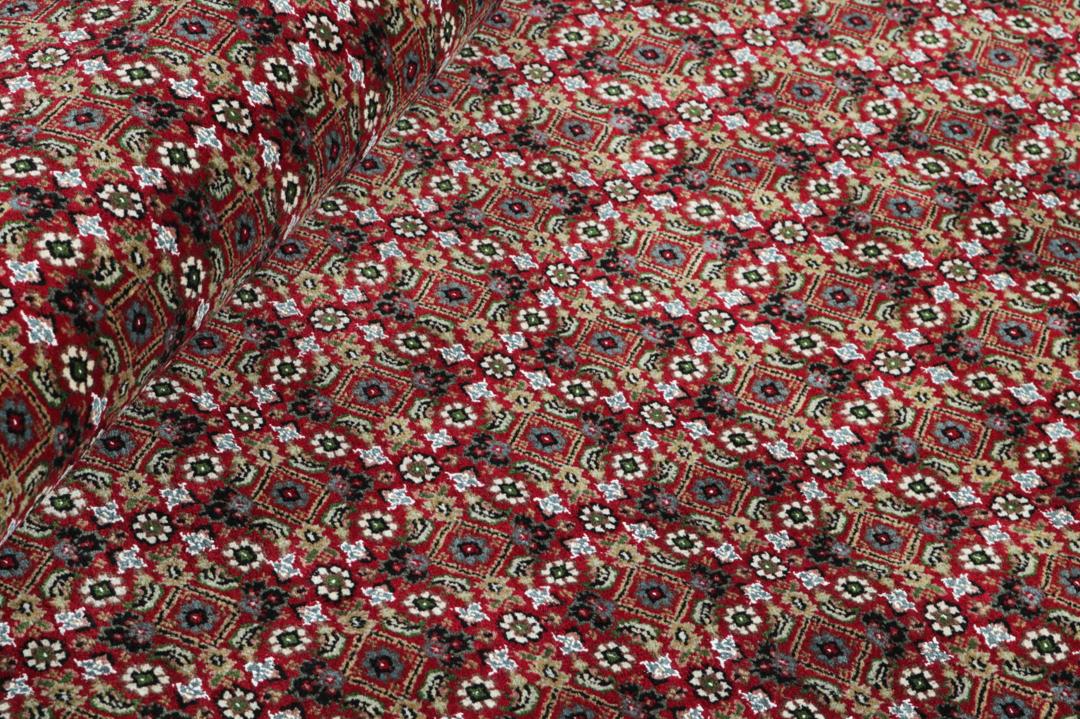
What defines the Tabriz style is its technical sophistication. These rugs are typically hand-knotted with a high degree of precision, allowing for the intricate, curvilinear motifs that are a hallmark of the tradition. The use of high-quality wool creates a pile that is not only visually striking but also durable, ensuring the rug can withstand generations of use.
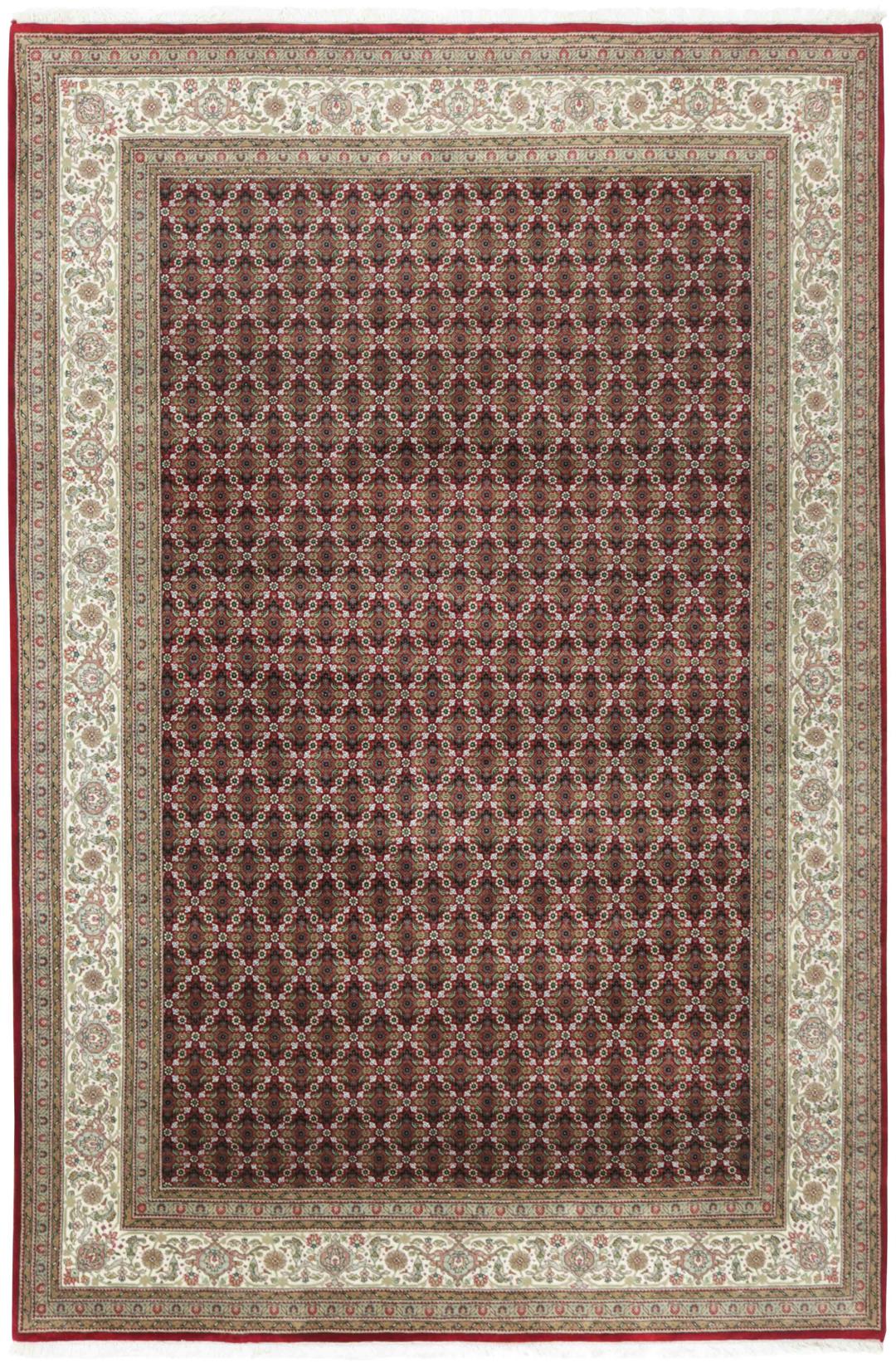
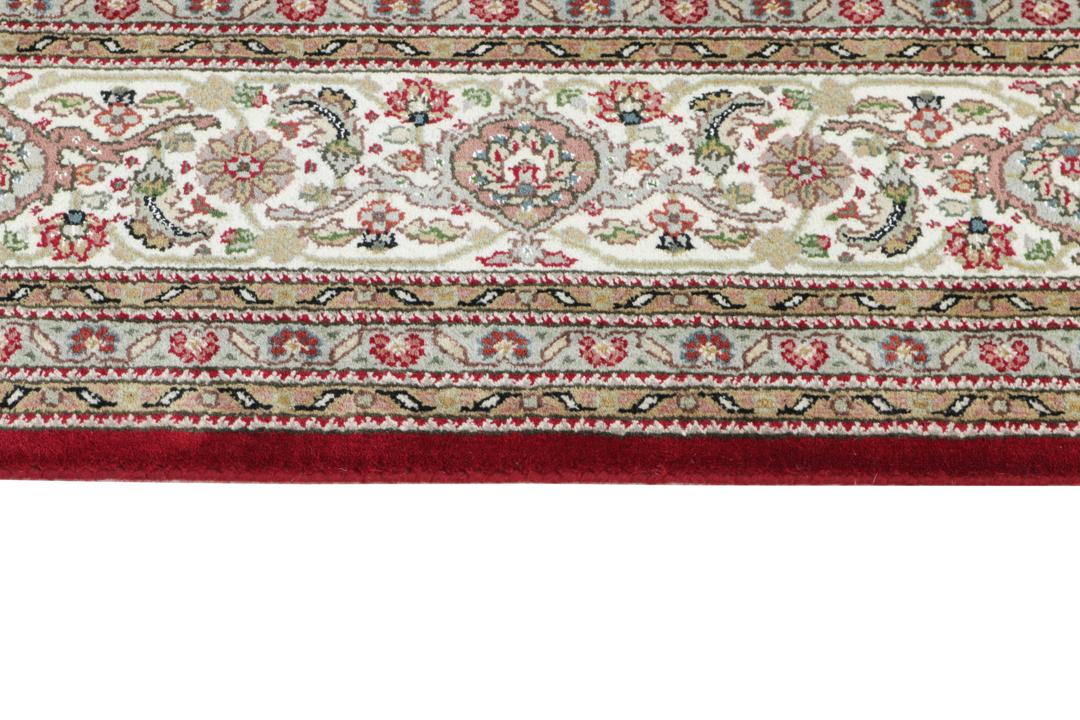
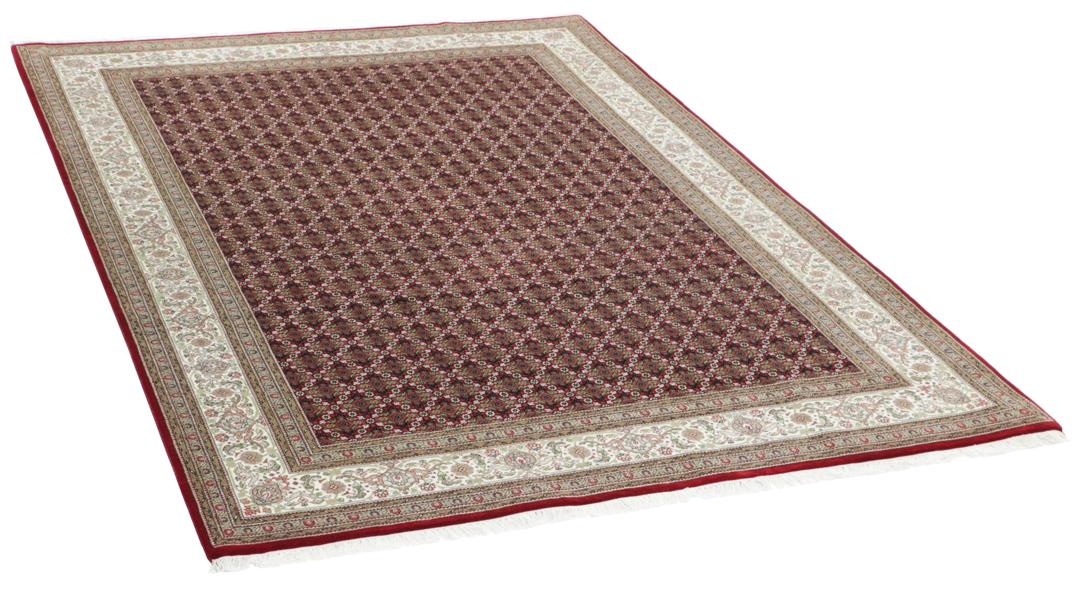
Visually, Tabriz rugs are known for their complex and often balanced compositions. They frequently feature central medallions, elaborate floral sprays, and dense, interconnected vine scrolls that cover the field. The borders are typically wide and highly detailed, serving as a formal frame that complements the central design with repeating geometric or botanical elements.
Owning a piece from this tradition is an investment in cultural heritage and skill. These rugs are highly sought after by collectors who appreciate the dedication required to create such complex patterns by hand. To have one in your home is to possess a tangible connection to a storied craft that prioritises both lasting quality and artistic beauty.