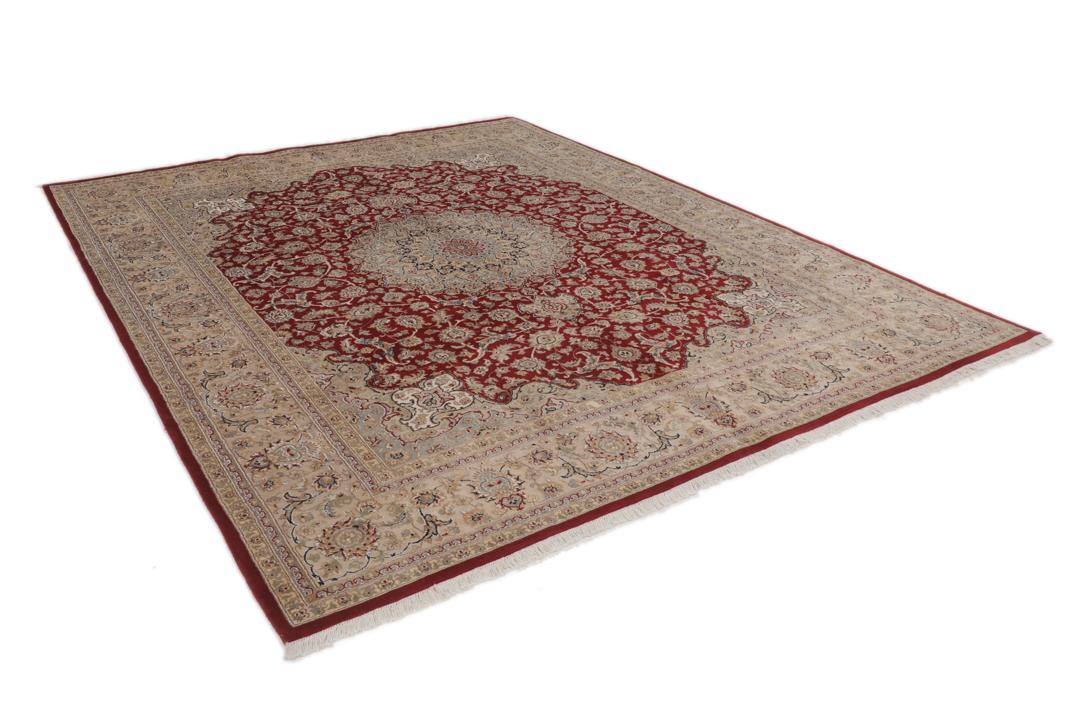
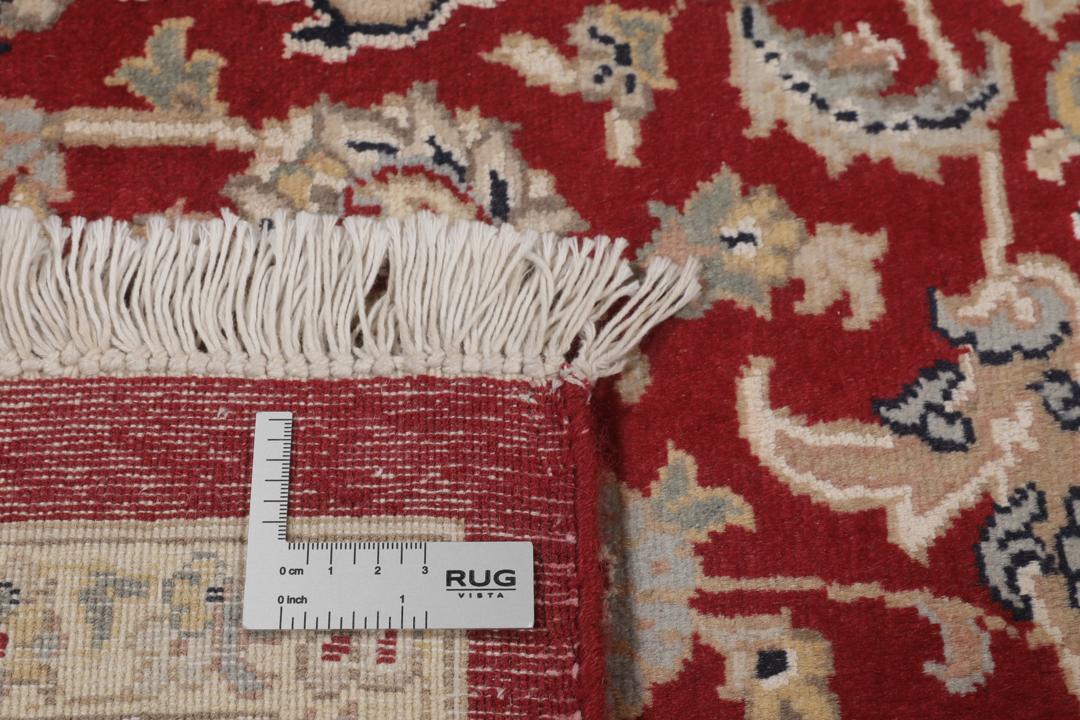
Tabriz rugs originate from the historic city of Tabriz in the northwestern Middle East, a centre of carpet weaving for centuries. These rugs are celebrated for their technical sophistication and their ability to draw inspiration from diverse artistic traditions. While the style has historical roots in the Middle East, today it is masterfully interpreted by artisans across the globe, including in India, where the tradition of fine weaving continues to flourish.
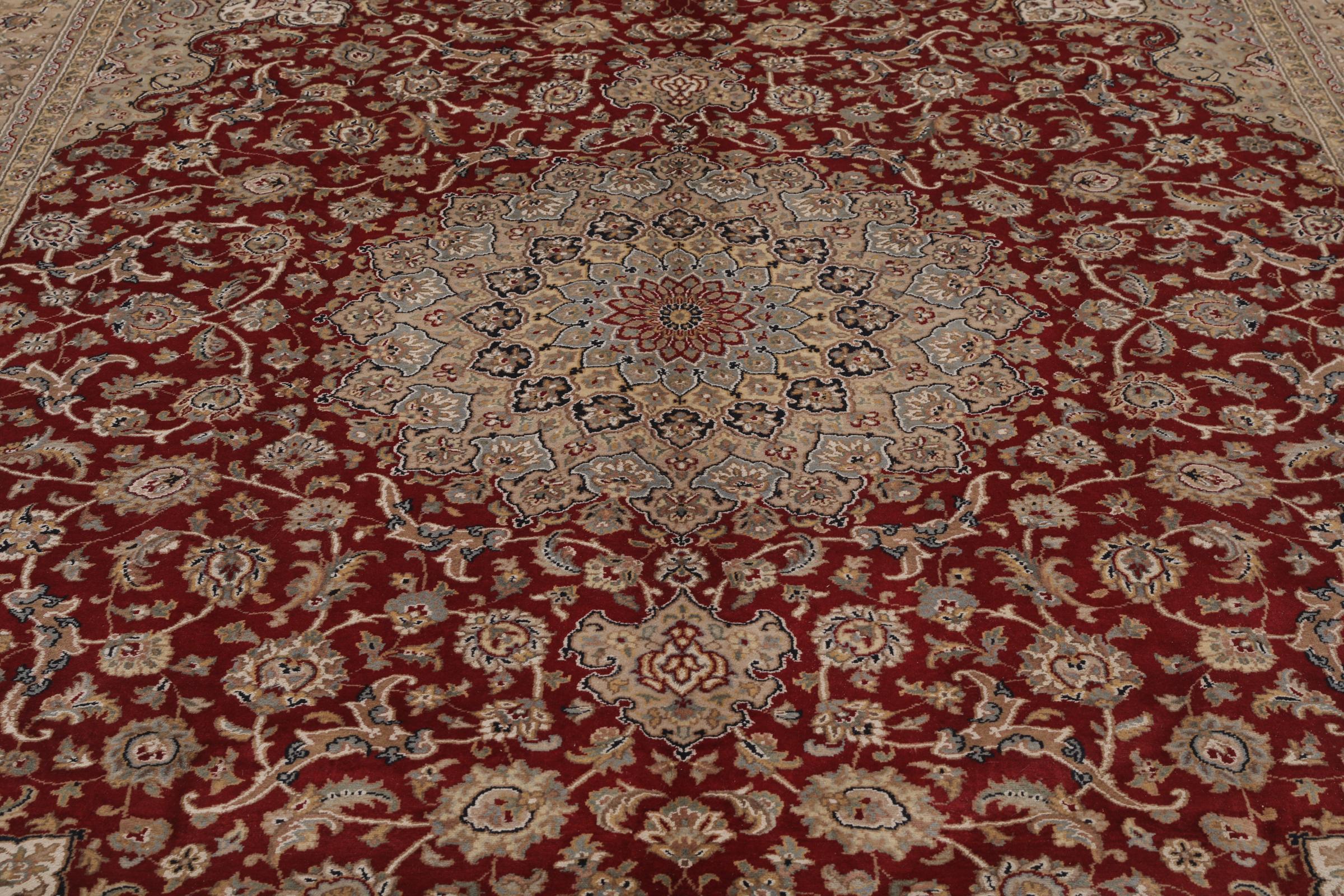
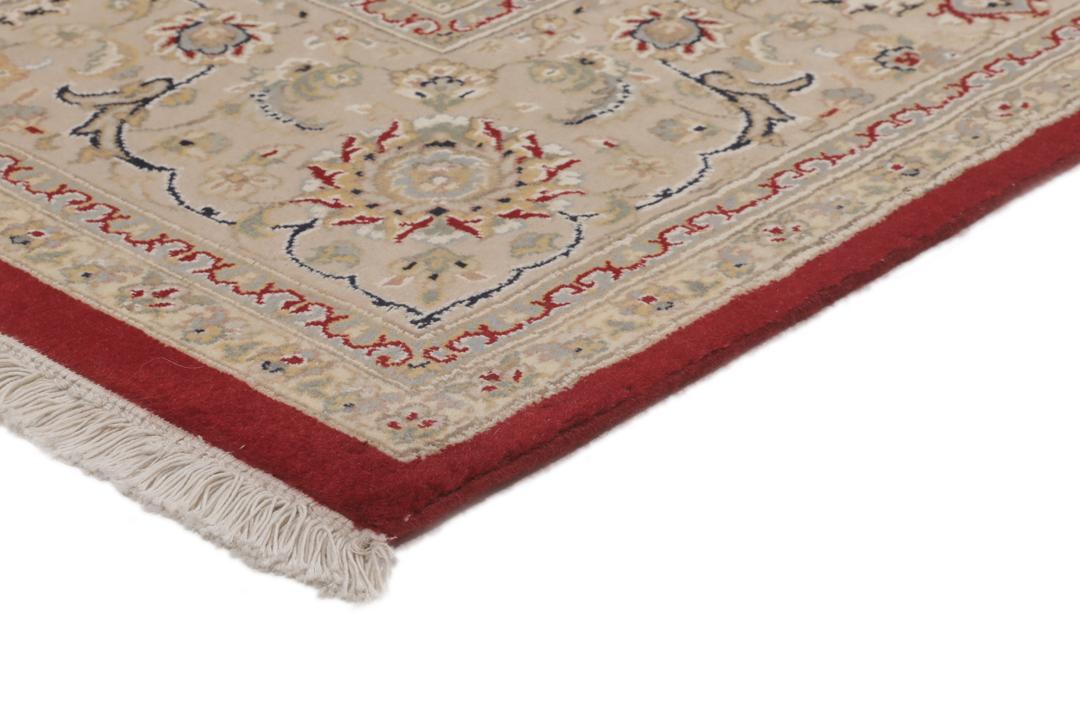
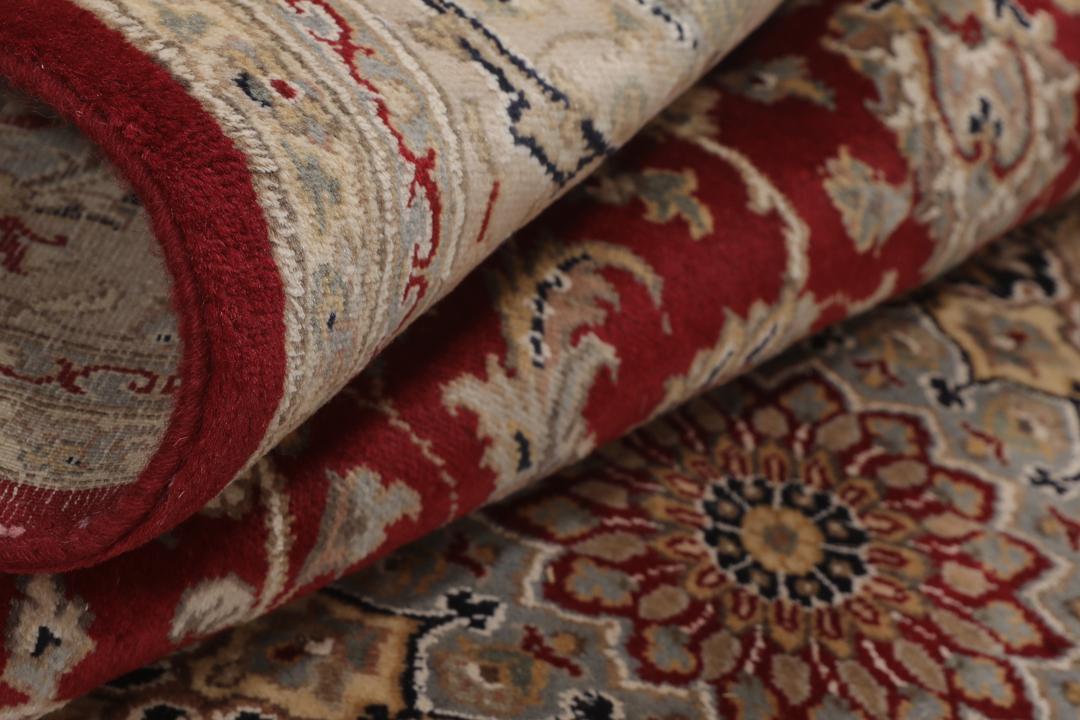
The term 'Tabriz' is synonymous with high-quality, dense construction. The technique involves a meticulous knotting process where each strand is carefully secured to create a durable and intricate surface. This density is not just for show; it is what allows for the incredibly sharp, curvilinear patterns that are the hallmark of the style, ensuring the design remains crisp and clear even after years of use.
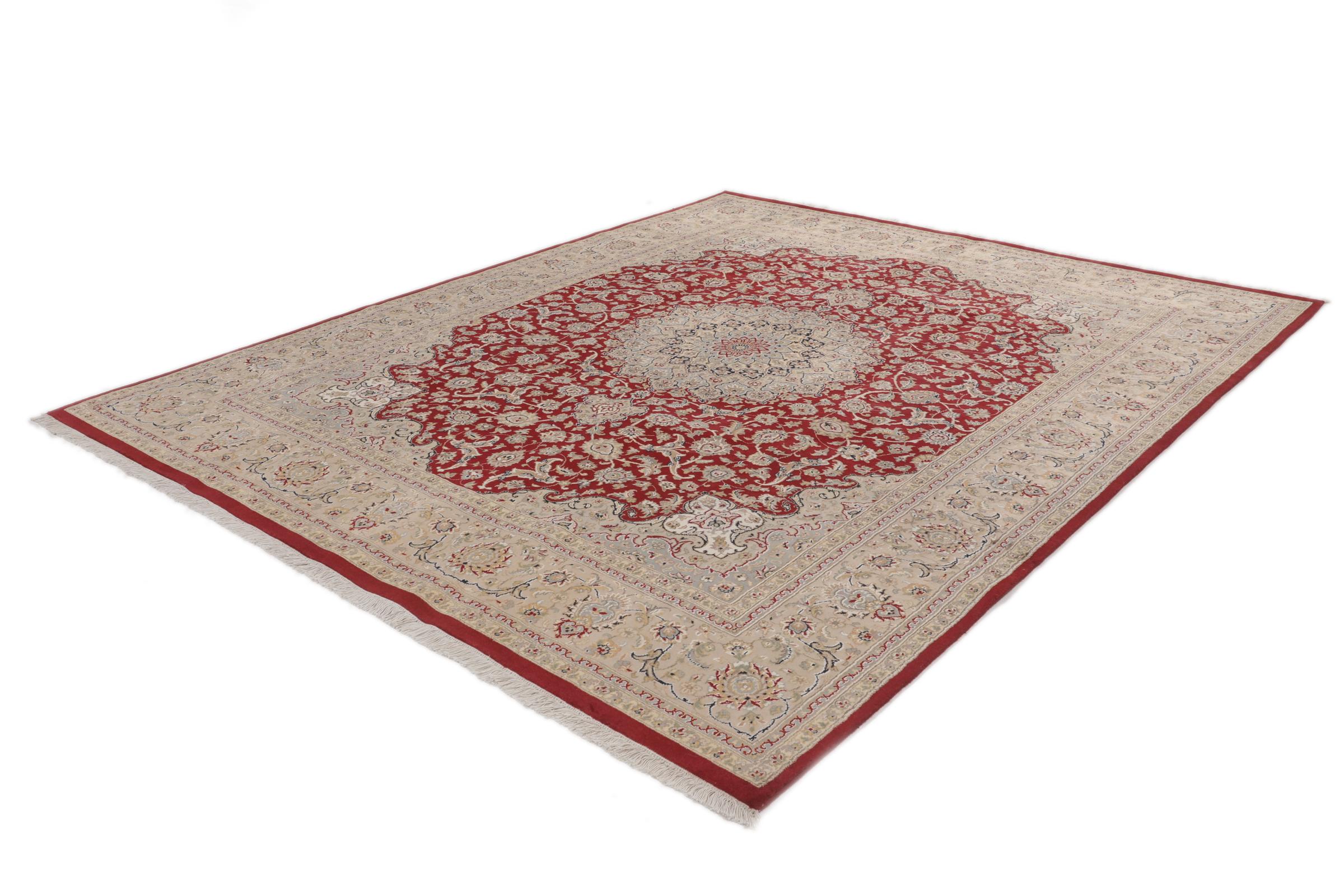
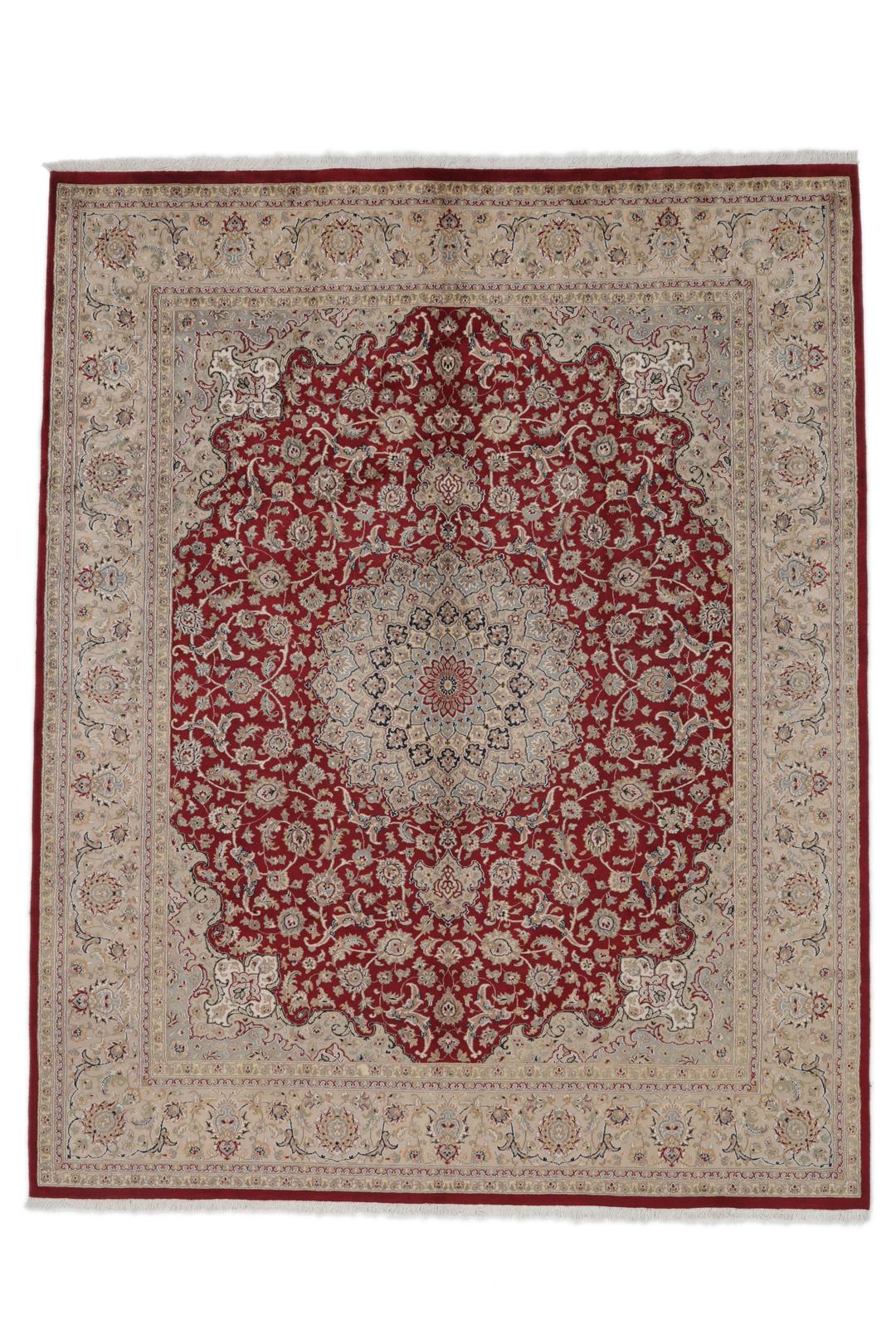
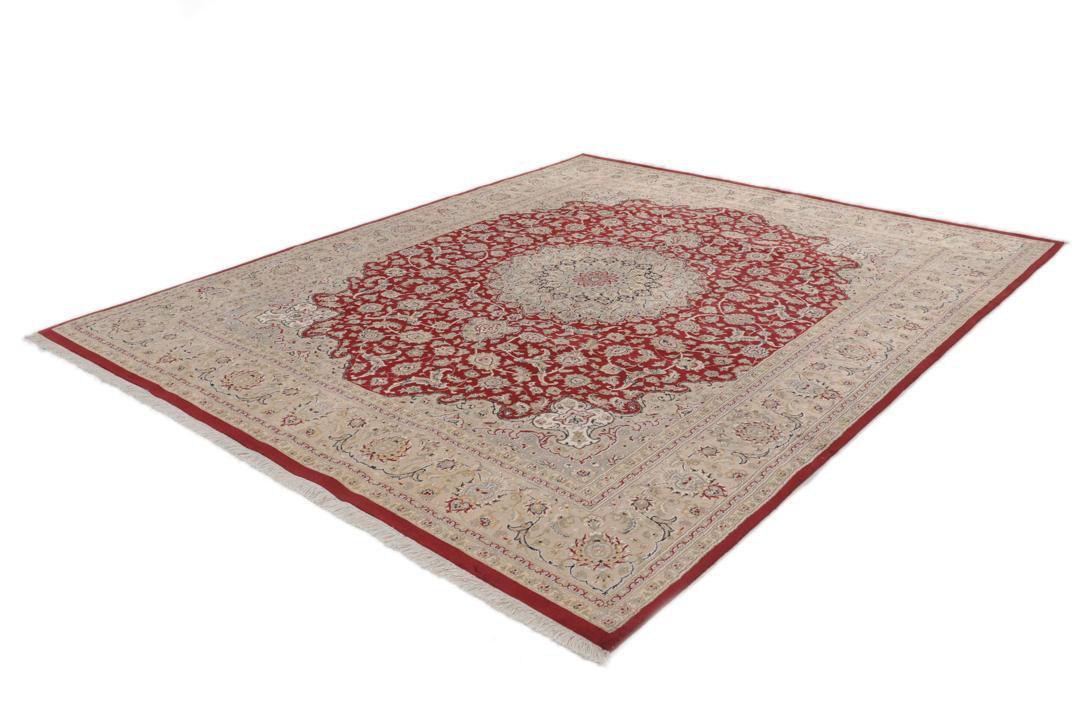
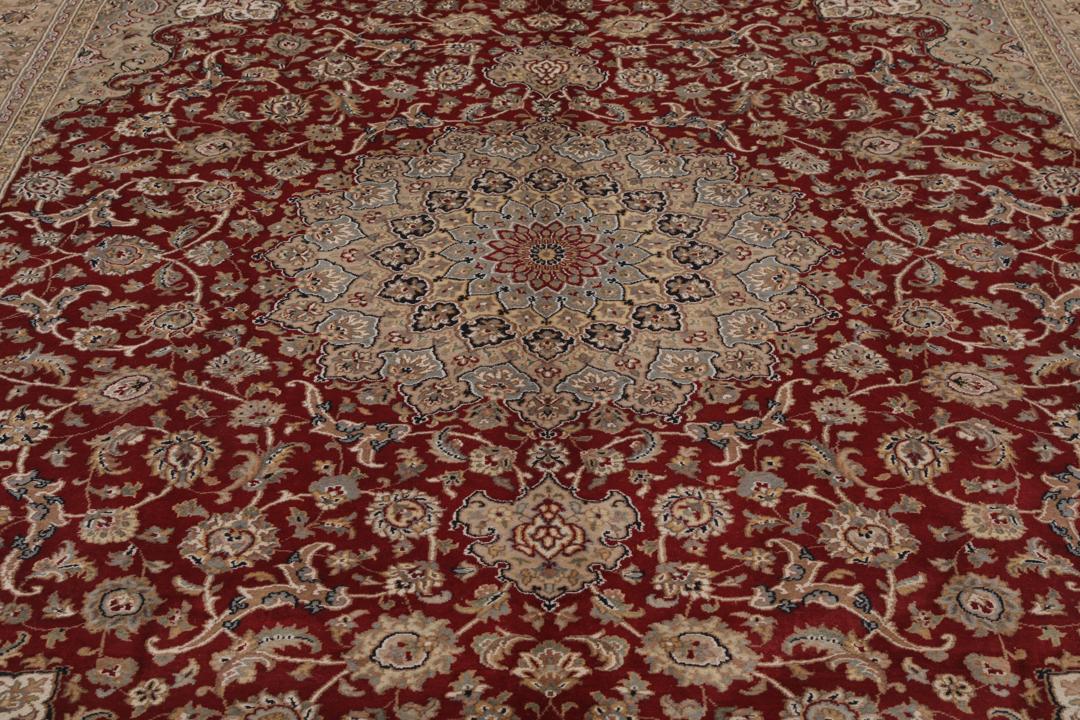
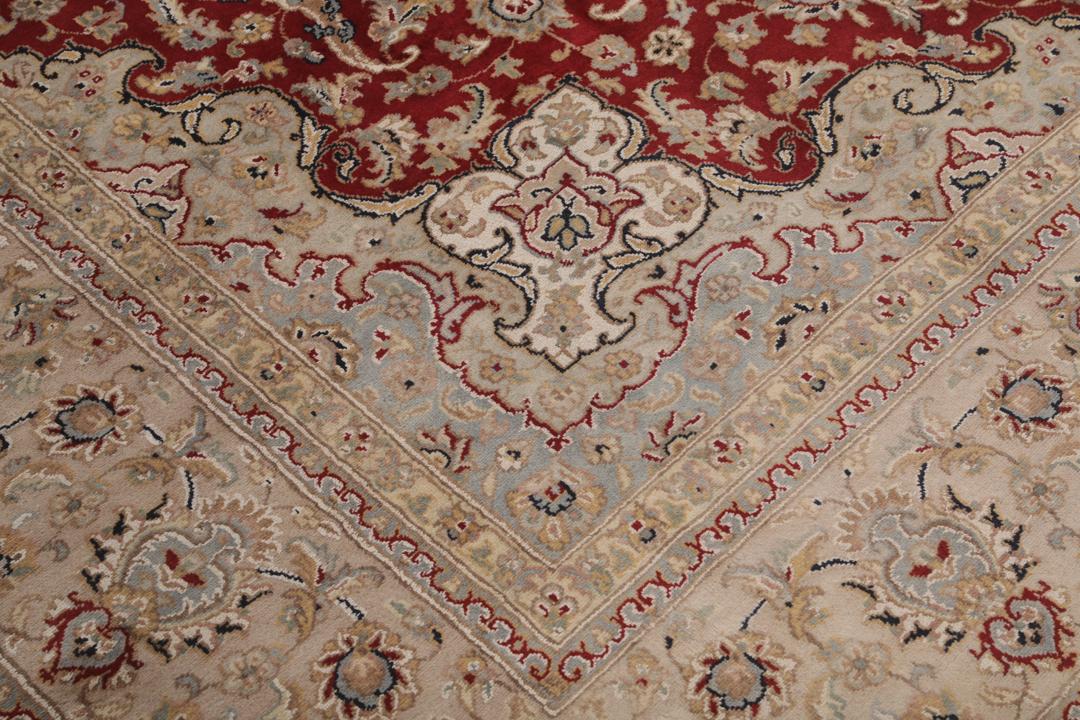
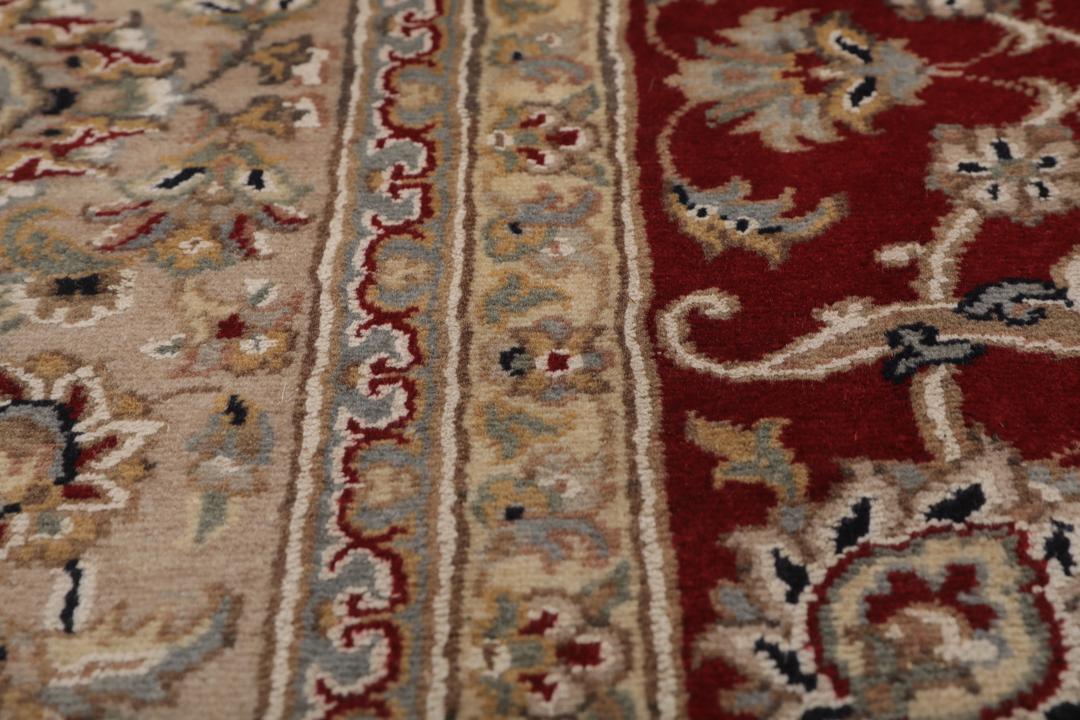
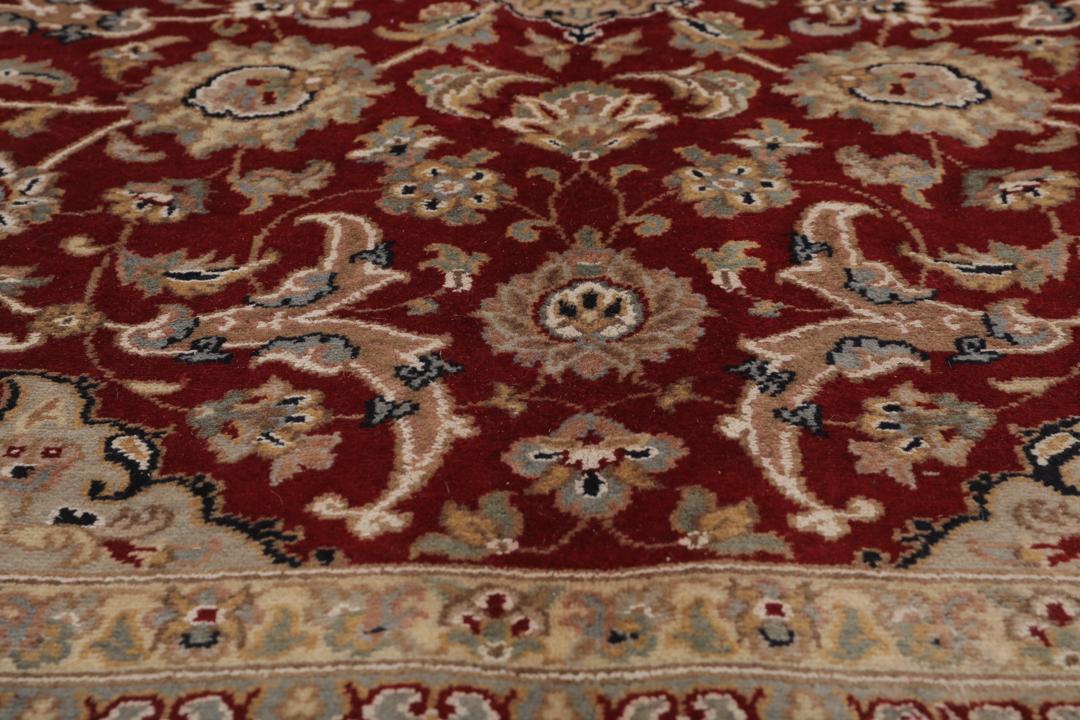
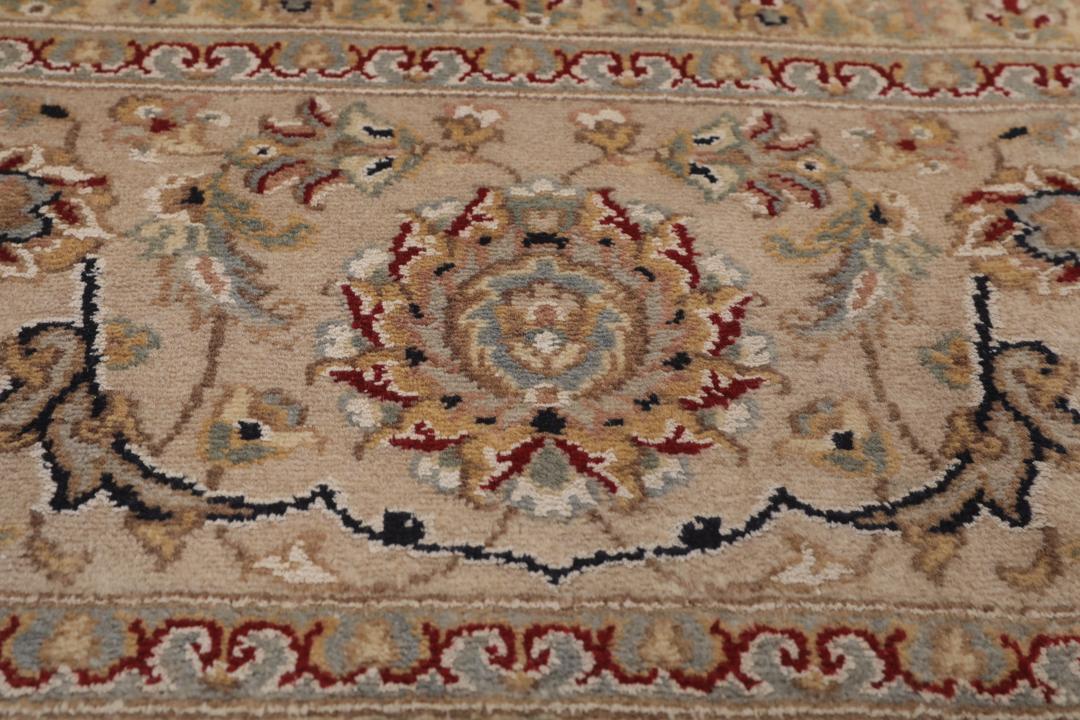
Visually, Tabriz rugs are known for their formal layout, typically featuring a large central medallion surrounded by a field of densely packed floral scrolls, palmettes, and vines. The borders are often elaborate, featuring multiple bands that frame the central design. This specific piece maintains that traditional visual language, using a balanced arrangement that creates a sense of harmony and structure.
Owning a Tabriz rug is an investment in a long-standing craft tradition. These rugs are valued by collectors not only for their beauty but for the immense skill required to bring such complex designs to life. To possess one is to own a piece of functional art that honours a centuries-old history of design and manual dexterity.