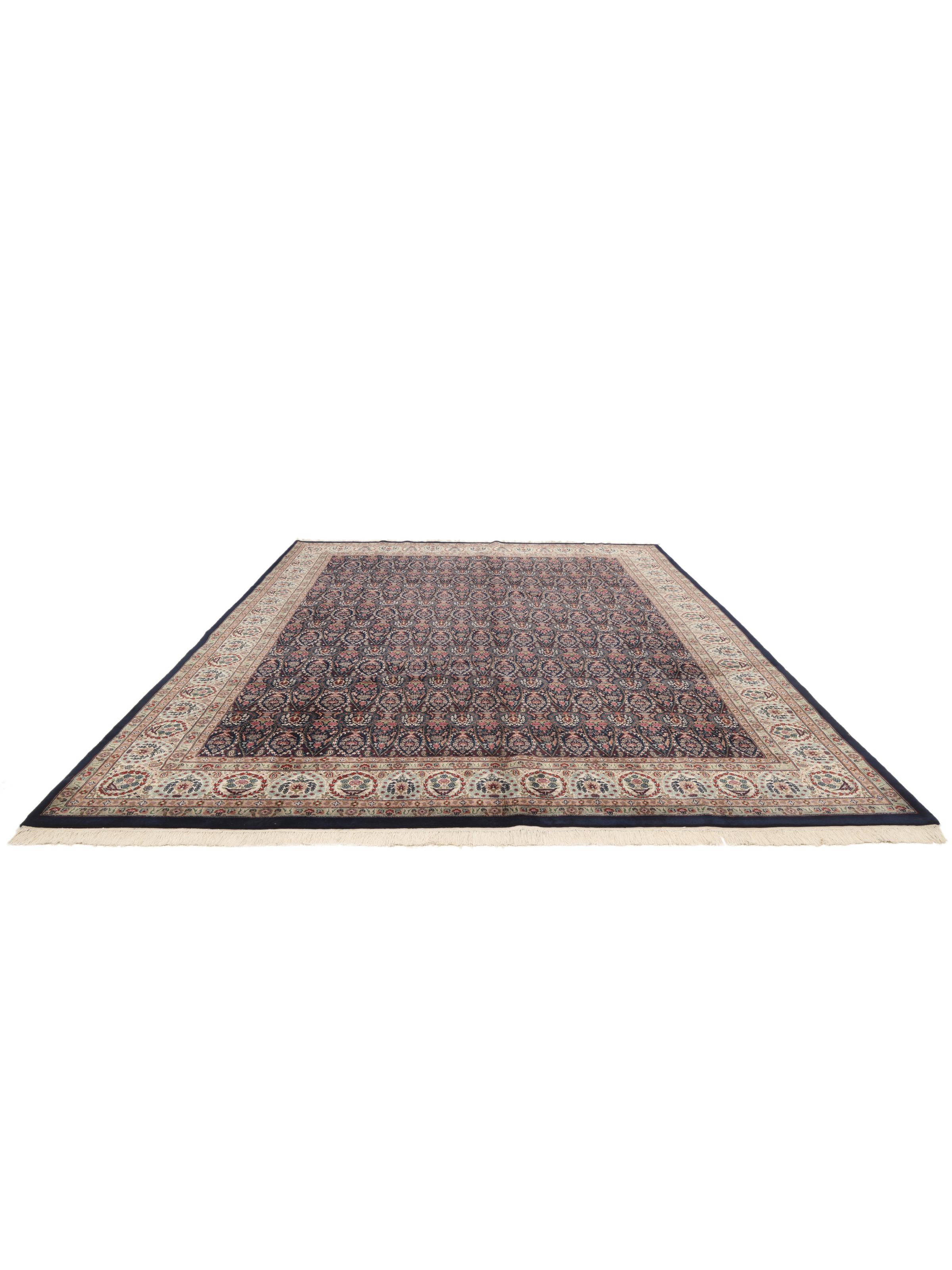
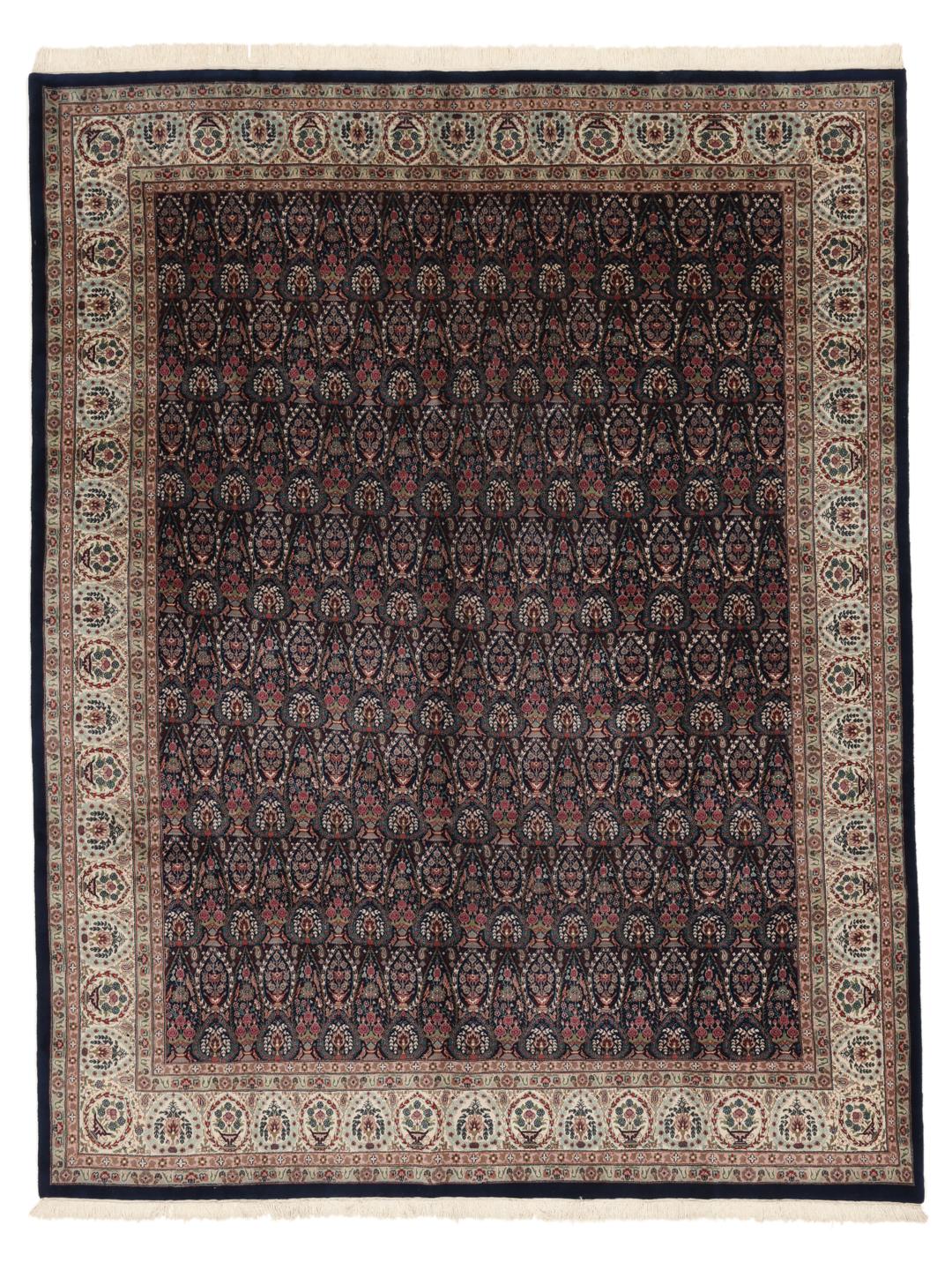
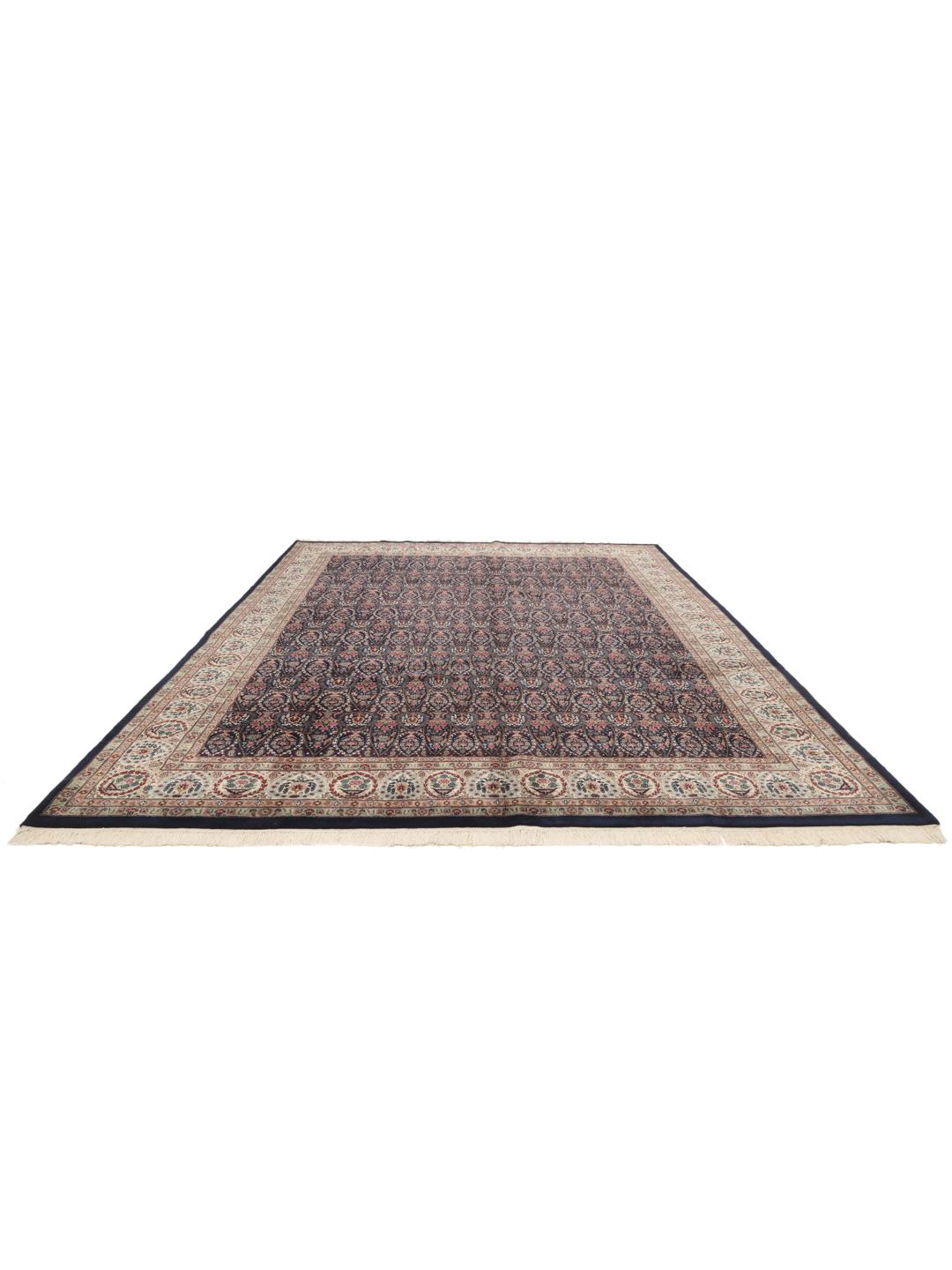
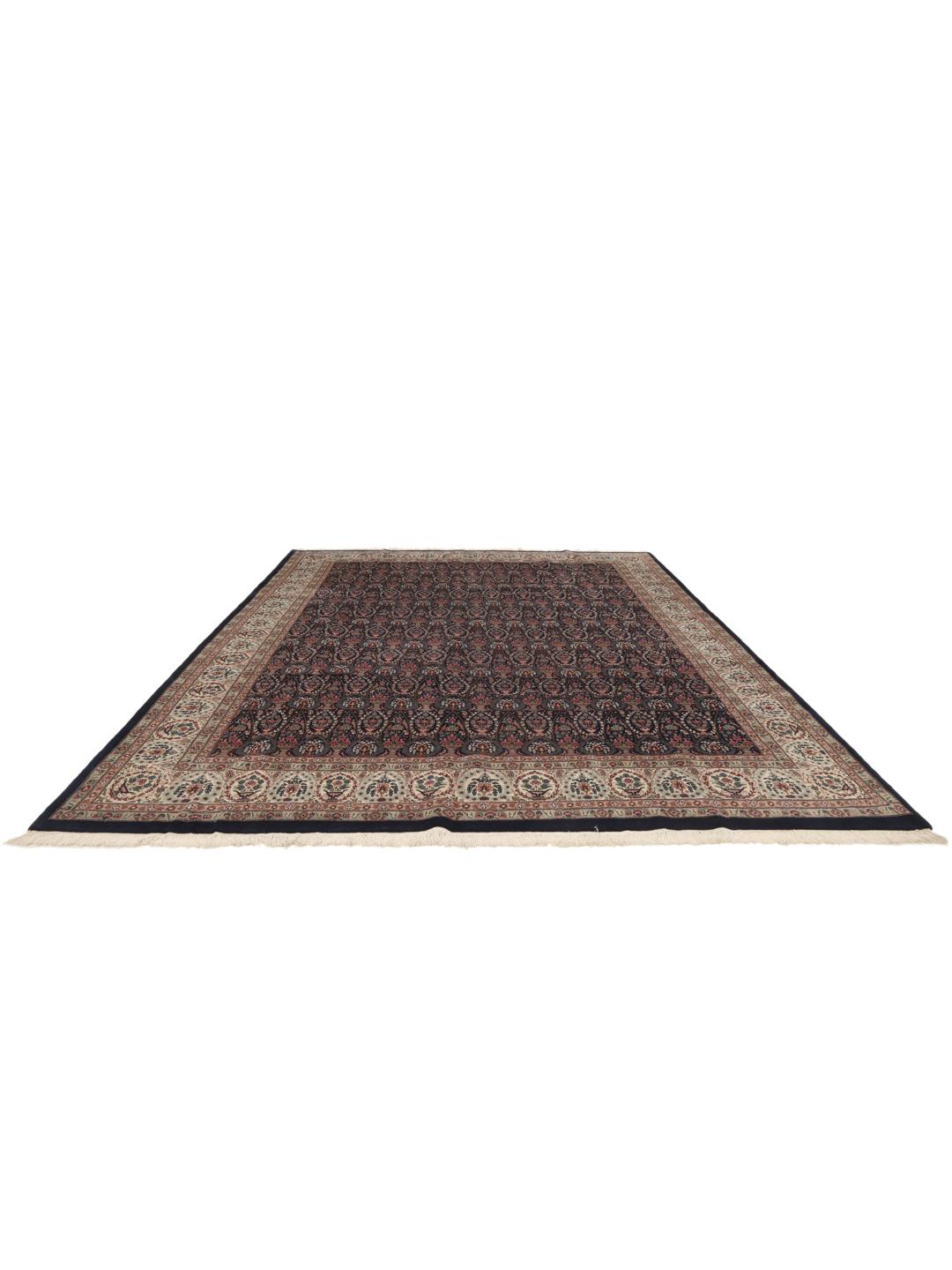
The Tabriz rug tradition hails from the historic city of Tabriz, located in the northwestern part of the Middle East. This region has long been a major hub for trade and artistic exchange, serving as a crossroads for travellers and merchants for centuries. While the style originated in this storied city, its influence and production have spread, with highly skilled artisans in India now carrying on the legacy of these intricate designs.
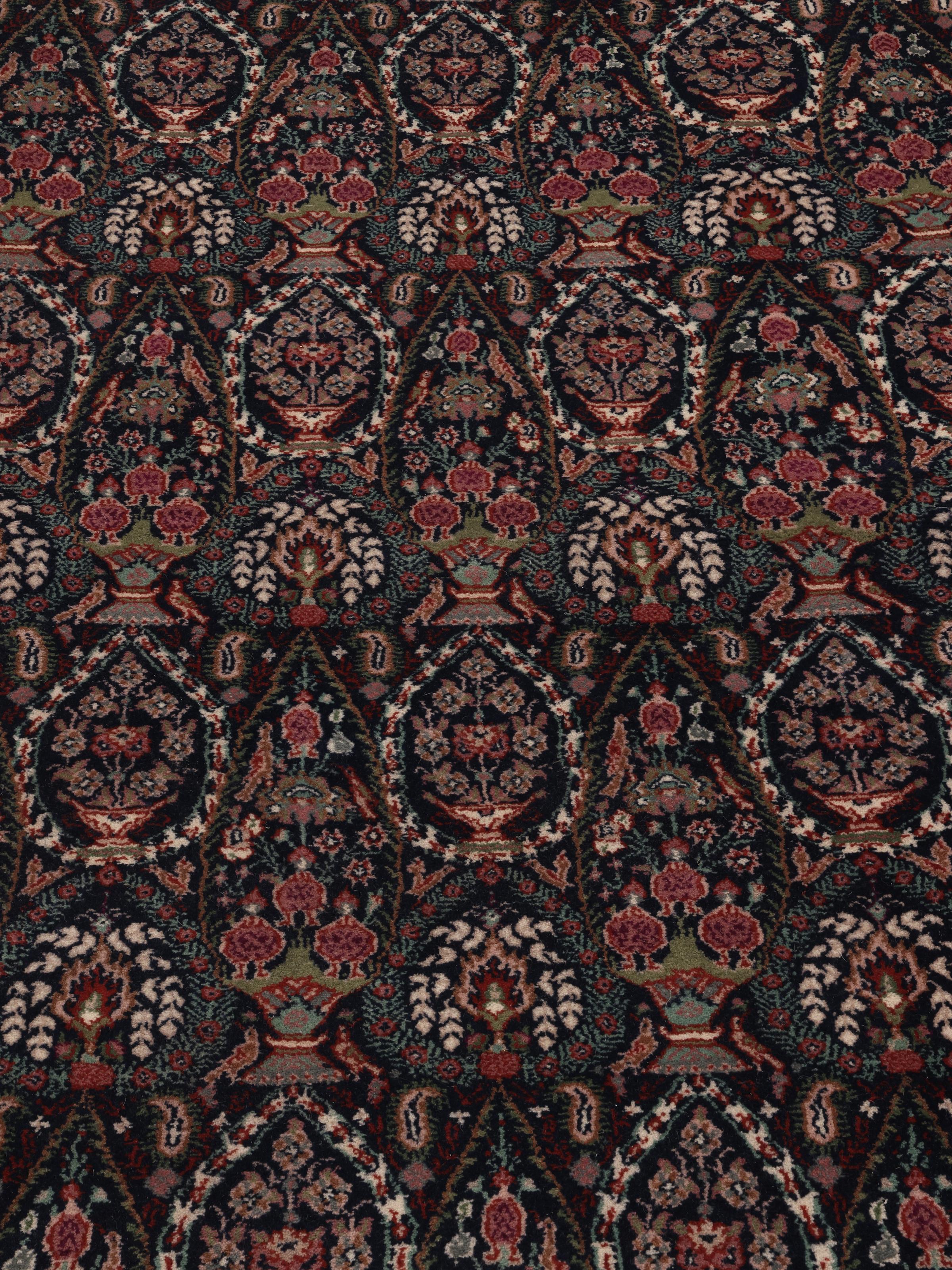
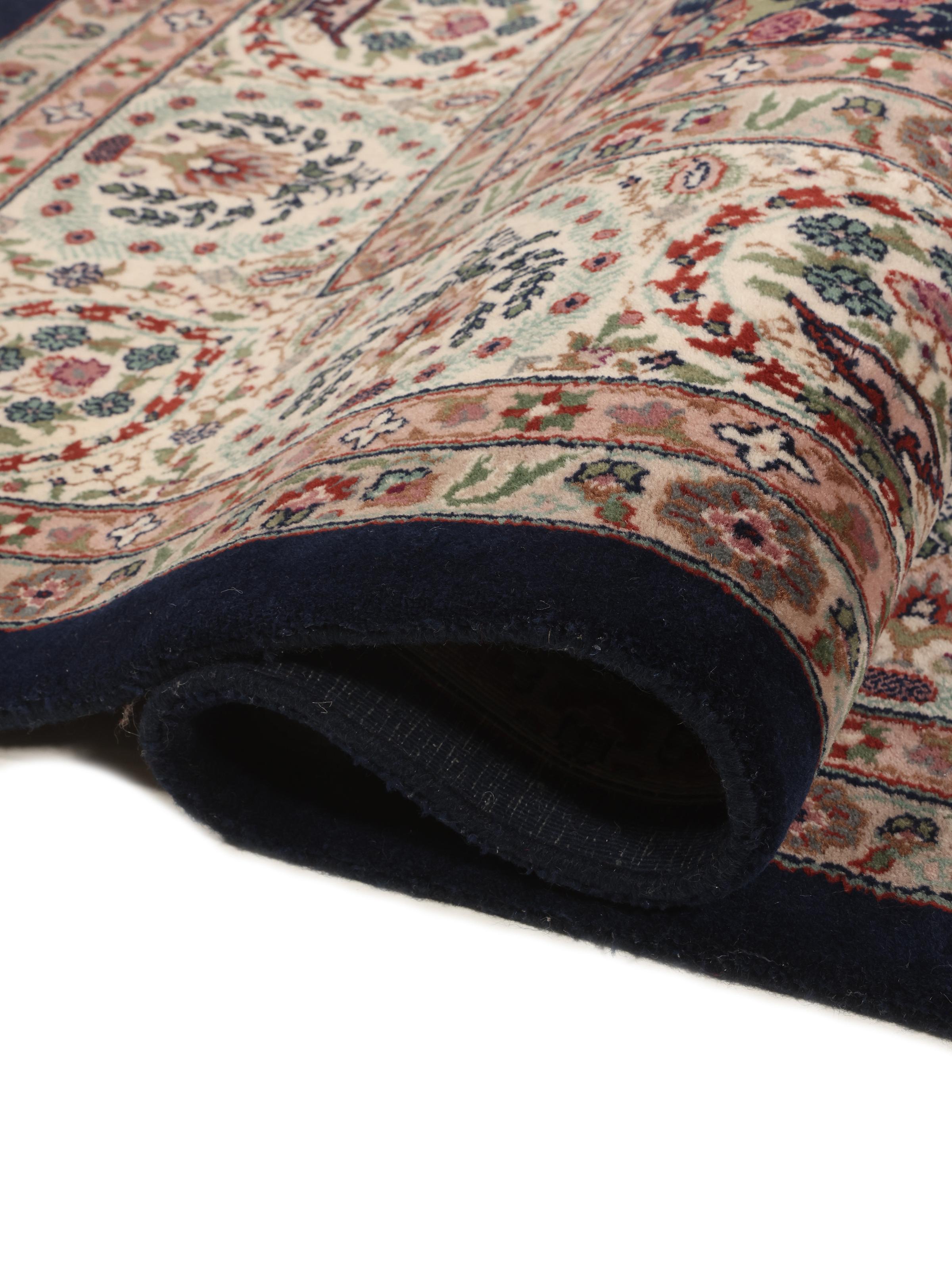
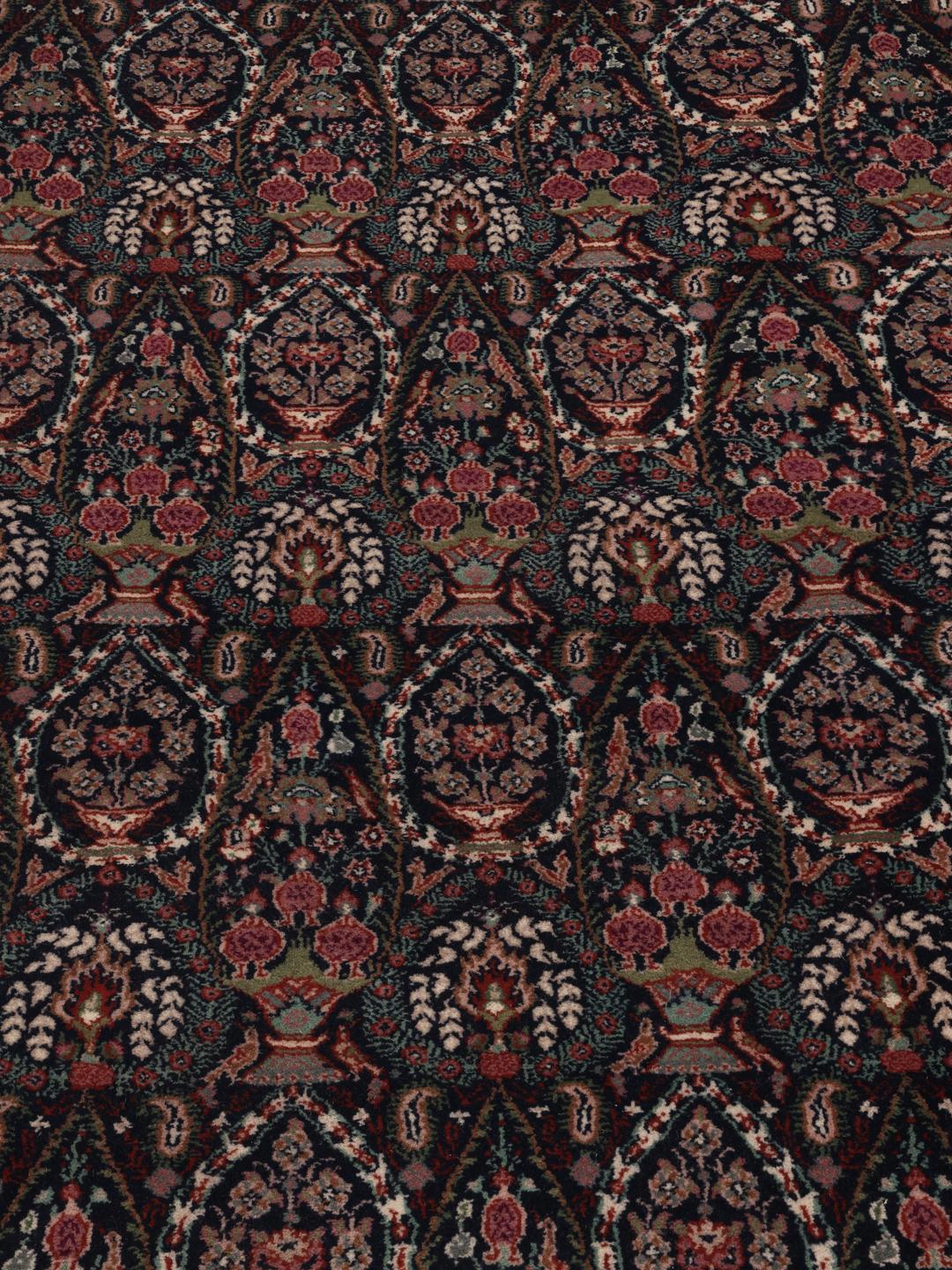
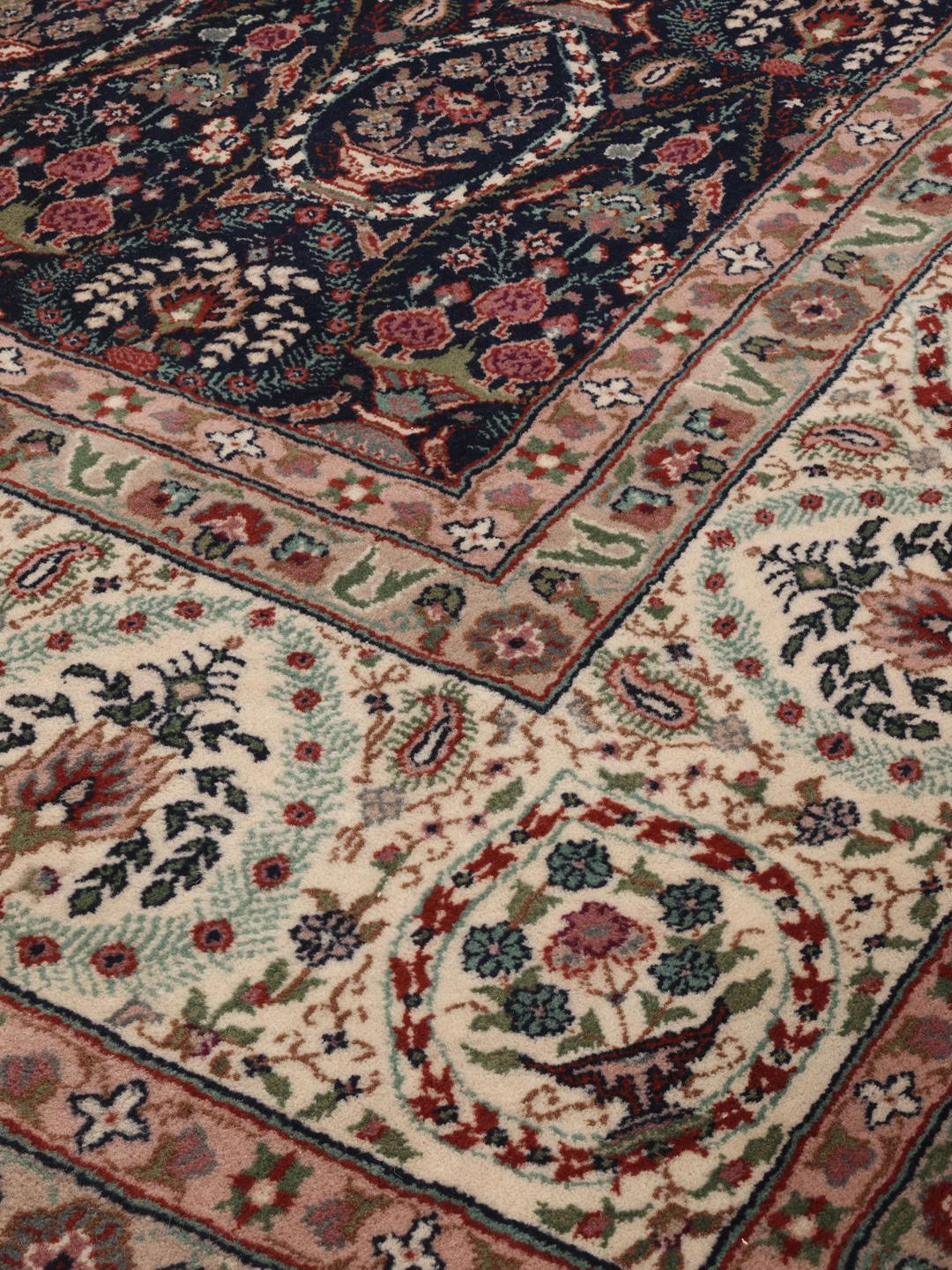
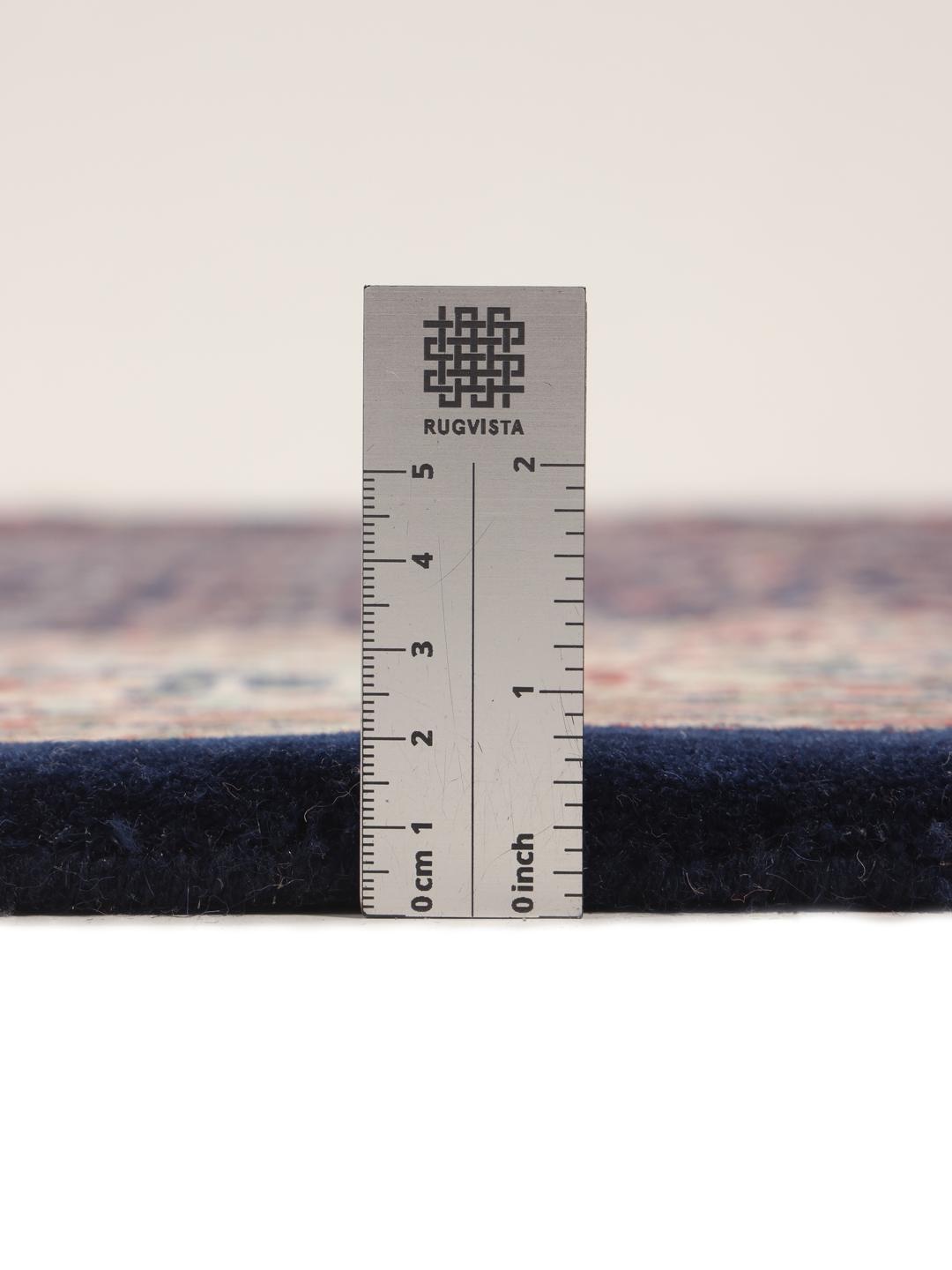
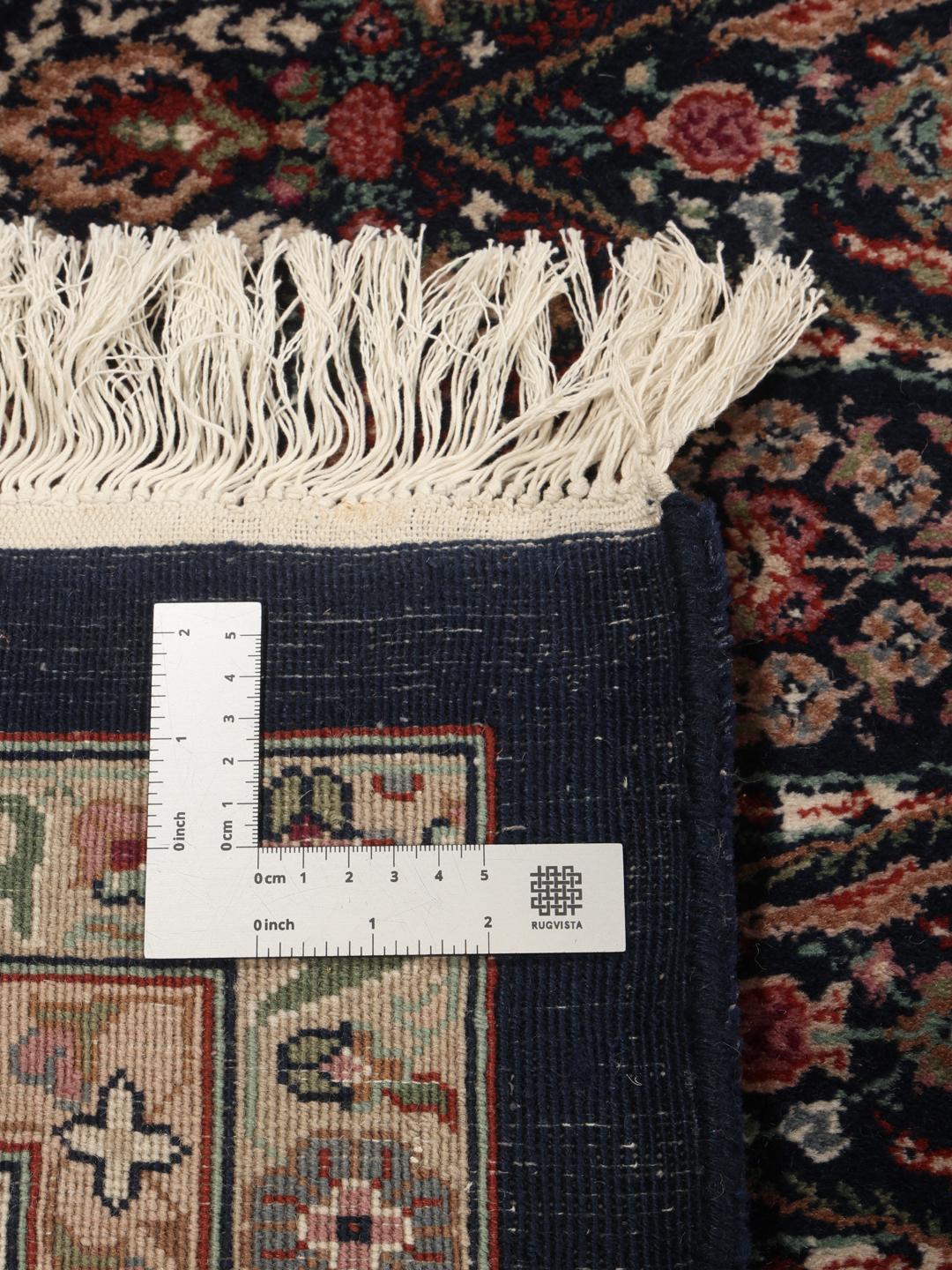
A key aspect of this craft is the construction, which emphasises a dense, durable pile. When we talk about the quality of these rugs, we are referring to the intentional way the materials are selected and knotted to ensure longevity. The density of the knots is what allows the patterns to remain sharp and the pile to feel substantial, providing a tactile experience that only a hand-crafted rug can offer.
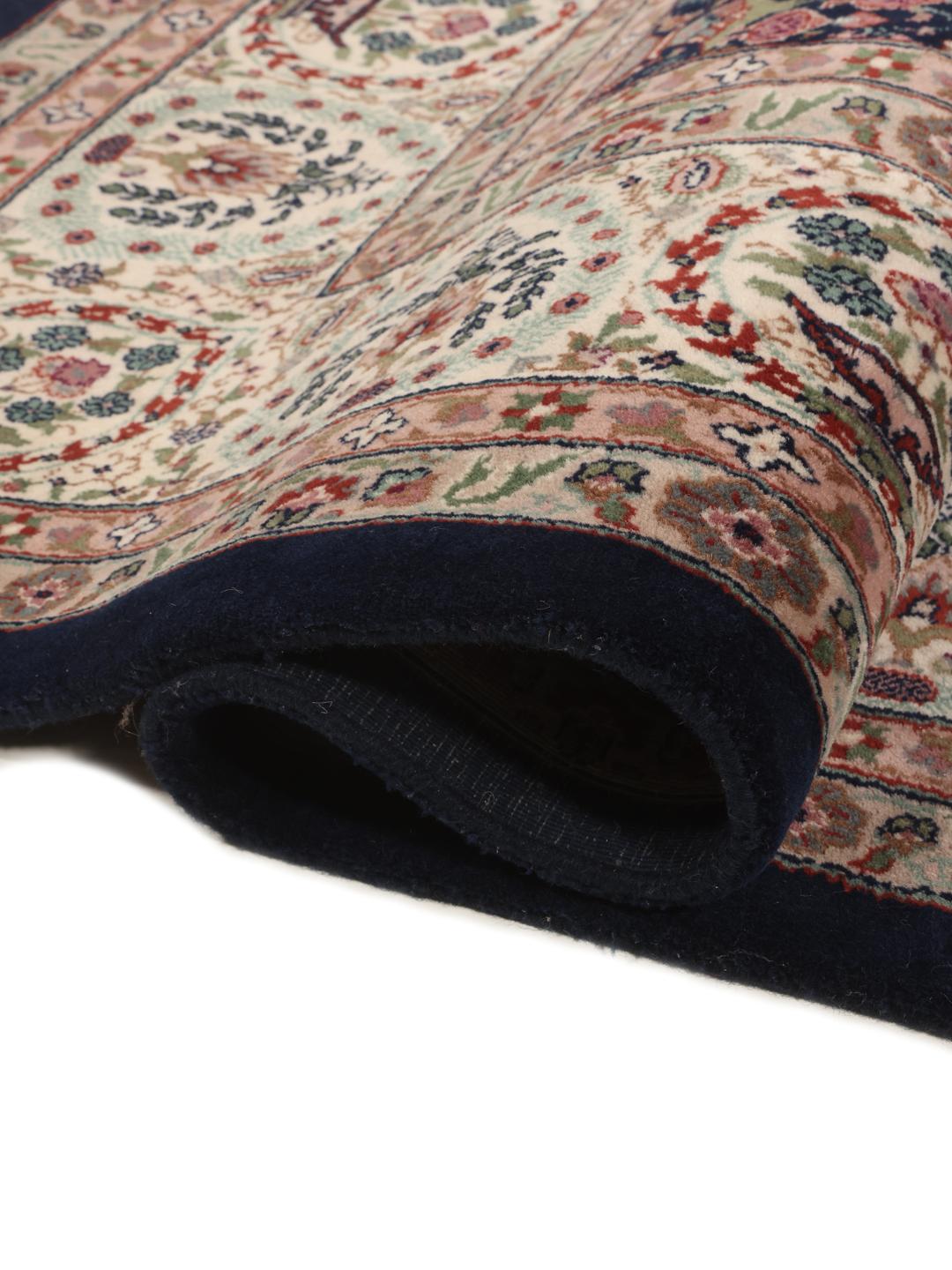
Visually, Tabriz rugs are known for their sophisticated use of space and colour. They often feature complex central medallions surrounded by elaborate floral arrangements, leaves, and scrolling vines. The border designs are equally detailed, often mirroring the motifs found in the field to create a cohesive and harmonious look. This specific rug uses a dark palette that enhances the traditional floral patterns, giving them a contemporary, moody feel.
Collecting a rug from this tradition is about more than just decor. It is an investment in a craft that has been passed down through generations, representing a bridge between the past and the present. Owning a piece like this means you are preserving a cultural history, where every pattern tells a story of the hands that created it and the tradition that guides it.