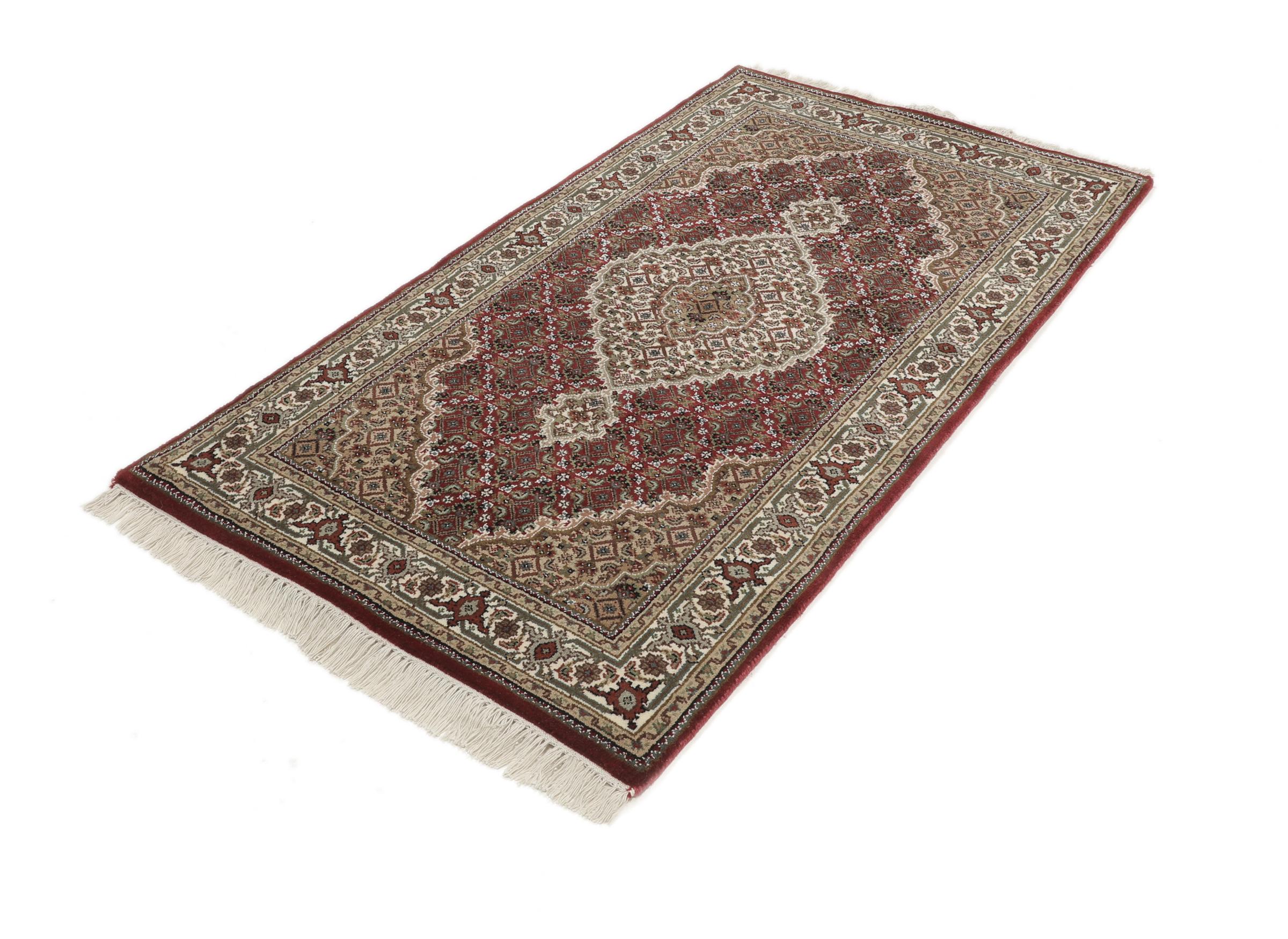
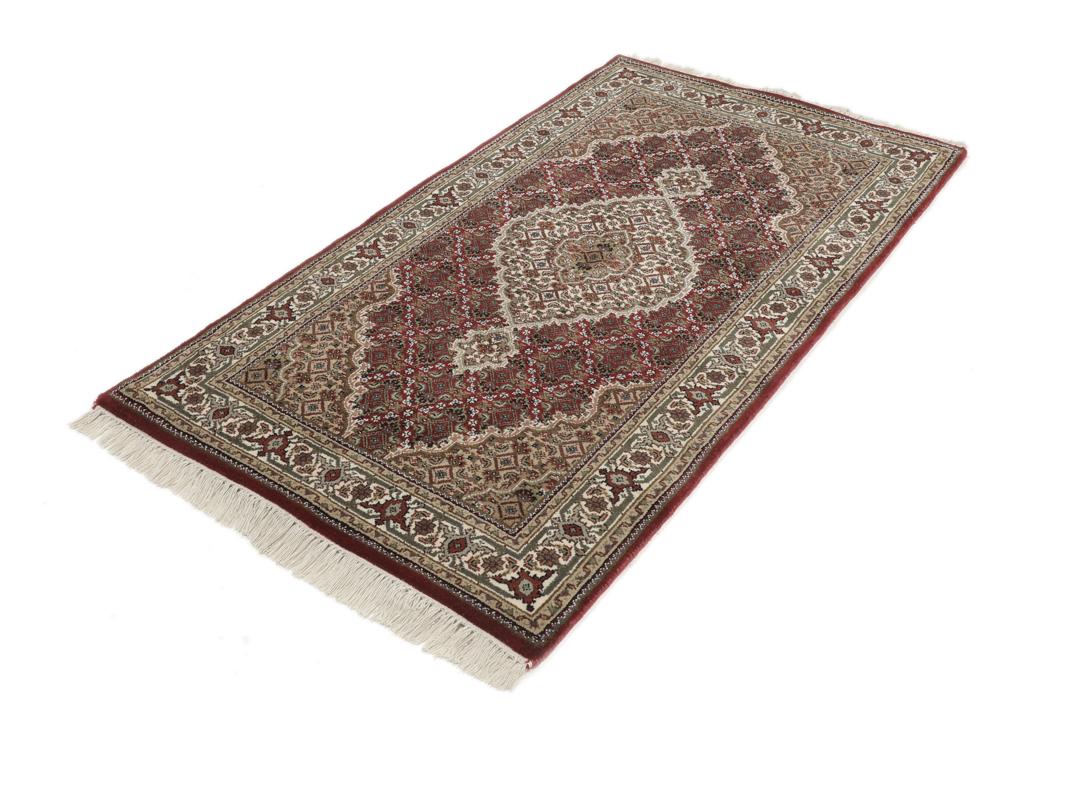
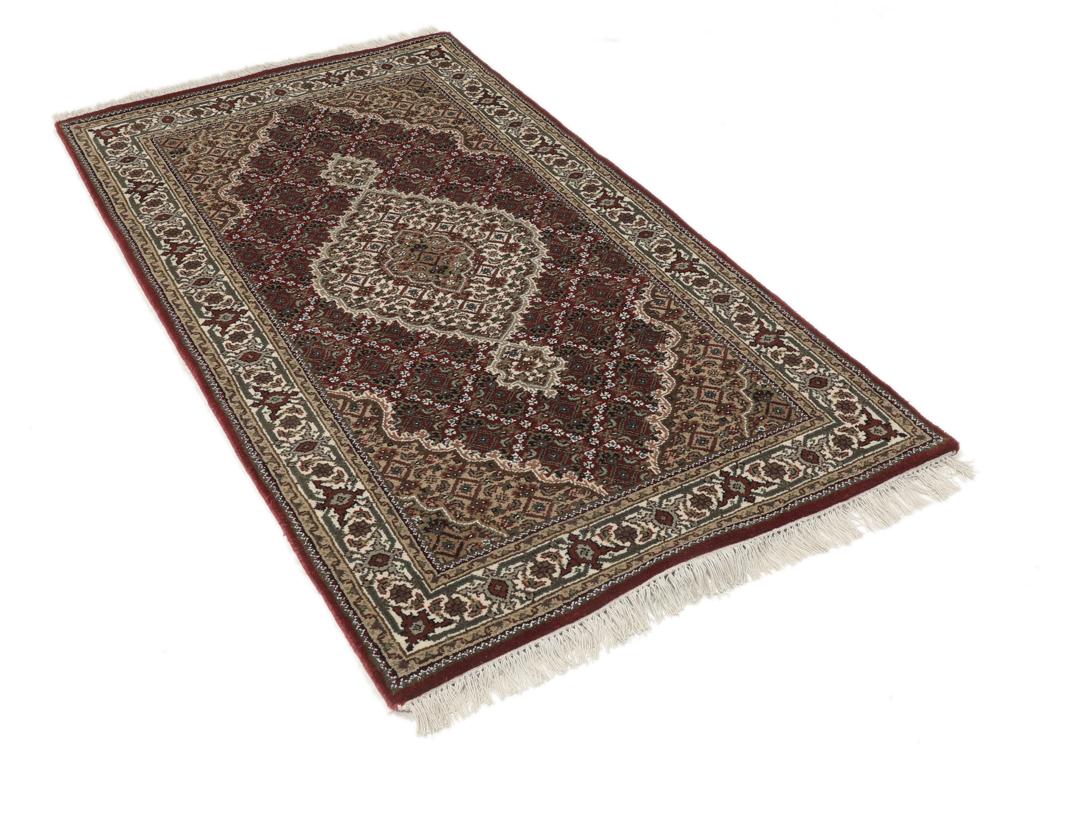
Tabriz rugs take their name from the historic city of Tabriz, located in the northwestern part of the Middle East. For centuries, this city has served as a vital centre of commerce and art, situated on the ancient trade routes that connected East and West. Today, the tradition of weaving these exquisite designs has spread globally, with India becoming a prominent region for producing rugs that honour these classic, intricate aesthetic standards.
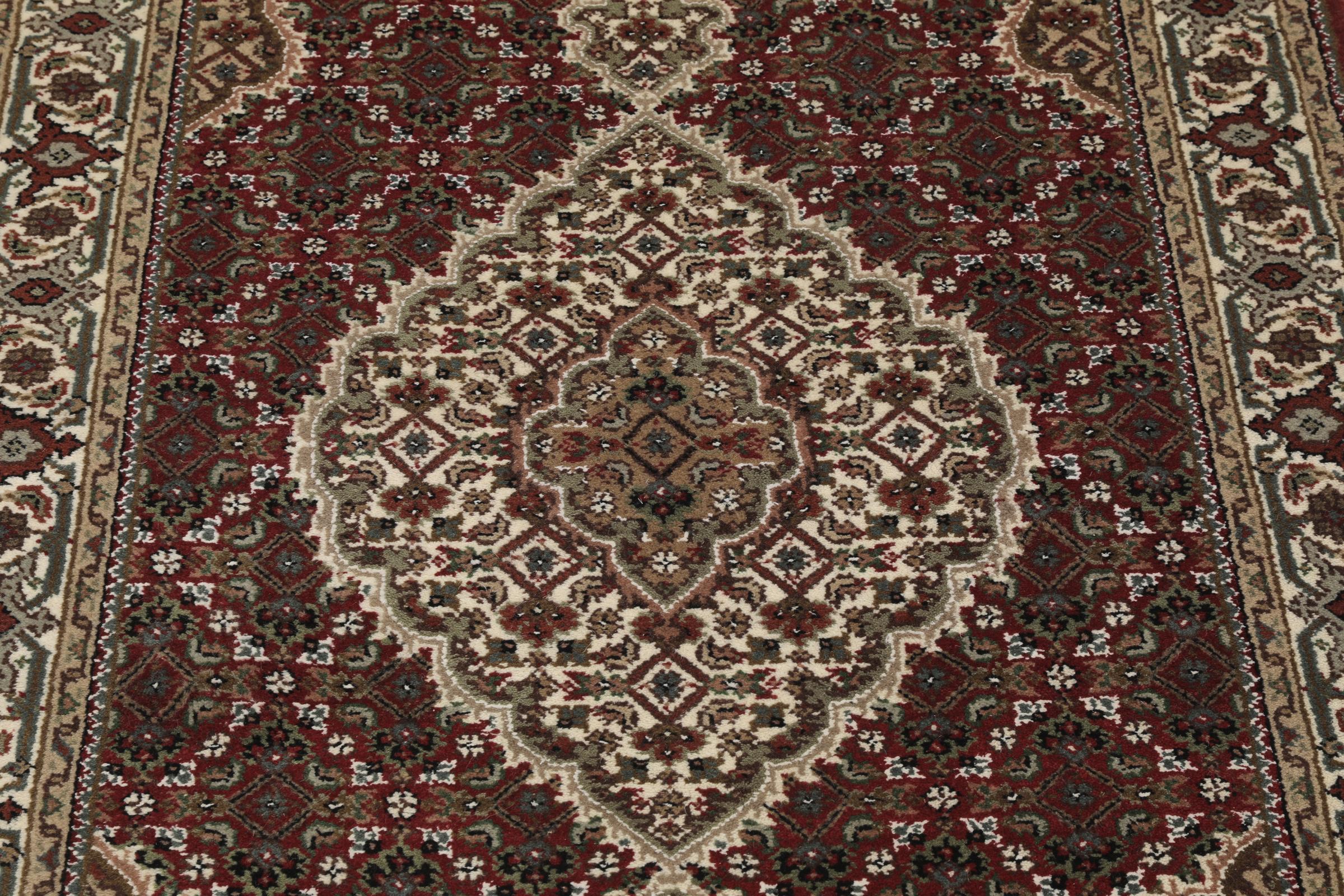
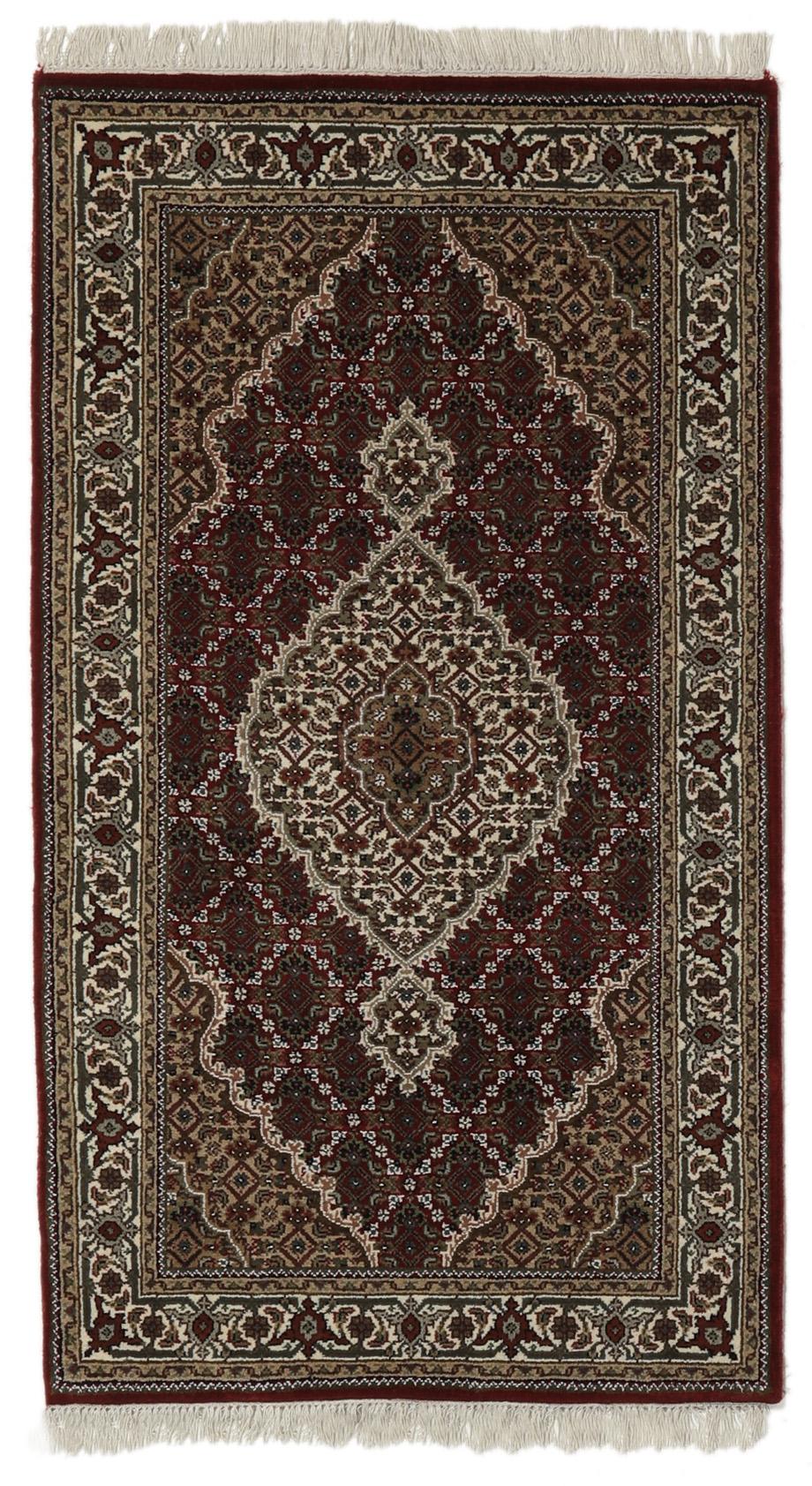
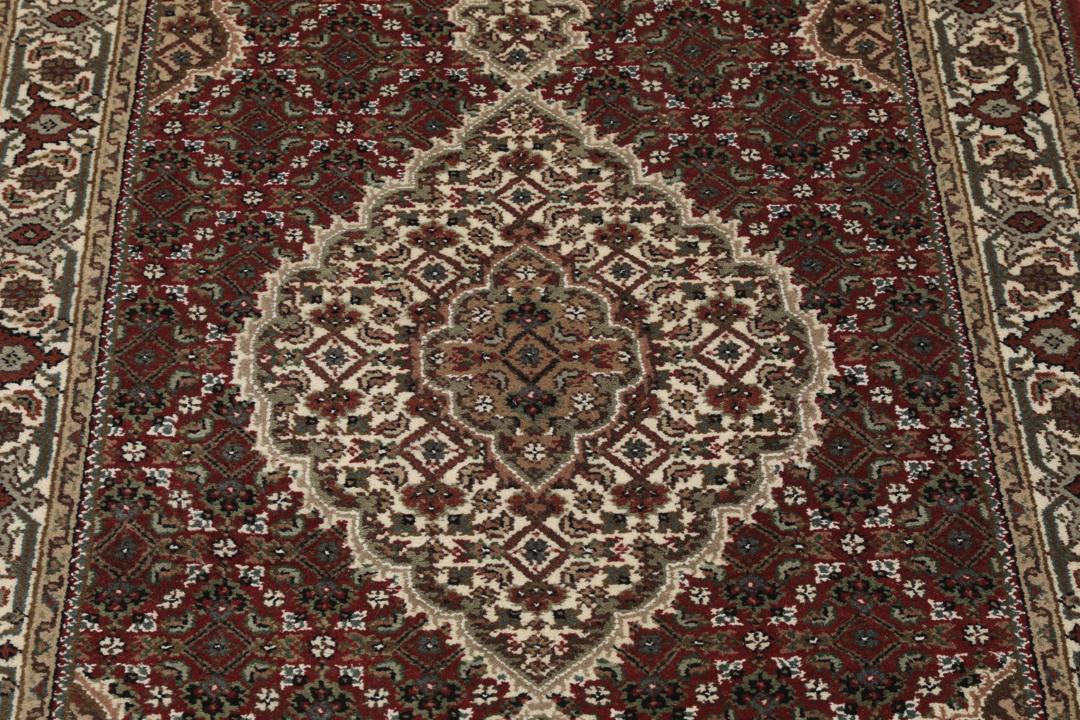
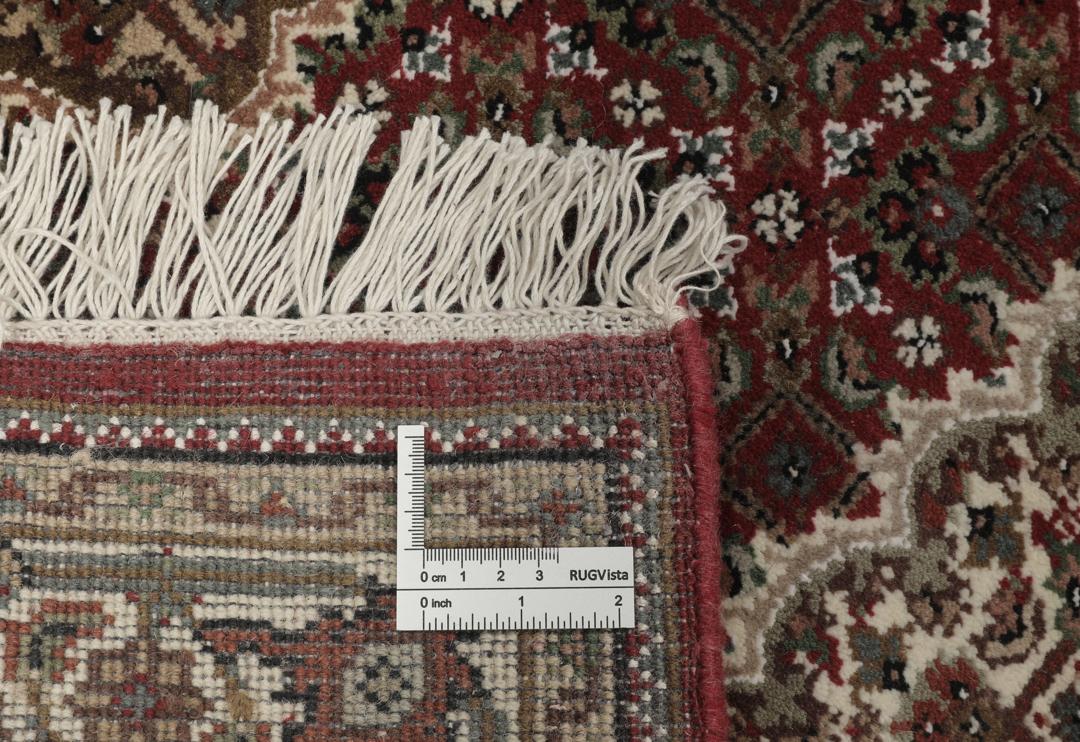
The term Tabriz is synonymous with a high level of technical mastery and design complexity. These rugs are often characterised by their intricate floral motifs and central medallions, which reflect the sophisticated gardens and architectural details of their cultural origins. The weaving process is a deliberate exercise in precision, ensuring that the elaborate curves and borders are executed with a consistency that defines the genre.
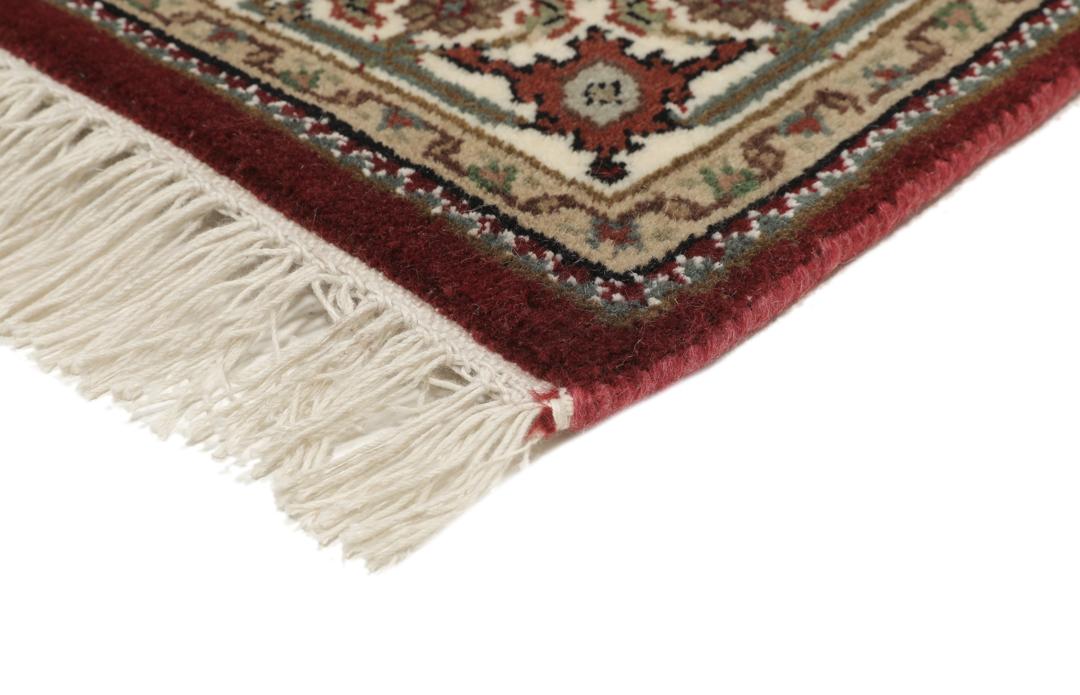
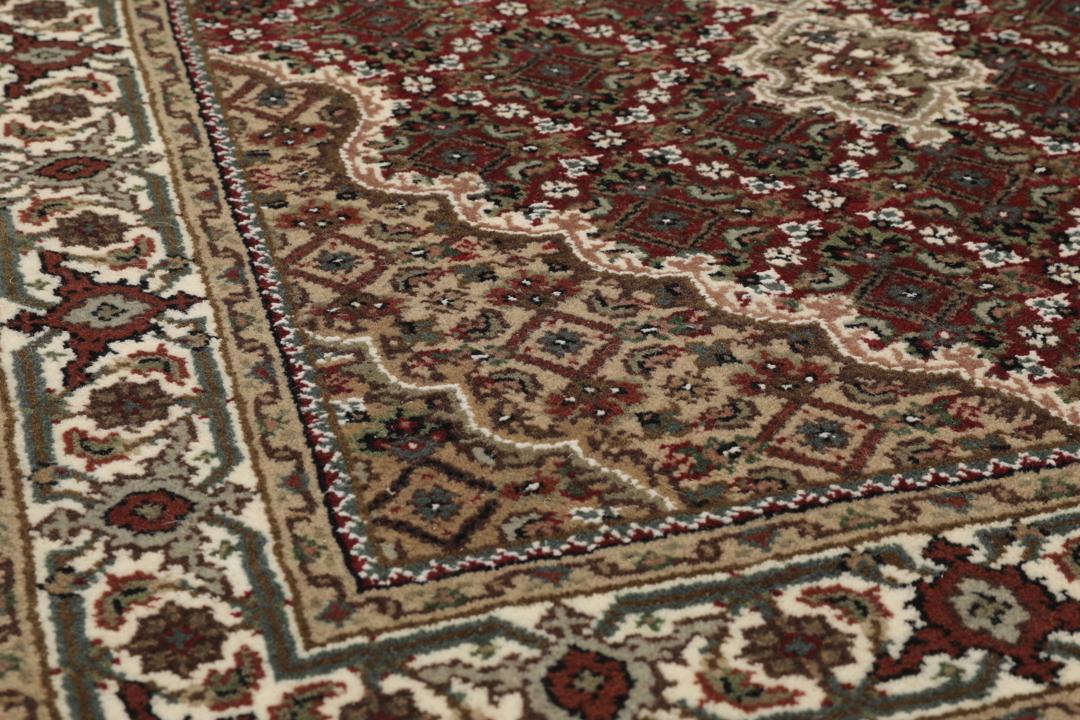
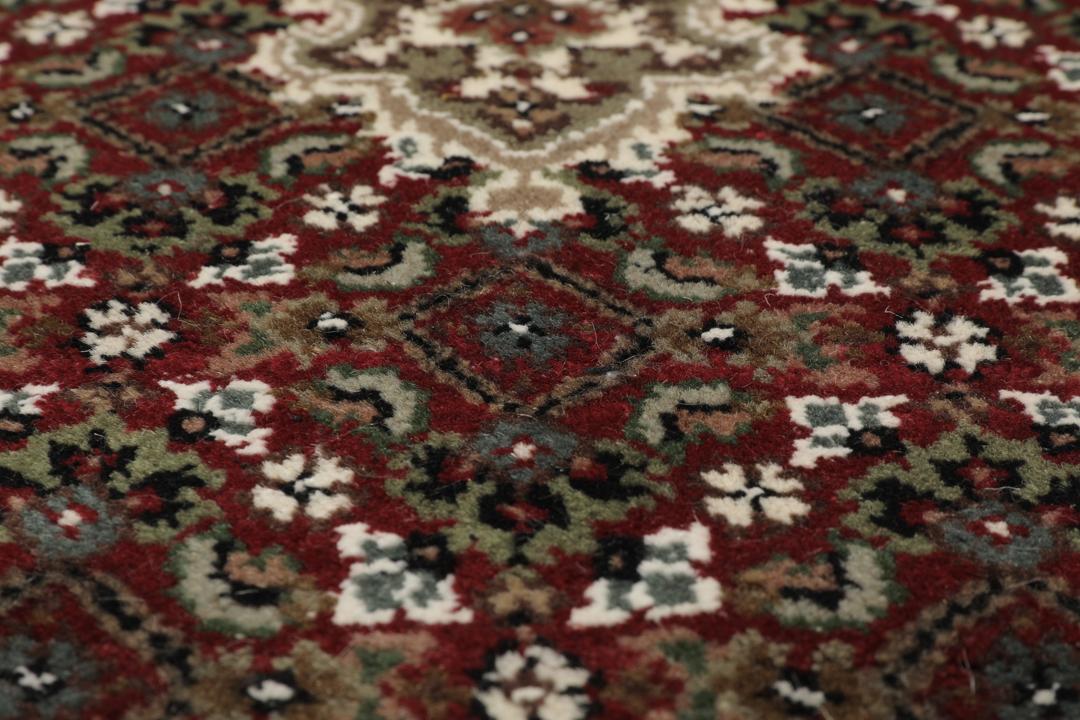
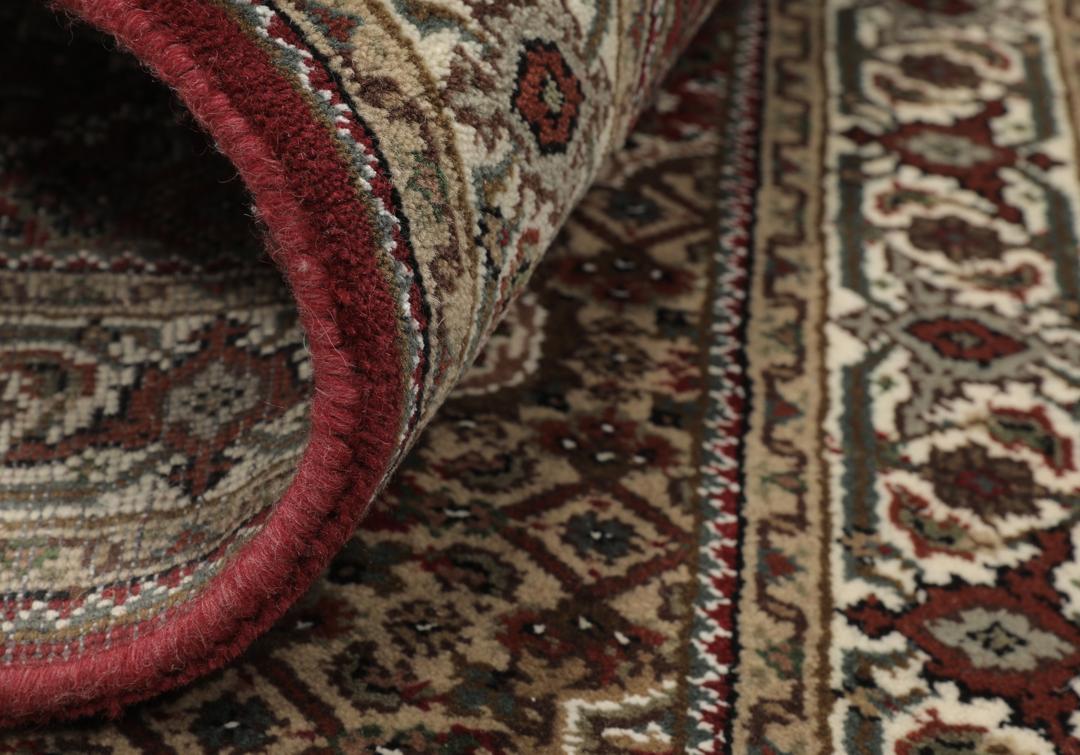
Signature elements of a Tabriz design typically include a central, highly detailed medallion surrounded by a field of smaller floral or geometric patterns. These are often enclosed by a complex, multi-layered border that frames the entire composition. This specific piece honours that tradition, offering a balanced and symmetrical look that is instantly recognisable to those who appreciate traditional carpet artistry.
Owning a piece from this tradition is about more than just decor. It represents a connection to a centuries-old craft that values patience, skill, and cultural heritage. Collectors and homeowners alike prize these rugs for their ability to bring a sense of history and gravitas into a modern home, serving as a testament to the enduring appeal of human-made beauty.