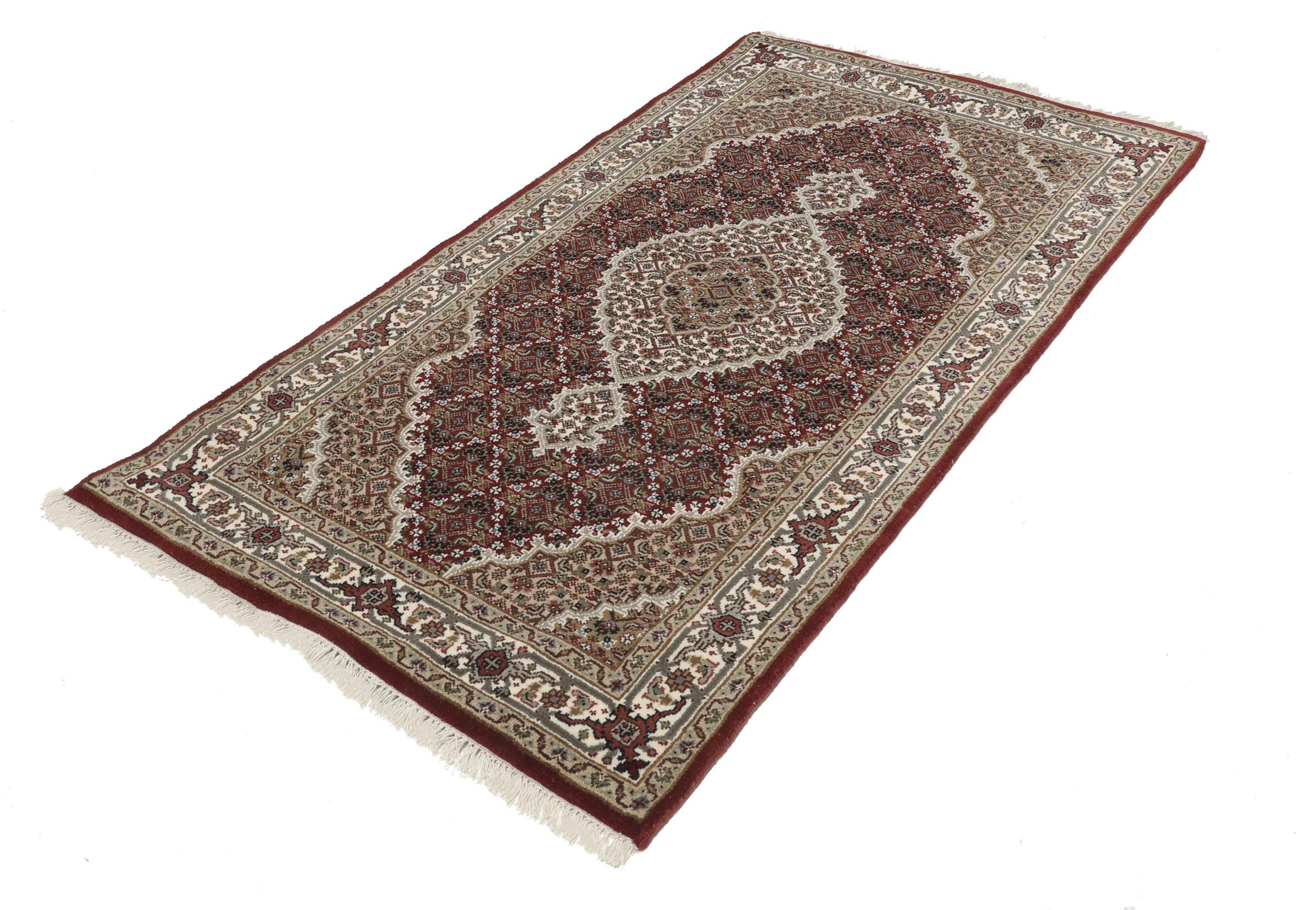
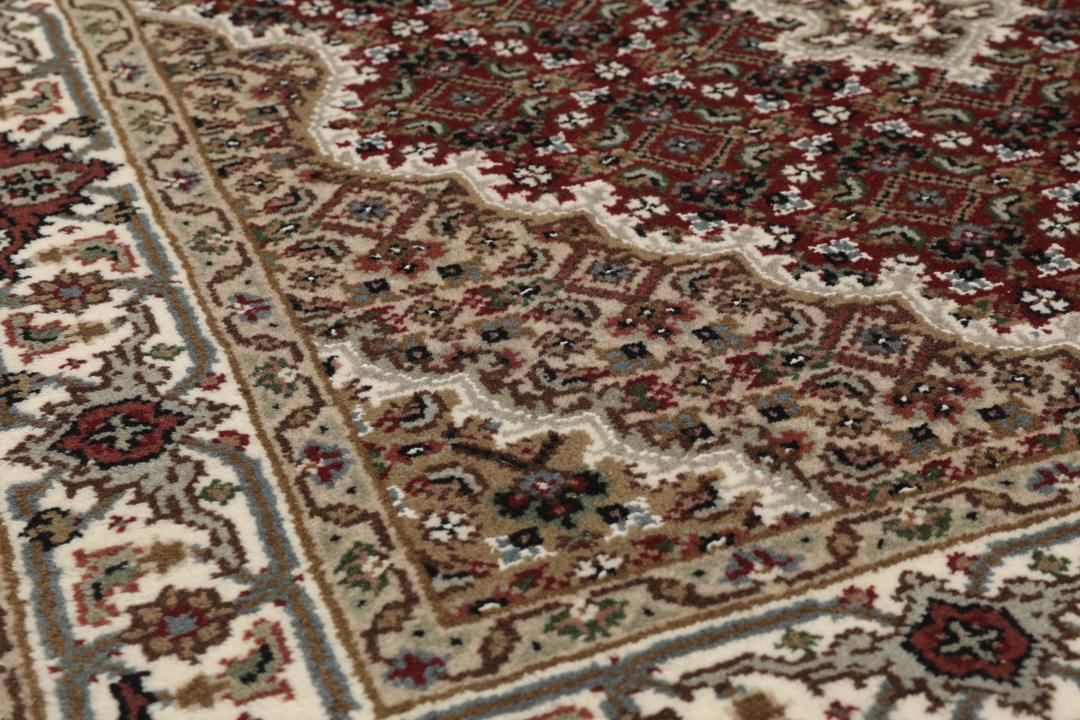
The Tabriz rug tradition takes its name from one of the oldest cities in the Middle East, a historic hub of culture and commerce along the ancient trade routes. While the style originated in this storied region, the tradition has evolved and spread through the migration of master weavers, finding a vibrant home in India where the craft is practised with great devotion to historical accuracy.
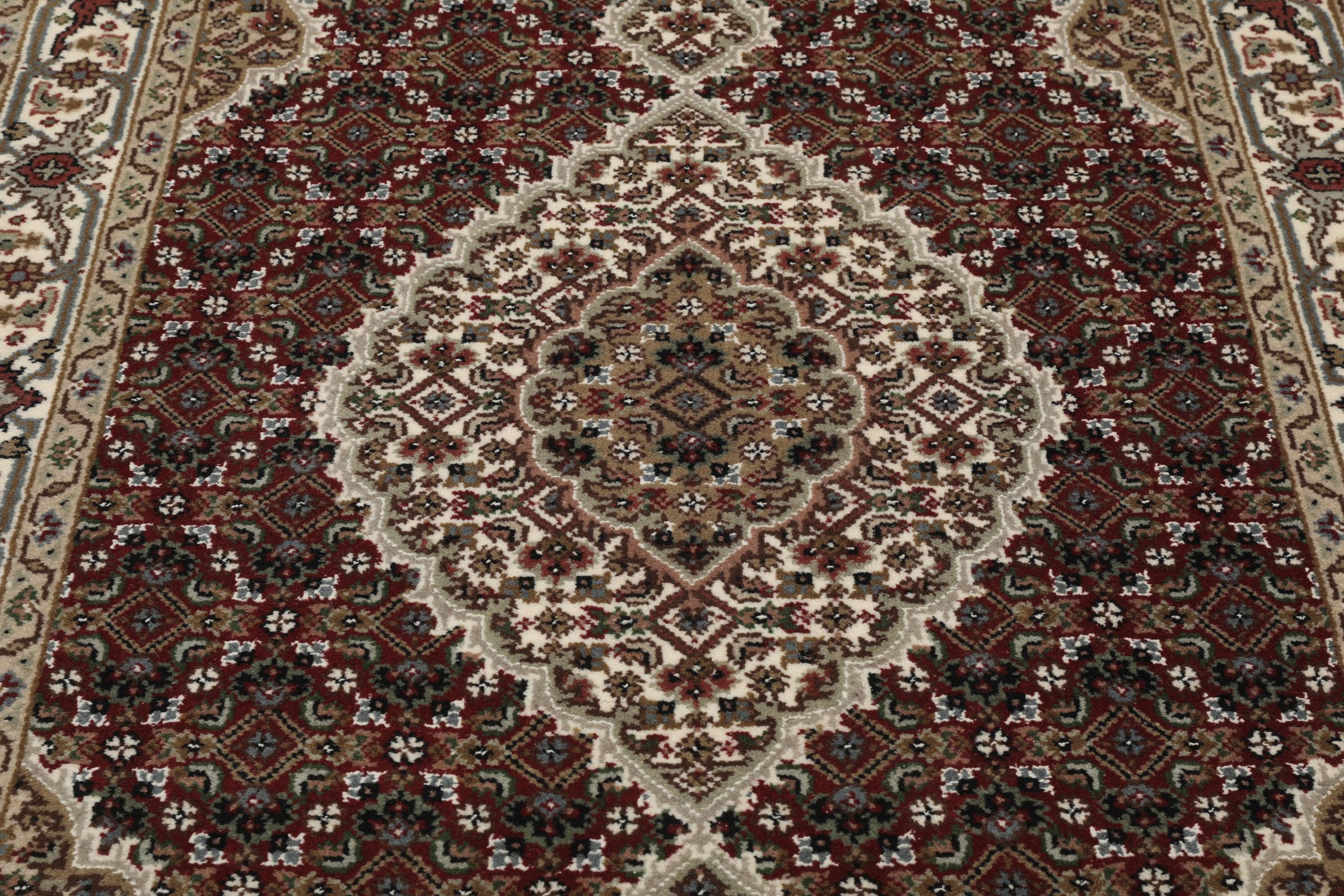
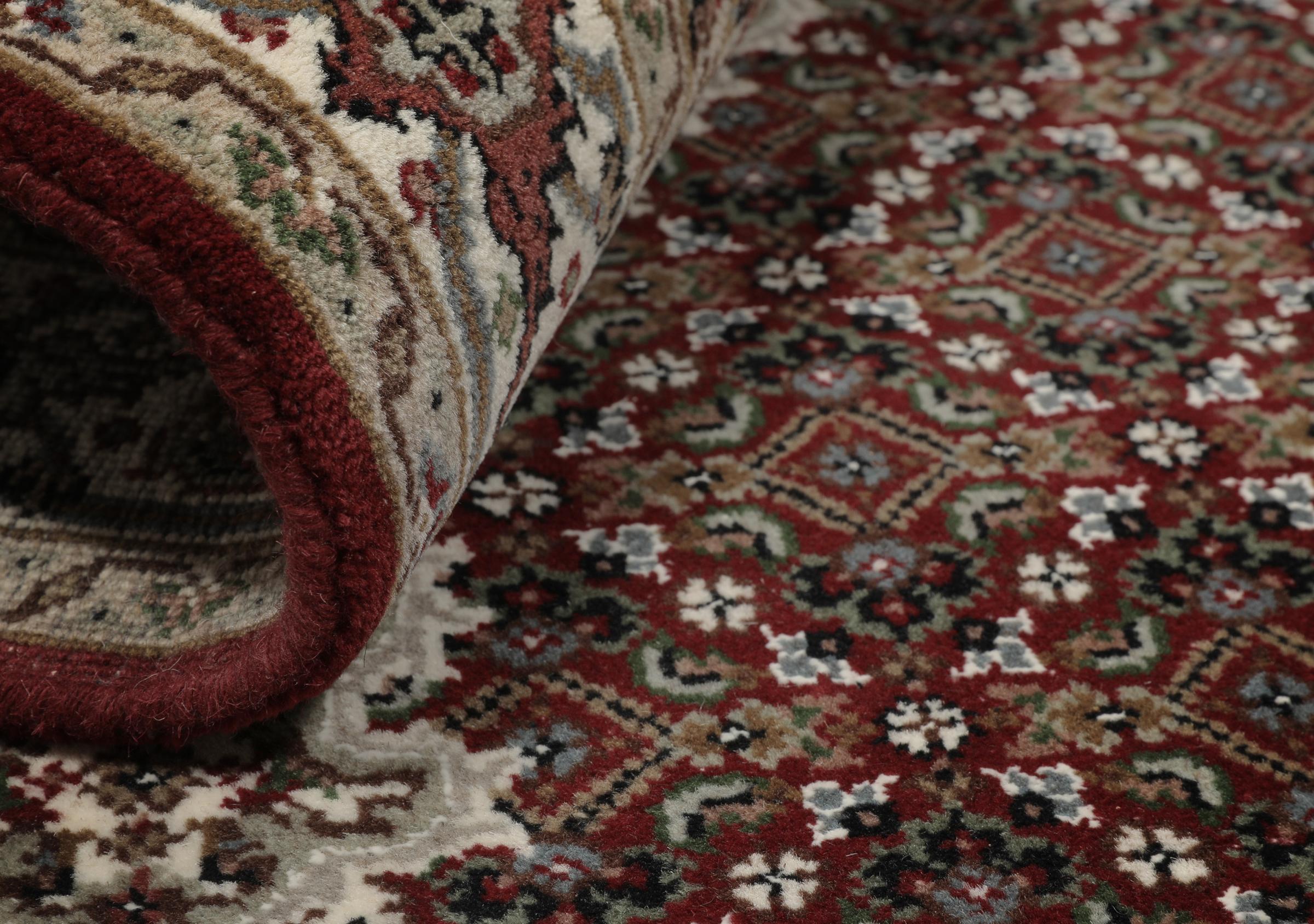
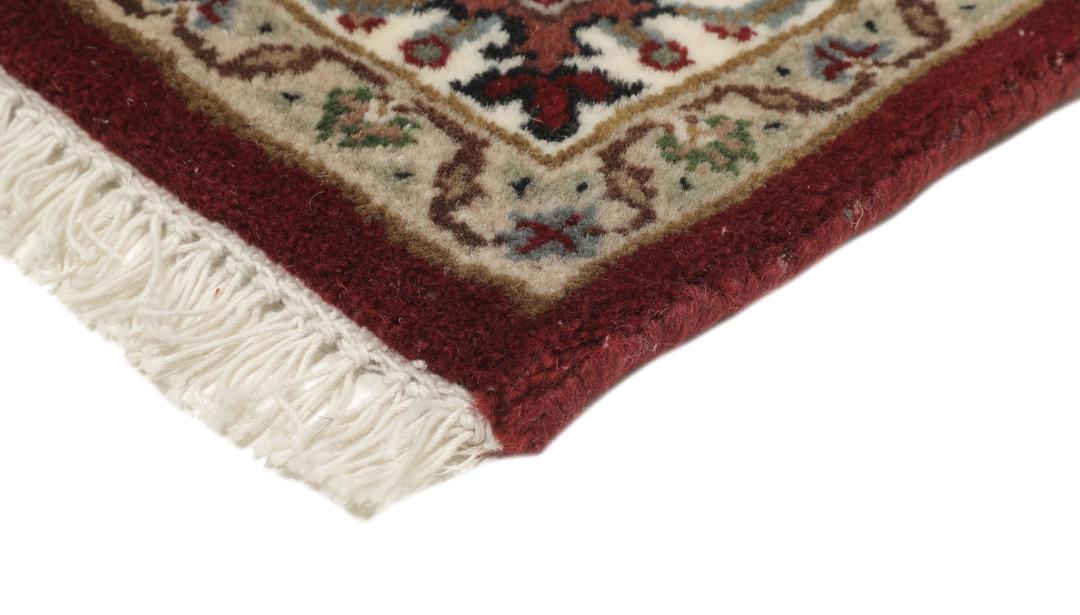
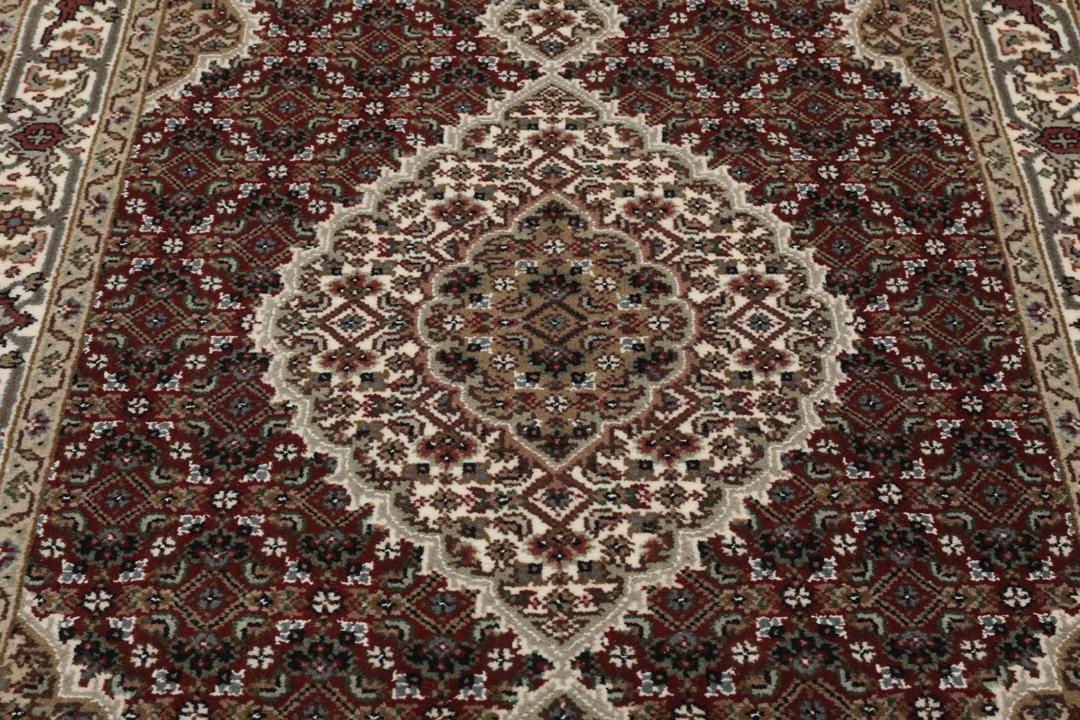
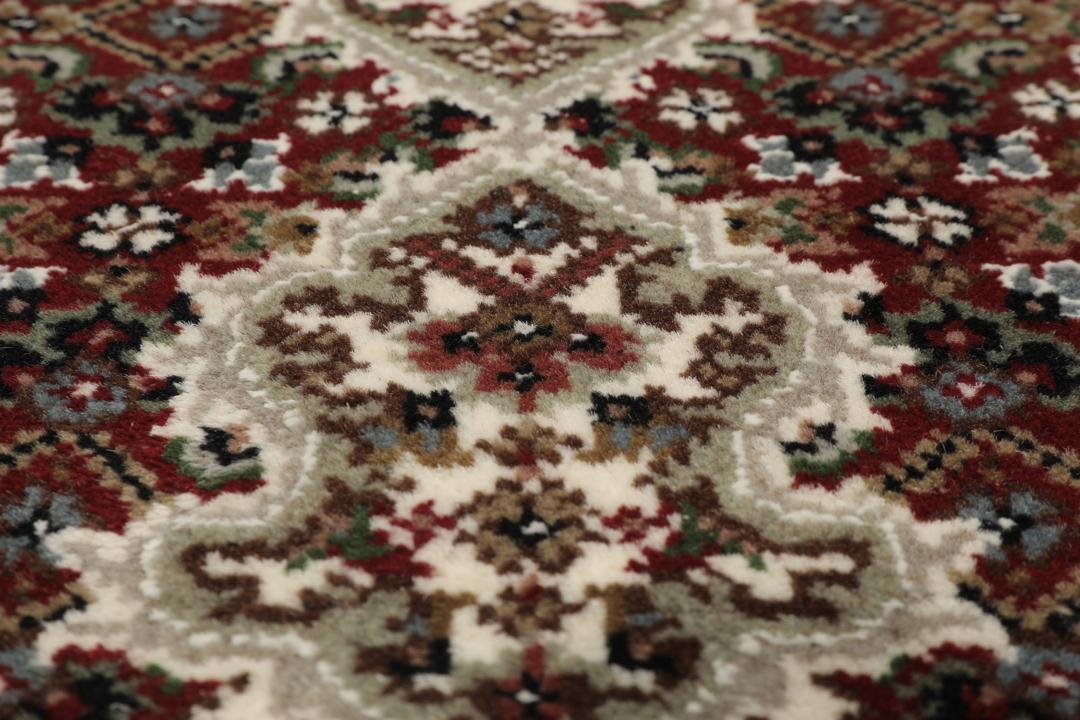
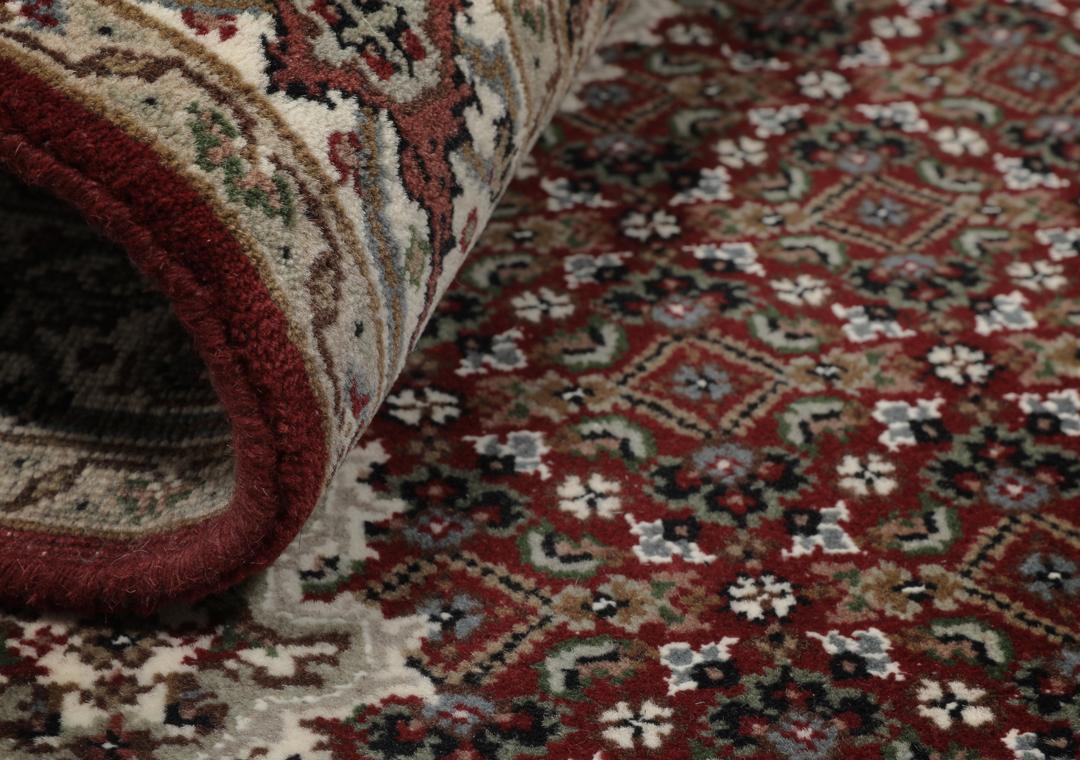
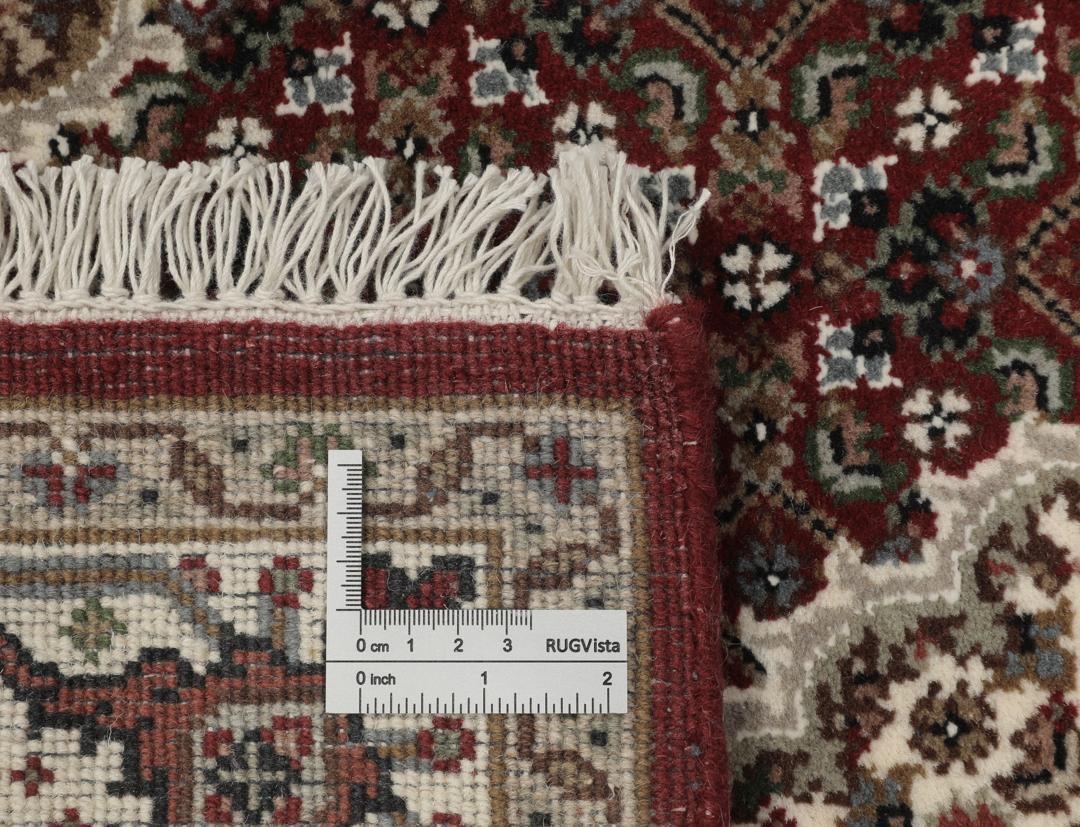
The term Tabriz is synonymous with technical excellence, often characterised by a high knot count that allows for complex, fluid designs. This construction method is vital for the longevity of the rug, as the tightly packed knots create a dense, resilient pile that resists wear and retains its lustre, ensuring the rug remains a cherished part of your home for years to come.
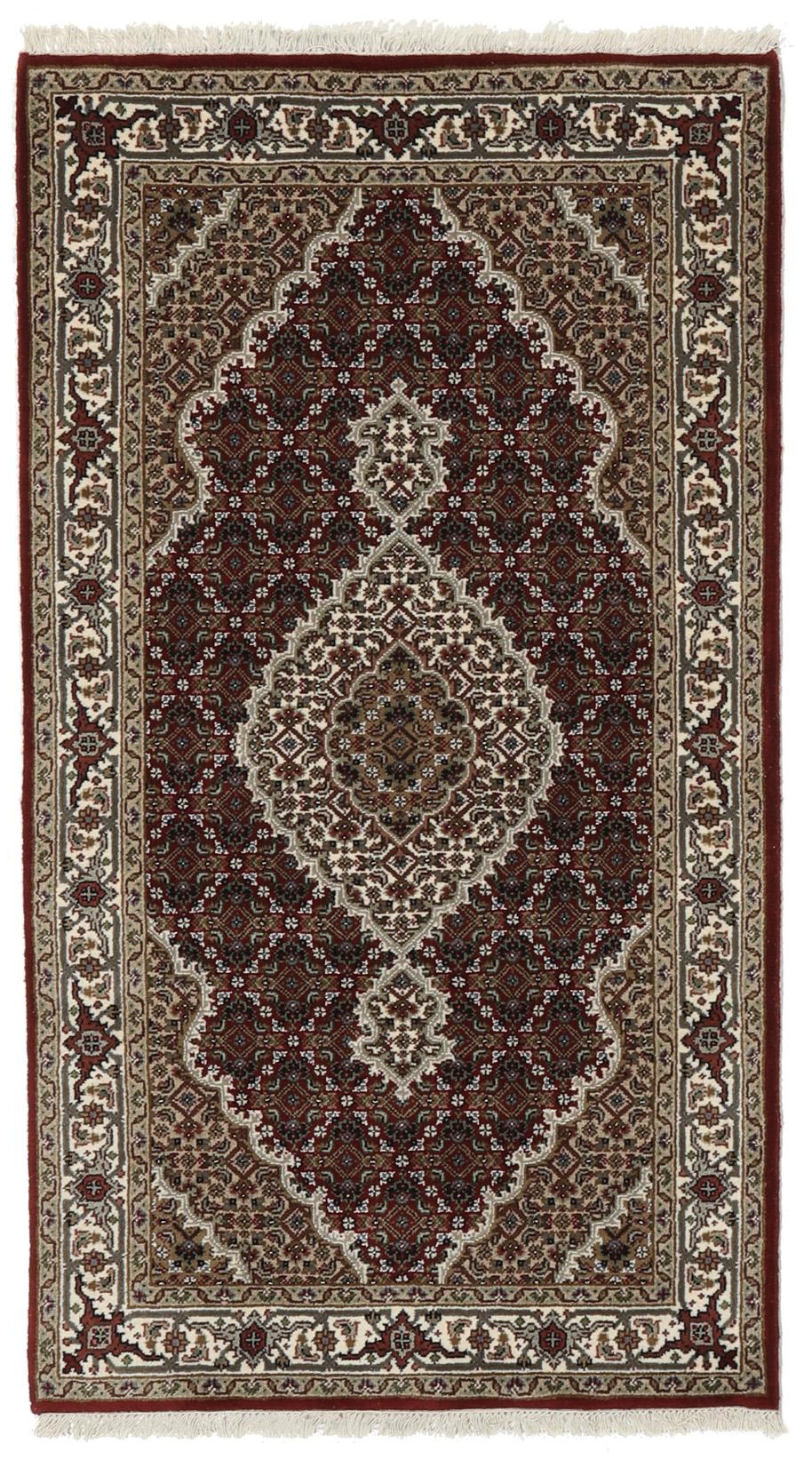
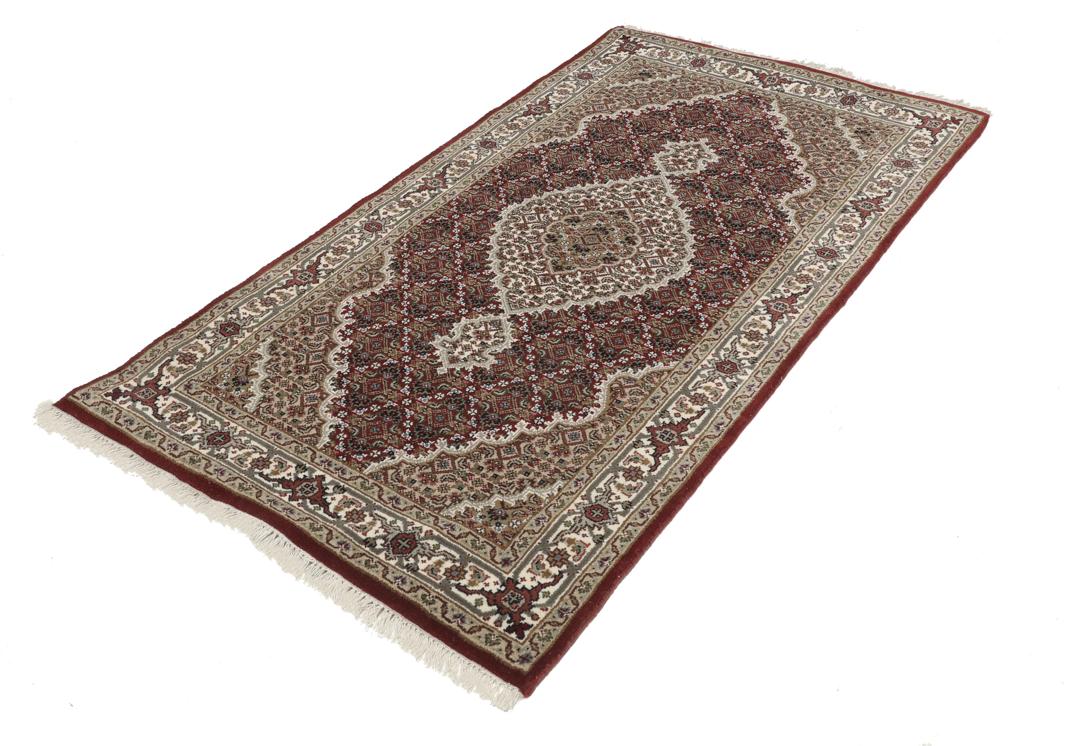
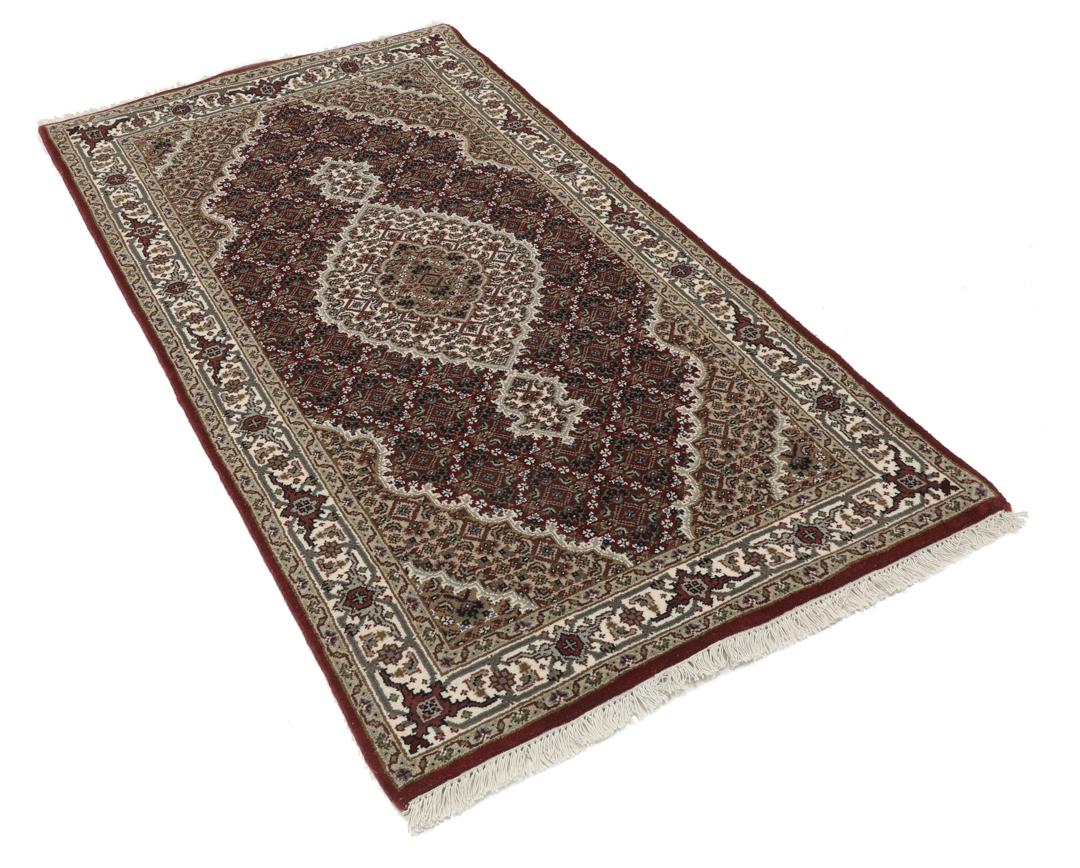
Design-wise, these rugs are celebrated for their sophisticated use of space, typically featuring a central medallion surrounded by dense floral or geometric patterns. These motifs often draw inspiration from classical garden themes and architectural details, framed by a series of formal borders that anchor the composition and provide a balanced, elegant aesthetic.
Collecting a rug from this tradition is an investment in human skill and cultural heritage. Because each piece is created by hand, it carries the unique signature of the artisan, representing a bridge between centuries-old design language and contemporary interior living. It is this depth of history and human connection that makes such a piece a meaningful addition to any collection.