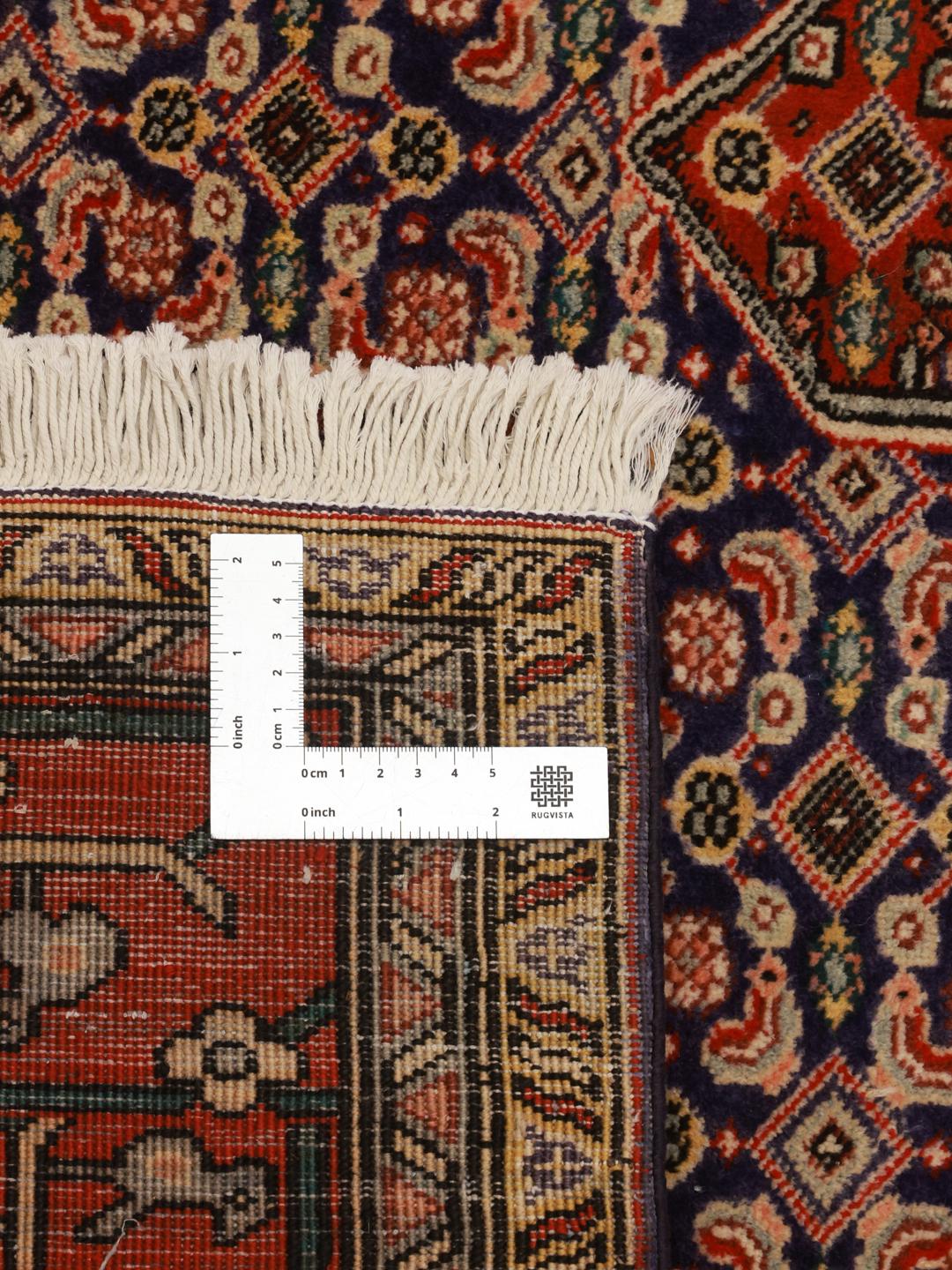
The city of Tabriz, located in the northwestern part of the Middle East, is one of the oldest and most significant centres of carpet weaving in the world. Its history as a hub on the historic Silk Road fostered a unique environment where artistic influences from across the globe converged and evolved. For centuries, weavers in this region have been revered for their ability to synthesise diverse cultural motifs into a cohesive and recognisable style that remains highly sought after by collectors.
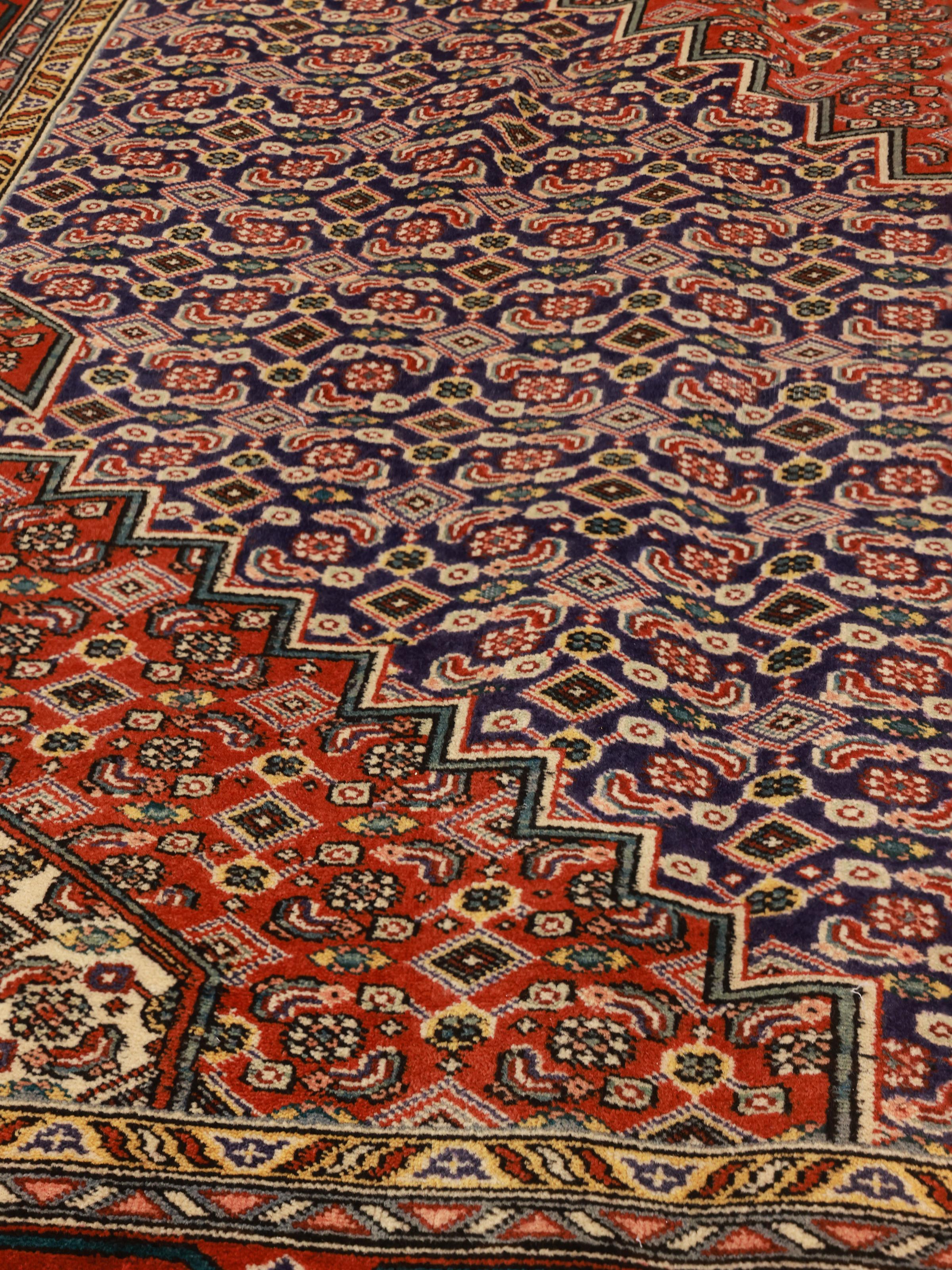
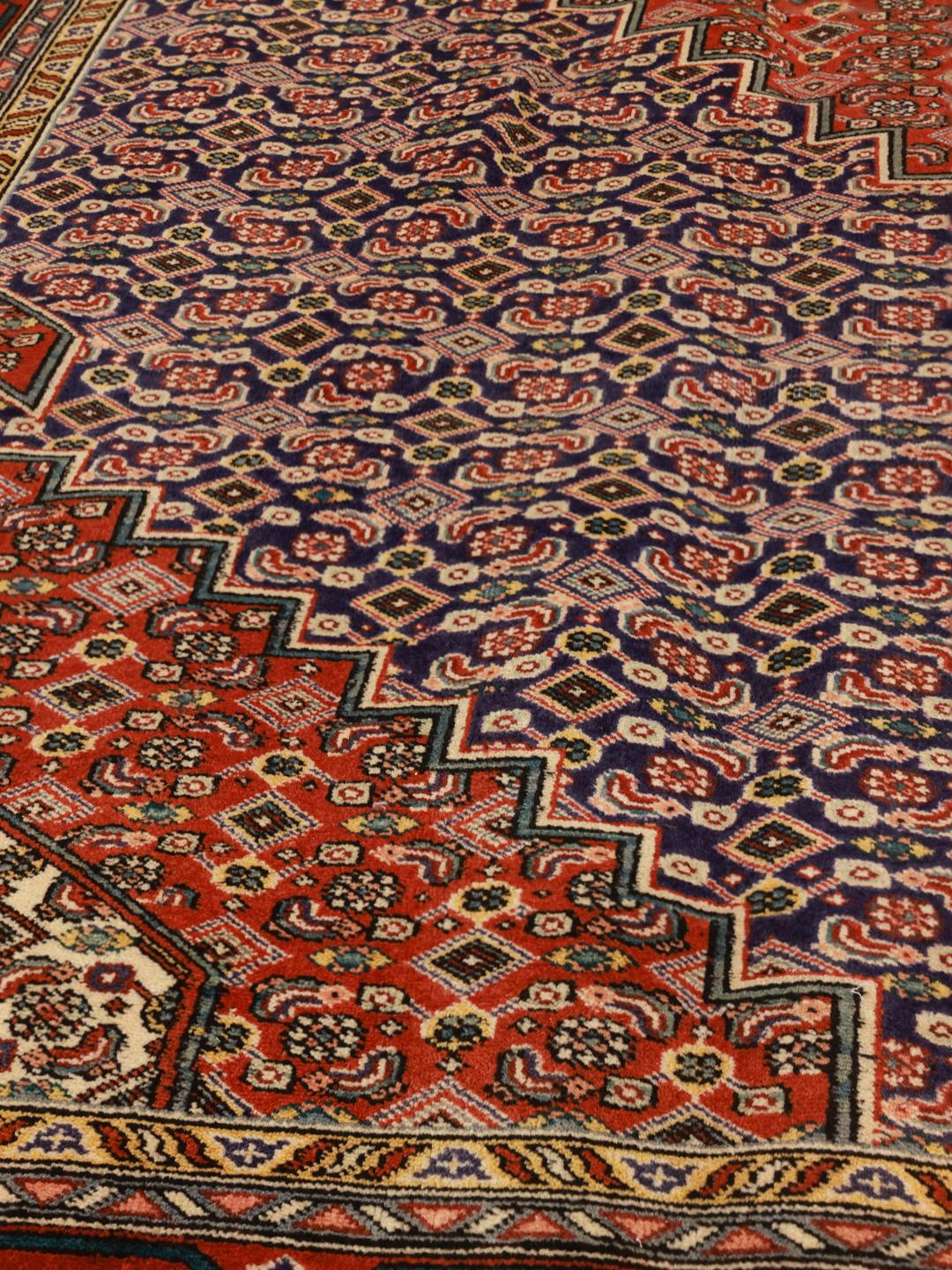
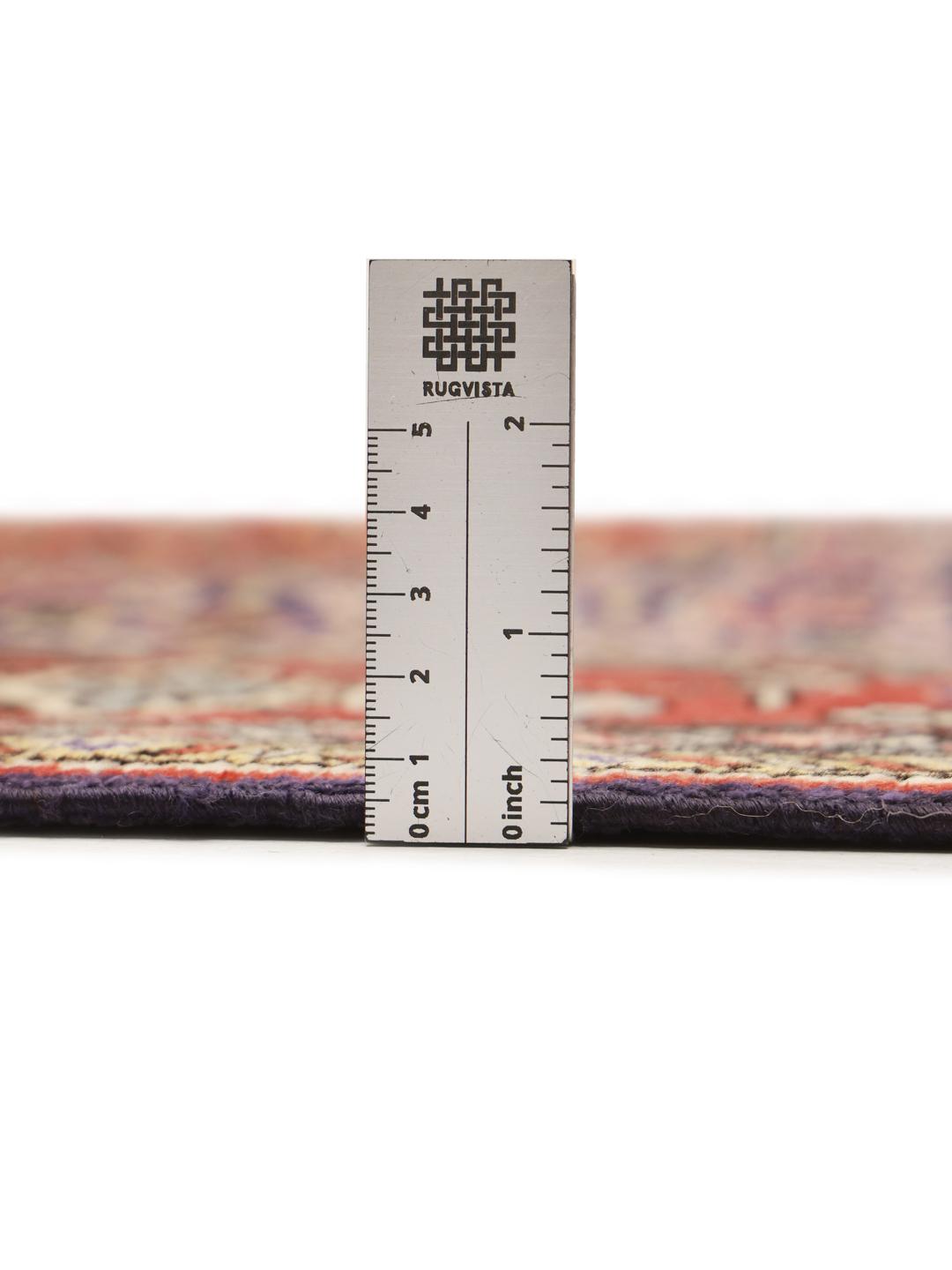
A key technical aspect of Tabriz rugs is their diverse range of knotting techniques, which allow for a variety of pile heights and densities. The term itself is often synonymous with a high degree of precision, as the weavers are known for their mastery of complex, curvilinear designs that require immense technical skill. This ability to execute detailed floral and geometric patterns with such clarity is what distinguishes a fine example from this tradition and ensures its lasting appeal.
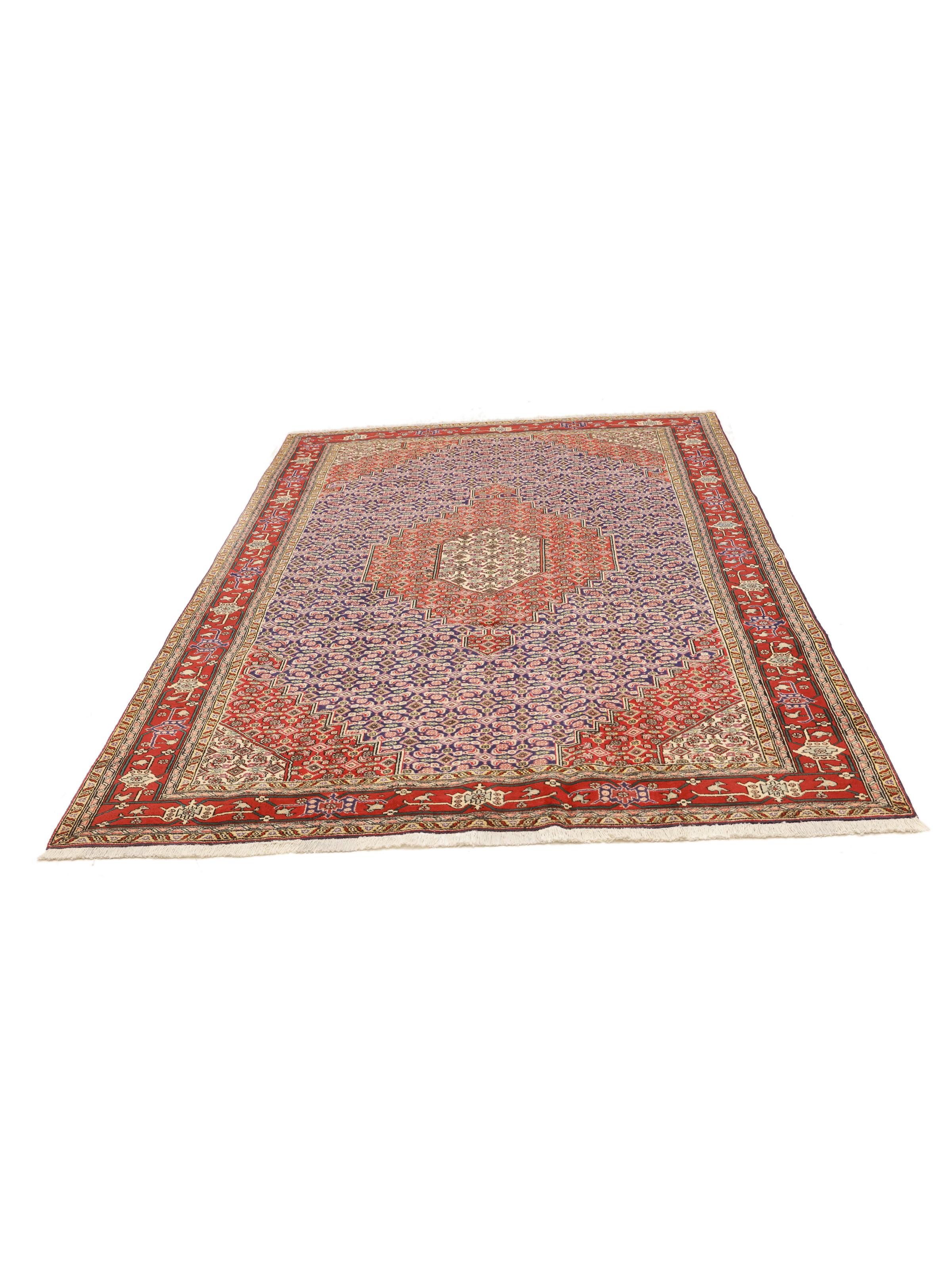
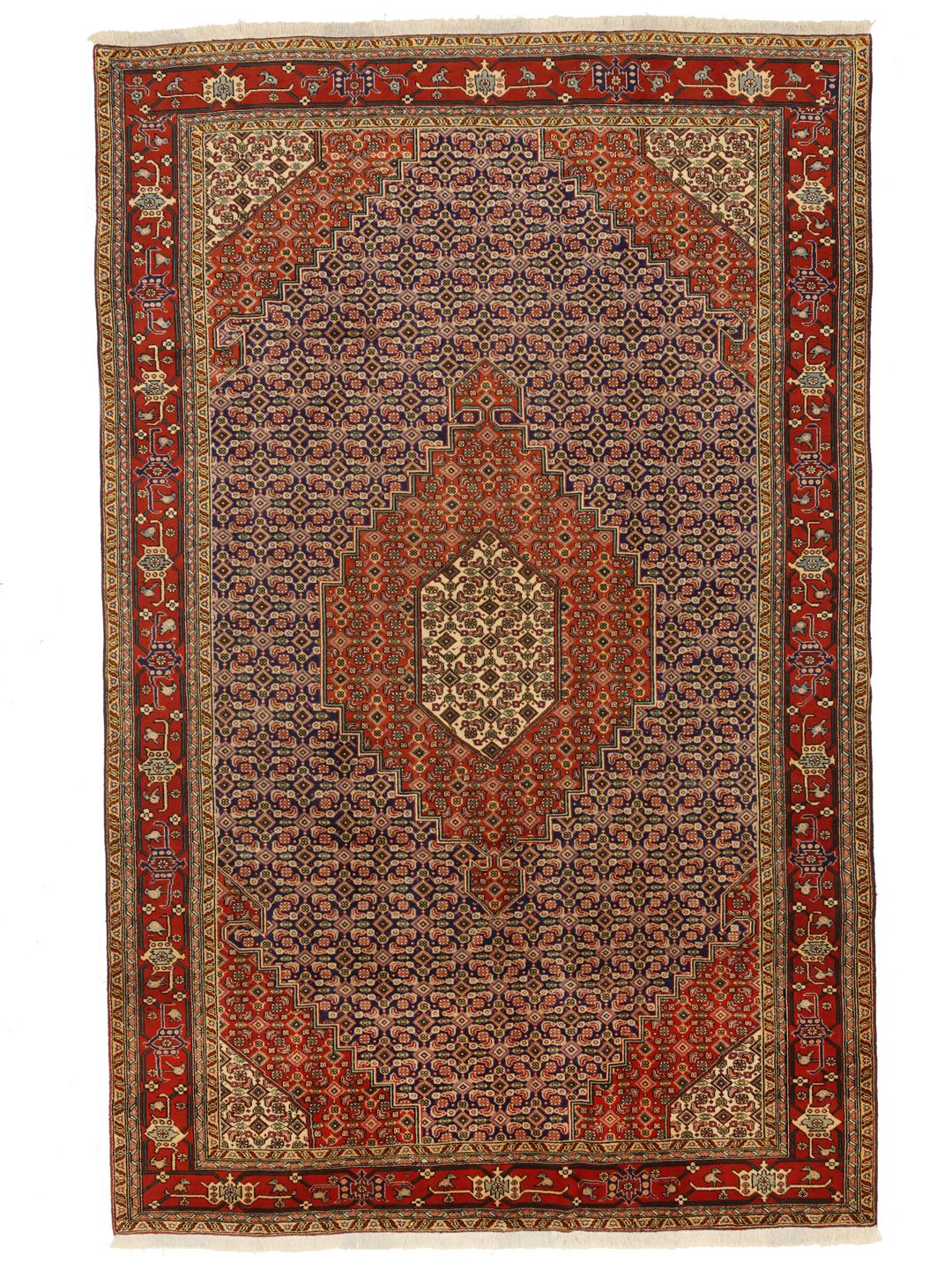
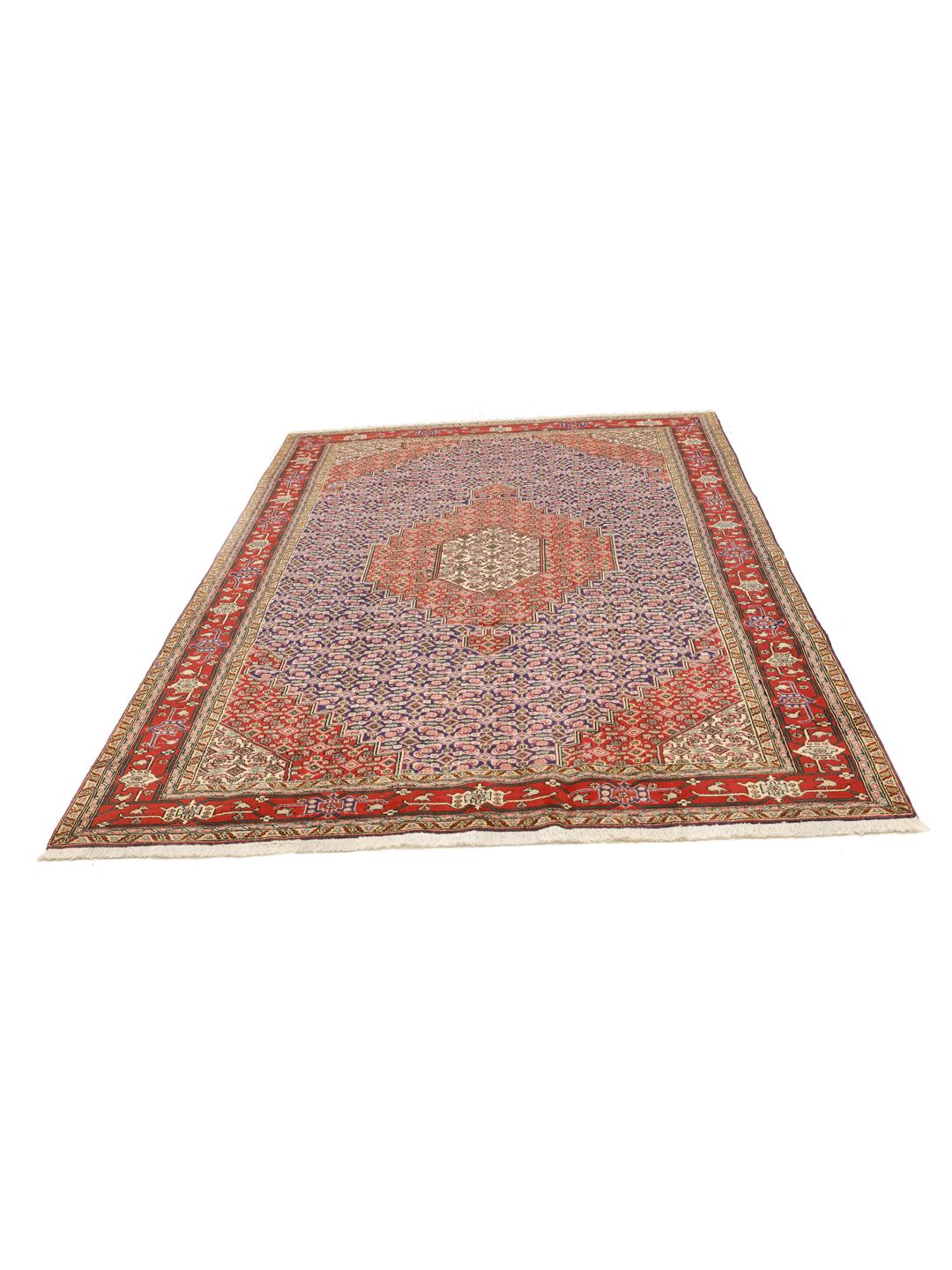
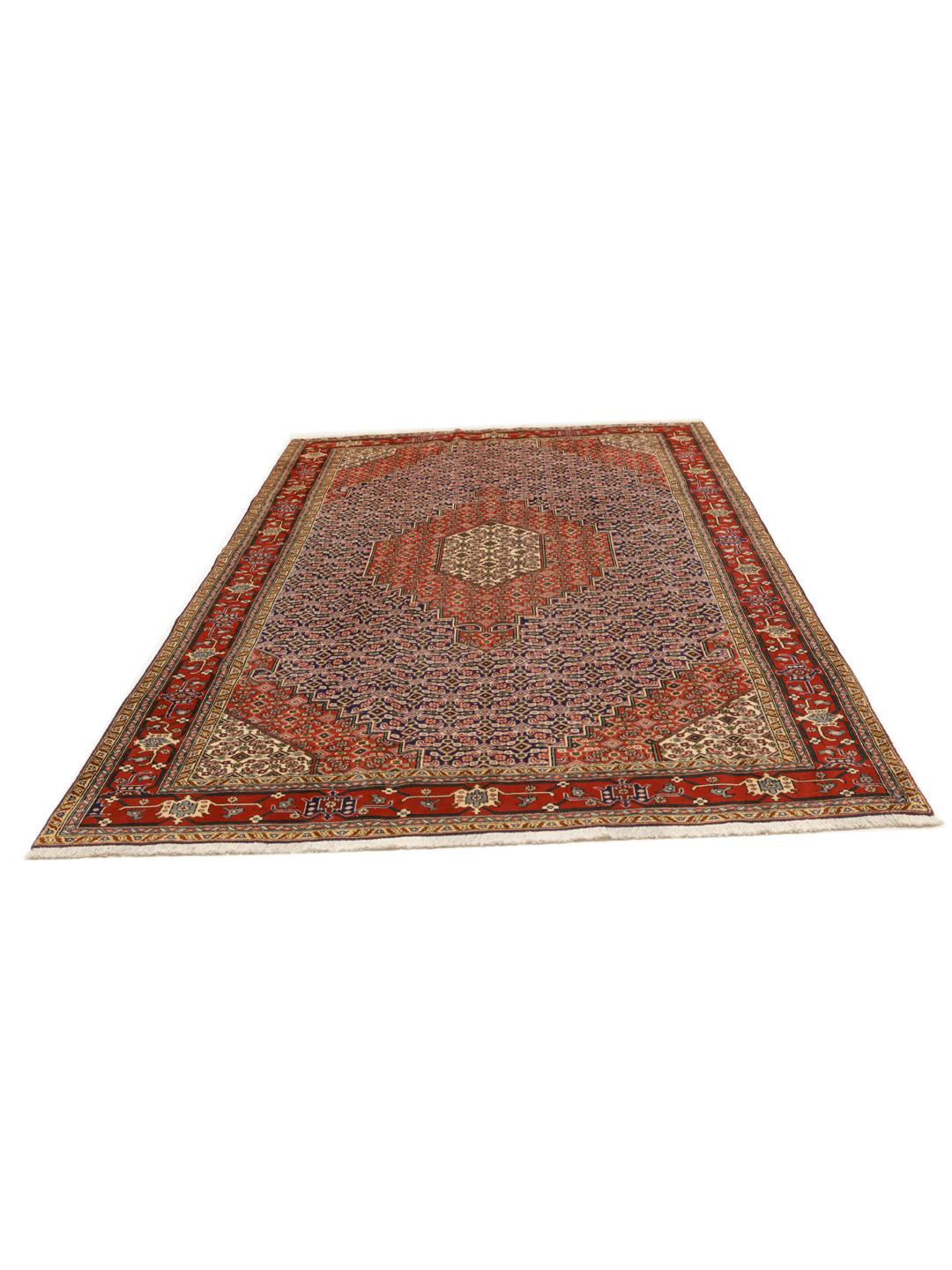
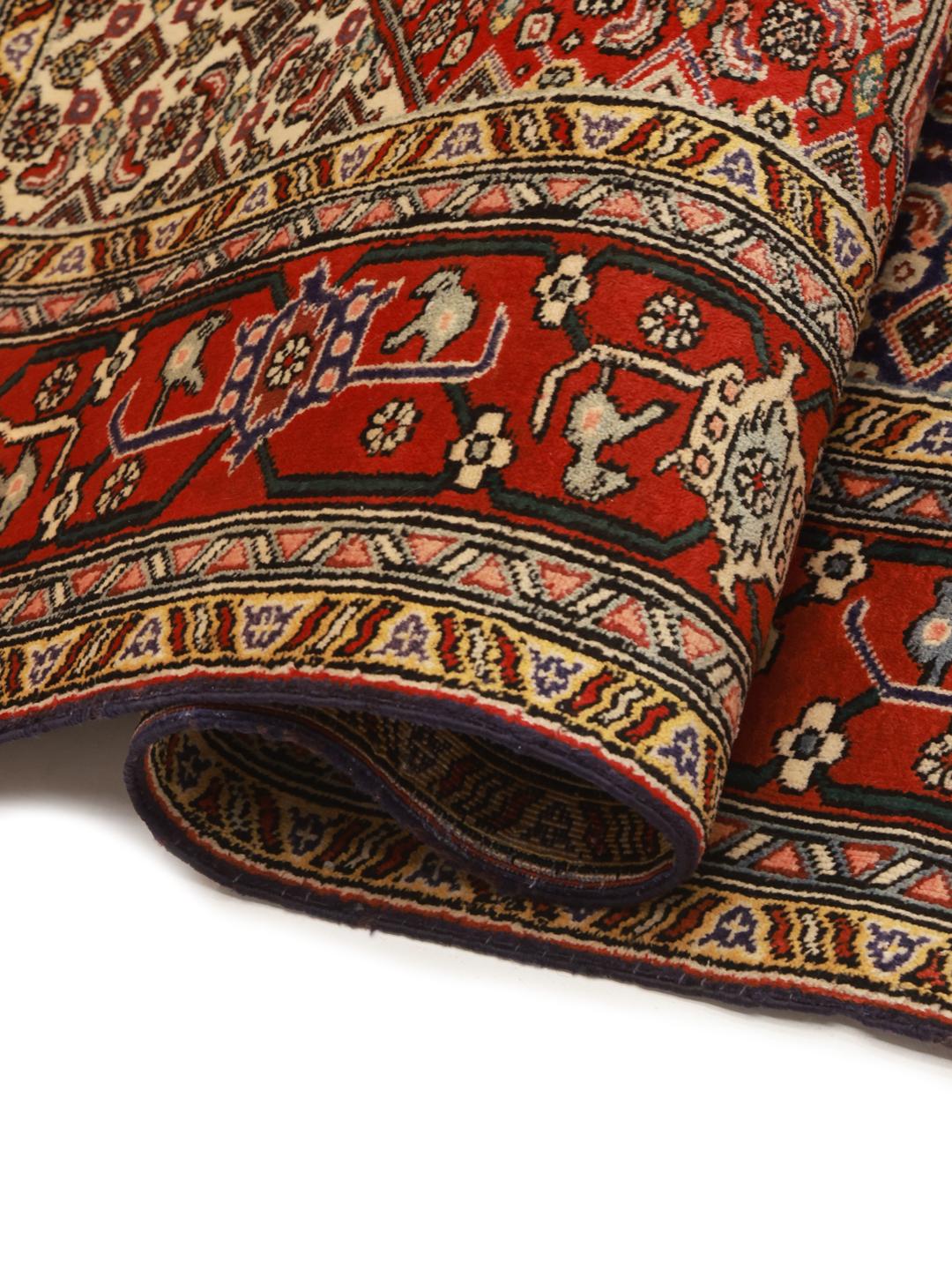
Visually, these rugs are often characterised by a central medallion surrounded by dense, flowing floral arrangements, vines, and palmettes. While the classic palette often features deep reds and rich blues, the artistry lies in how these colours are balanced to create a sense of harmony. The borders are typically elaborate, framing the central field with repeating motifs that draw the eye inward, creating a balanced and formal composition that is the hallmark of the style.
Owning a piece from this tradition is about more than just decoration; it is about preserving a legacy of skill that has been passed down through generations. These rugs are valued for their cultural weight and the undeniable human touch present in every inch of the weave. Collectors and enthusiasts alike prize these pieces for their combination of beauty, durability, and historical significance, making them a meaningful addition to any thoughtful home.