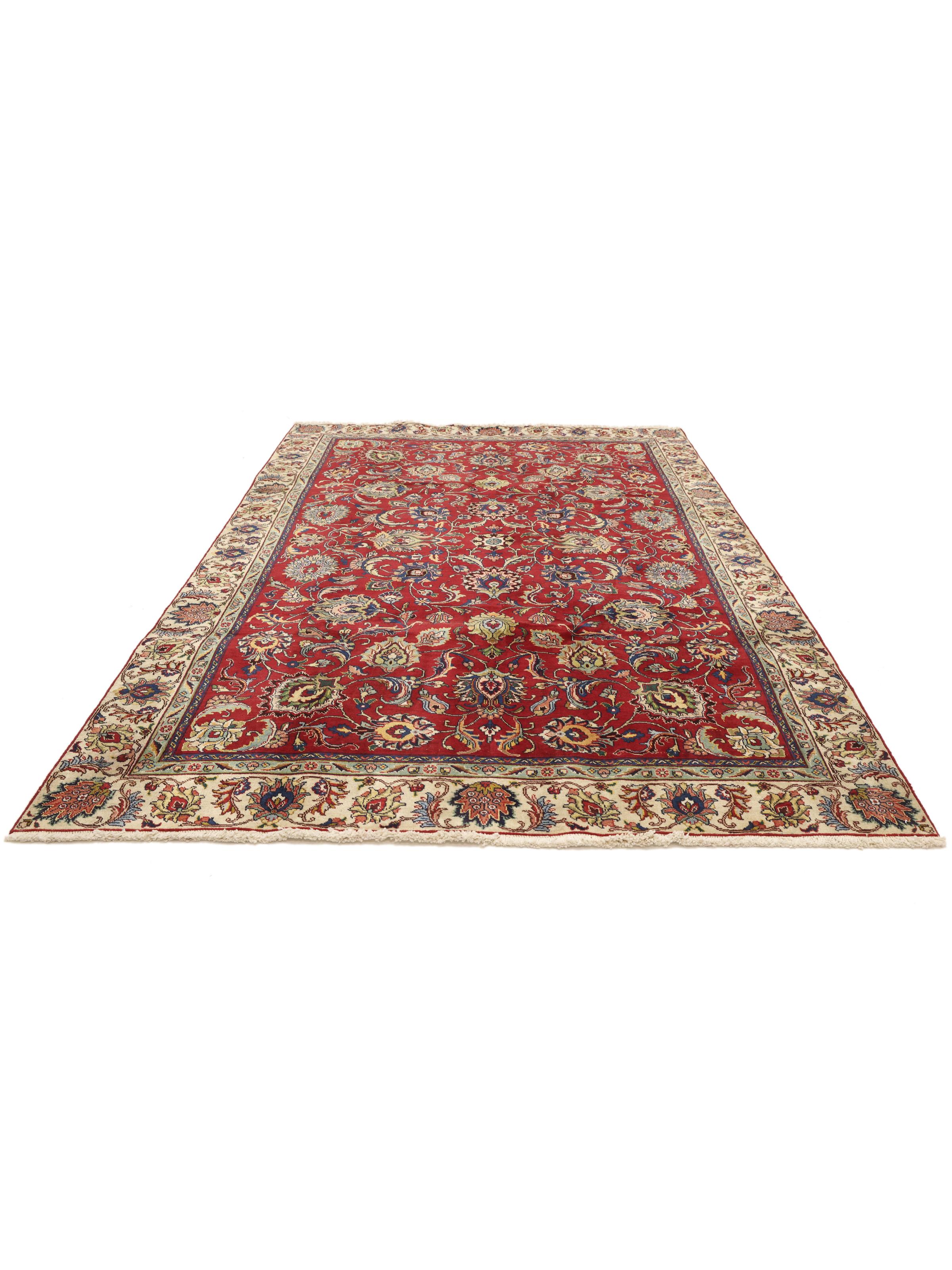
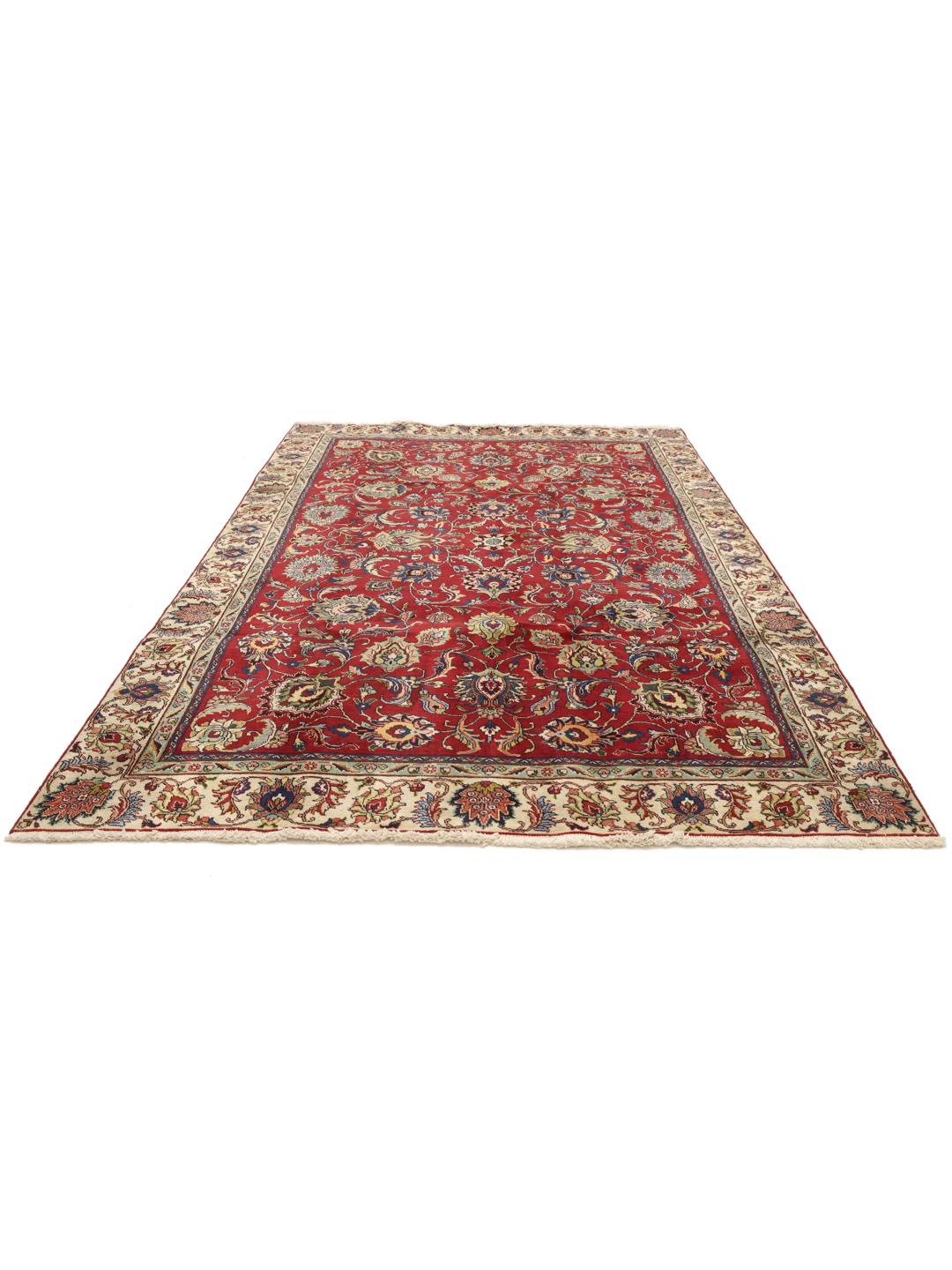
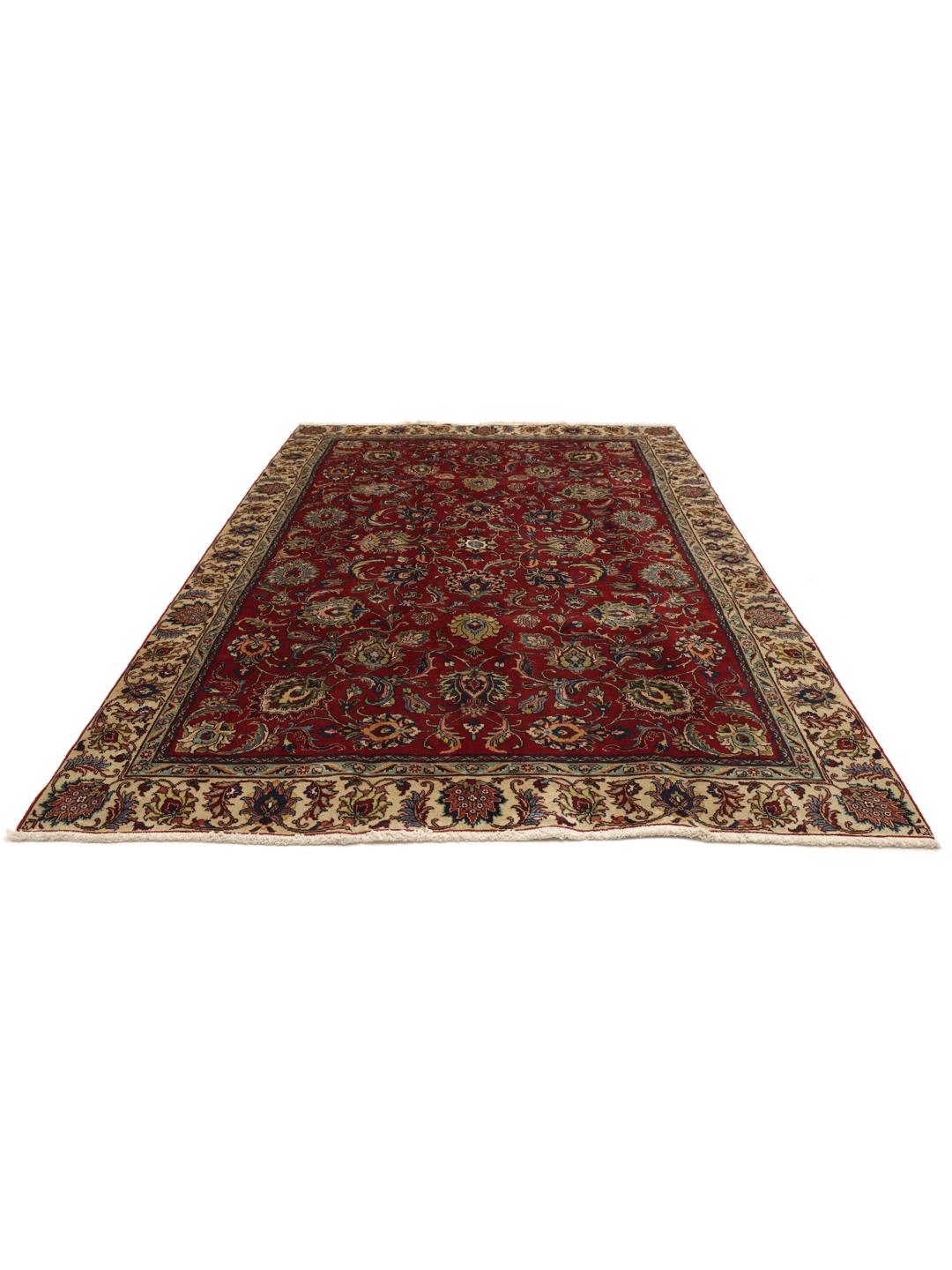
The Tabriz rug tradition hails from one of the oldest carpet-weaving centres in the Middle East. Located in a historic city that has served as a crossroads for trade and culture for centuries, the Tabriz style is celebrated for its diversity and technical perfection, drawing on influences that span from classical court designs to vibrant folk traditions.
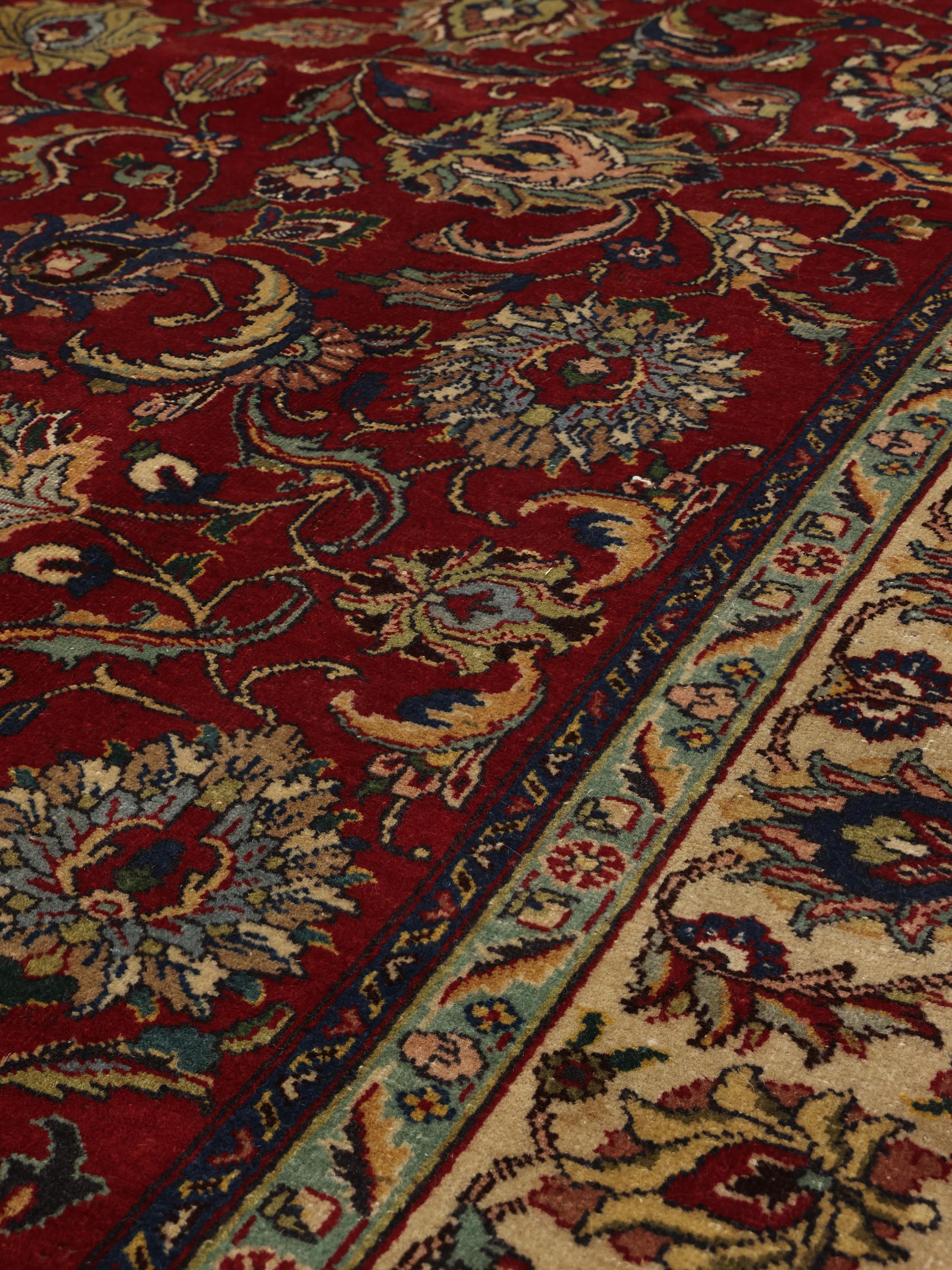
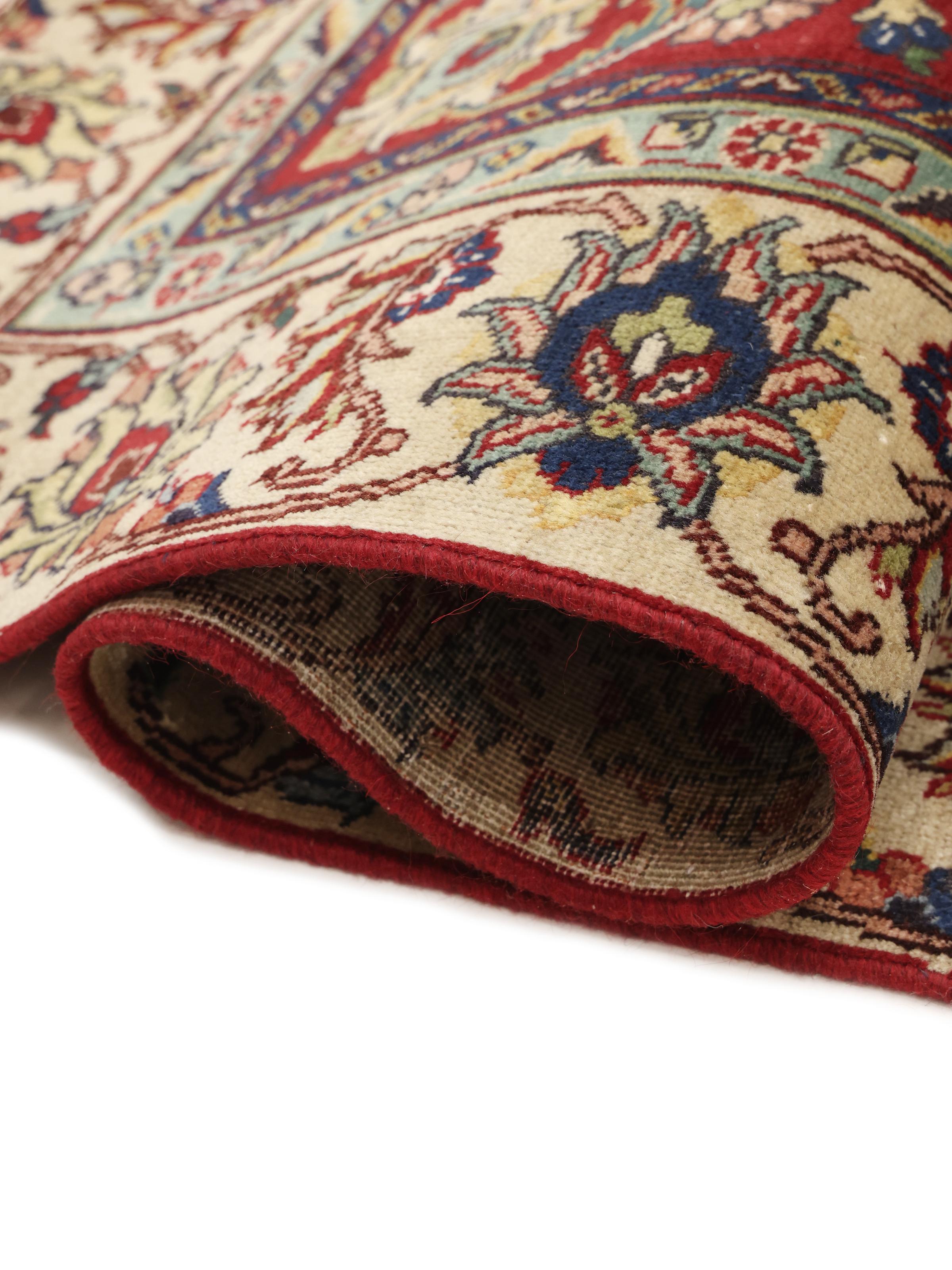
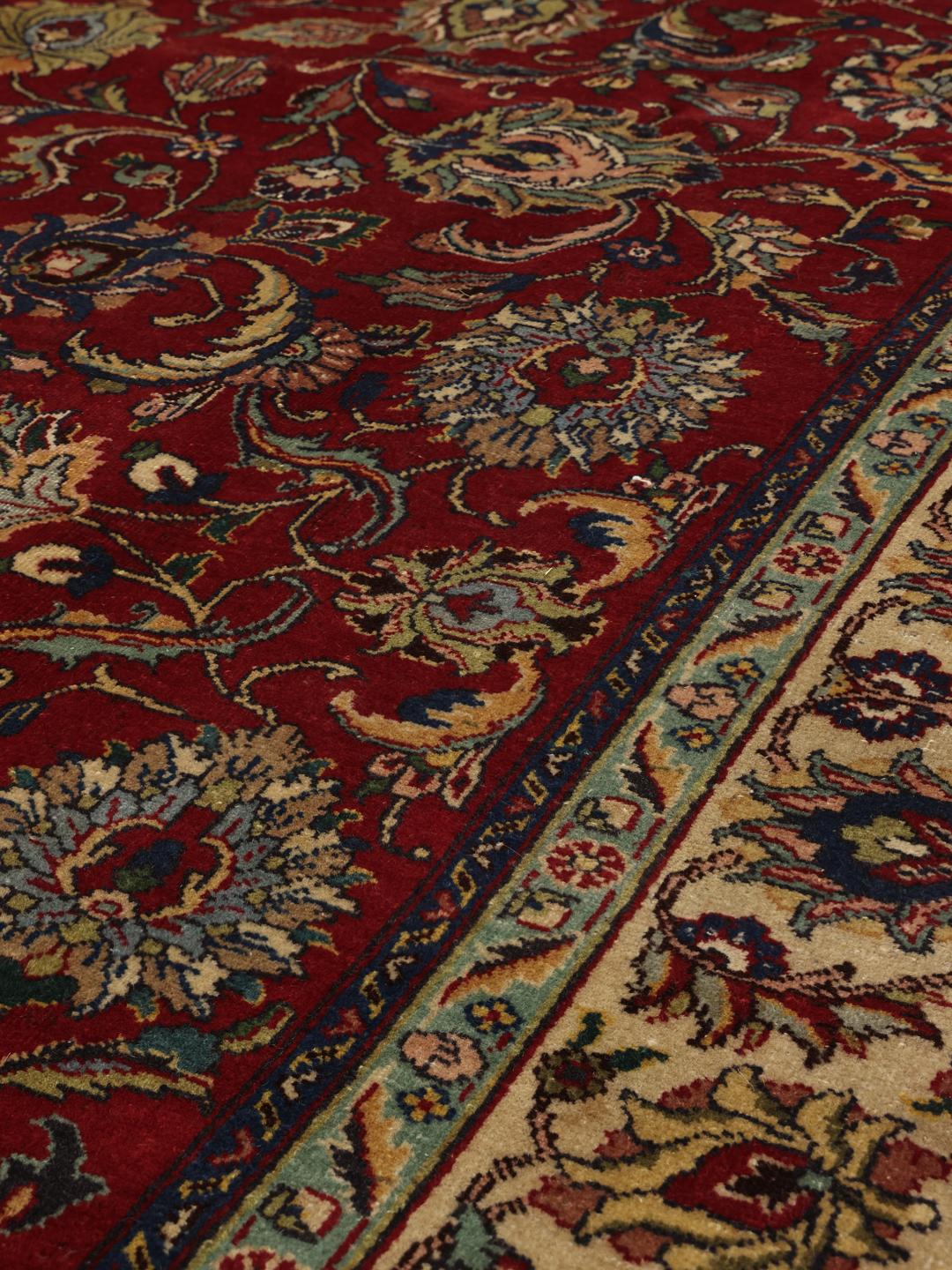
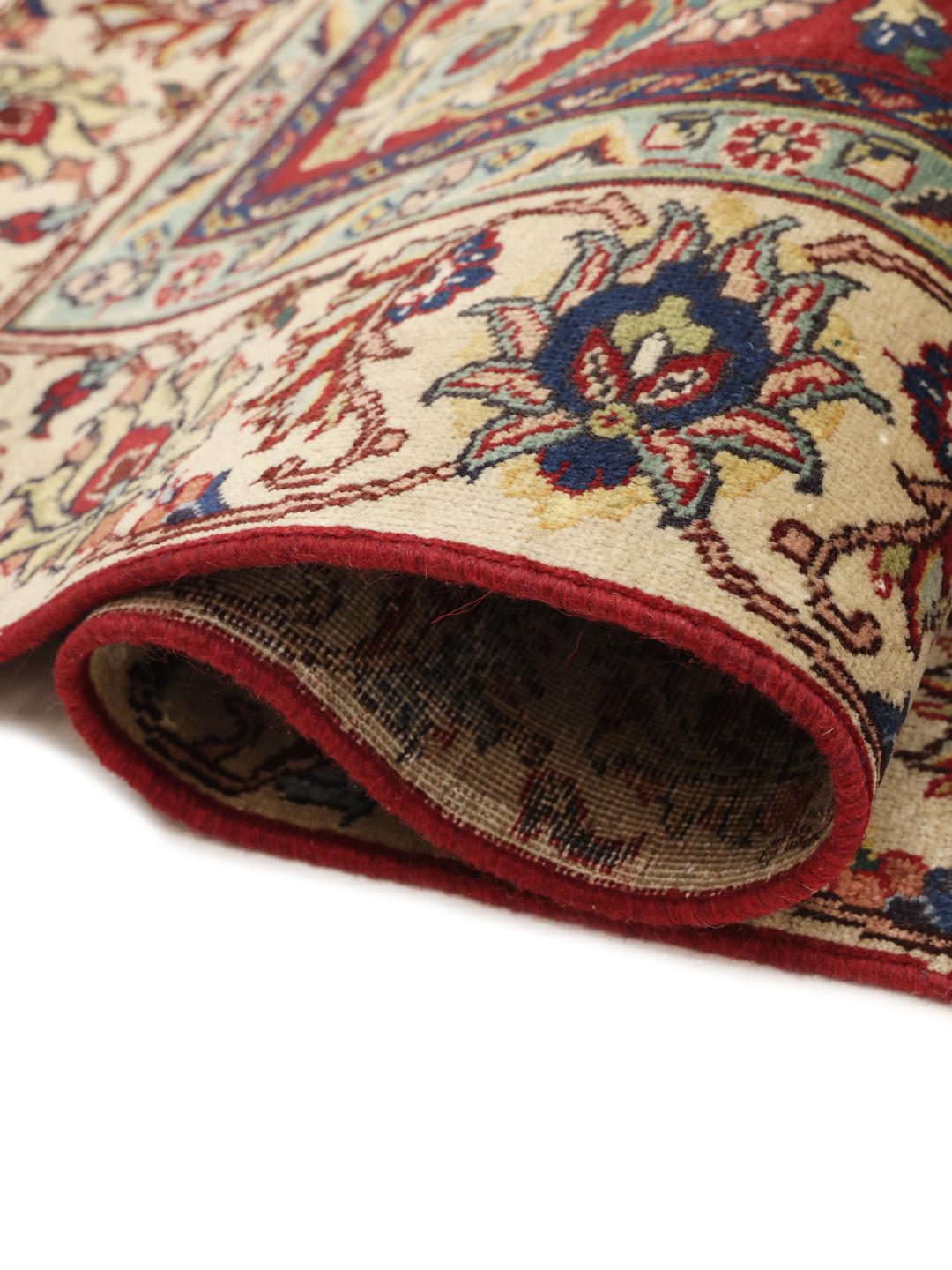
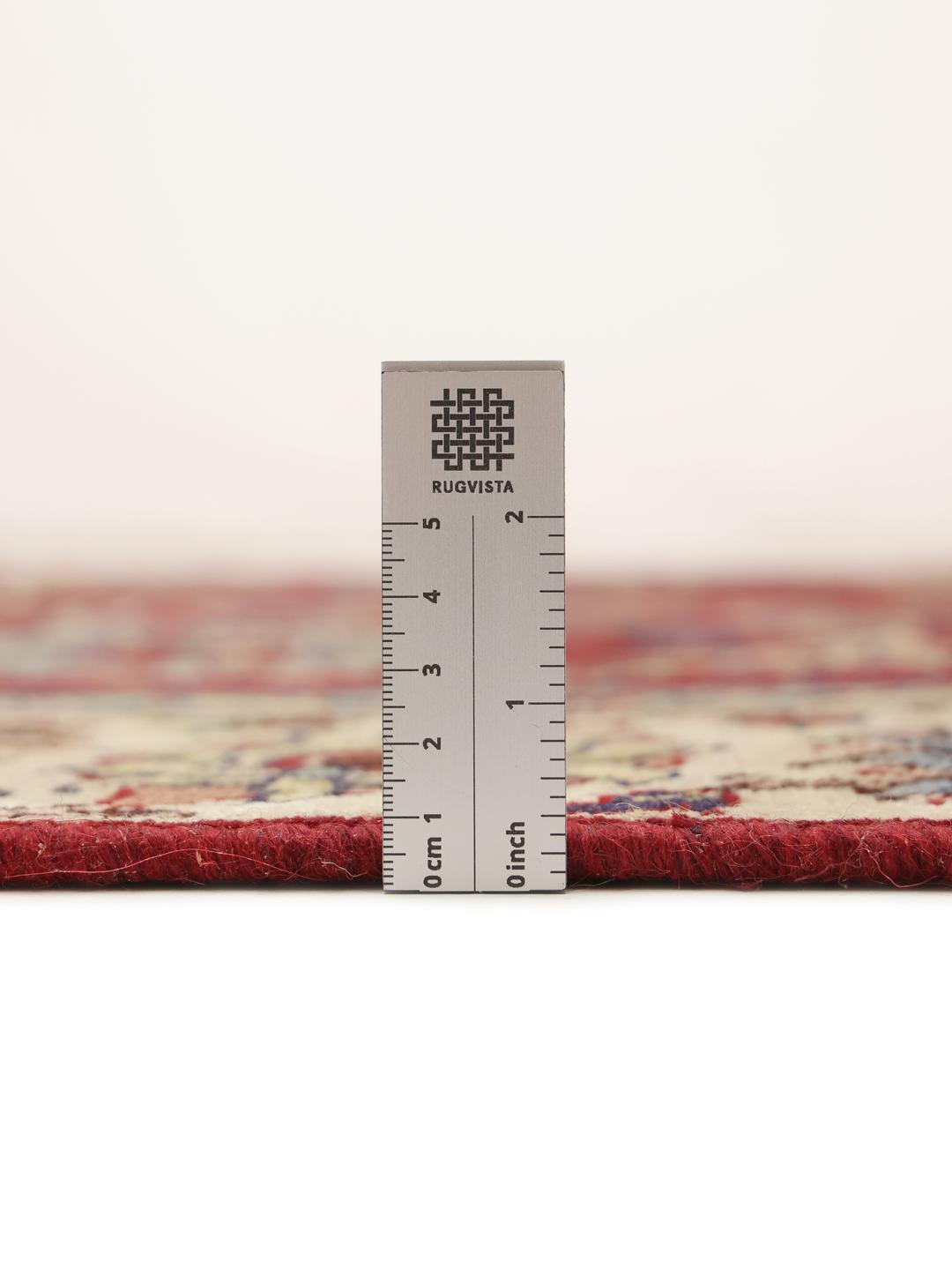
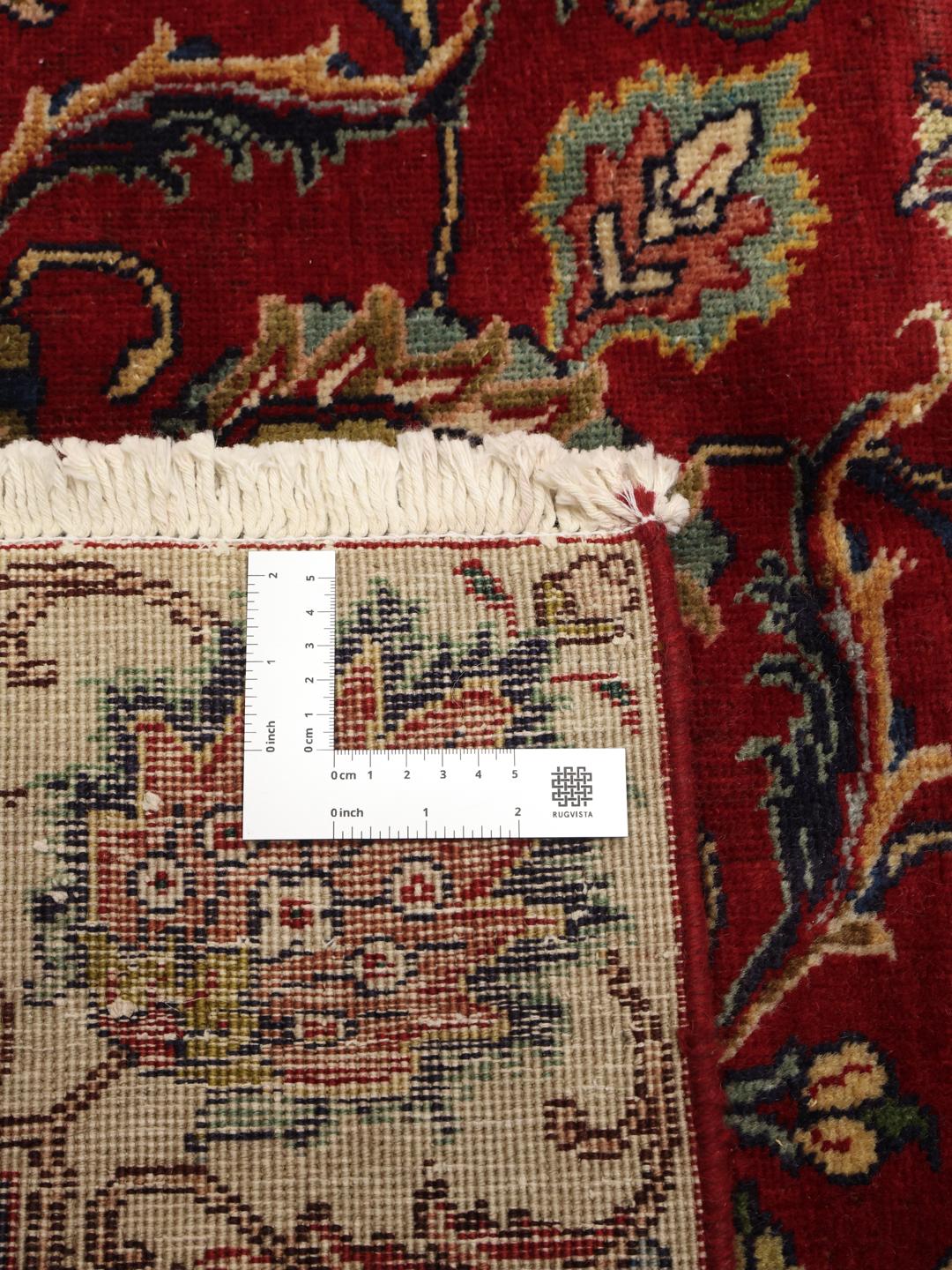
A defining aspect of these rugs is their sophisticated construction. The artisans employ specialised techniques to ensure that the pile is firmly anchored, resulting in a robust surface that is both lustrous and incredibly durable. This technical foundation is what allows for the inclusion of such fine, curvilinear details, distinguishing these rugs from those with more rigid, geometric layouts.
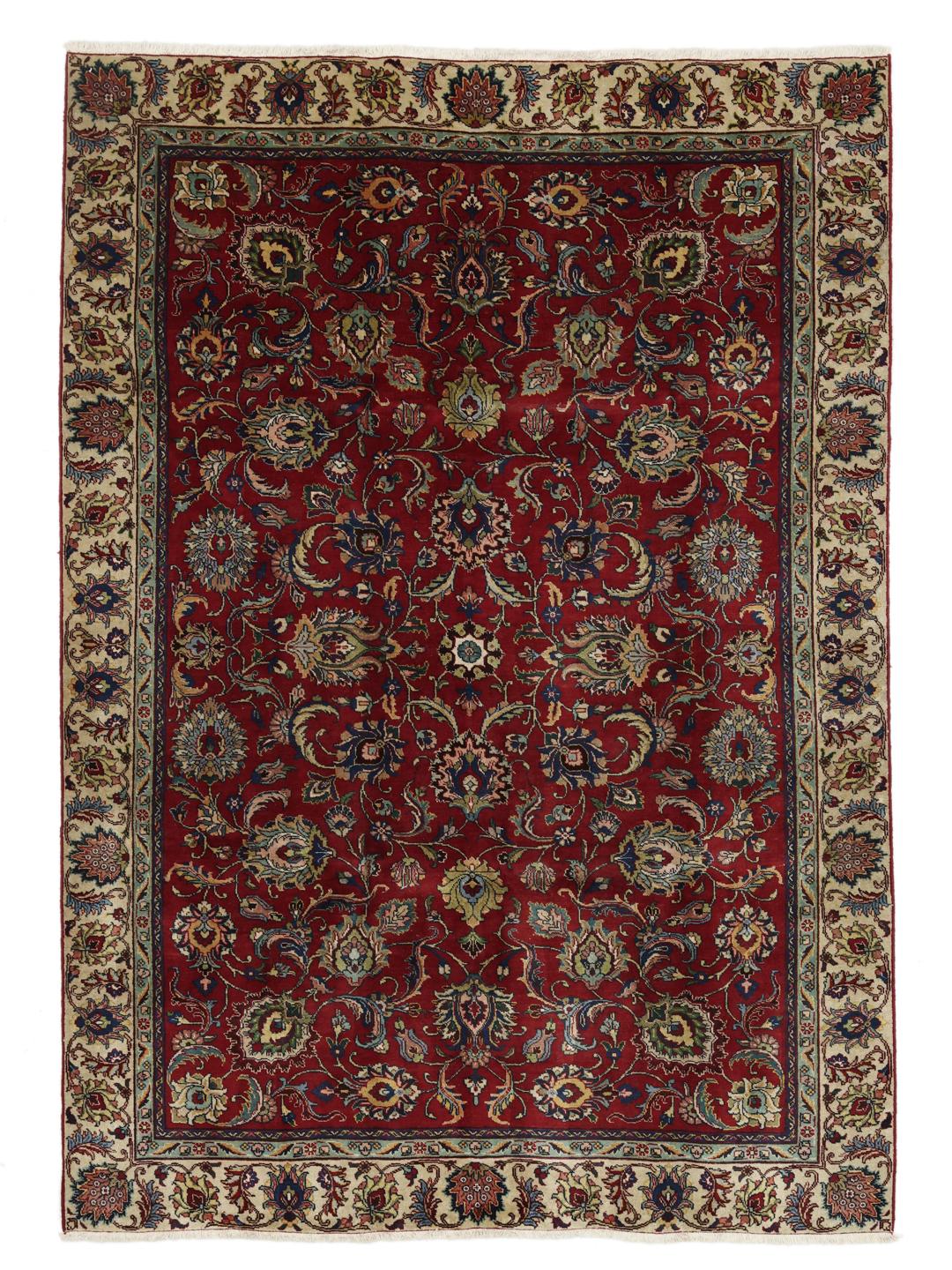
Visually, this tradition is known for its elaborate compositions. While many feature a central medallion surrounded by a sea of floral sprays, vines, and palmettes, others—like this piece—showcase a lush, continuous field of floral motifs. The borders are typically as detailed as the centre, often containing multiple guards that frame the primary design with a sense of formal balance and elegance.
Owning a piece from this storied tradition is an investment in cultural heritage. These rugs are highly valued by collectors not only for their beauty but for the immense skill required to produce them. To possess such a rug is to hold a tangible piece of history, representing a standard of craftsmanship that has been handed down through generations of dedicated weavers.