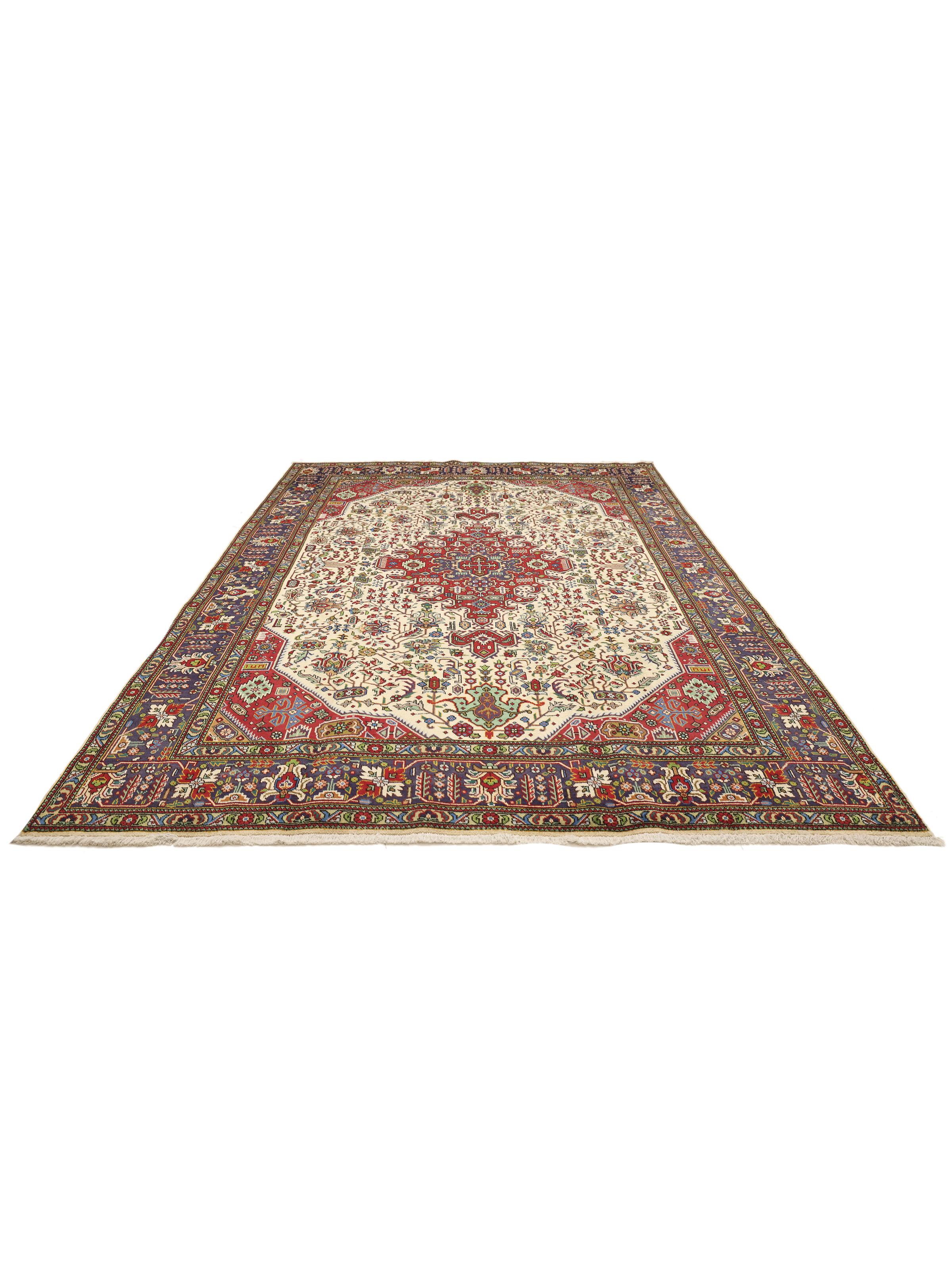
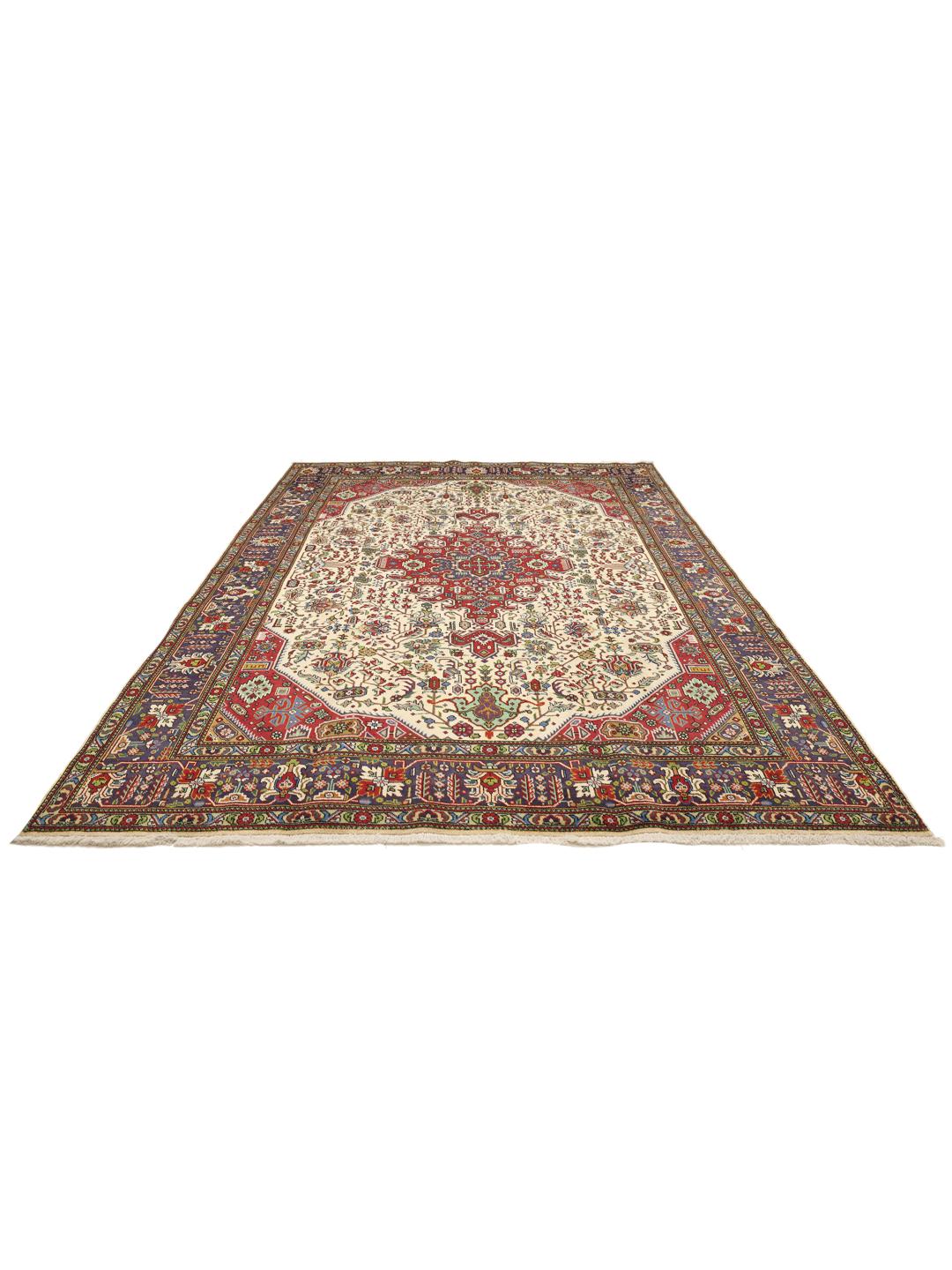
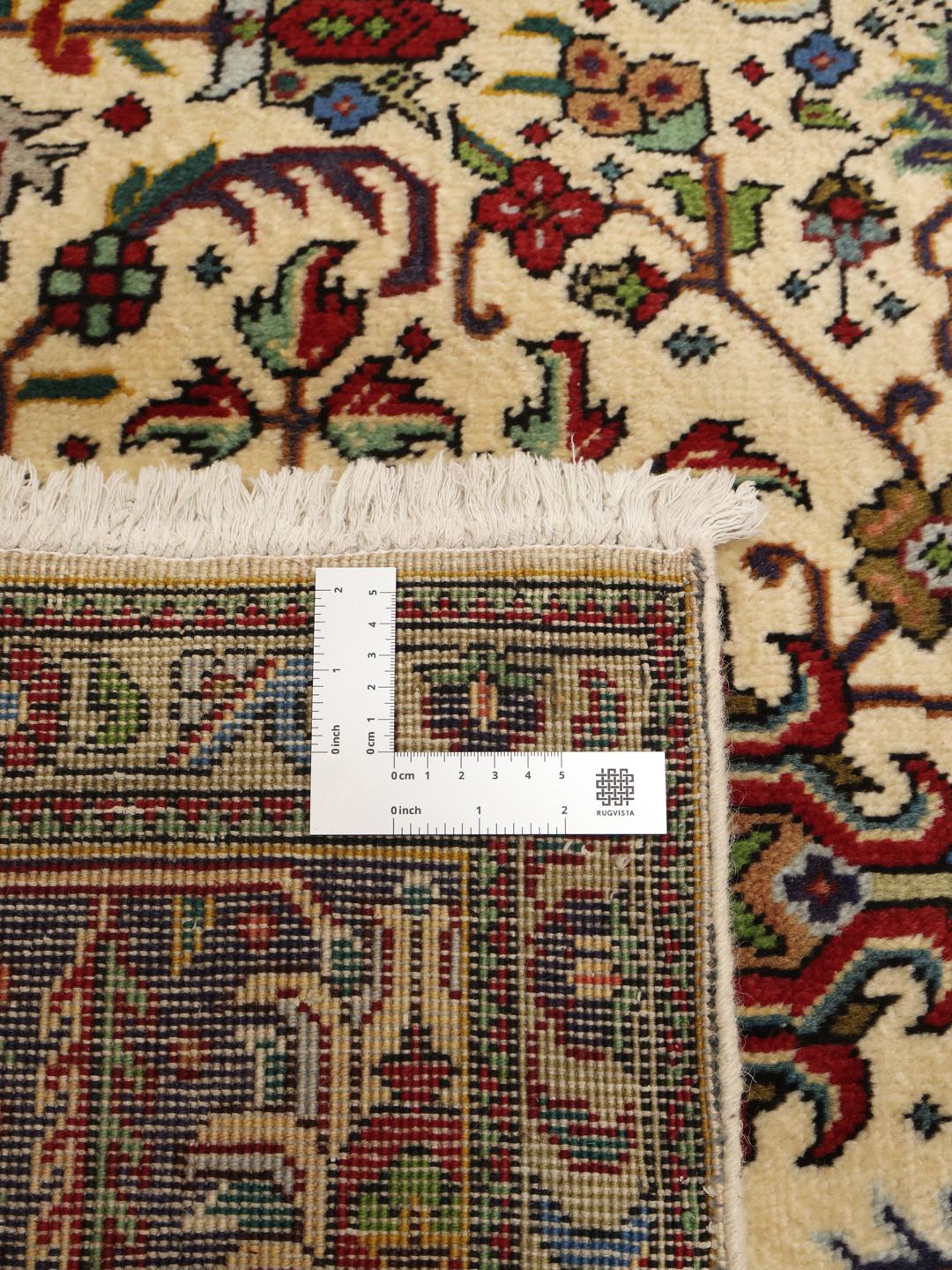
The city of Tabriz, located in the northwest of the Middle East, is one of the oldest and most respected centres of rug production in the world. Historically, it served as a vital hub along the Silk Road, which allowed local artisans to exchange ideas and techniques with weavers from across the globe, leading to the sophisticated and diverse design language for which the region is known today.
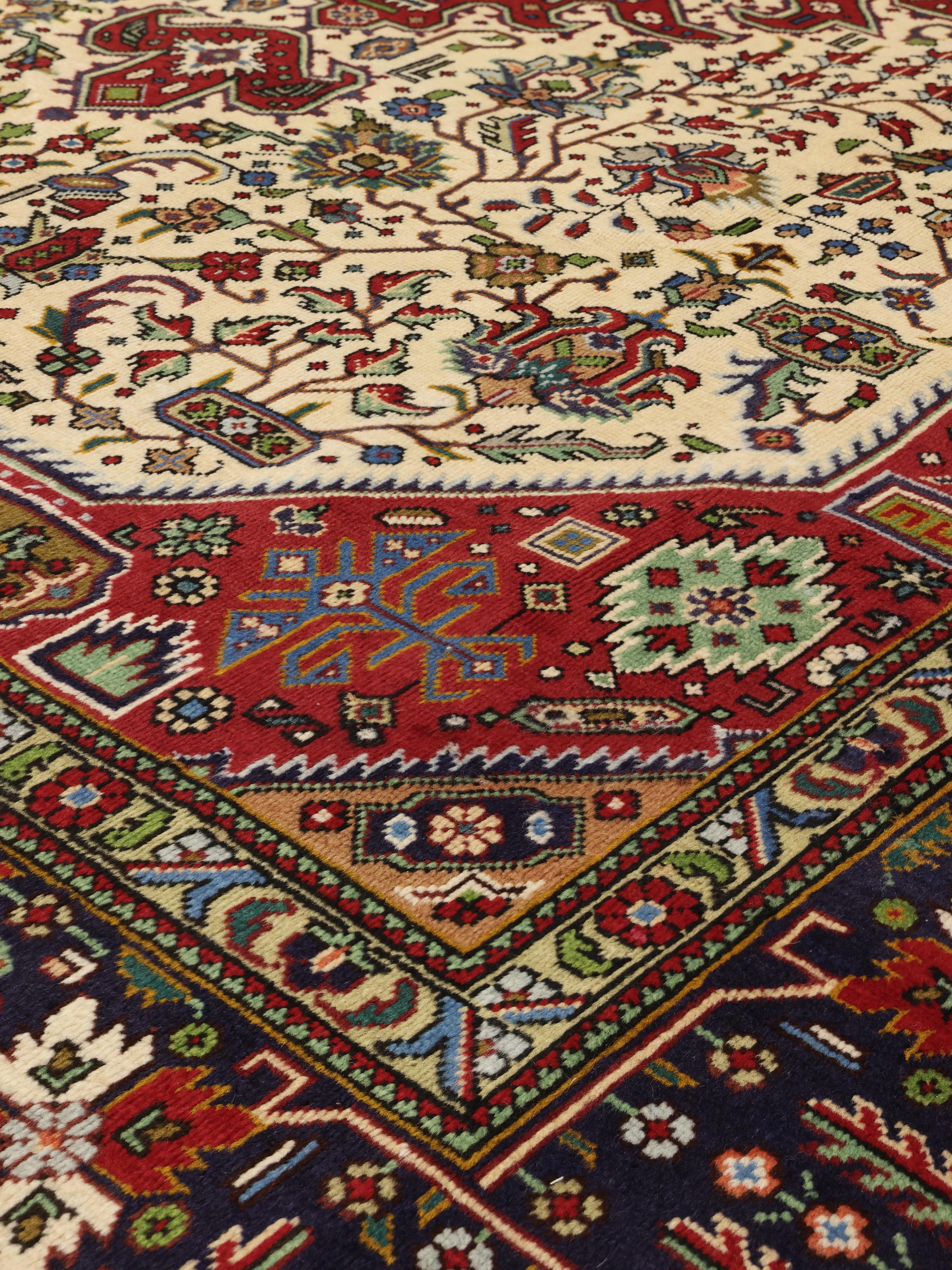
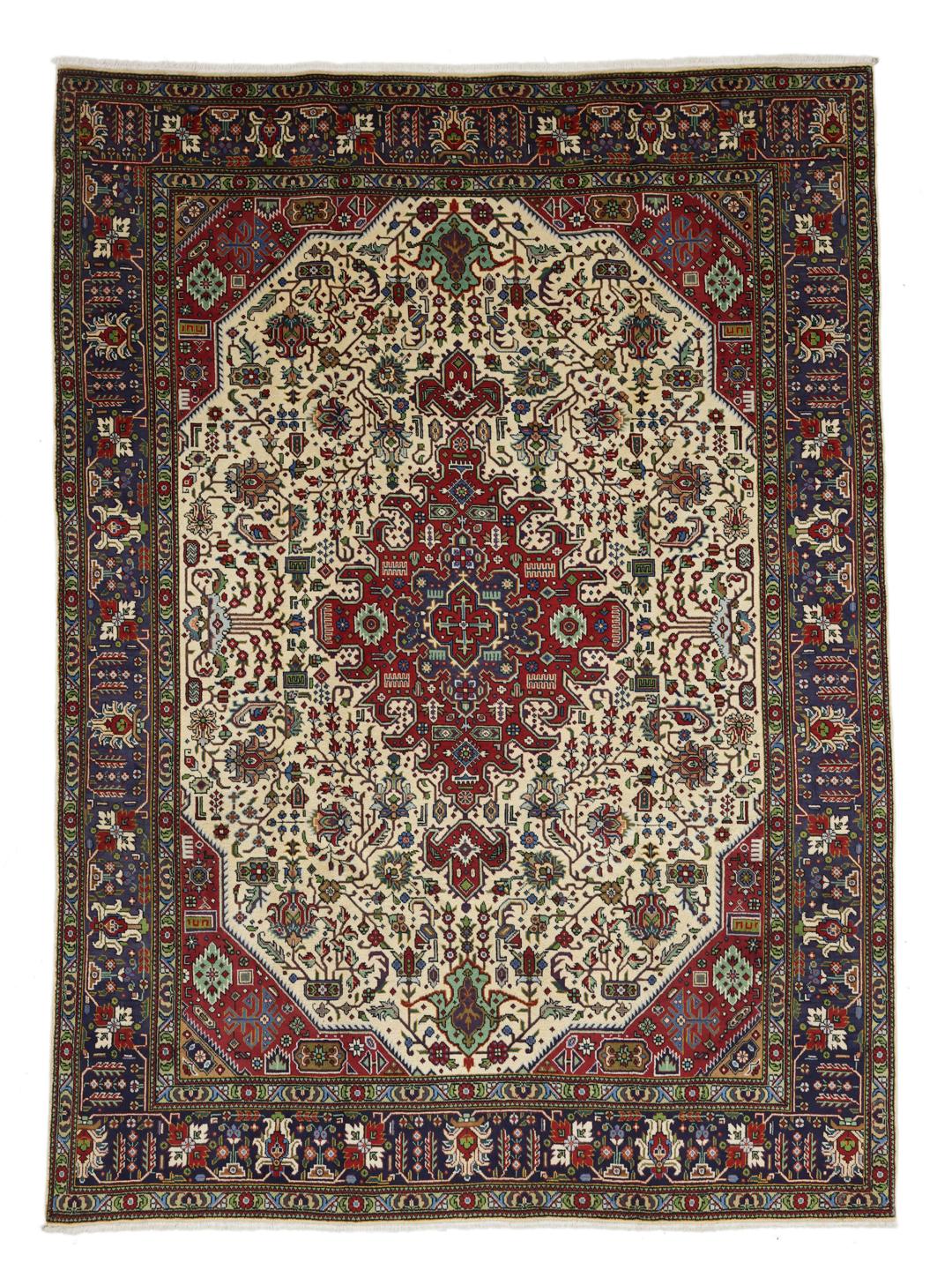
What sets these rugs apart is their incredible technical versatility. The term 'Tabriz' refers to a wide range of styles, but they are consistently defined by a high standard of precision. These rugs are typically crafted with a strong focus on symmetry and balance, often incorporating complex motifs that require a high level of technical mastery to execute correctly, ensuring both structural integrity and aesthetic clarity.
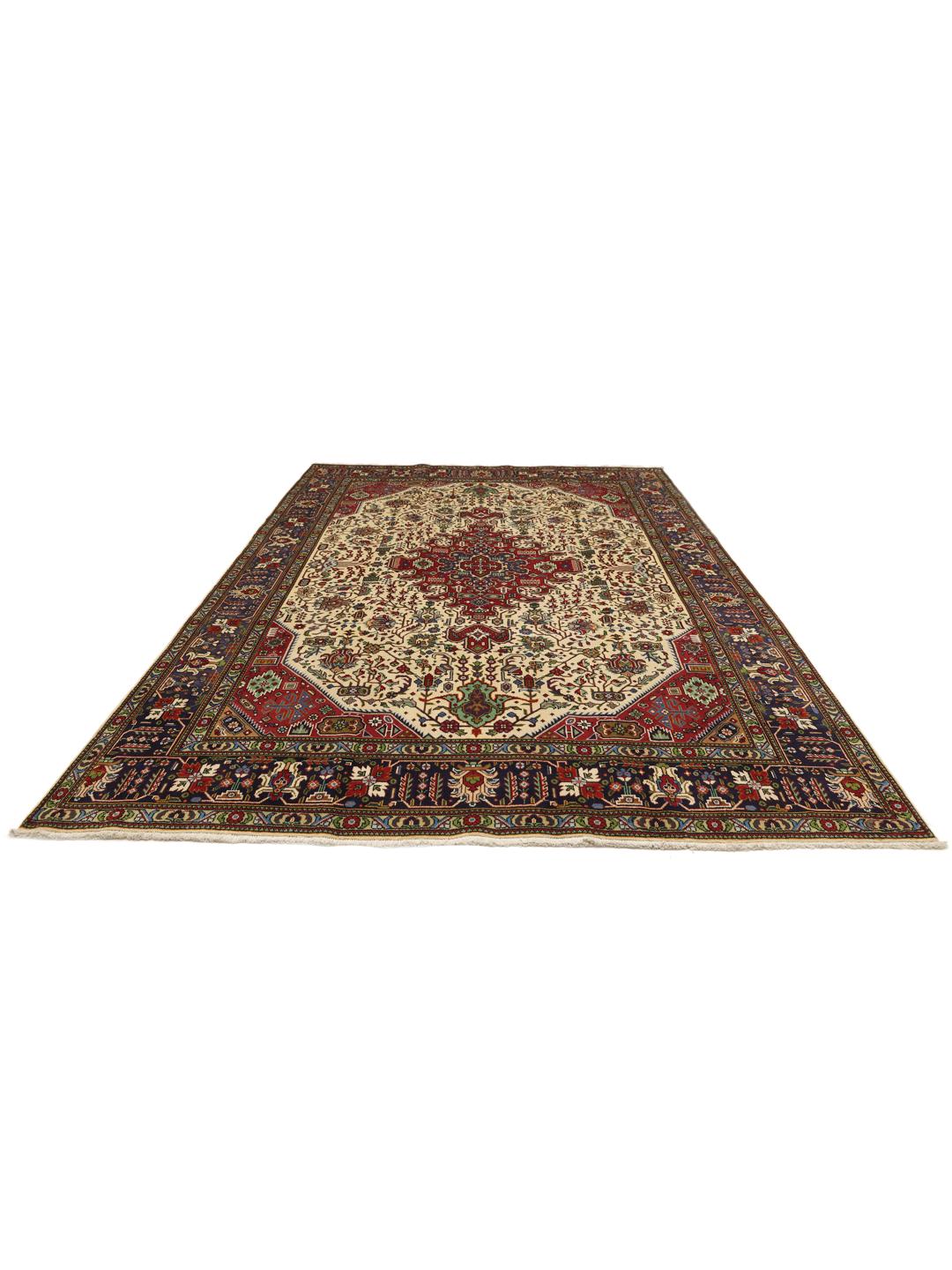
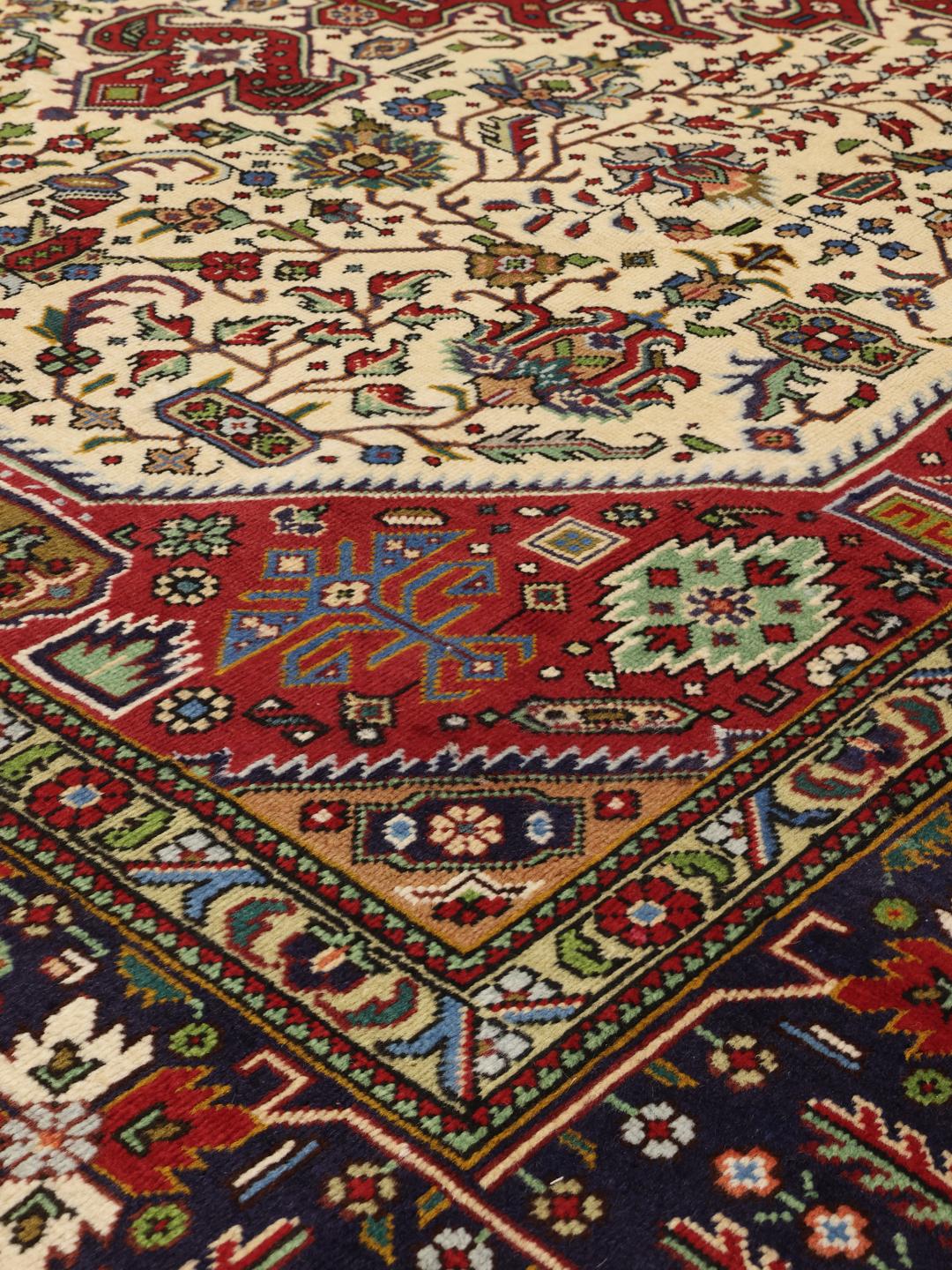
The signature design of a classic rug from this region frequently centres around a grand, intricate medallion, often inspired by the architectural tiles of historic mosques or the delicate beauty of royal gardens. These central motifs are usually enveloped by a field of densely woven floral sprays, vine scrolls, and palmettes, all framed by a wide, decorative border that grounds the composition and provides a formal, cohesive look.
Owning a piece from this tradition is an act of preserving a heritage that spans centuries. These rugs are not merely floor coverings but are deeply ingrained in the cultural identity of the region, valued for their ability to blend artistic expression with practical utility. Collectors and enthusiasts prize these rugs for their enduring beauty and the clear evidence of the human skill required to bring such complex, traditional visions to life.