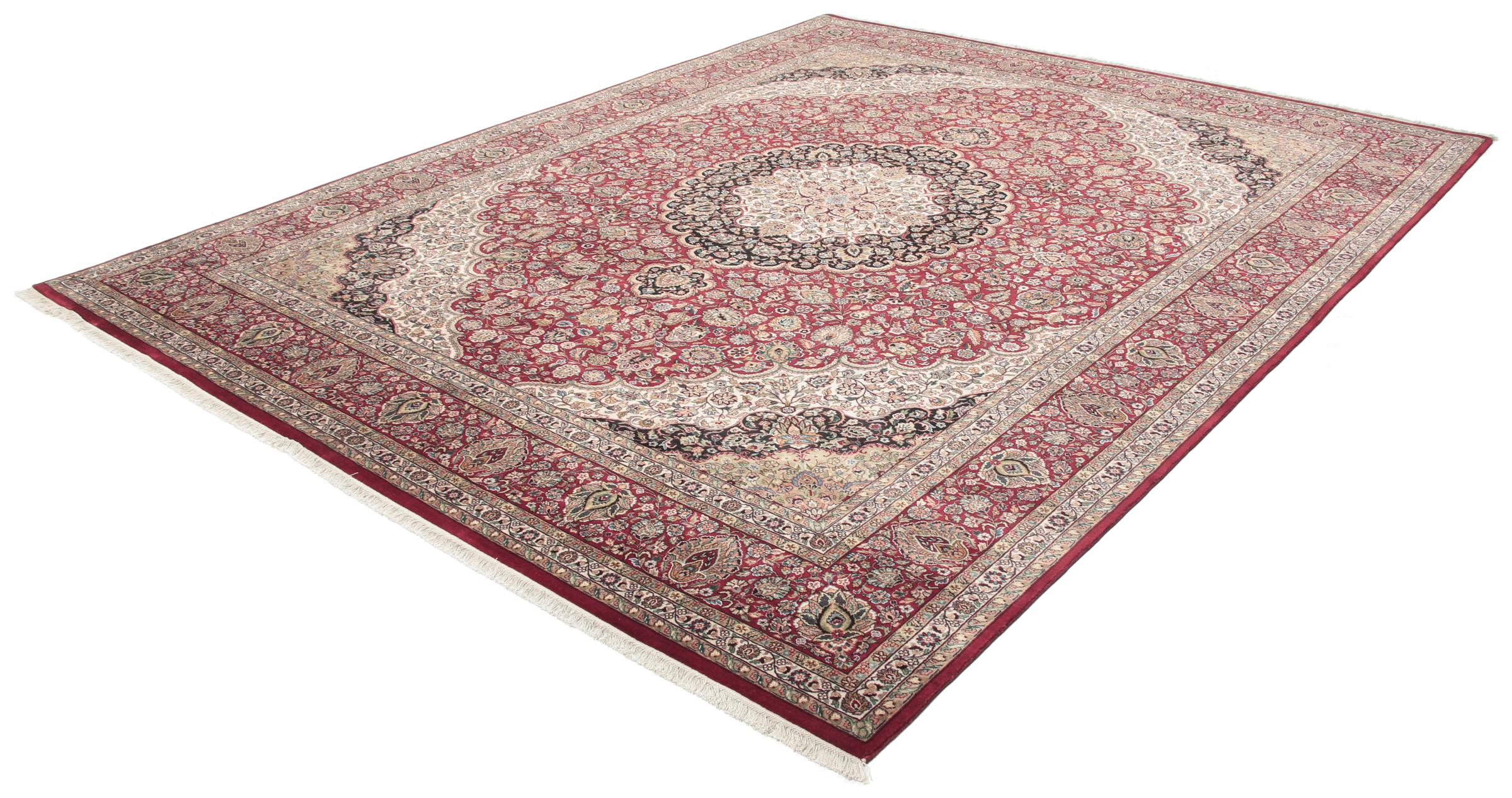
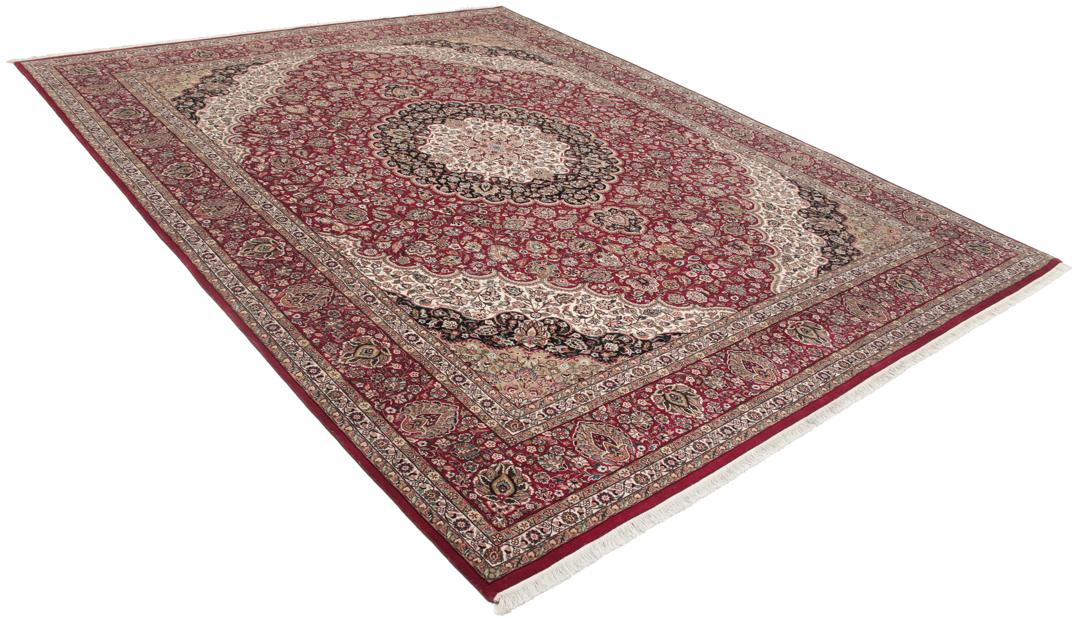
The Tabriz rug tradition traces its origins to the historic city of Tabriz in the Middle East, a legendary hub along the Silk Road that became a centre for artistic and cultural exchange. Over centuries, these rugs became world-renowned for their technical sophistication and their ability to incorporate diverse design influences, evolving into a style that is celebrated for its balance and refinement.
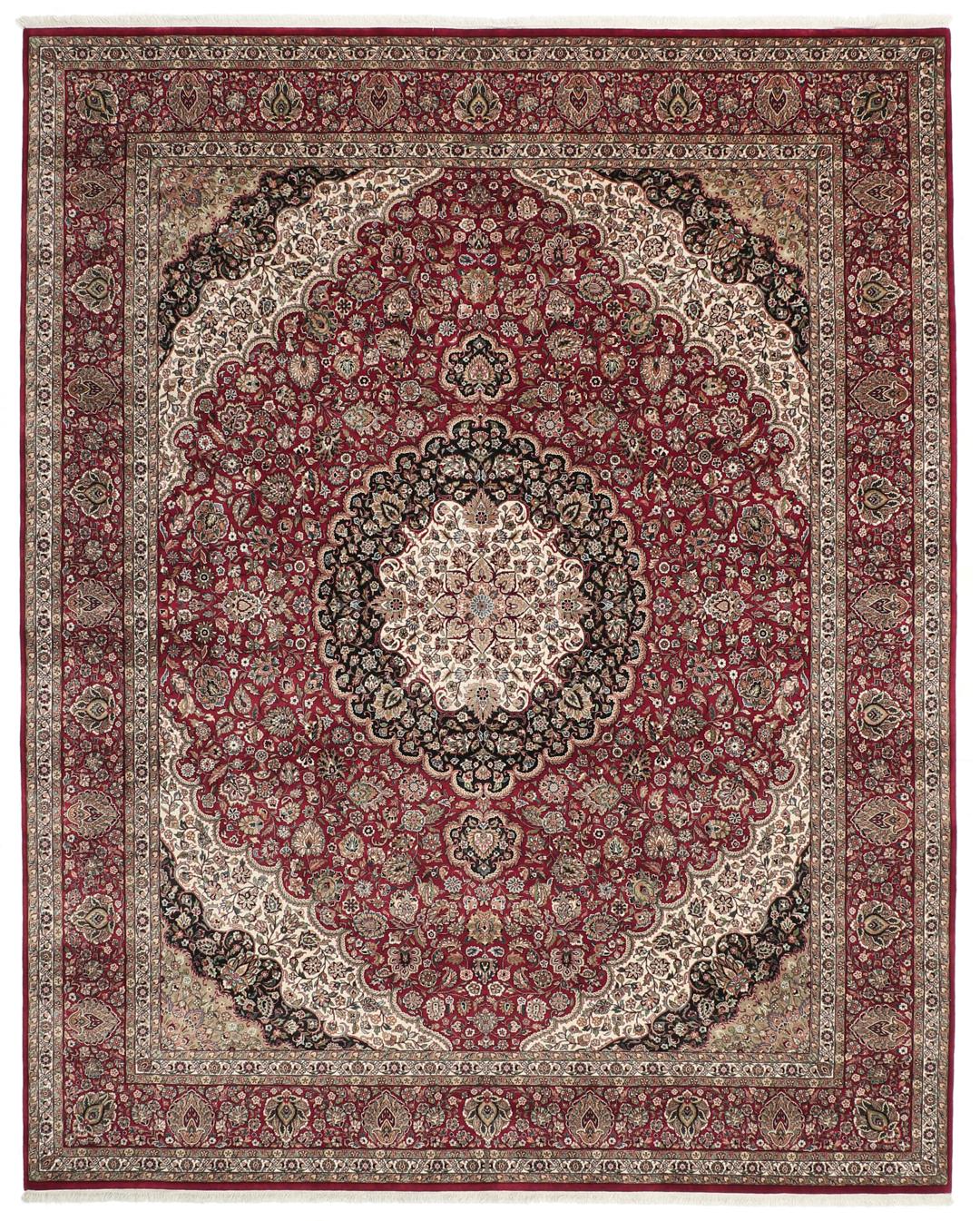
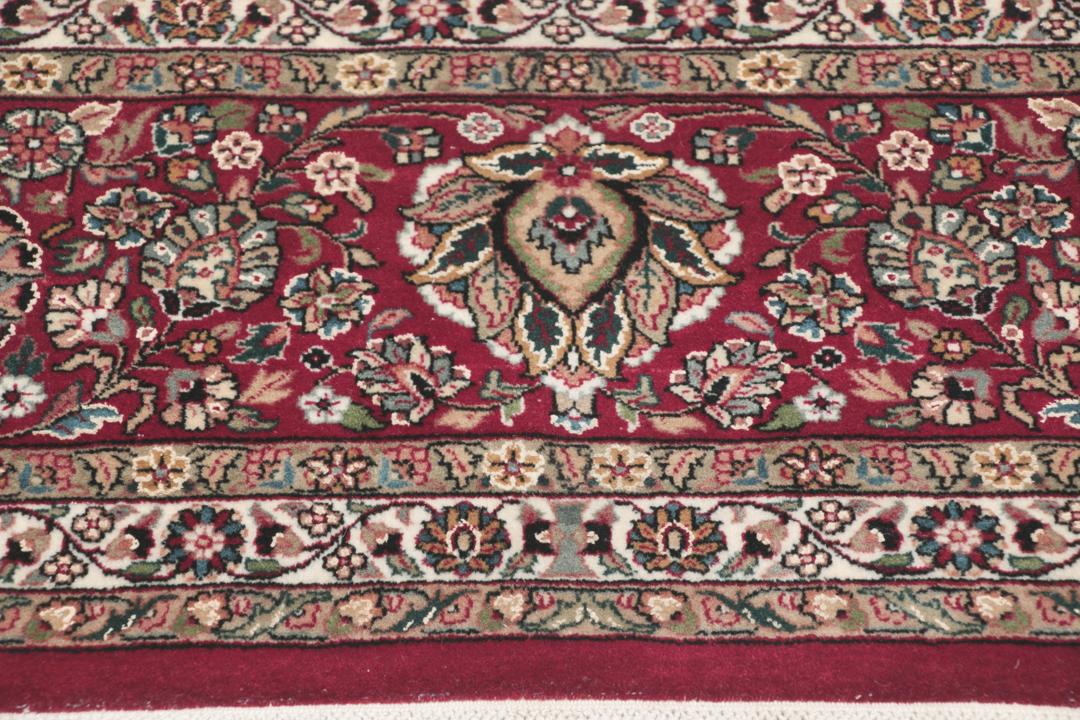
The term Shah Abbas refers to a classic, regal design style named after the 16th-century ruler who was a great patron of the arts. This design is characterised by its sophisticated floral motifs, including palmettes, arabesques, and vines, which are arranged in a balanced, flowing composition. These patterns are not merely decorative but are deeply rooted in a visual language that has defined luxury floor coverings for generations.
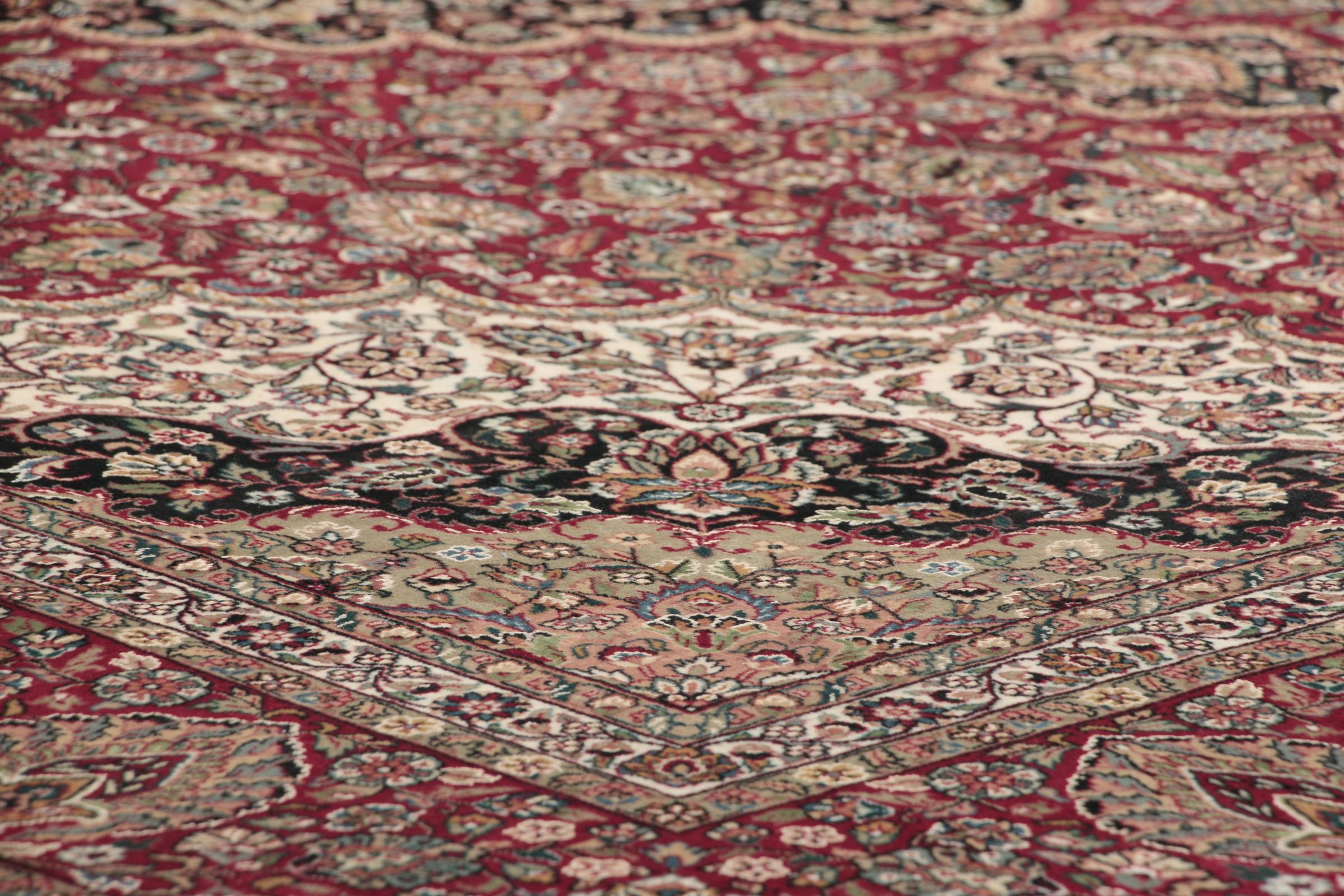
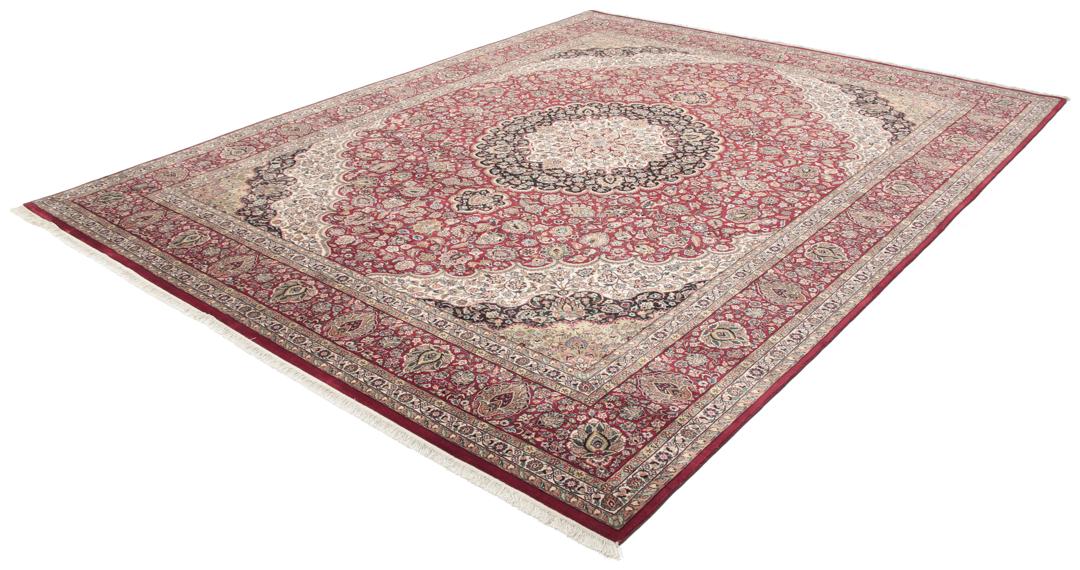
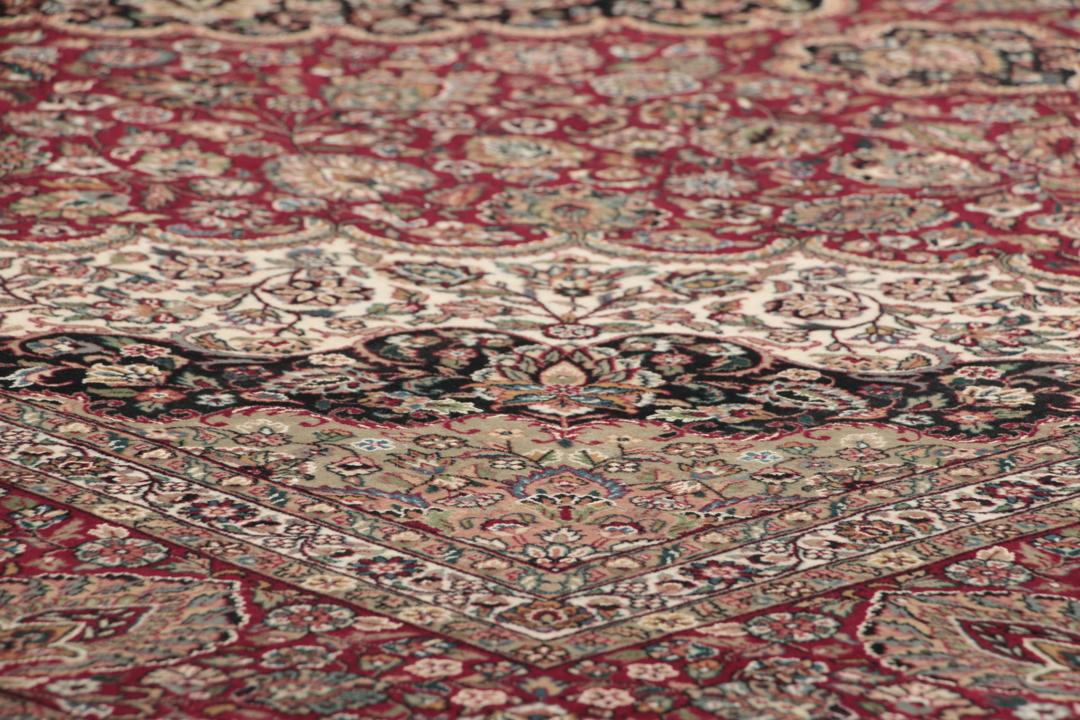
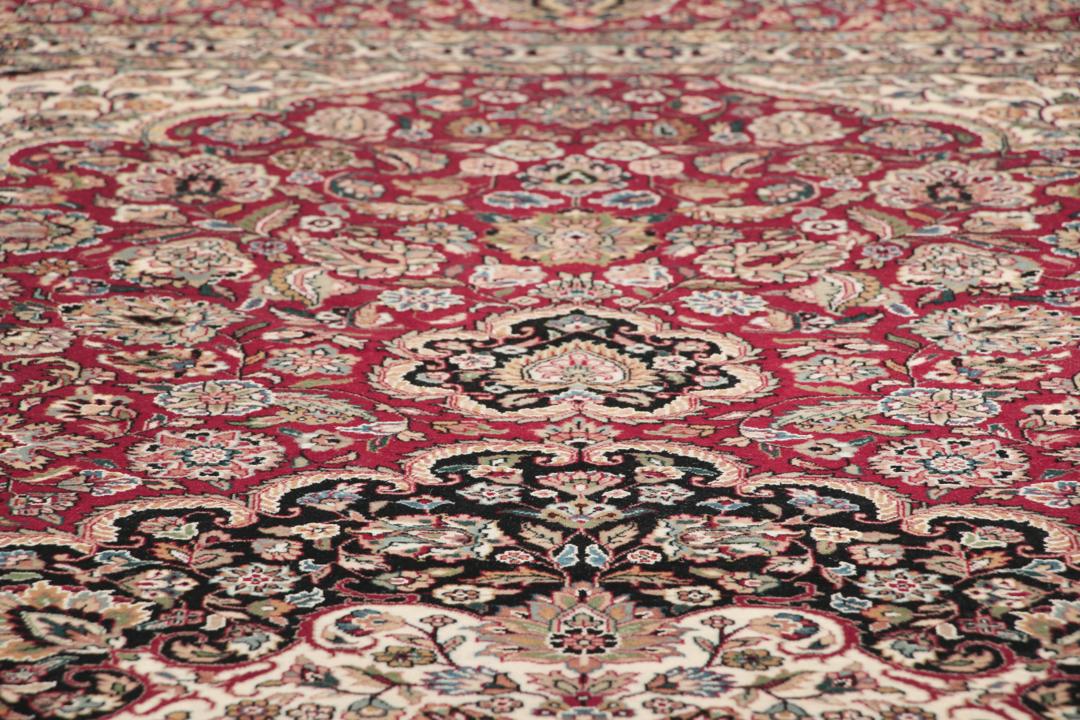
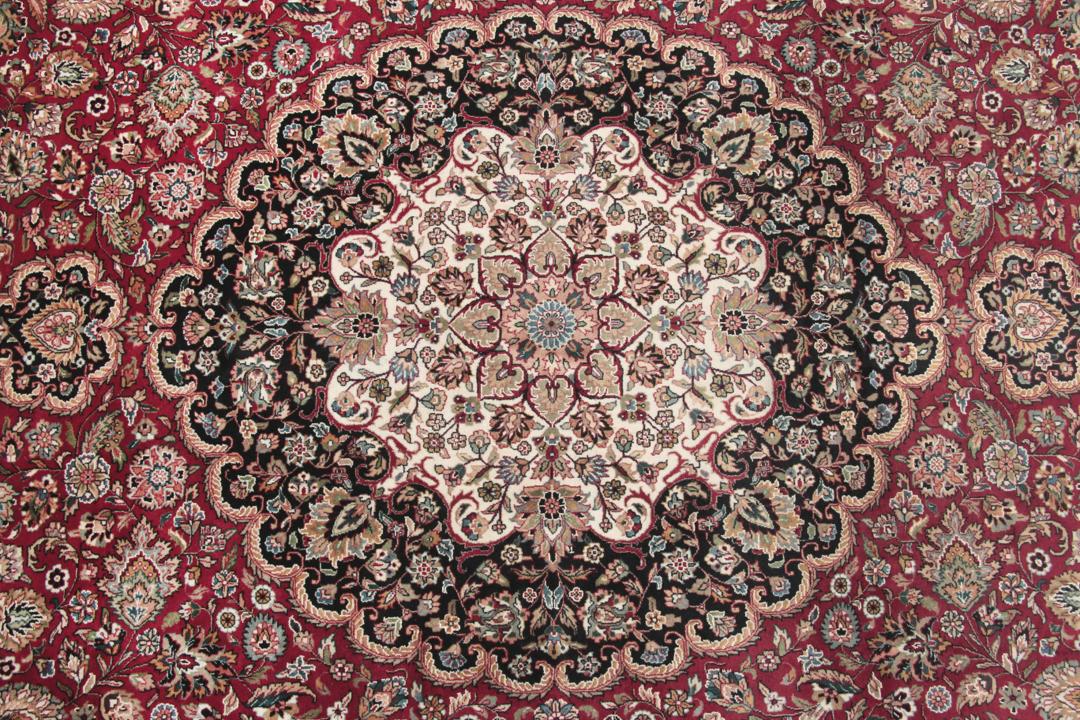
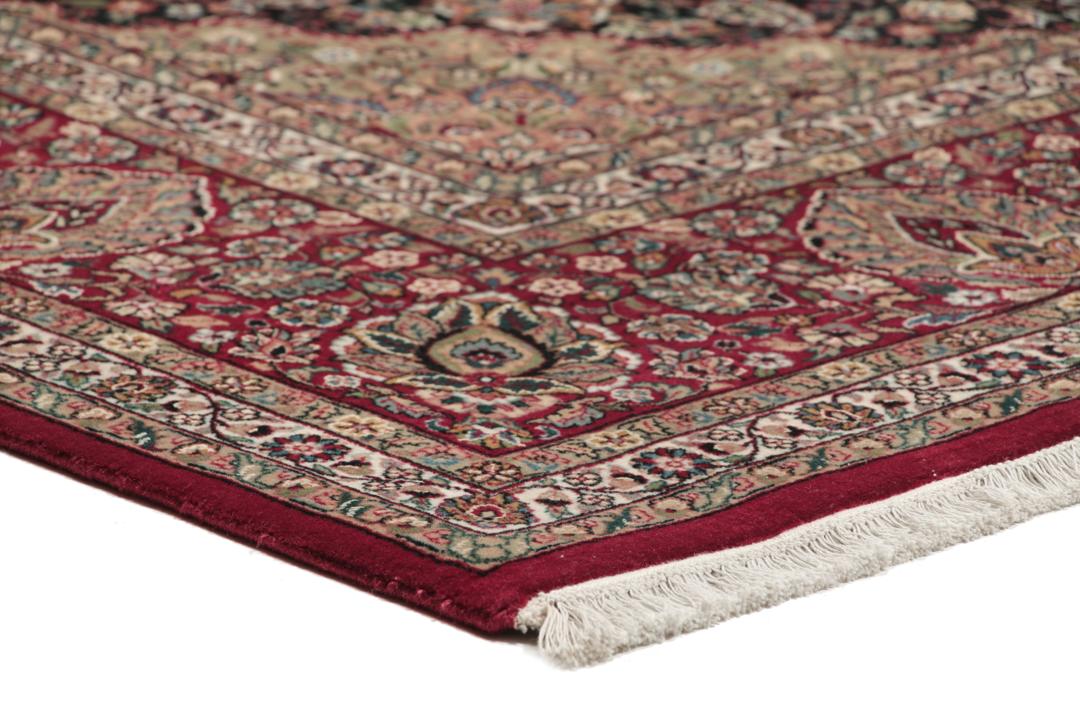
Signature elements of this tradition include a central medallion surrounded by a field of intricate floral and vegetal patterns, all framed by an elaborately detailed border. This particular piece honours those traditions while showcasing the unique interpretation of Indian weavers who have mastered these complex techniques, blending historical motifs with a distinct regional sensibility.
Collecting a rug from this tradition is an investment in cultural heritage. Each piece is a bridge to the past, reflecting a level of skill and artistic dedication that is increasingly rare in the modern world. By bringing this rug into your home, you are continuing a legacy of appreciation for fine craft and timeless design that transcends fleeting trends.