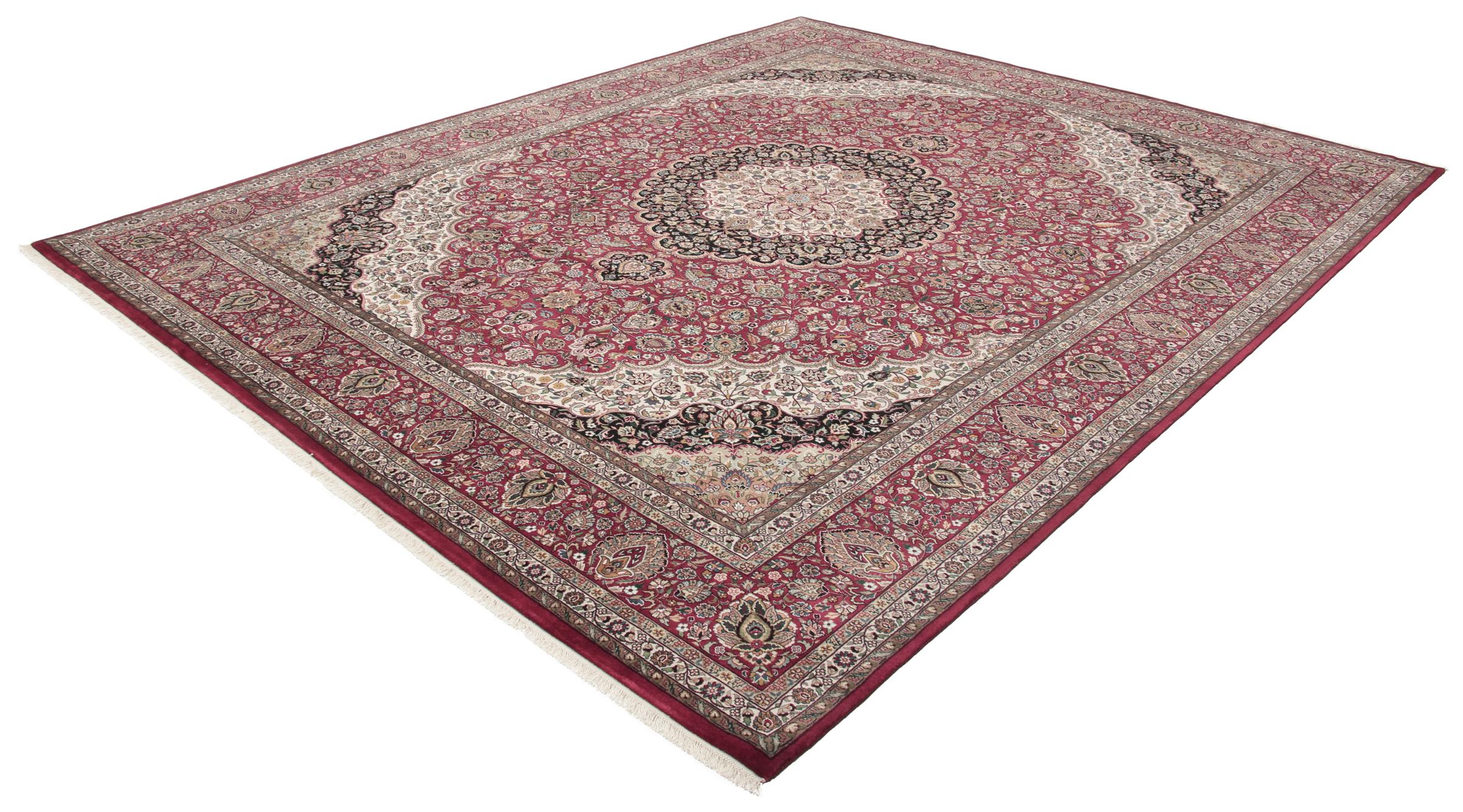
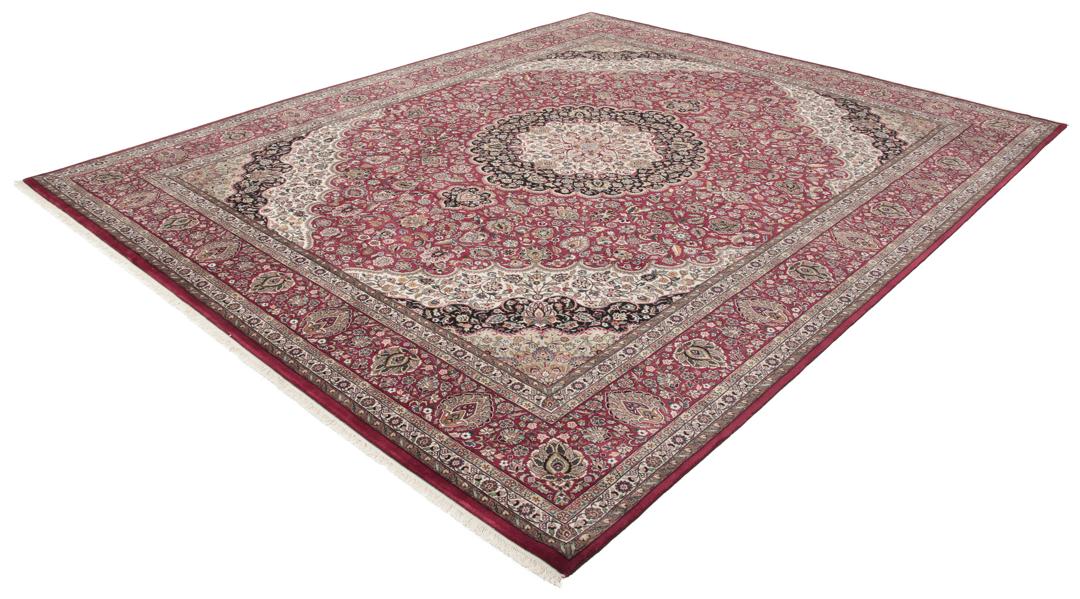
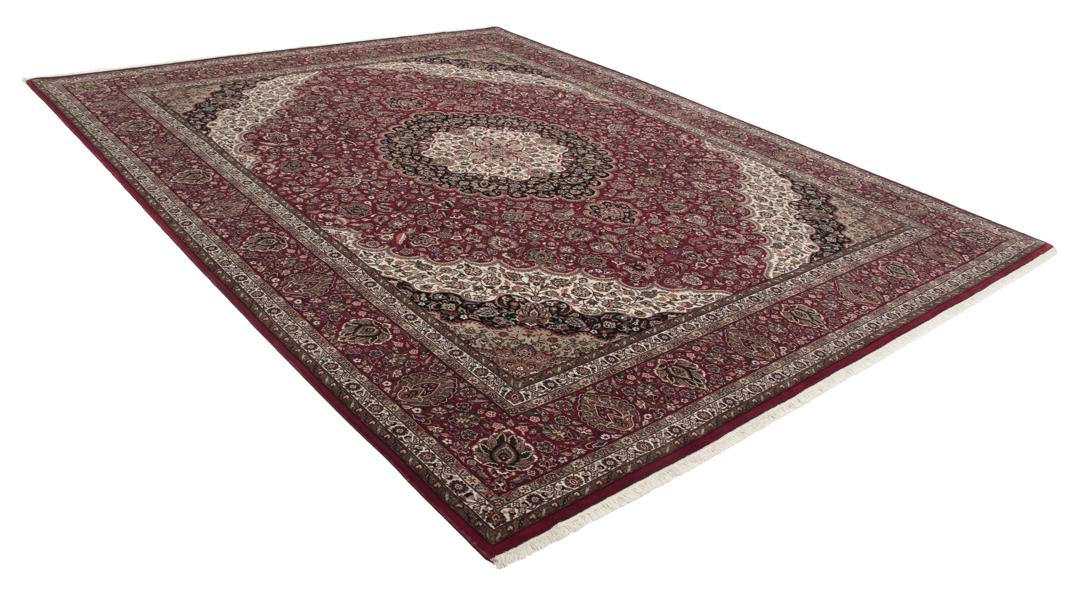
The Tabriz rug tradition is one of the most celebrated in the history of textile art, originating from the historic city of Tabriz in the Middle East. For centuries, this region has been a vibrant centre for weaving, known for its ability to absorb and refine influences from along the ancient trade routes. The Shah Abbas design, which this rug beautifully exemplifies, is named after the 16th-century ruler who famously patronised the arts, leading to a golden age of rug production.
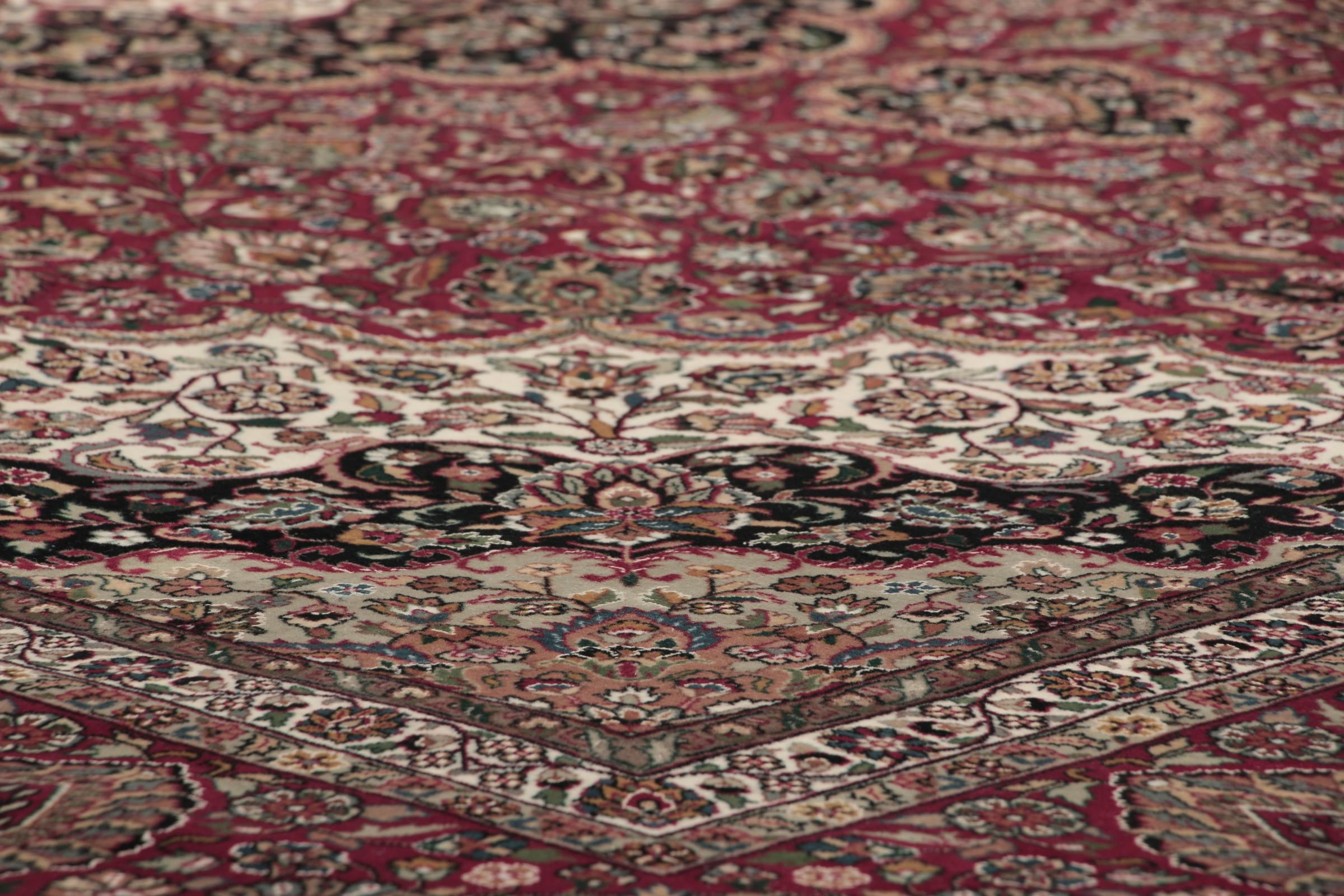
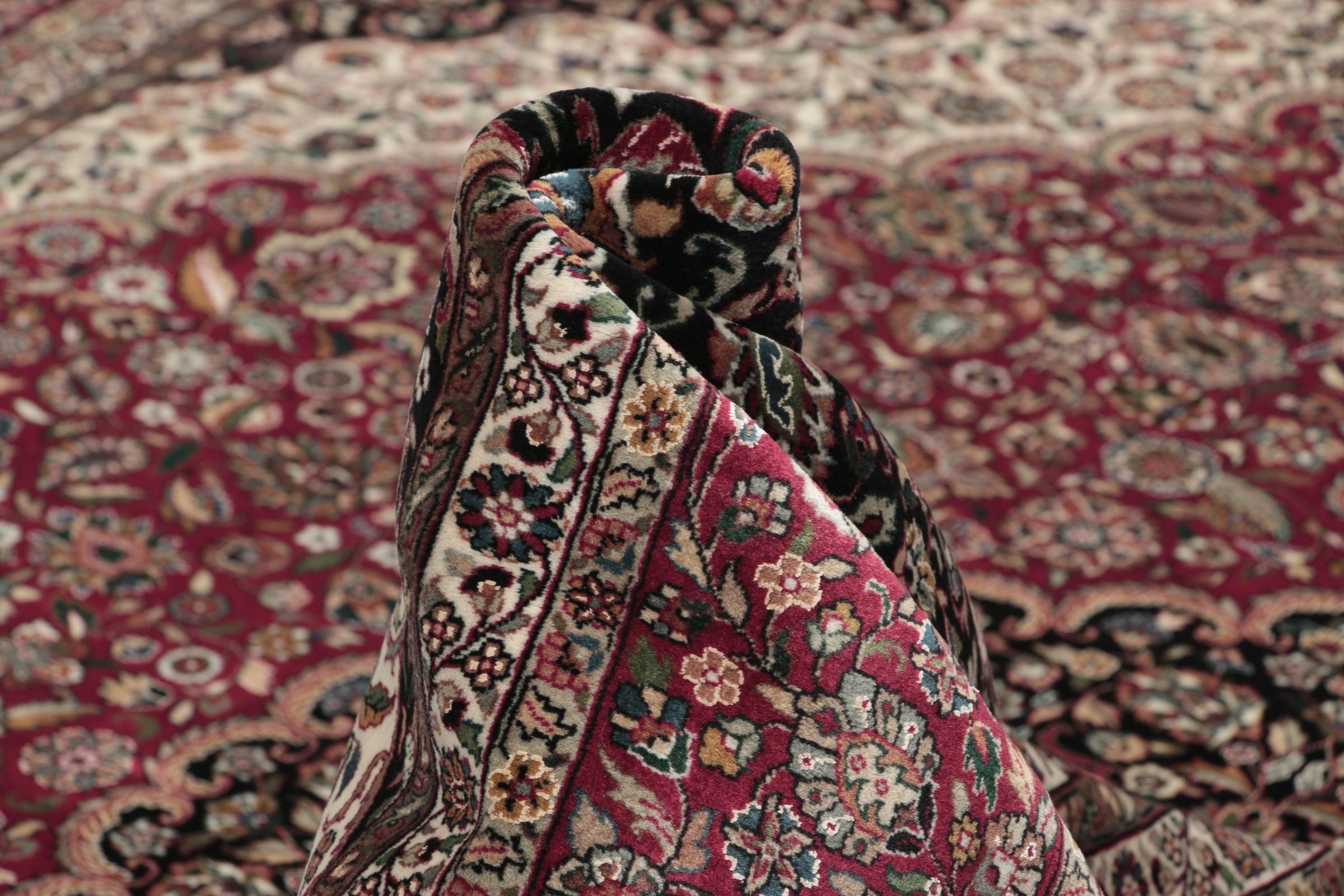
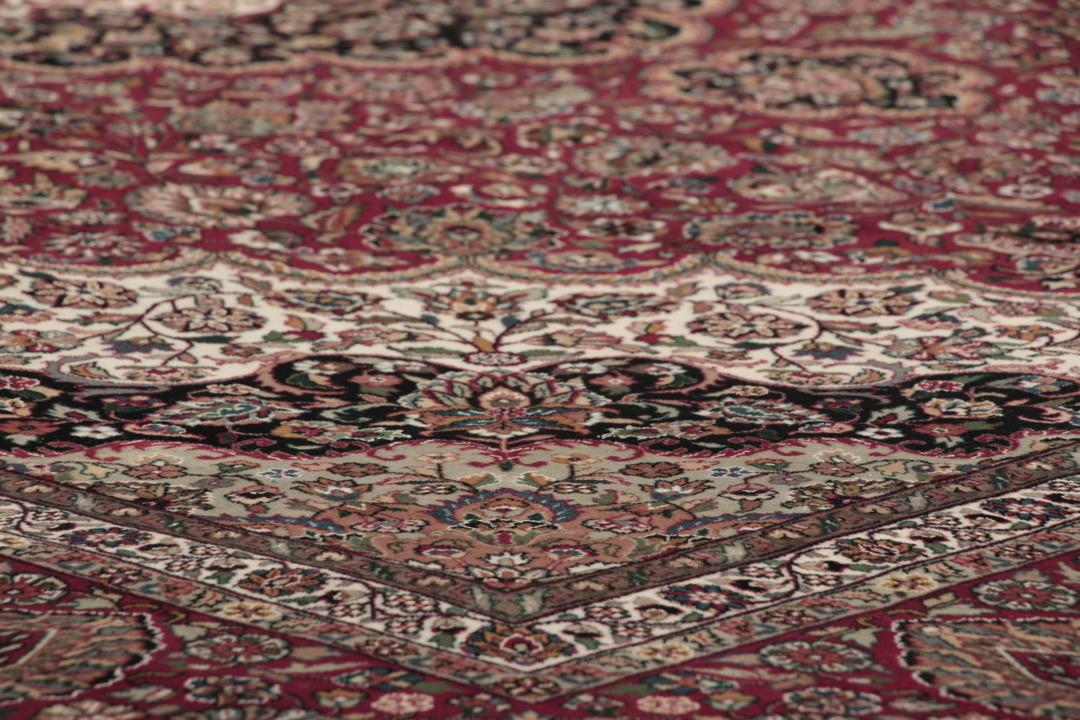
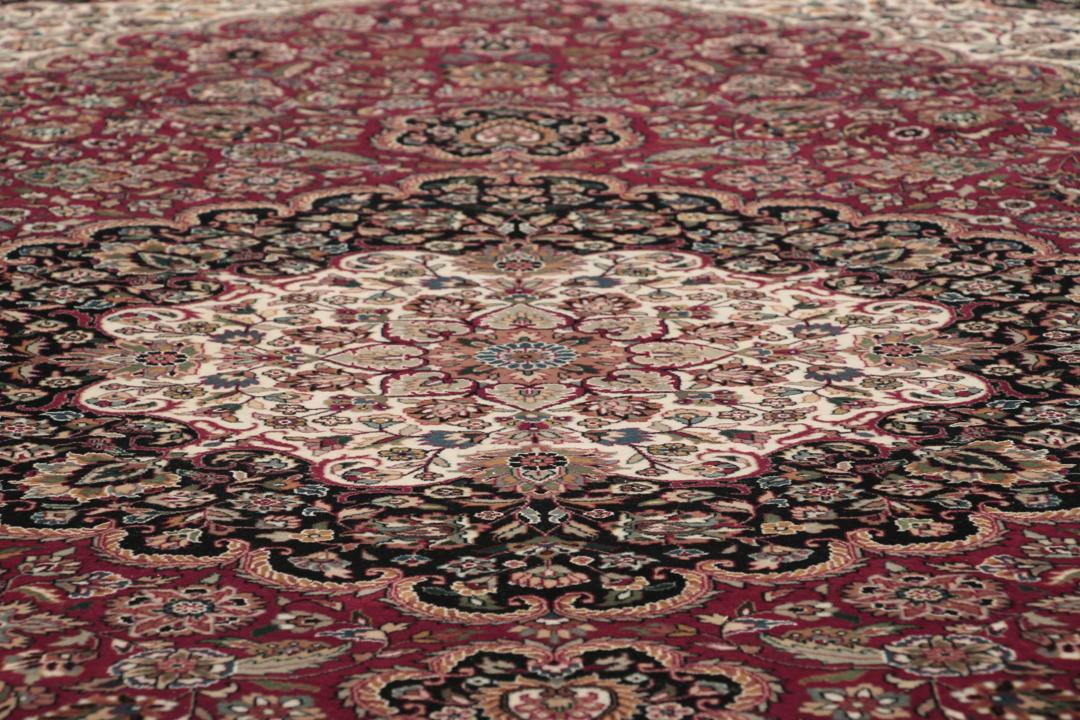
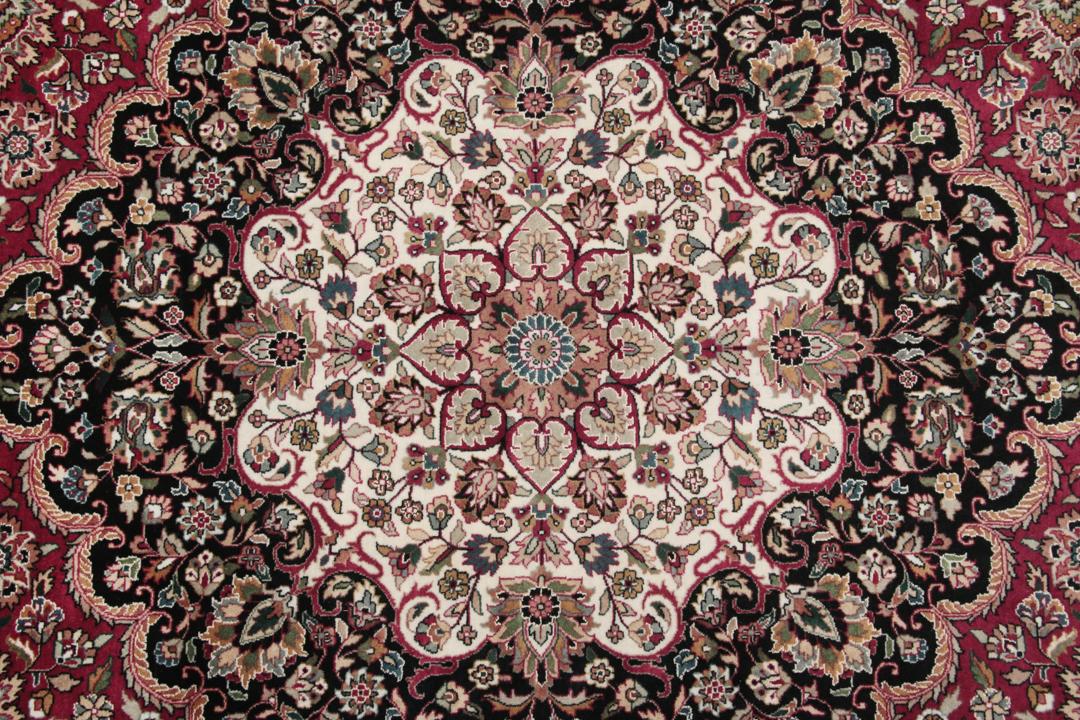
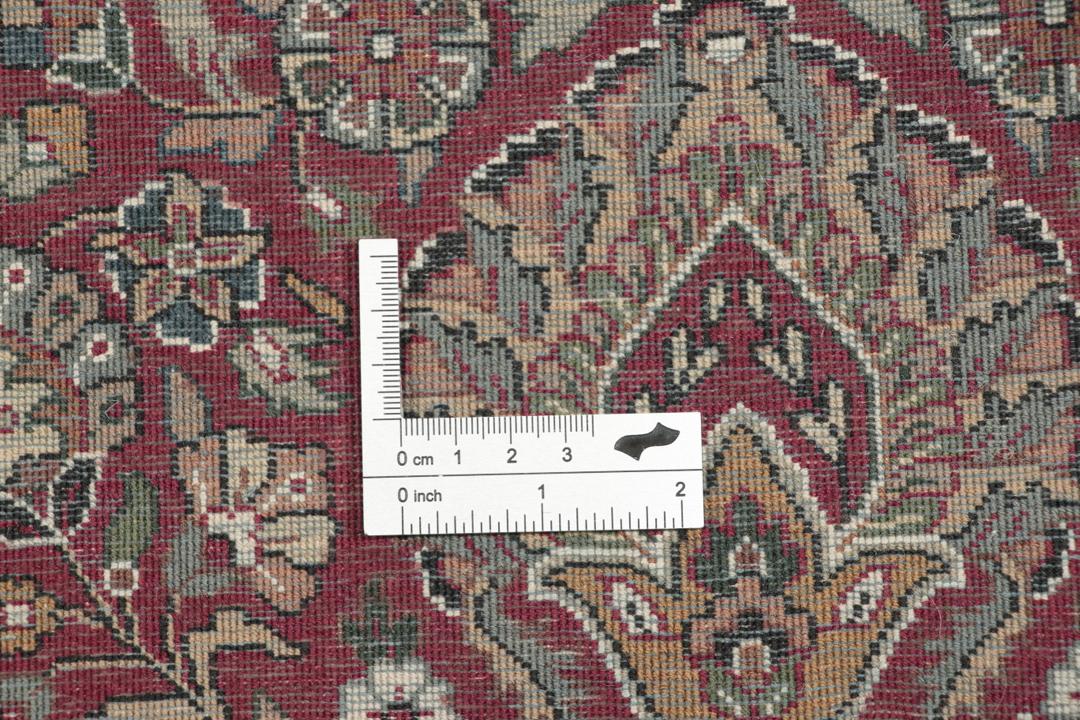
Technically, Tabriz rugs are revered for their high knot density and the use of fine materials, which allow for exceptionally detailed and fluid floral patterns. The term 'Shah Abbas' refers to a specific decorative motif featuring ornate palmettes, vines, and lotus blossoms. These elements are not merely decorative but are symbolic, representing the garden of paradise—a classic theme in the history of the region's textile design.
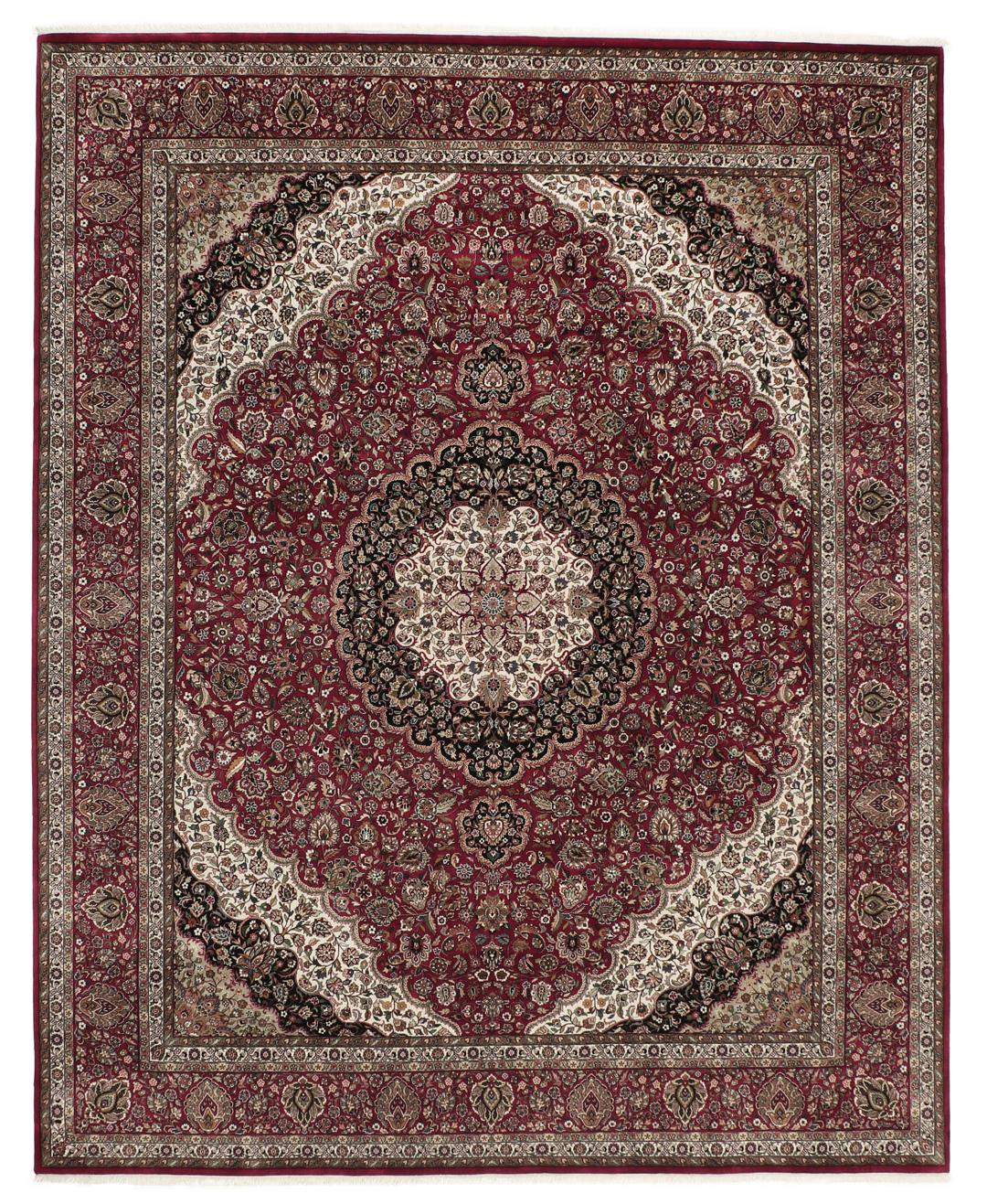
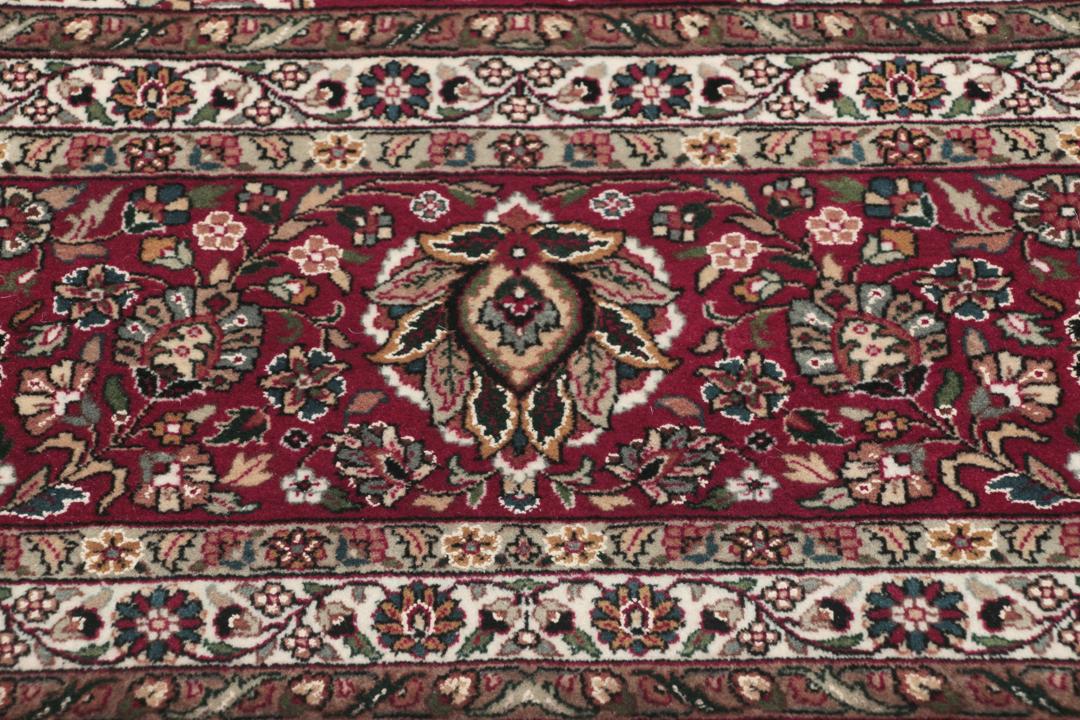
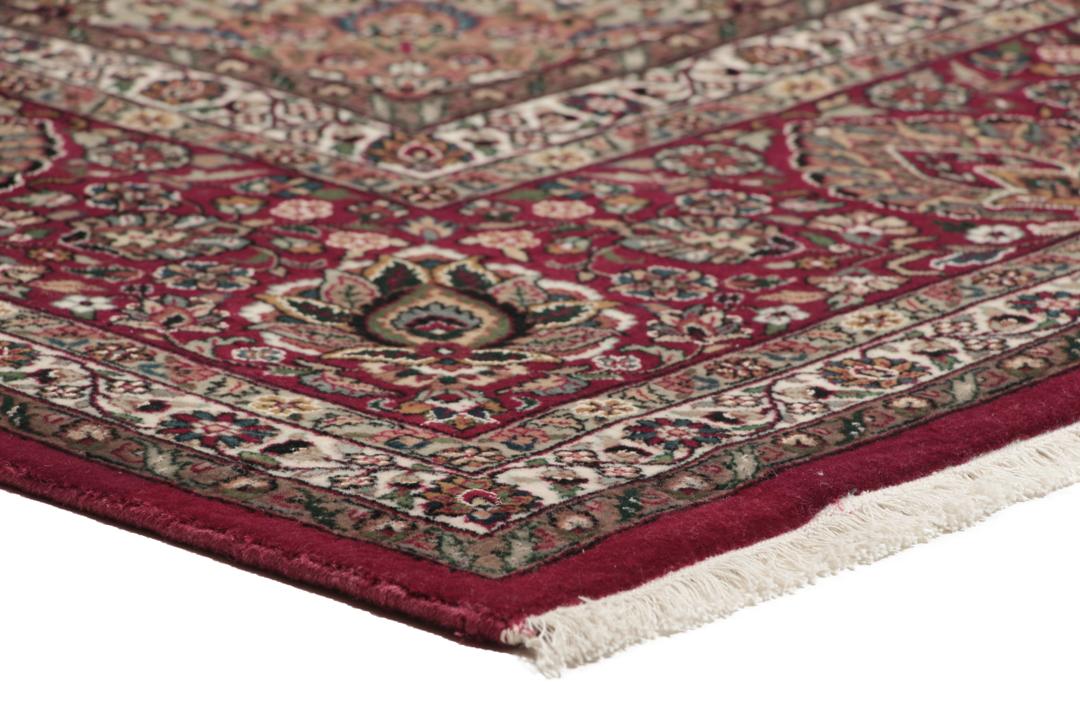
Visually, this rug follows the traditional medallion layout, where a central focus is perfectly balanced by intricate corner pieces and a wide, detailed border. The palette of rich red and soft beige is characteristic of the most sought-after examples of this style, providing a deep, grounding contrast that draws the eye. Its composition reflects a tradition where symmetry and complexity are held in perfect equilibrium.
Collecting a piece from this tradition is an act of preserving cultural heritage. These rugs are valued not only for their aesthetic splendour but for the immense human skill required to manifest such complex designs from memory and tradition. Owning this rug is an opportunity to connect with a centuries-old craft, bringing a piece of history that has been reinterpreted through the hands of modern artisans into your living space.