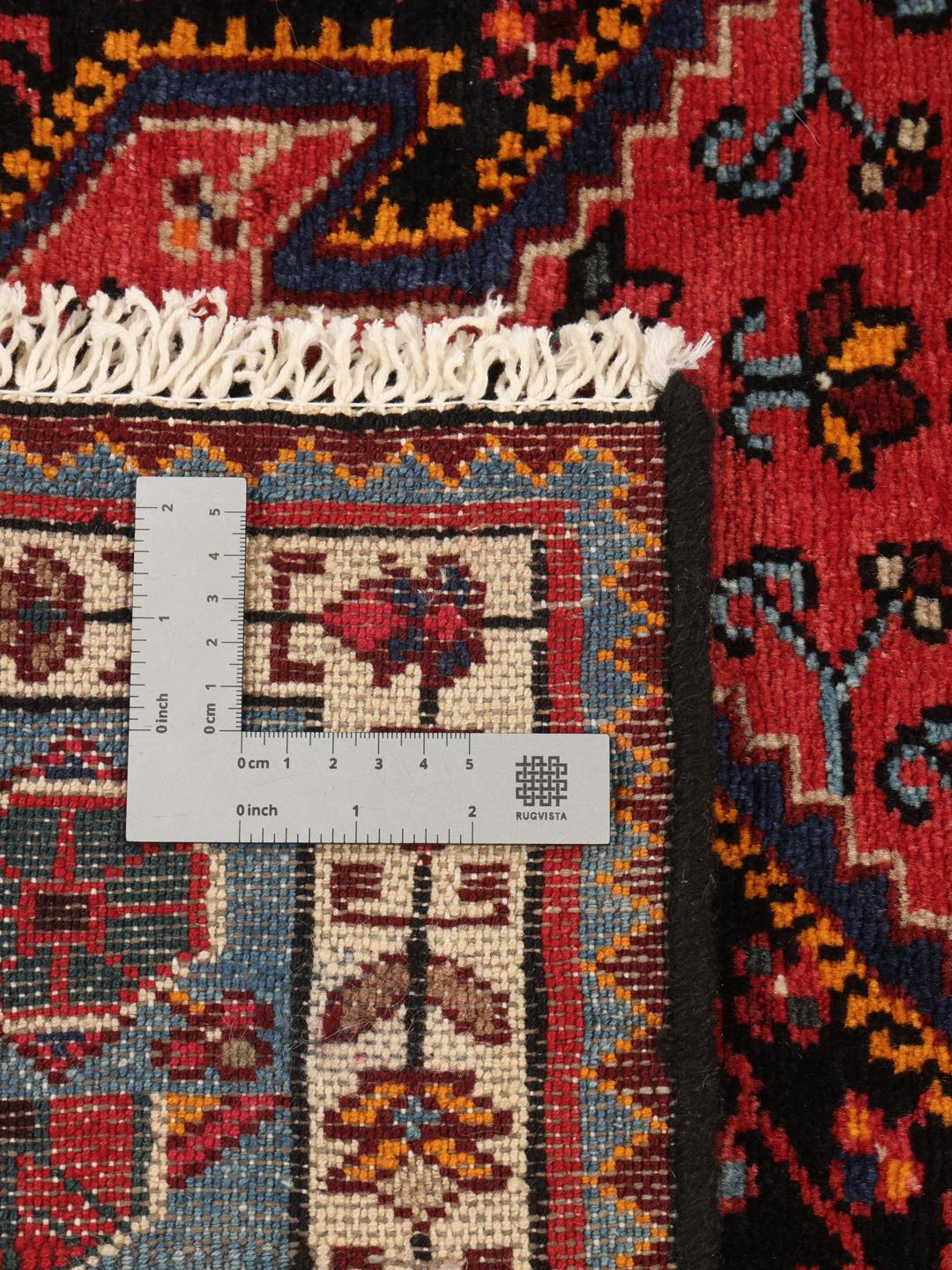
Toiserkan rugs originate from the Hamadan region of the Middle East, an area long celebrated for its prolific and diverse weaving heritage. These rugs are named after the town of Toiserkan, located at the foot of the Alvand Mountains, where the cool climate and local sheep flocks have supported a tradition of high-quality Wool production for centuries.
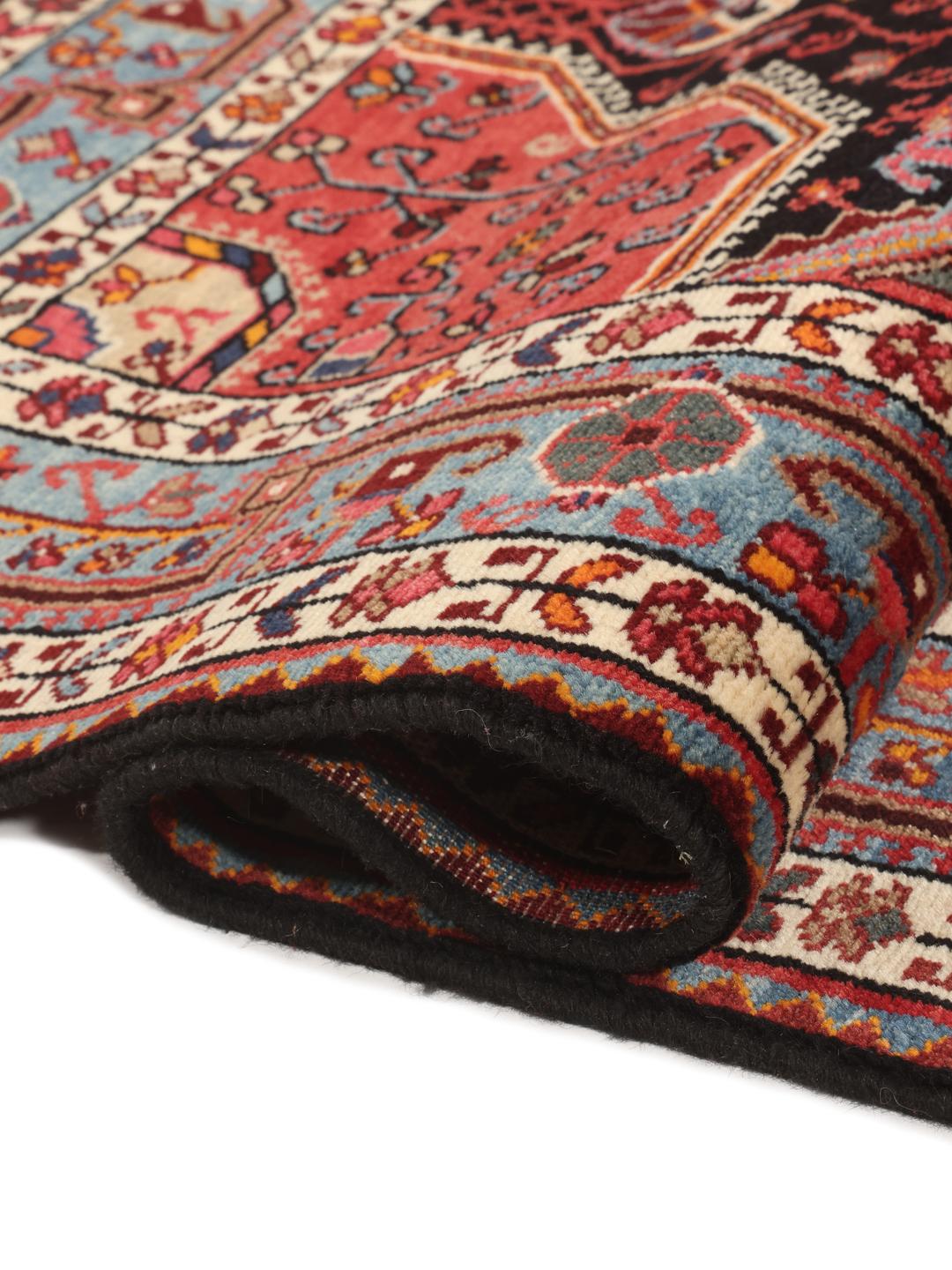
The Hamadan category is known for its variety and adaptability, often featuring a blend of traditional village designs and more formal, city-inspired motifs. These rugs are typically constructed with a sturdy foundation, which provides the necessary support for the dense, long-lasting pile that has made the region's output a staple in homes across the globe.
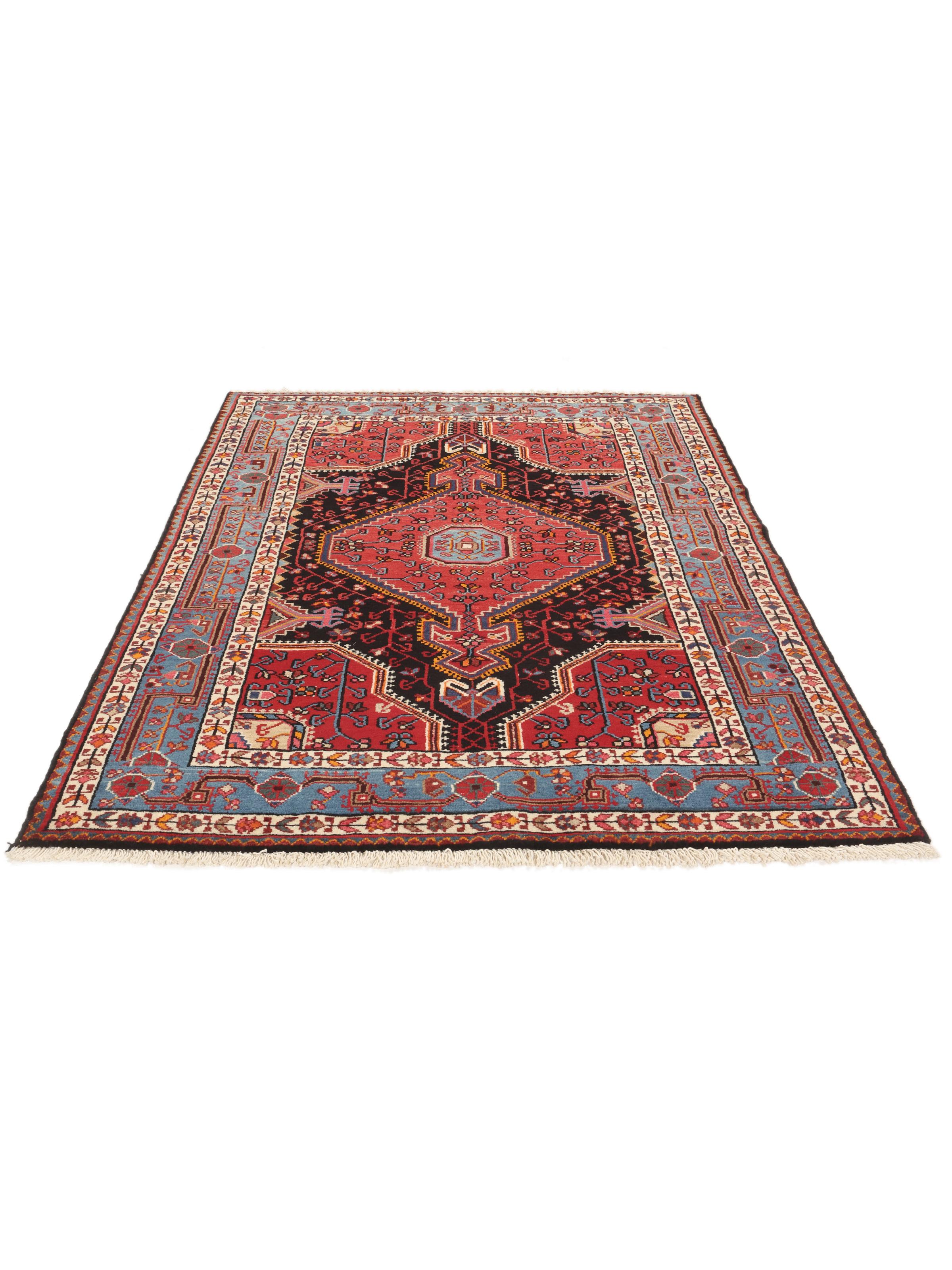
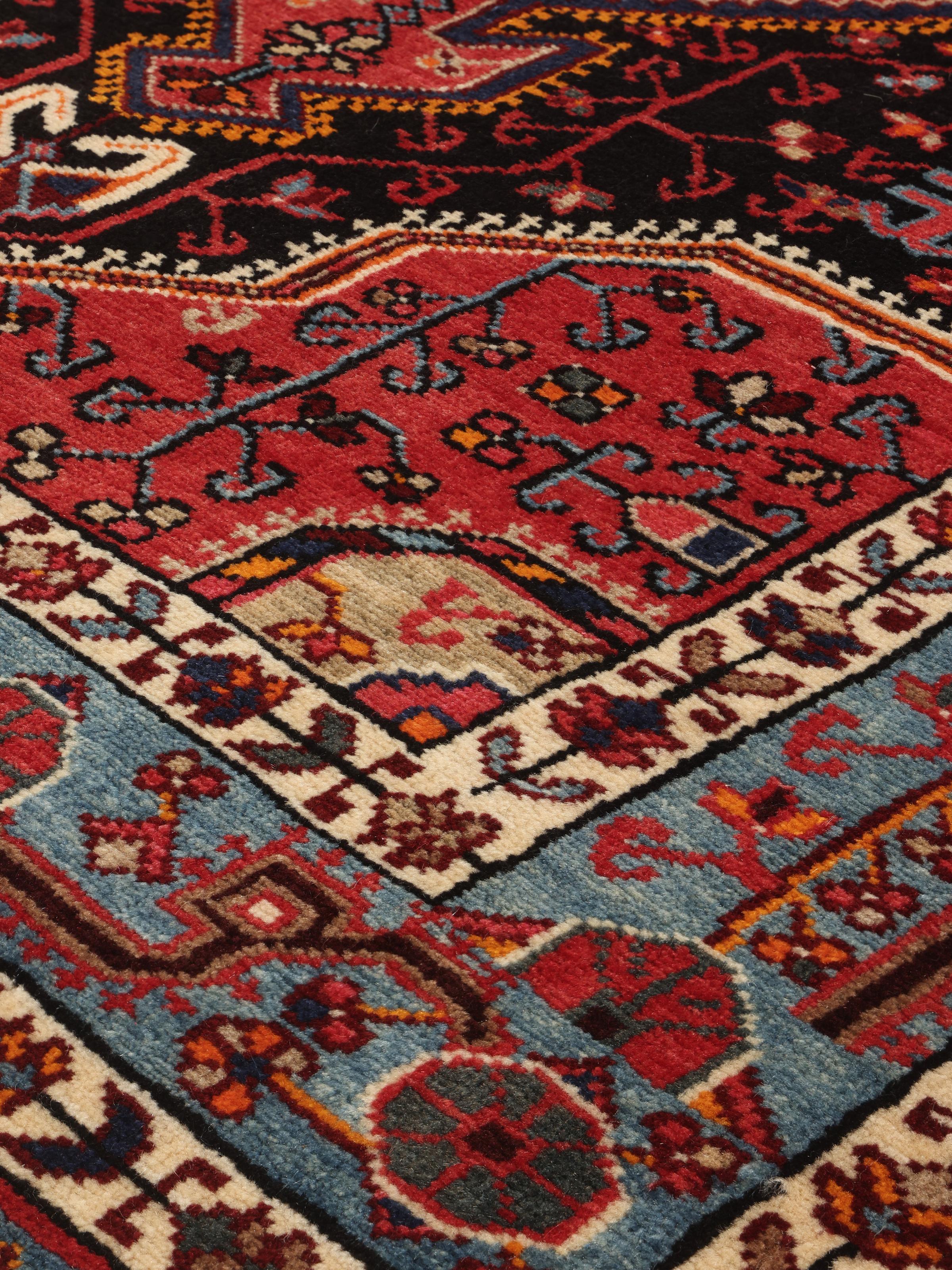
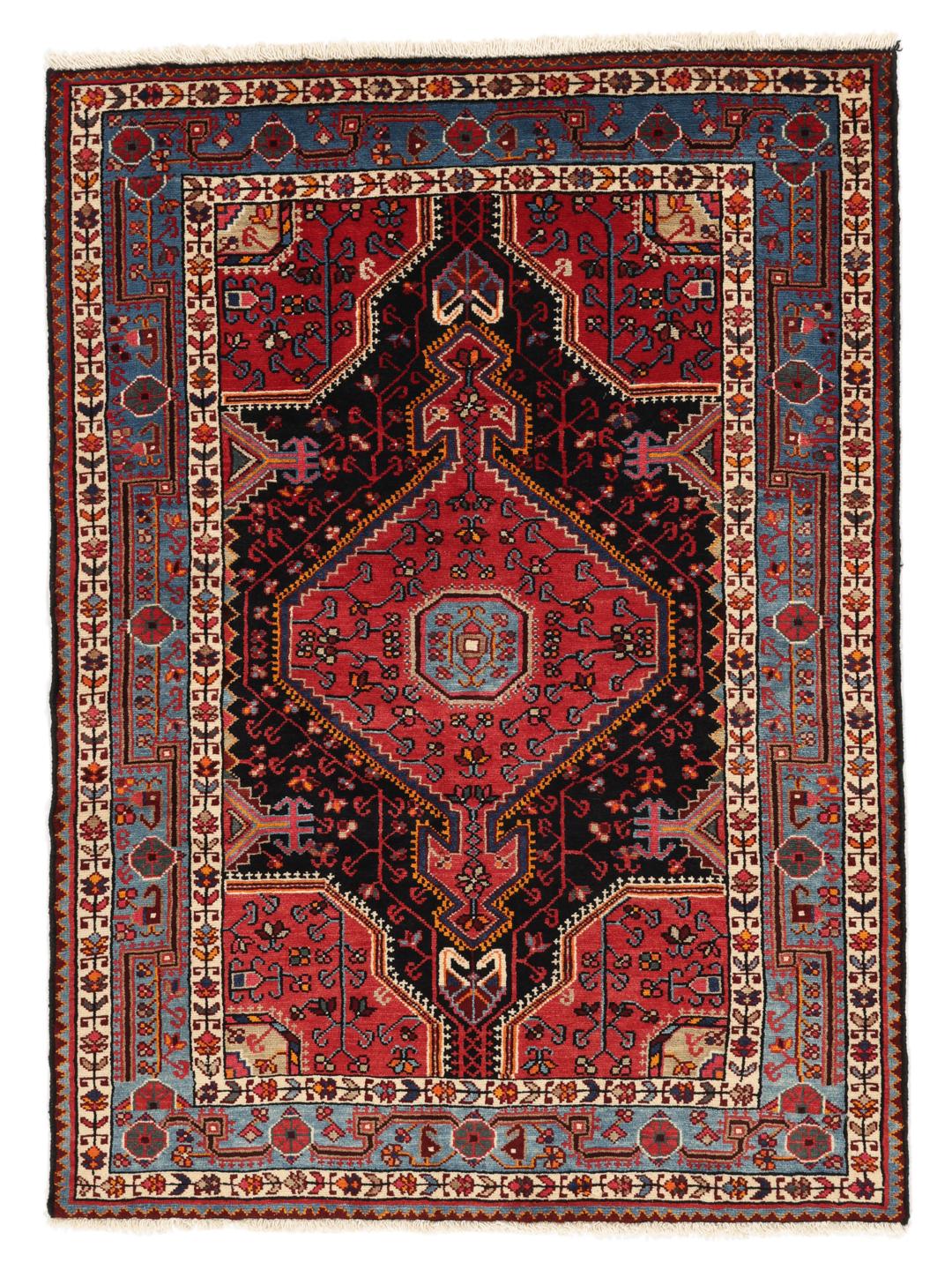
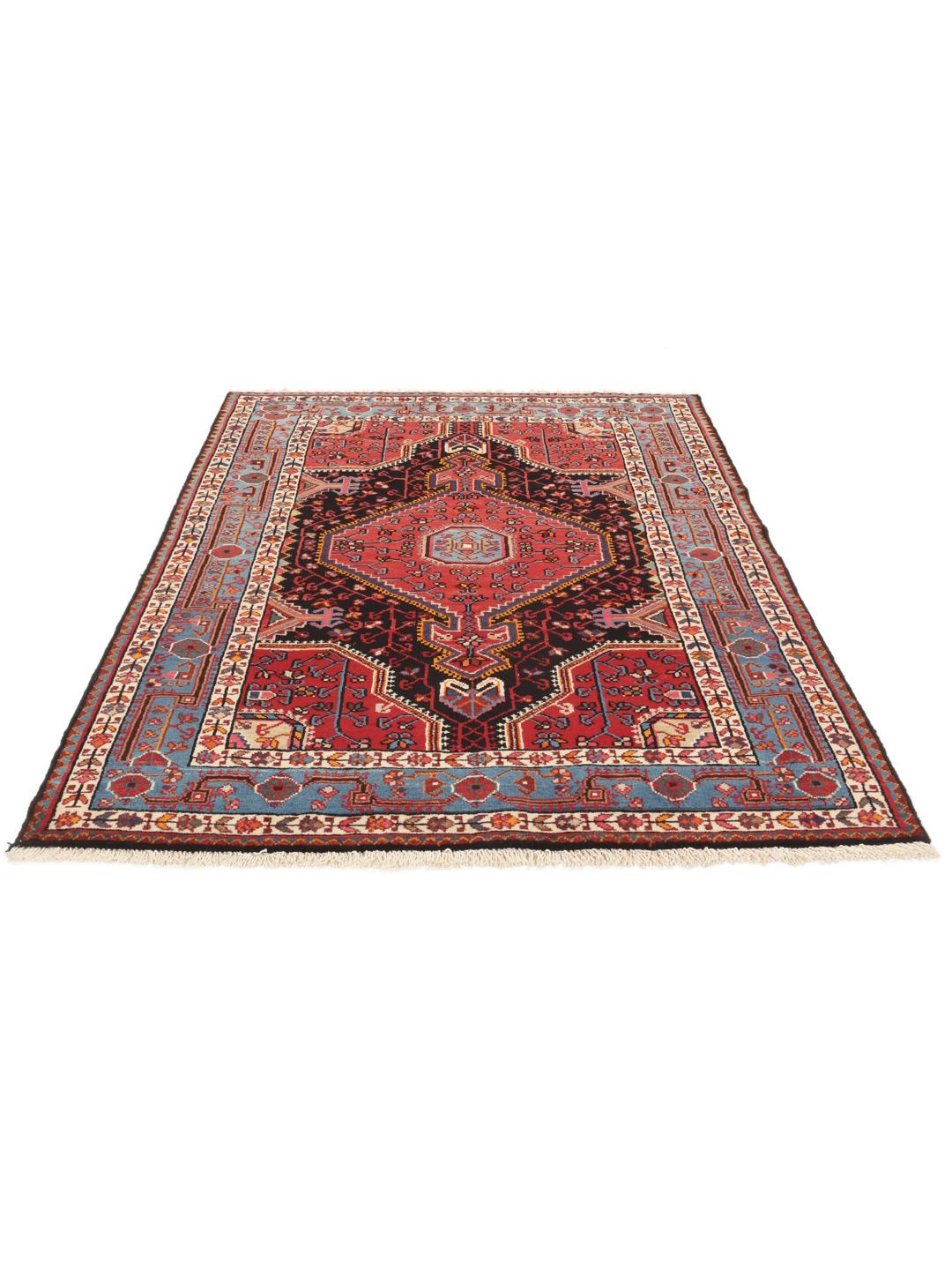
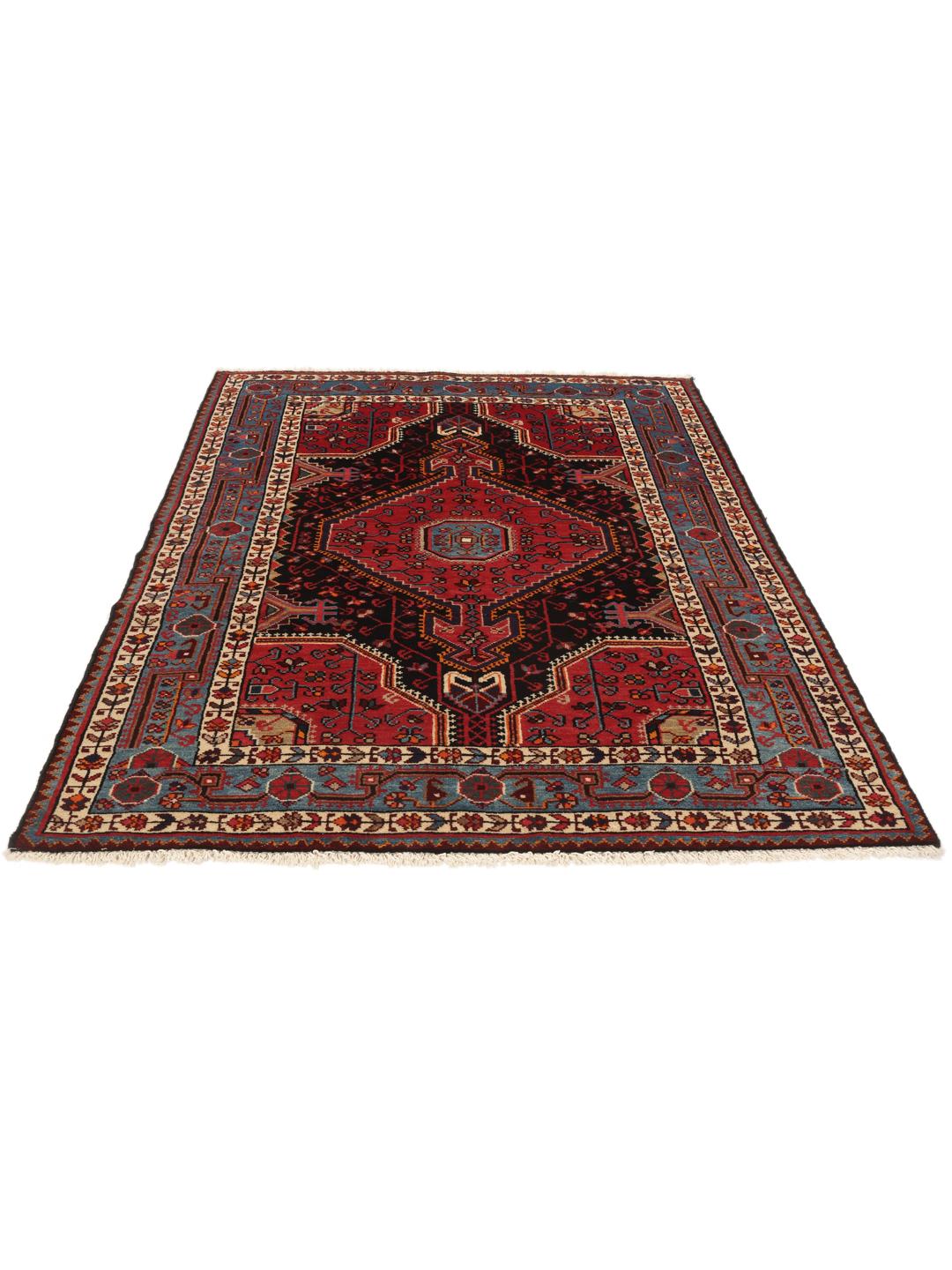
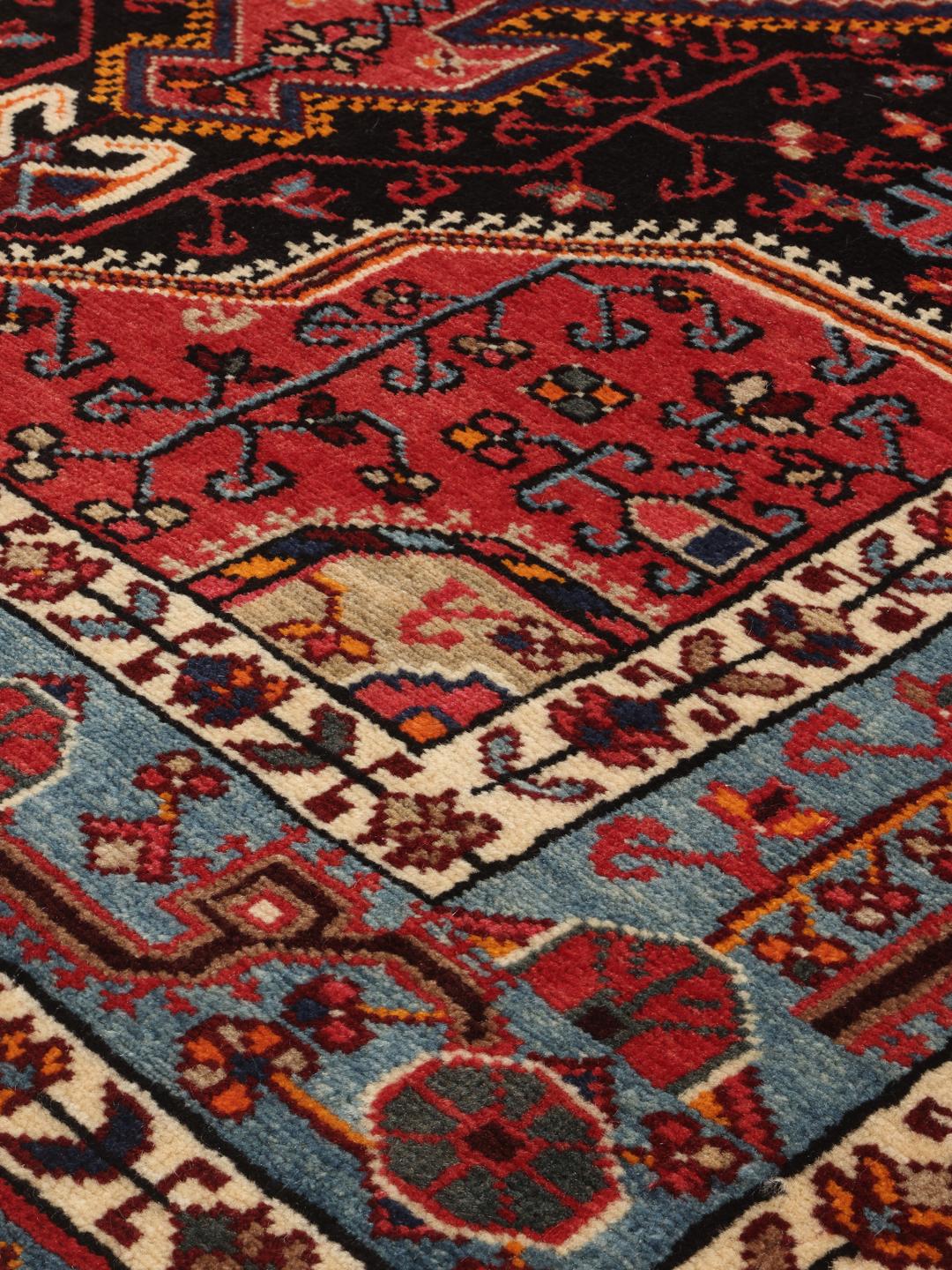
Visually, Toiserkan rugs often feature a central medallion surrounded by stylised floral or geometric patterns. The use of deep, rich reds and bold blues is a hallmark of this tradition, reflecting the natural dye palettes that have been refined in the region over generations. Every rug tells a story through its specific colour choices and the slight variations in motifs that occur as the weaver works.
Collecting a Toiserkan rug is an investment in cultural history. These pieces are valued not only for their utility as floor coverings but for the skill and regional identity they embody. Owning one is a way to connect with a long-standing craft tradition that honours patience, precision, and the beauty of handmade objects.