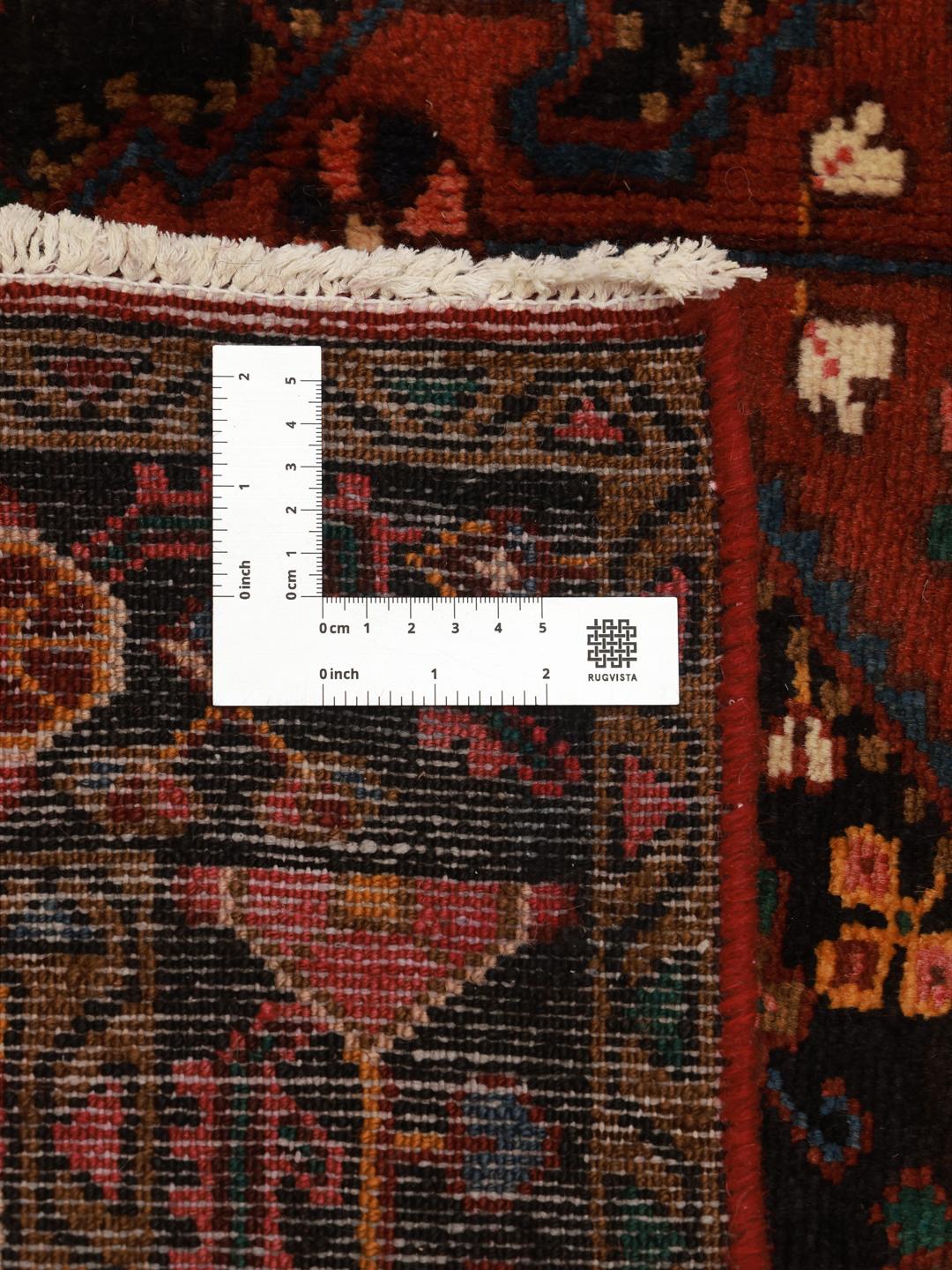
The Toiserkan is a distinguished member of the broader Hamadan rug family, originating from the mountainous regions of the Middle East. These rugs are named after the town of Toiserkan, a historic centre of weaving nestled in the fertile valleys near Hamadan. For generations, the weavers in this region have been celebrated for their ability to blend nomadic design sensibilities with a more settled, structured aesthetic that reflects the cultural convergence of the surrounding areas.
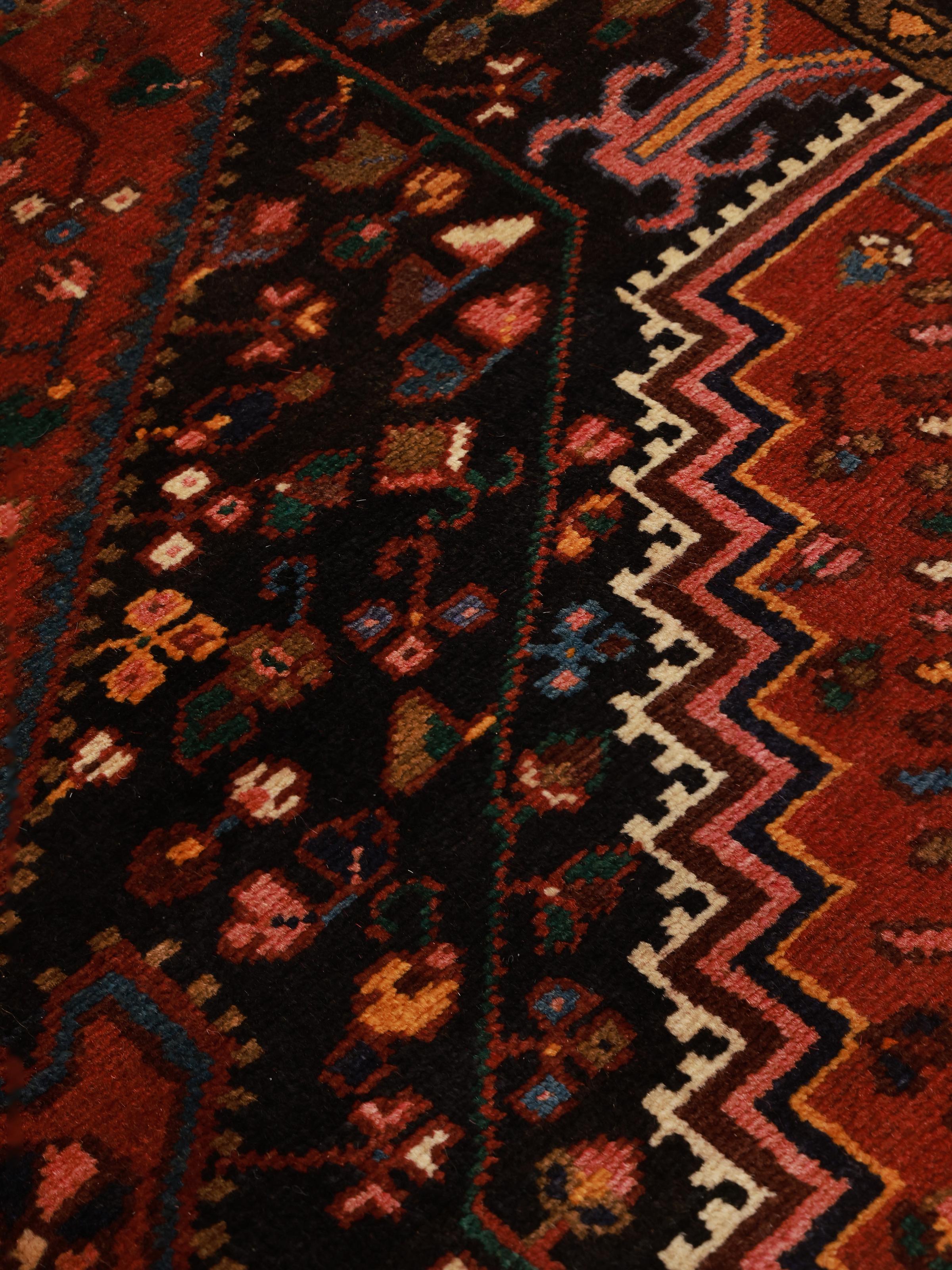
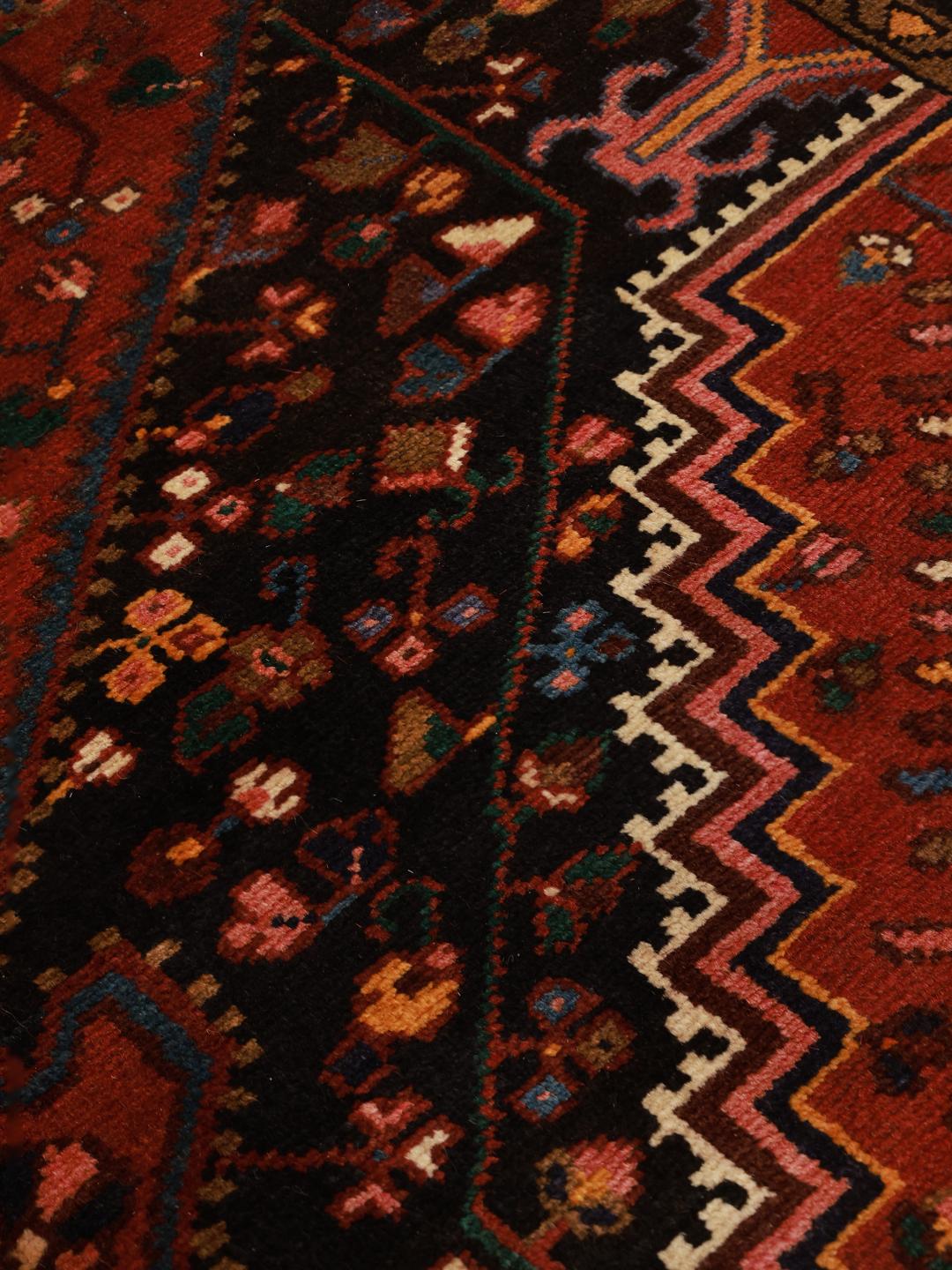
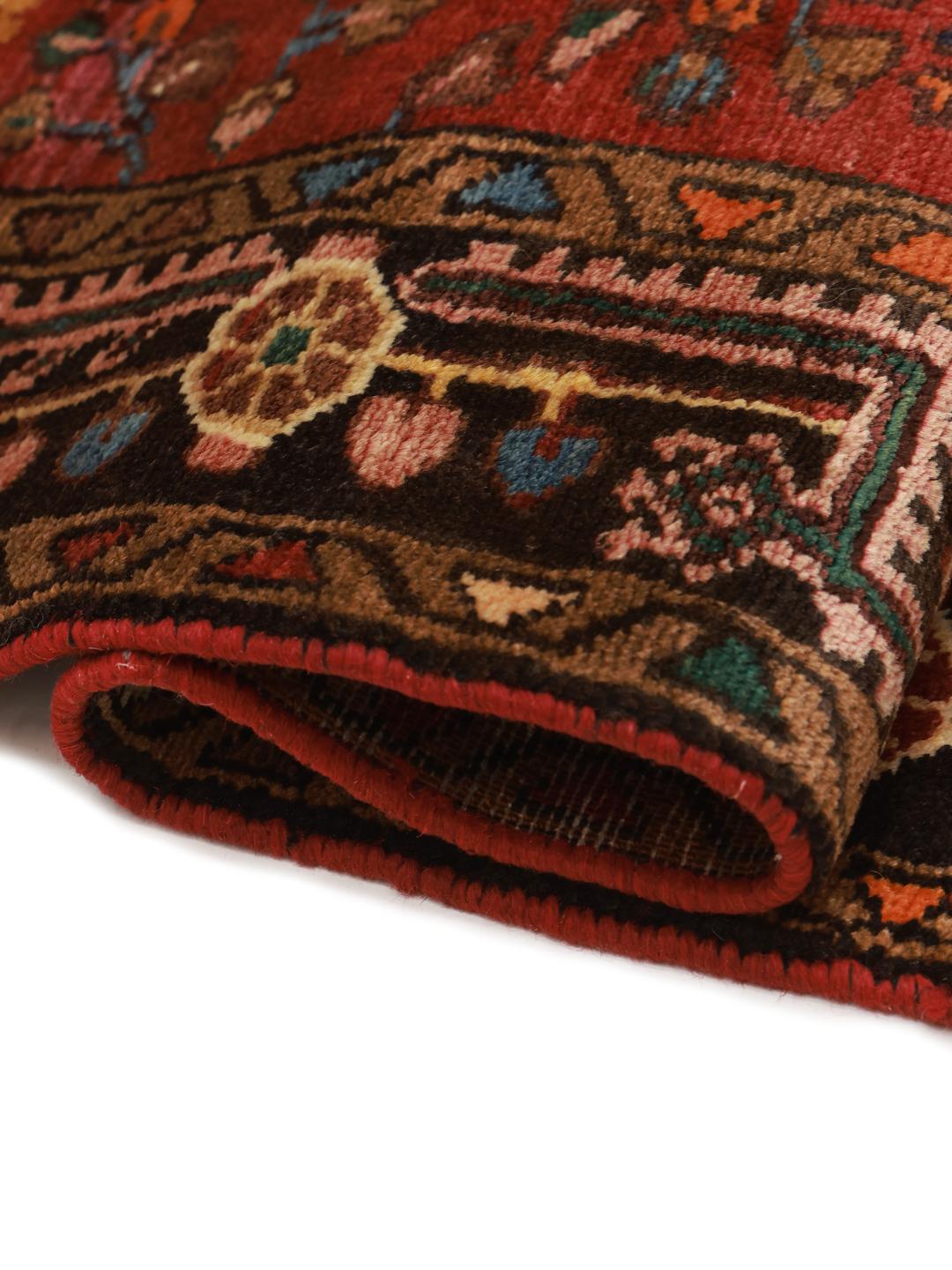
Technical terms in this tradition often refer to the specific preparation of the wool and the unique knotting styles that define the region's output. The use of robust, high-quality wool is a hallmark of these rugs, chosen specifically for its ability to take rich, long-lasting dyes. The construction is designed to be utilitarian yet beautiful, reflecting a culture where rugs were not just decorative items but essential components of daily life, providing insulation and comfort in a demanding climate.
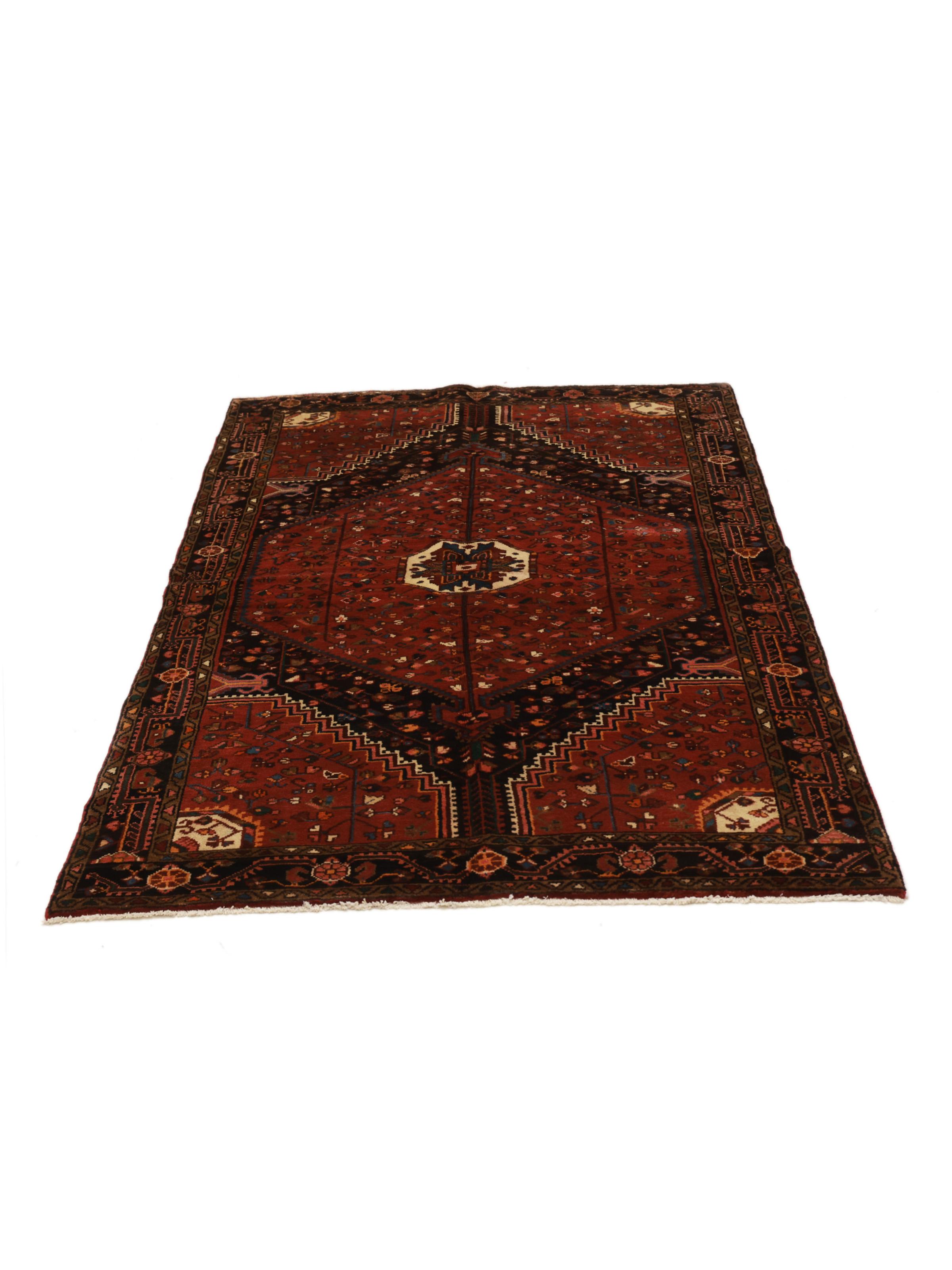
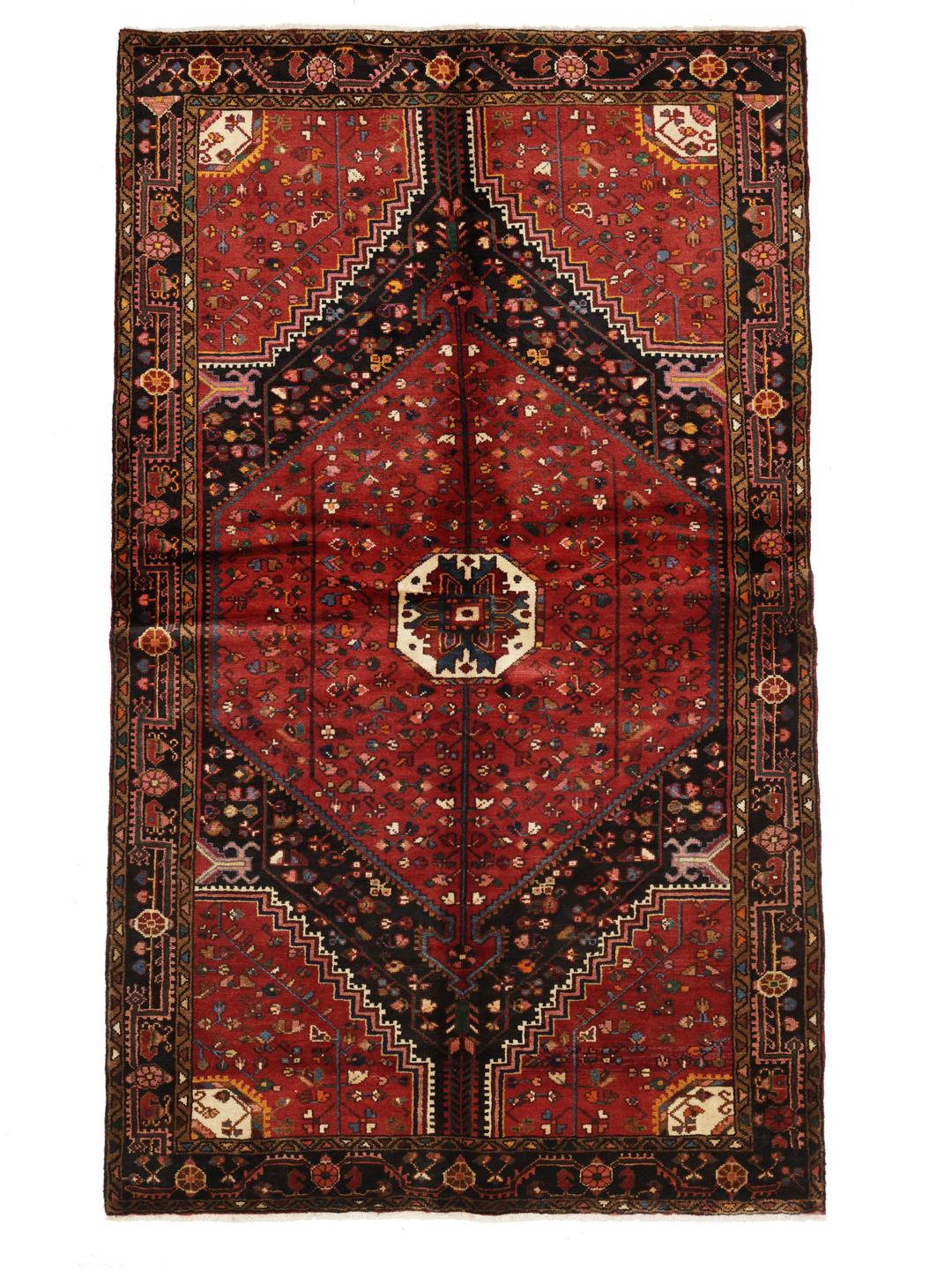
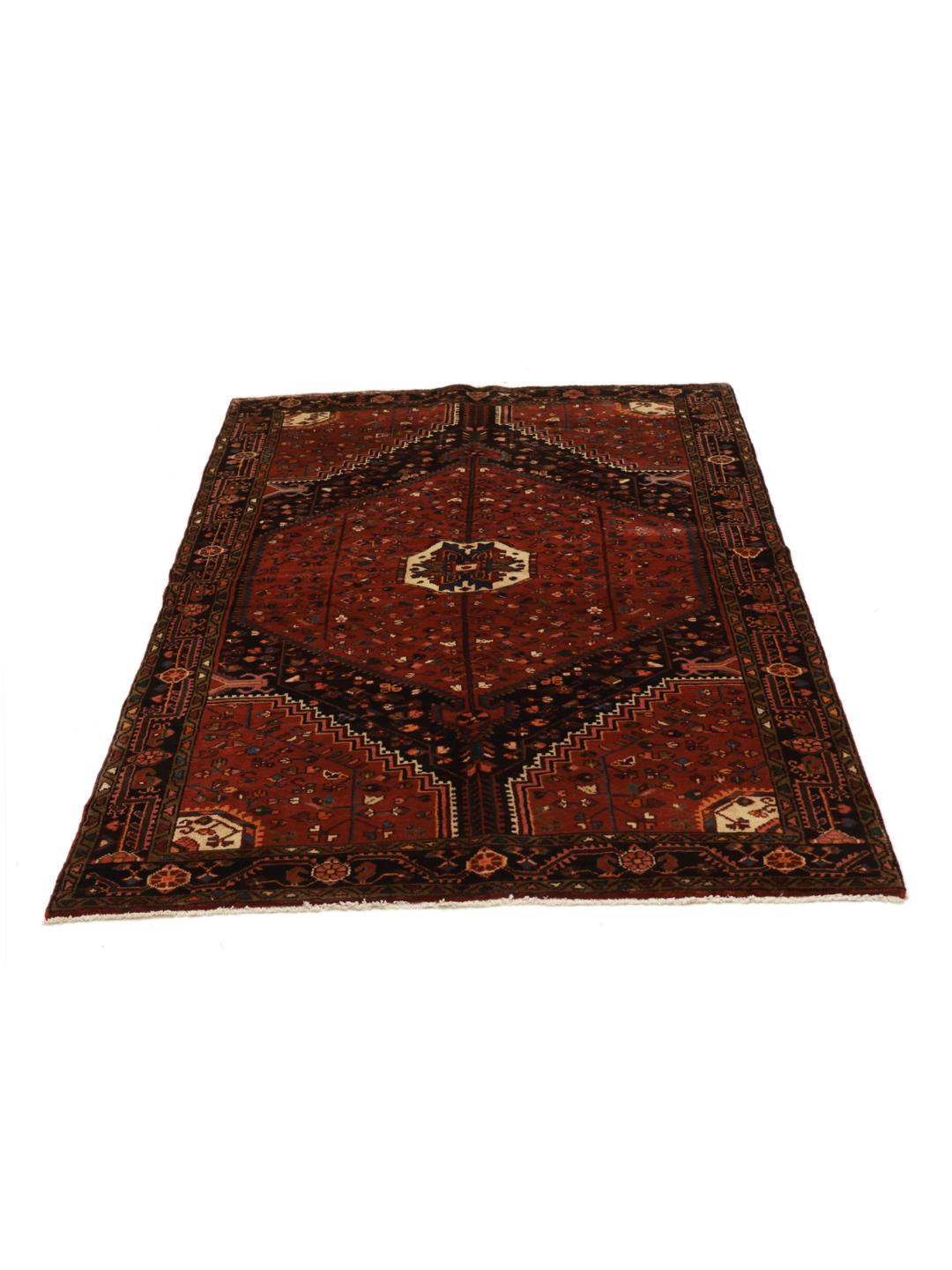
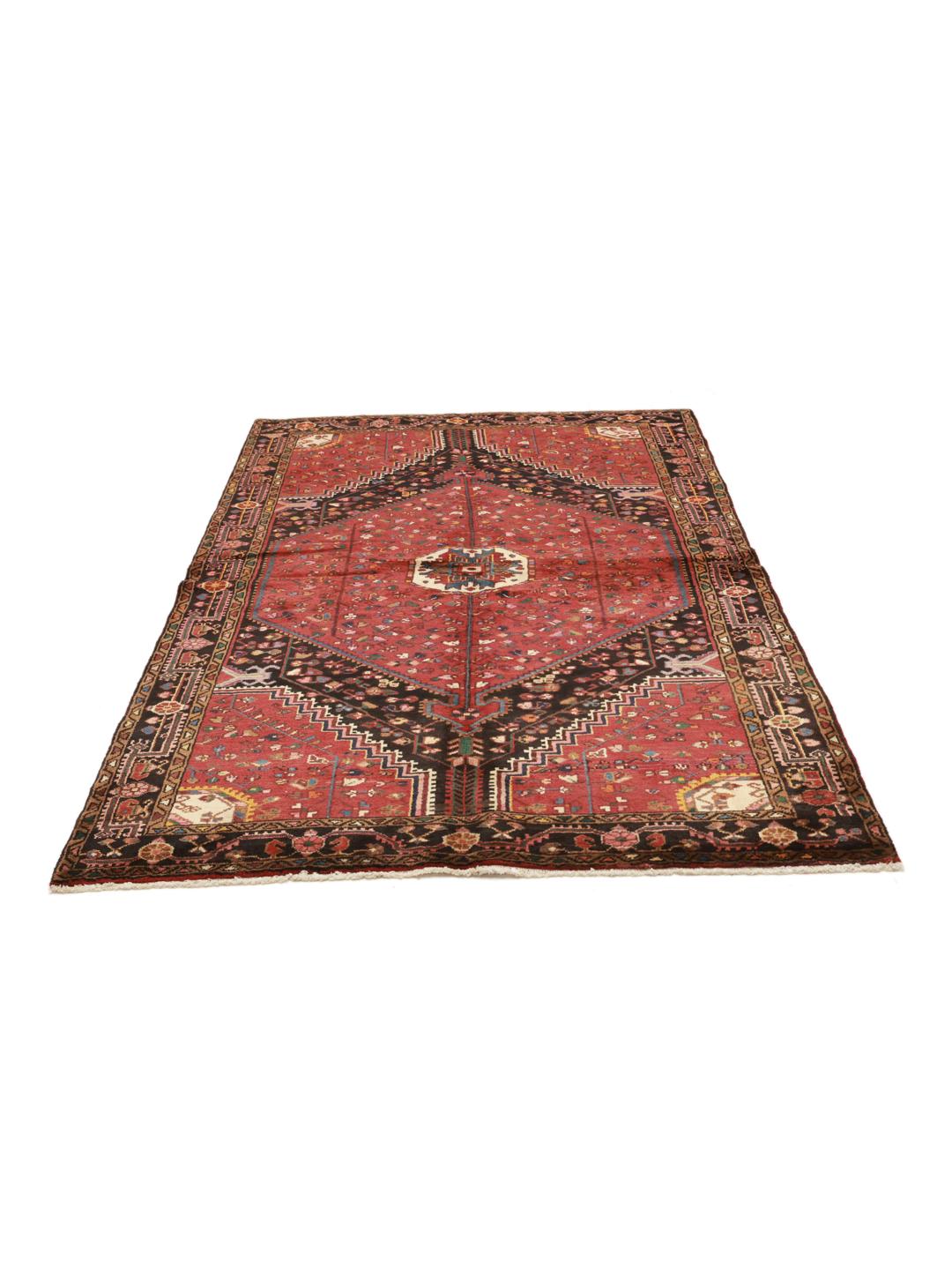
The design vocabulary of a Toiserkan rug is typically defined by a strong, centralised medallion surrounded by a field of smaller, stylised geometric and floral motifs. The borders often feature intricate, rhythmic patterns that frame the central design, creating a sense of balance and harmony. The use of deep red and black is traditional, often achieved through natural dyeing processes that give the colours a vibrancy and depth that age beautifully over time.
Owning a piece from this tradition is a connection to a long lineage of craft and cultural identity. These rugs are highly valued by collectors for their authenticity and the skill required to produce them in an age of rapid industrialisation. By bringing a Toiserkan rug into your home, you are preserving a craft tradition that prioritises patience, skill, and the creation of lasting beauty over short-term trends.