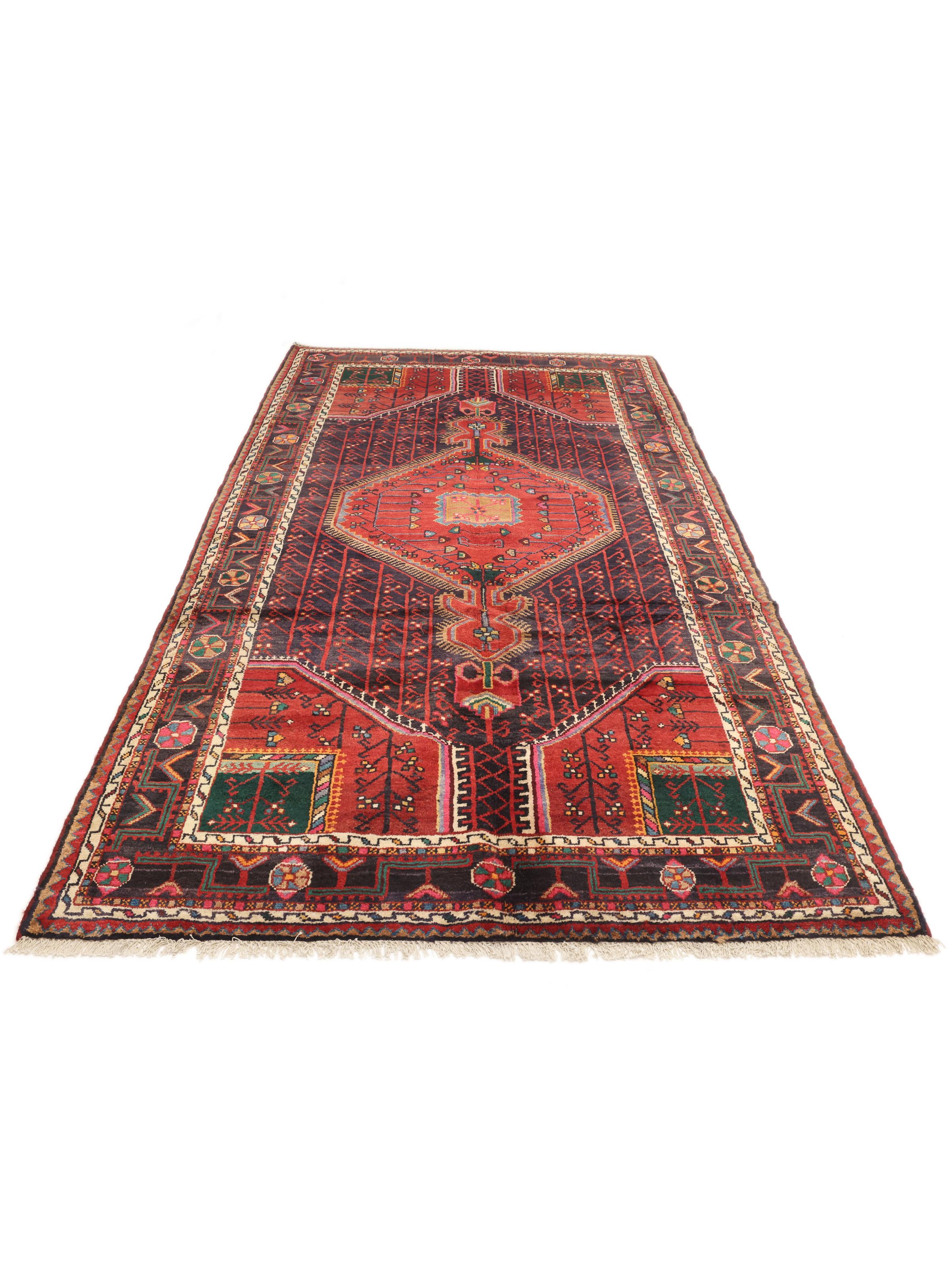
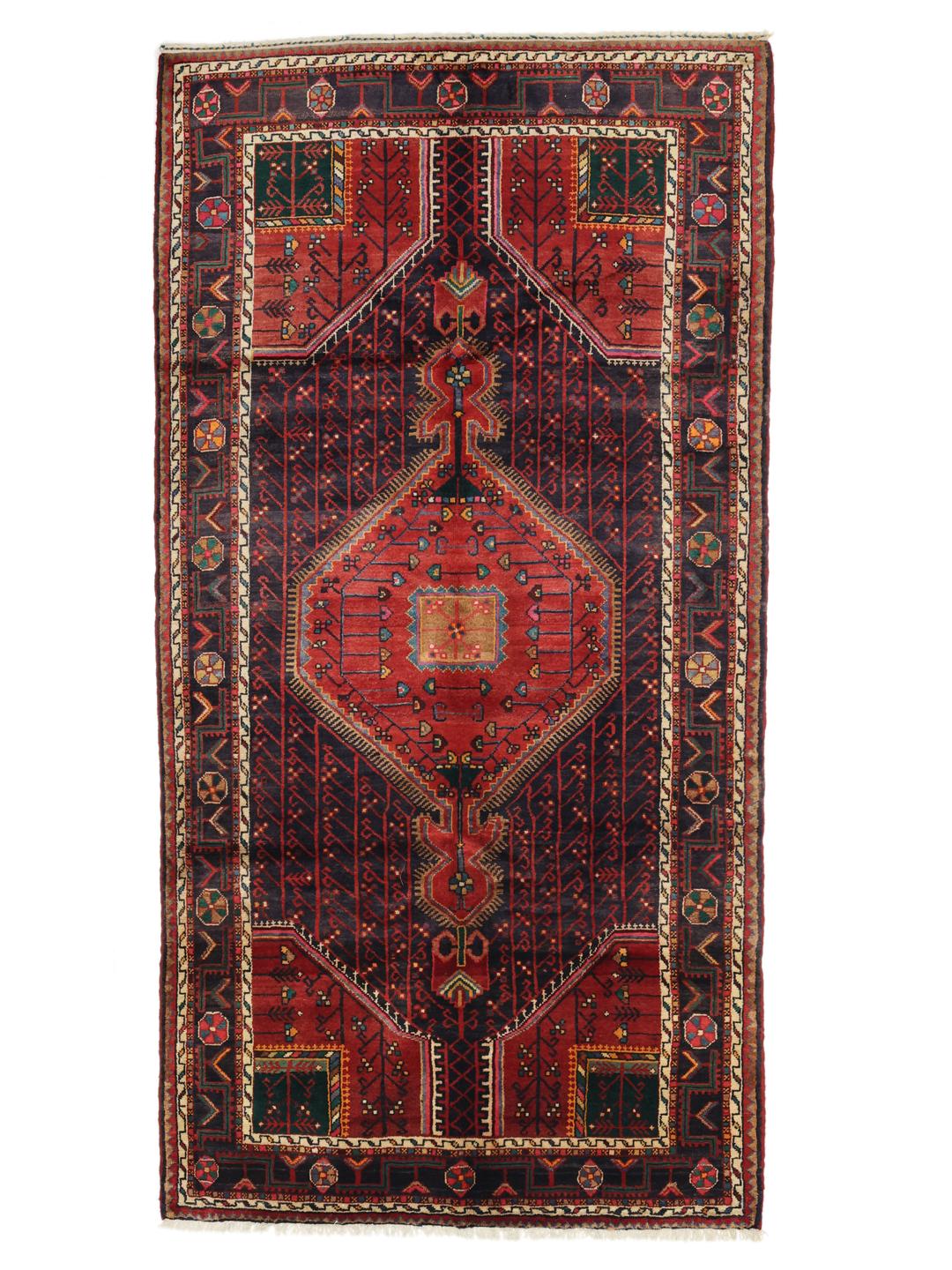
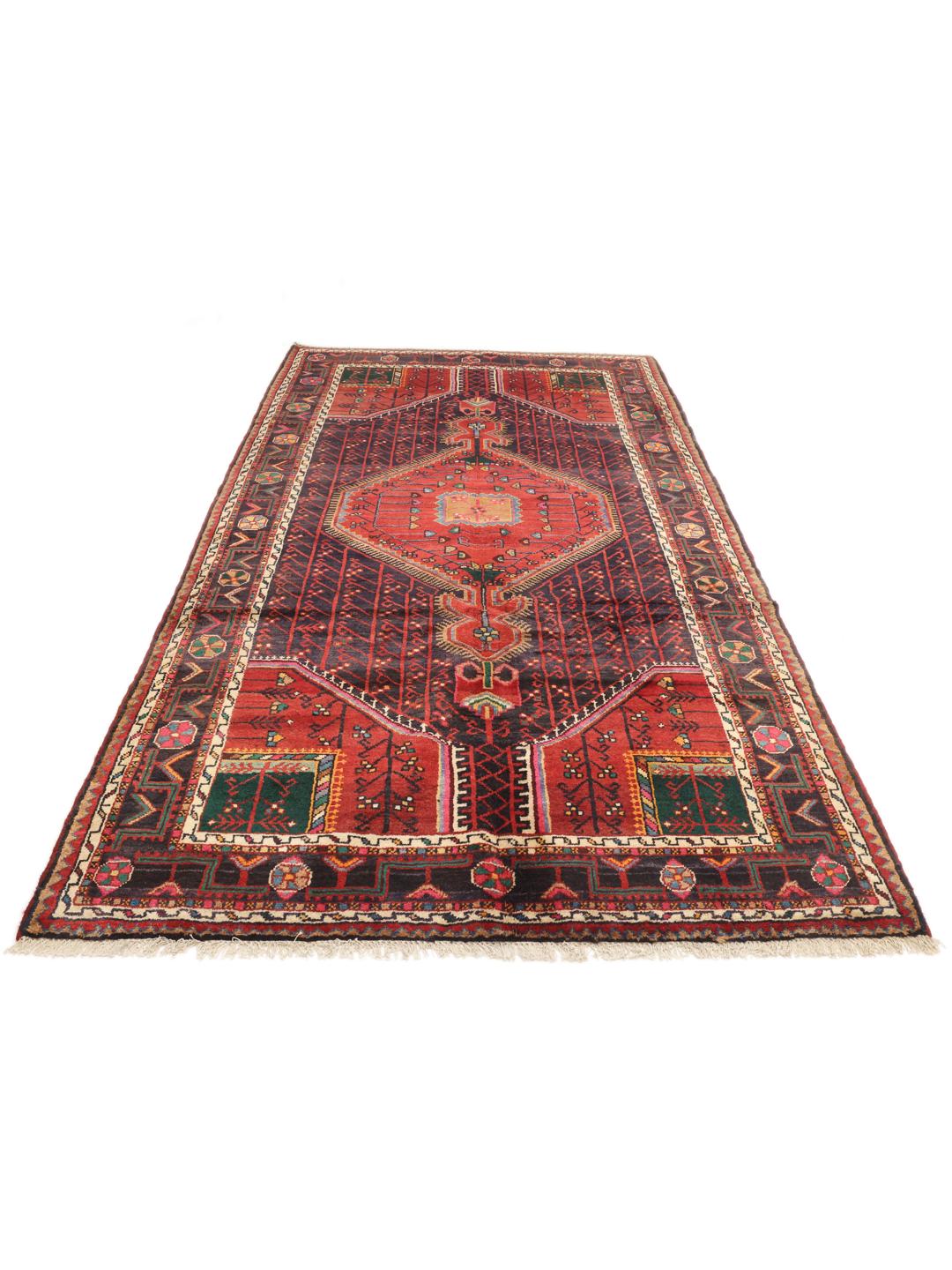
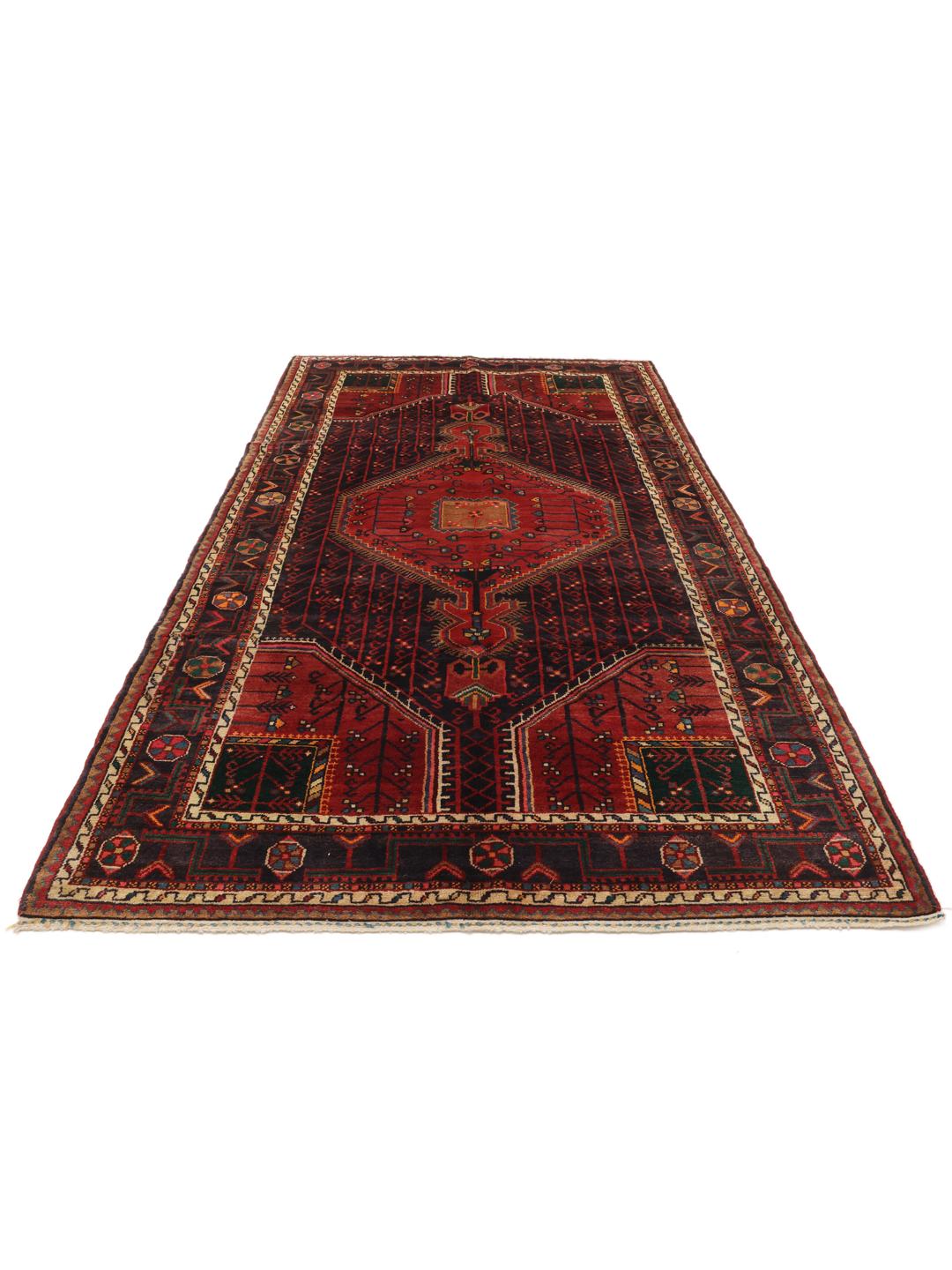
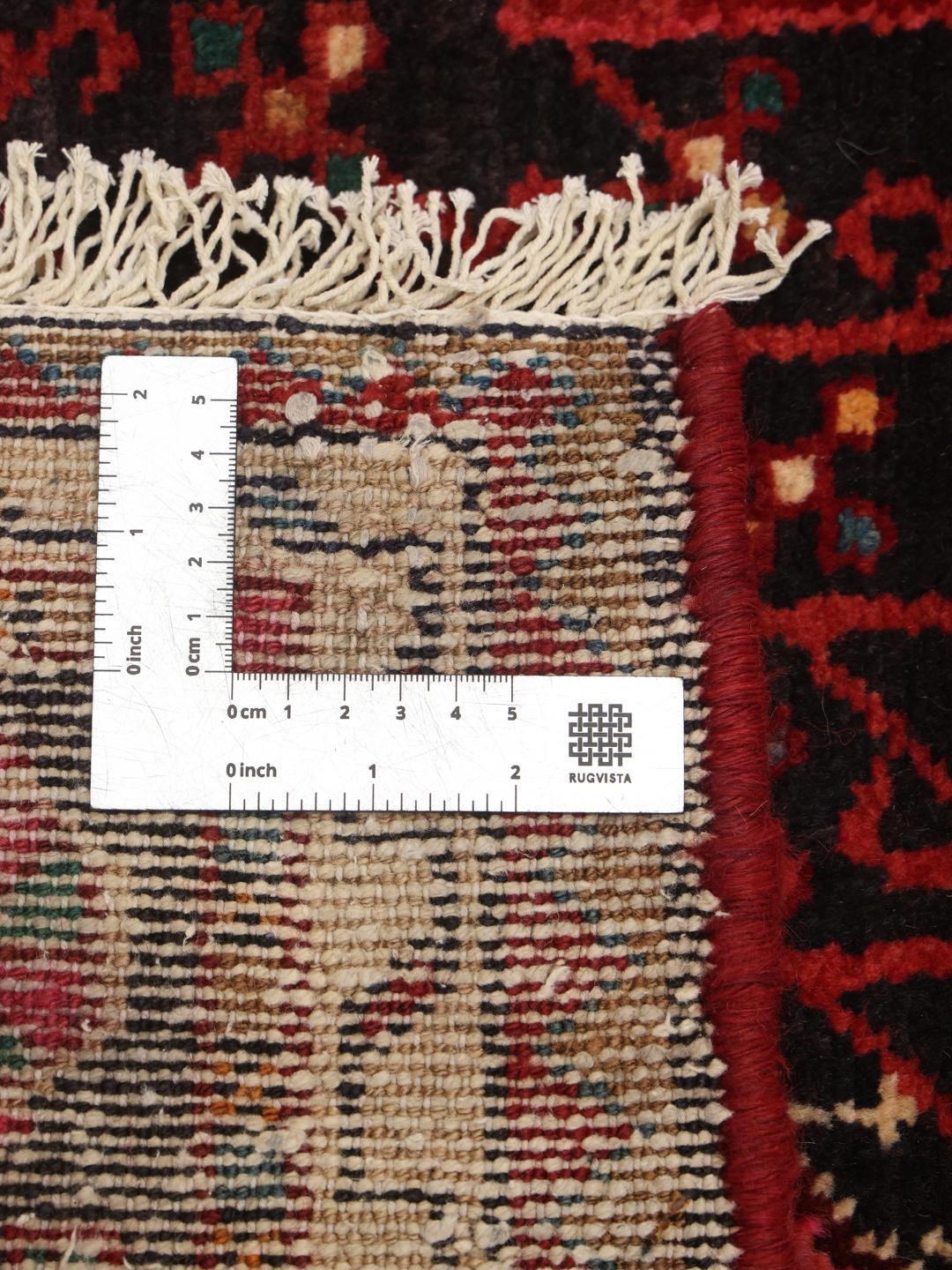
Toiserkan rugs are a distinct and celebrated subset of the broader Hamadan weaving tradition from the Middle East. Named after the town of Toiserkan, these rugs are created in a region famous for its mountainous landscape and a long history of village-based textile production where families have passed down weaving techniques through centuries.
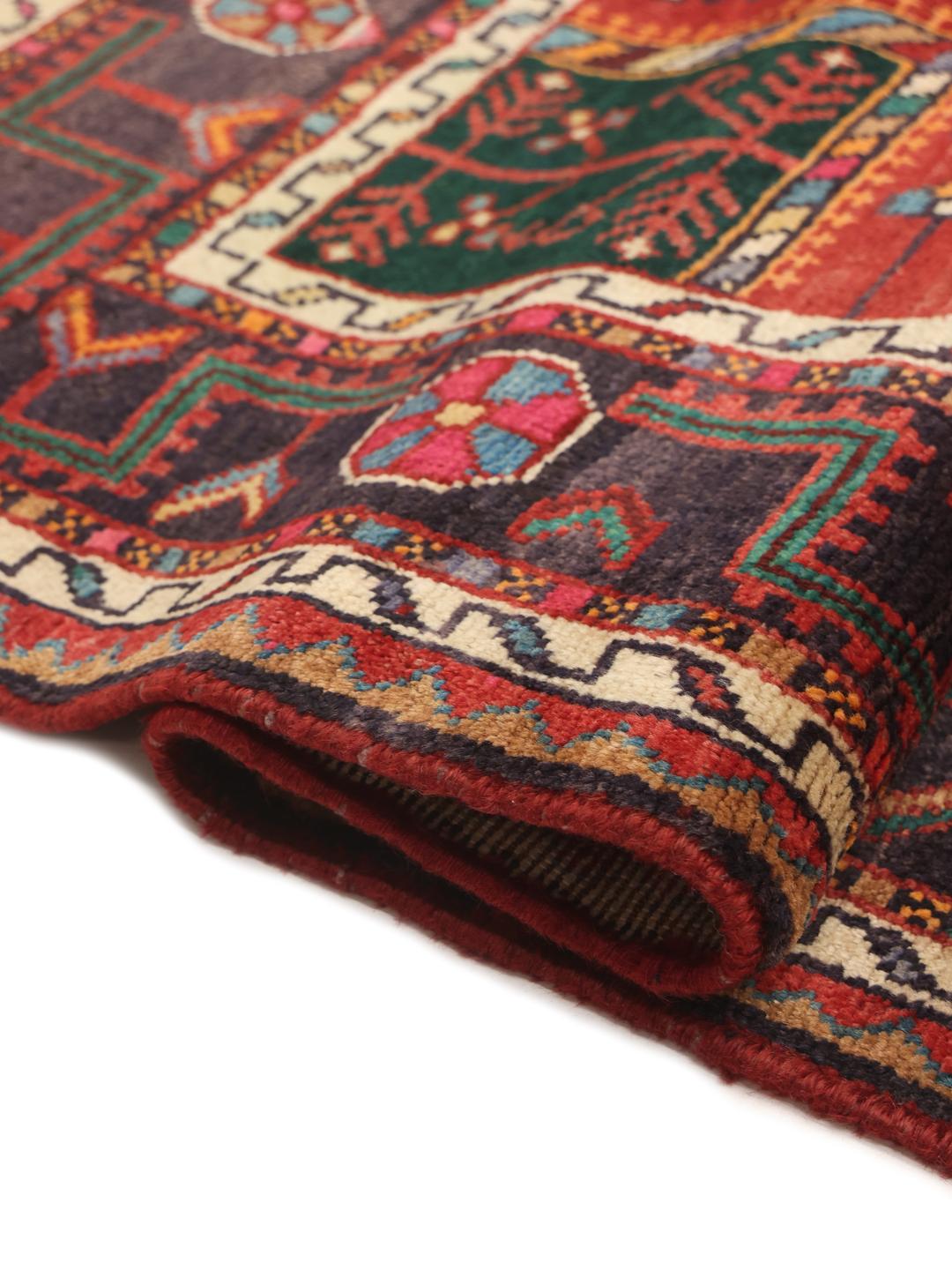
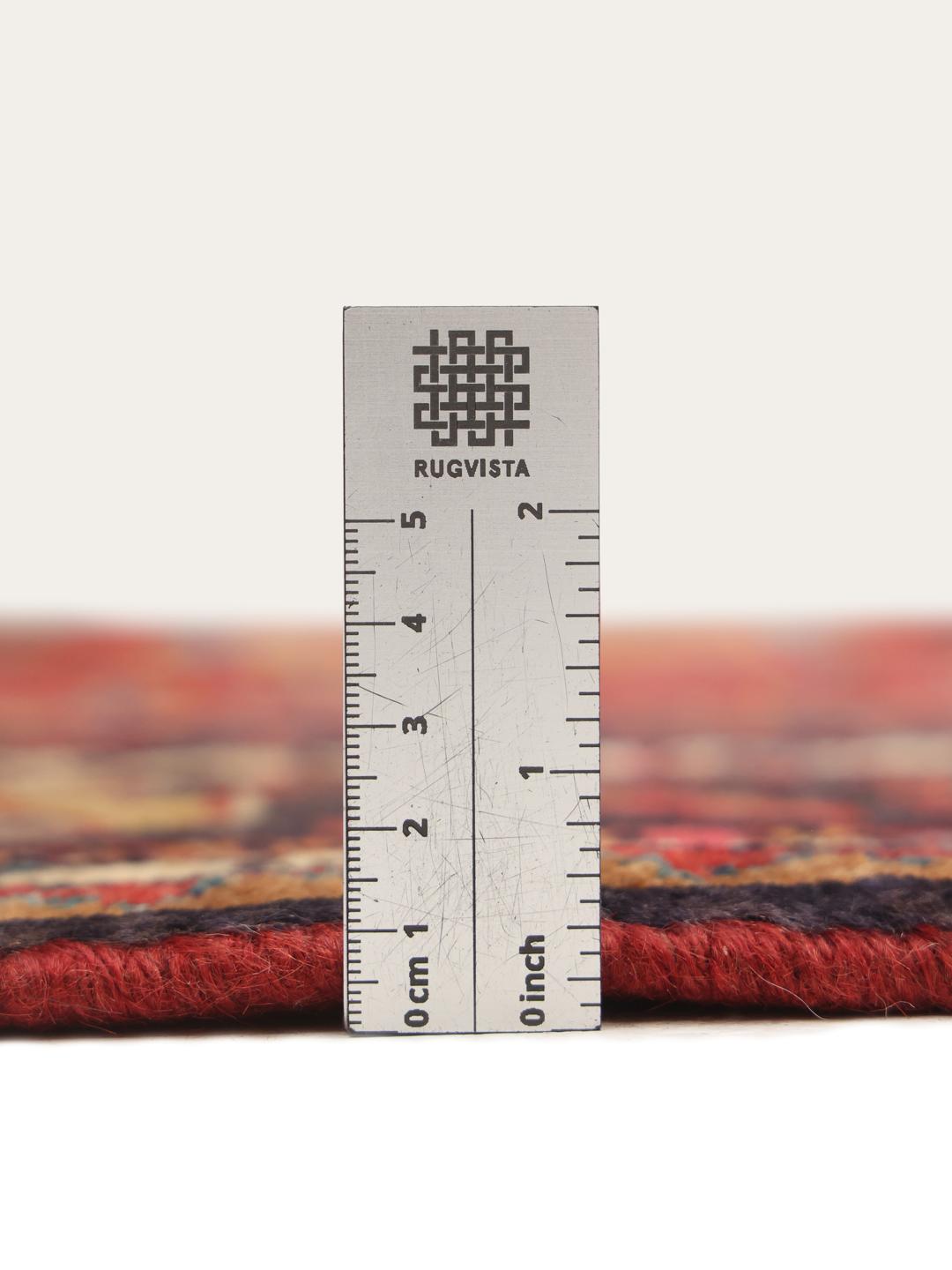
The term Hamadan refers to a vast region of diverse weaving styles, yet Toiserkan pieces are often distinguished by their unique interpretation of geometric motifs and deep, earthy colour palettes. The construction typically involves a sturdy foundation, which ensures the rug remains flat and durable, a hallmark of the resilient village rugs produced in these high-altitude climates.
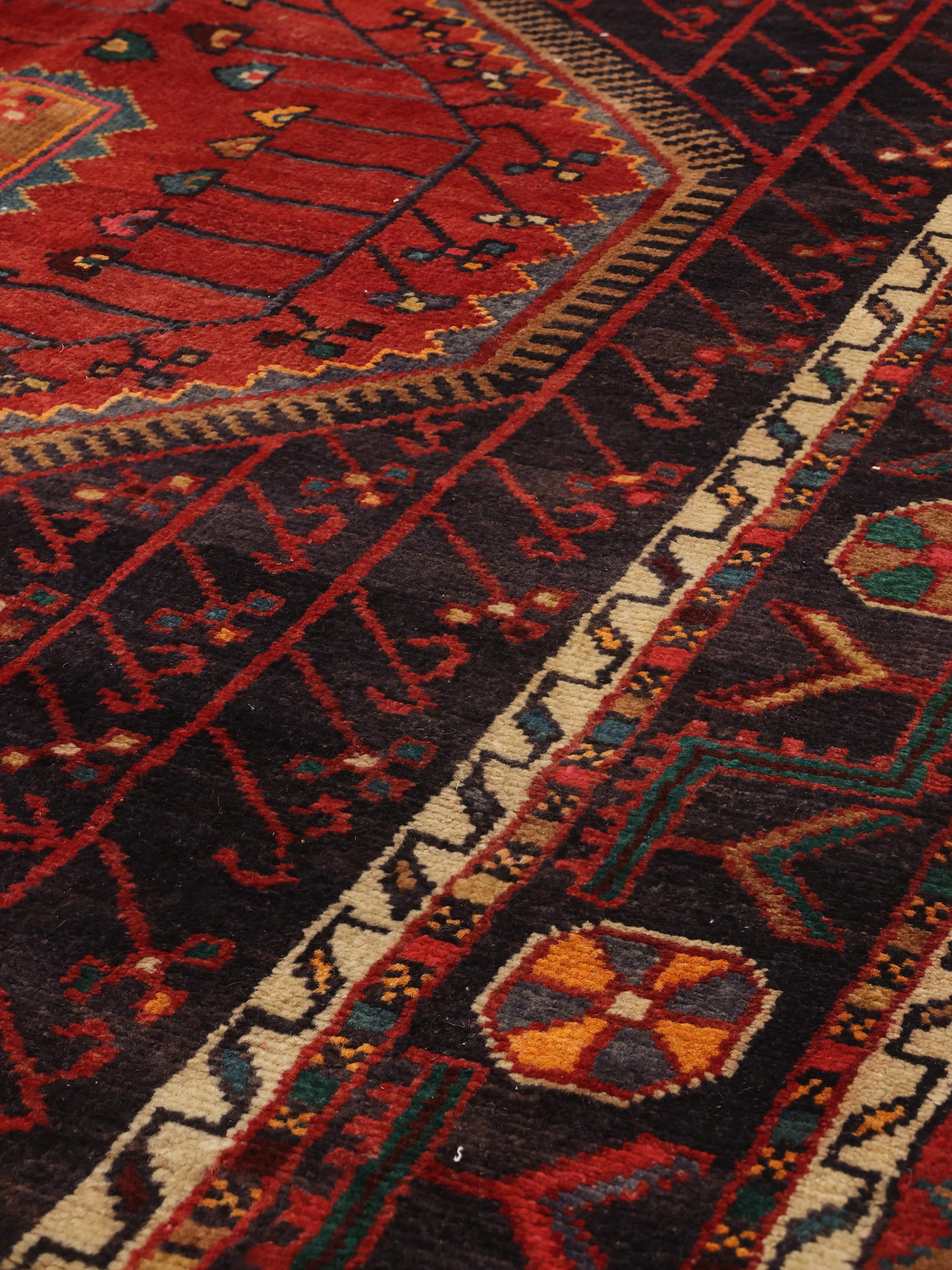
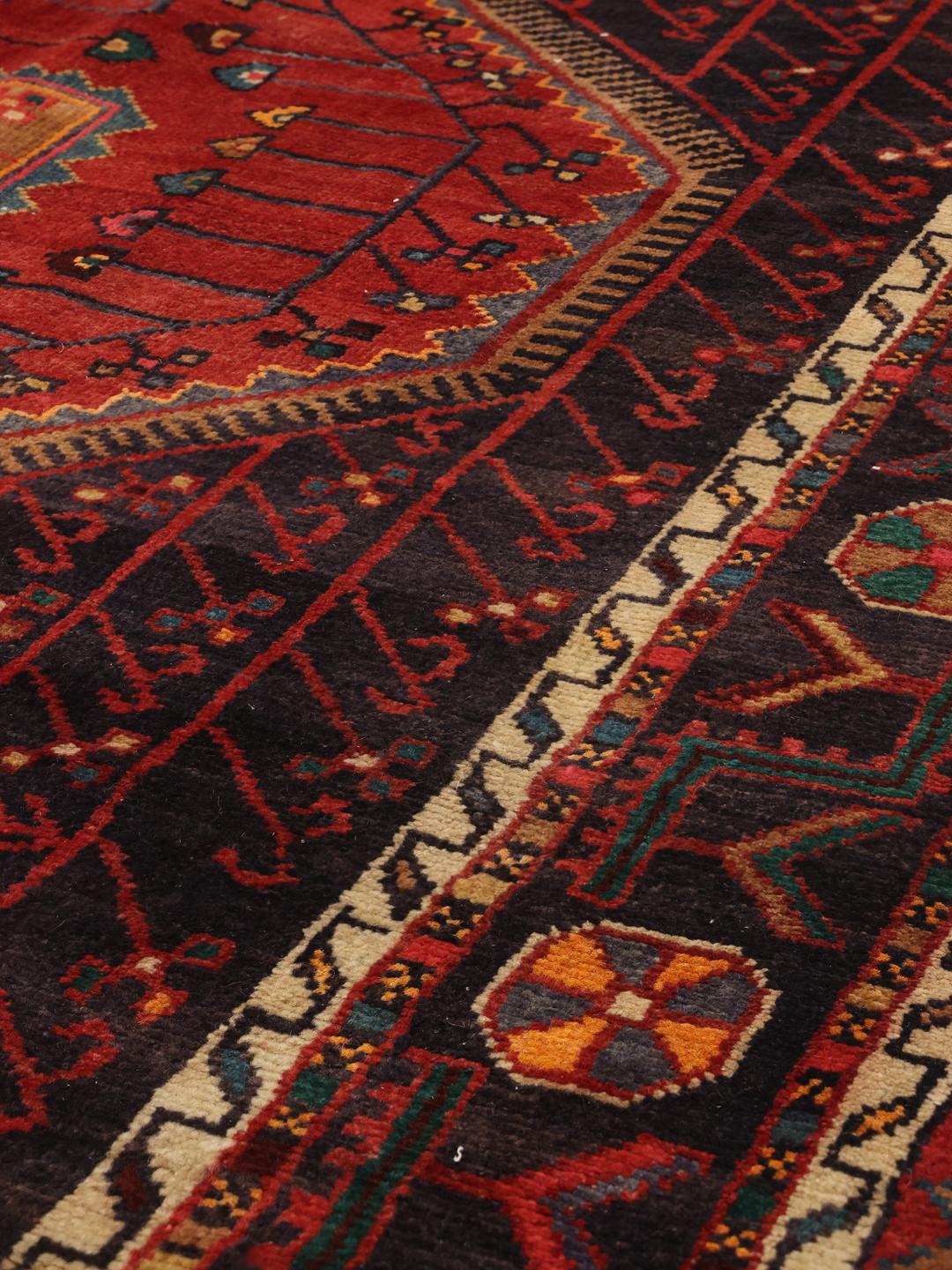
Design-wise, these rugs often feature a central medallion or a repeating pattern of stylised floral elements, framed by decorative borders that anchor the composition. The use of bold, saturated dyes creates a strong visual contrast, making them instantly recognisable to collectors who value the authentic, rustic charm of village-made textiles.
Owning a Toiserkan rug is an opportunity to connect with a rich cultural heritage. These pieces are not merely floor coverings but are deeply rooted in the daily lives and artistic expressions of the people who weave them. Collectors value them for their unpretentious beauty, the human touch visible in every knot, and their ability to bring a sense of historical narrative into a modern home.