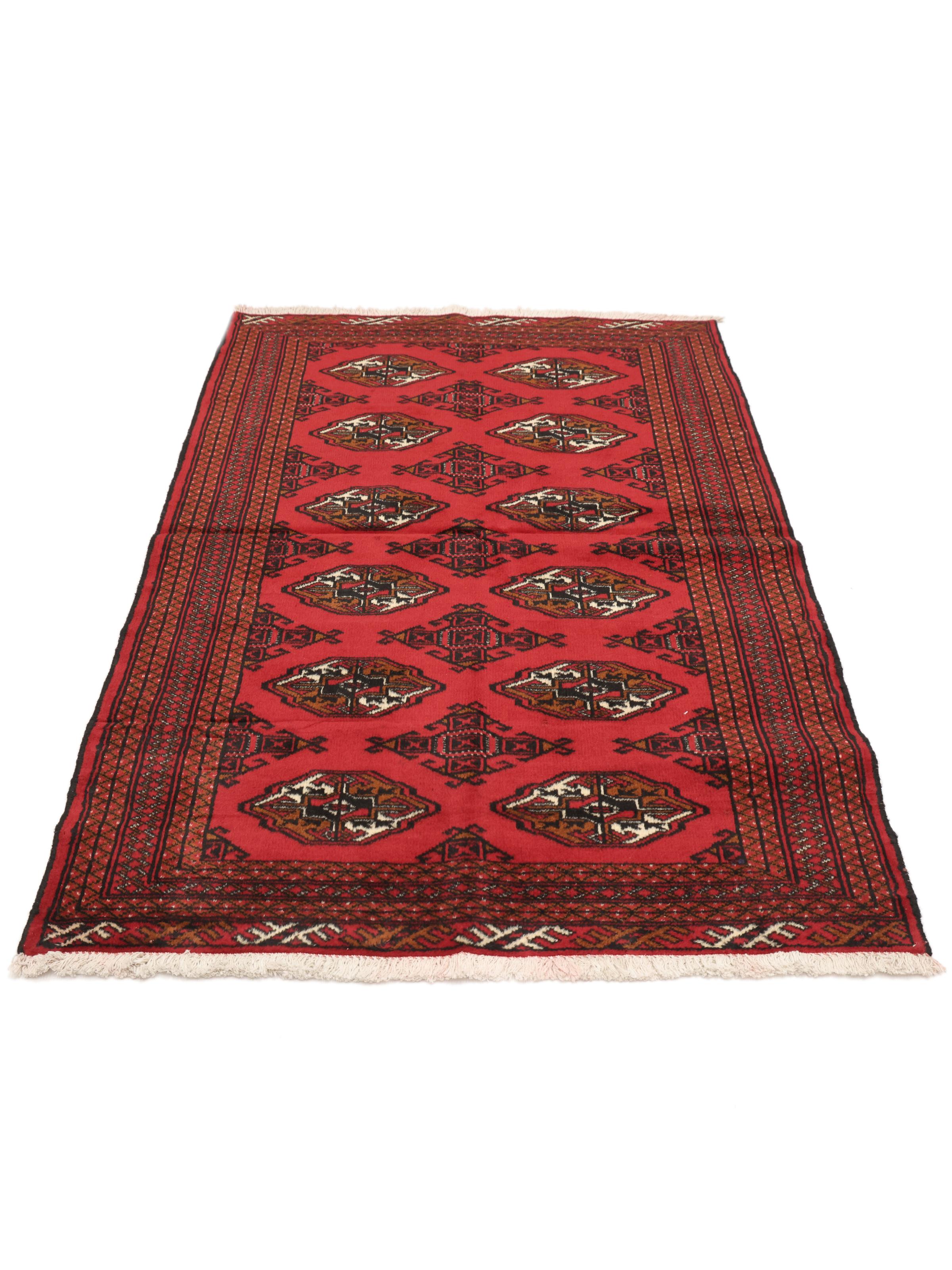
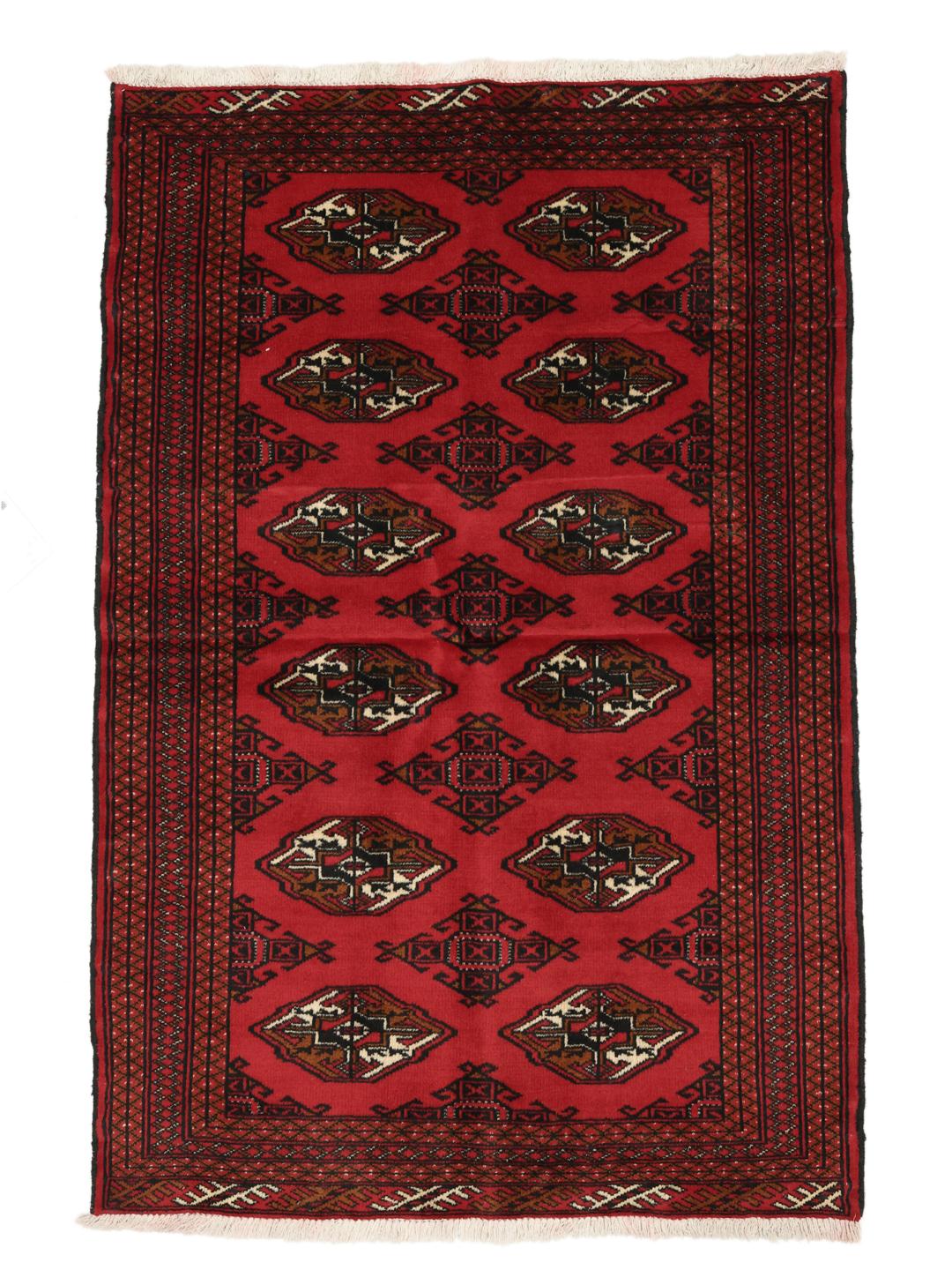
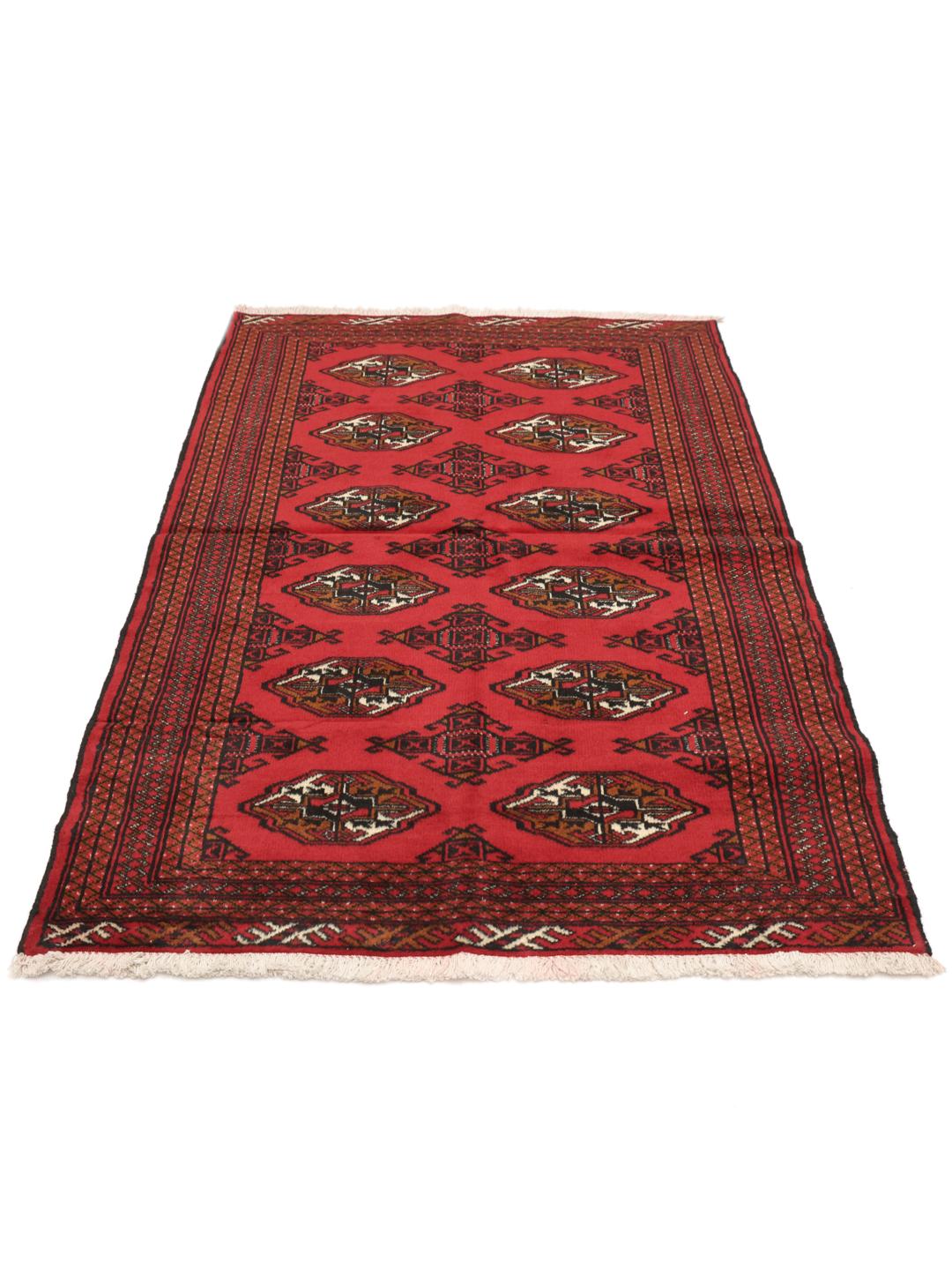
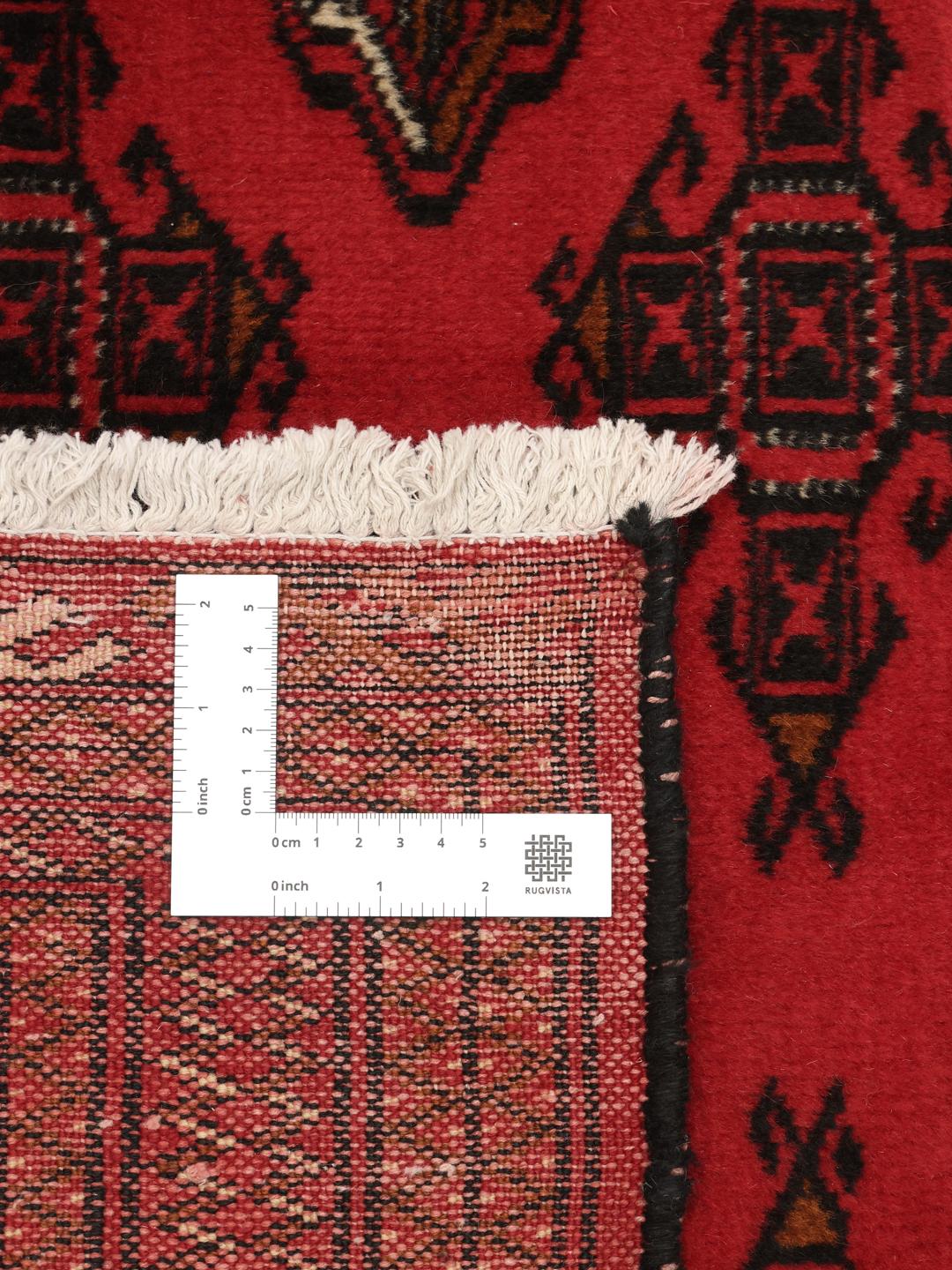
Turkaman rugs originate from the tribal traditions of the nomadic peoples across Central Asia and the Middle Eastern region. Historically, these rugs were woven by nomadic tribes to serve as functional items for tents, such as floor coverings, wall hangings, and storage bags, reflecting a lifestyle defined by mobility and deep-rooted cultural heritage.
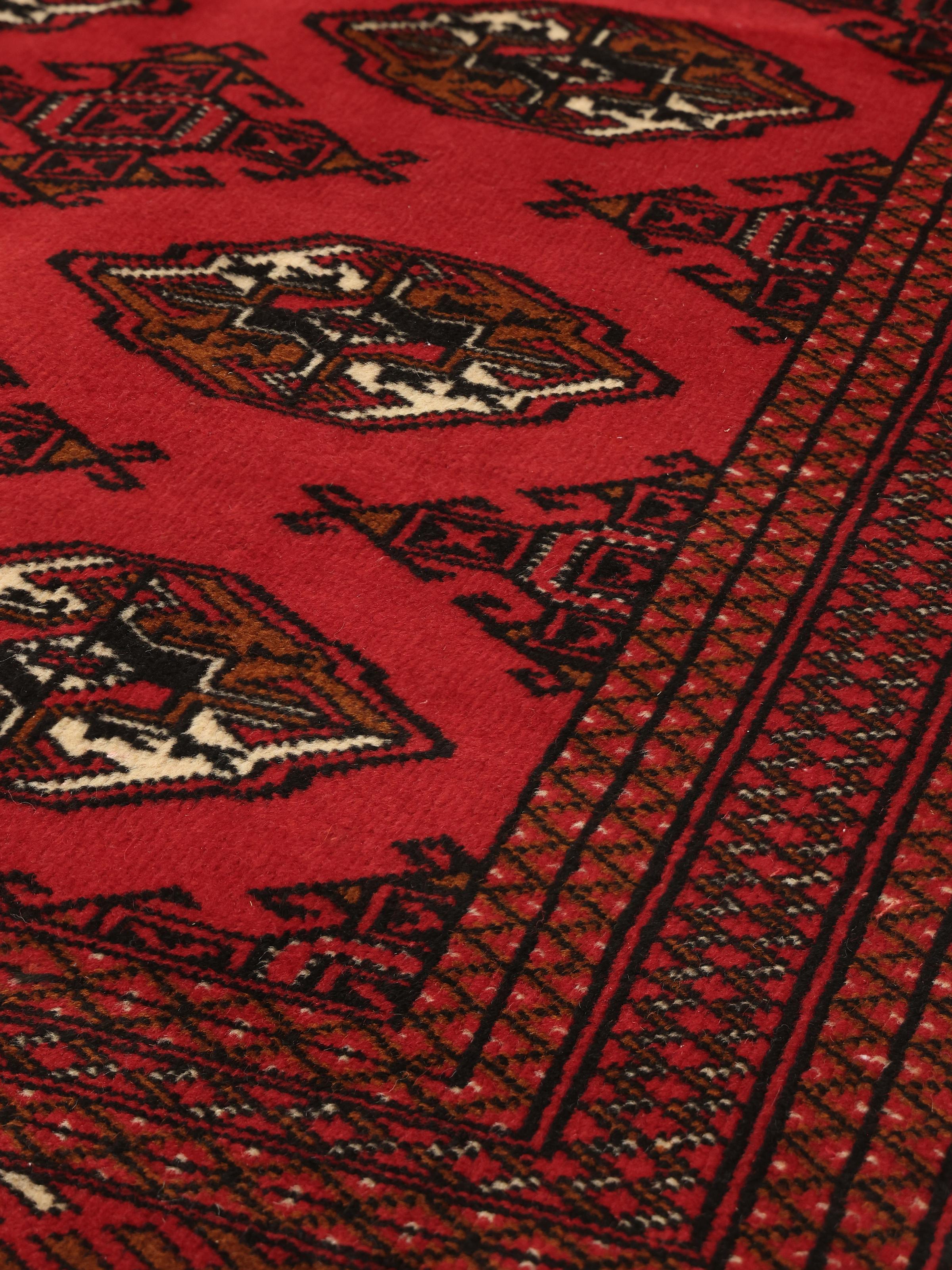
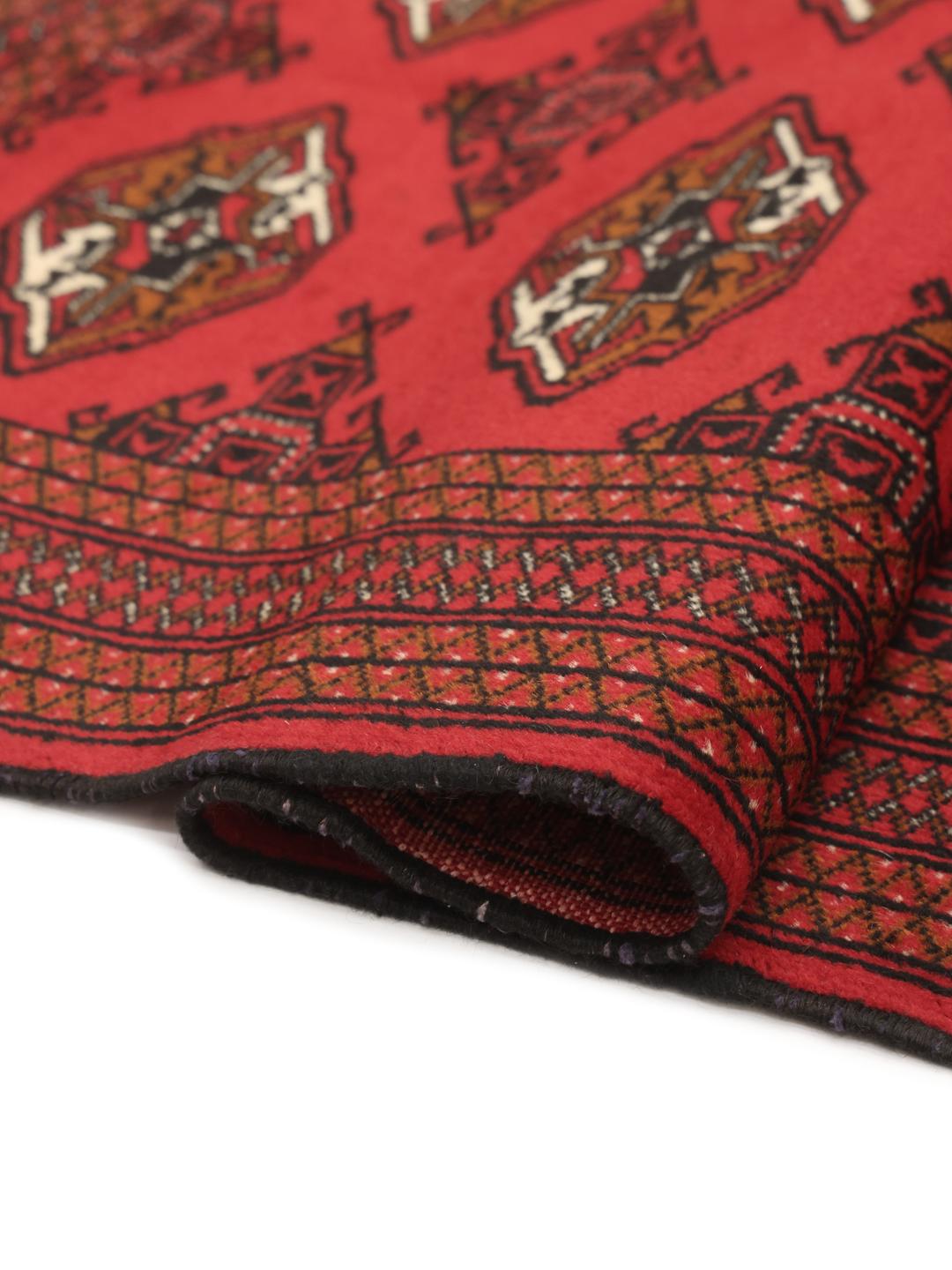
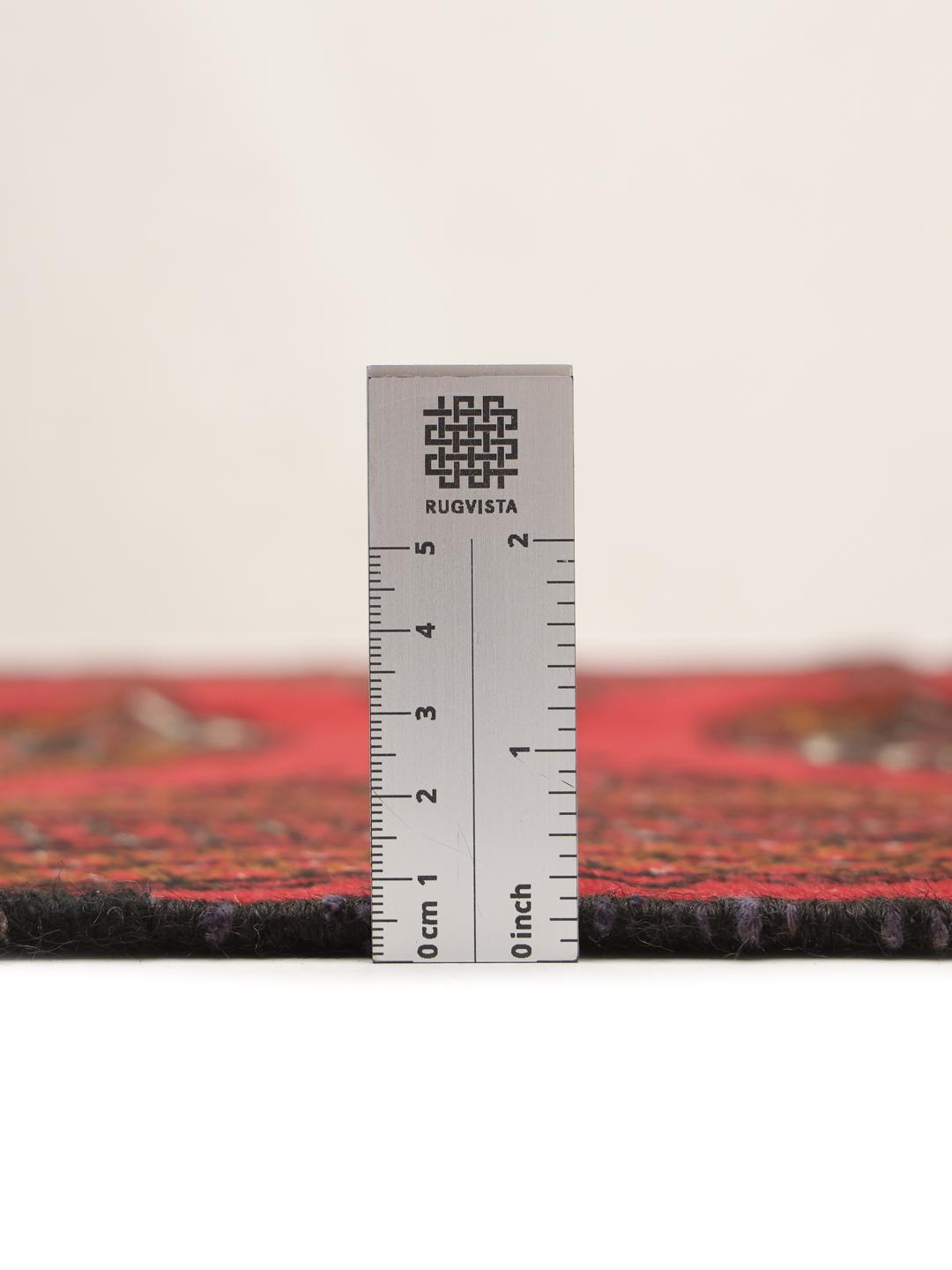
The term 'Turkaman' refers to the specific weaving styles and knotting techniques passed down through generations of tribal artisans. These rugs are known for their sturdy construction, typically featuring a dense pile that provides excellent insulation against cold floors, a trait that remains highly valued in modern home decor.
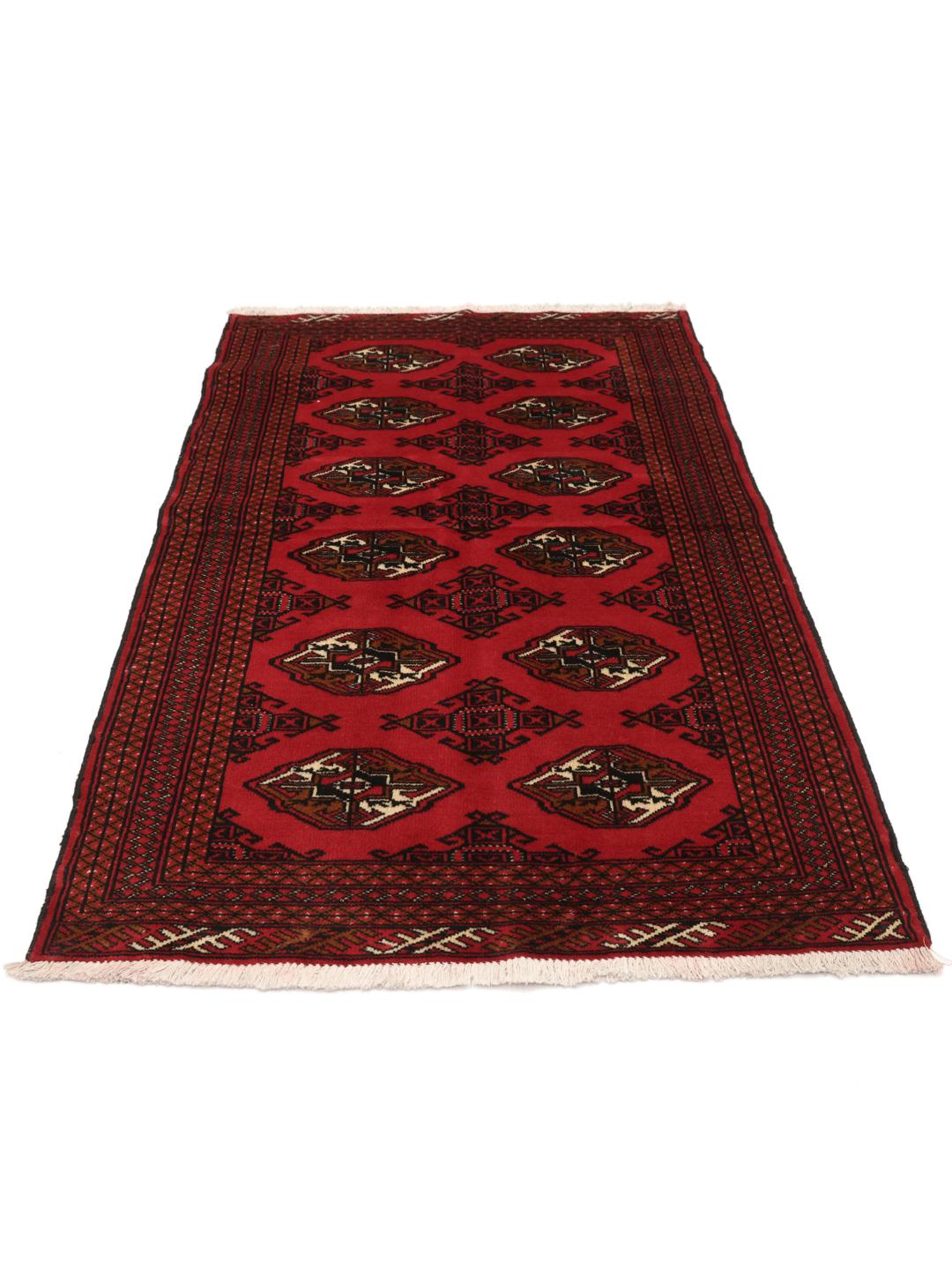
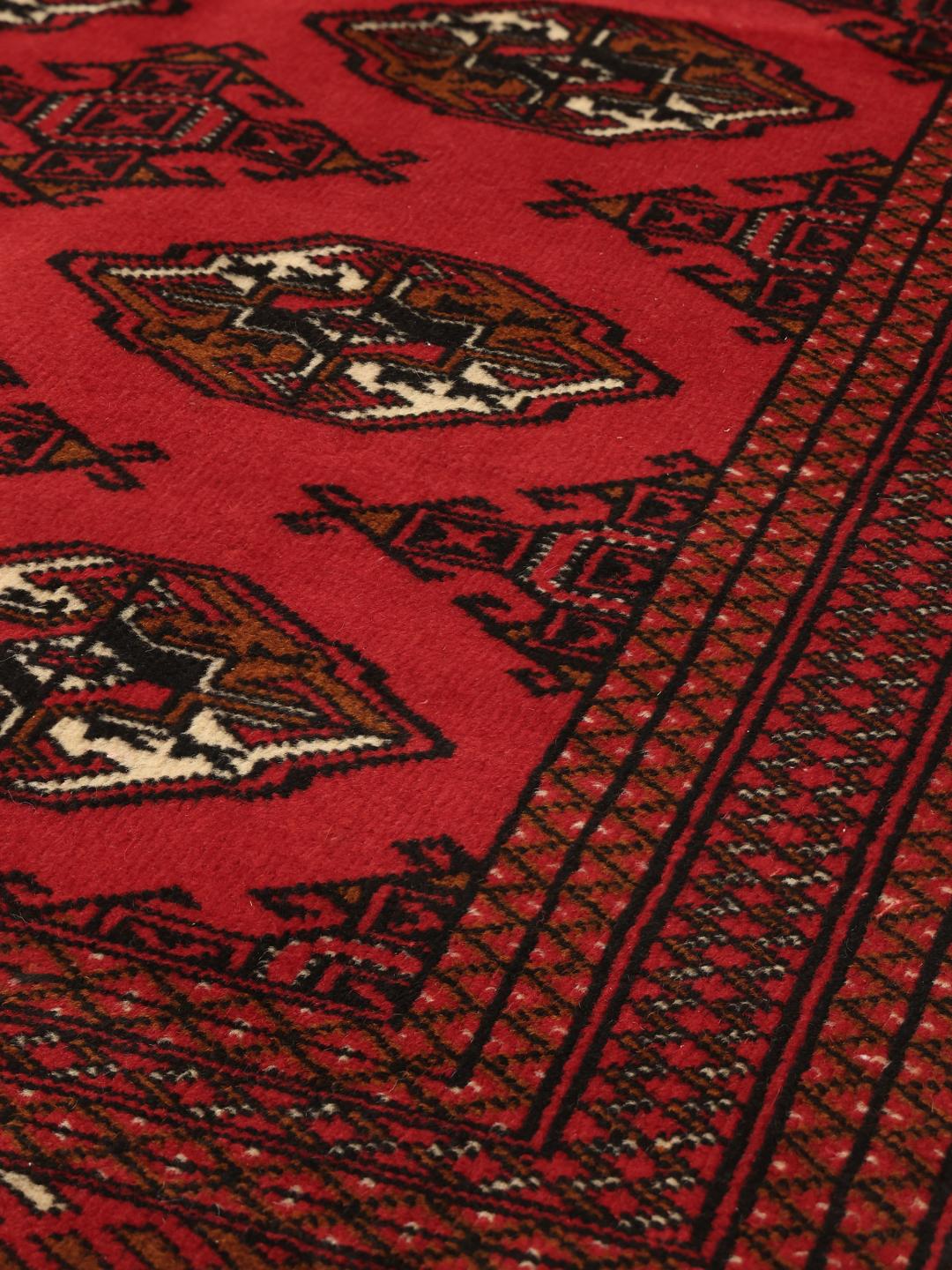
The visual language of these rugs is defined by the iconic 'gul' motif, which is a repeated octagonal or diamond-shaped medallion. These designs are steeped in symbolism, often representing the specific lineage or identity of the weaving tribe. The deep red palette, often accented with dark tones, is a signature of this tradition, evoking a sense of warmth and history.
Collectors value these rugs for their authenticity and the skill required to produce them. Owning a Turkaman rug is an opportunity to preserve a piece of living history, as each item embodies the artistic expression and technical mastery of the weavers. They are celebrated for their longevity and their ability to anchor a room with both colour and cultural significance.