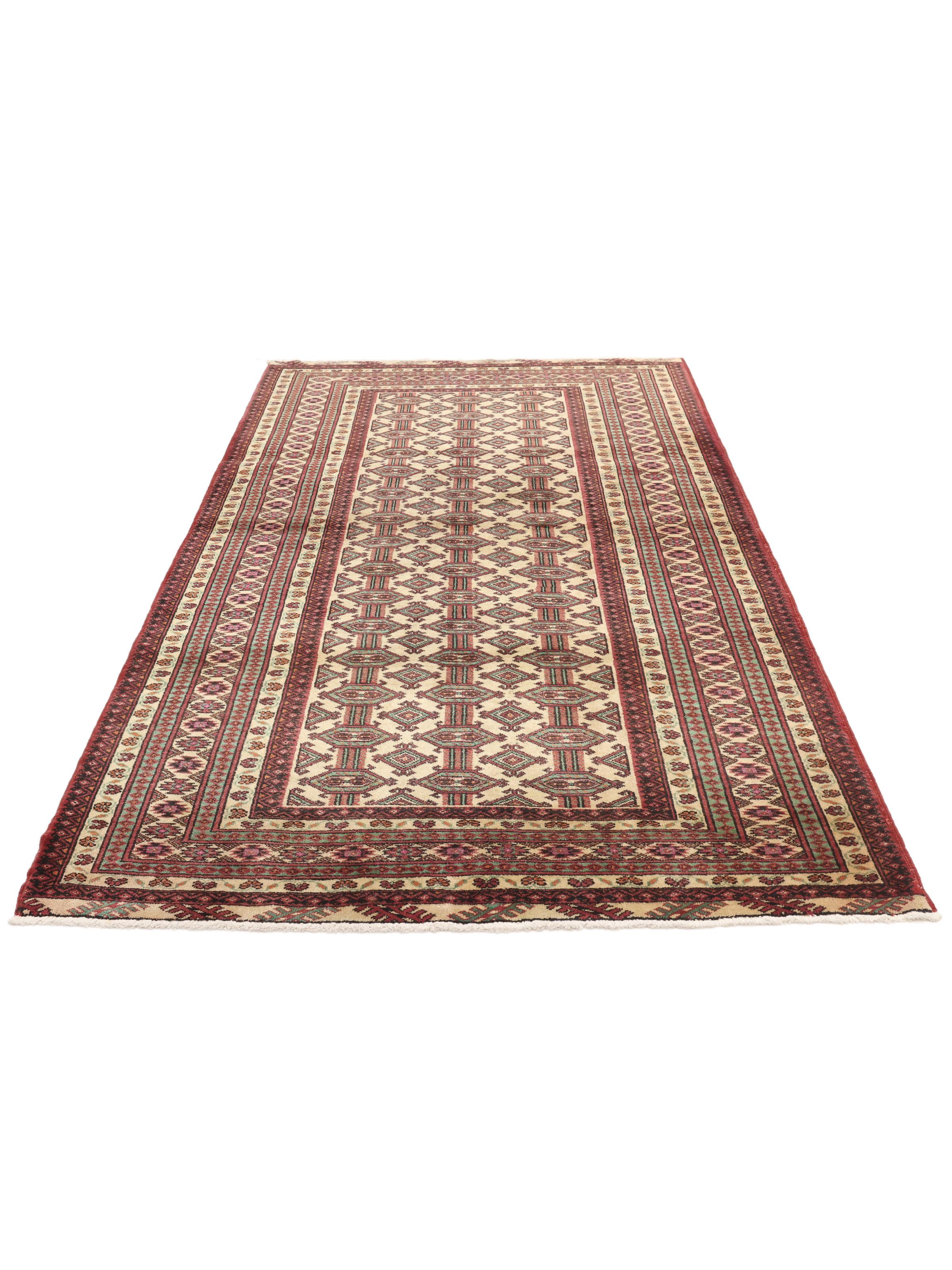
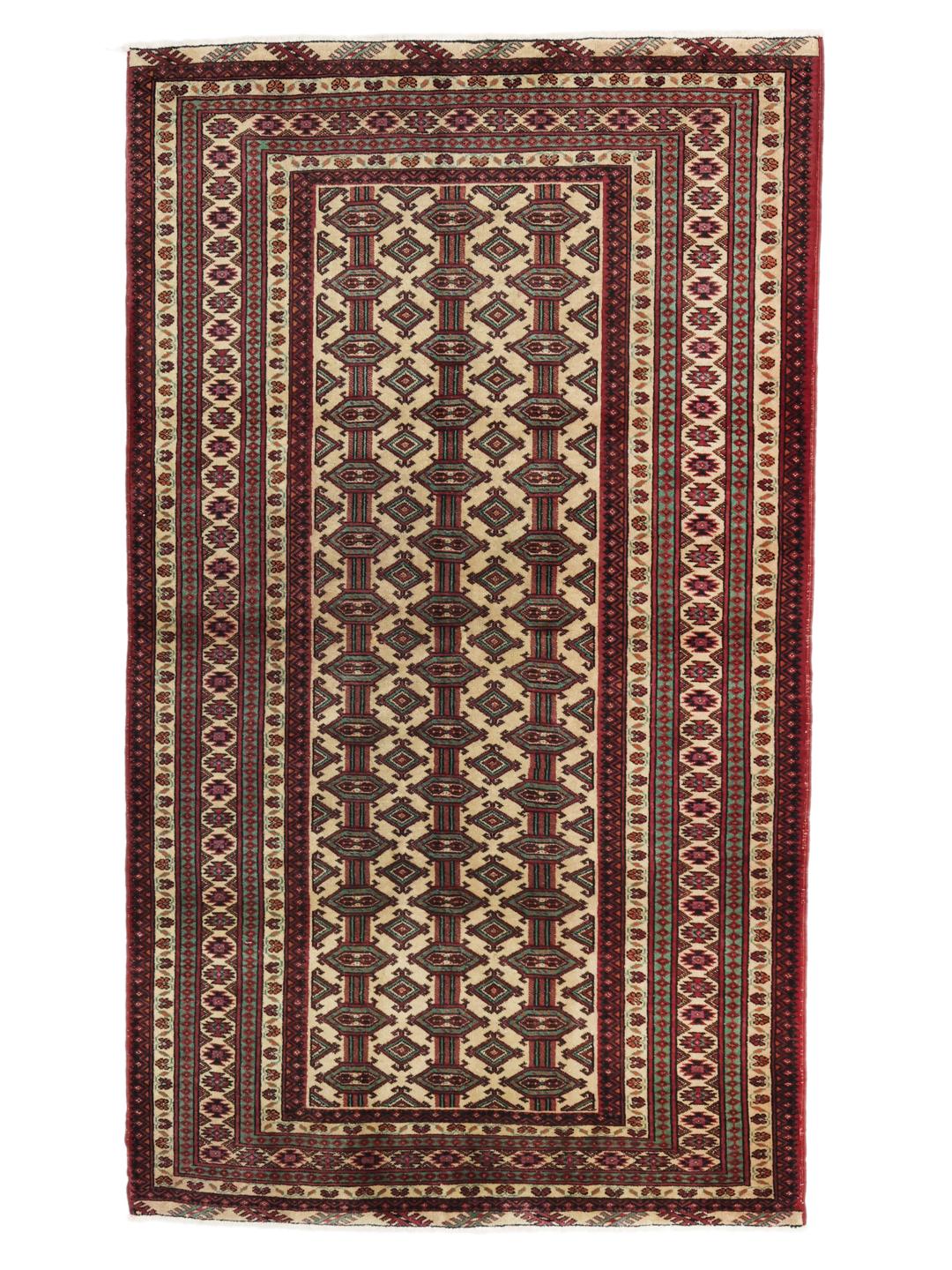
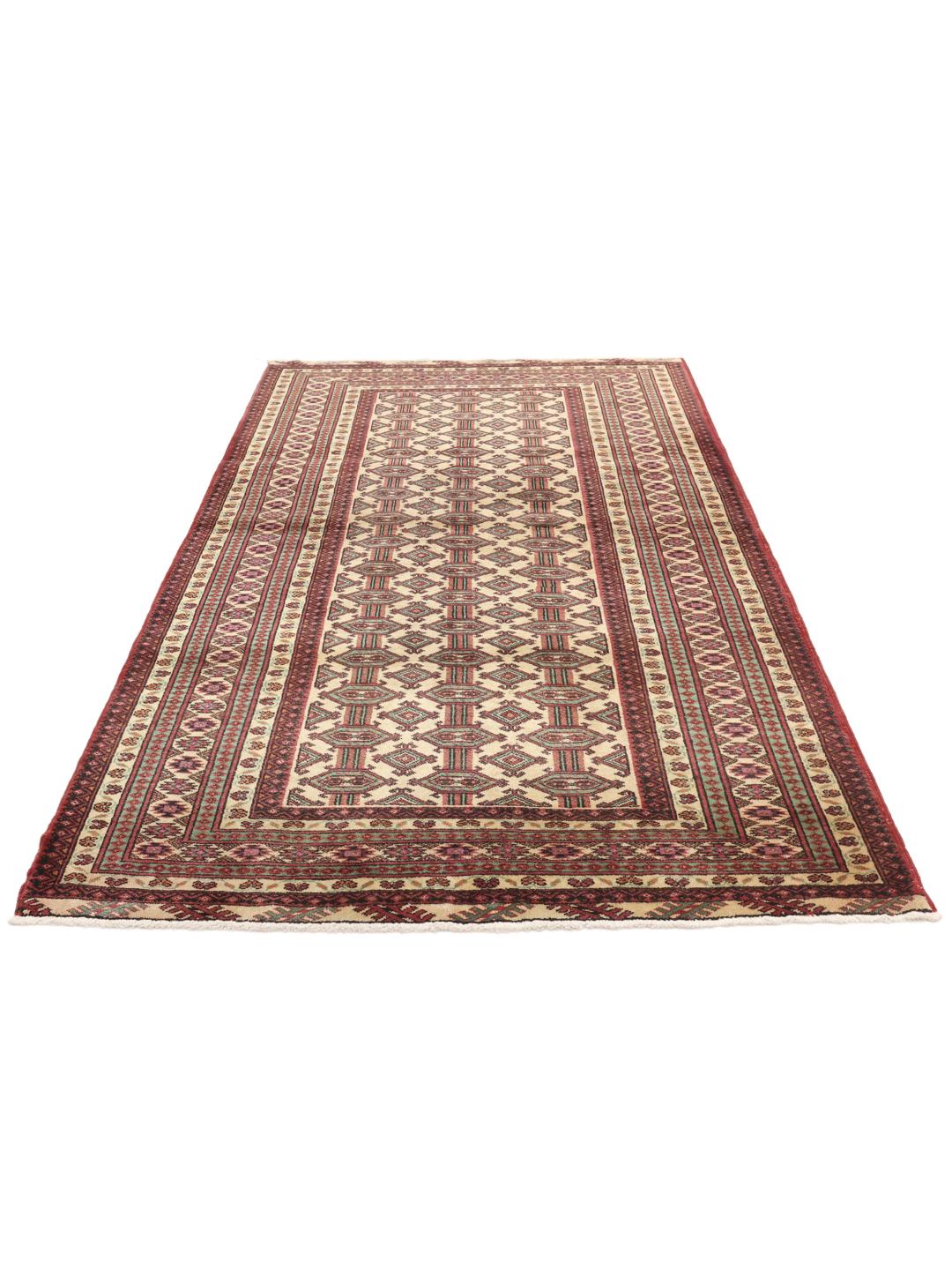
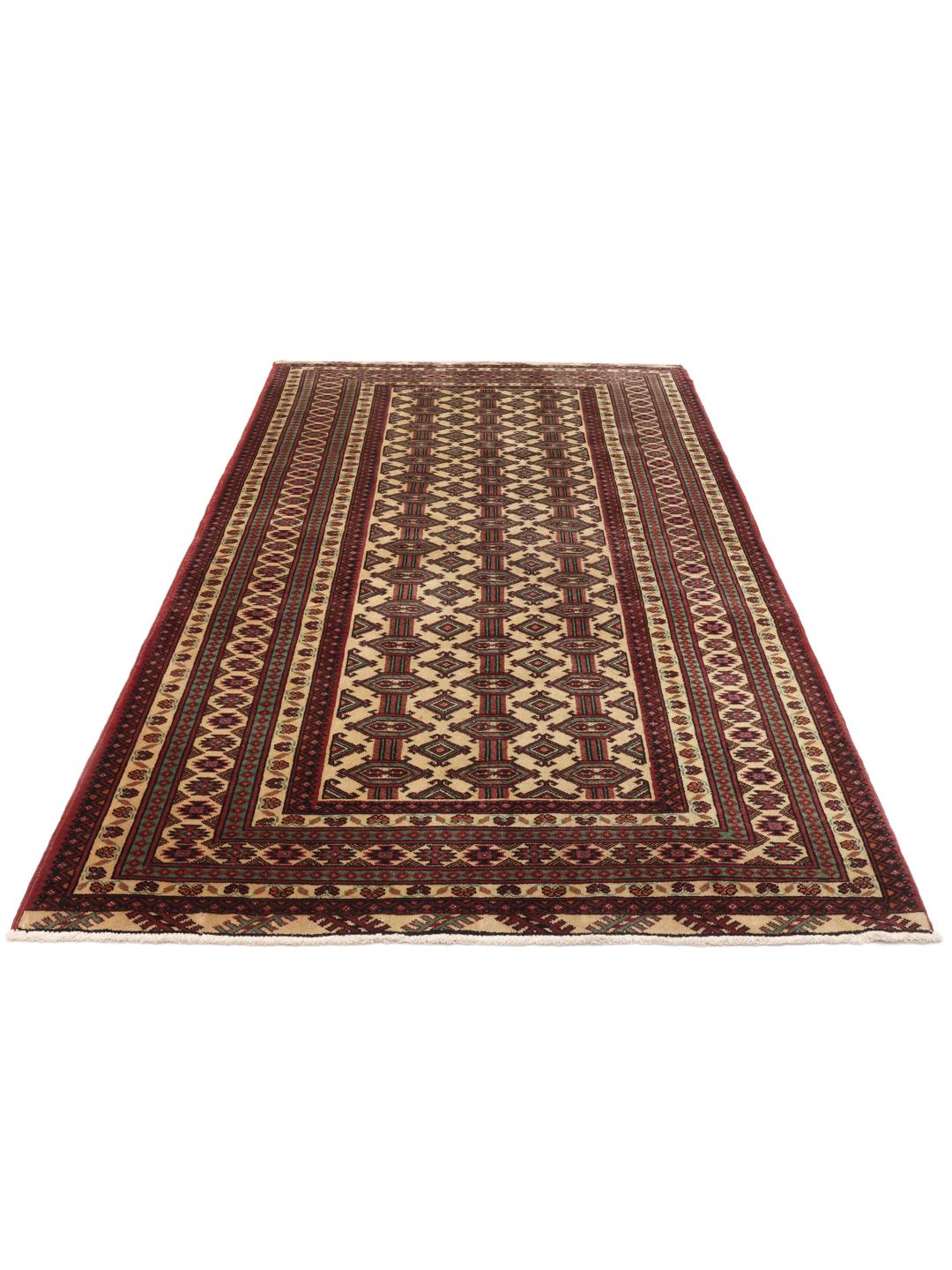
Turkaman rugs originate from the nomadic tribes of Central Asia and the Middle East, a region with a deep-rooted history of weaving that spans centuries. These rugs were traditionally created by tribal weavers to serve as both functional household items and expressions of cultural identity, with each tribe developing its own distinct visual language.
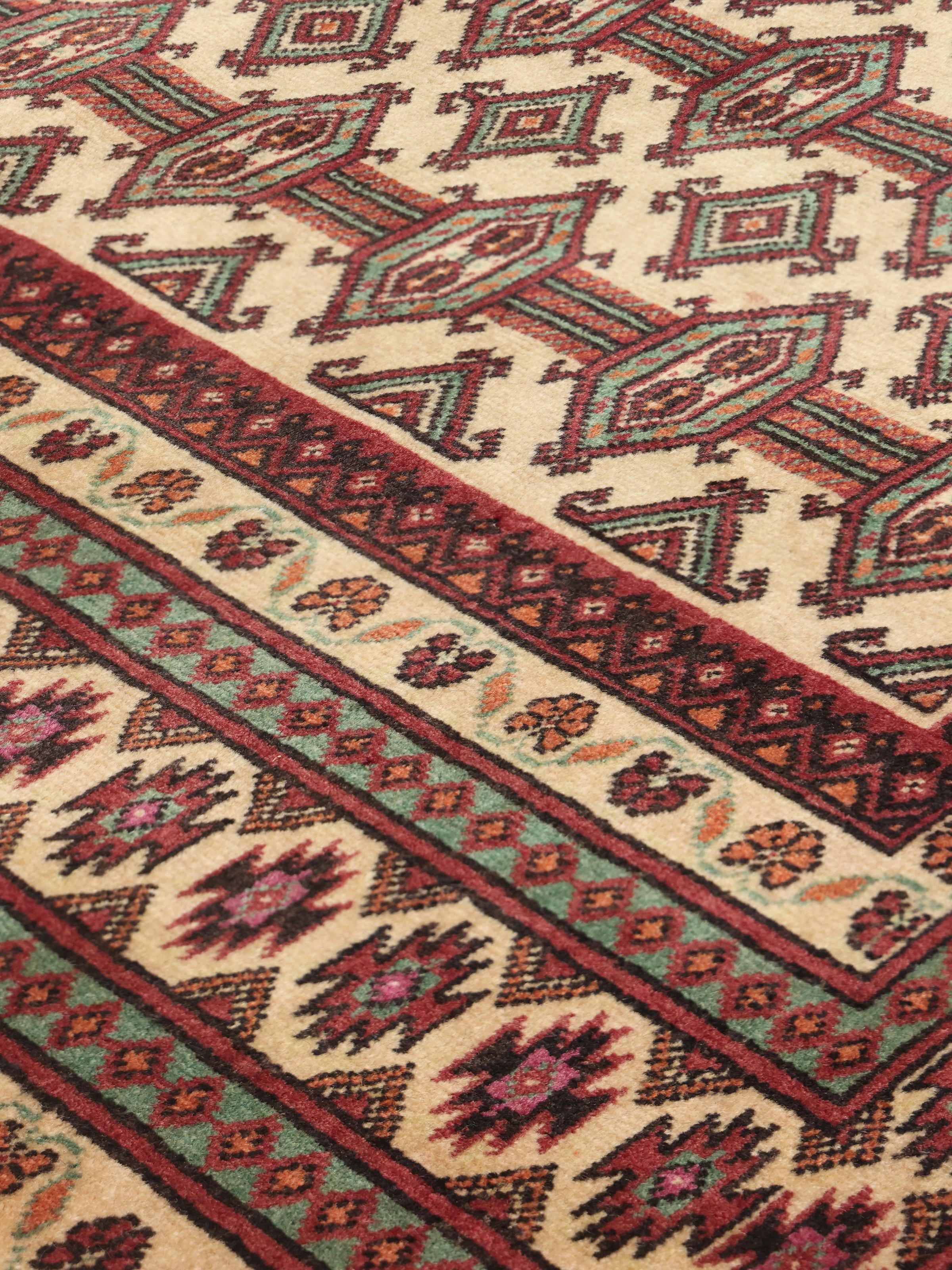
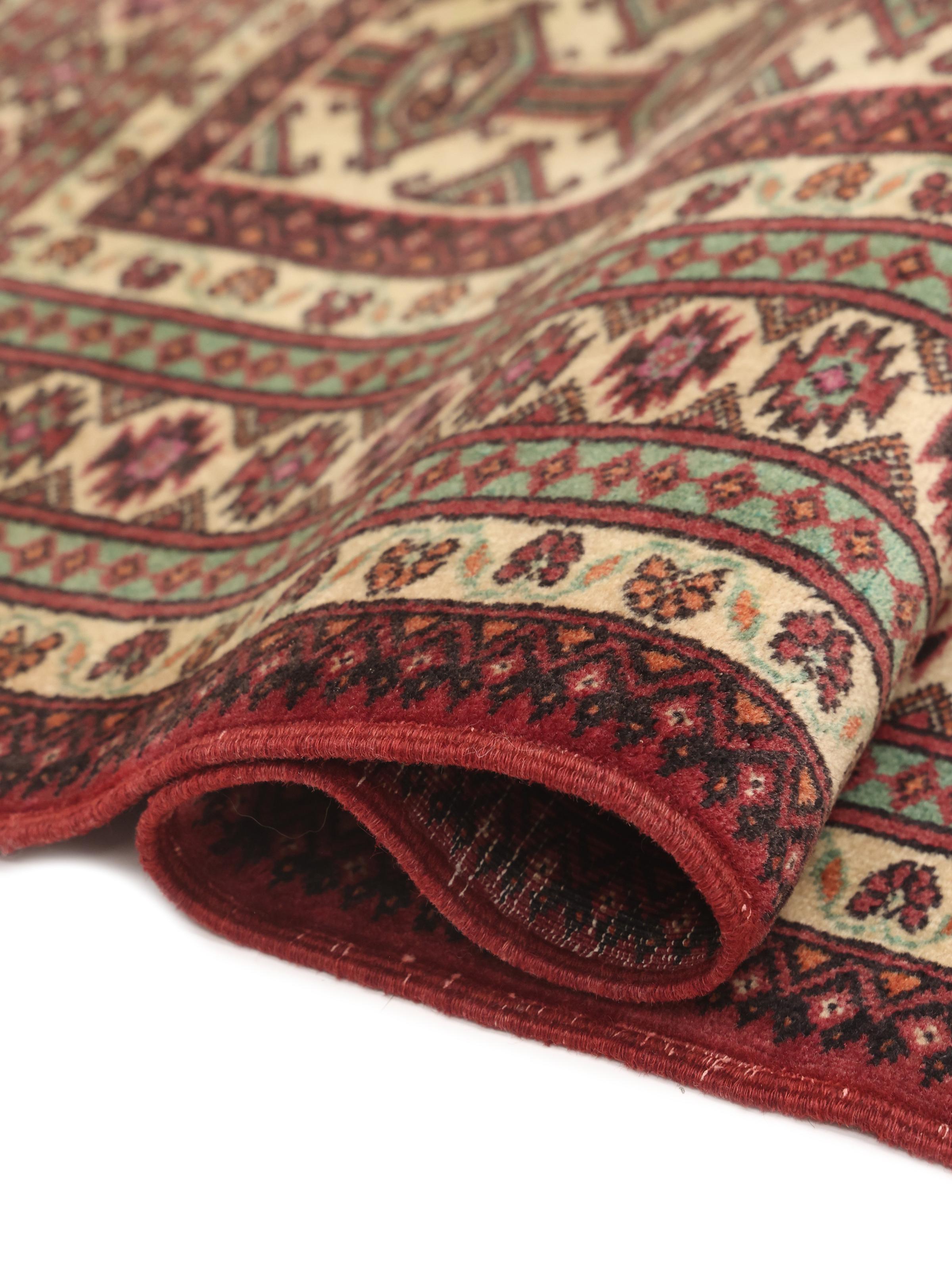
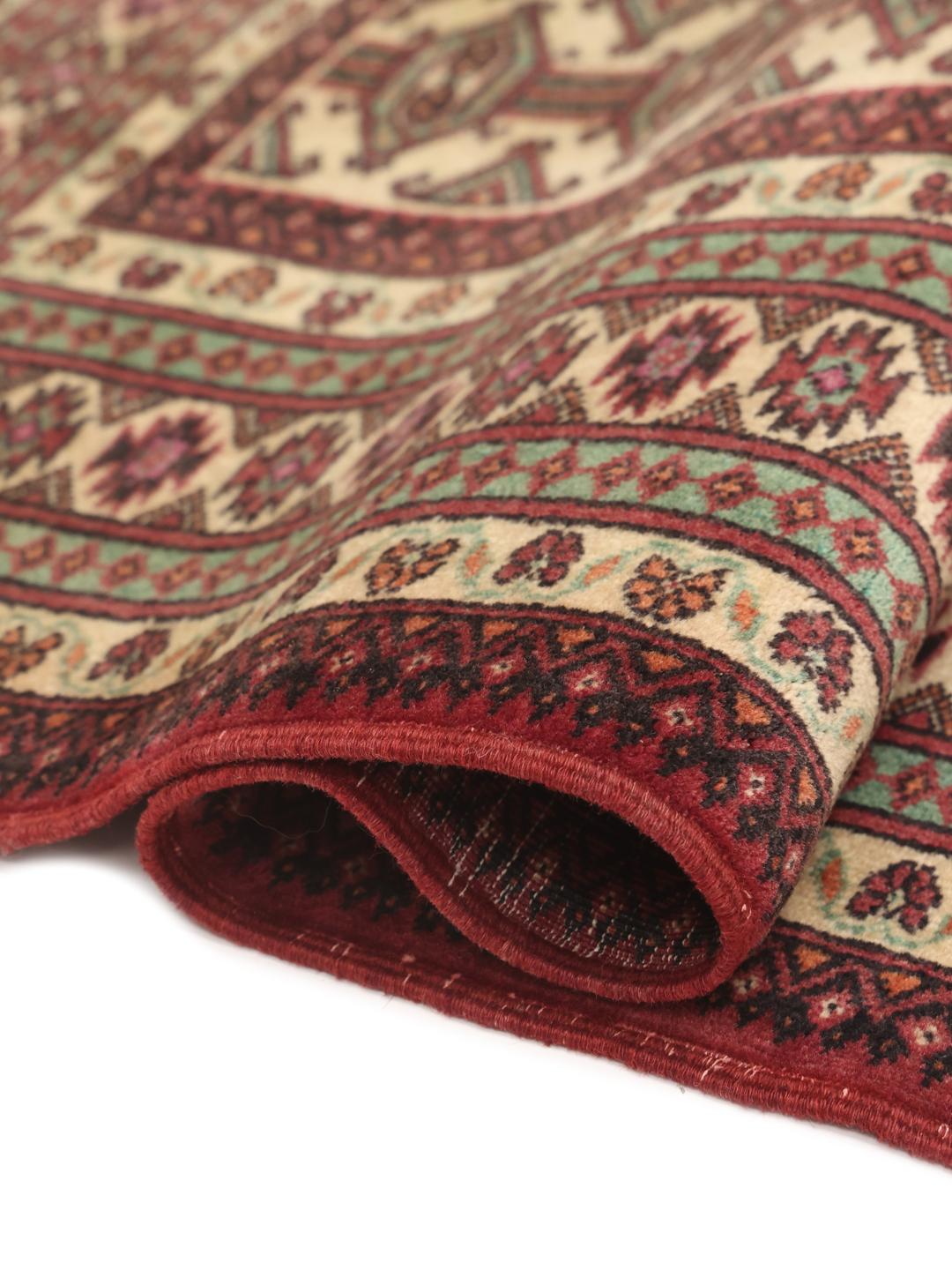
The term Turkaman refers to these specific tribal traditions, which are celebrated for their disciplined use of repetitive geometric patterns. The techniques passed down through generations focus on creating a dense, durable pile that could withstand the rigours of nomadic life while showcasing complex, symbolic designs that often carry ancestral meanings.
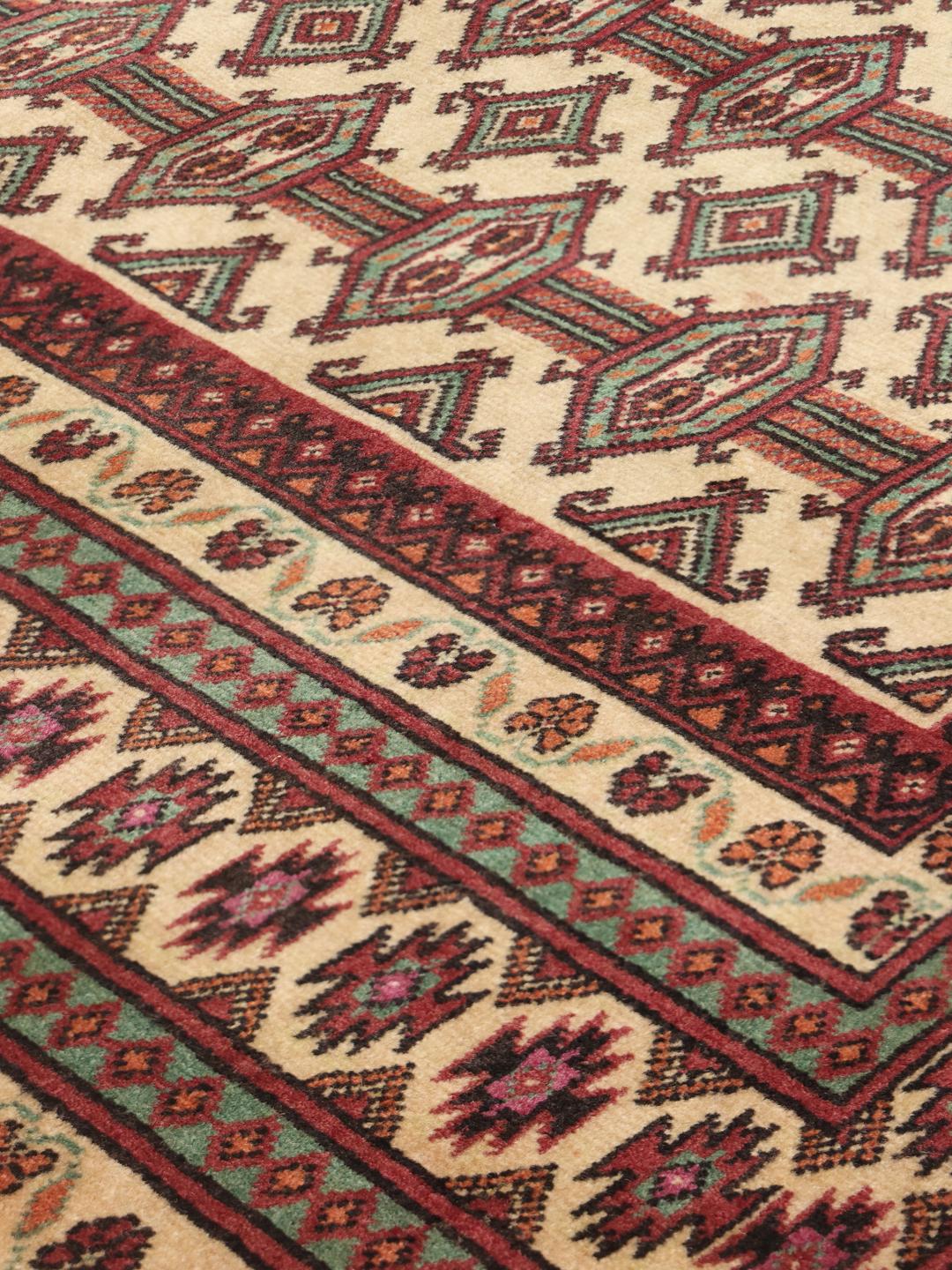
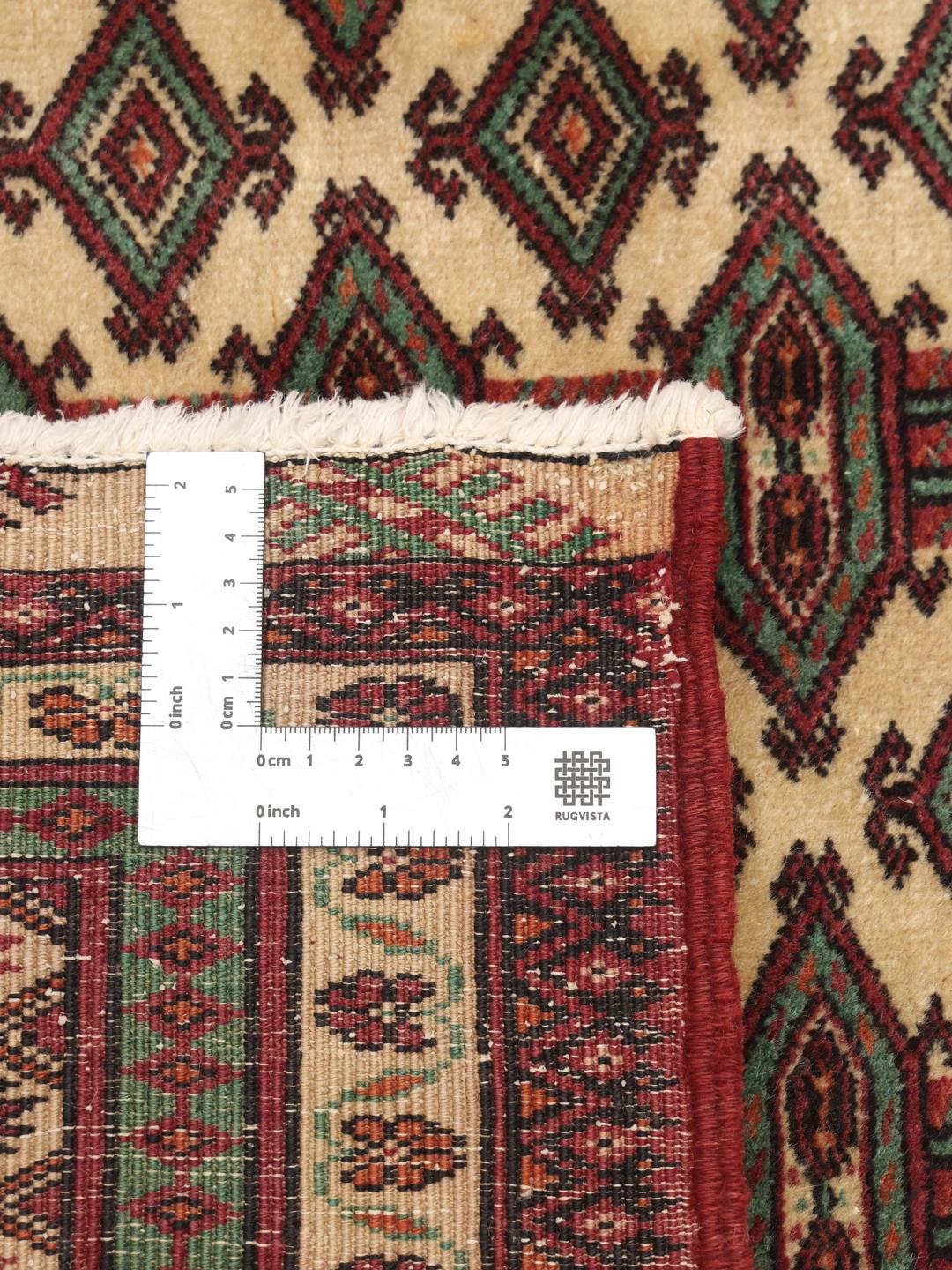
Signature design elements of this tradition include the iconic gul motif, which is an octagonal or medallion-like shape that covers the field in structured rows. The borders are typically framed by intricate, smaller geometric motifs, creating a sense of balance and harmony that is instantly recognisable to those who appreciate classic textile art.
Today, these rugs are highly valued by collectors and enthusiasts for their cultural weight and the immense skill required to produce them. Owning a Turkaman rug is not just about floor coverage, but about preserving a connection to a rich, historical craft that prioritises precision, patience, and a deep respect for traditional aesthetics.