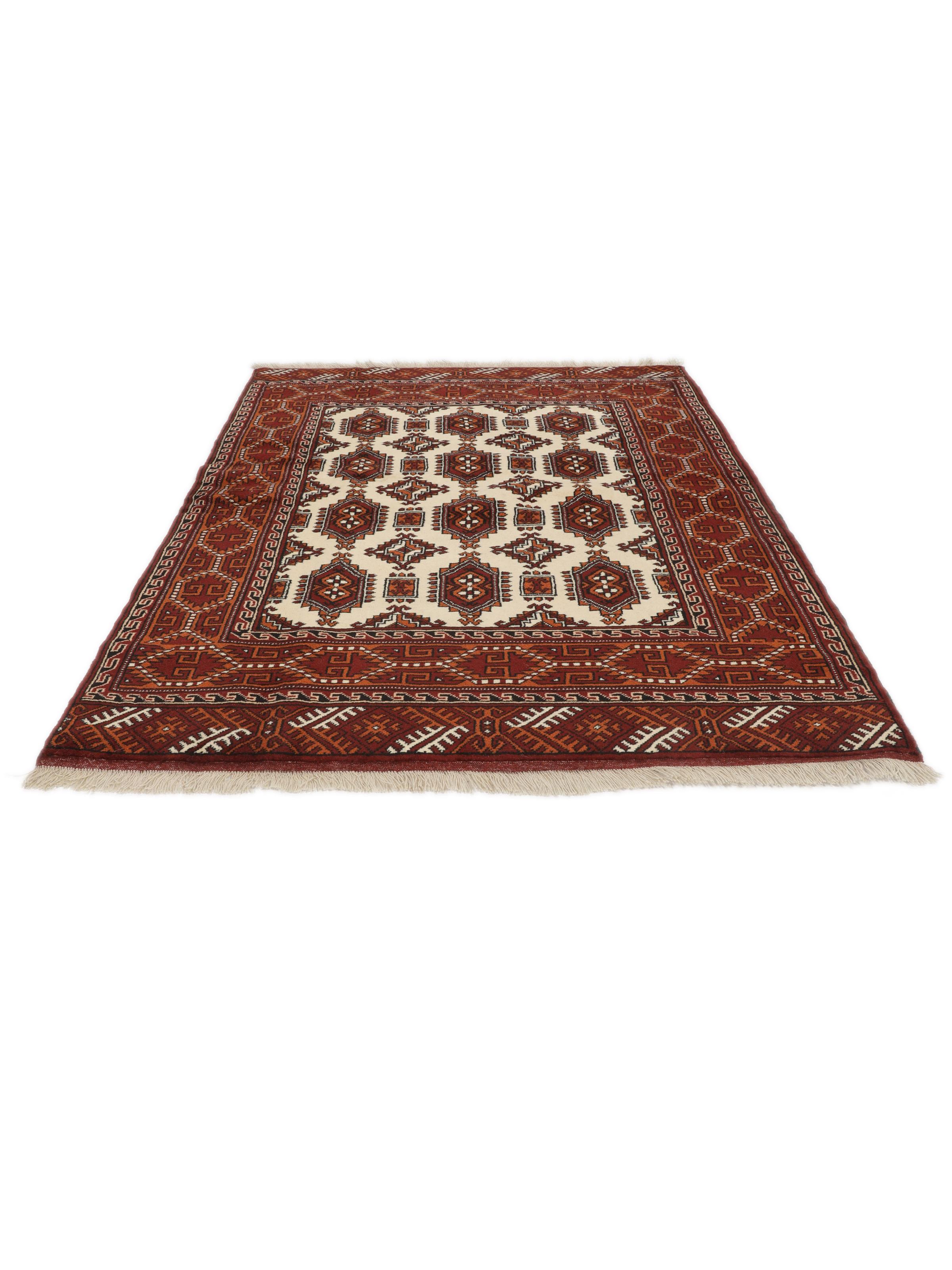
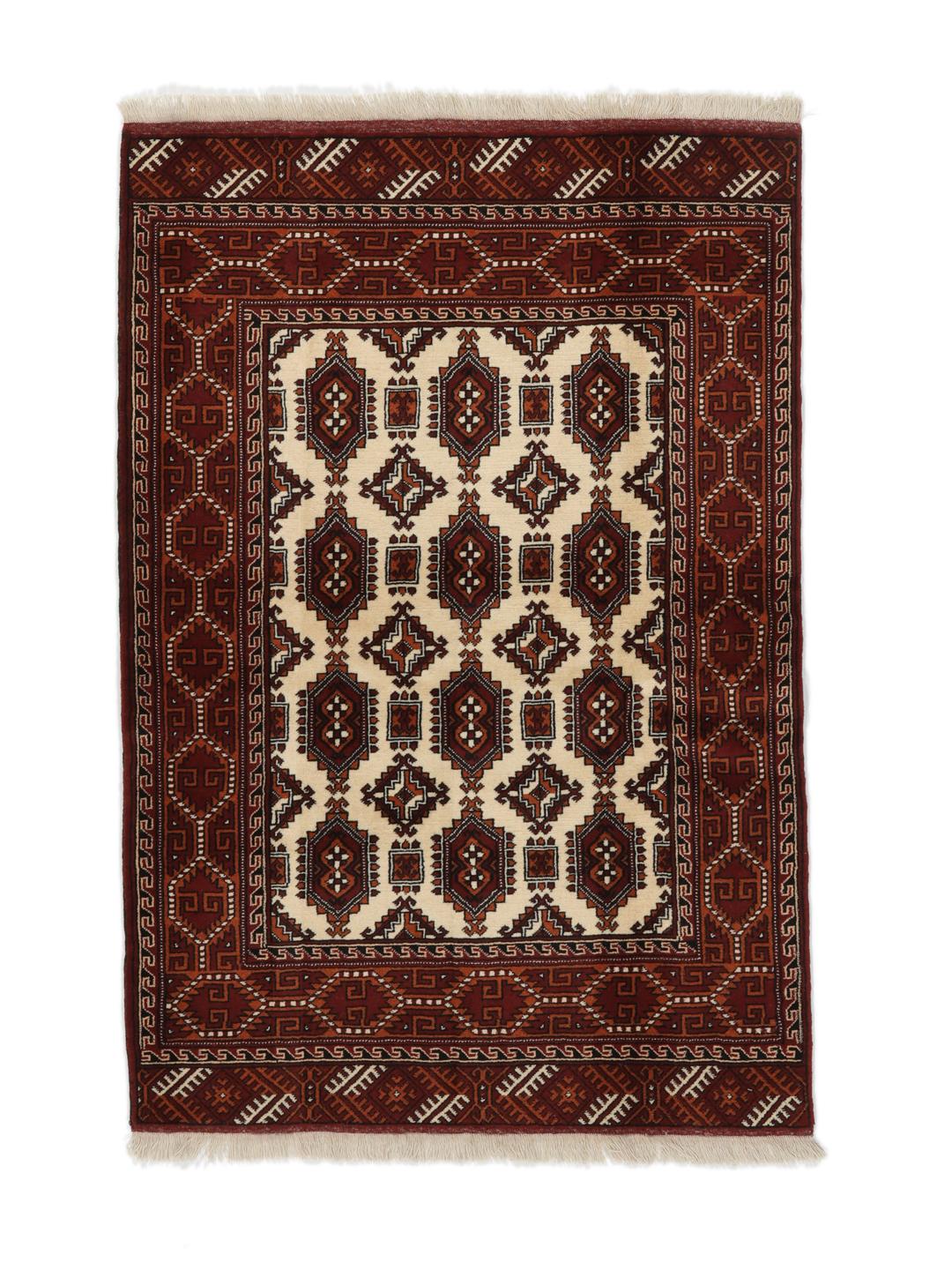
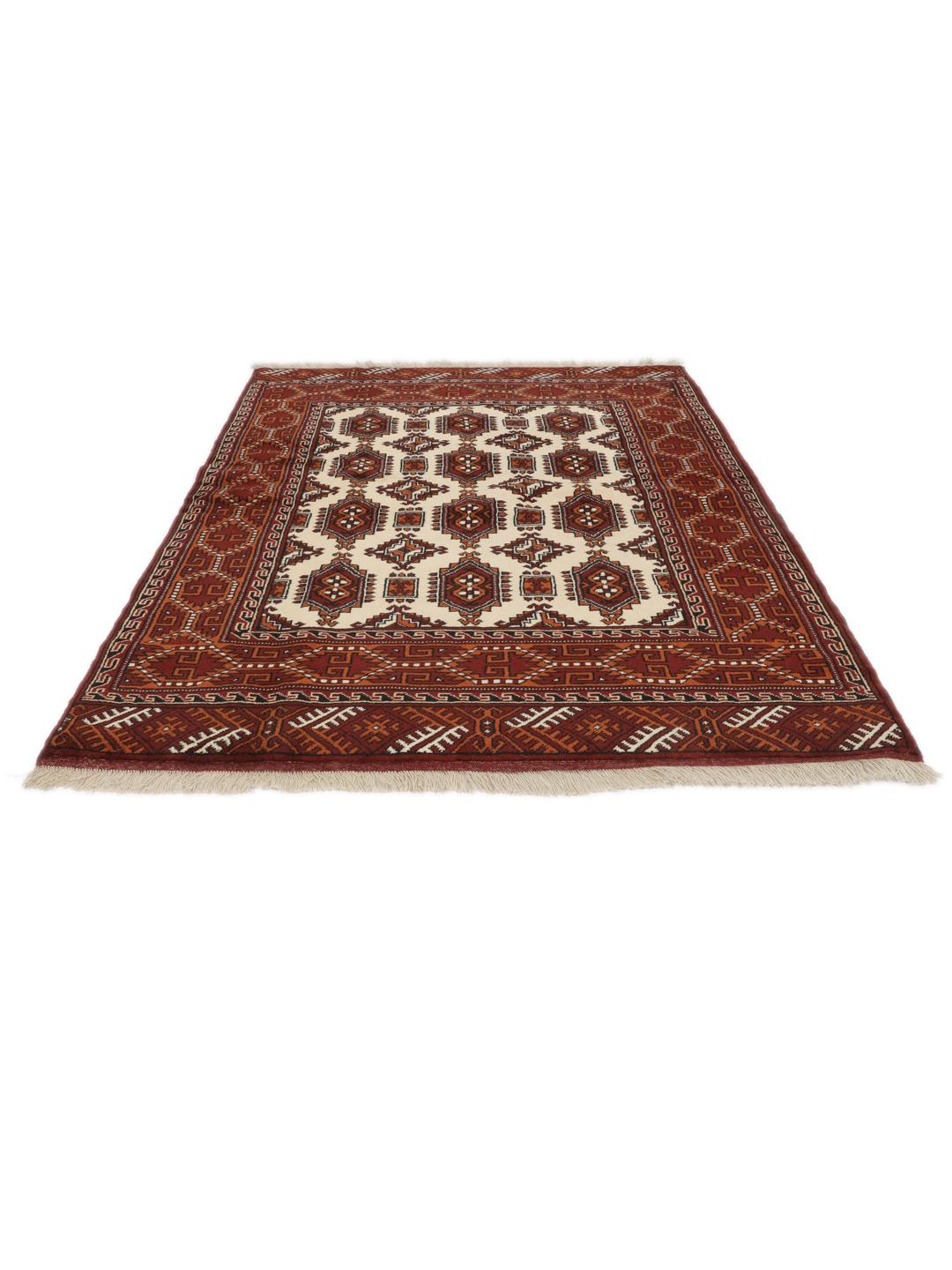
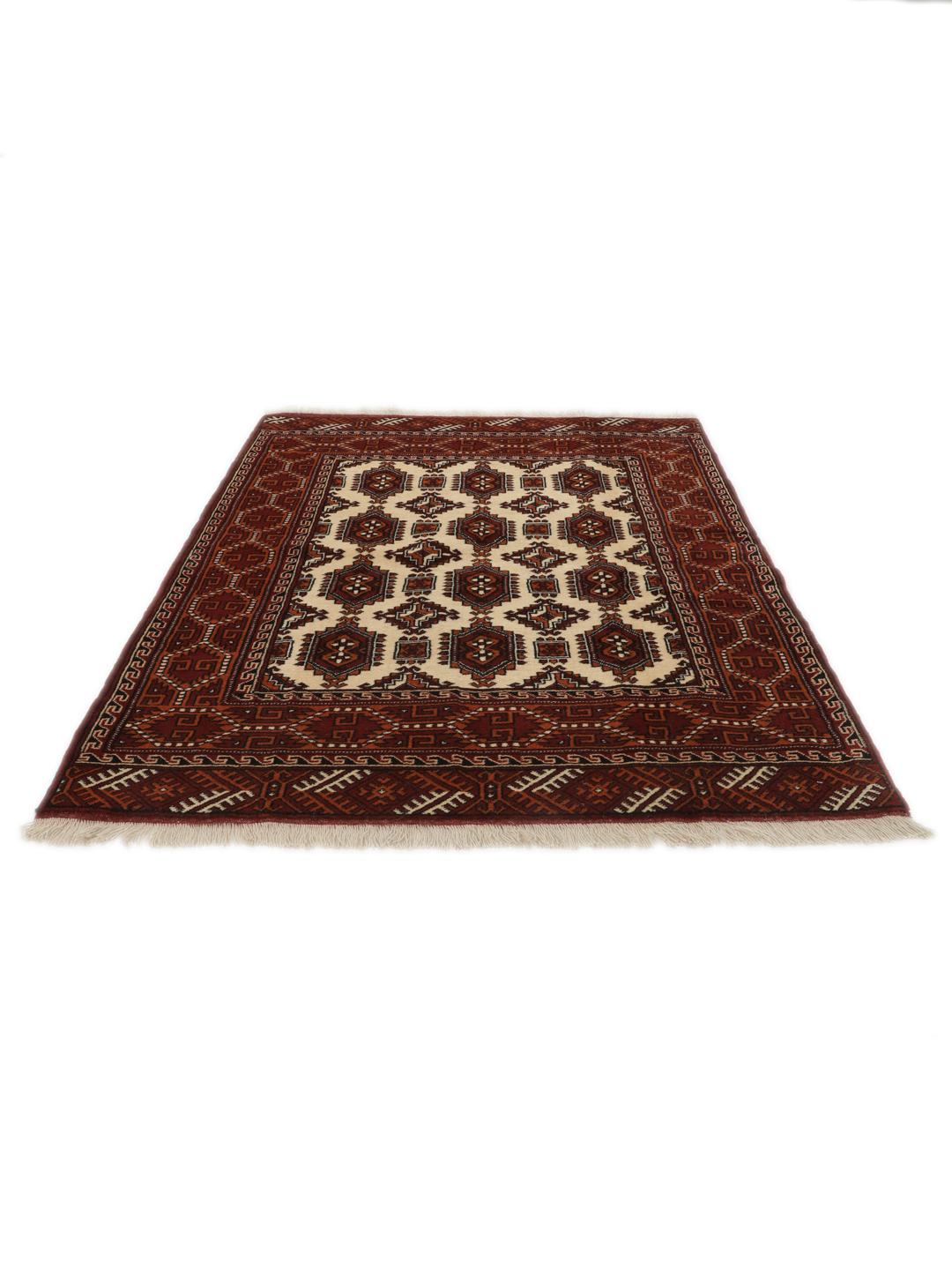
Turkaman rugs originate from the nomadic tribes of the Central Asian steppes, a region known for its deep-rooted weaving heritage. Over centuries, these traditions migrated and were adopted by various cultures, eventually becoming a hallmark of fine rug making across the Middle East.
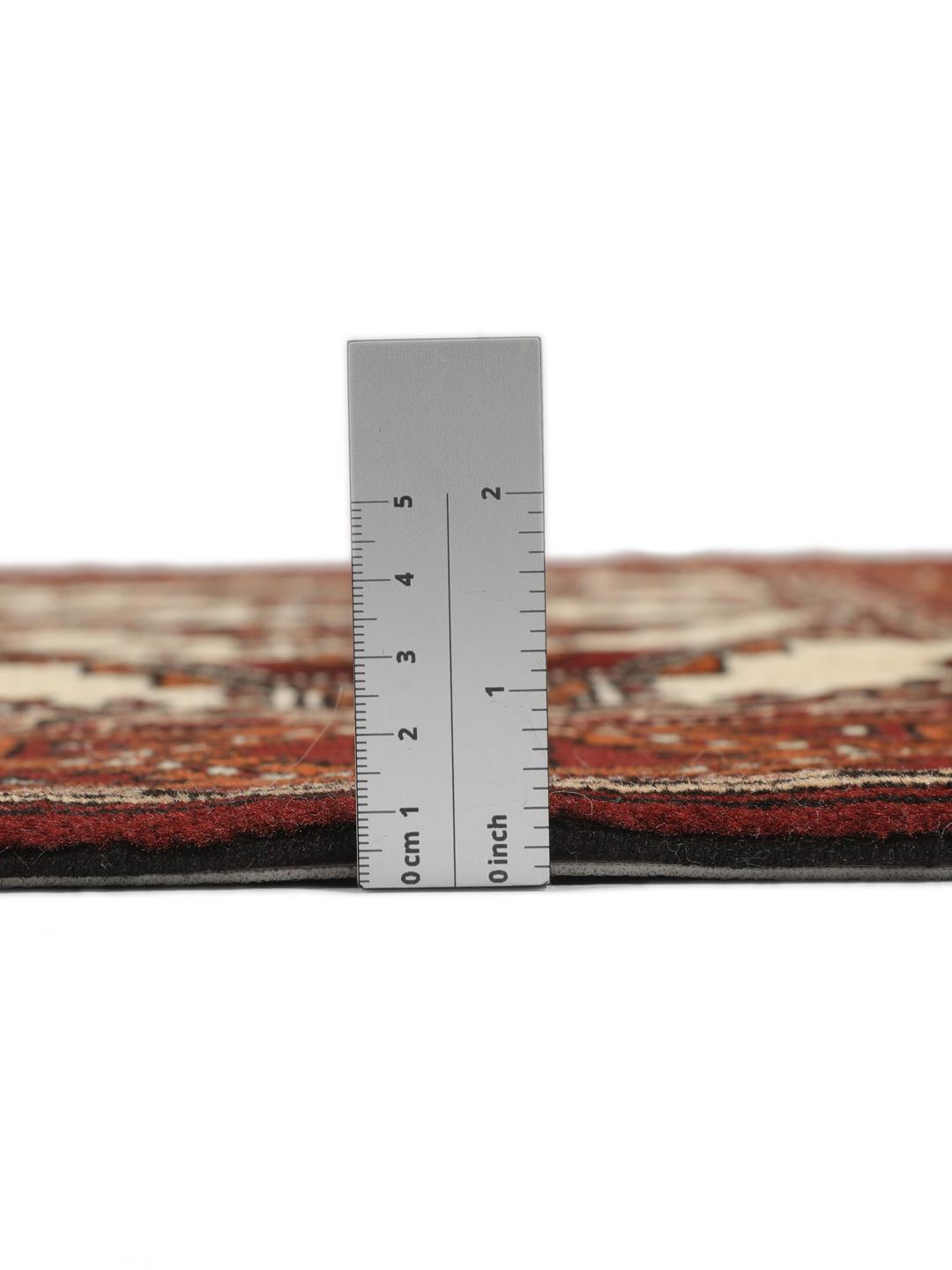
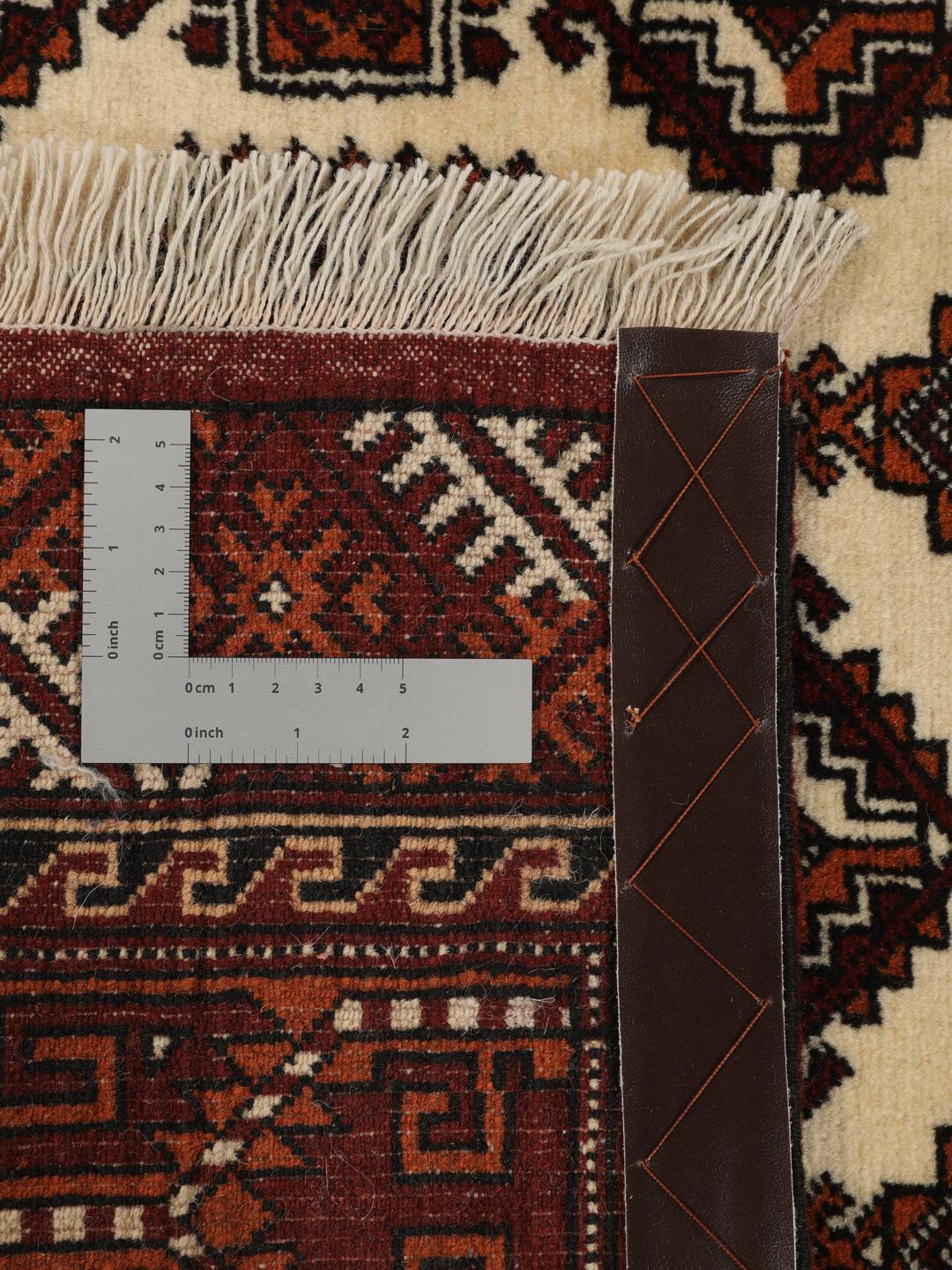
The term Turkaman refers to both the people and the distinctive style of weaving that emphasises a dense, durable pile. These rugs are traditionally constructed with a focus on longevity, utilising techniques that ensure the finished piece can withstand daily use while maintaining its structural integrity.
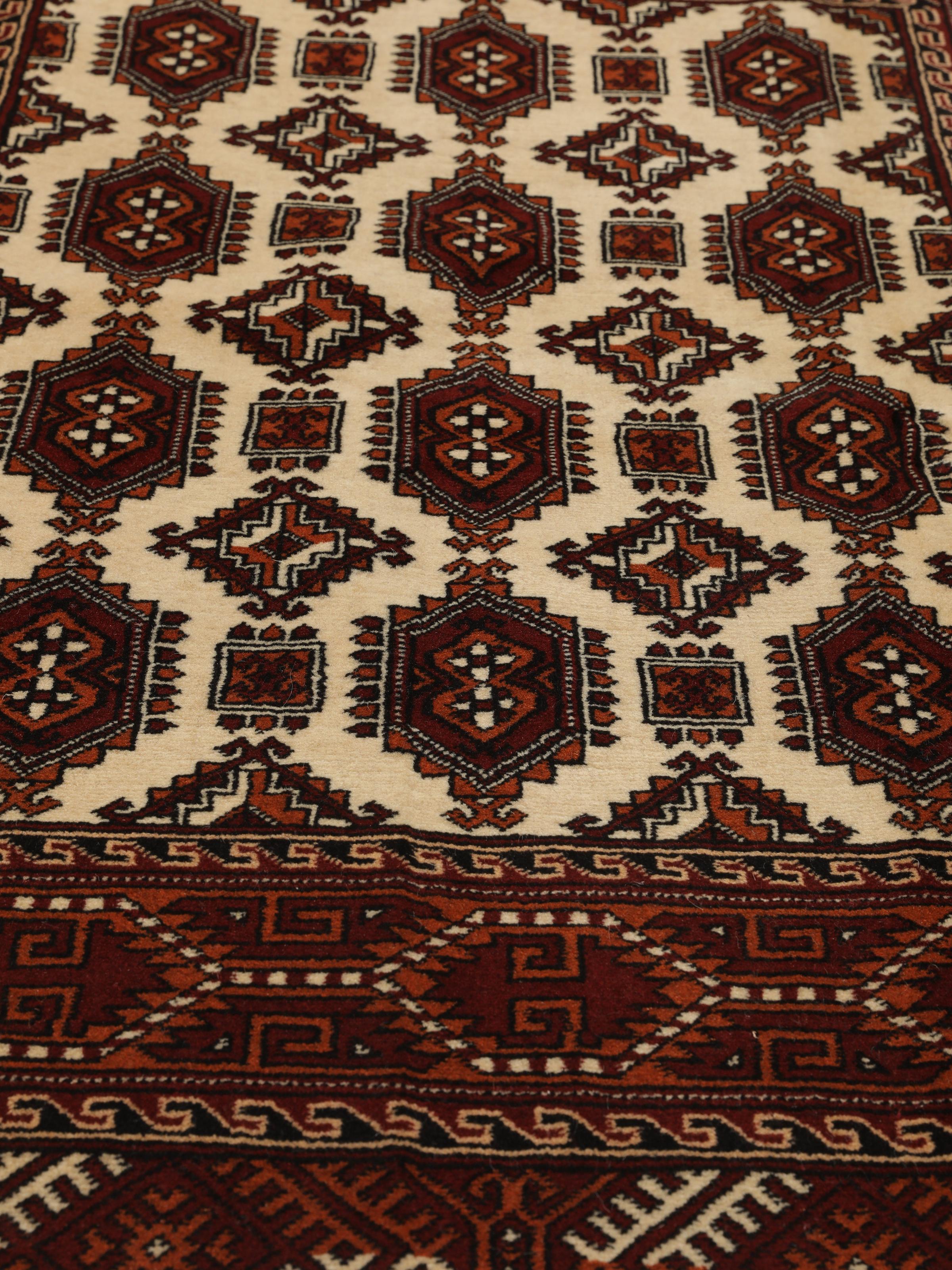
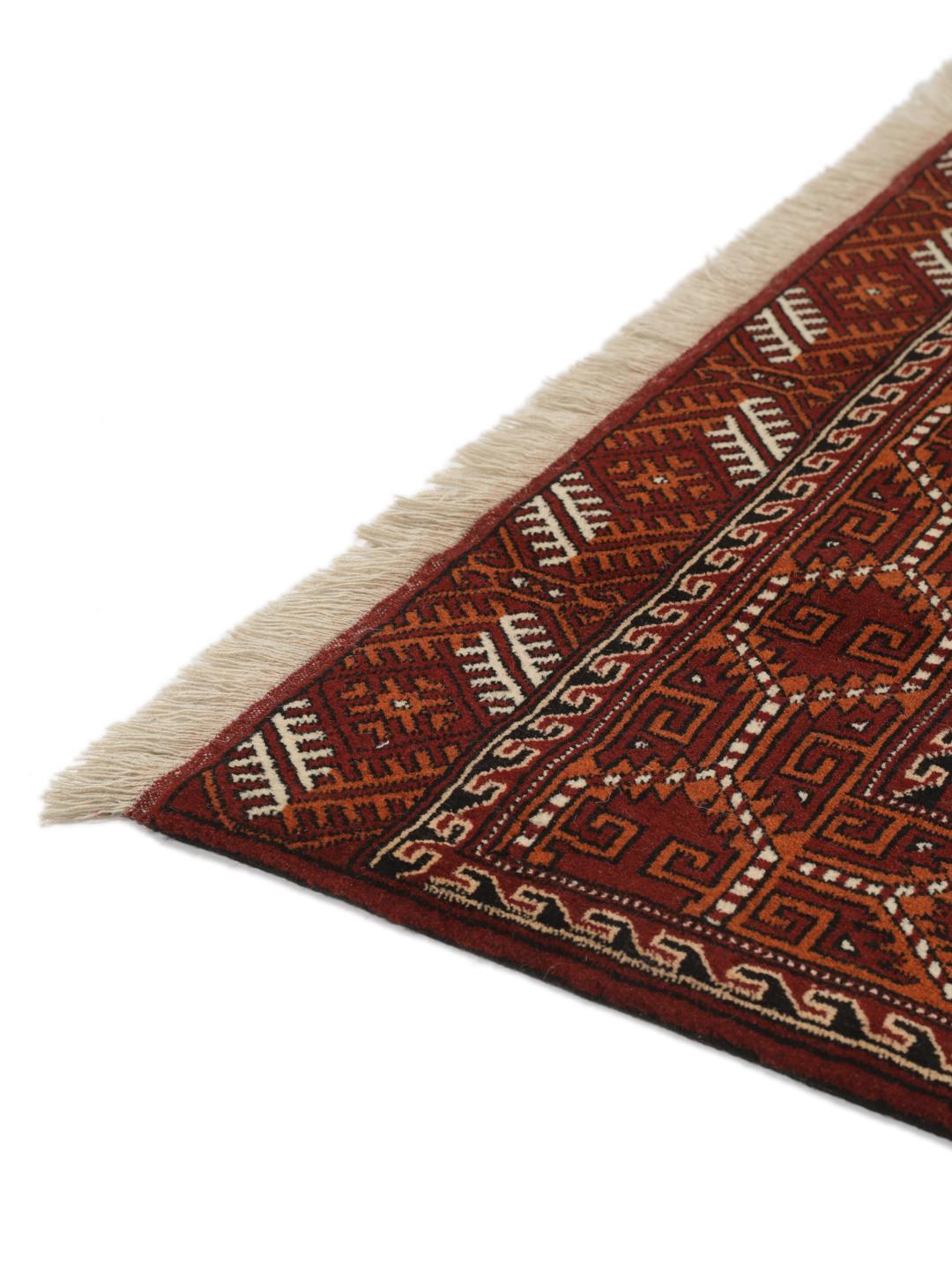
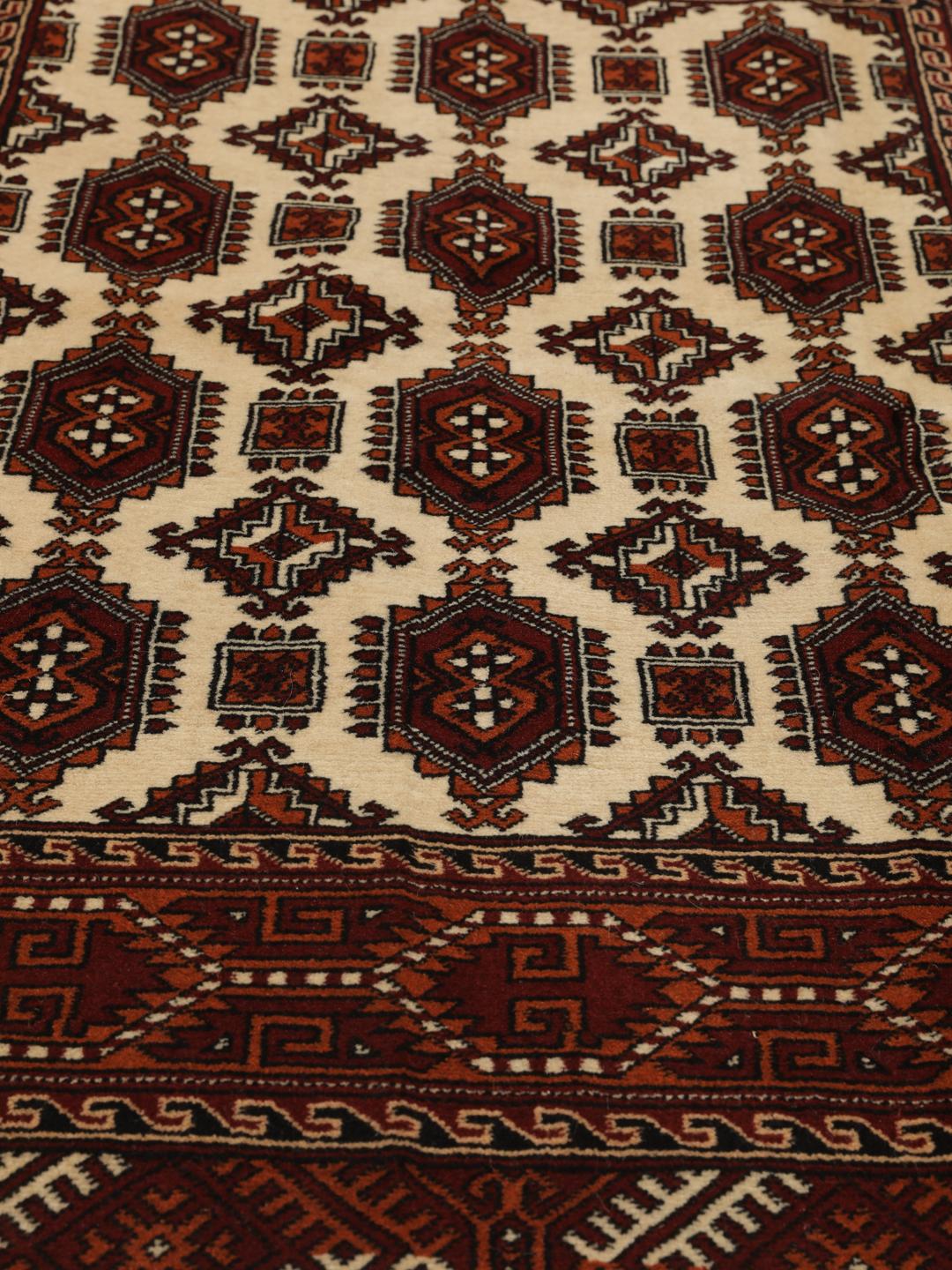
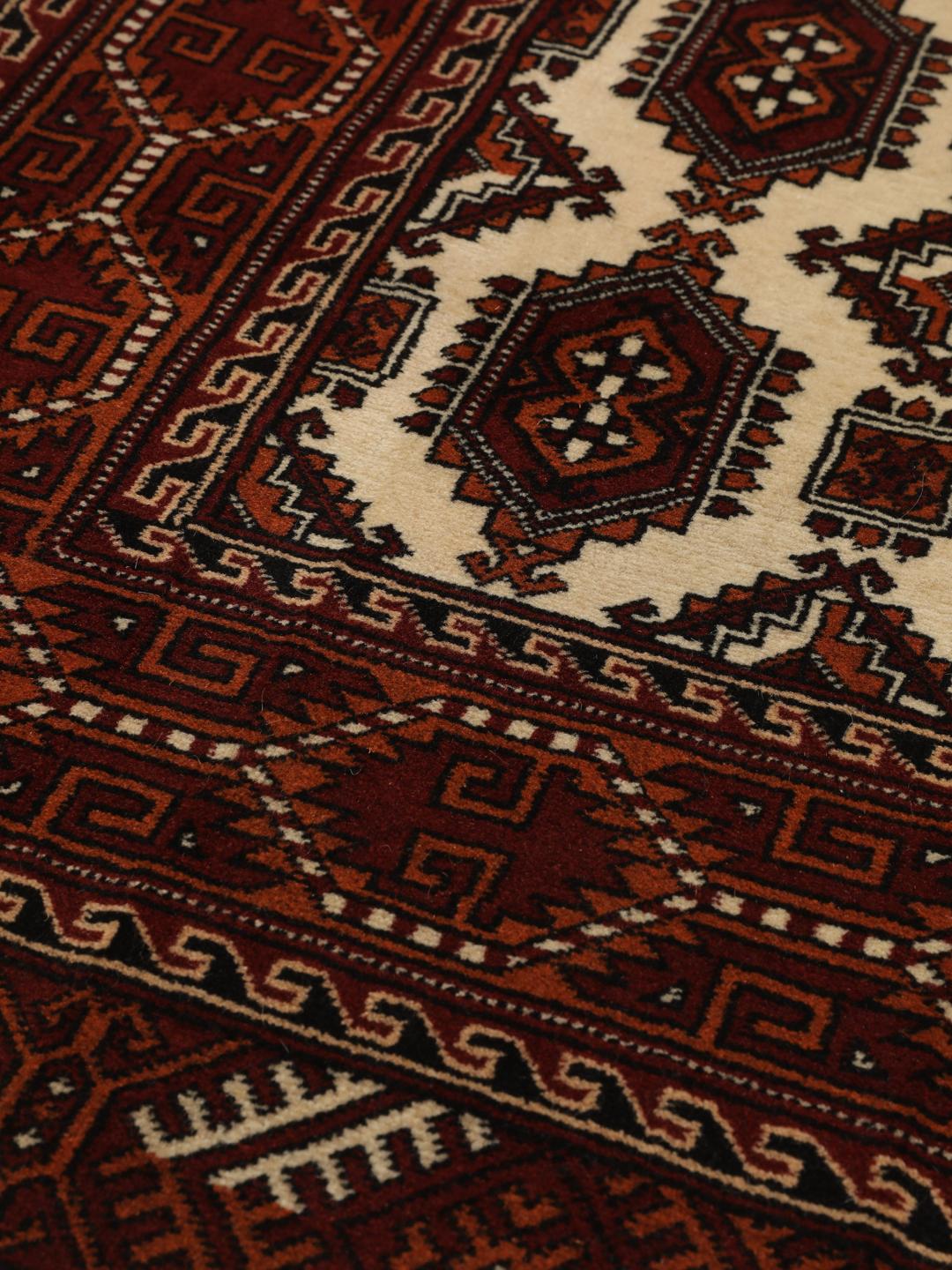
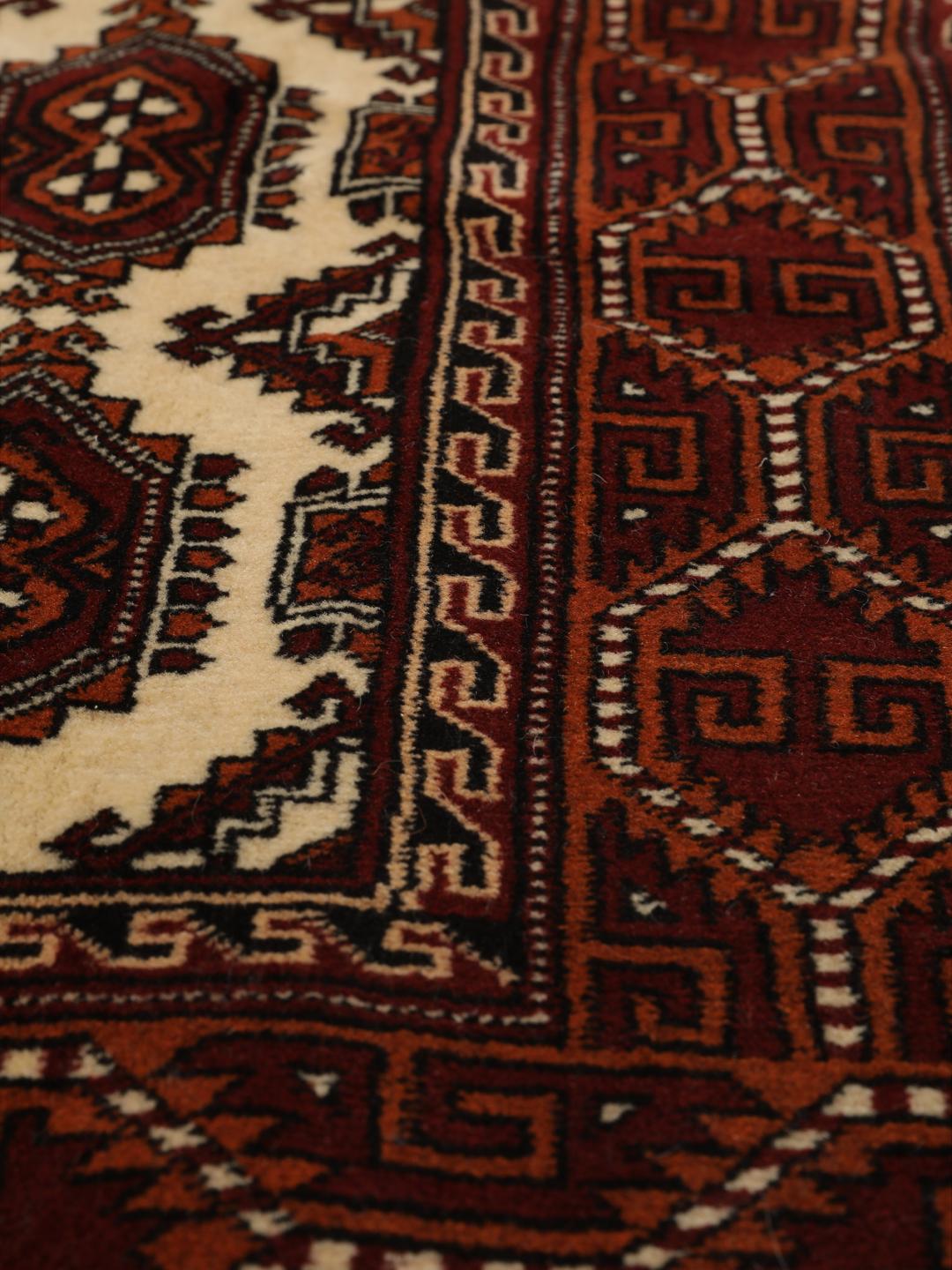
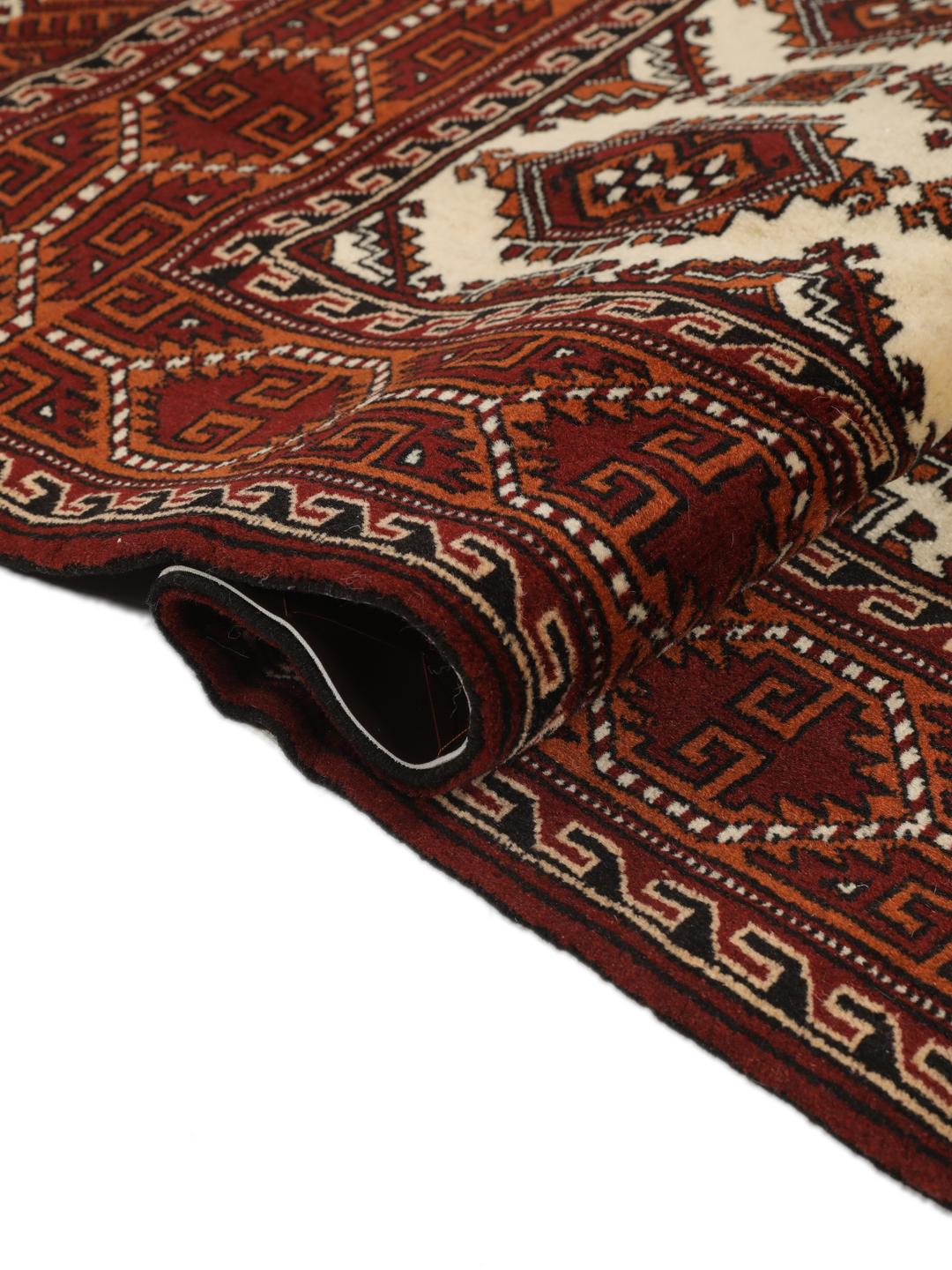
Visually, these rugs are defined by their signature gul motifs, which are repeating, octagonal-shaped medallions that often symbolise tribal identity and history. The bold use of red shades, contrasted with intricate geometric borders, creates a rhythmic, balanced aesthetic that is instantly recognisable to collectors.
Owning a piece from this tradition is an opportunity to connect with a storied craft. These rugs are highly valued for their ability to blend complex, ancient symbolism with a design language that remains relevant in modern homes, representing a genuine investment in skill and cultural heritage.