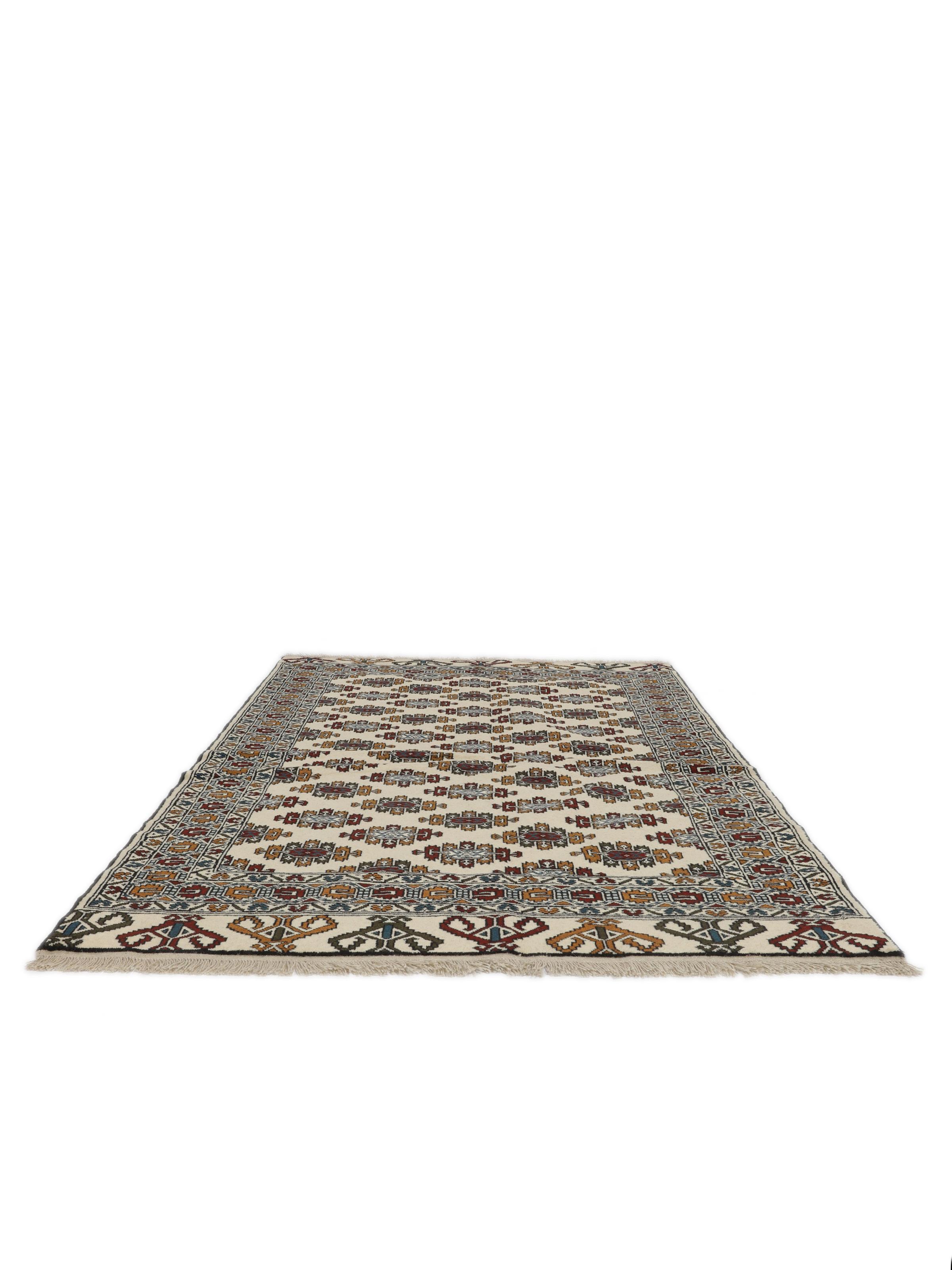
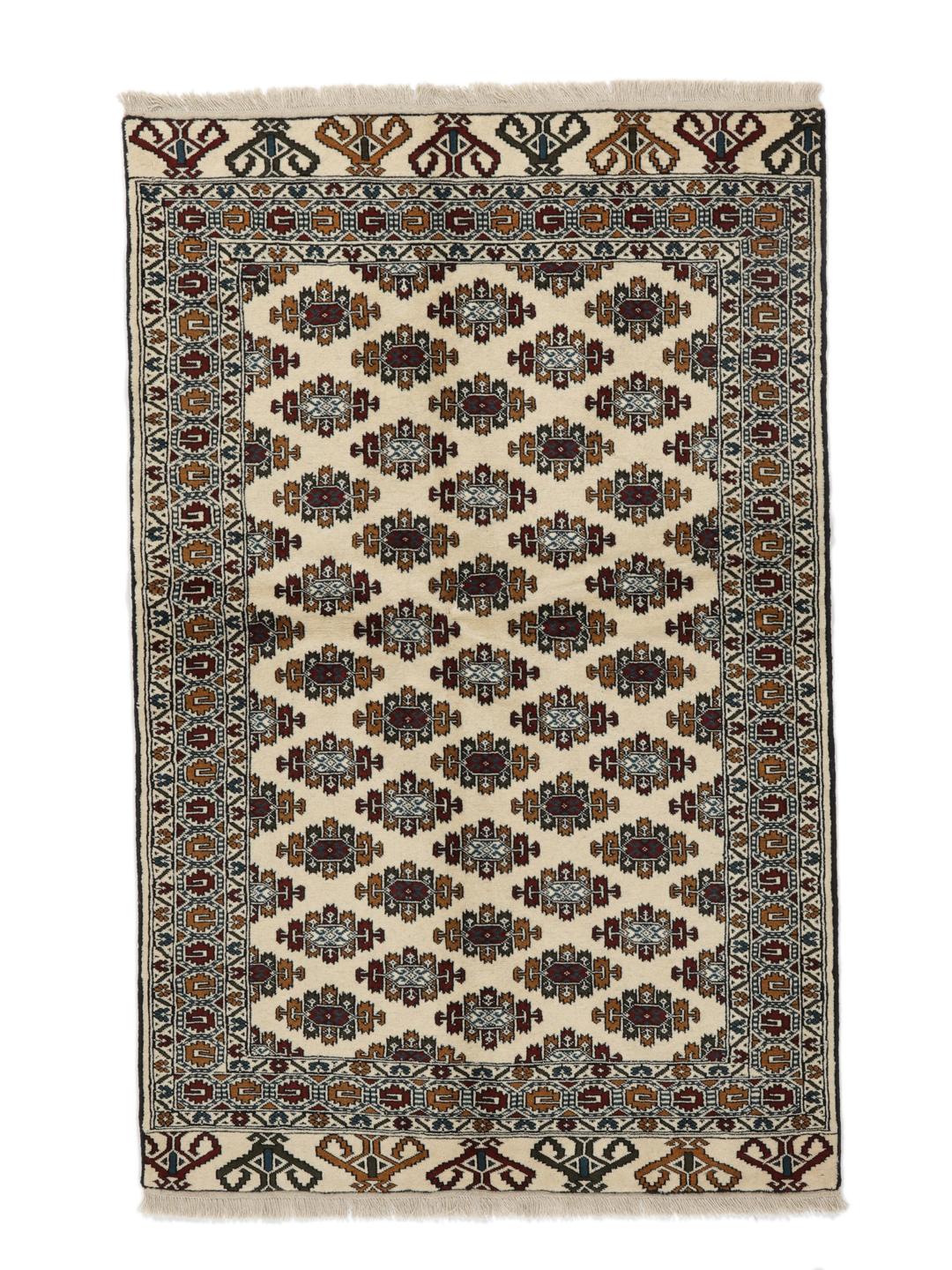
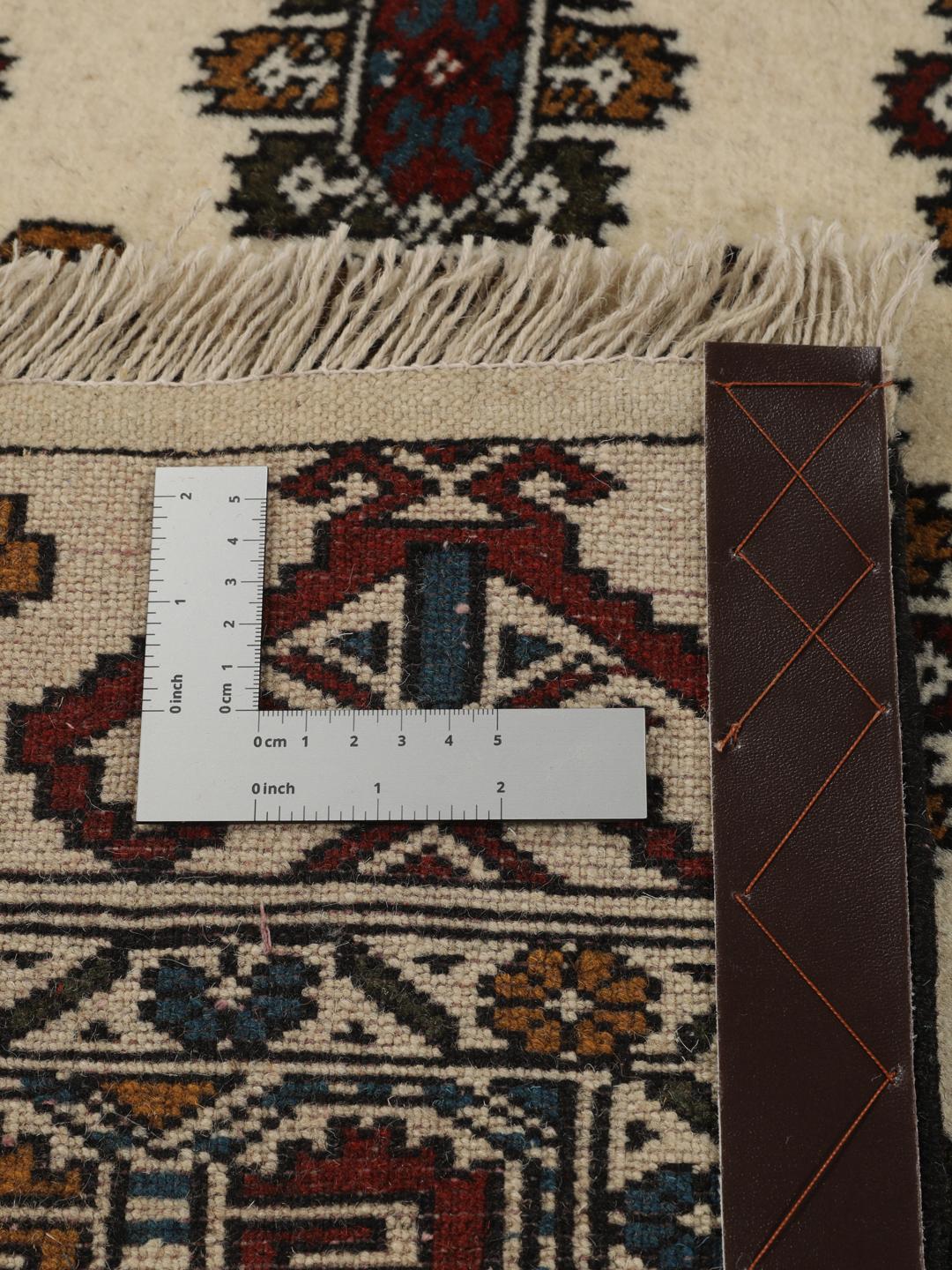
The Turkaman rug tradition stems from the nomadic tribes of Central Asia, whose weaving practices have evolved over centuries to become some of the most recognisable in the world. While the roots of these designs are found in the nomadic lifestyle of the steppes, the finest examples are often produced in the Middle East, where the craft has been refined and perfected by generations of master weavers.
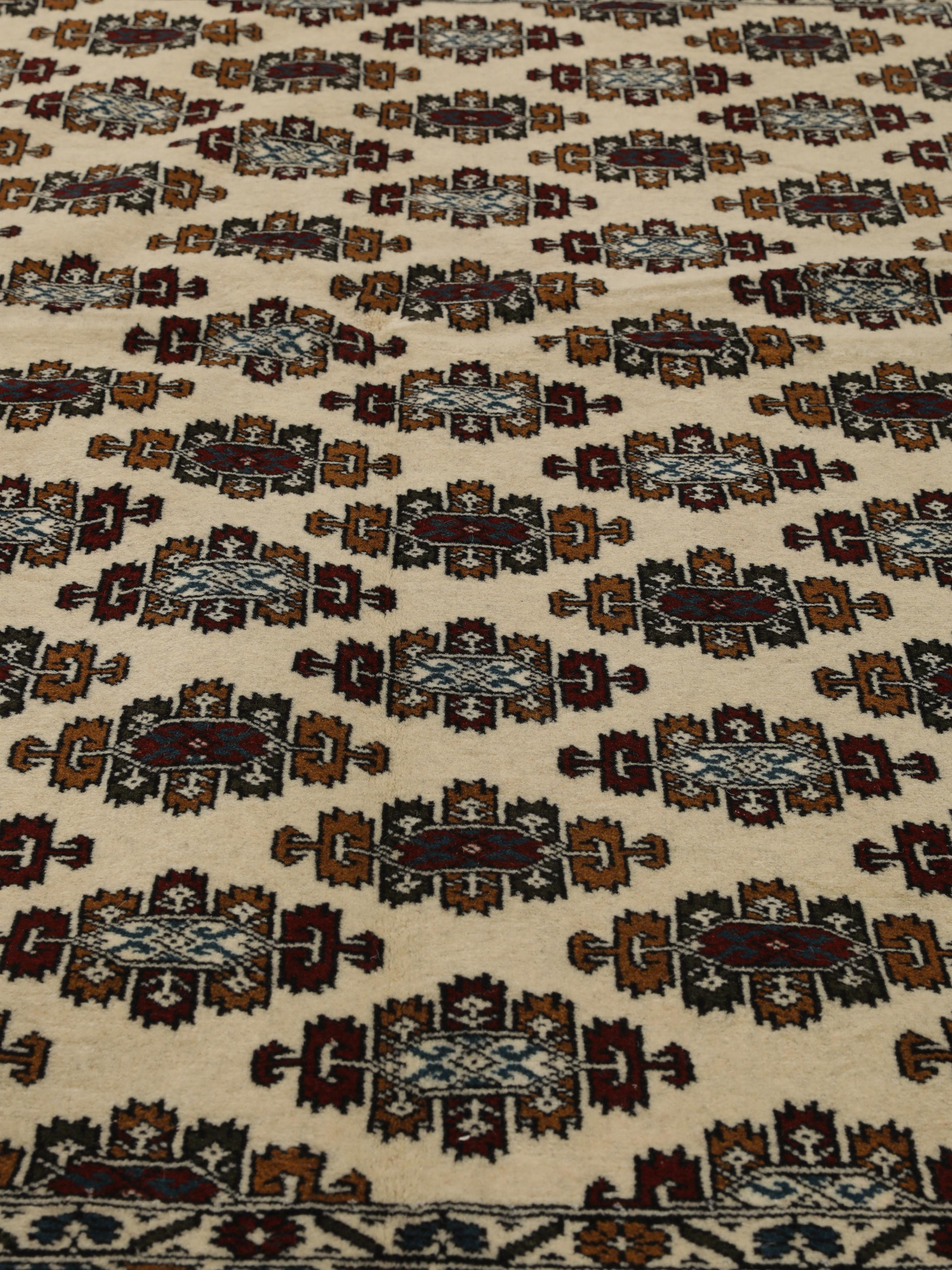
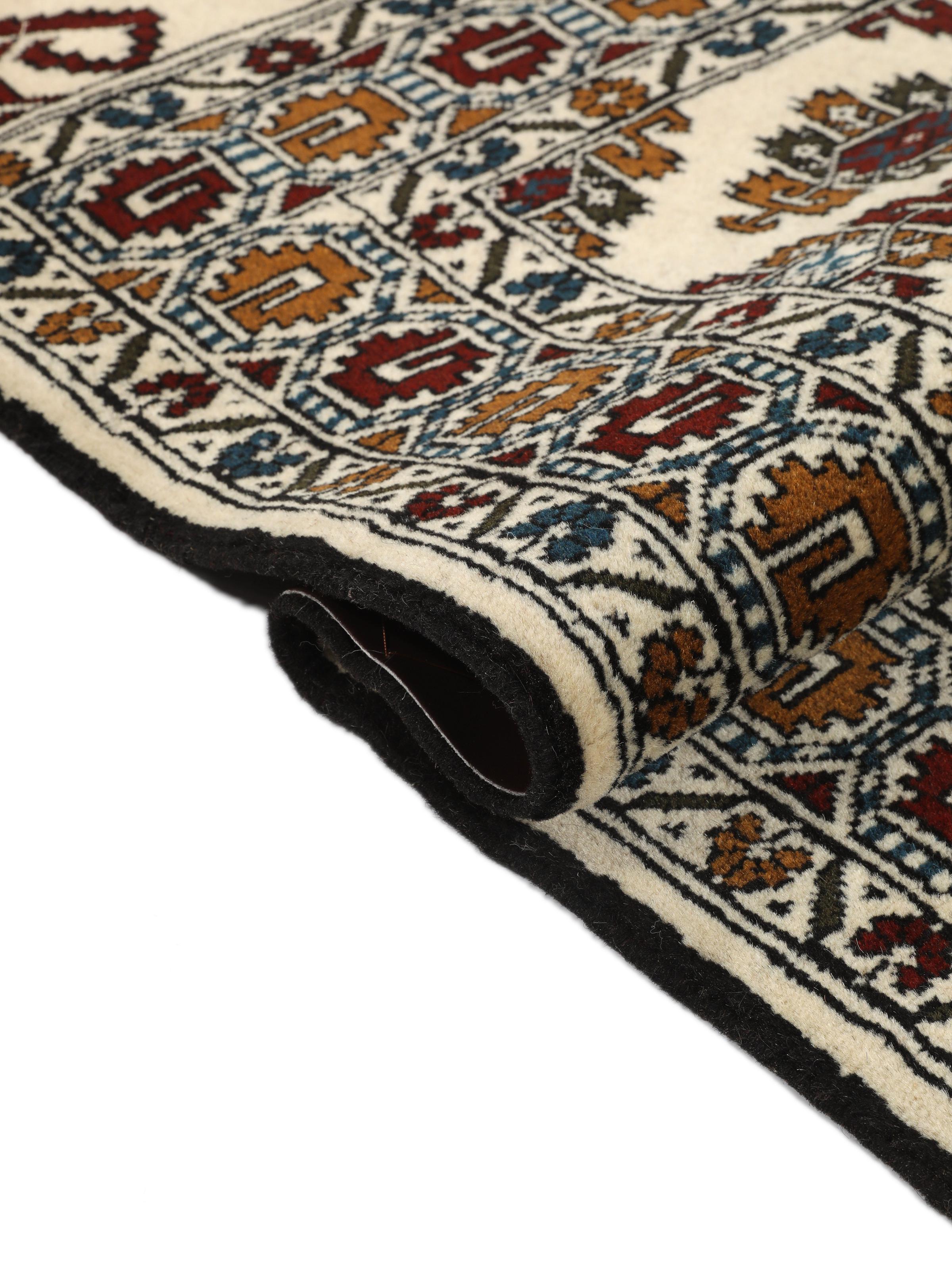
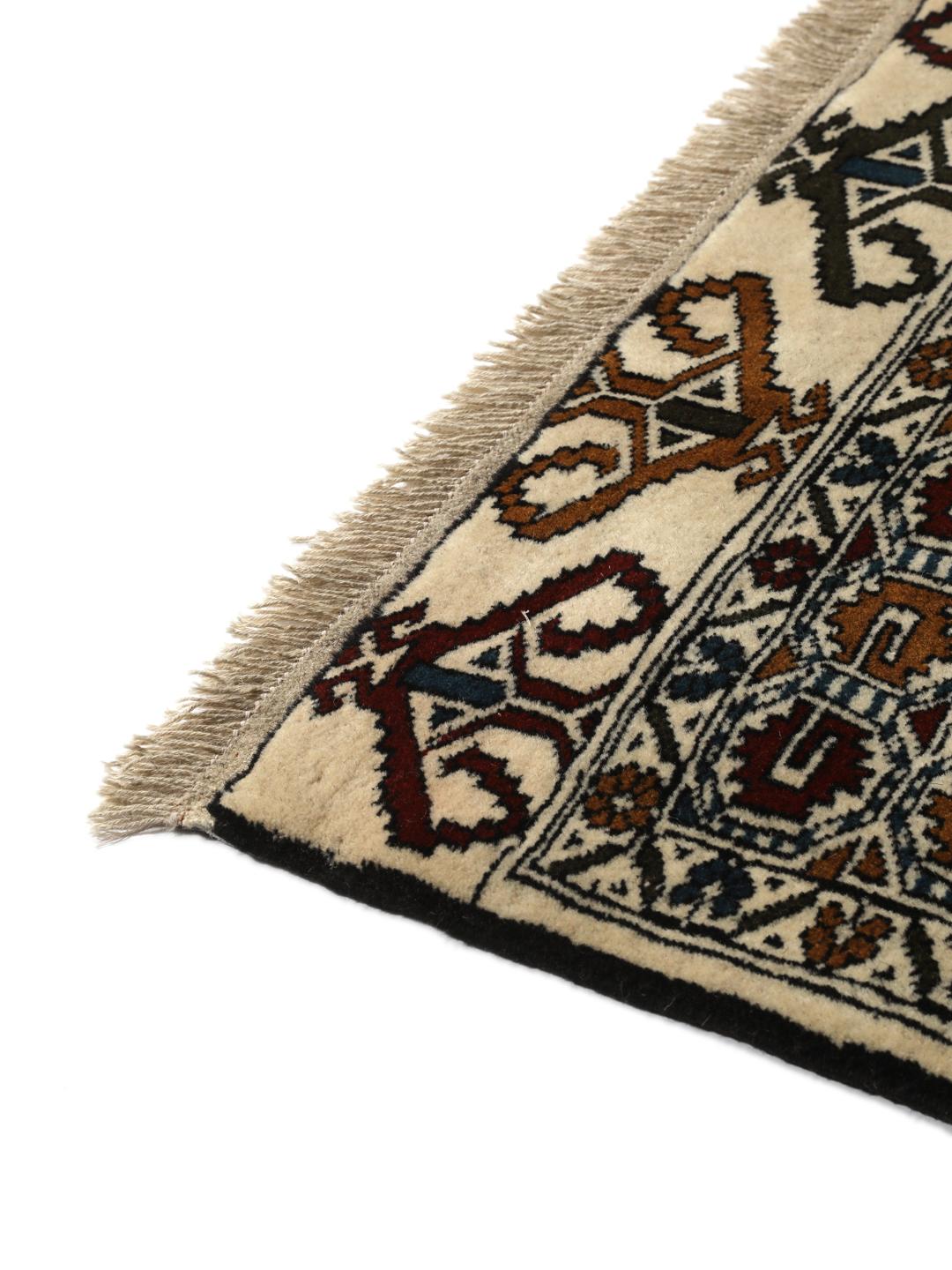
The term Turkaman refers to both the tribal heritage and the specific weaving techniques that define these rugs. A key aspect of their quality is the use of a dense, symmetrical knot, which allows for the creation of intricate, sharp patterns that remain clear even after years of wear. This technical foundation is what gives the rugs their reputation for extreme durability and long-lasting beauty.
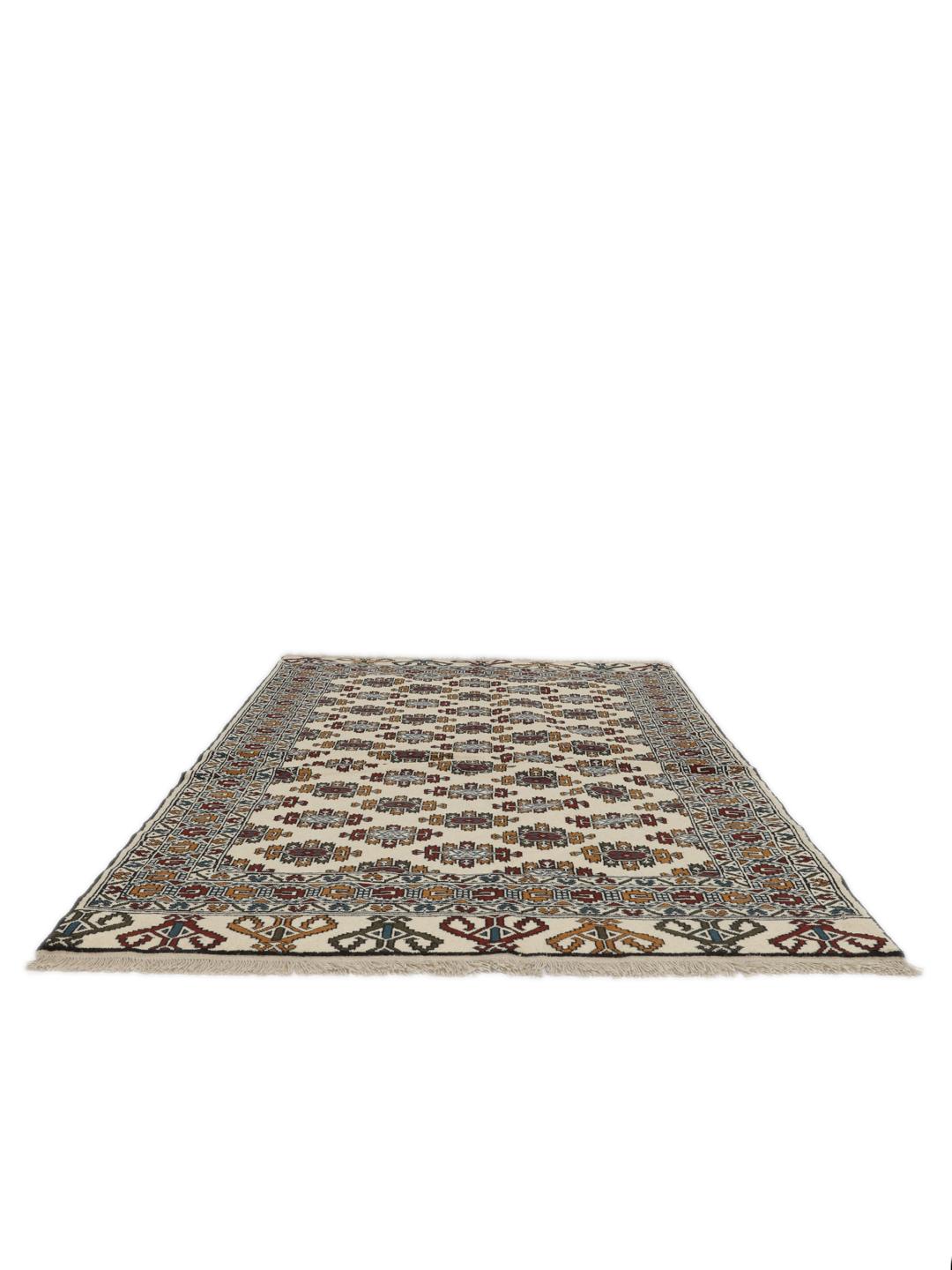
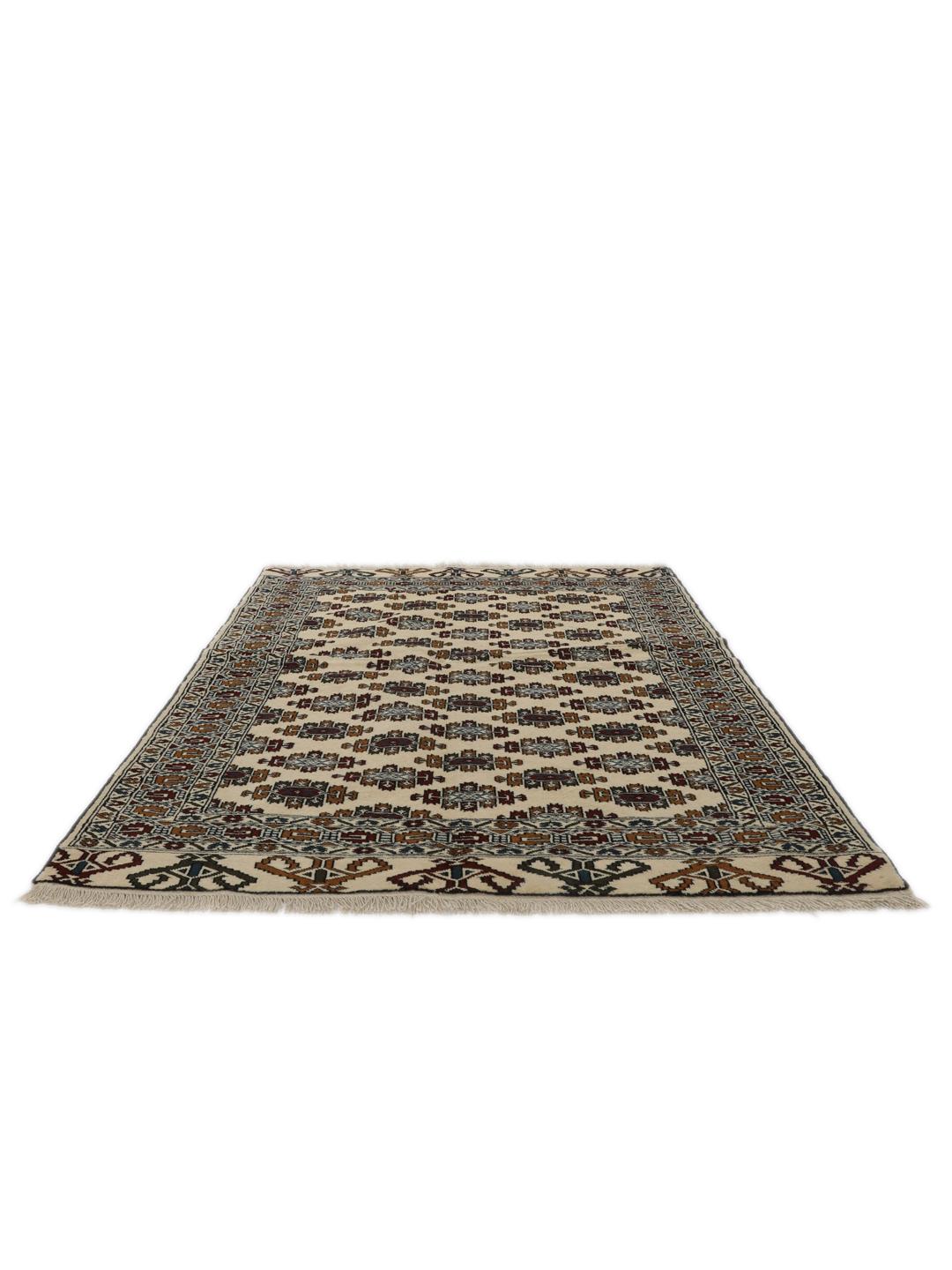
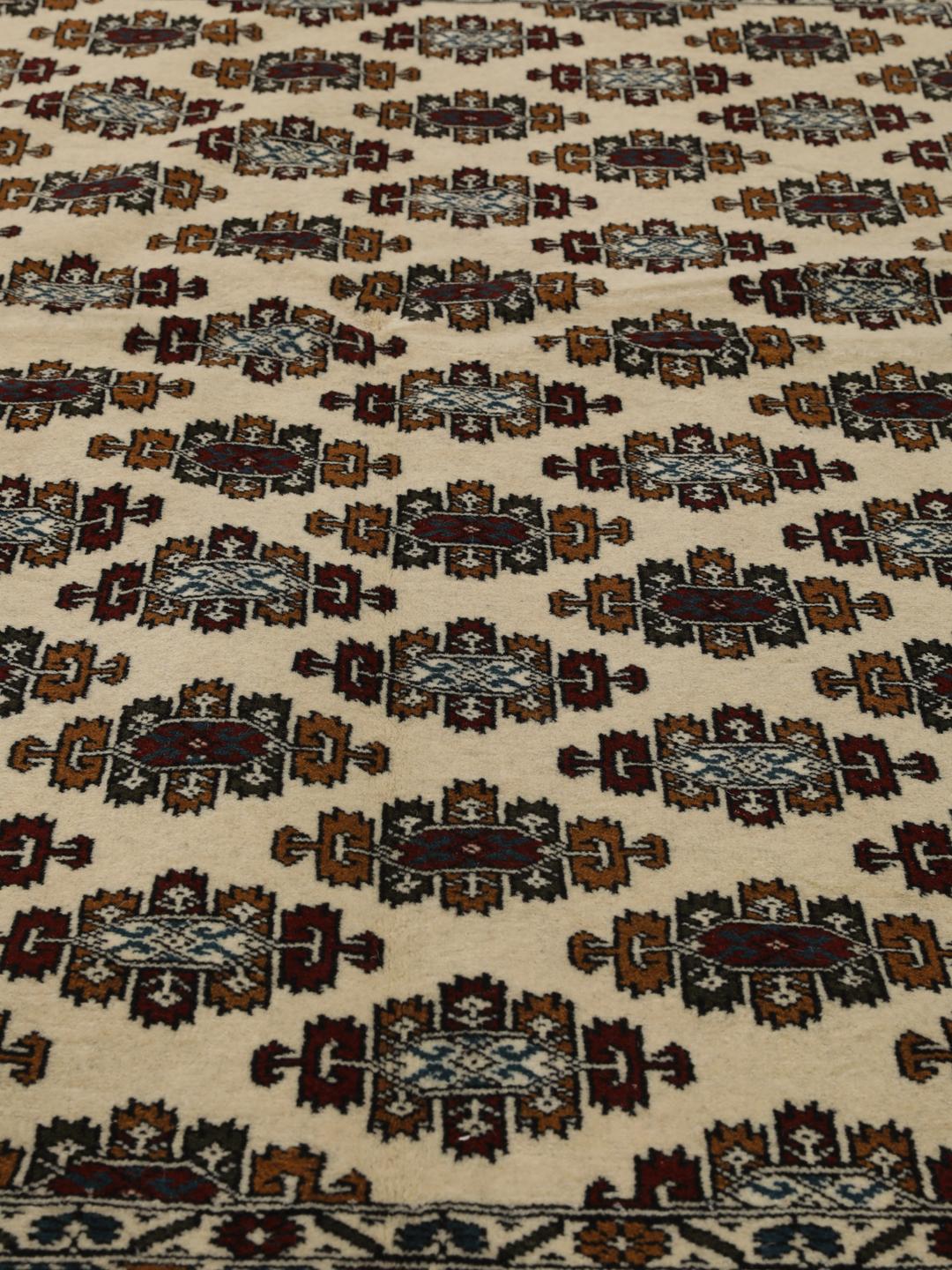
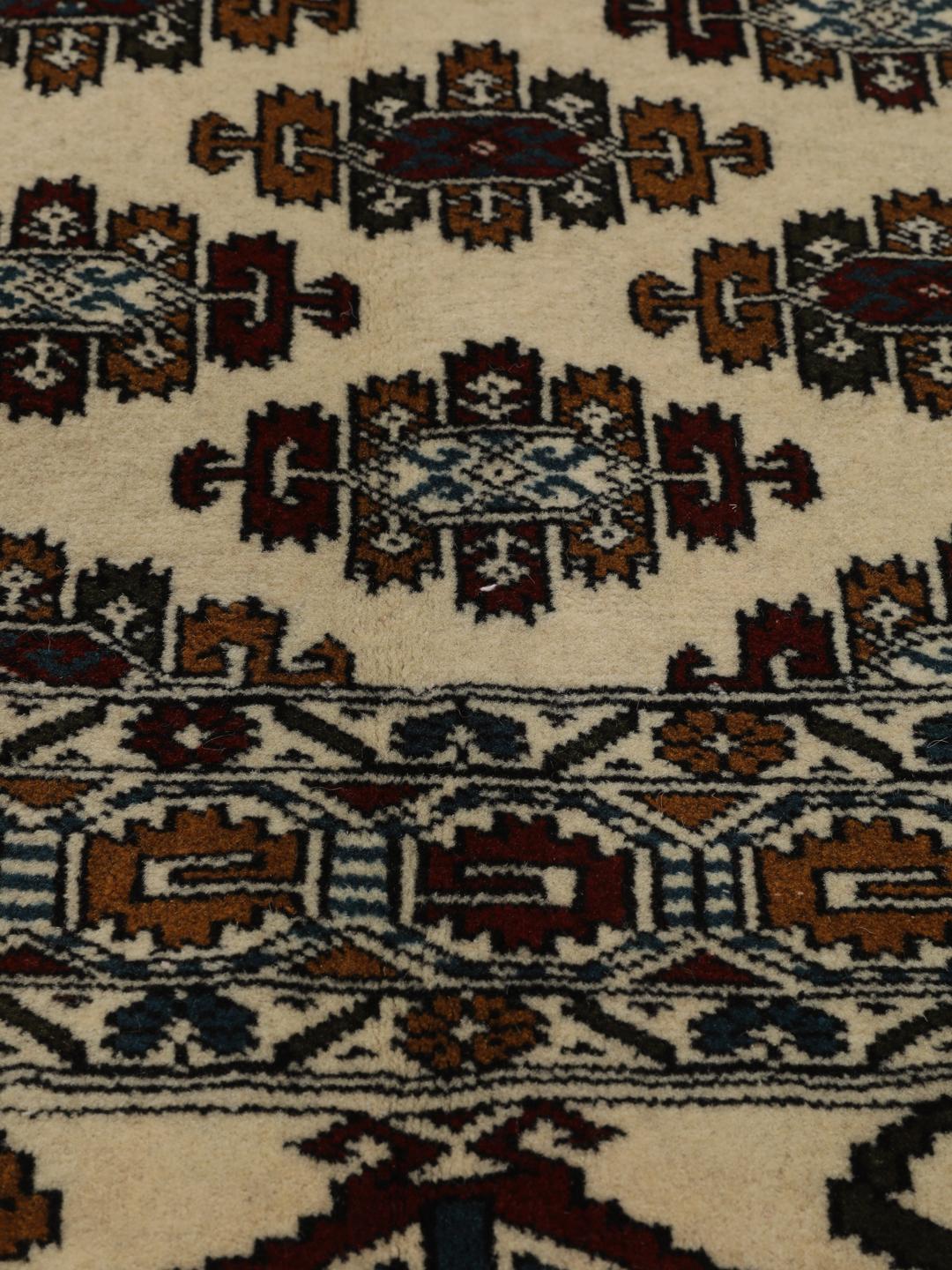
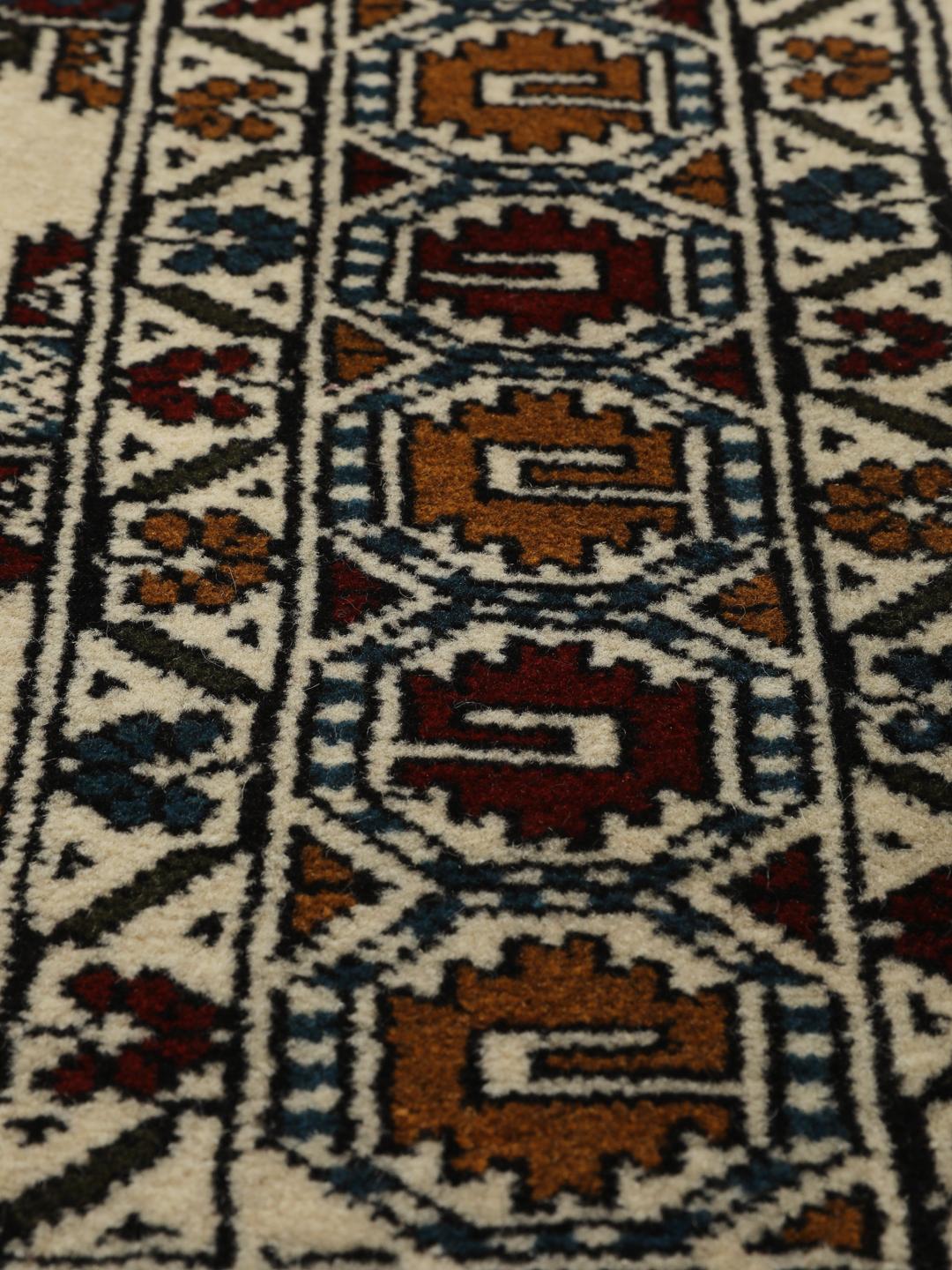
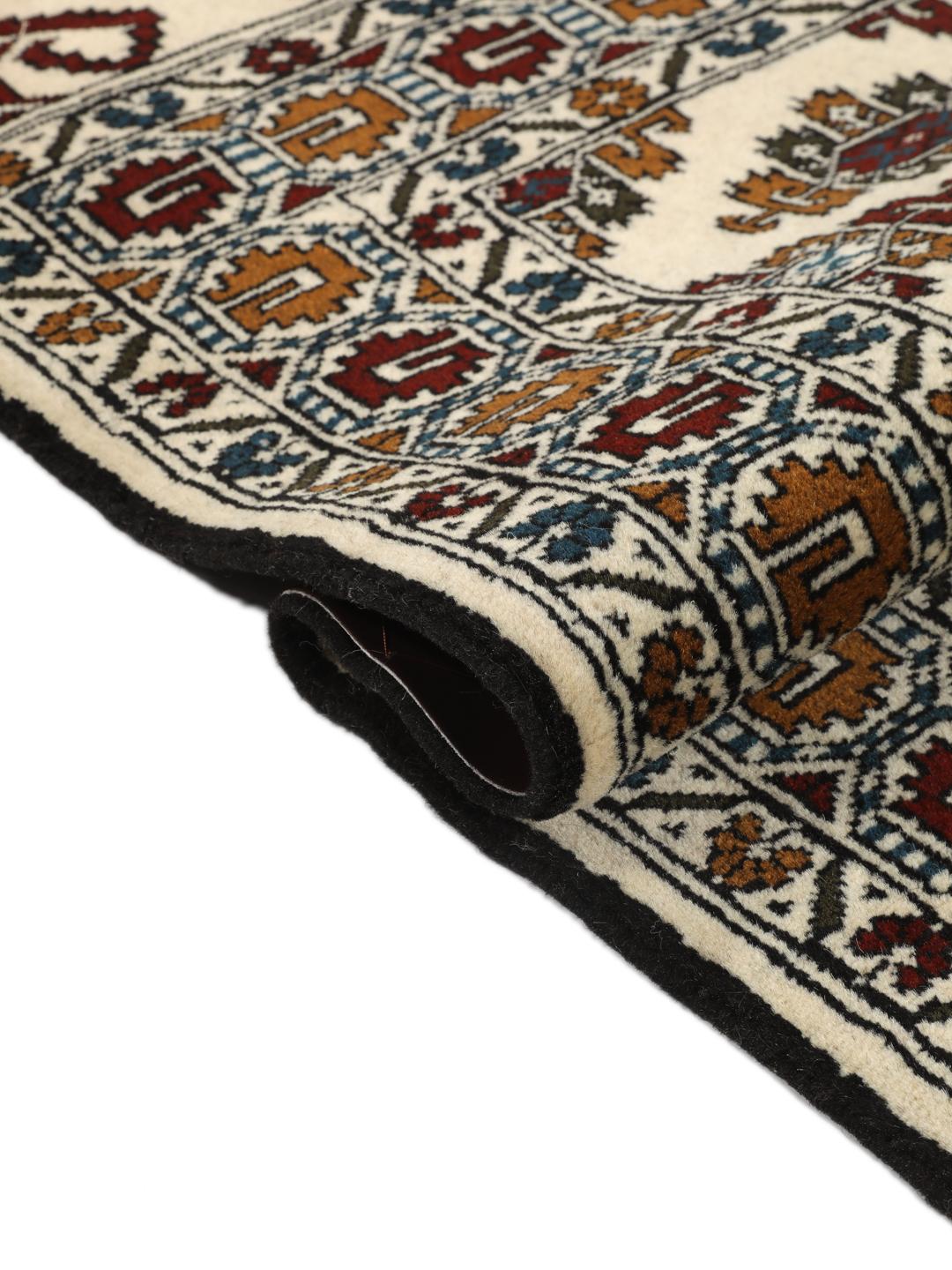
Visually, these rugs are defined by their iconic repeating guls, which are stylized, medallion-like motifs that cover the field in a formal, geometric arrangement. These patterns are typically framed by elaborate, multi-layered borders that provide a sense of structure and completion to the design, reflecting a deep appreciation for symmetry and order.
Collecting a rug from this tradition is an investment in human skill and cultural history. Beyond being a floor covering, these pieces are expressions of a functional art form that has been passed down through families. Owning one allows you to participate in that legacy, bringing a piece of heritage into your home that is built to endure.