Turkaman rugs originate from the nomadic tribes of Central Asia, where weaving was not just a craft but a vital expression of tribal identity and heritage. Over centuries, these traditions migrated and evolved, with the finest contemporary examples often being crafted by master weavers in the Middle East who have preserved the intricate techniques and aesthetic sensibilities of their ancestors.
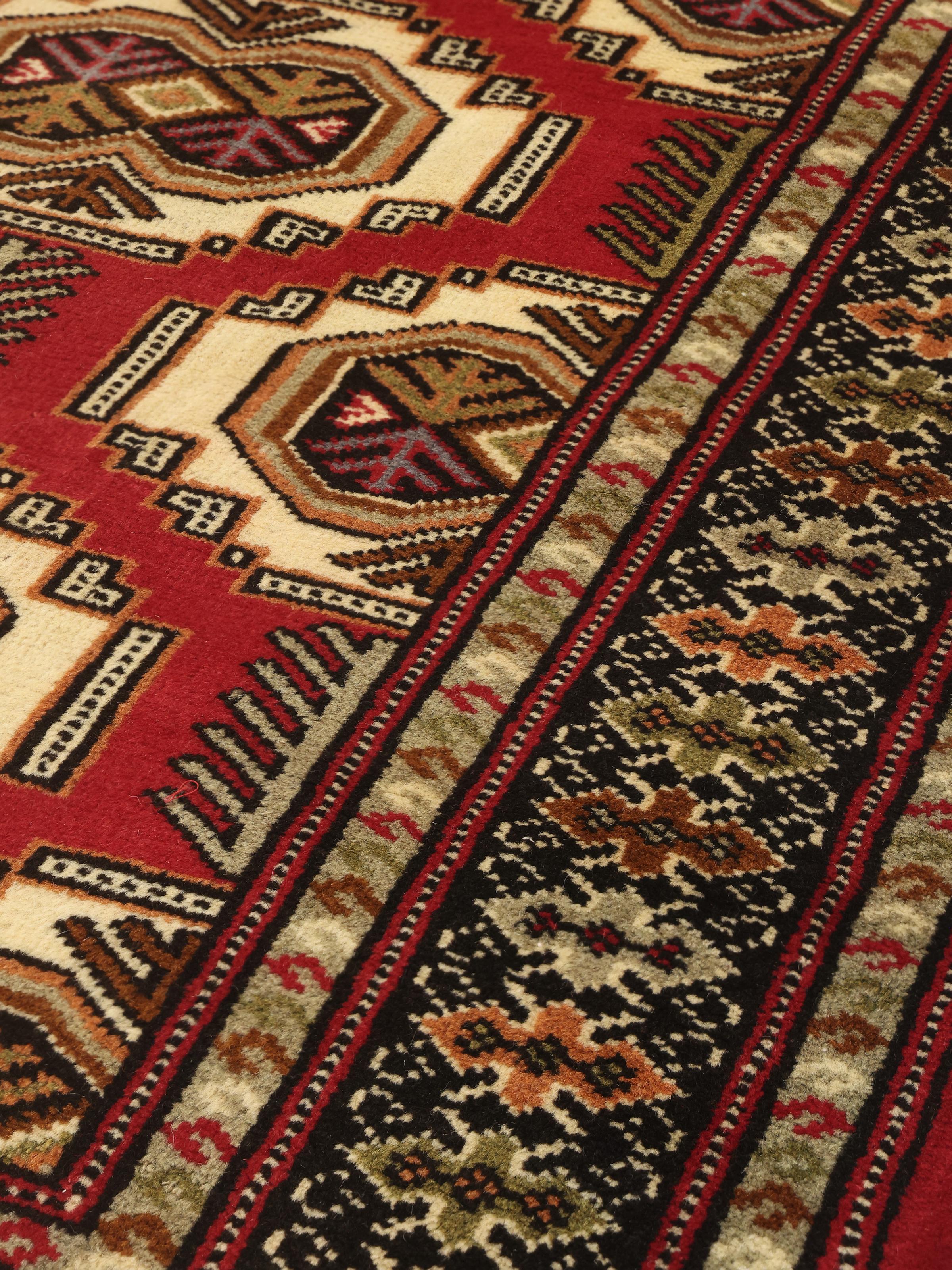
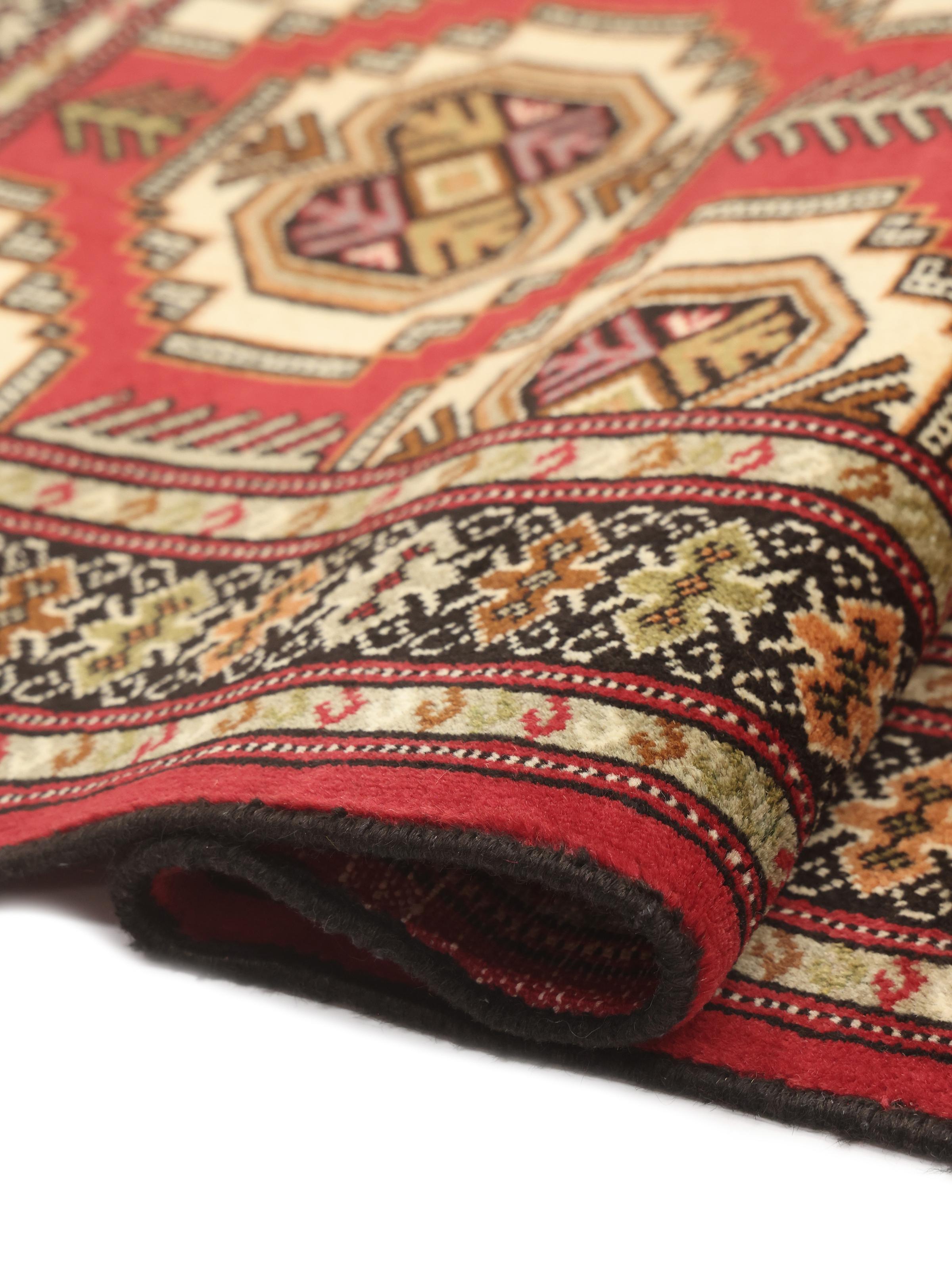
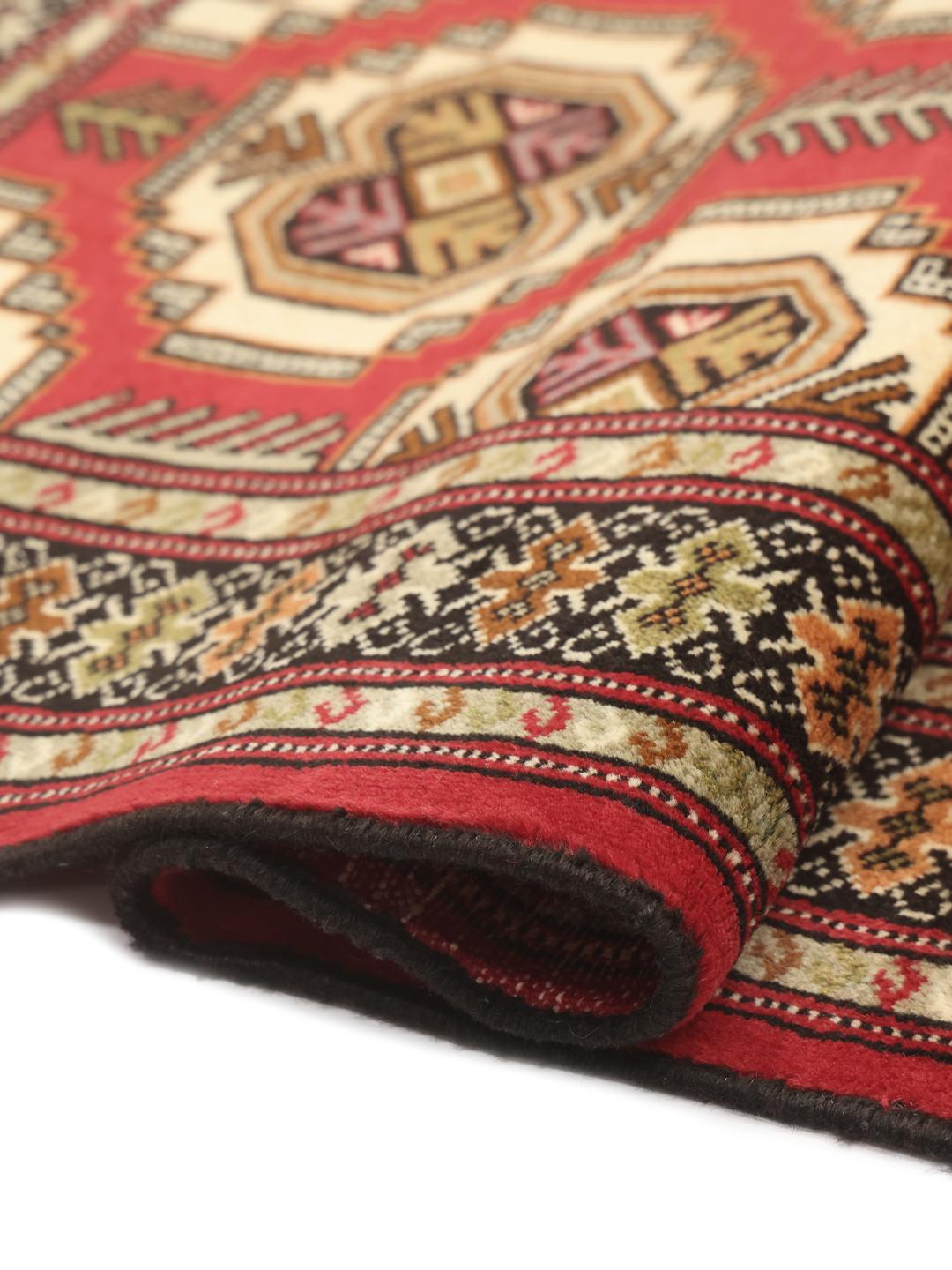
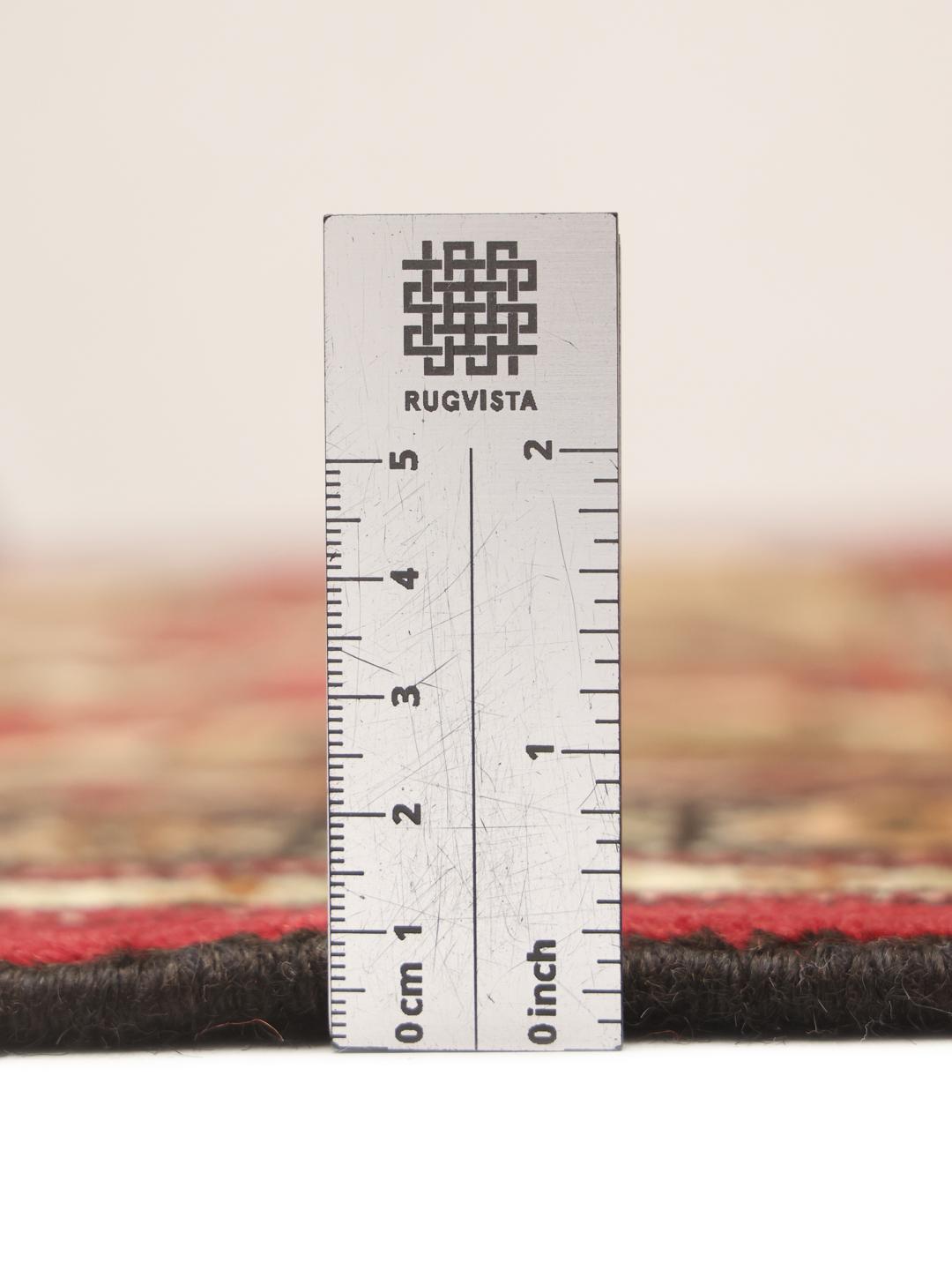
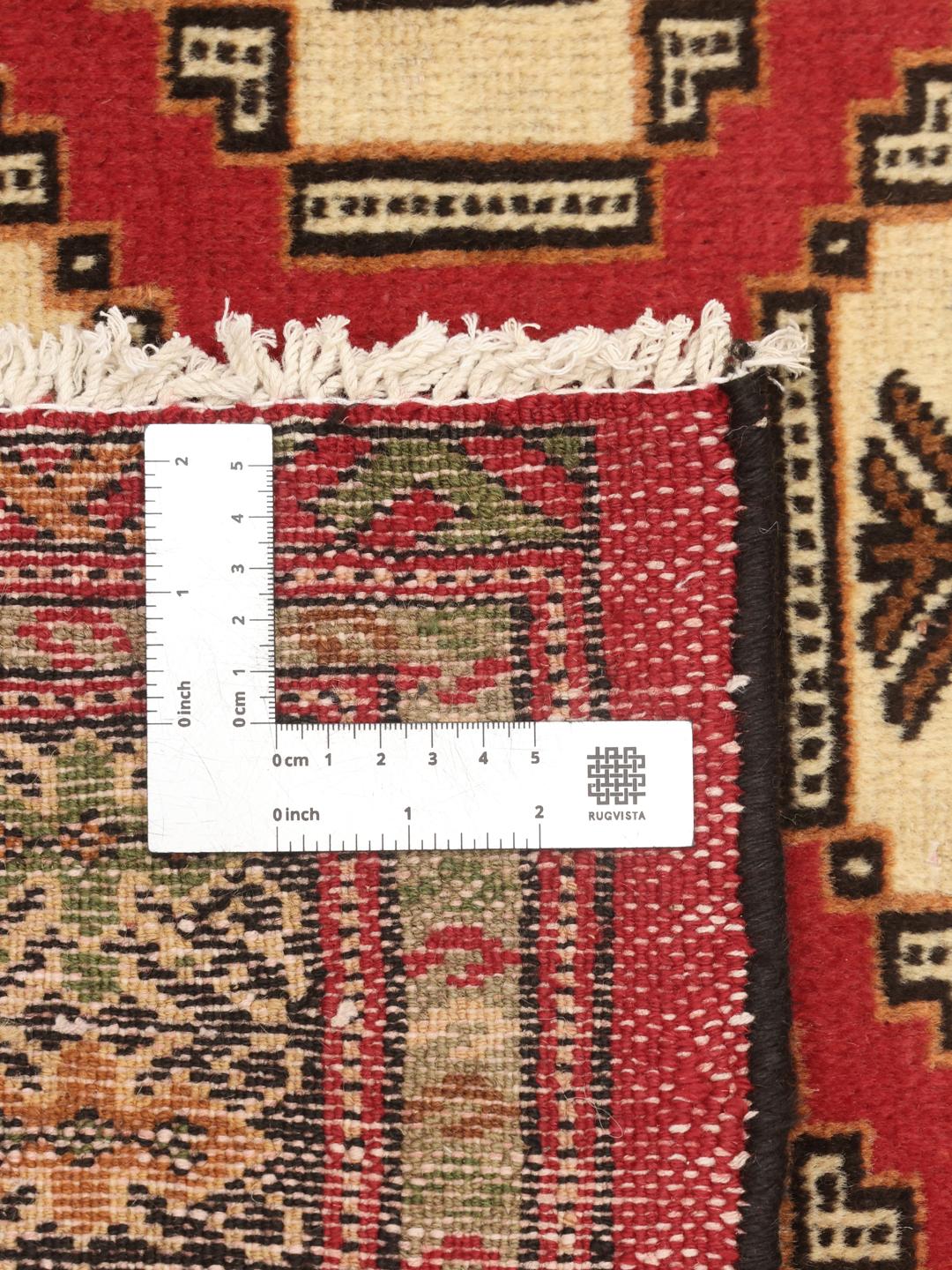
The term Turkaman refers to both the tribal origin and the specific technical approach to weaving, which prioritises a dense, durable pile. These rugs are typically constructed with a sturdy foundation that supports the complex knotting process, resulting in a finished product that is both resilient and lustrous. This technical rigour is what has allowed the style to remain highly regarded by collectors for generations.
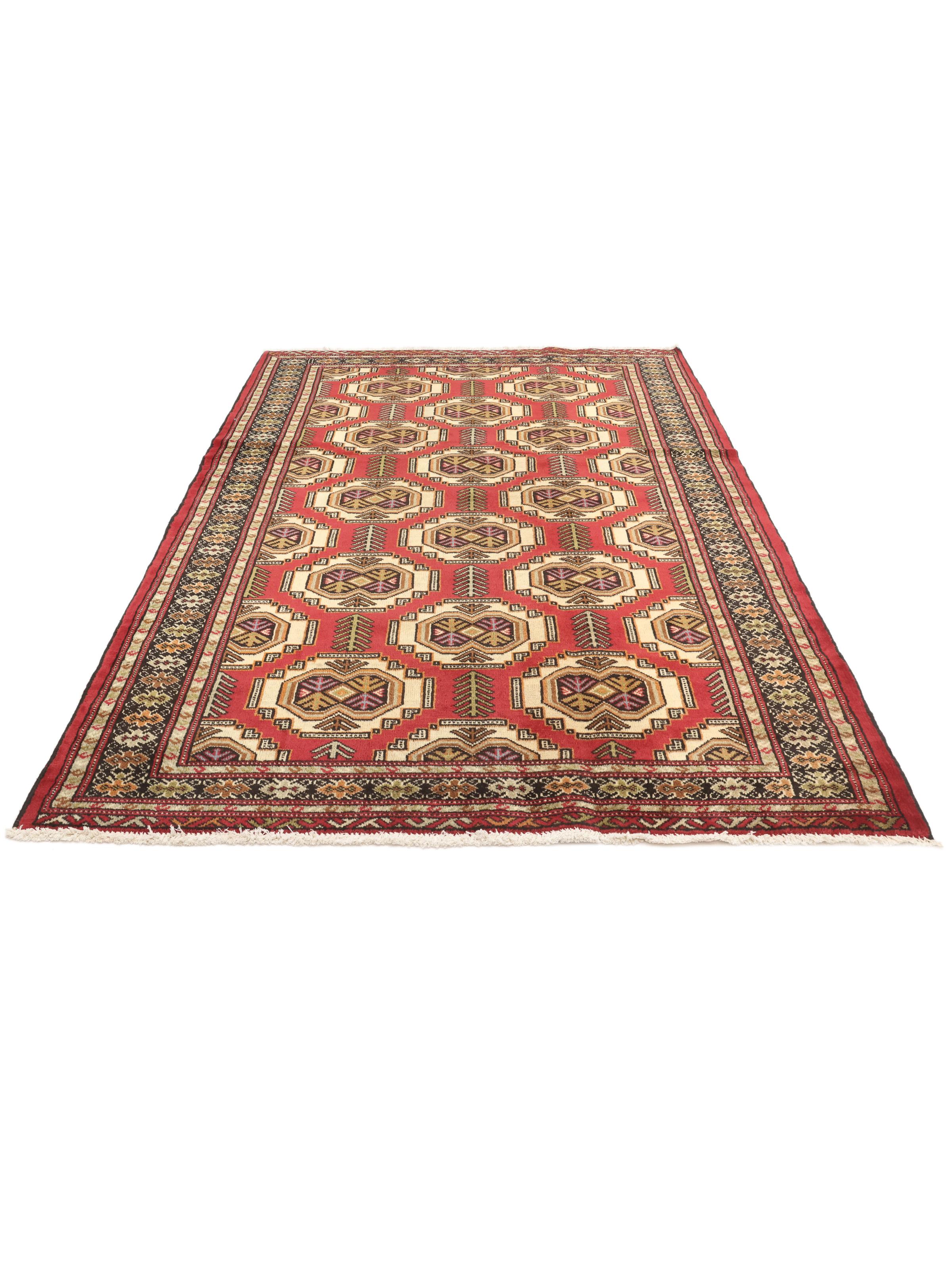
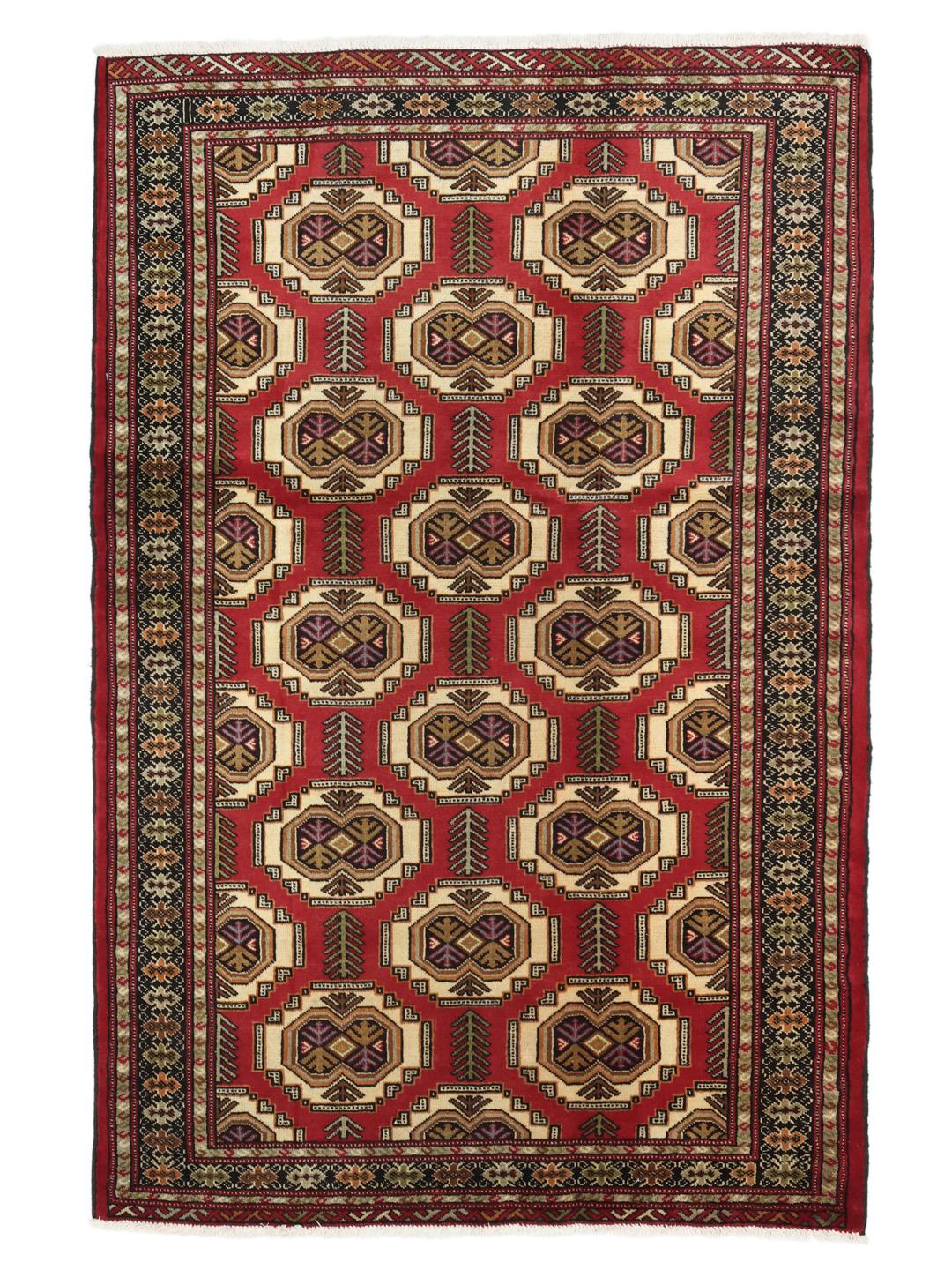
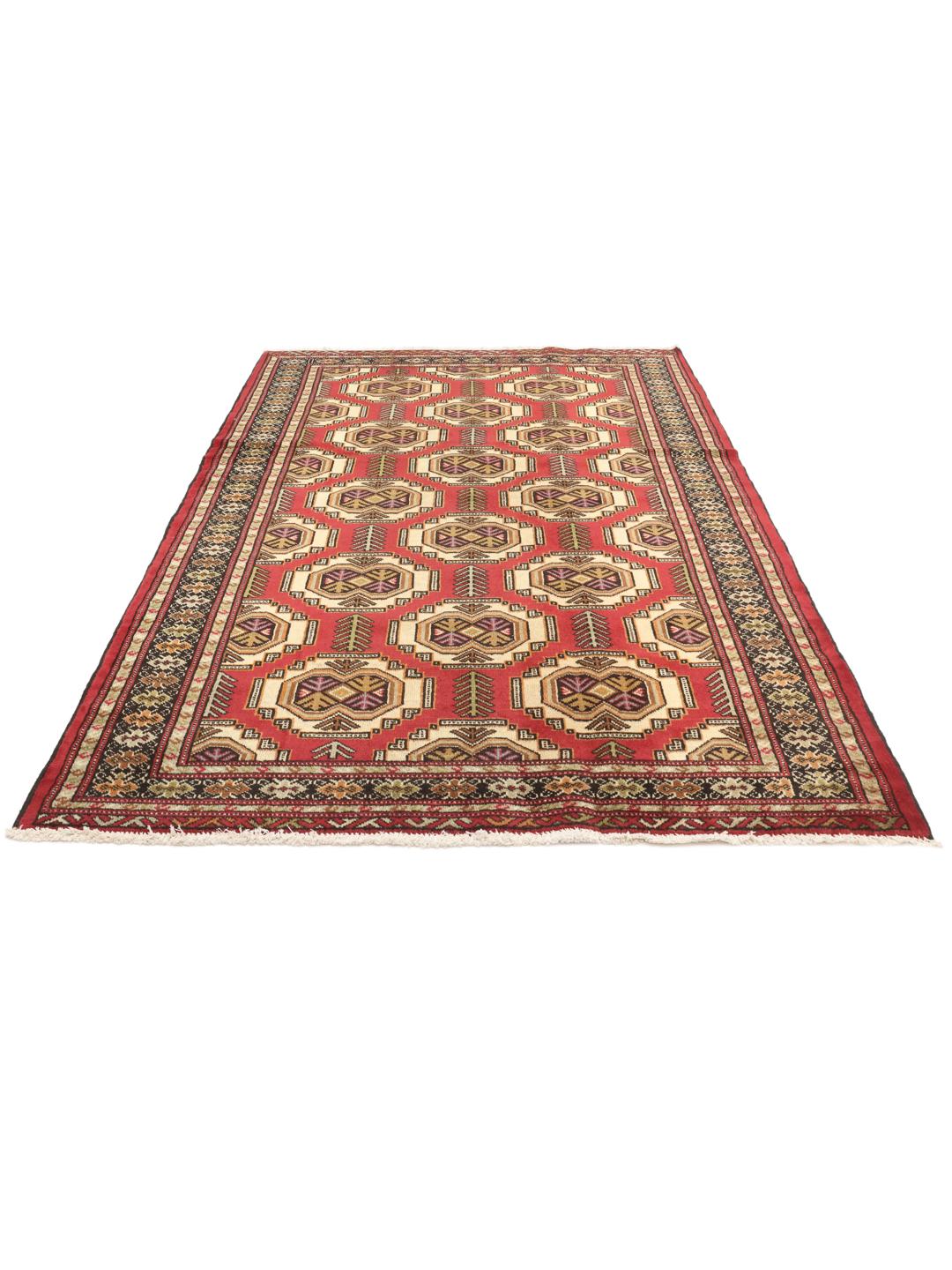
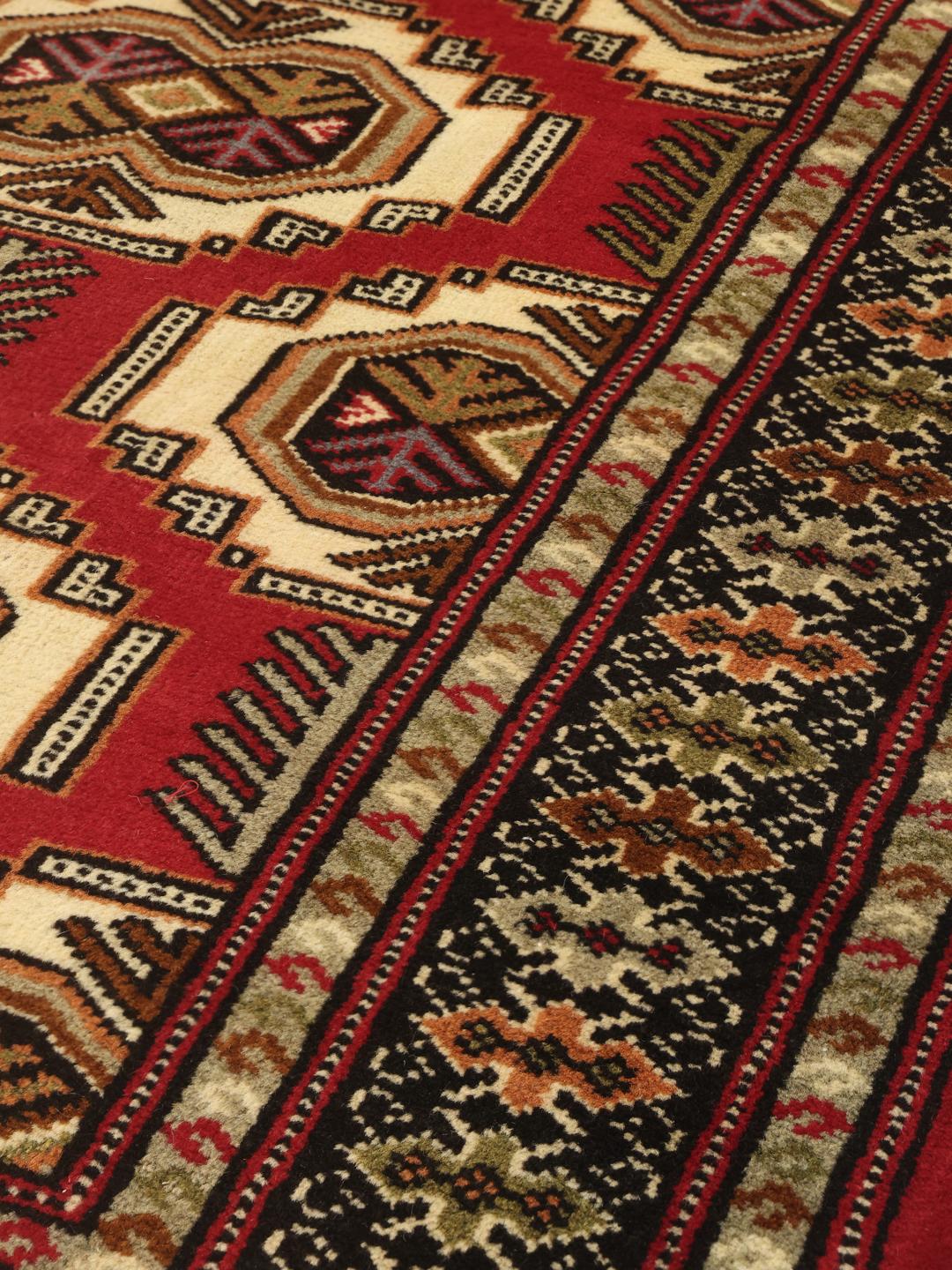
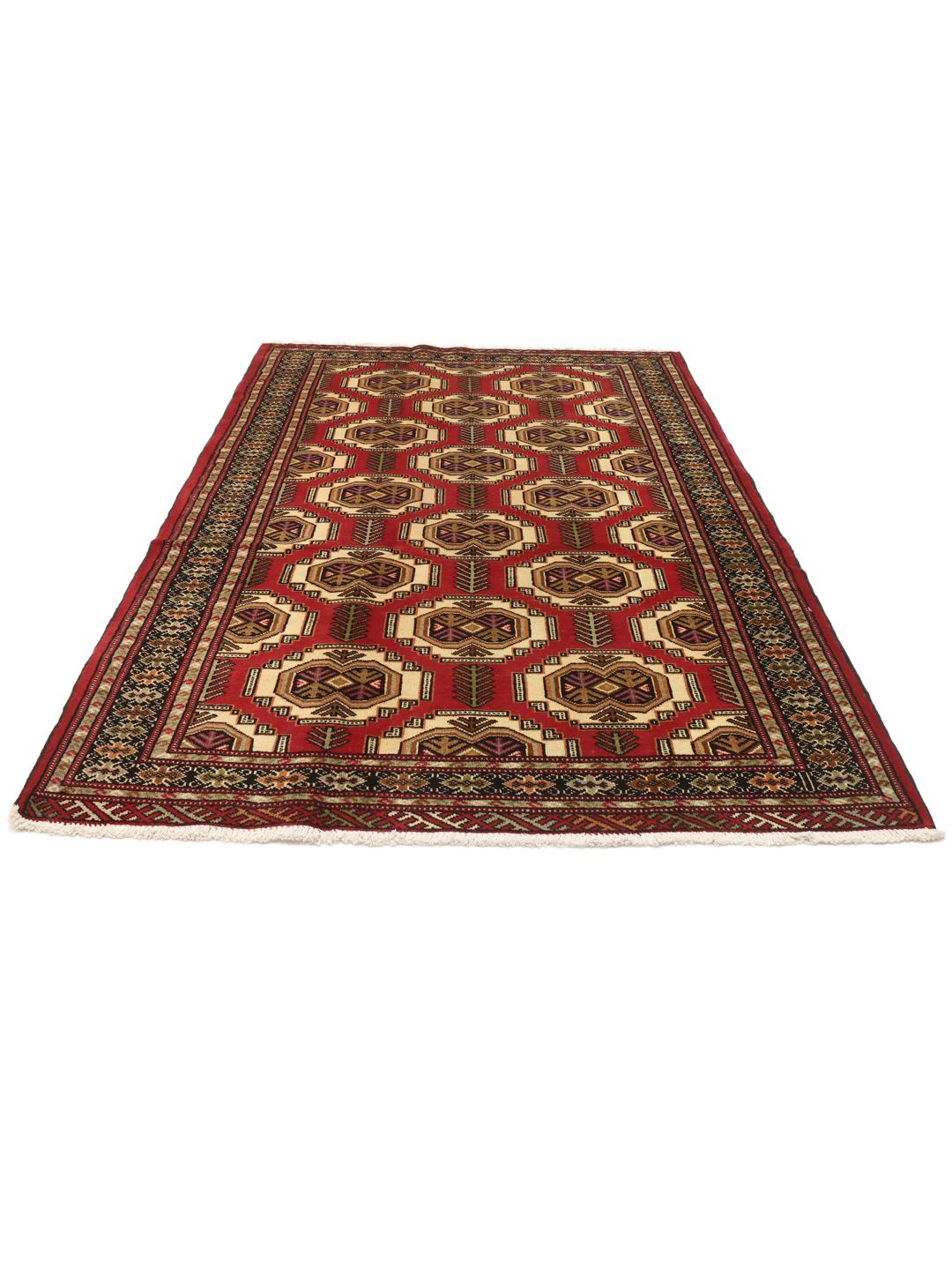
Visually, these rugs are defined by their iconic gul motifs, which are repeating, octagonal medallions often said to represent the tribal heritage of the weaver. The field is frequently dominated by deep, earthy reds, contrasted by precise geometric borders and secondary motifs in black, ivory, or gold. This rug follows these traditional design principles, presenting a harmonious layout that feels balanced and intentional.
Valued for their cultural significance and the high level of skill required to produce them, Turkaman rugs are prized as heirlooms. Owning one is an opportunity to connect with a long lineage of textile artistry, where every knot tells a story of tradition and human ingenuity. They are collected not only for their beauty but for their ability to bring a sense of lasting quality and heritage into a modern home.