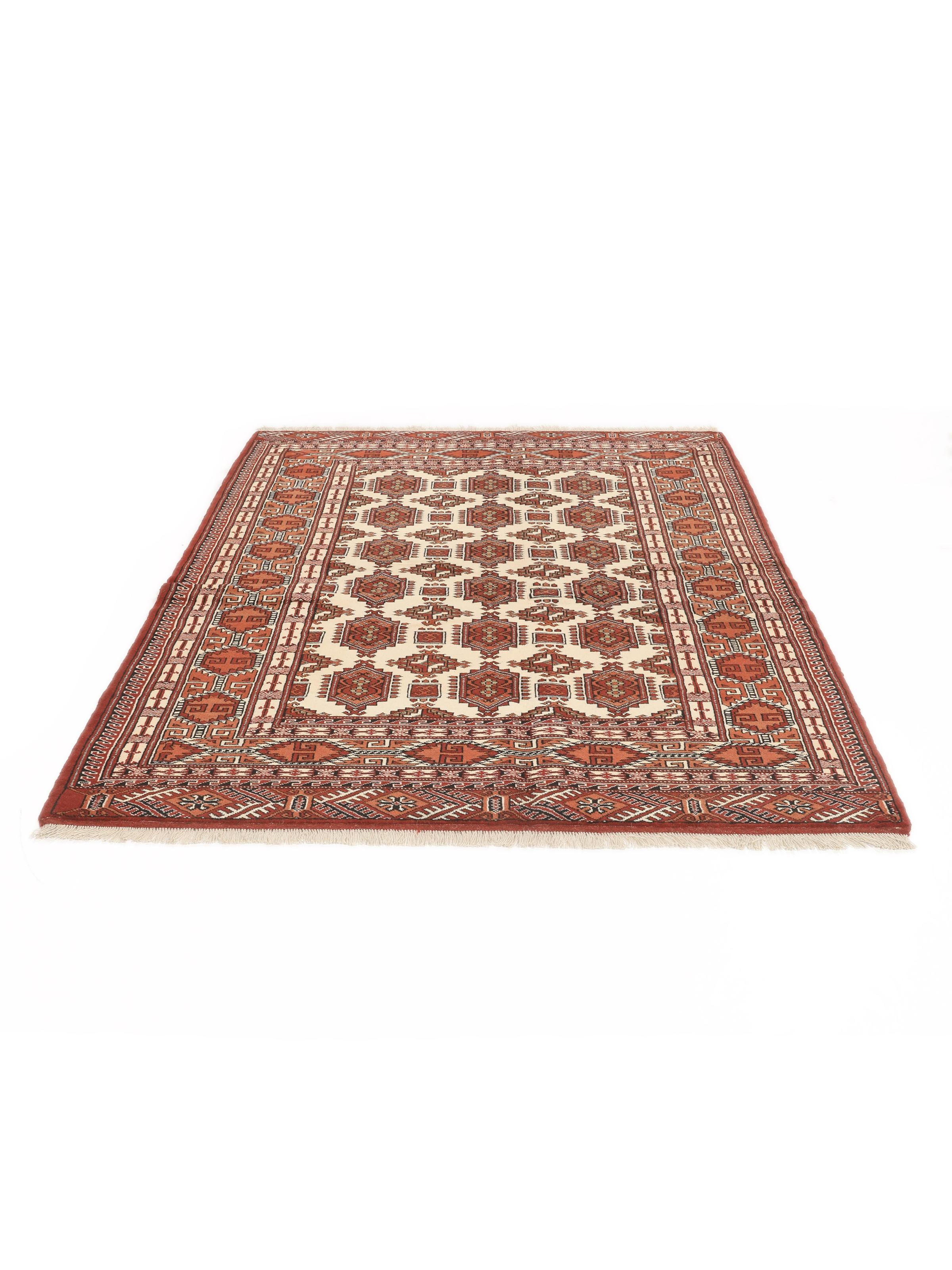
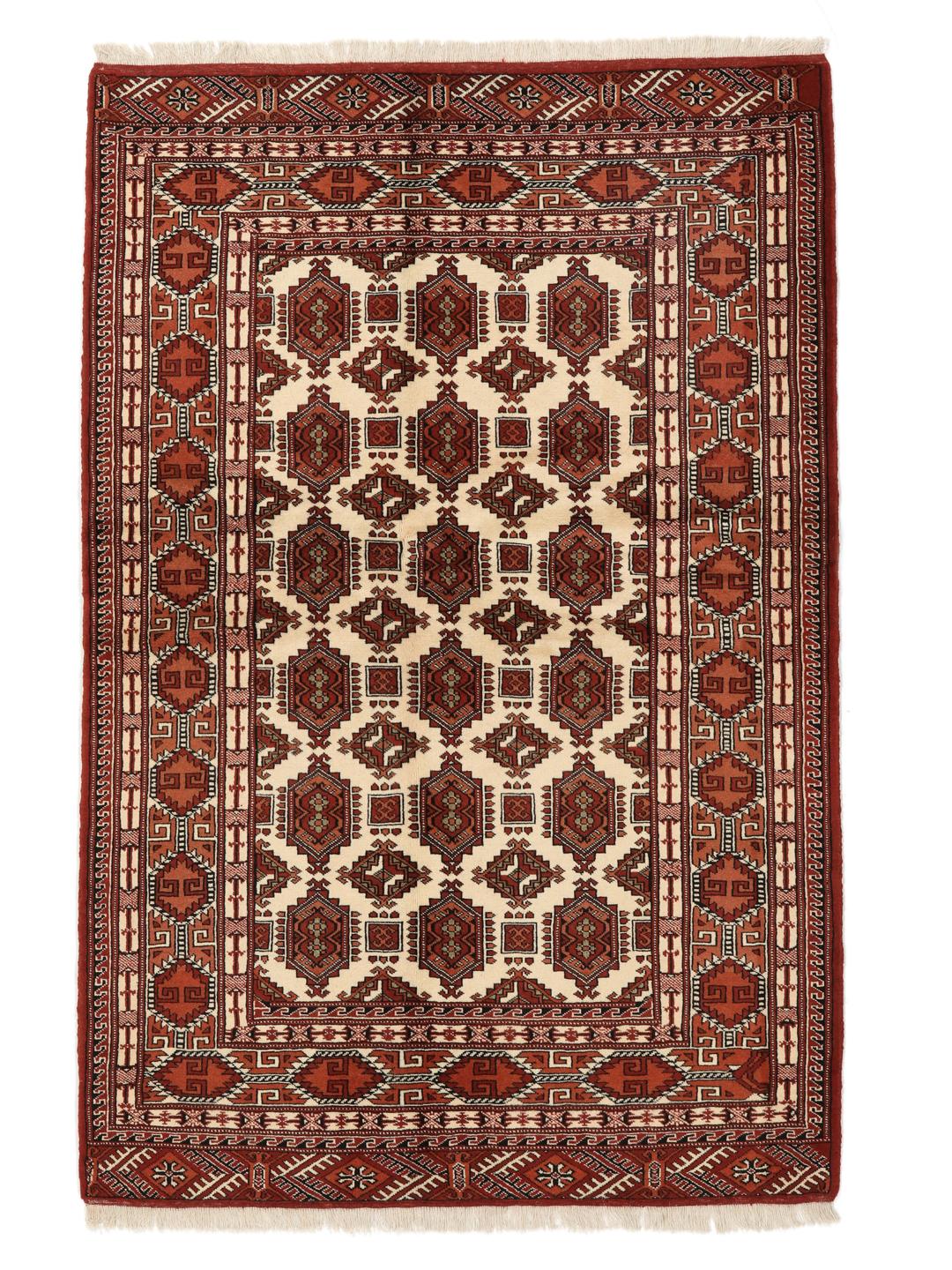
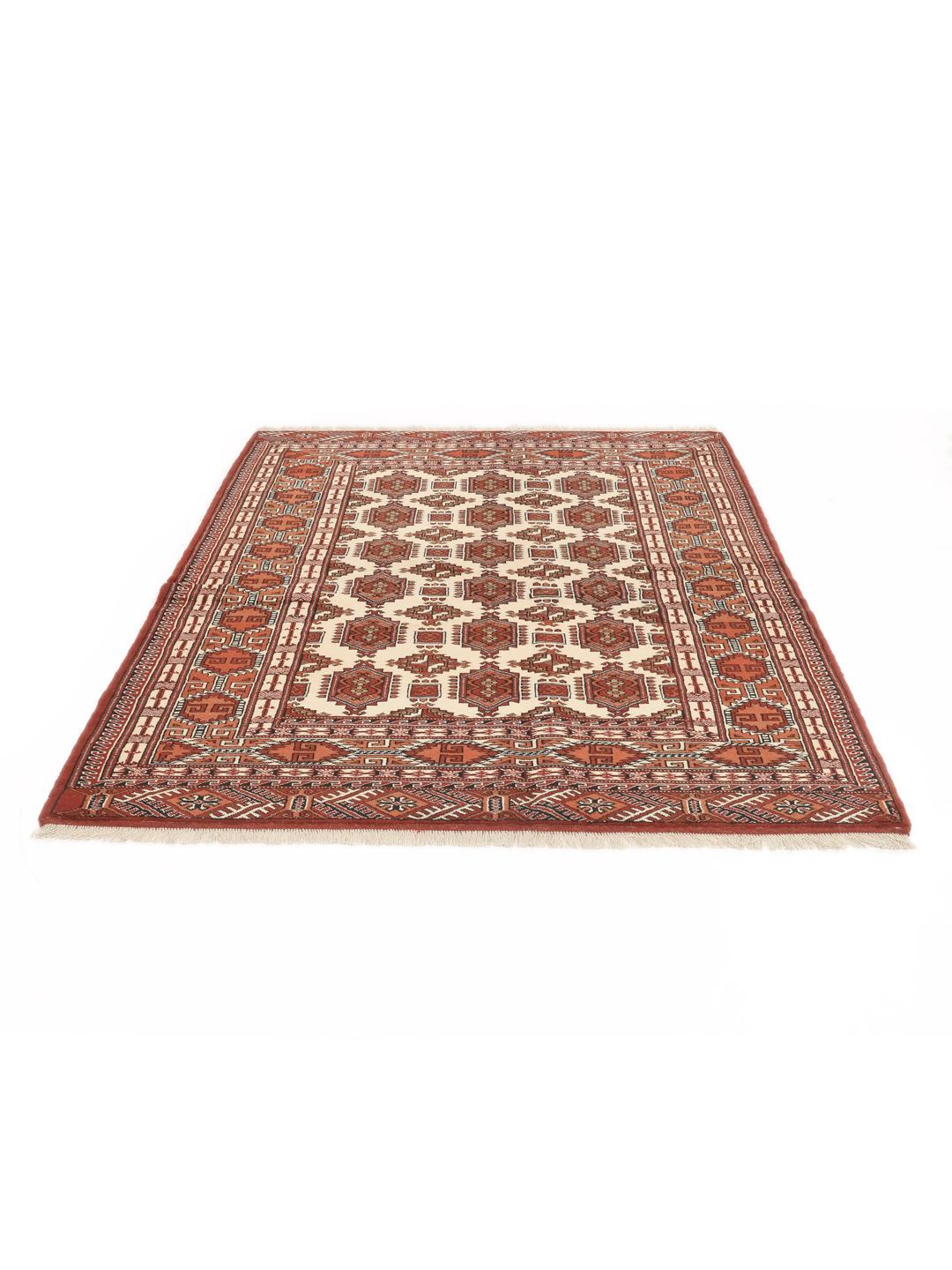
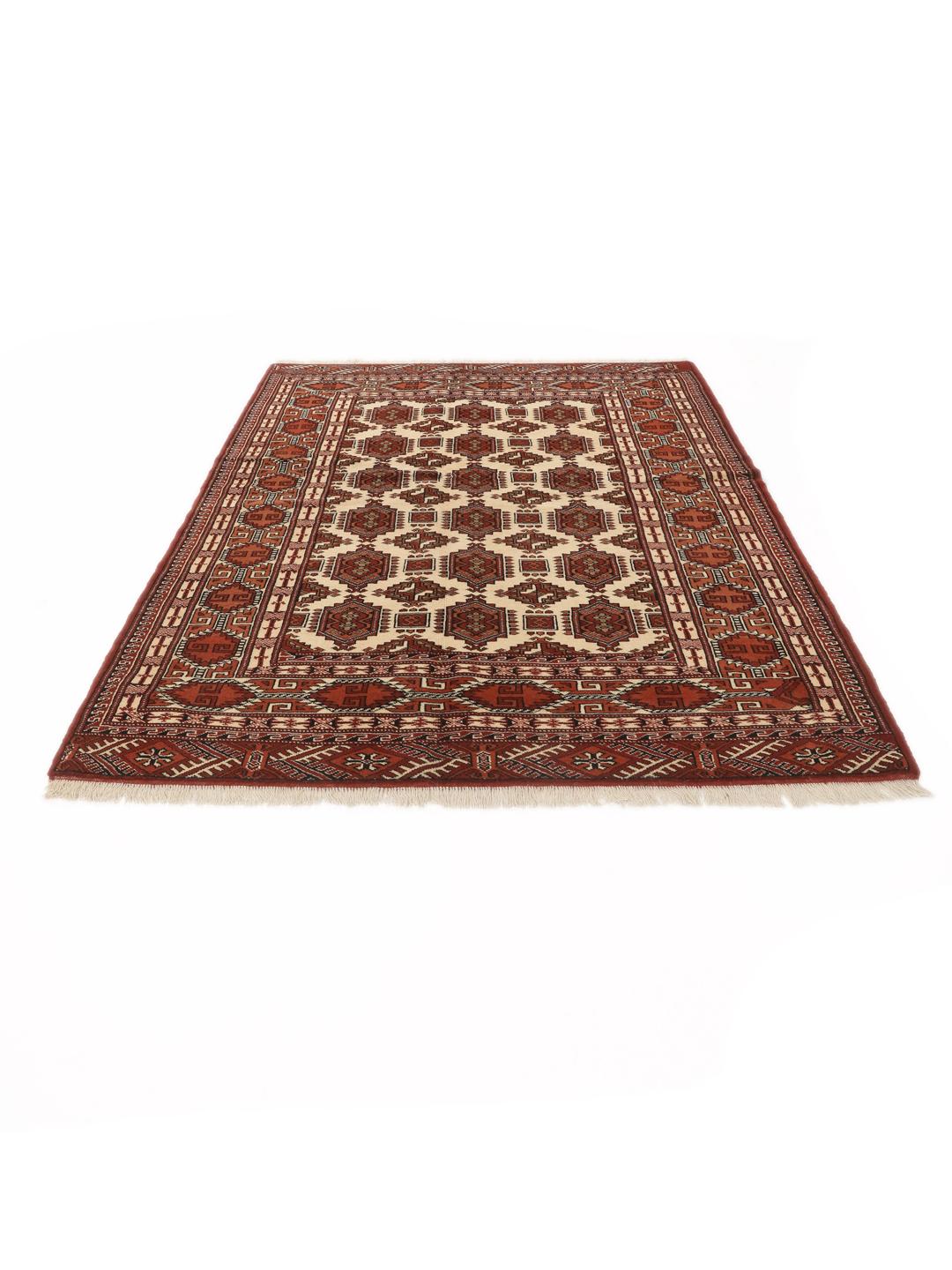
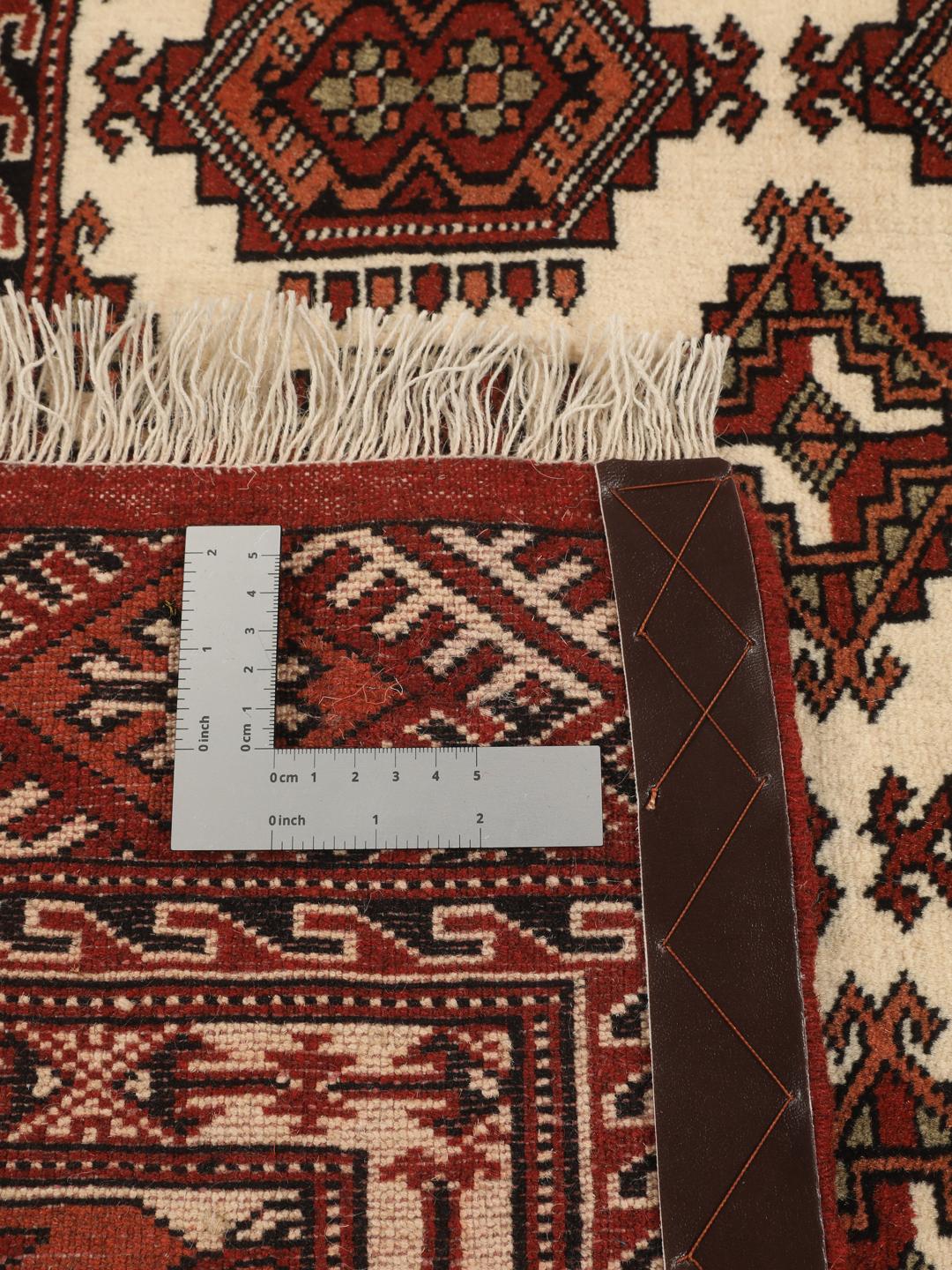
Turkaman rugs originate from the nomadic and semi-nomadic tribes of Central Asia and the broader Middle Eastern region. Historically, these rugs were essential to tribal life, serving as floor coverings, tent decorations, and transport bags. Over centuries, these traditions migrated and evolved, with master weavers refining the techniques that define the style today.
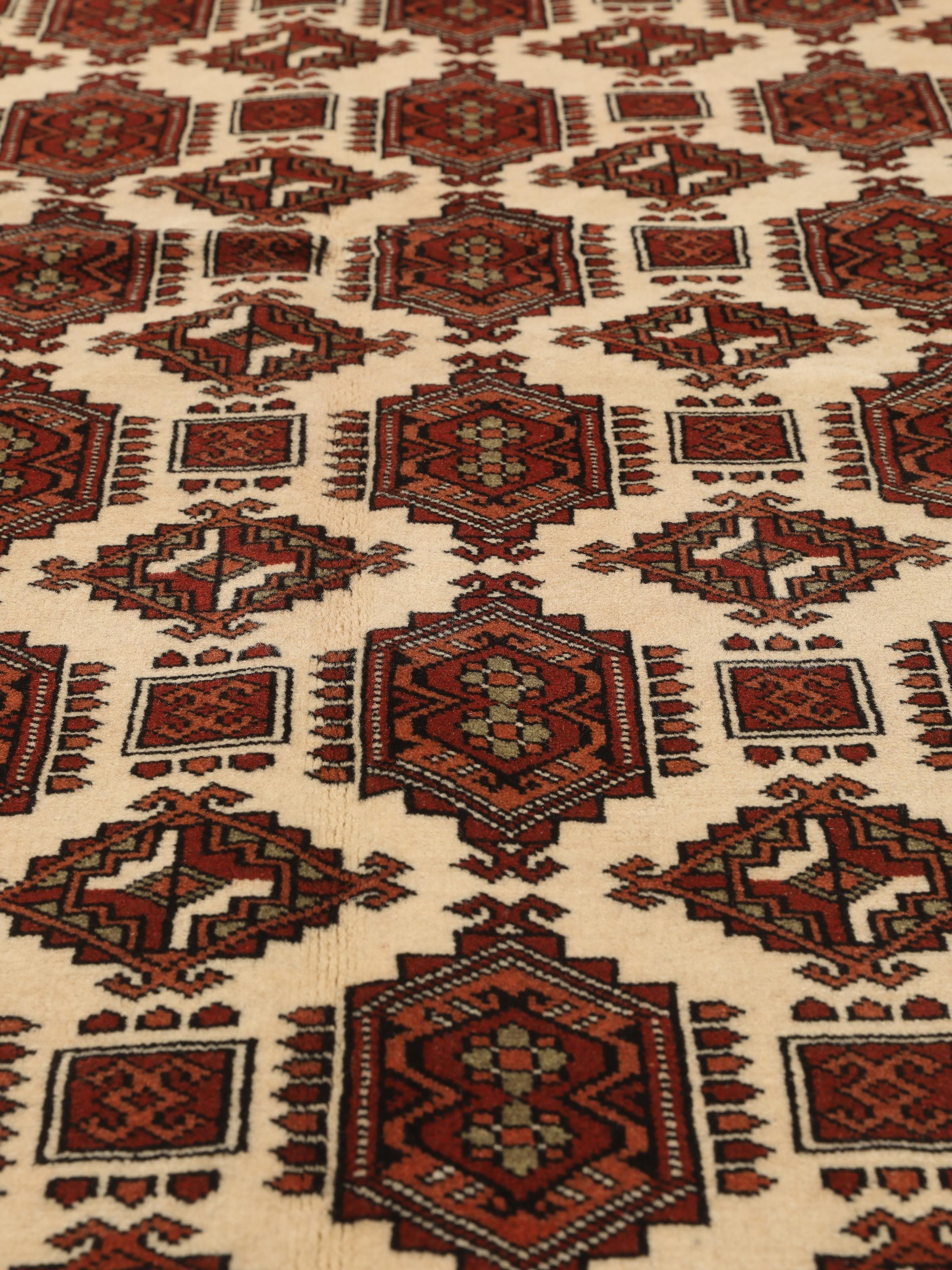
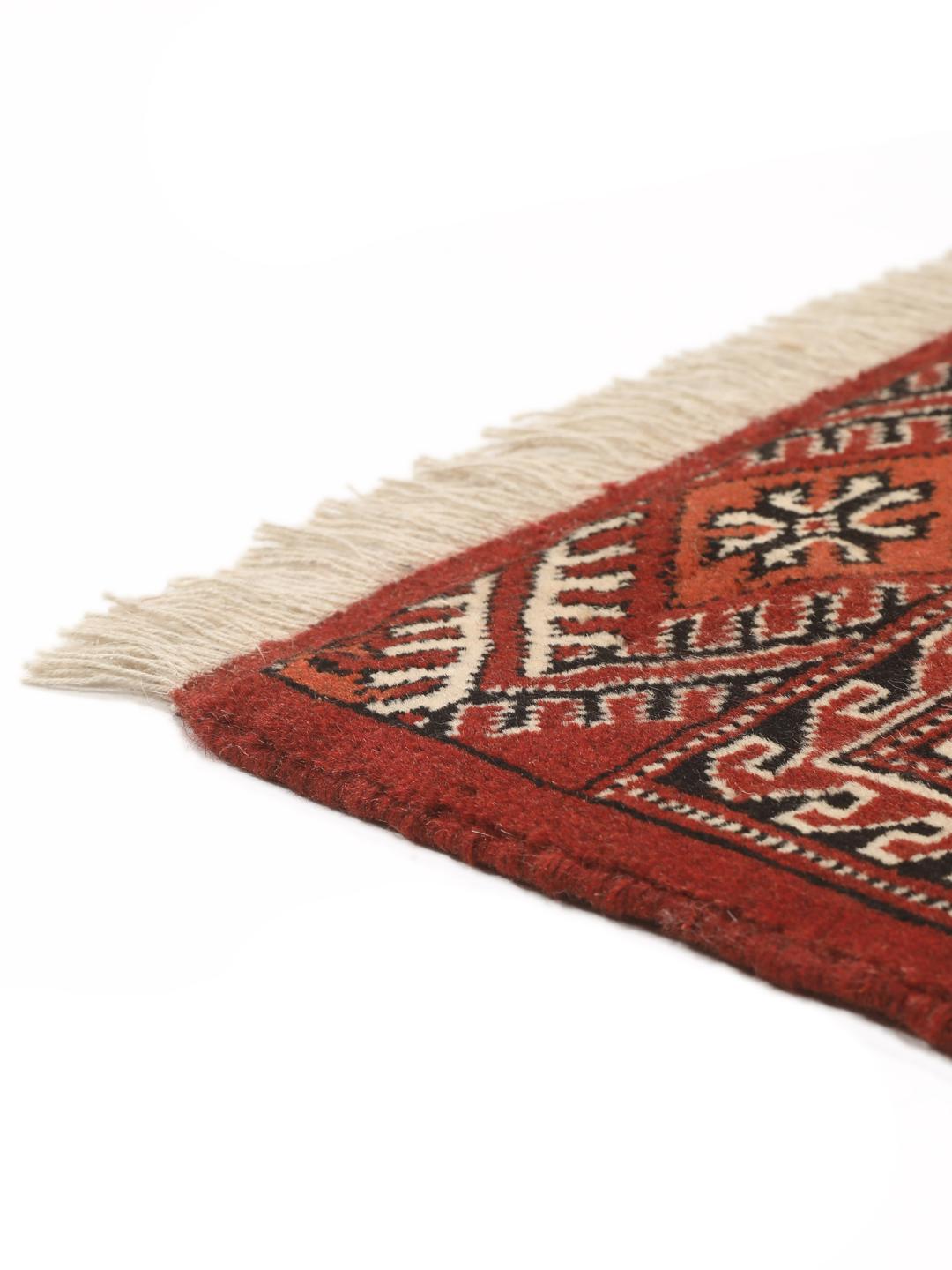
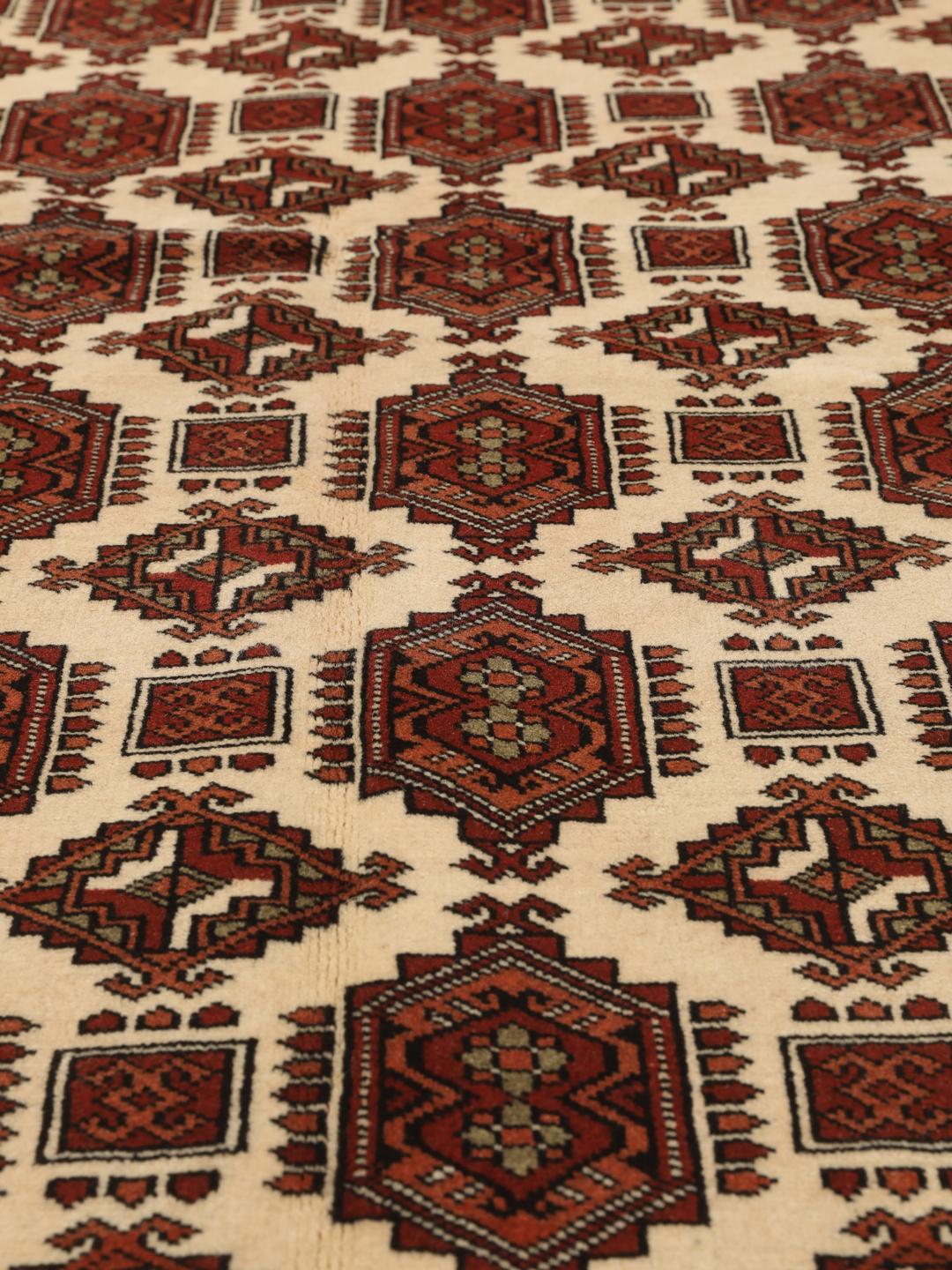
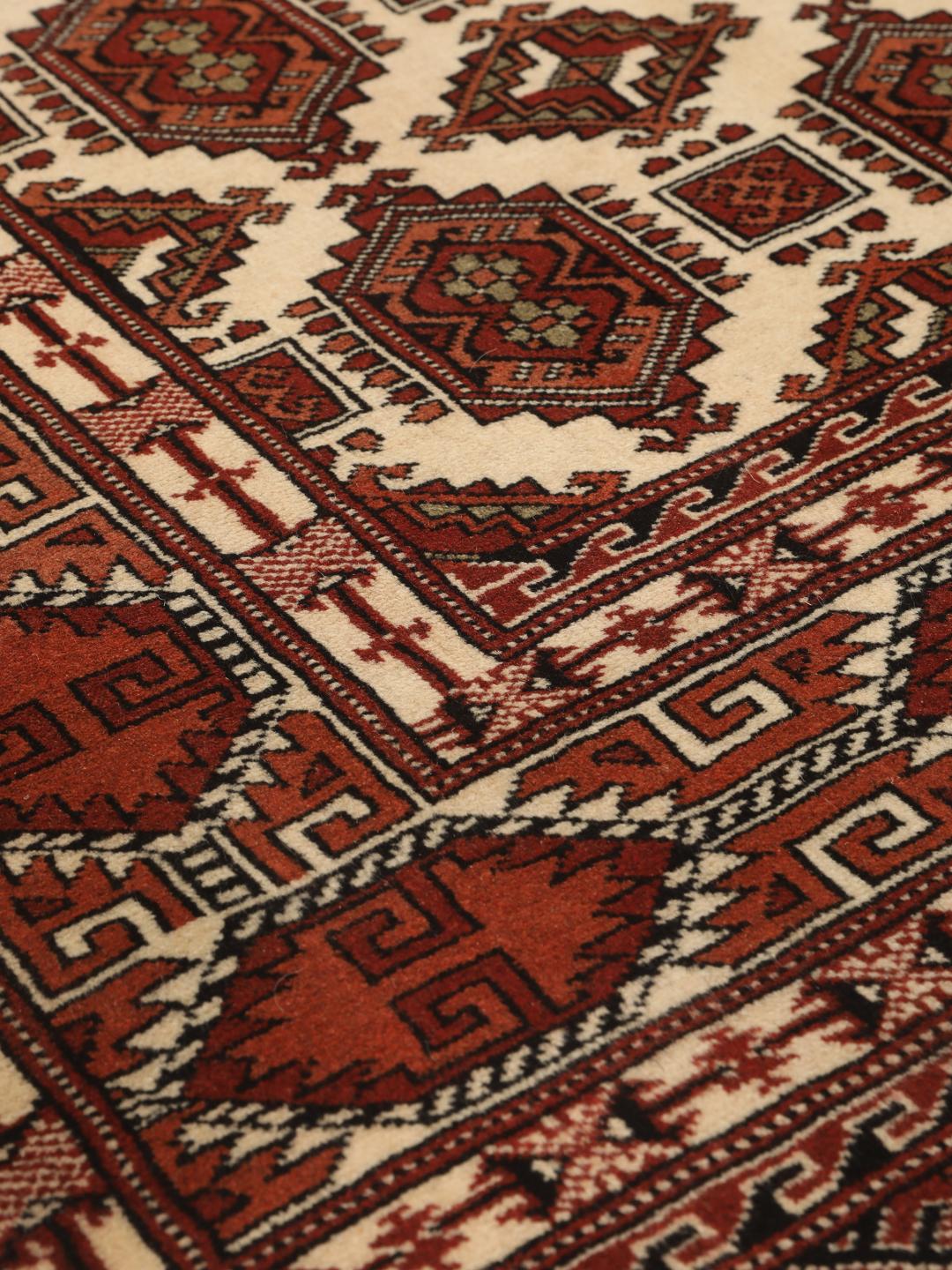
The craft relies on a deep understanding of Wool and dye, with the term Turkaman often associated with a specific, tight knotting technique. This method allows for the creation of intricate, repeating geometric patterns that are both visually complex and structurally sound, providing a long-lasting and resilient floor covering.
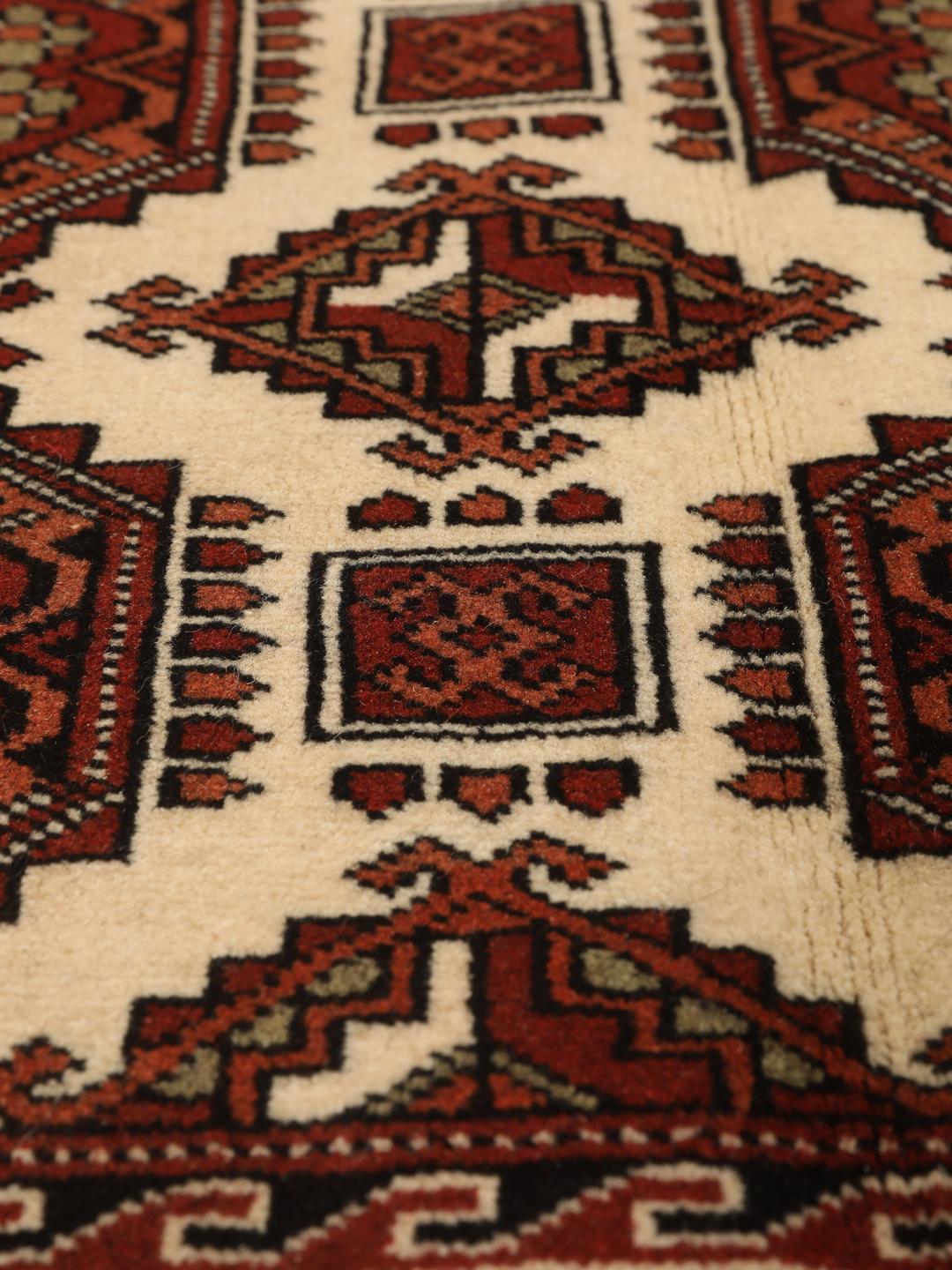
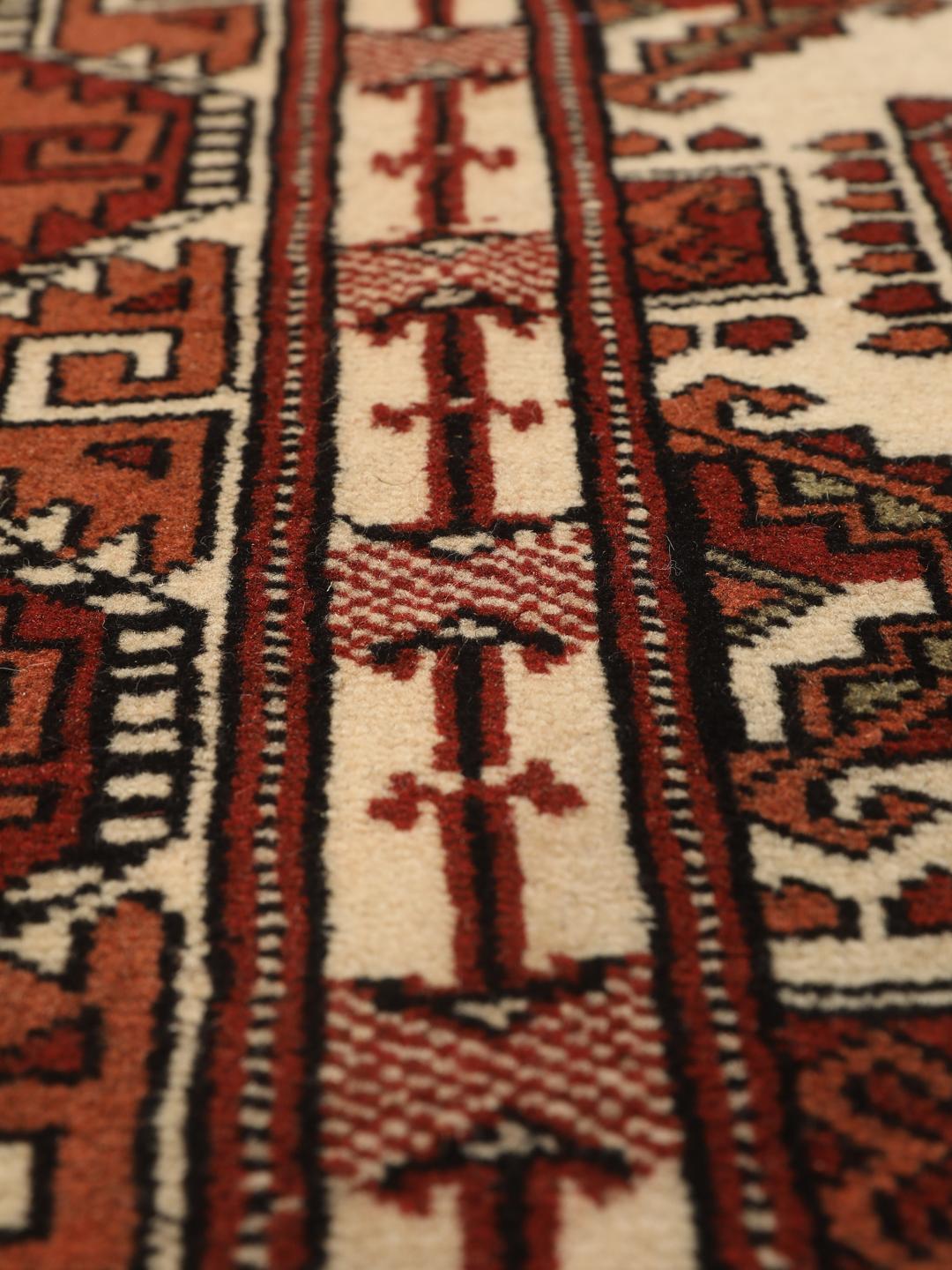
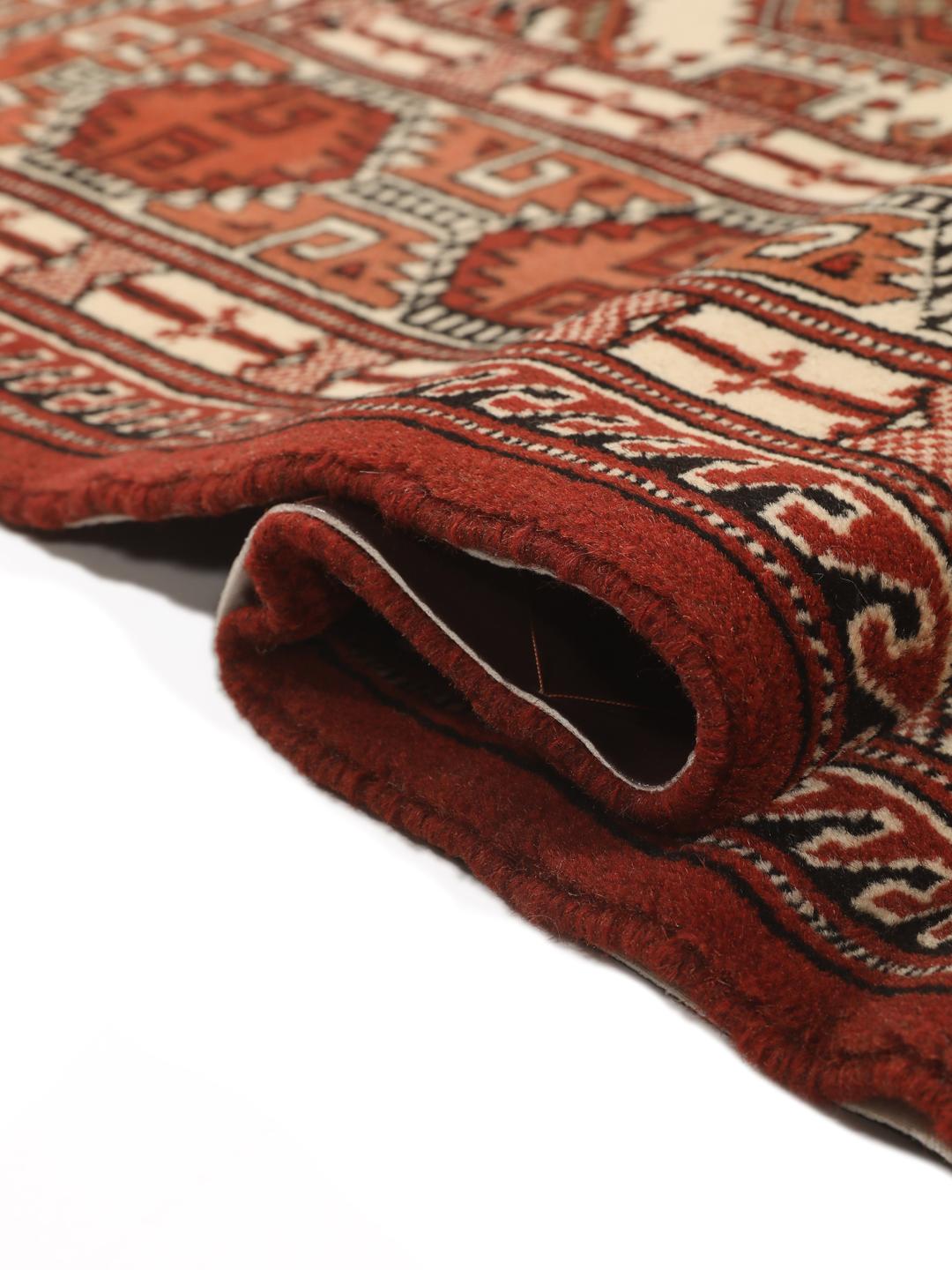
Signature design elements include the famous gul motif, a repeating, medallion-like shape that represents tribal identity and heritage. These motifs are typically arranged in orderly, symmetrical rows against a field of deep, earthy colours, often framed by complex, decorative borders that showcase the weaver's skill.
Owning a Turkaman rug is a way to connect with a long lineage of craft and cultural expression. These pieces are highly valued by collectors for their historical weight and the incredible skill required to execute such detailed patterns by hand. They represent a commitment to quality and a celebration of human ingenuity.