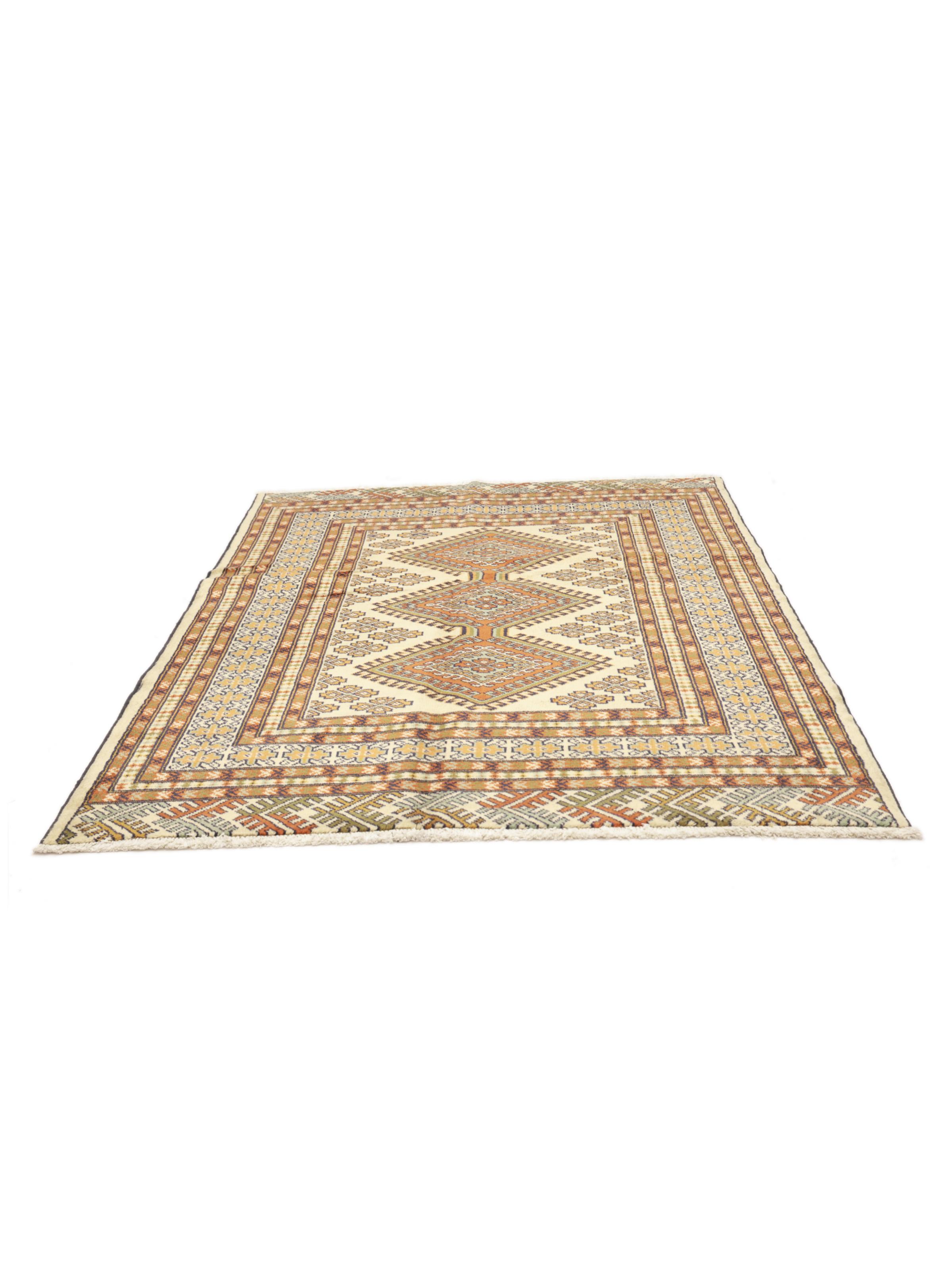
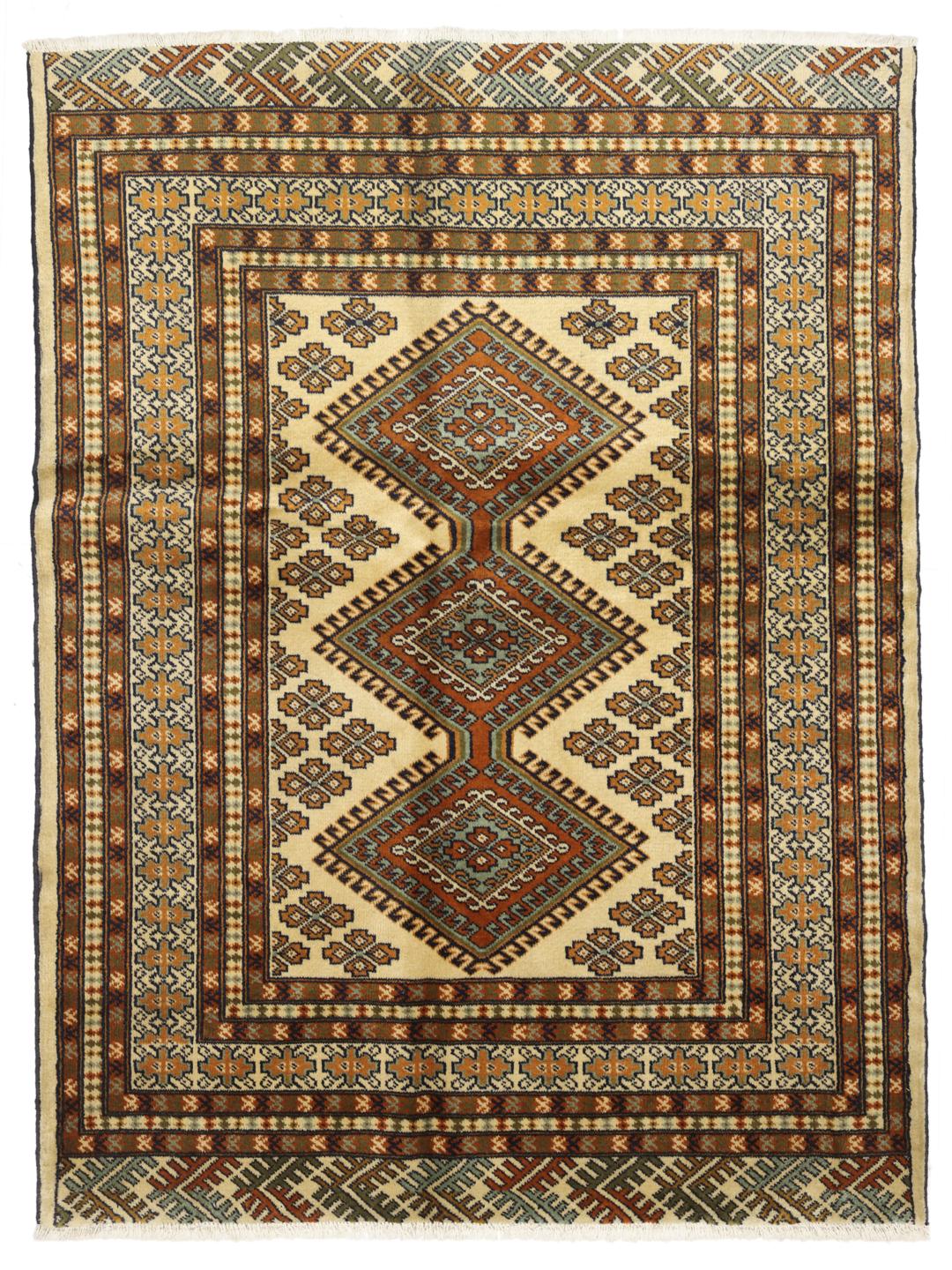
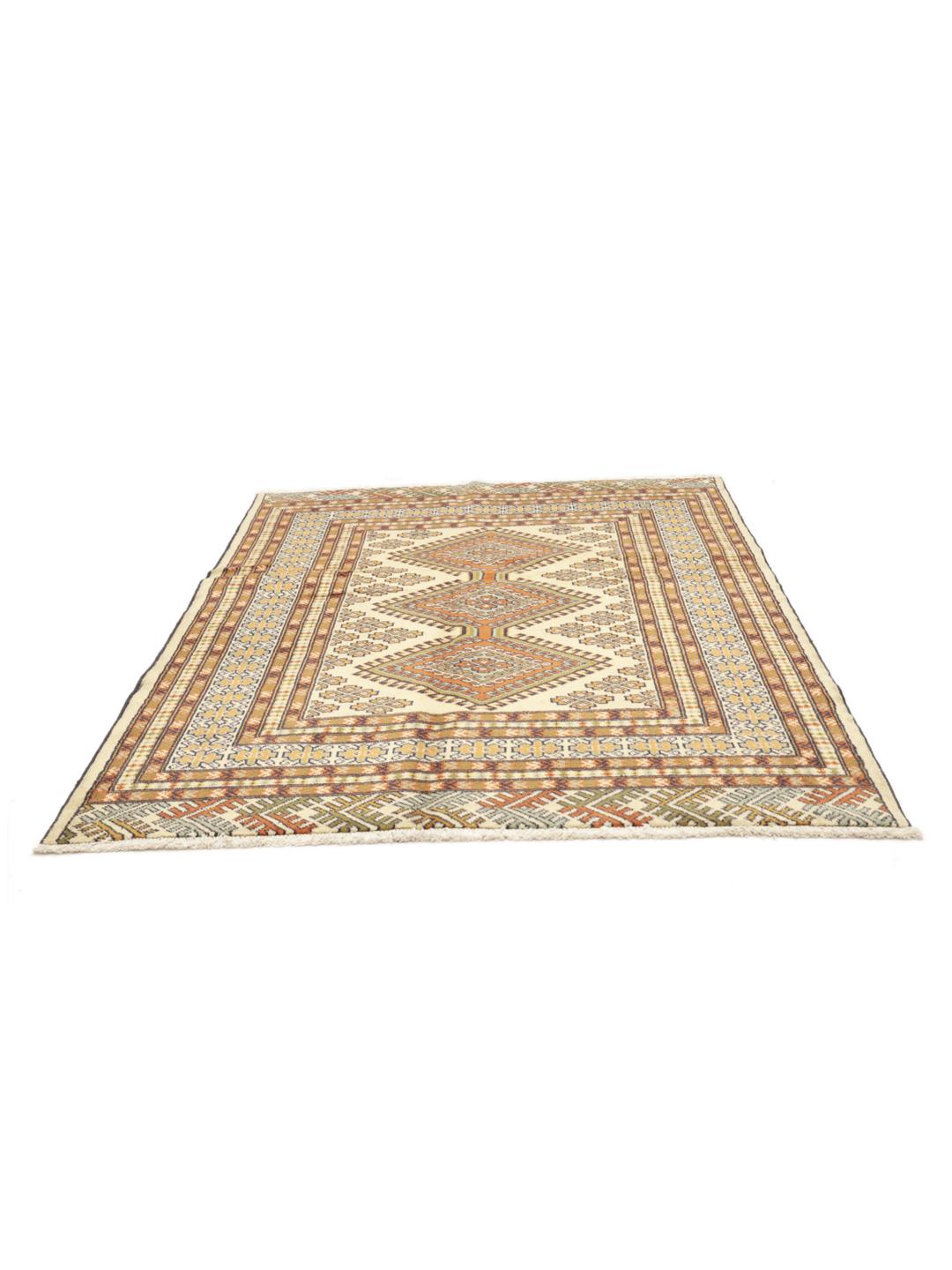
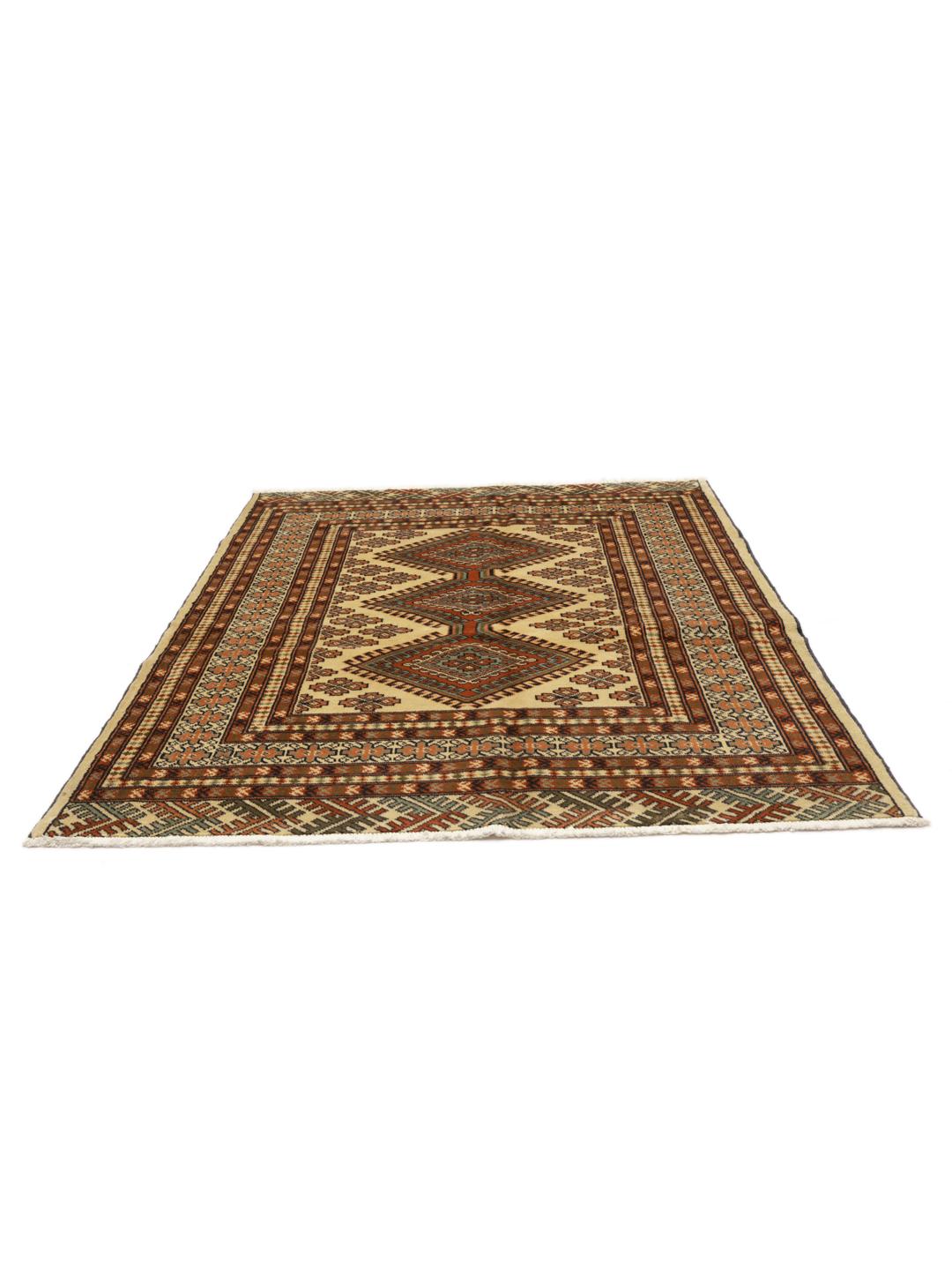
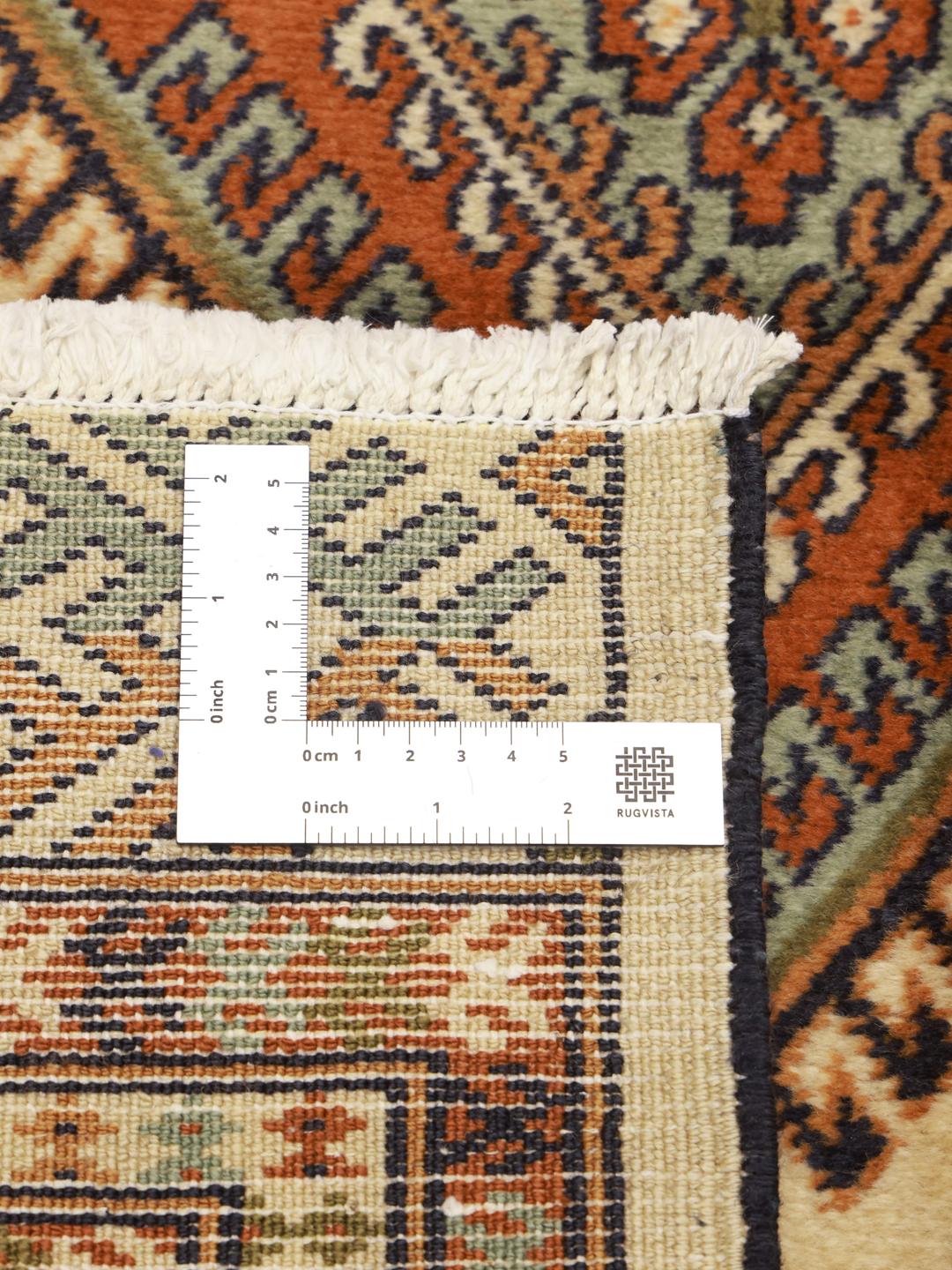
Turkaman rugs originate from the nomadic tribes of Central Asia and the surrounding regions of the Middle East. Historically, these rugs were essential to nomadic life, serving as portable warmth and decoration for tents, but they have evolved over centuries into highly coveted pieces for refined interiors.
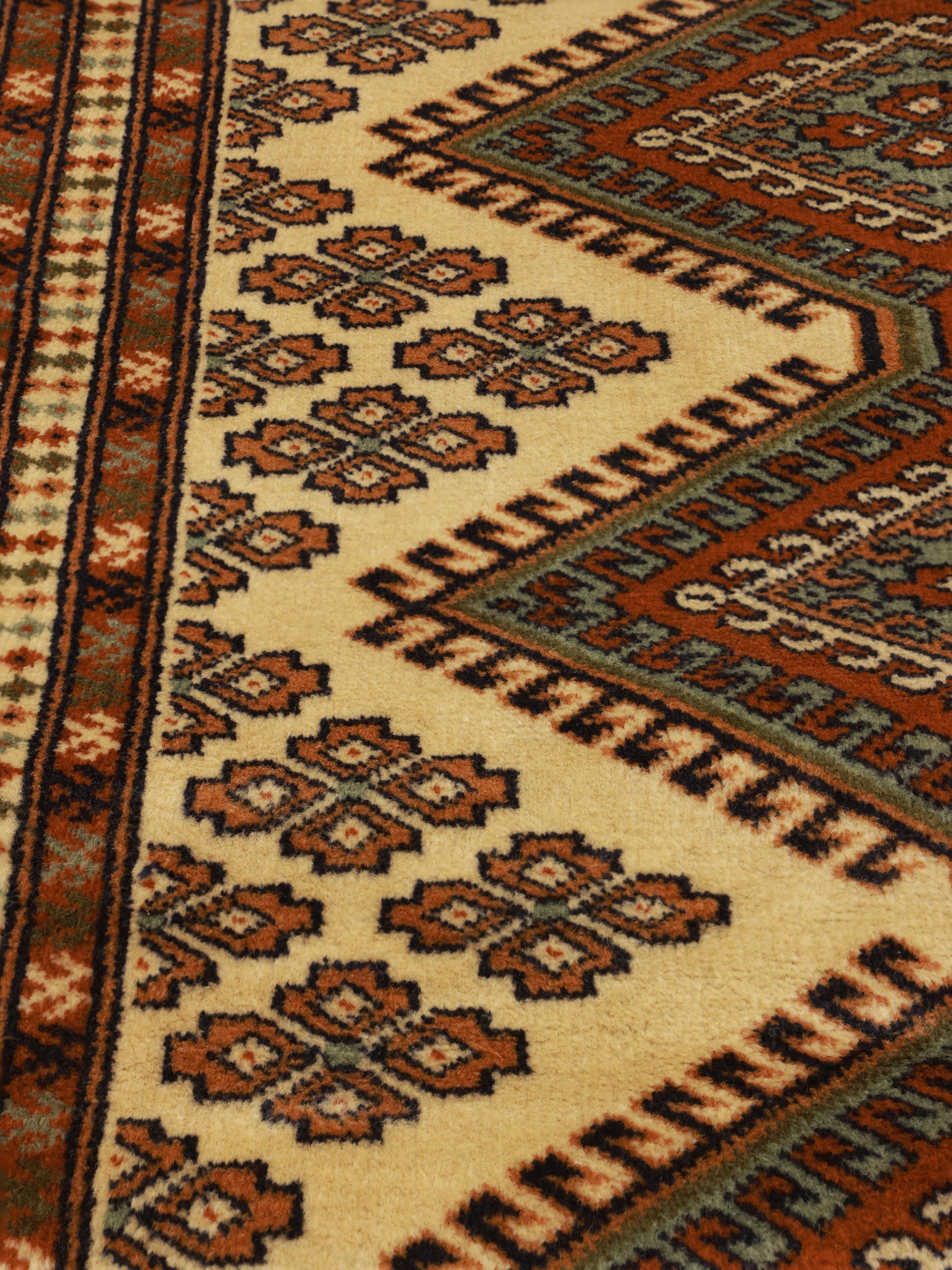
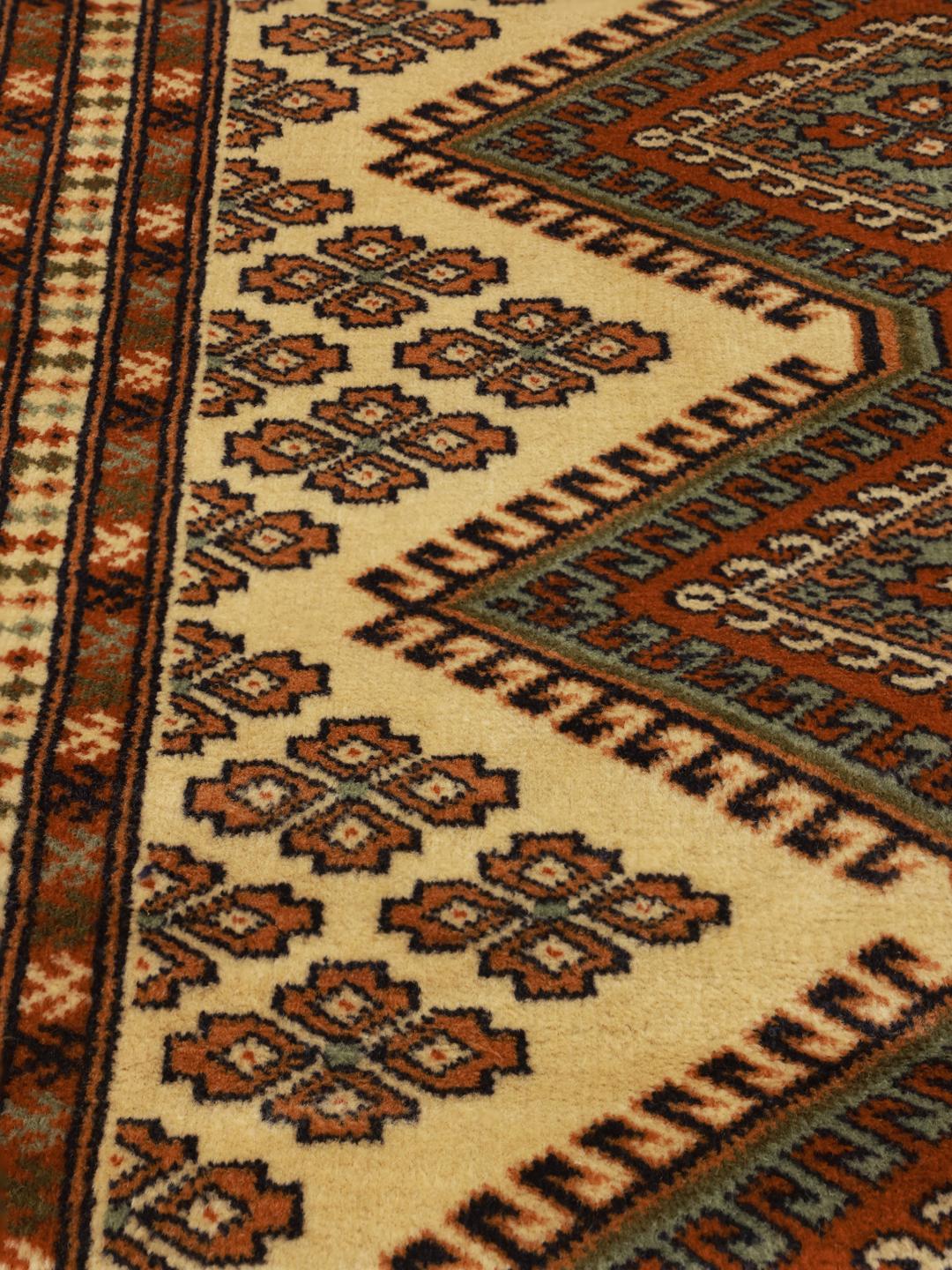
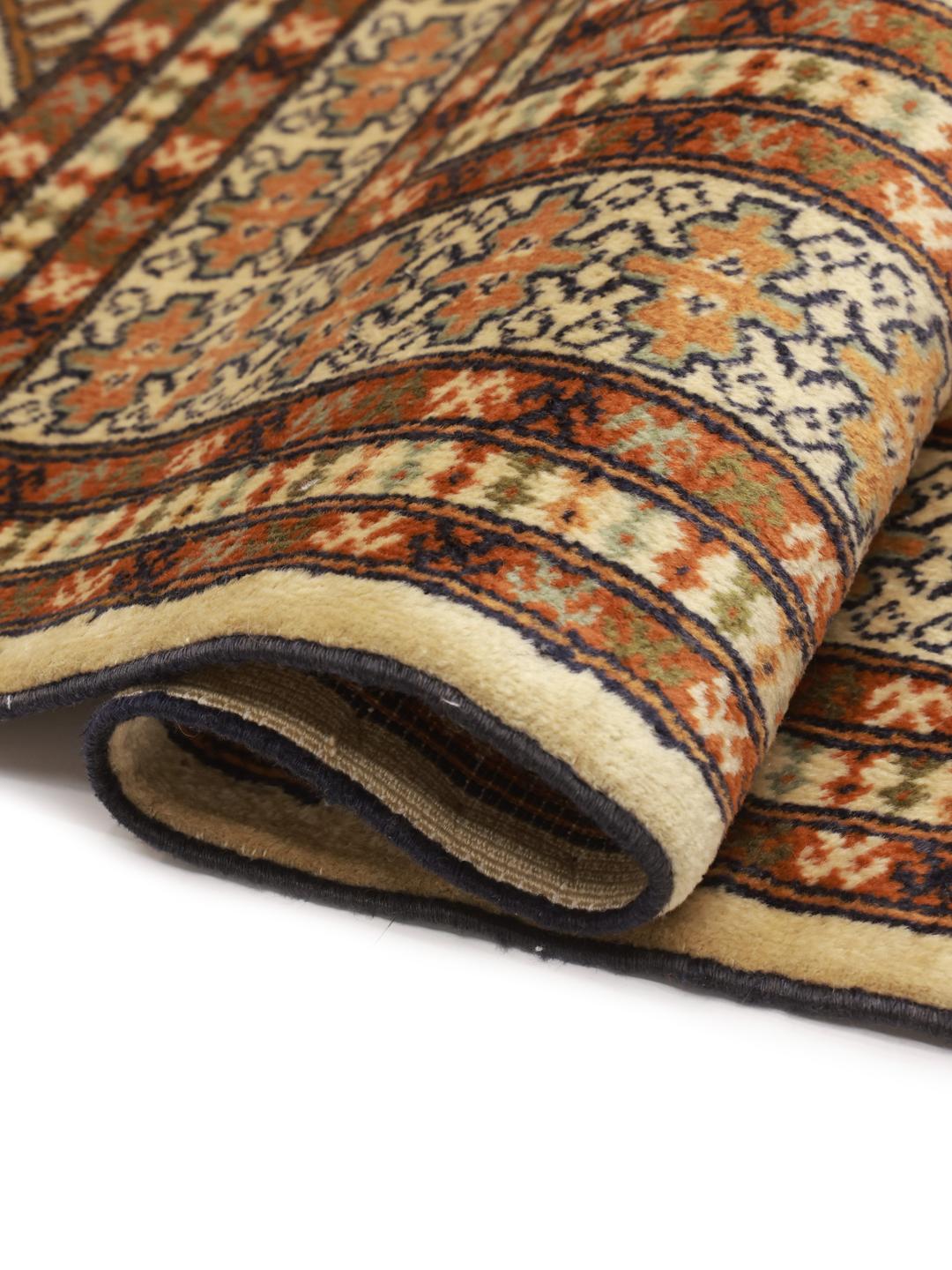
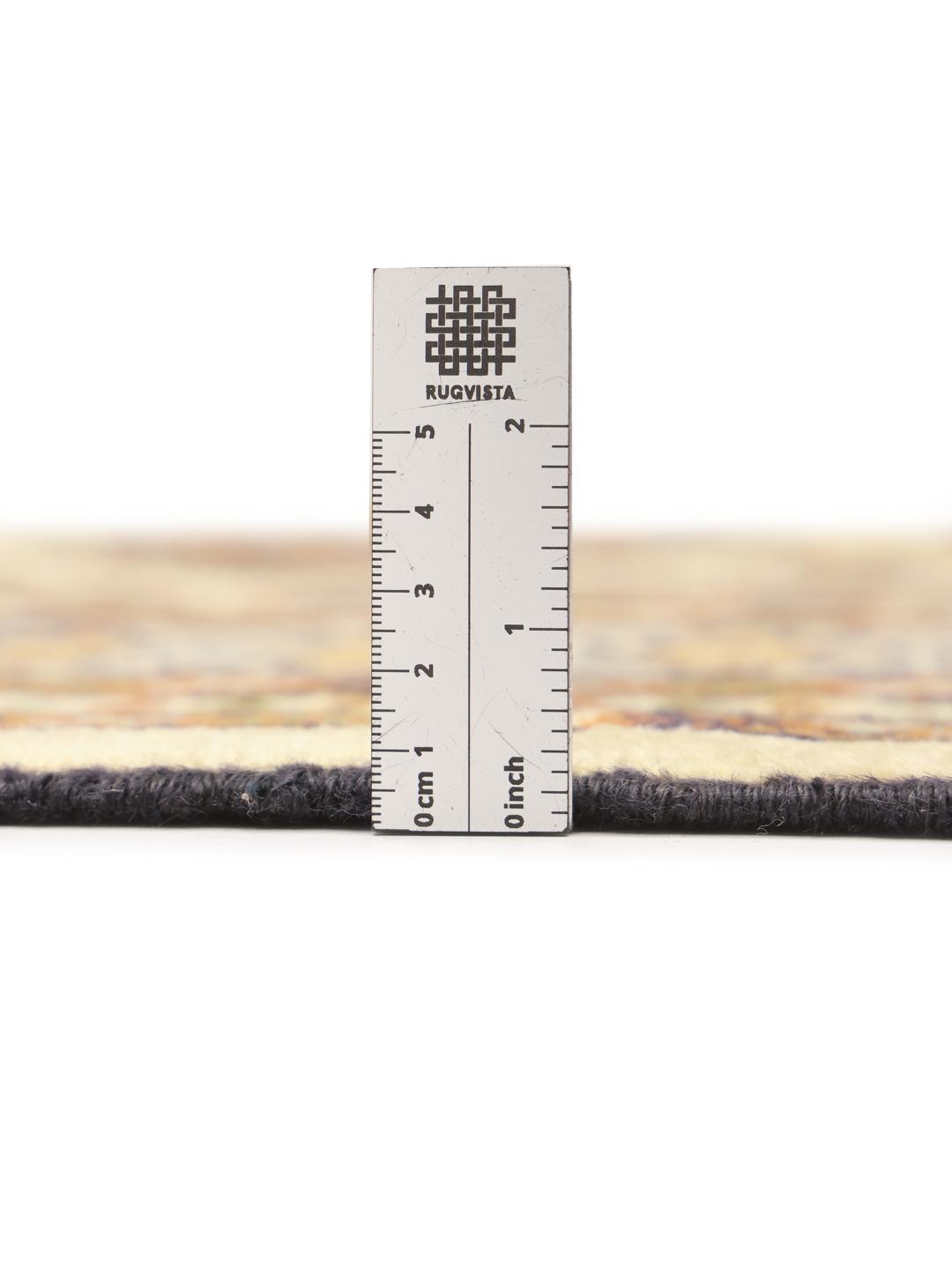
The terminology associated with these rugs, such as the specific way the Wool is handled, is vital to their quality. By utilising techniques that emphasise a dense and lustrous pile, the artisans ensure that the rug is not only visually striking but also incredibly resilient, capable of maintaining its character through generations of use.
Design-wise, these pieces are defined by their sophisticated use of repeating motifs, most notably the gul. These octagonal, medallion-like shapes are arranged in orderly rows, often set against a deep field. The geometric borders serve to frame these central elements, creating a balanced and formal composition that is characteristic of the Turkaman tradition.
Owning a piece from this tradition is an investment in cultural heritage and human skill. Because these rugs are crafted with such specific regional techniques, they are highly valued by collectors who appreciate the depth of tradition and the patience required to produce such a lasting and beautiful floor covering.