Turkaman rugs trace their roots to the nomadic tribes of Central Asia, where the art of weaving was essential for creating durable, portable flooring for tents. Over centuries, these traditions migrated and evolved, with the finest contemporary examples now being produced in the Middle East, where weavers maintain the ancient techniques that define this storied craft.
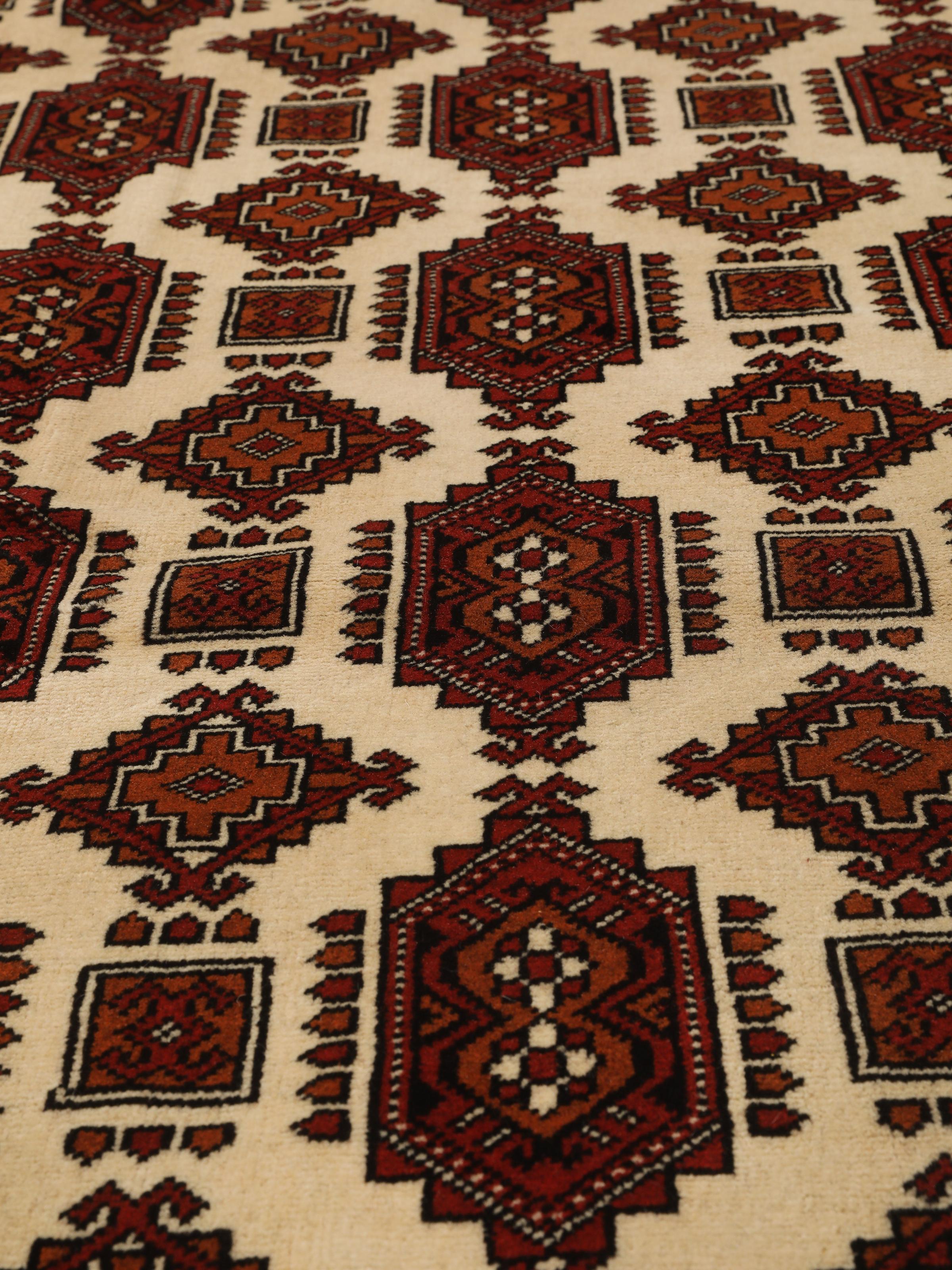
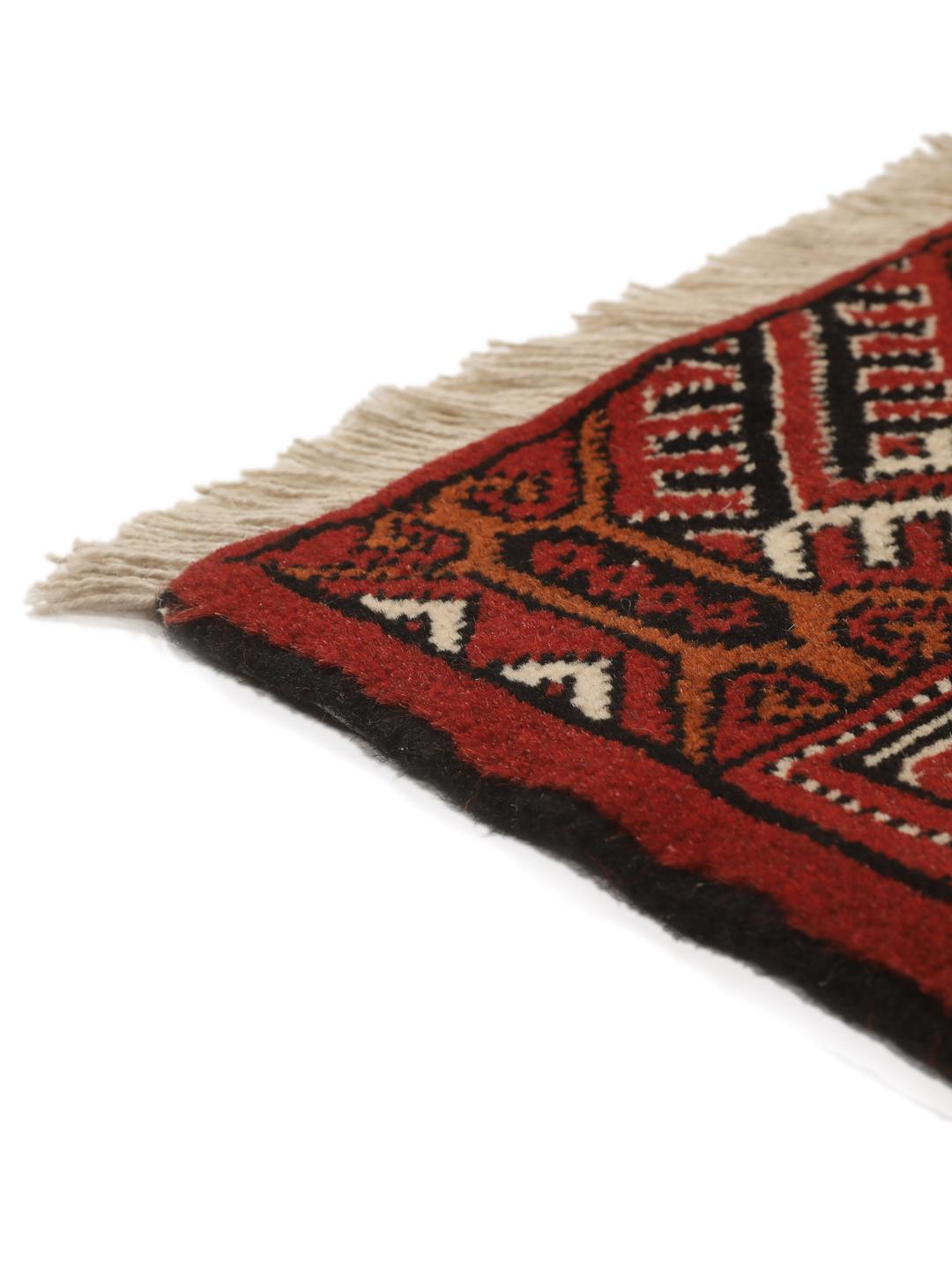
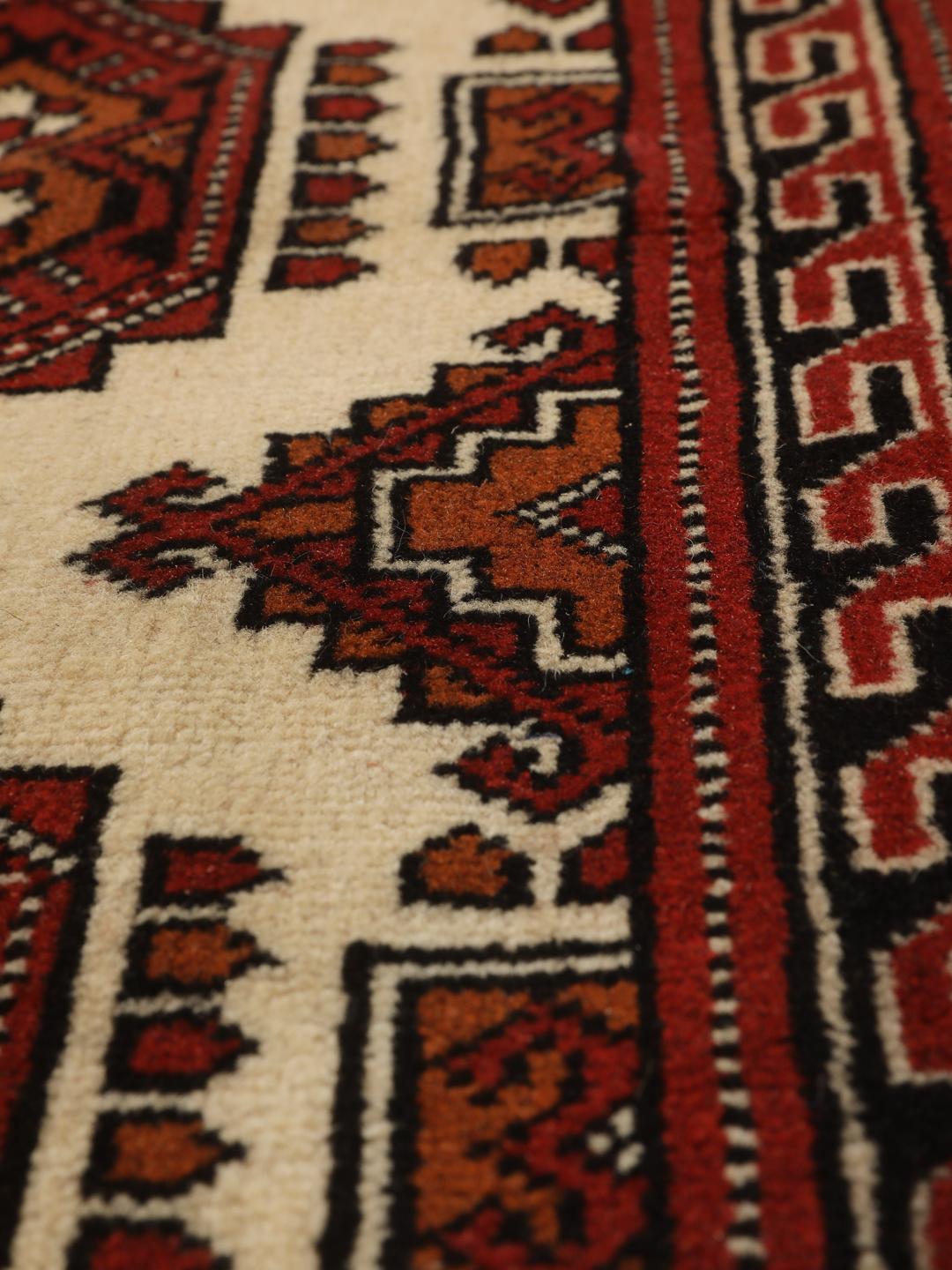
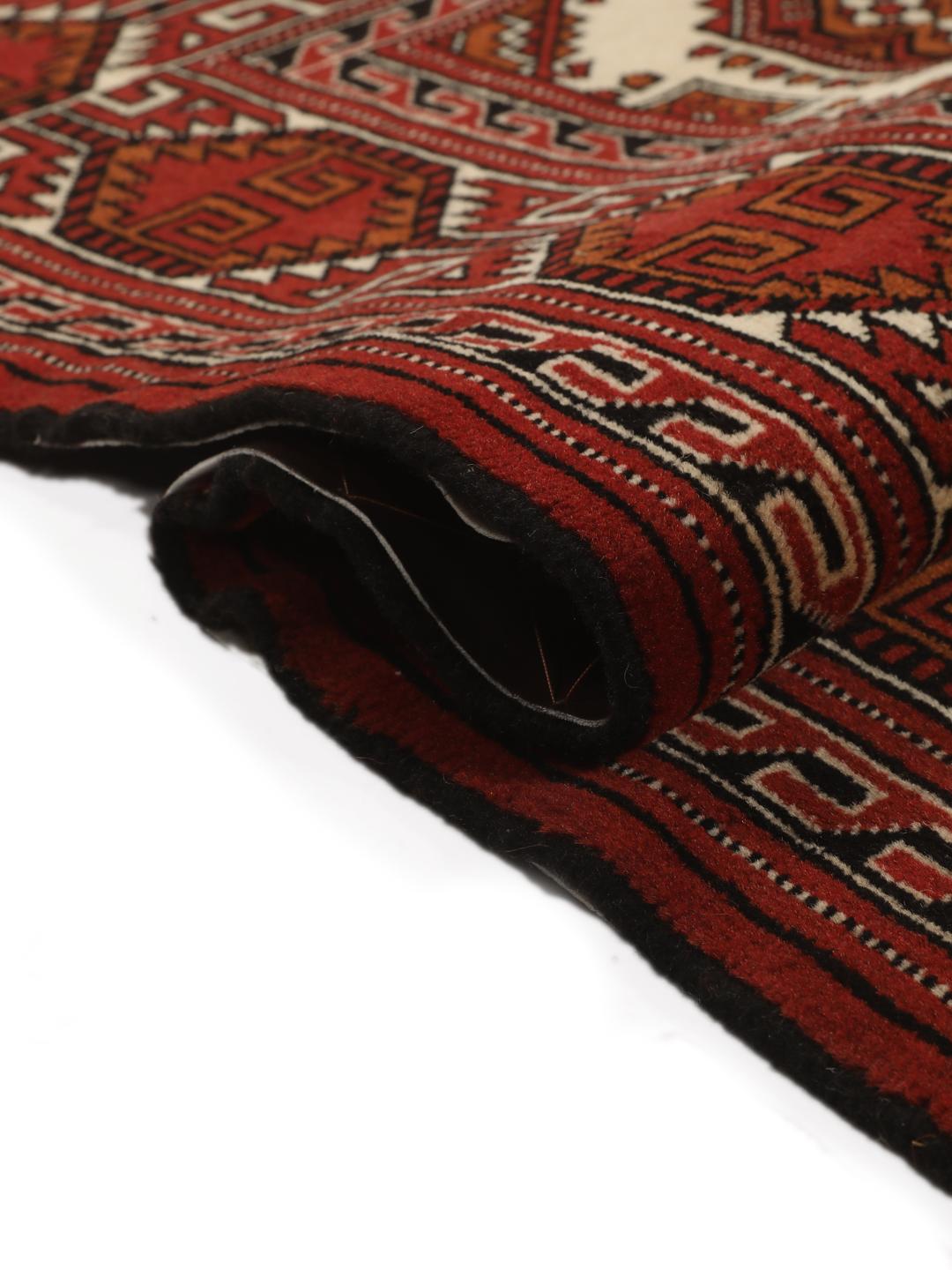
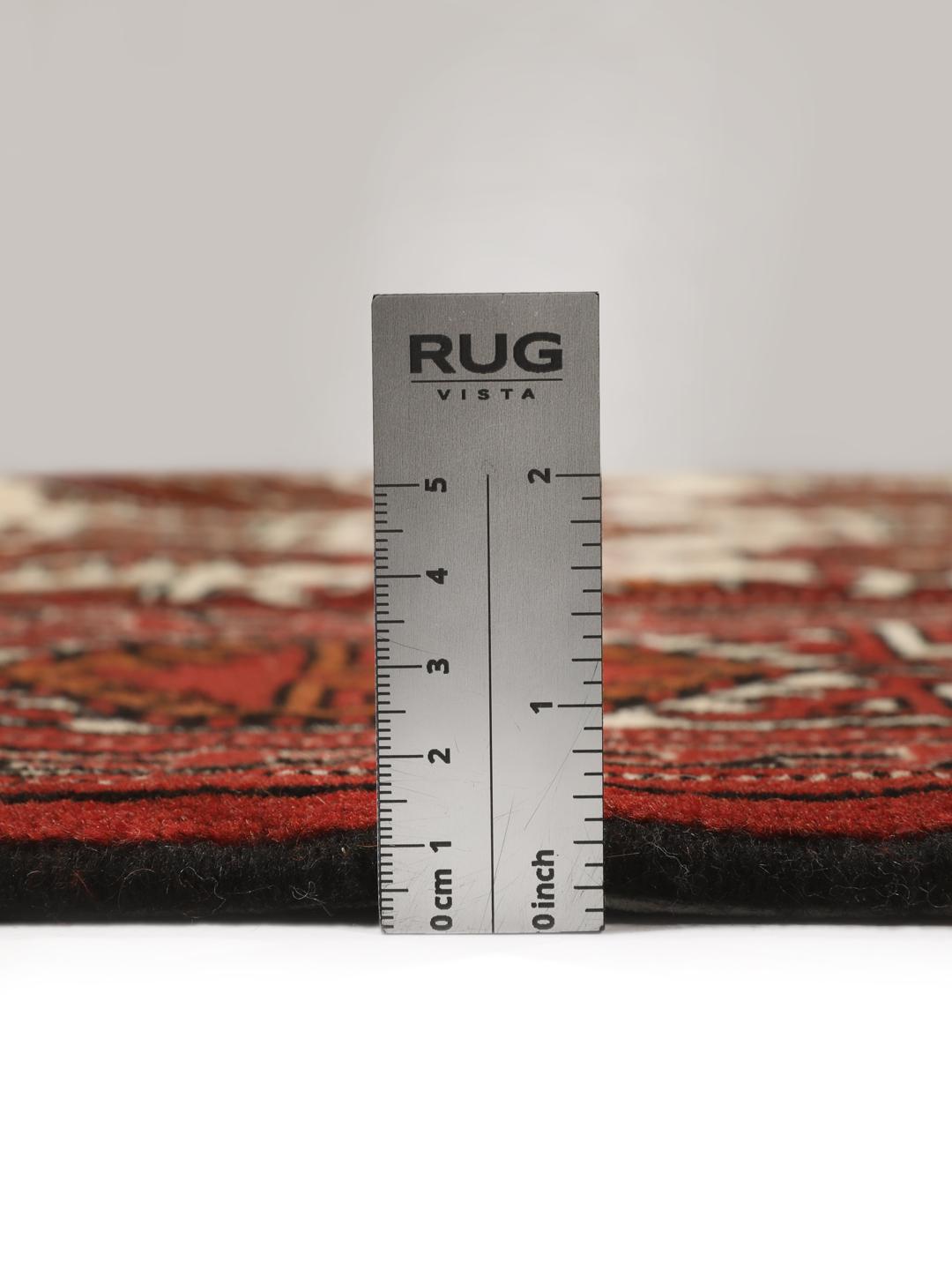
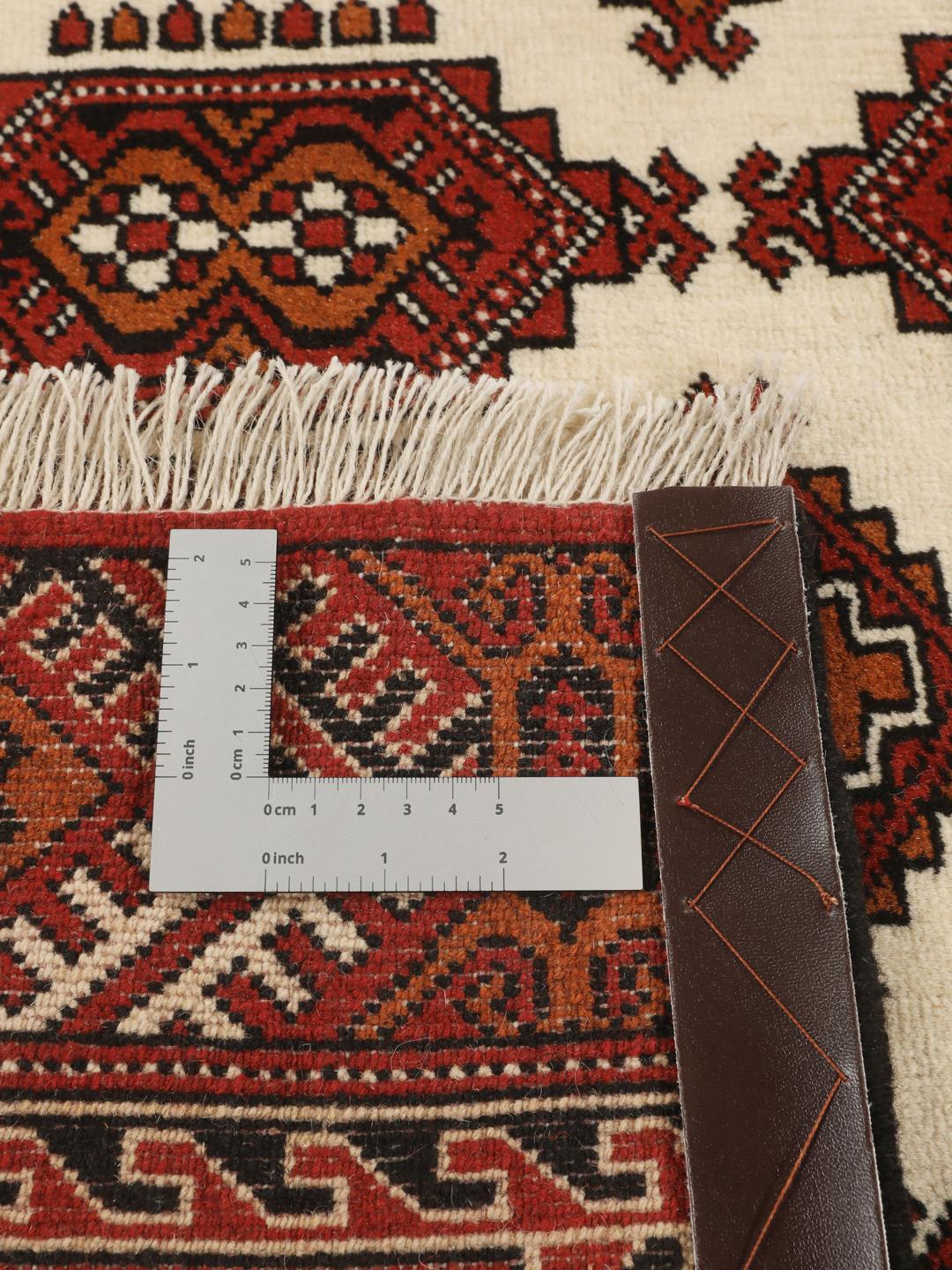
The term Turkaman refers to the specific tribal heritage and the construction methods used to create these pieces. These rugs are known for their dense, resilient pile, which is achieved through a precise knotting process. This construction not only provides a soft surface but also ensures the rug is robust enough to withstand years of use while retaining its lustre.
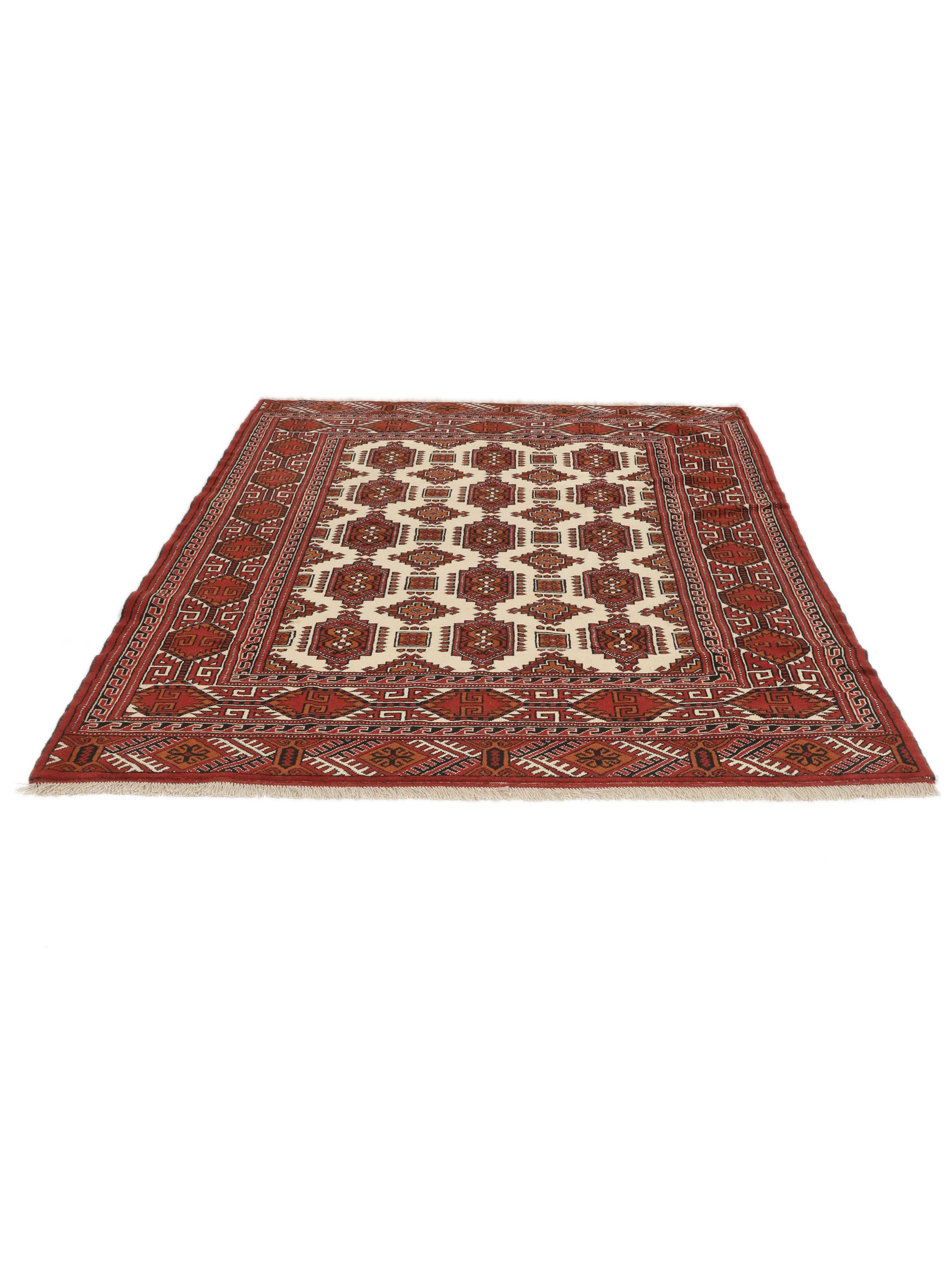
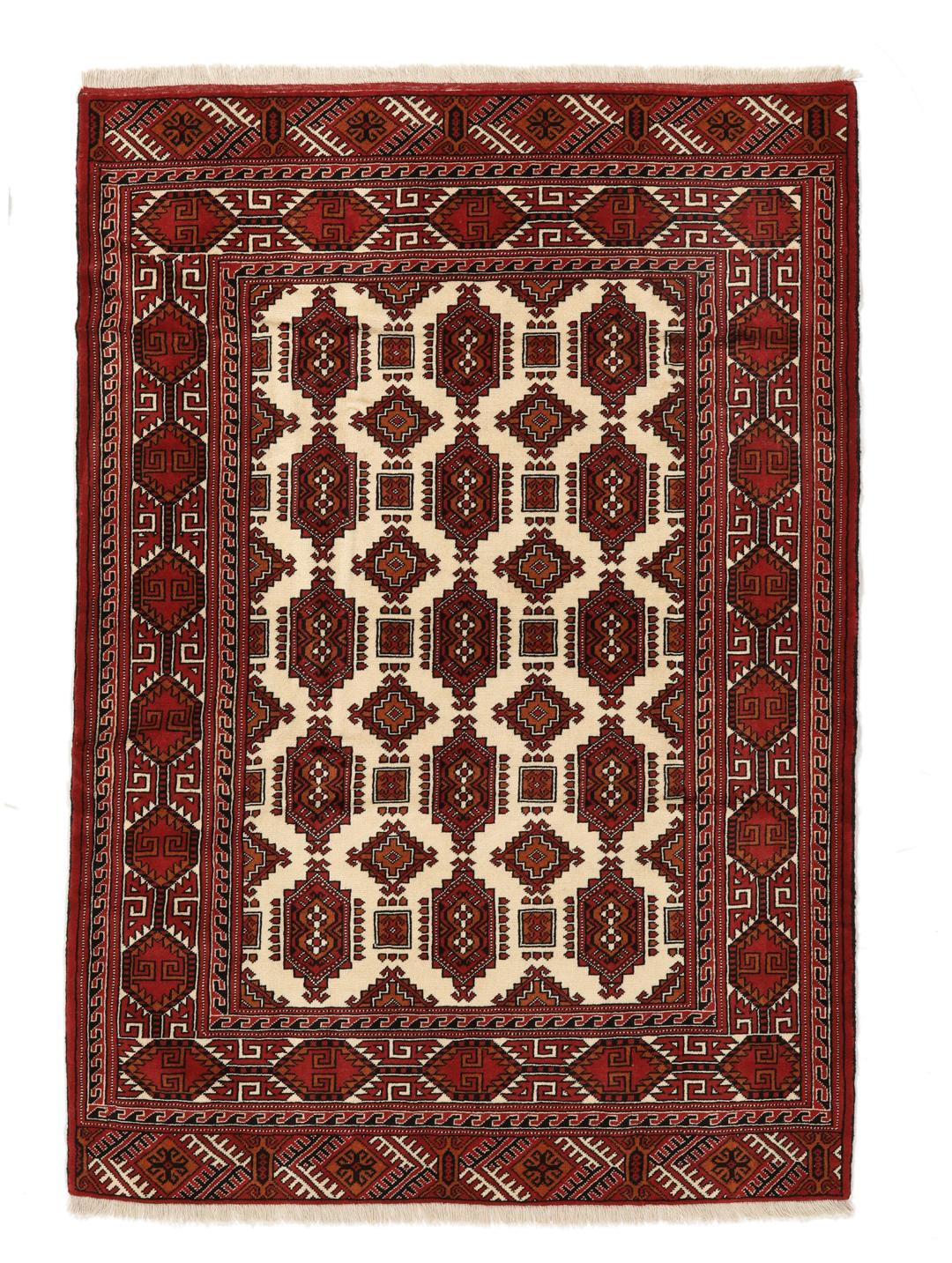
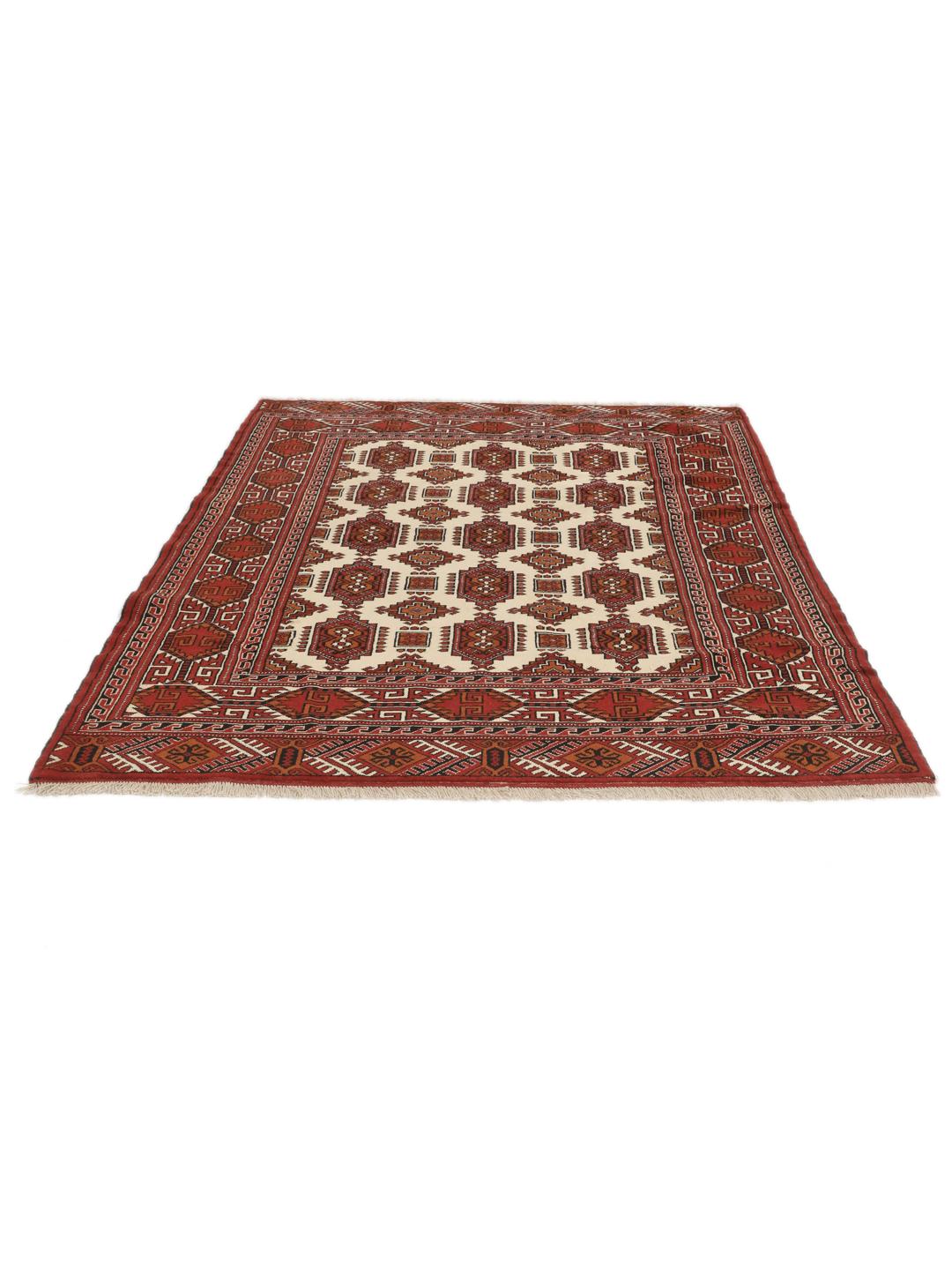
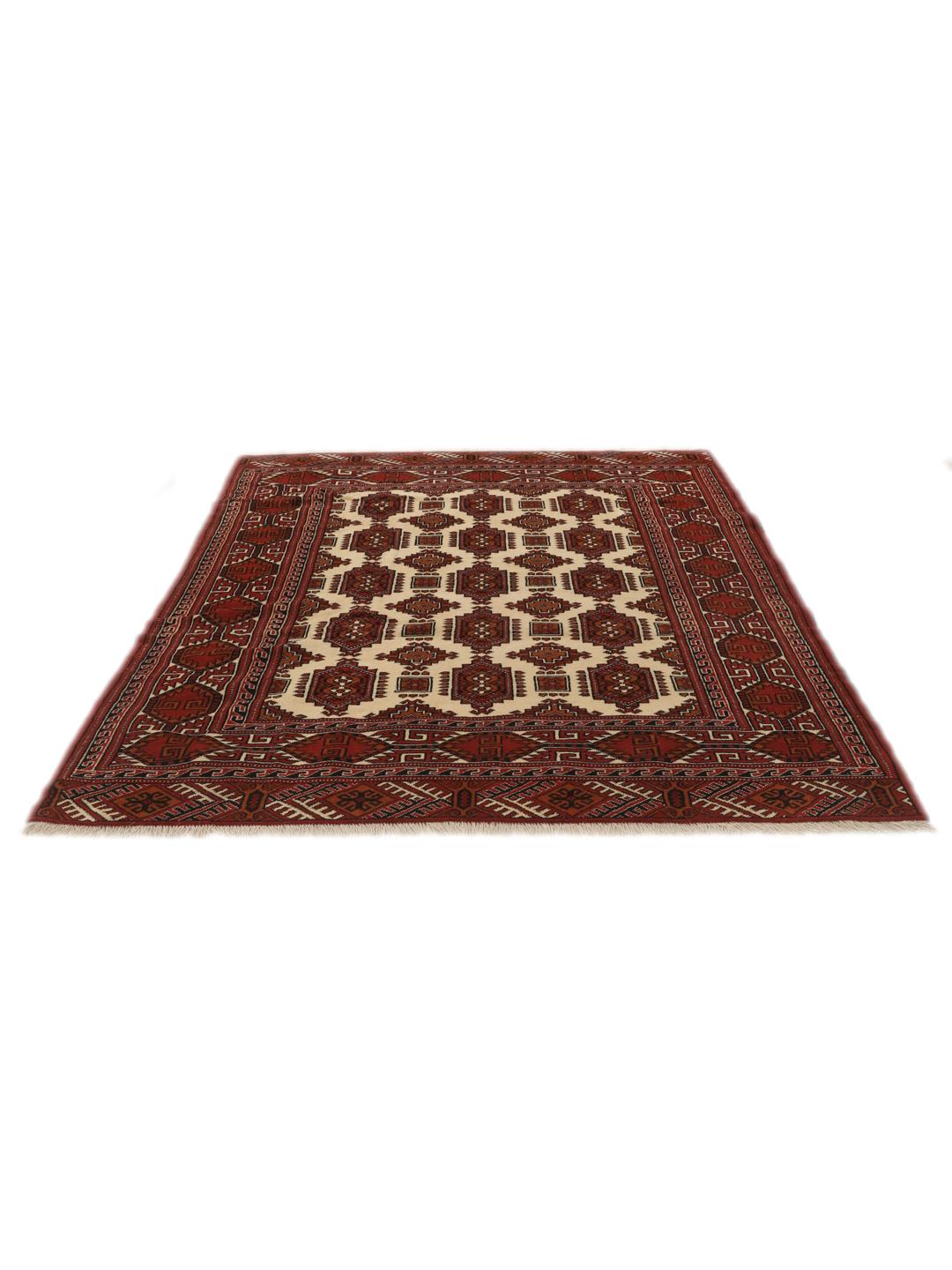
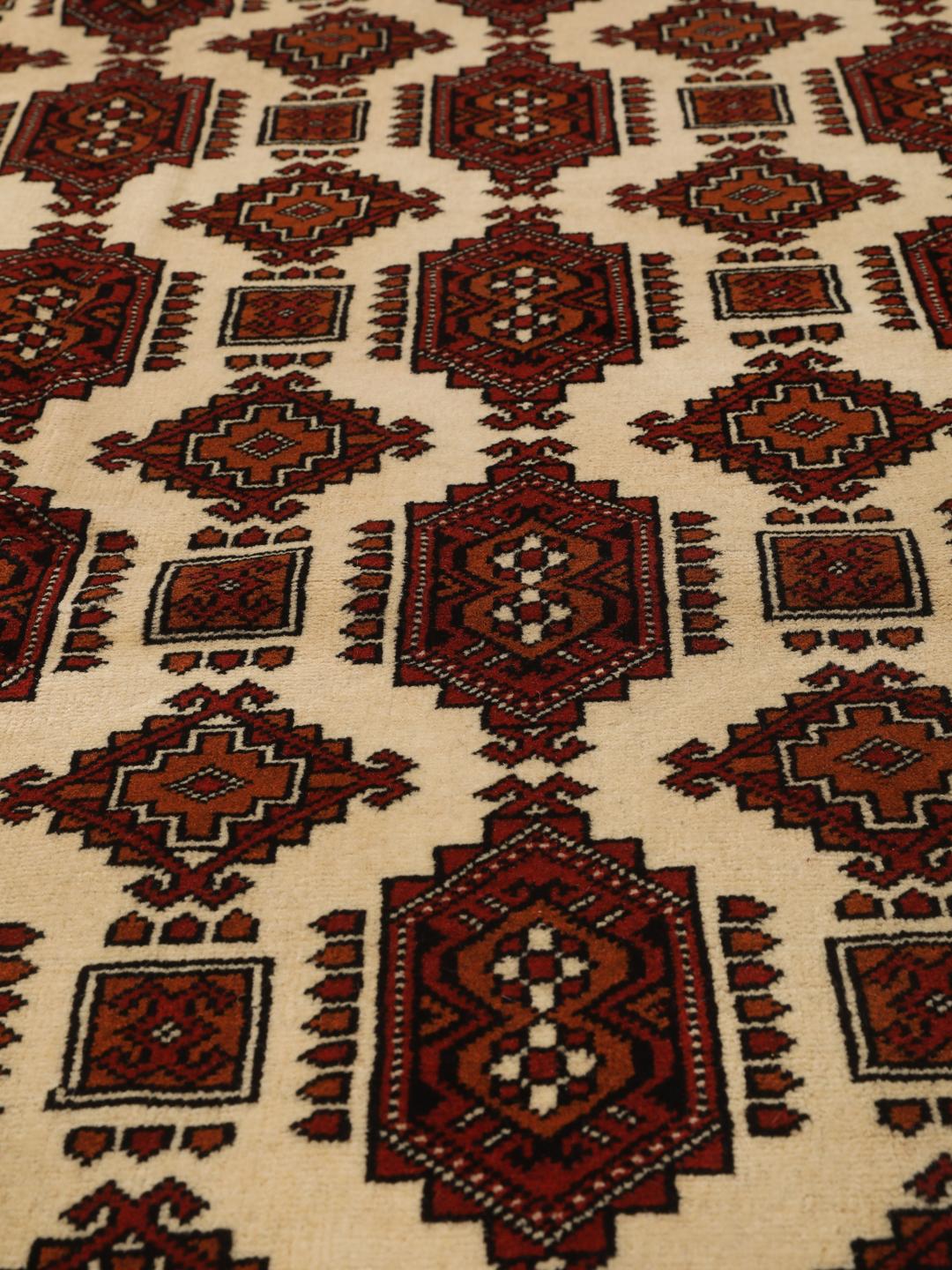
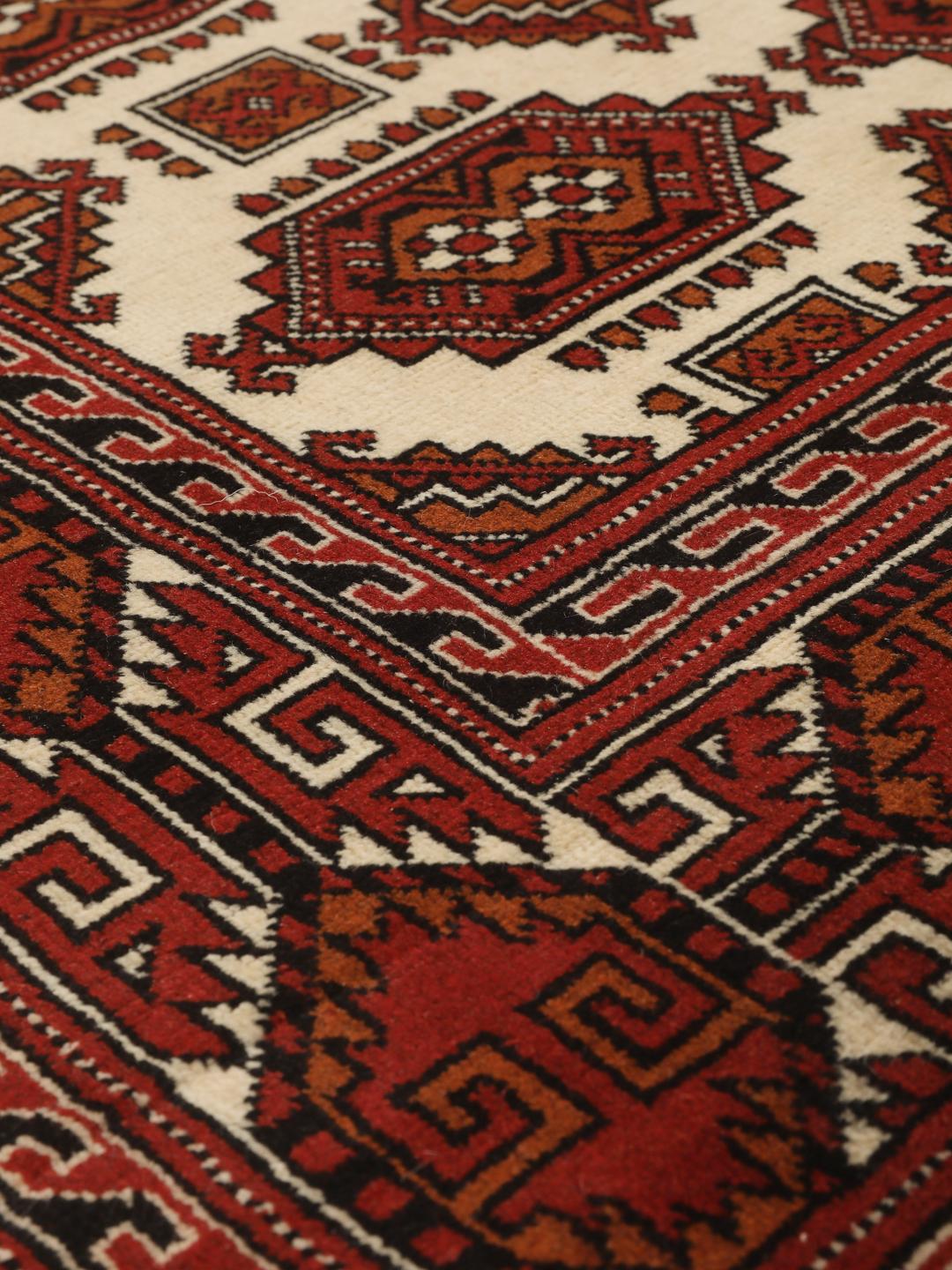
Visually, these rugs are defined by their signature gul motifs—repeating, octagonal medallions that represent tribal identity and protection. The field is typically organised in a formal grid, framed by elaborate, geometric borders that showcase the weaver's mastery of symmetry and balance. This specific piece displays a deep, rich palette that is emblematic of the traditional aesthetic.
Collecting a piece from this tradition is about more than just decor; it is about preserving a legacy of skill. These rugs are highly valued for their cultural weight and the incredible human effort required to create them. Owning one means you are a steward of a centuries-old craft that continues to bring beauty and a sense of heritage into modern homes.