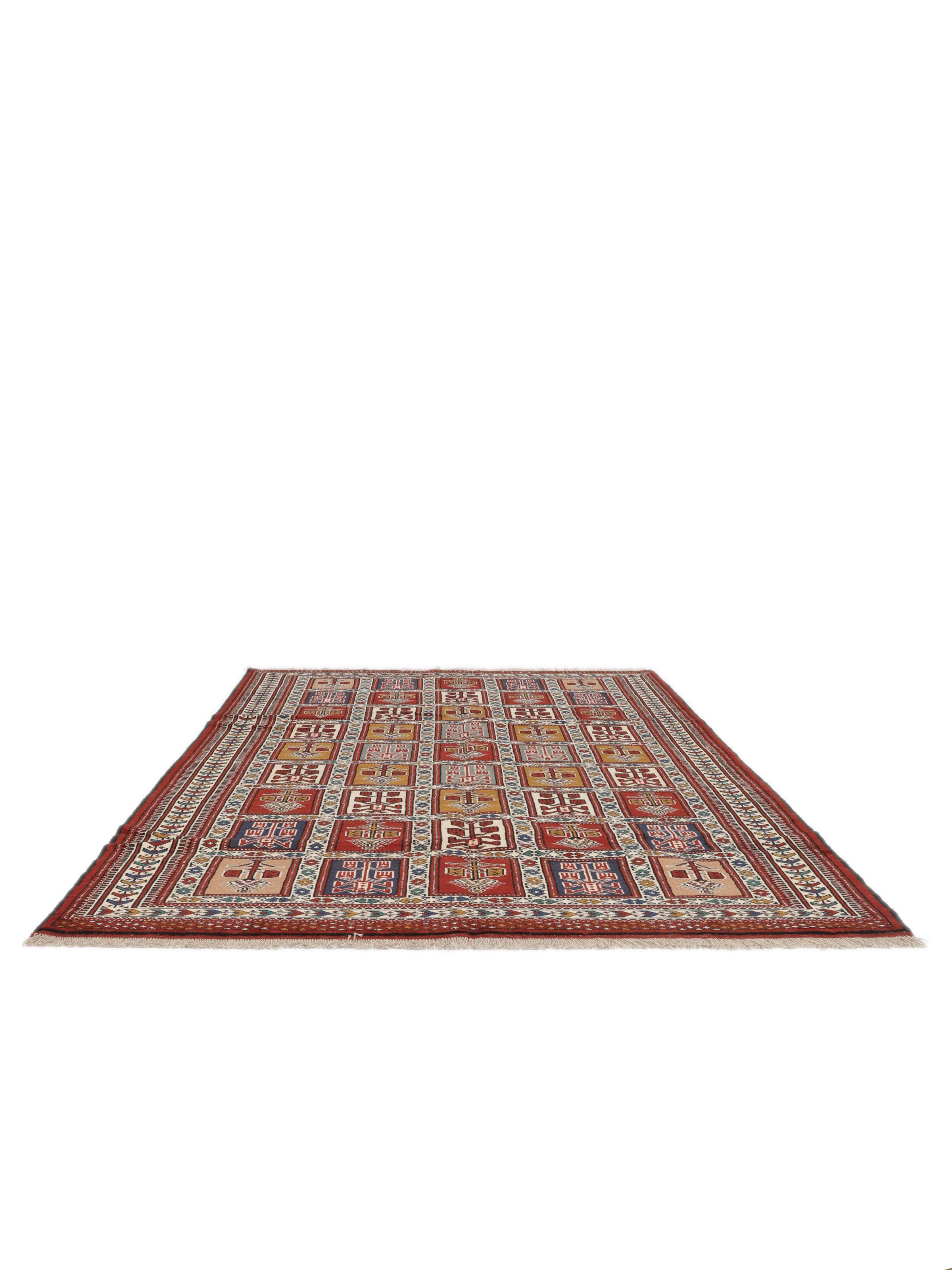
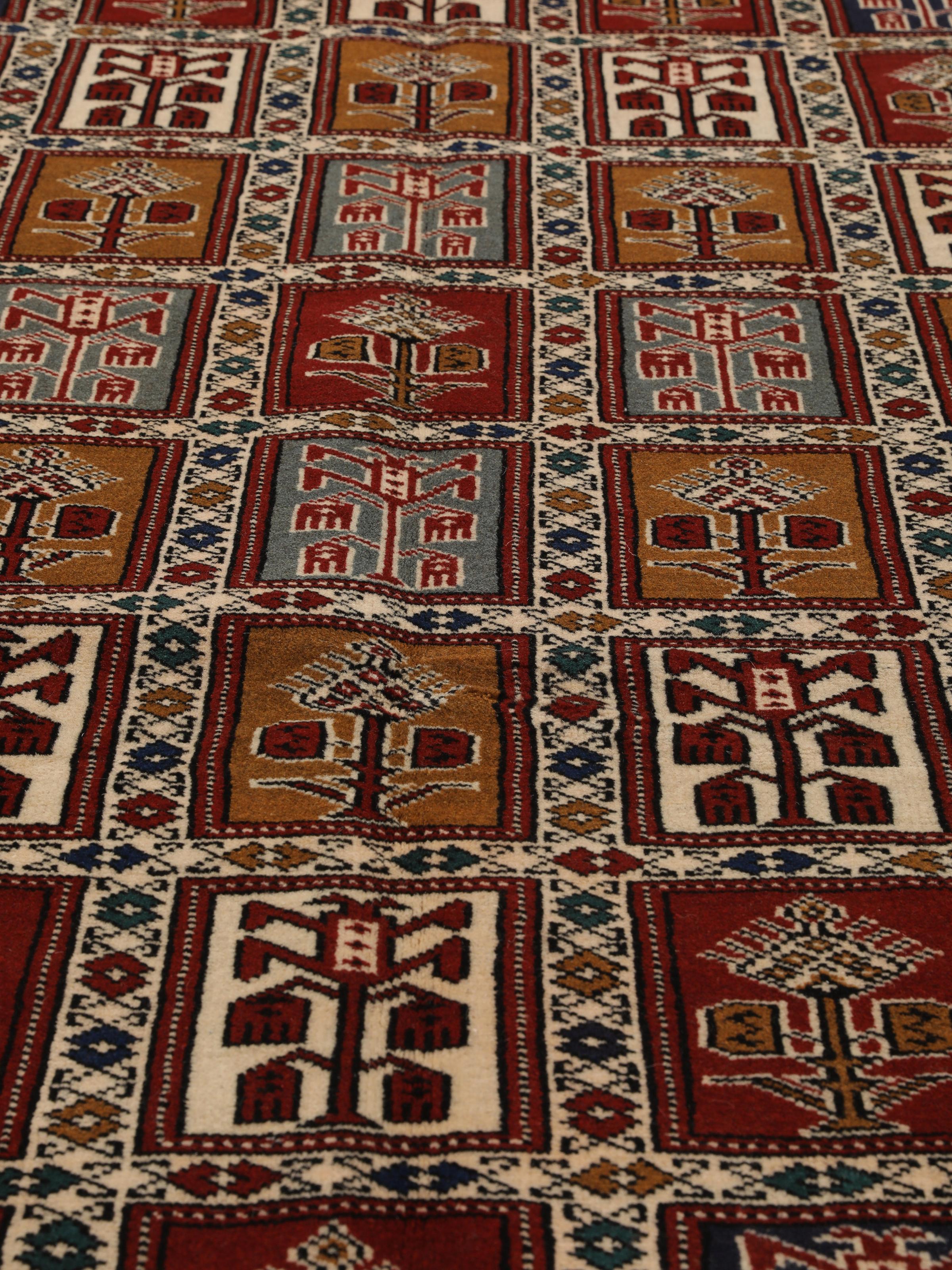
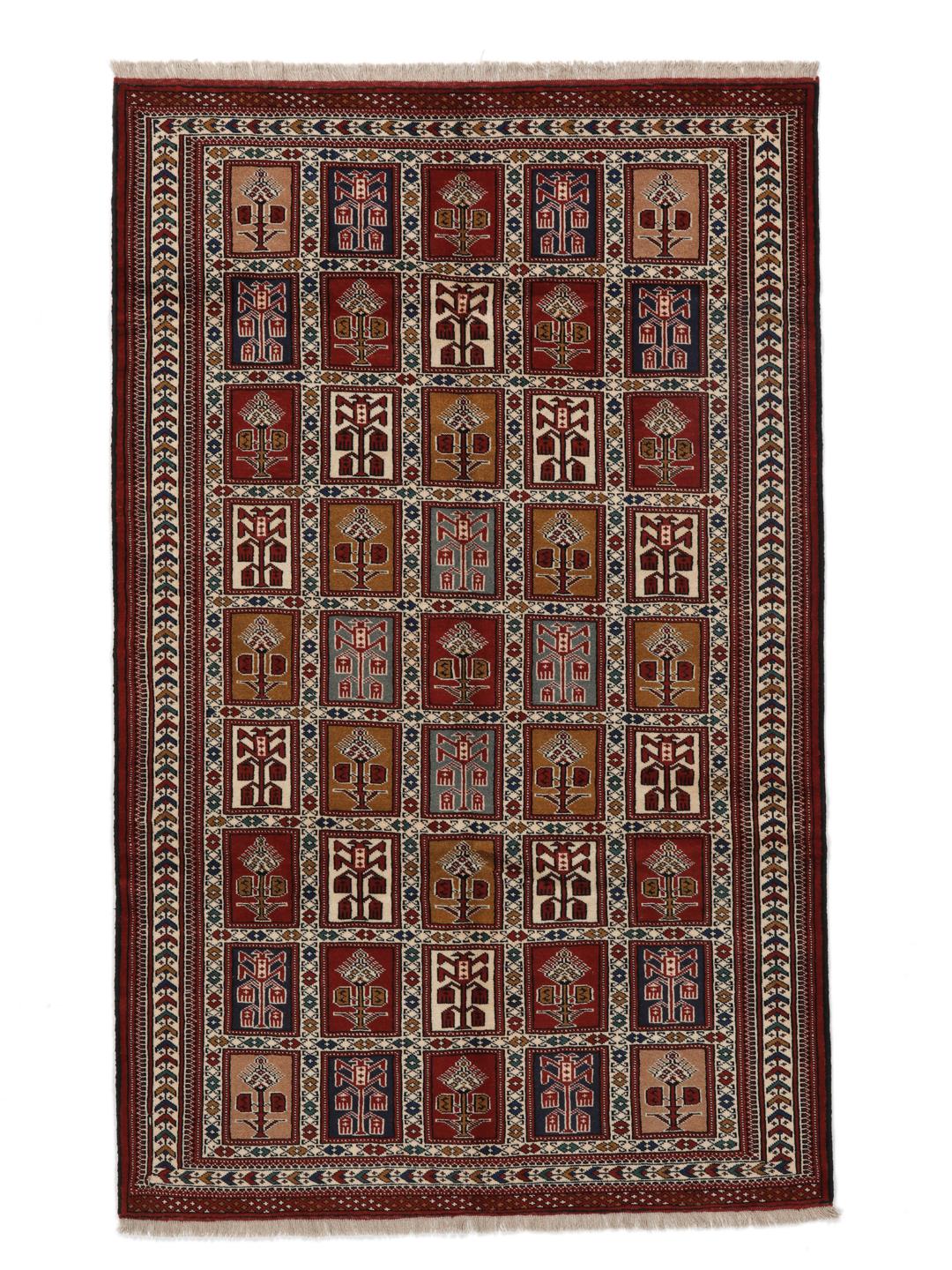
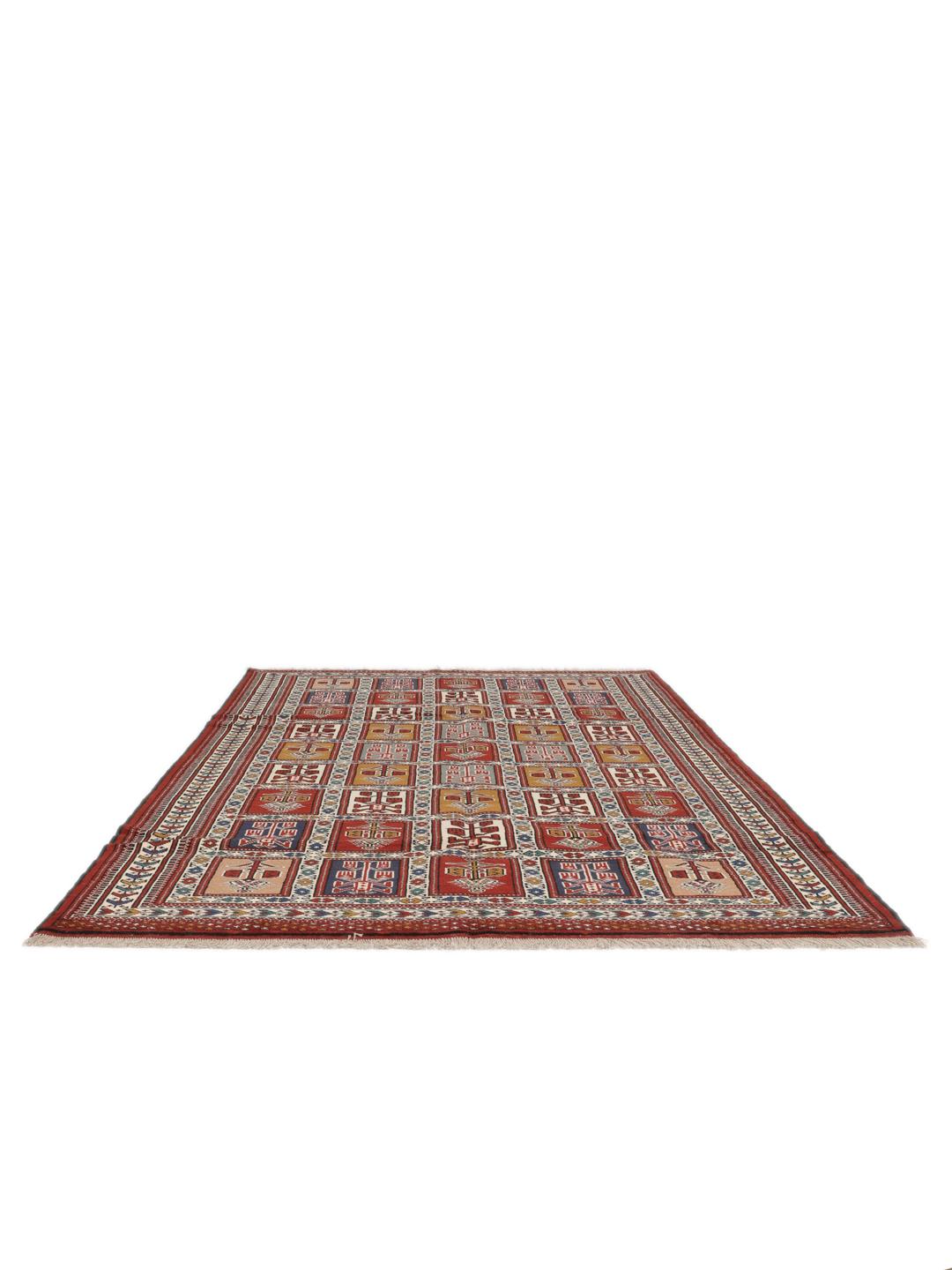
The Turkaman rug tradition finds its roots in the nomadic tribes of the Middle East, where weaving was a fundamental part of daily life and cultural expression. Historically, these rugs were created to serve as both functional floor coverings and symbols of tribal identity, with designs passed down through generations.
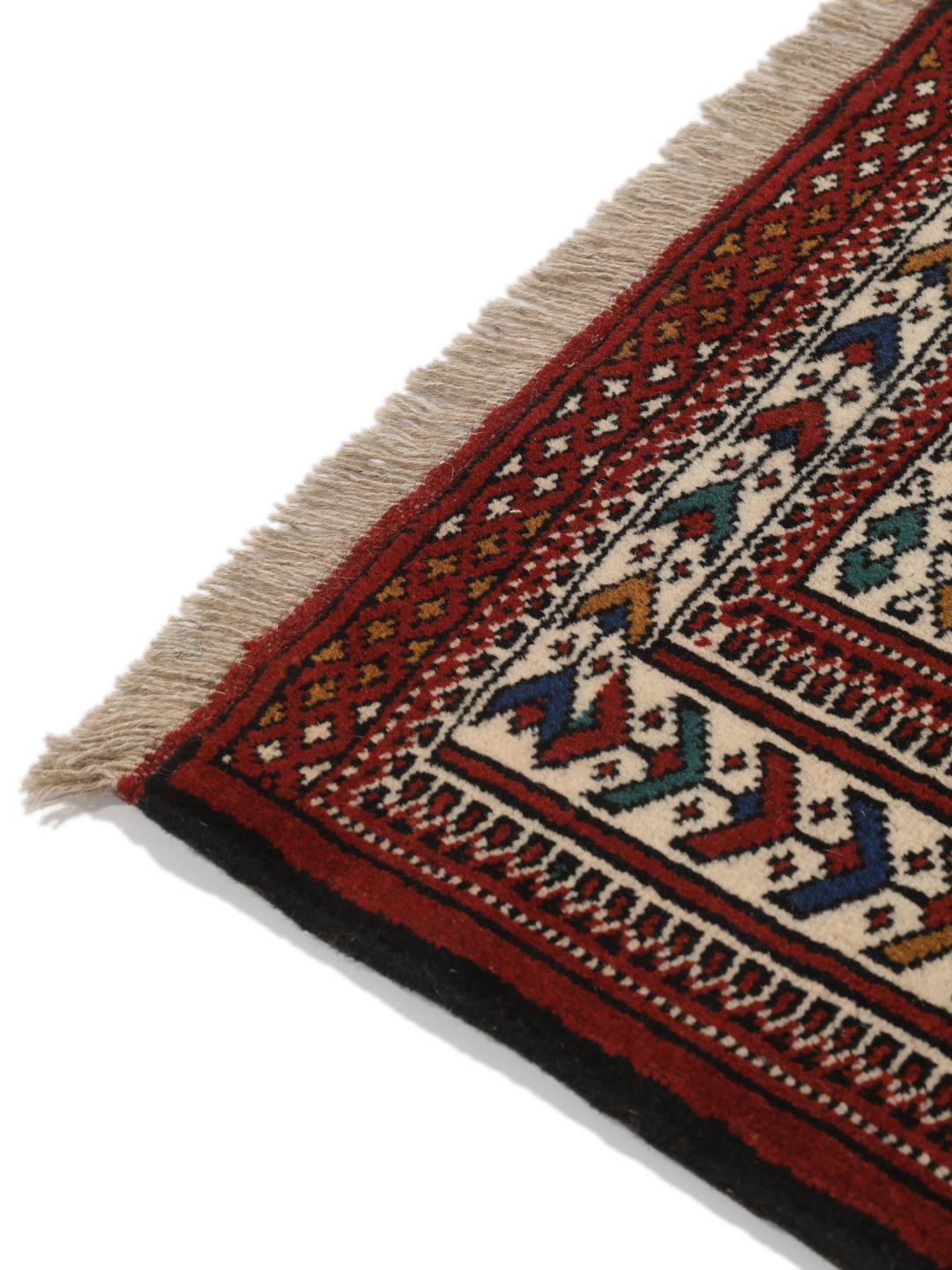
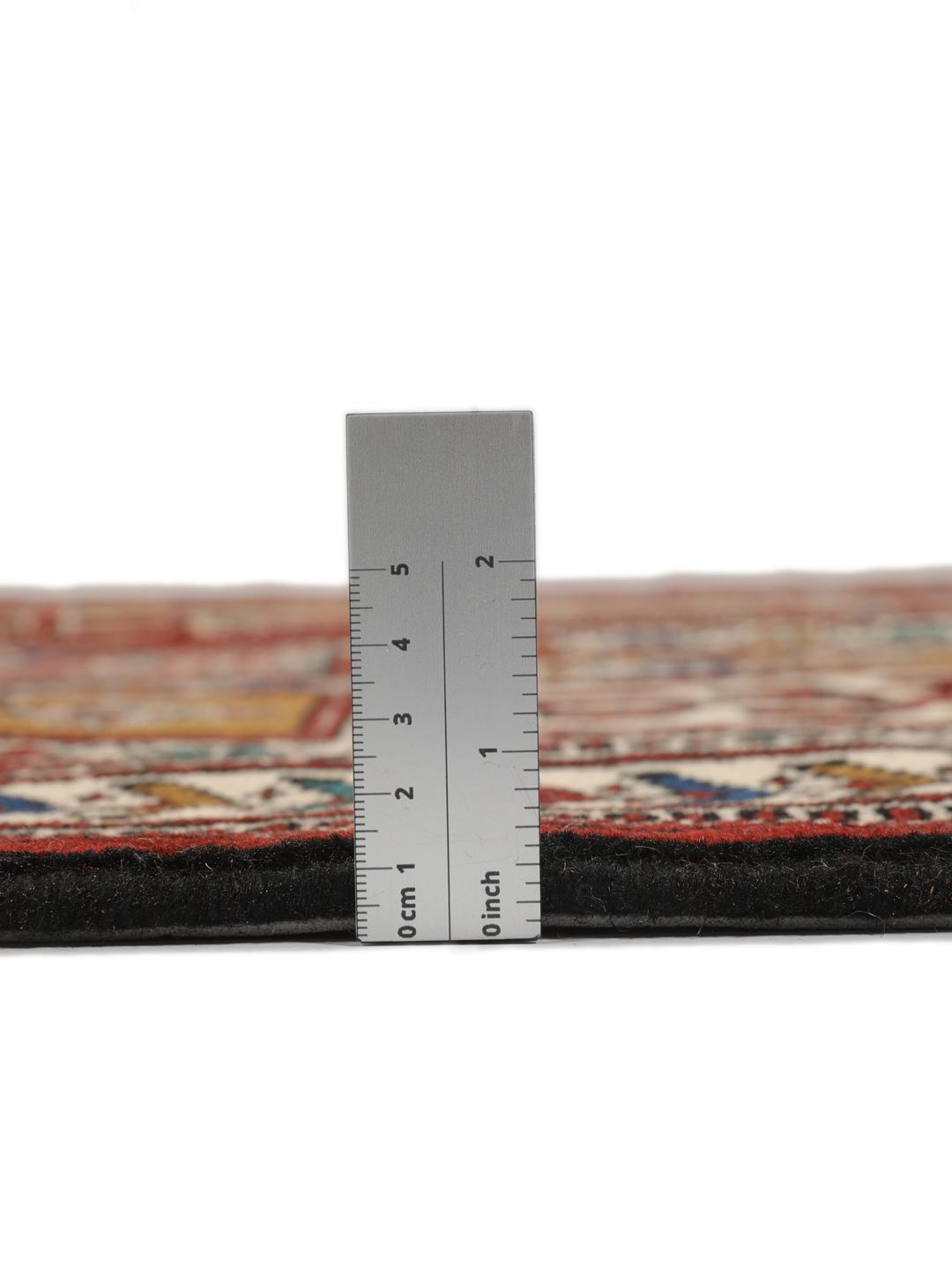
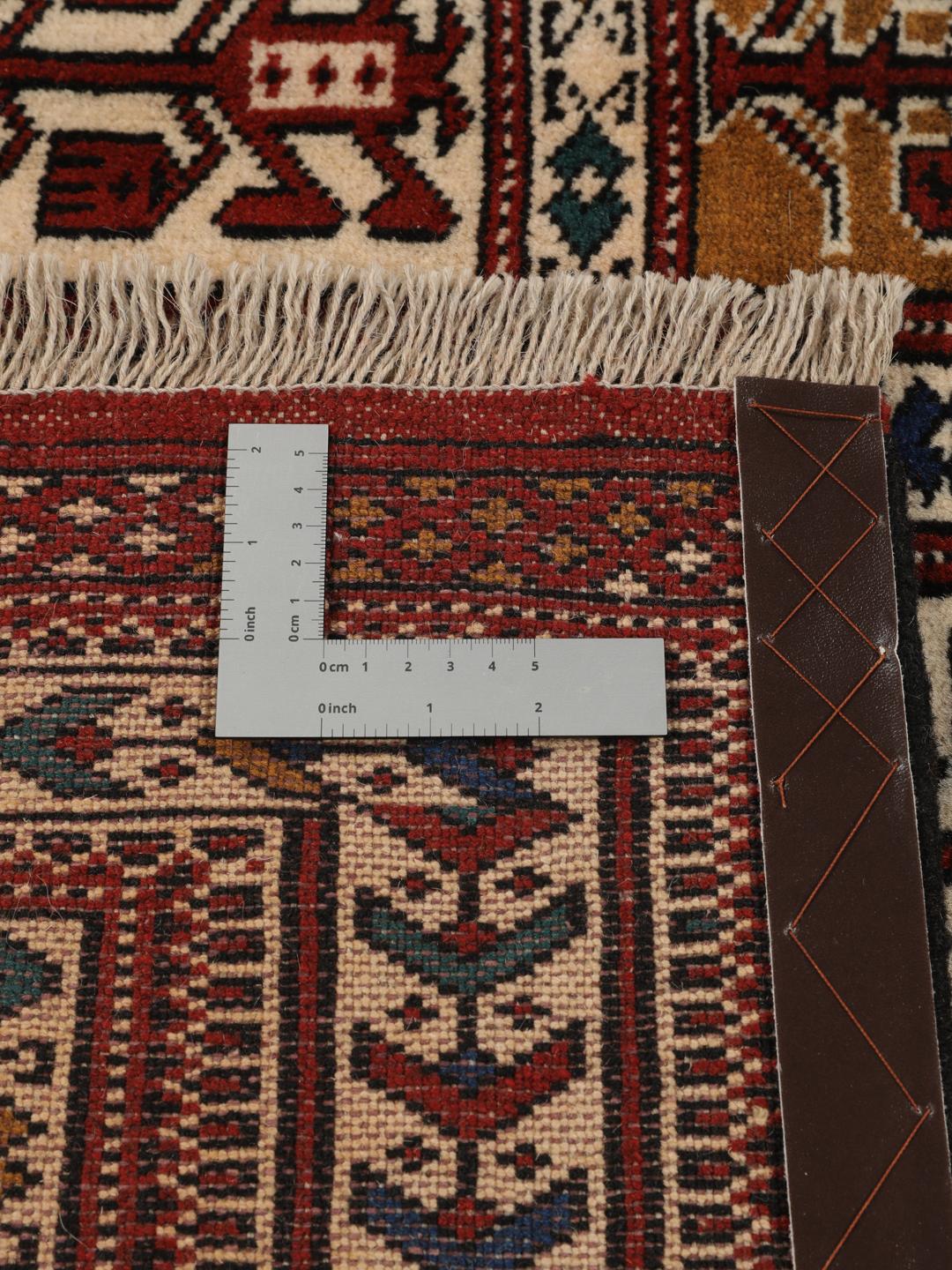
The technical mastery of these rugs is evident in their construction, which often utilises a high-density knotting technique. This creates a durable, resilient surface that maintains its appearance over time. The use of high-quality Wool, combined with a sturdy foundation, ensures that the resulting rug is both supple and strong, capable of enduring the rigours of nomadic travel and domestic life alike.
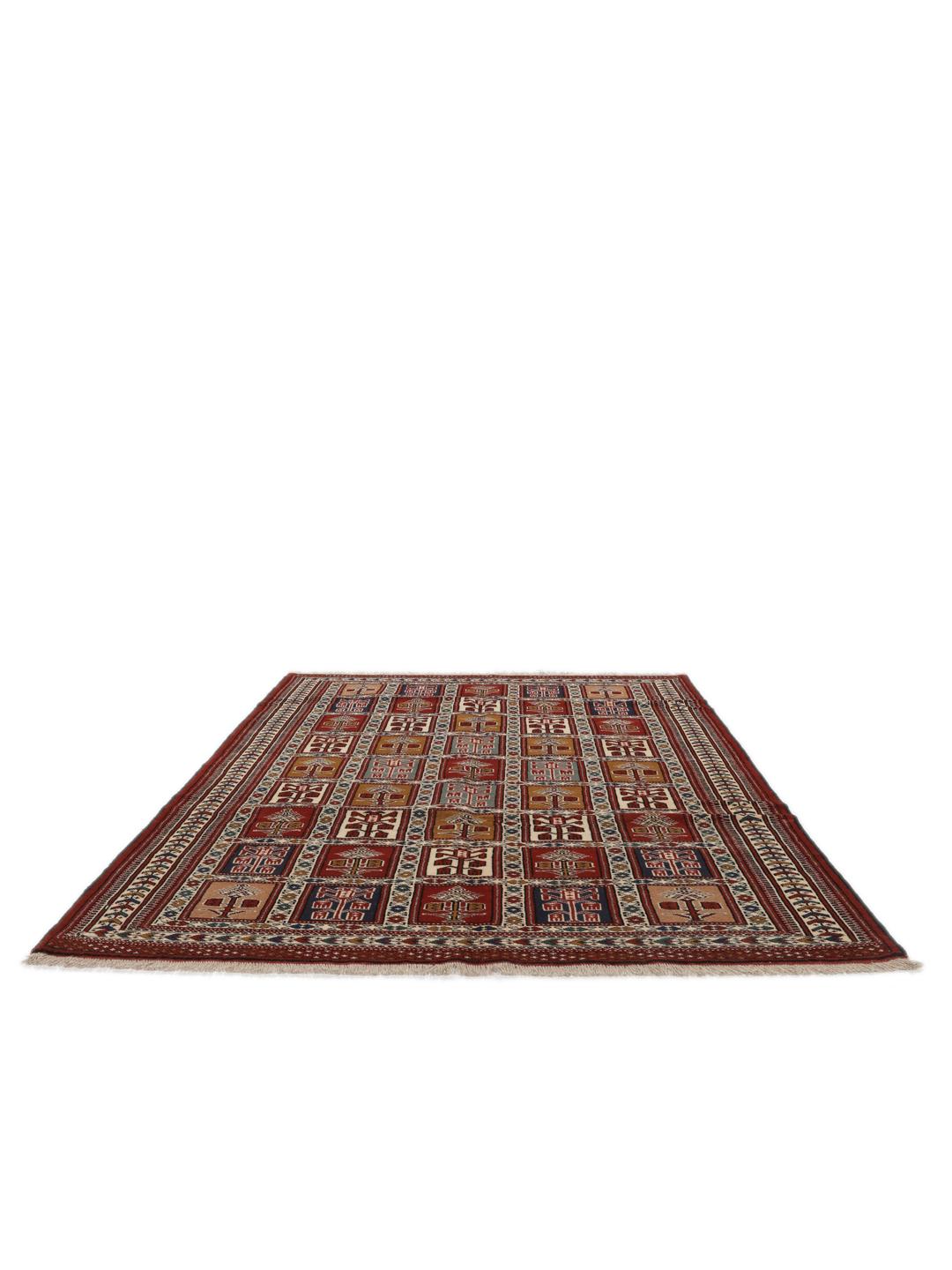
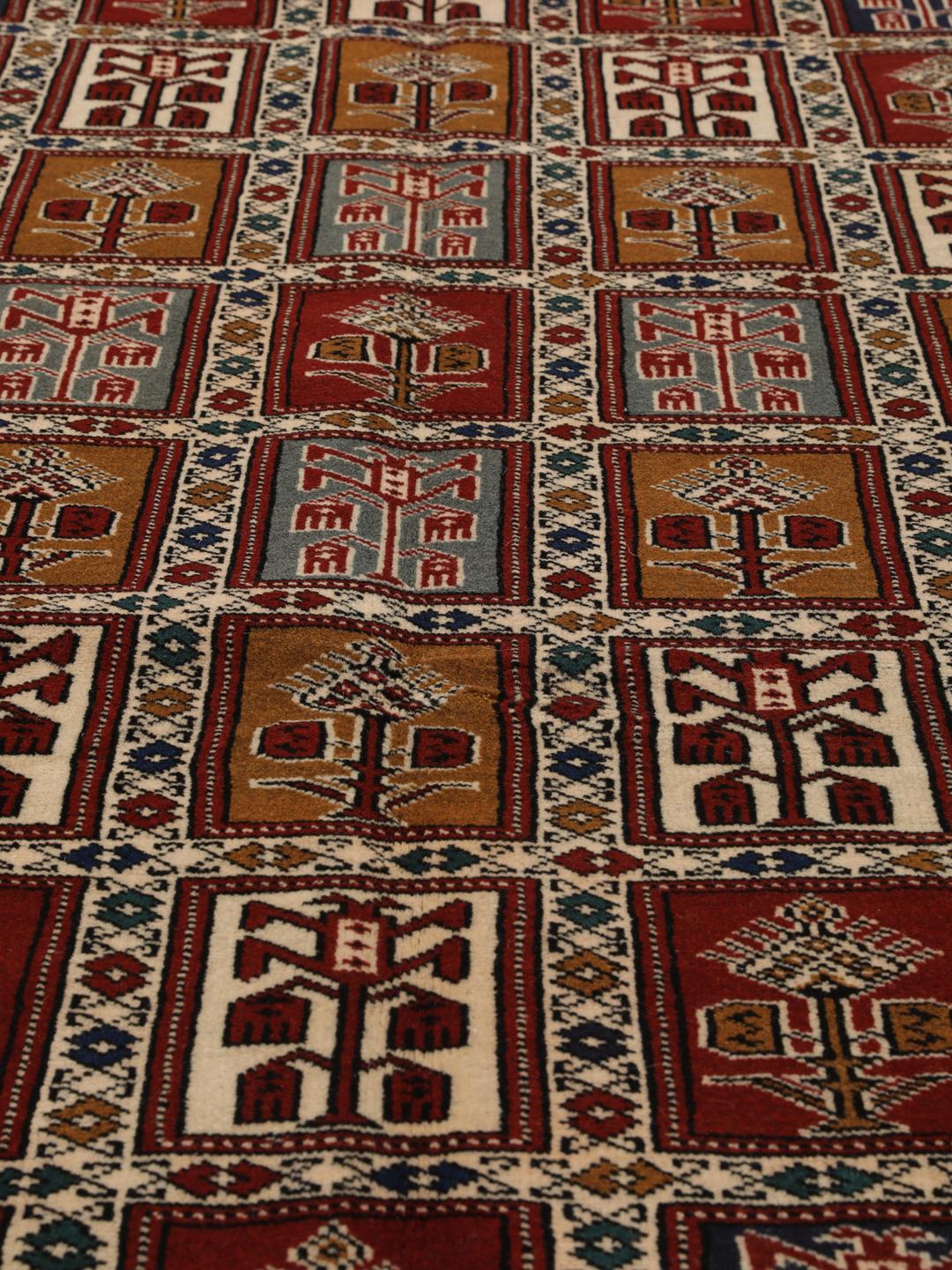
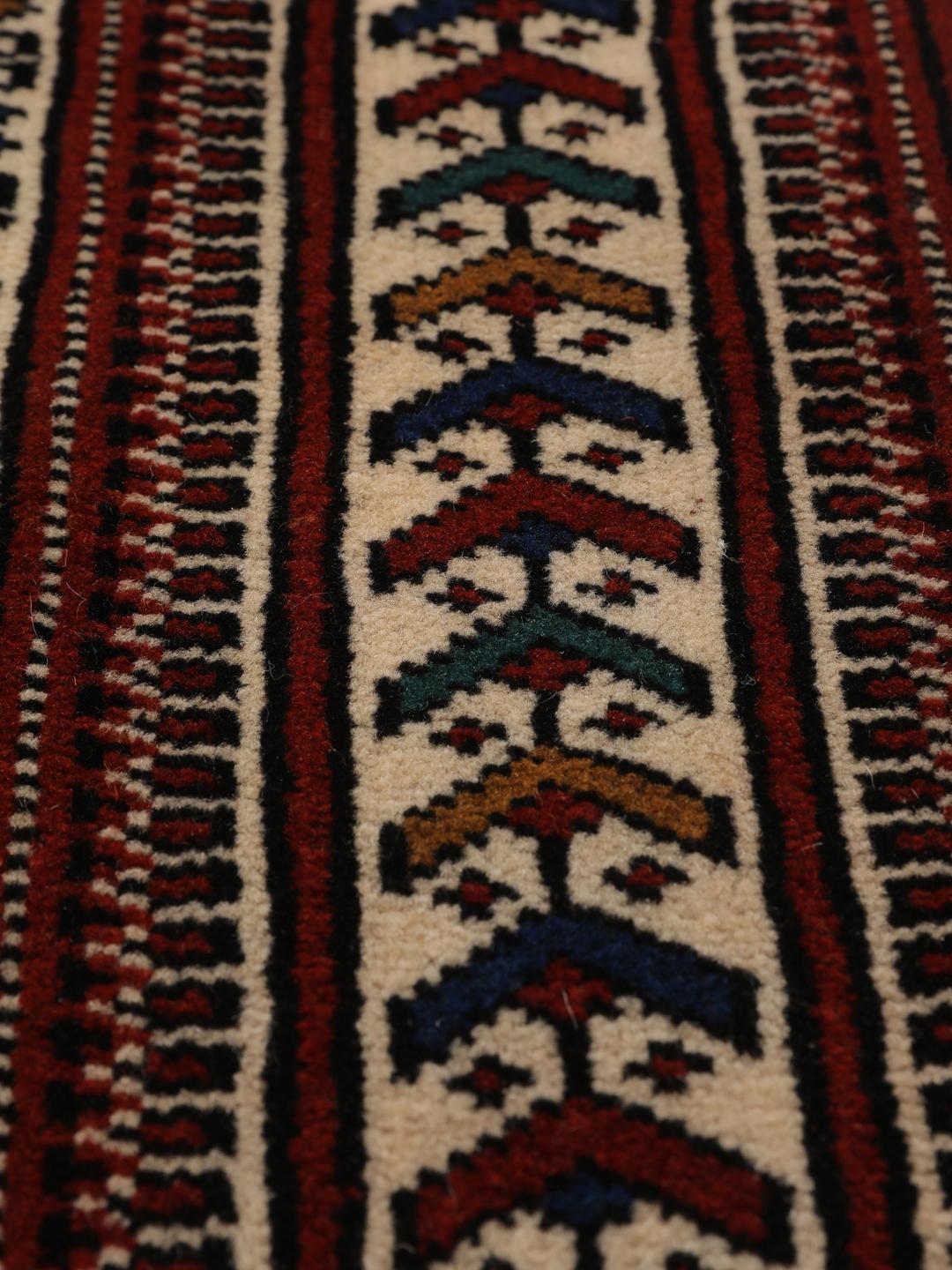
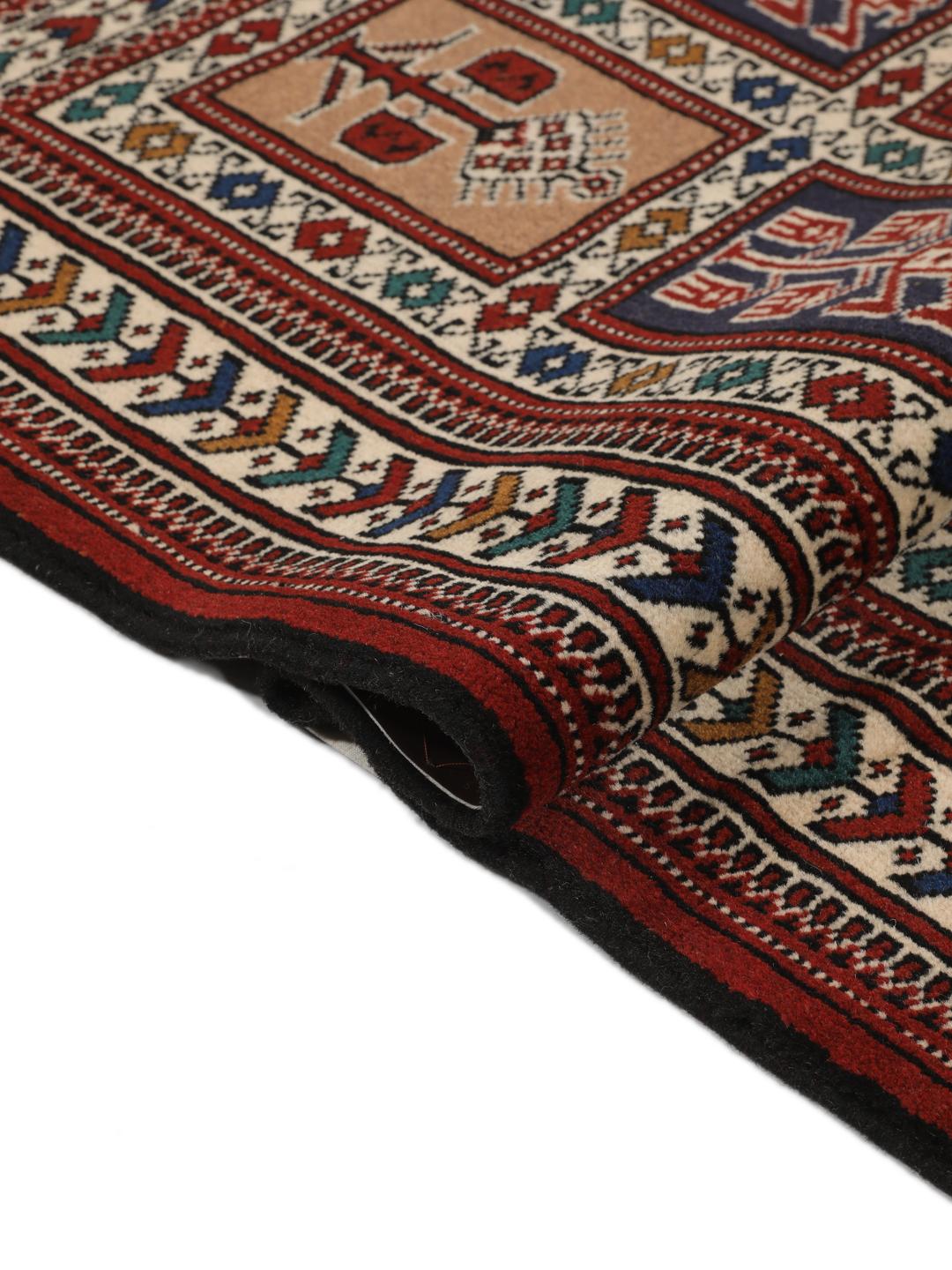
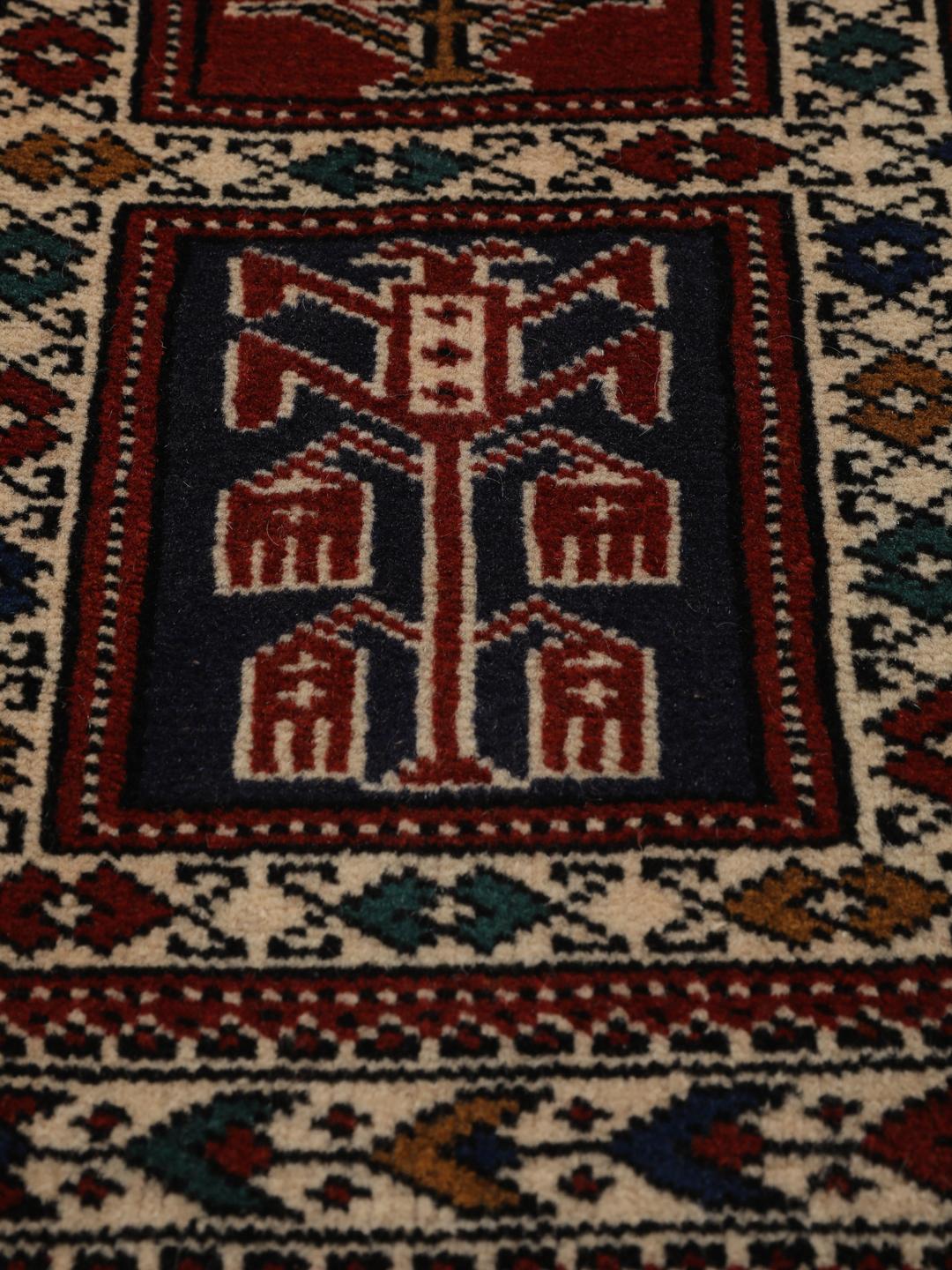
Visually, Turkaman rugs are distinguished by their disciplined use of repeating motifs, most notably the 'gul'. These octagonal medallions are arranged in a formal grid, representing traditional symbols of the tribe. While the classic palette is dominated by deep, earthy reds, the inclusion of secondary colours often highlights the intricate geometric borders that frame the central field.
Collecting a piece from this tradition is an investment in cultural heritage. These rugs are valued not just for their visual impact, but for the skill and history woven into every inch. By bringing one into your home, you are continuing a long-standing legacy of human artistry that transcends simple decoration.