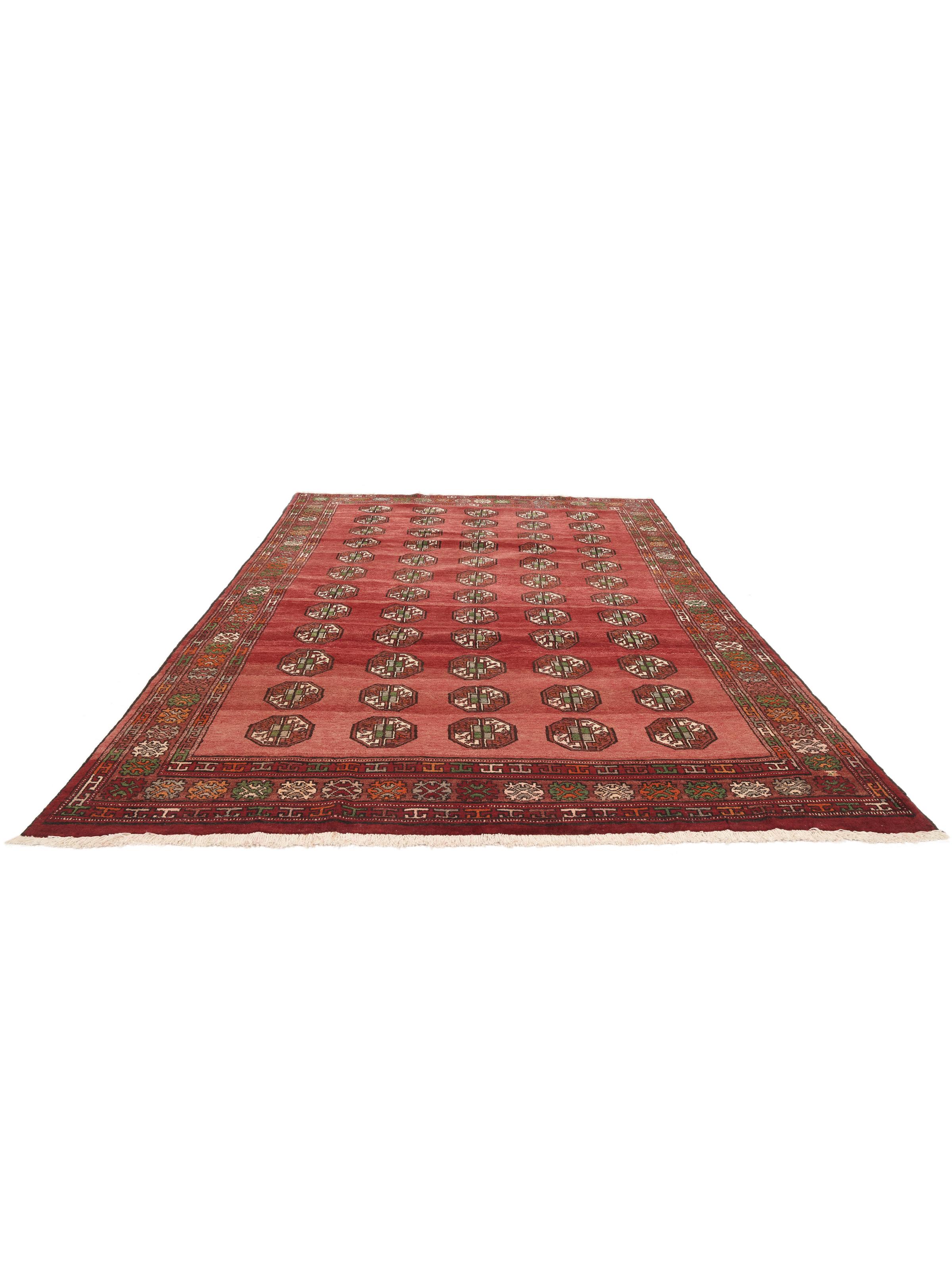
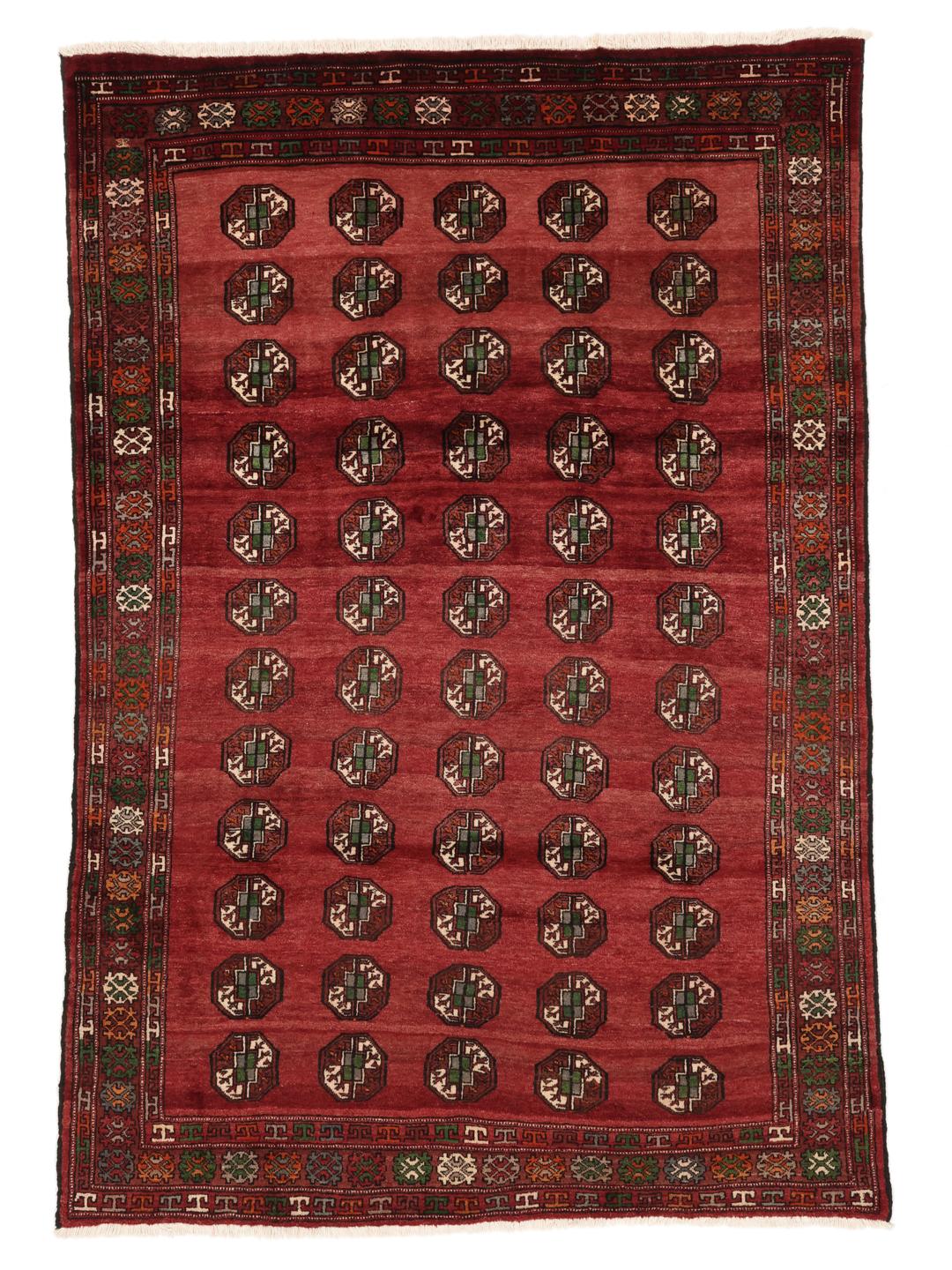
Turkaman rugs originate from the nomadic and semi-nomadic tribes of Central Asia and the Middle East, a region with a deep-rooted tradition of textile art. Historically, these rugs were woven as essential functional items for tribal life, serving as floor coverings, tent decorations, and storage bags. Over centuries, these designs have evolved, yet they retain the spirit of their nomadic heritage.
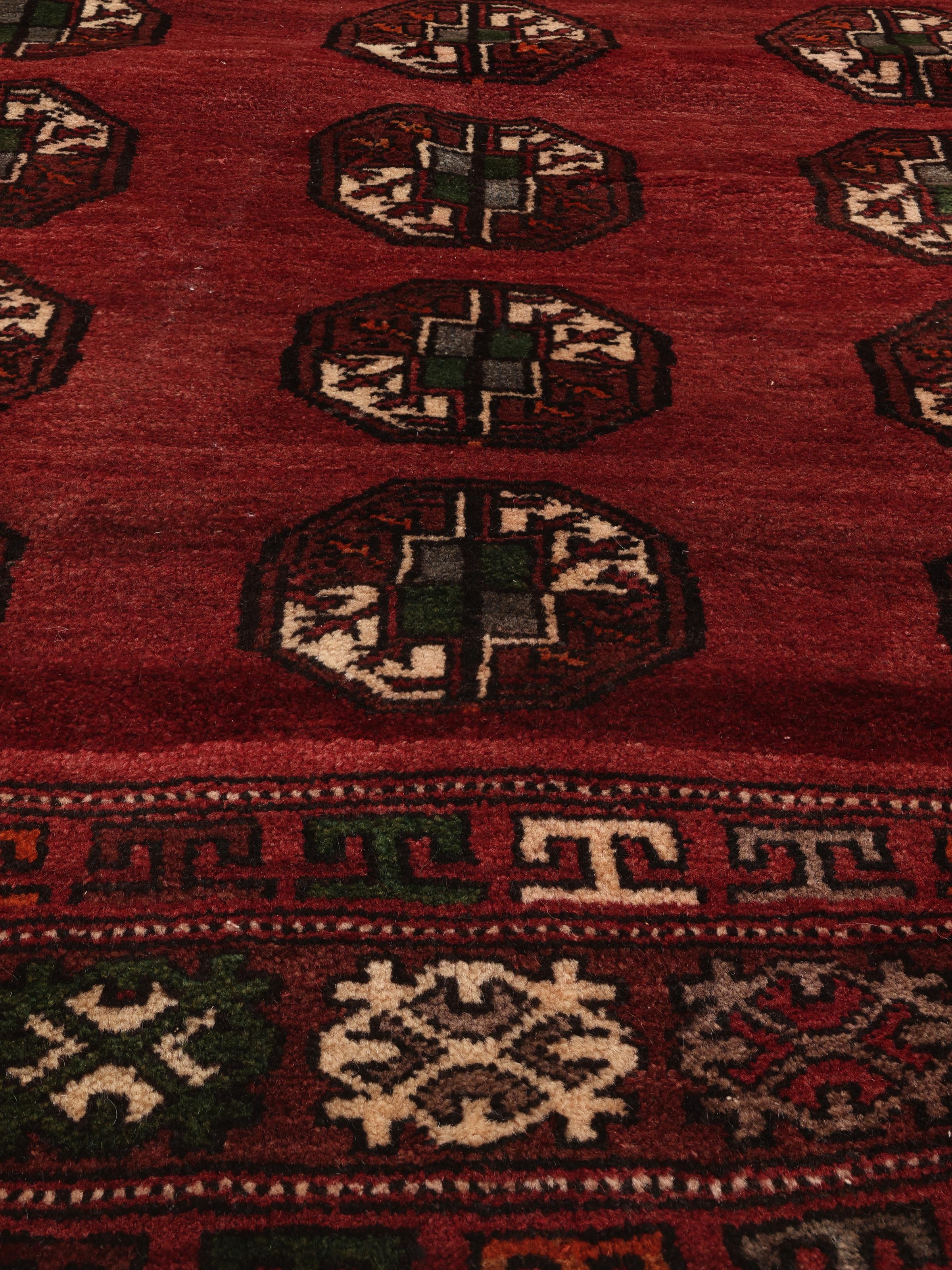
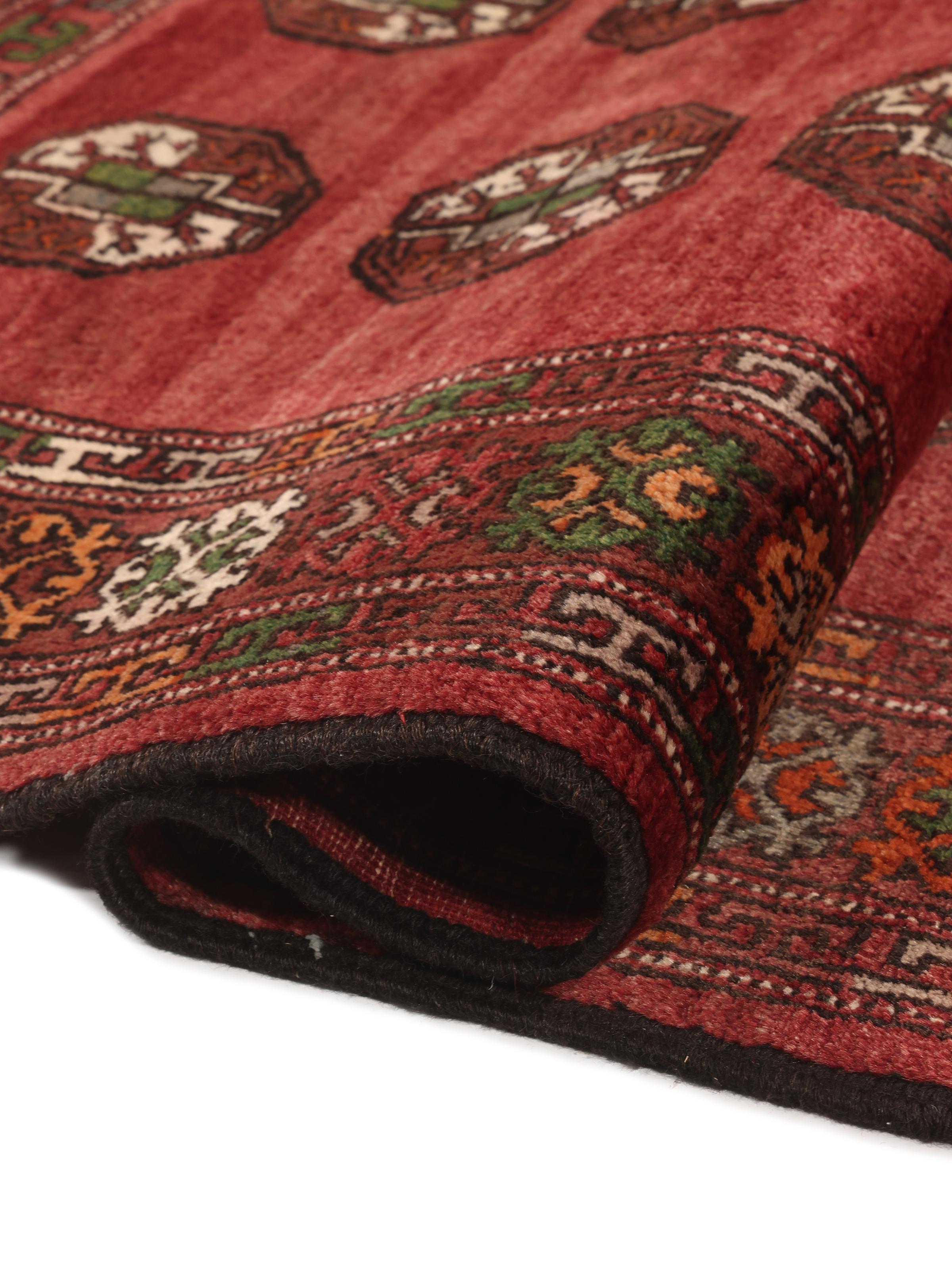
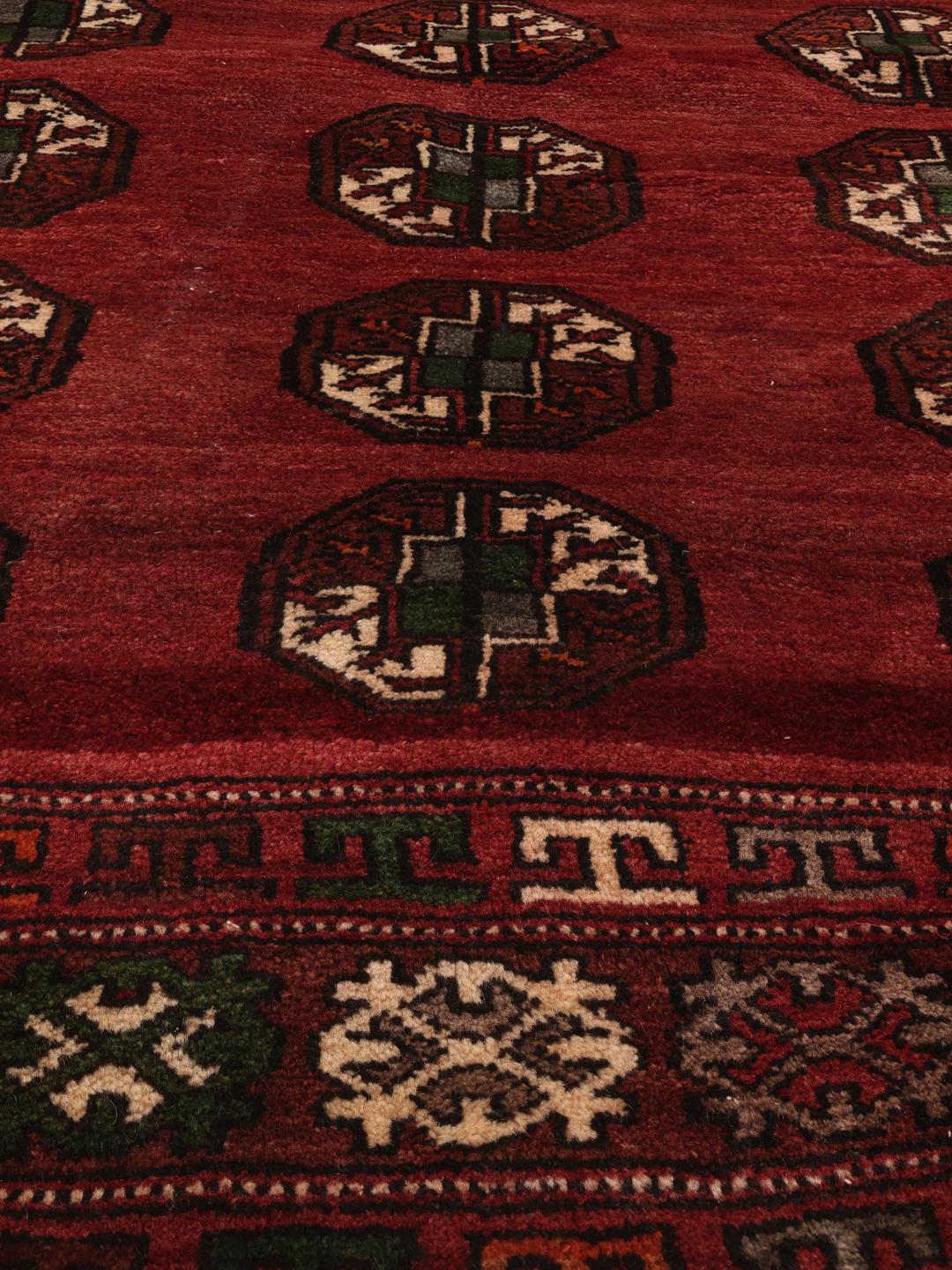
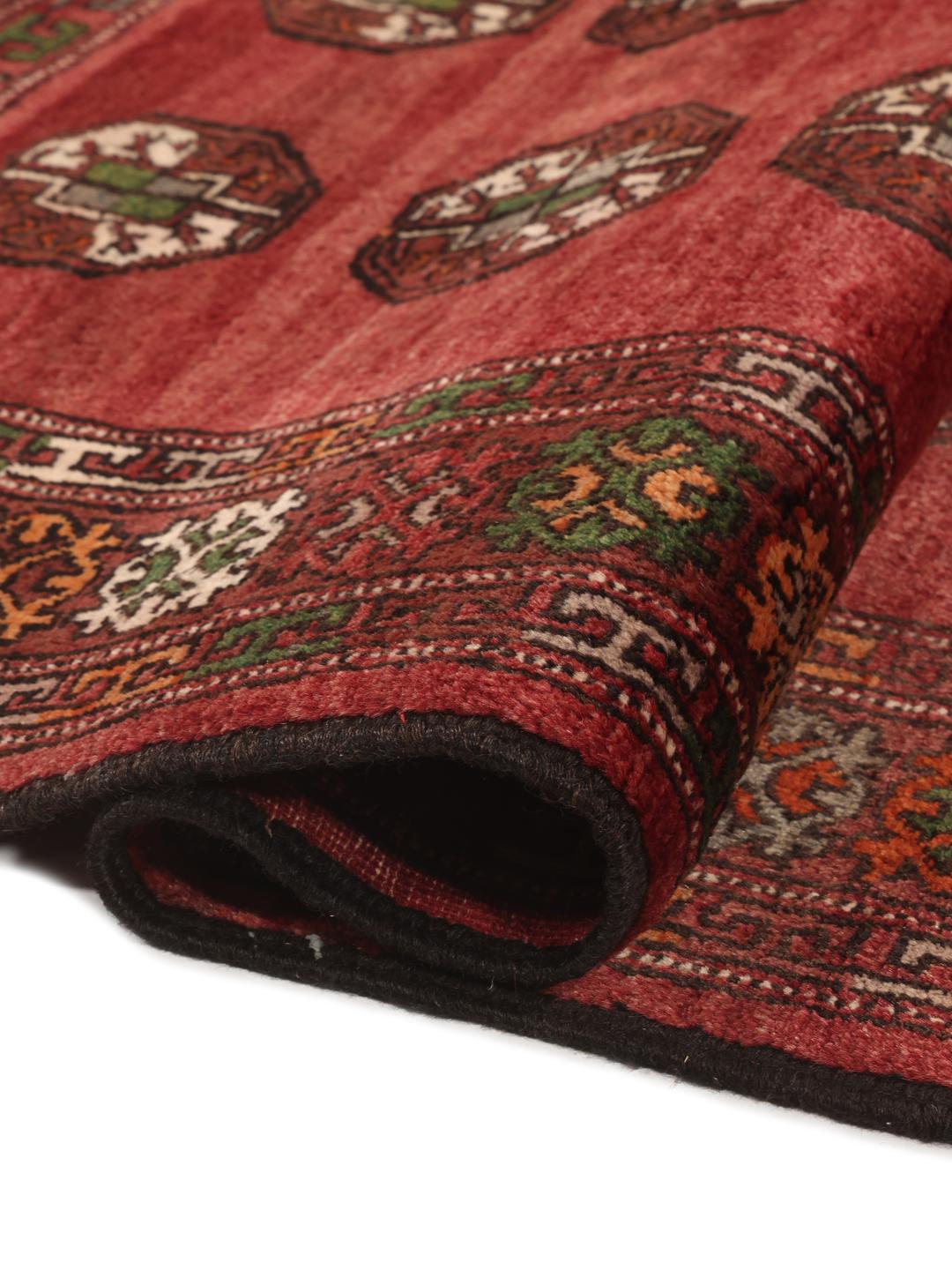
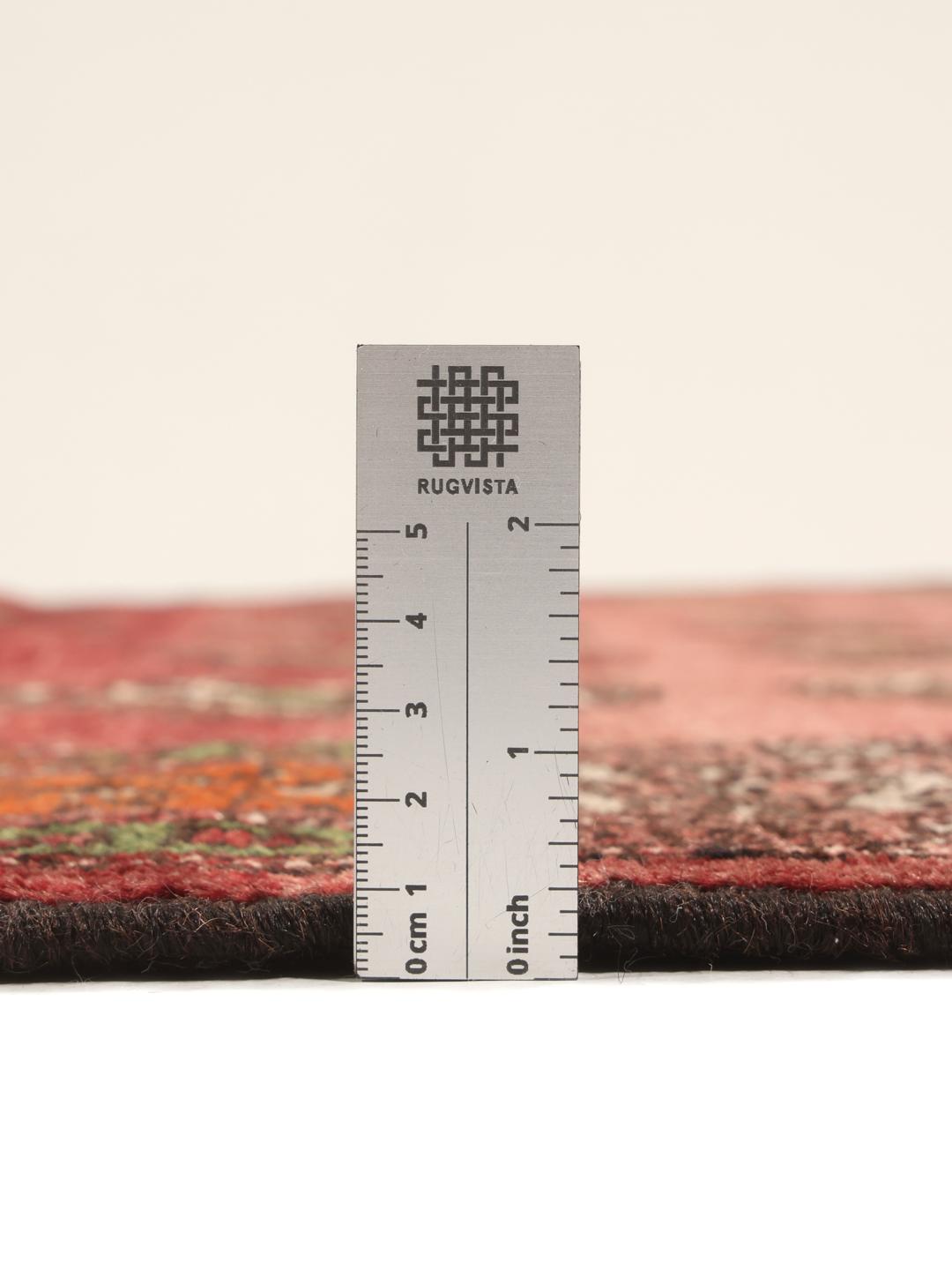
The term Turkaman refers to both the tribal origin and the distinct aesthetic of these rugs. A key technical feature of these pieces is the use of high-quality wool that is carefully prepared and spun. This material choice is vital because it allows the rug to develop a natural, healthy sheen over time, ensuring that the vibrancy of the colours remains preserved even after years of use.
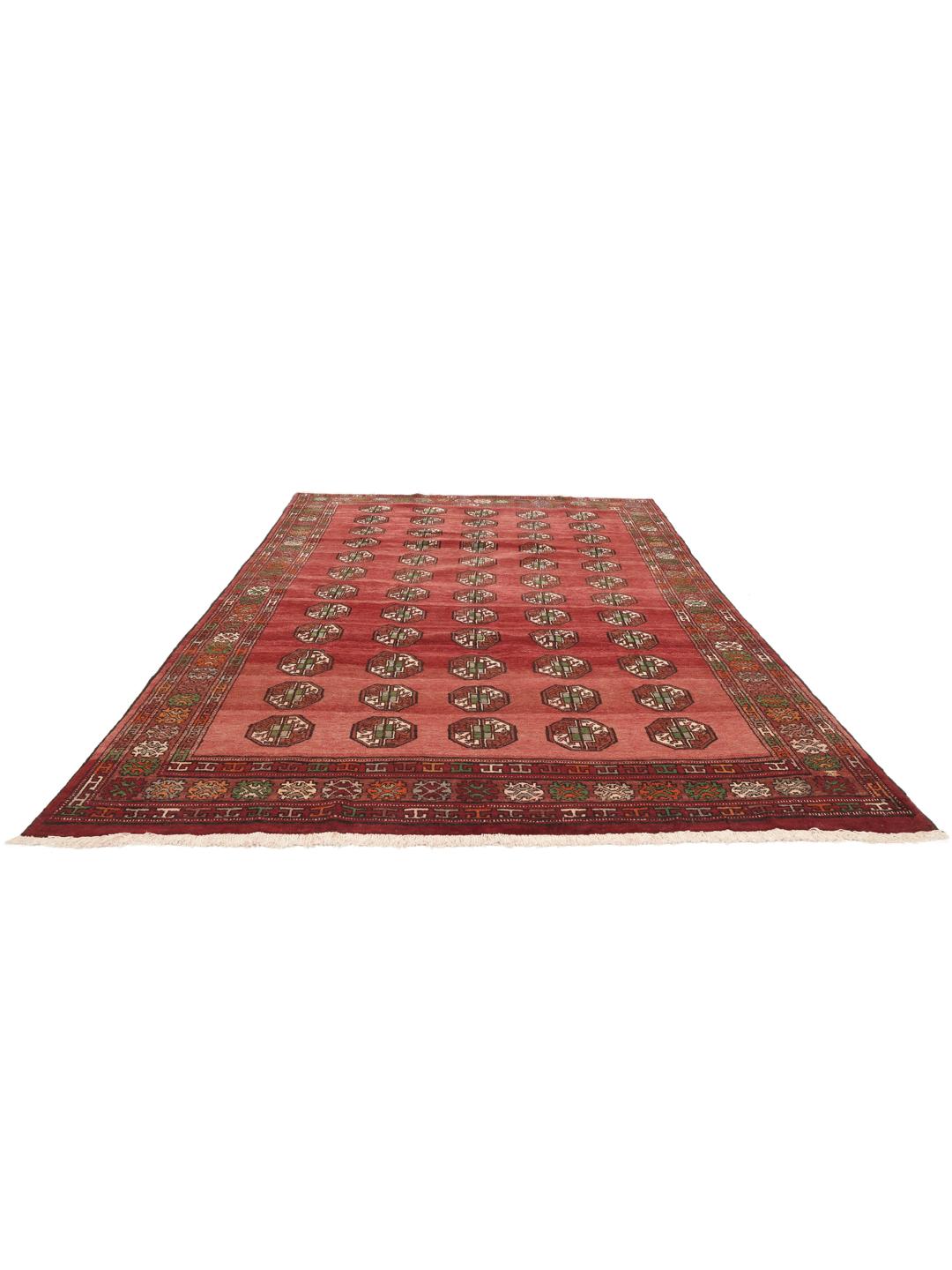
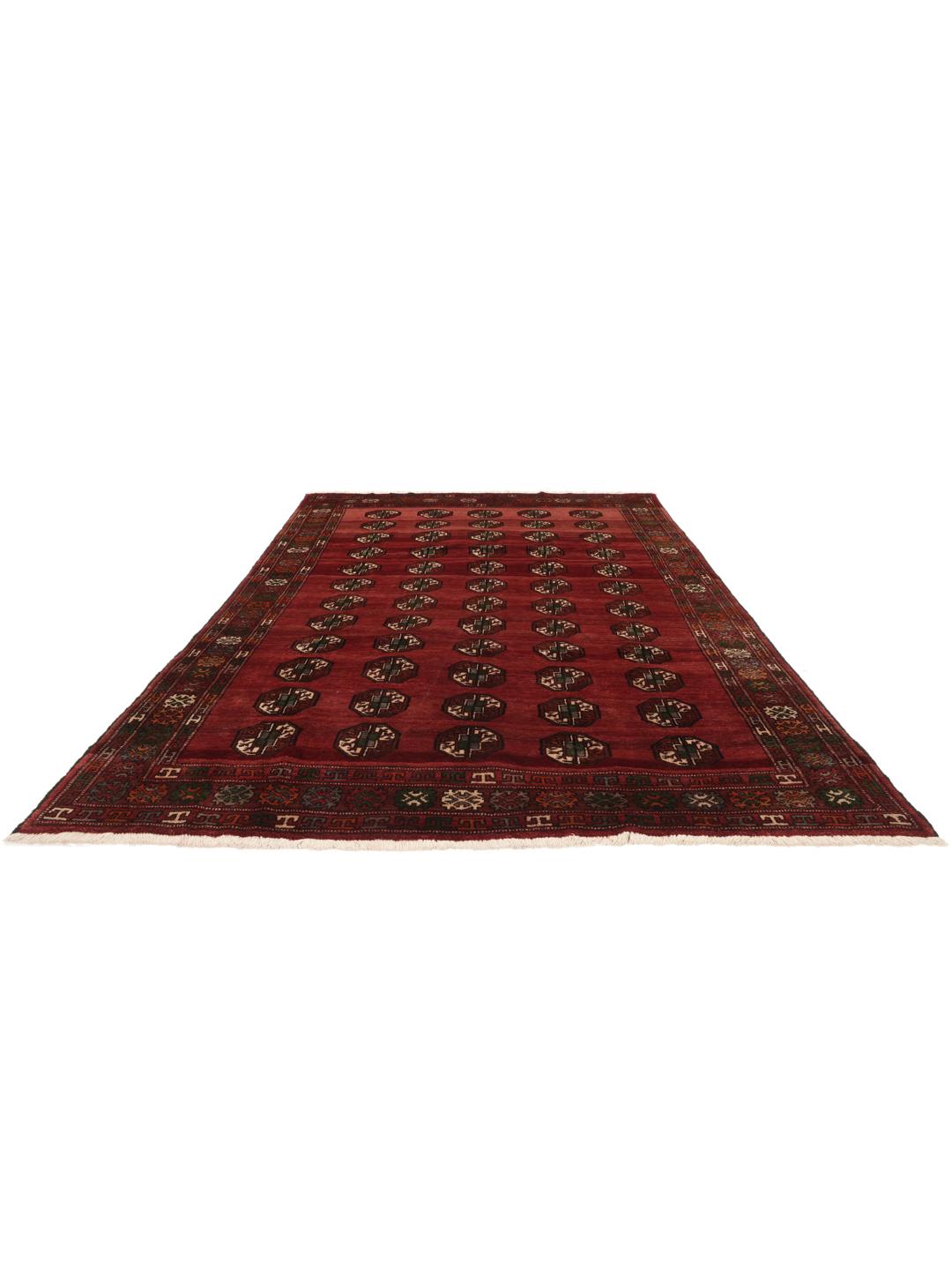
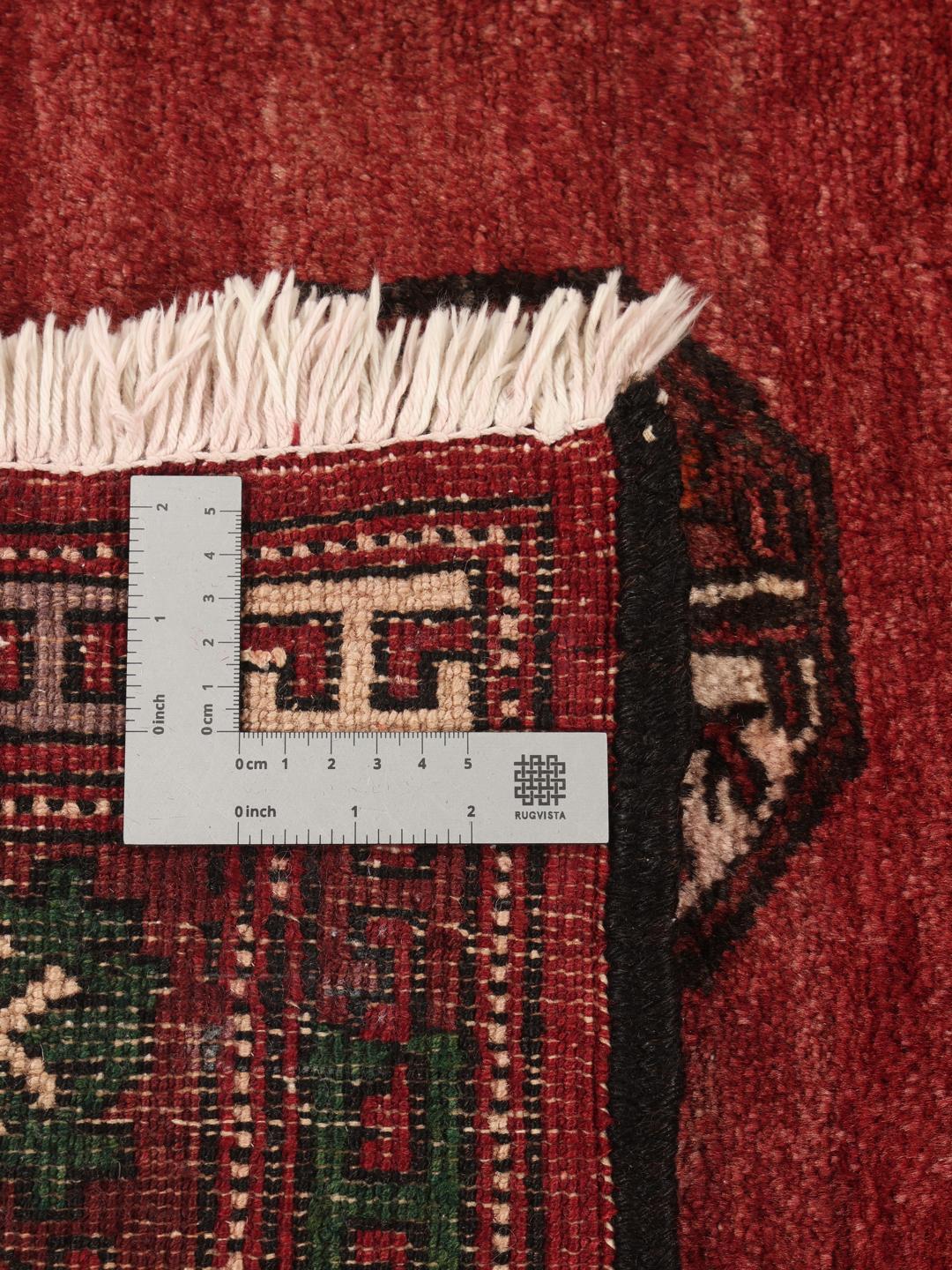
Signature design elements of Turkaman rugs include the repeating gul motif, which is a stylized, octagonal emblem that represents the tribal identity of the weaver. These guls are typically arranged in clean, geometric rows across the field, often framed by complex, multi-layered borders that feature traditional latch-hook or geometric patterns. This rug follows these classic traditions while maintaining a unique, individual expression.
Today, these rugs are highly valued by collectors for their cultural significance and the immense skill required for their production. Owning a Turkaman rug means participating in a centuries-old tradition of craft. It is more than just a floor covering; it is a piece of heritage that bridges the gap between ancient nomadic life and the modern home, offering a connection to a rich, enduring history.