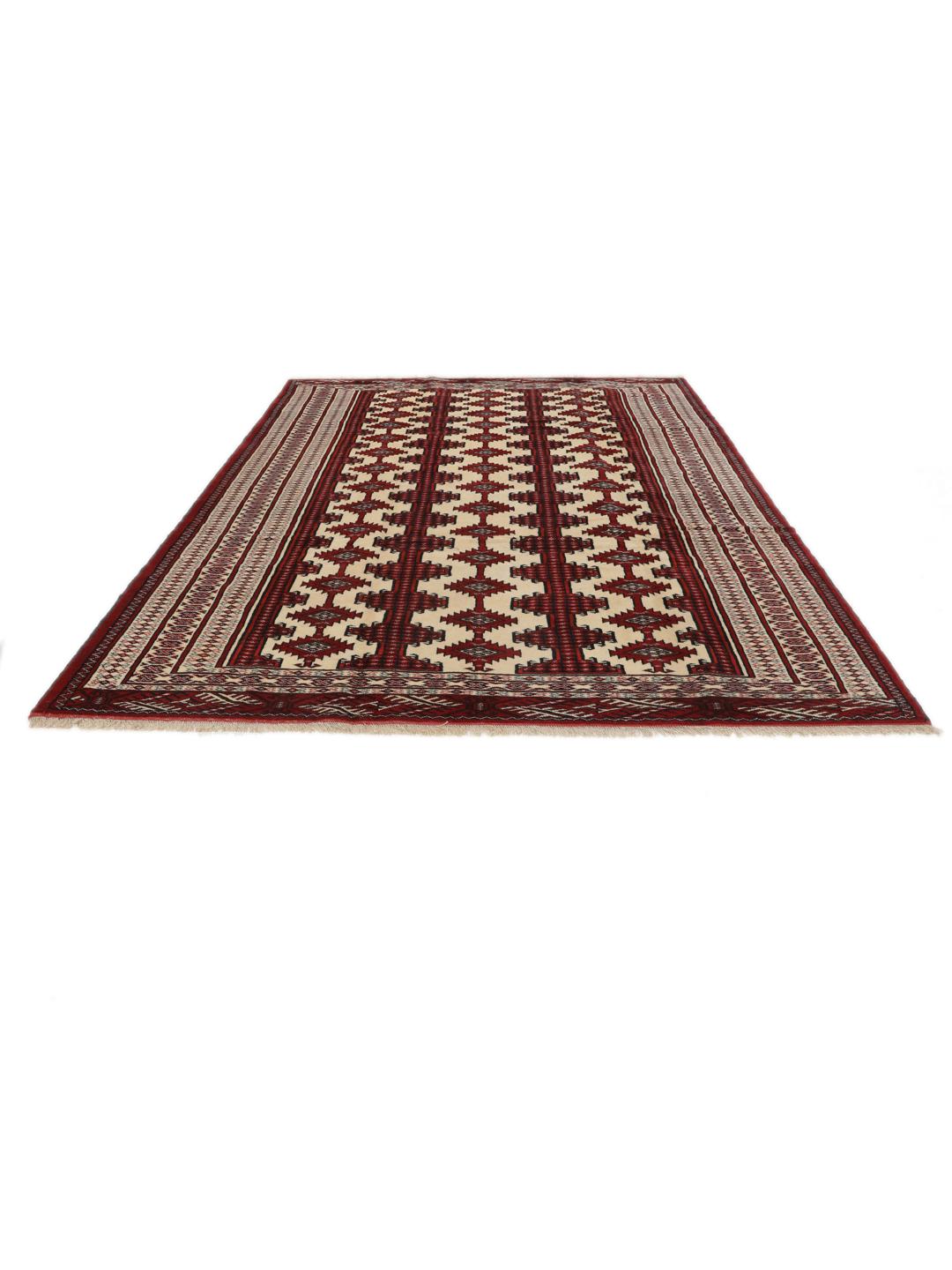
Turkaman rugs originate from the nomadic tribes of Central Asia, a region with a deep-seated history of weaving that stretches back centuries. Over time, these traditions migrated and evolved, eventually becoming a hallmark of fine craftsmanship across the Middle East. Today, these rugs are celebrated for their ability to blend ancient tribal aesthetics with a refined, sophisticated look.
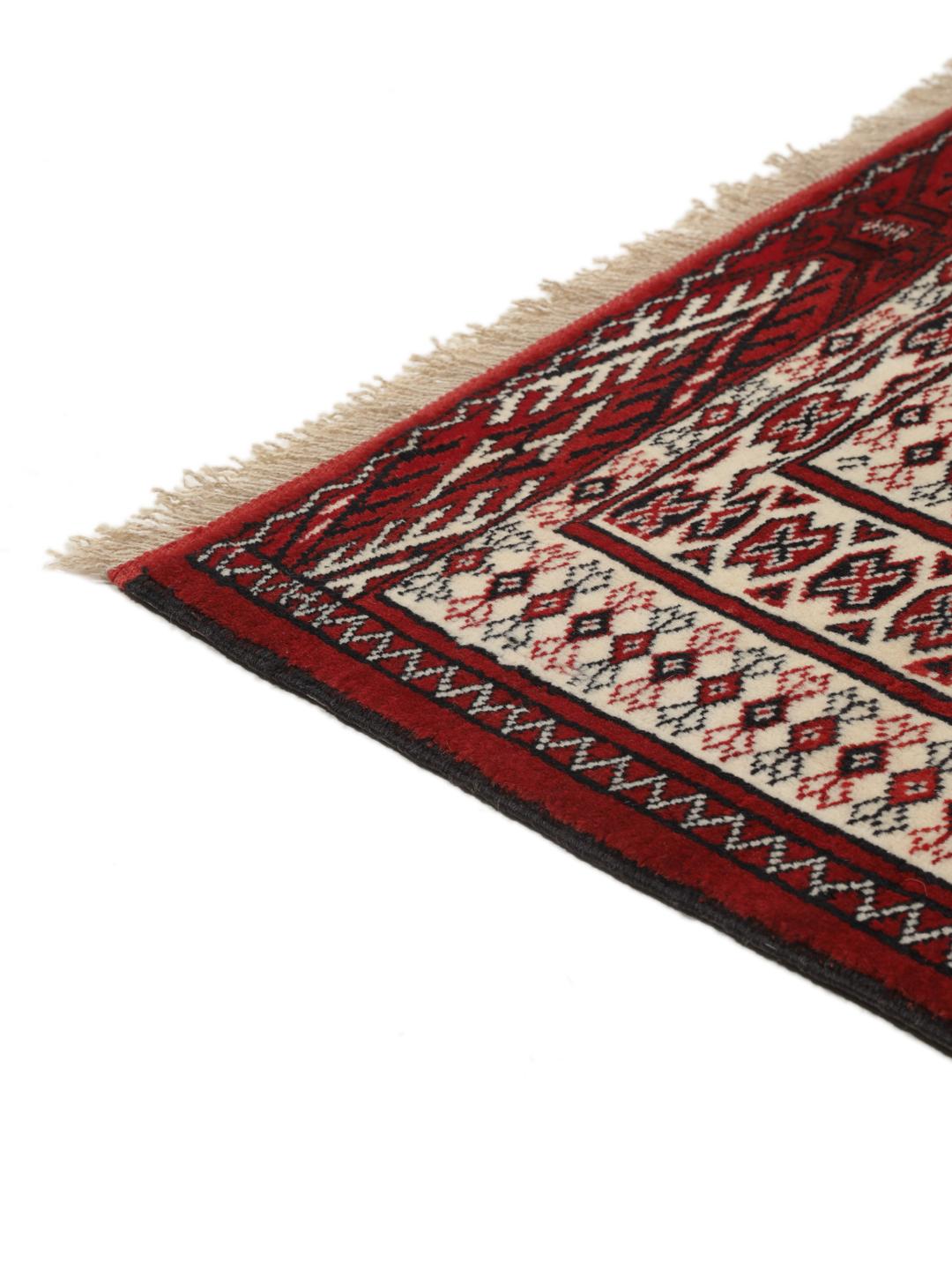
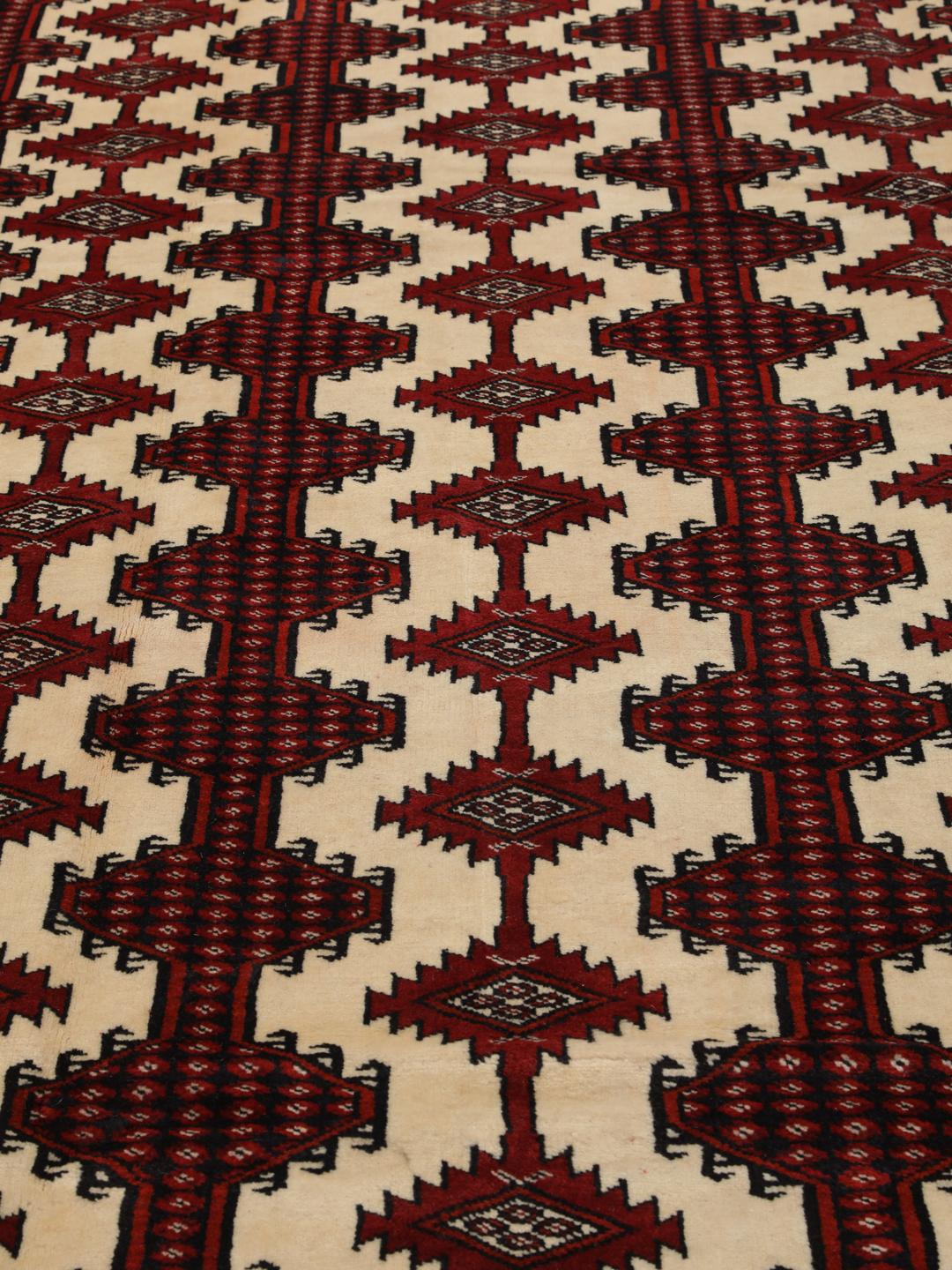
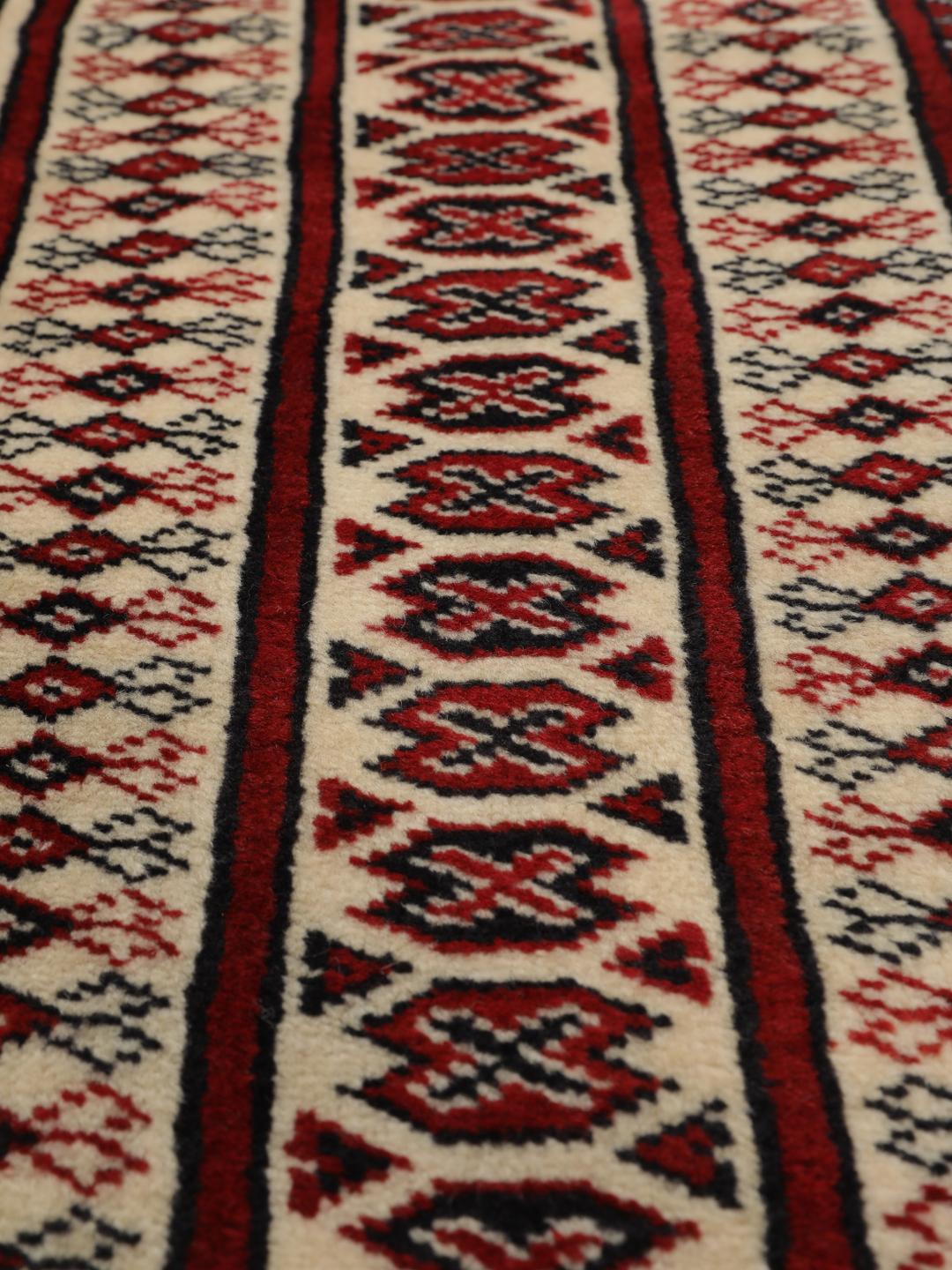
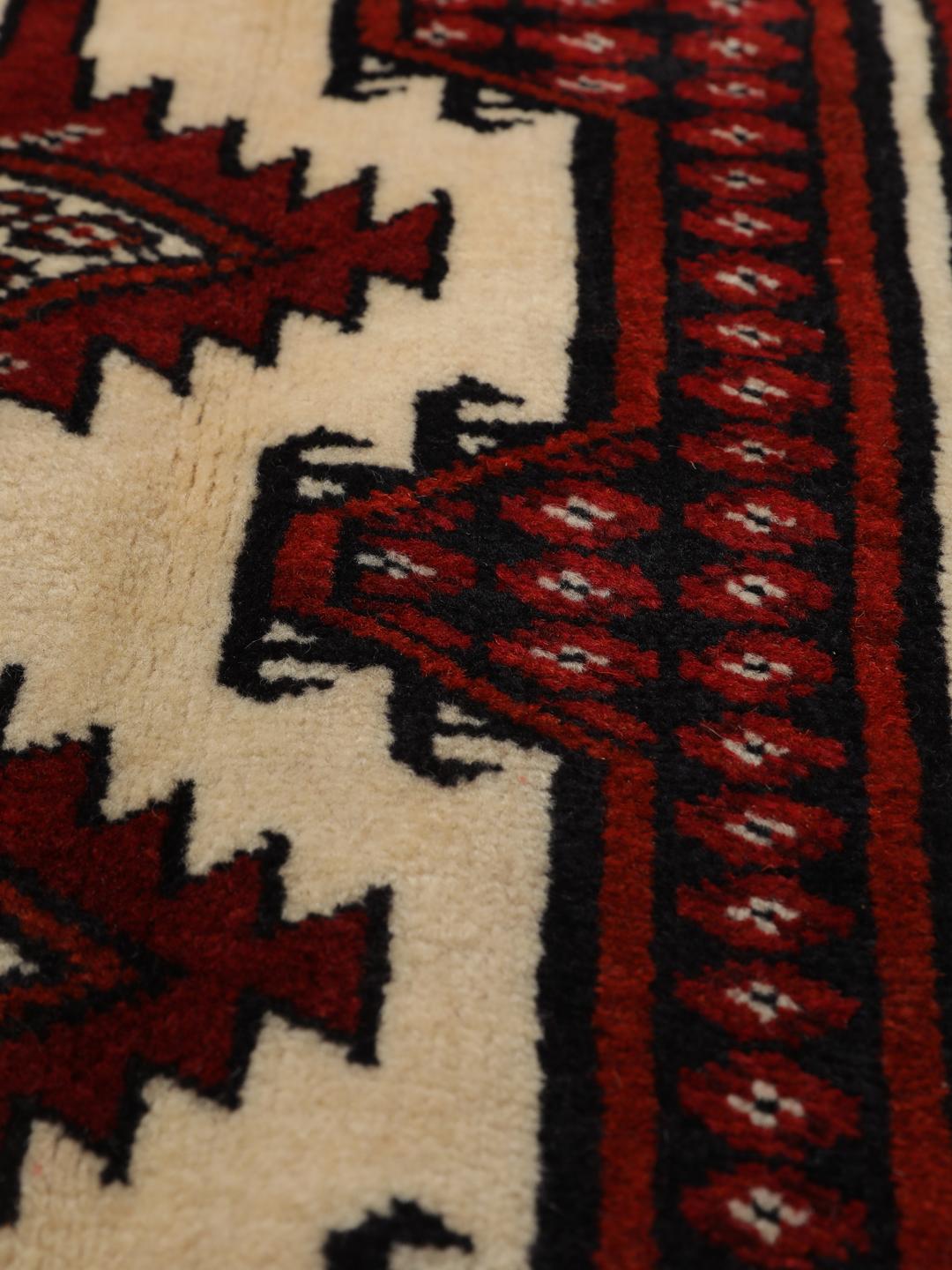
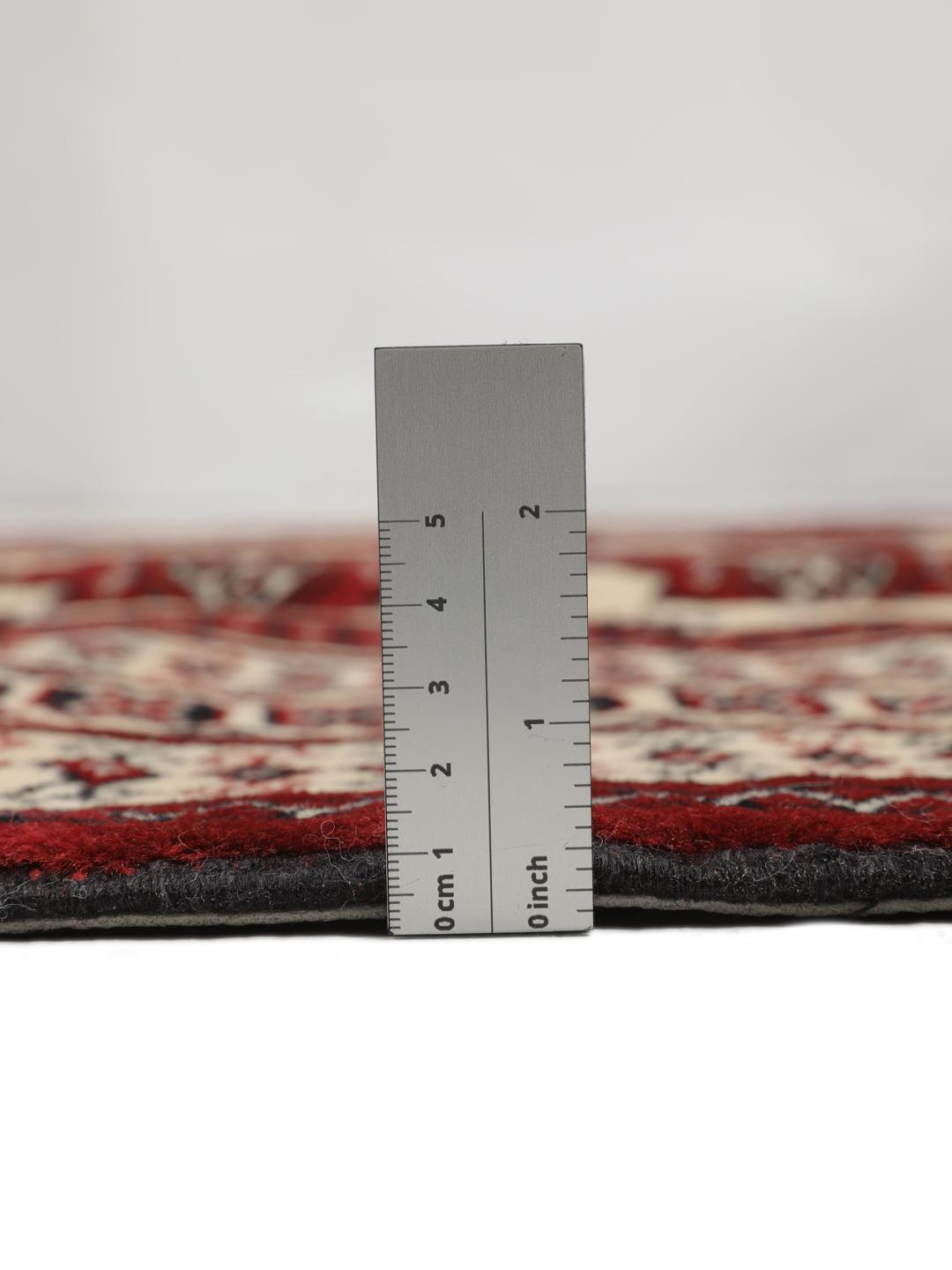
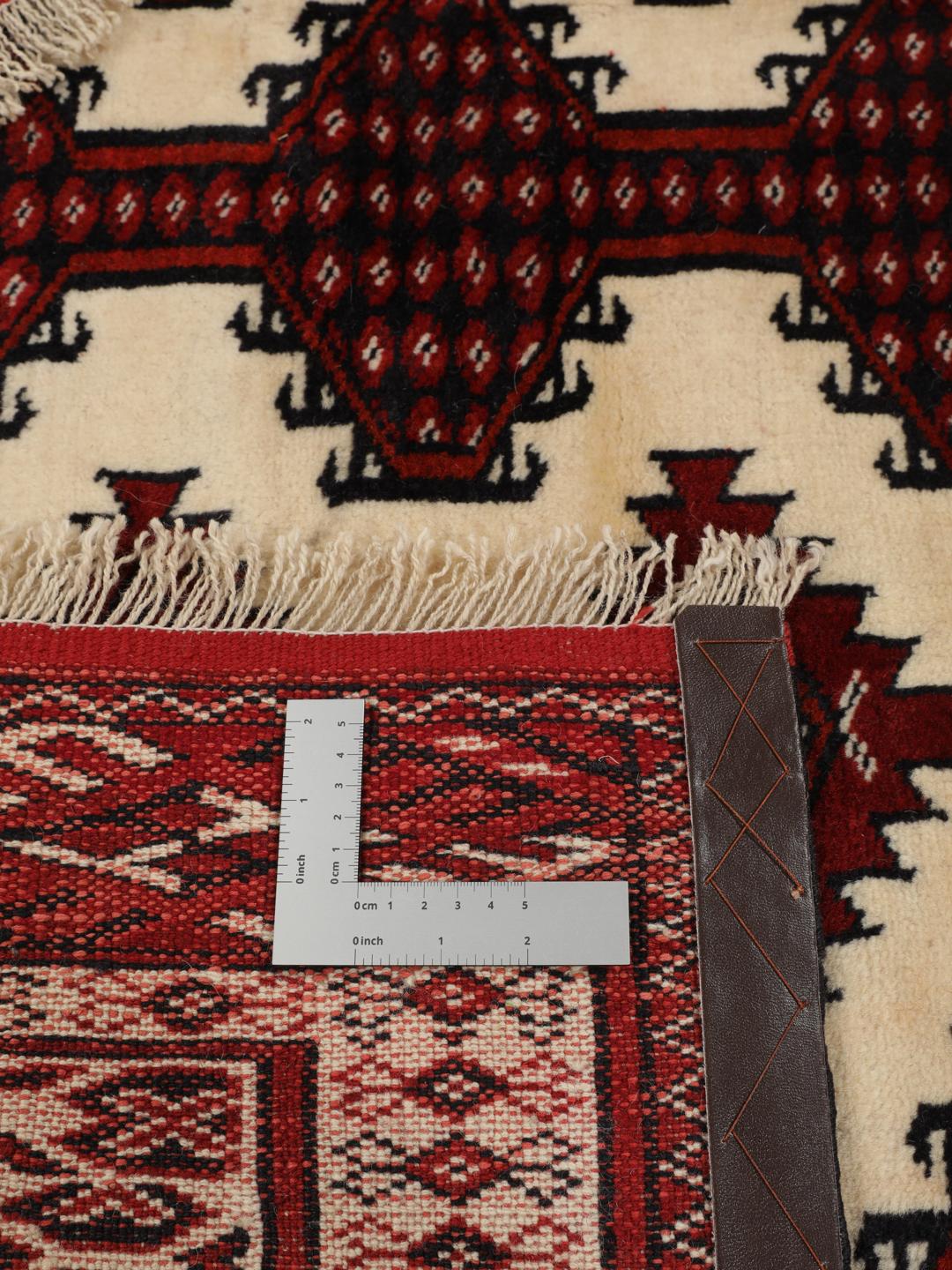
The term Turkaman refers to a specific design language that emphasises technical precision and symmetry. The construction often involves a dense weave, which is essential for creating the crisp, geometric lines that define the style. This density is not just for show; it is what gives the rugs their longevity and makes them a practical choice for a busy home.
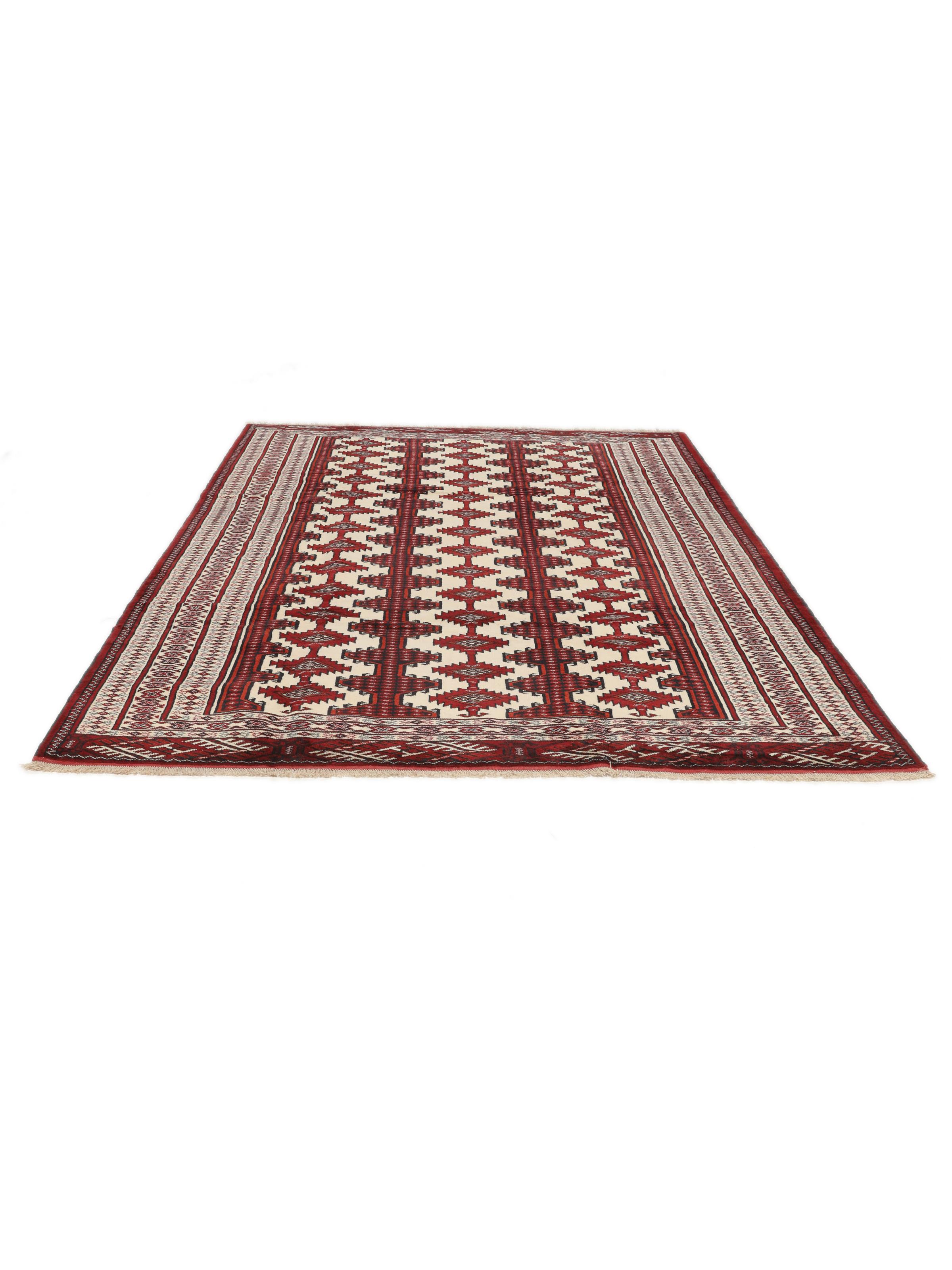
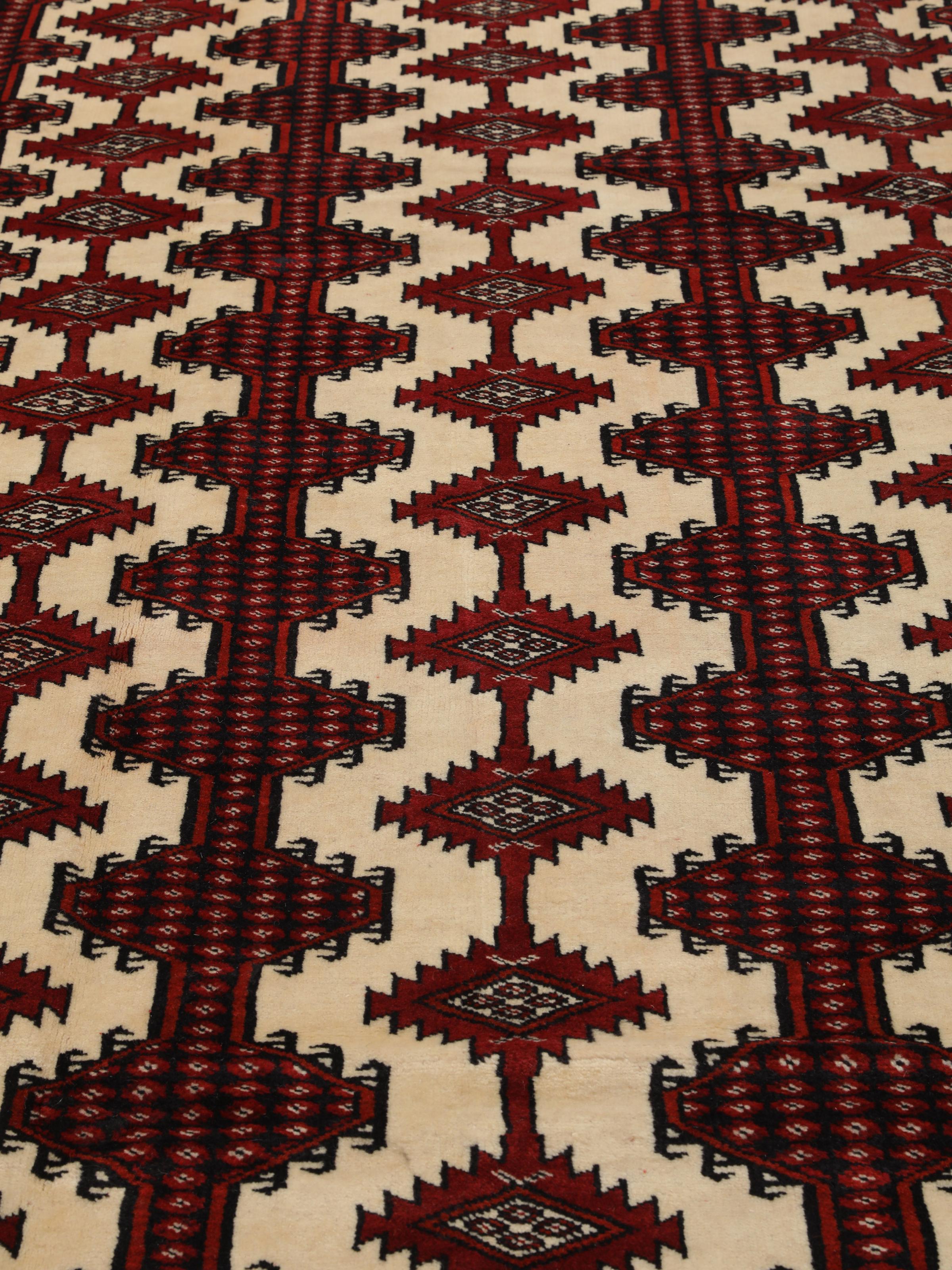
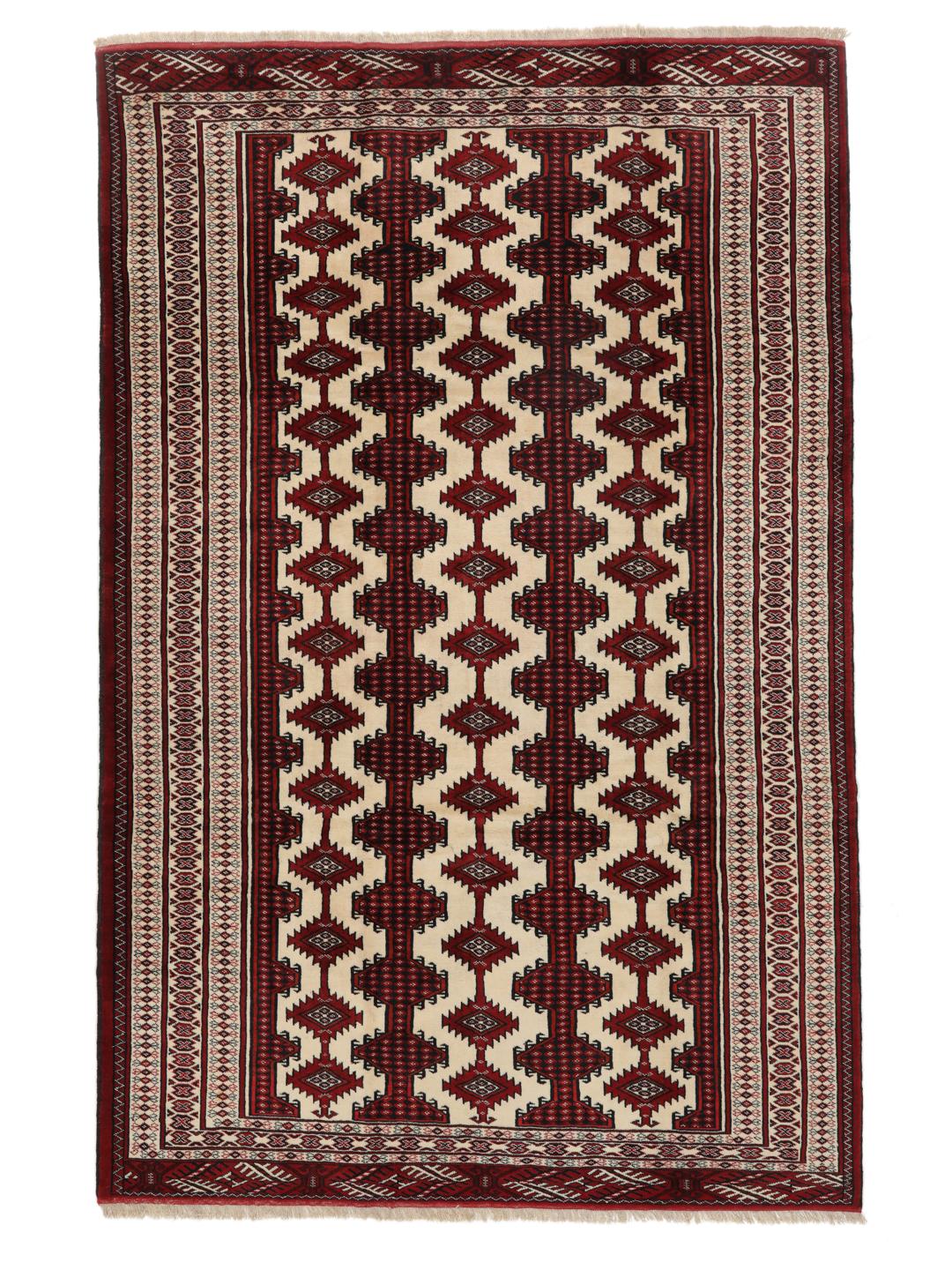
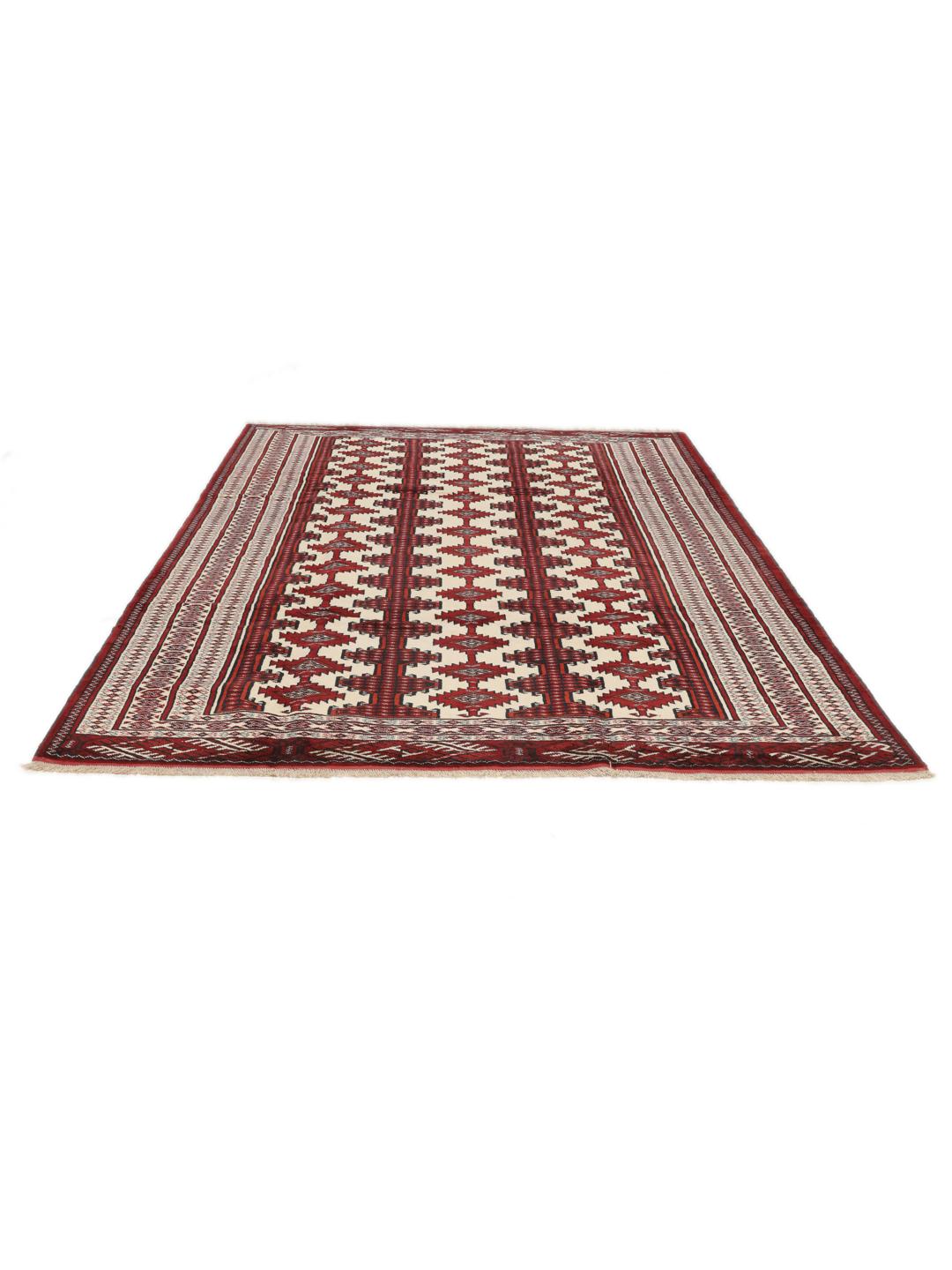
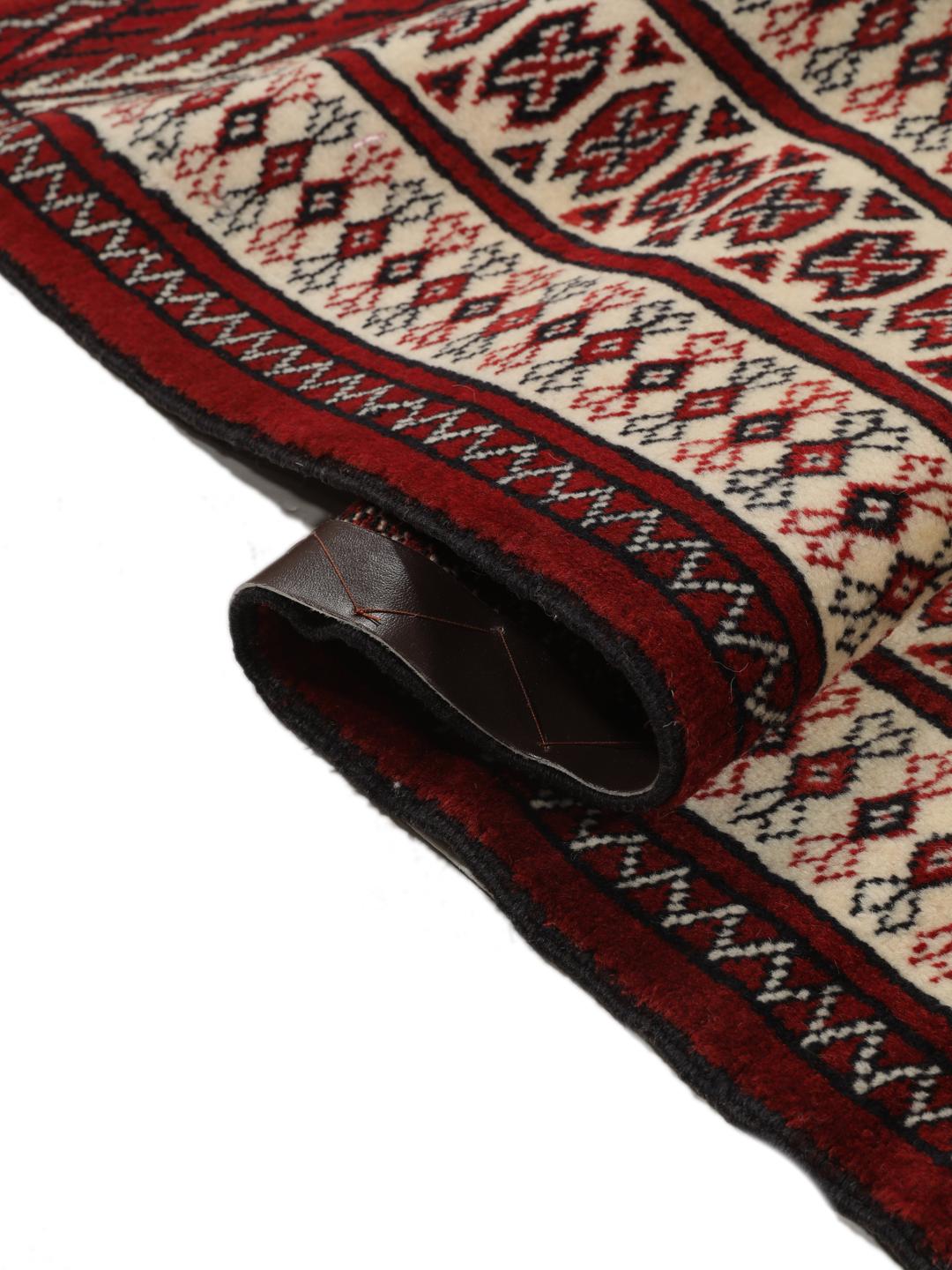
The signature design elements of a Turkaman rug often include repeating geometric motifs, such as the famous guls, arranged in a structured grid across the field. These patterns are typically framed by elaborate, multi-layered borders that draw the eye inward. While red is the traditional and most iconic field colour, the presence of contrasting shades of beige adds a bright, modern balance to the composition.
Owning a piece from this tradition is a way to connect with a long heritage of artistry. These rugs are highly valued by collectors and interior enthusiasts alike, not just for their visual beauty, but for the skill and patience required to create them. They represent a tangible link to a storied past, bringing a sense of cultural weight and authentic character into your living space.