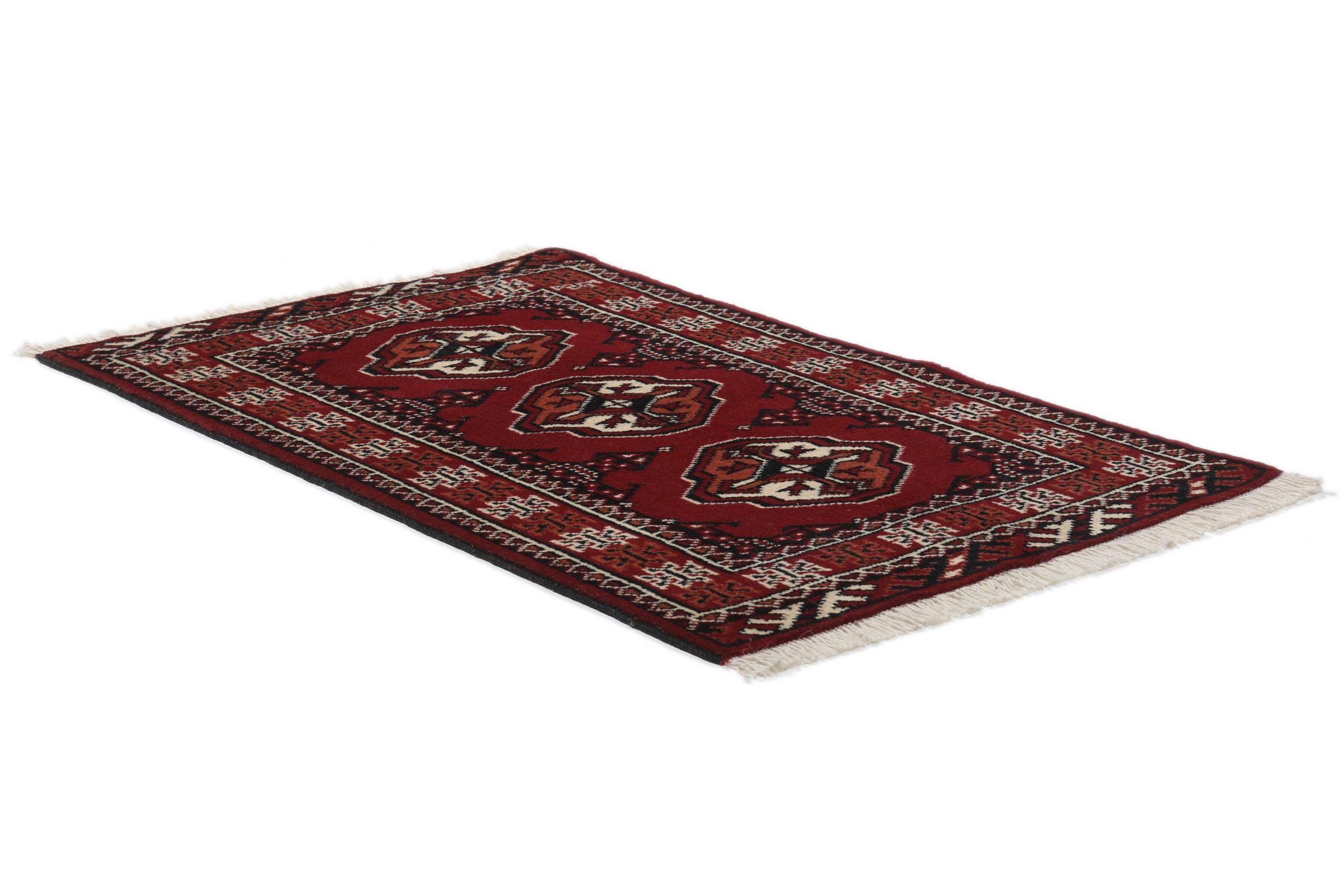
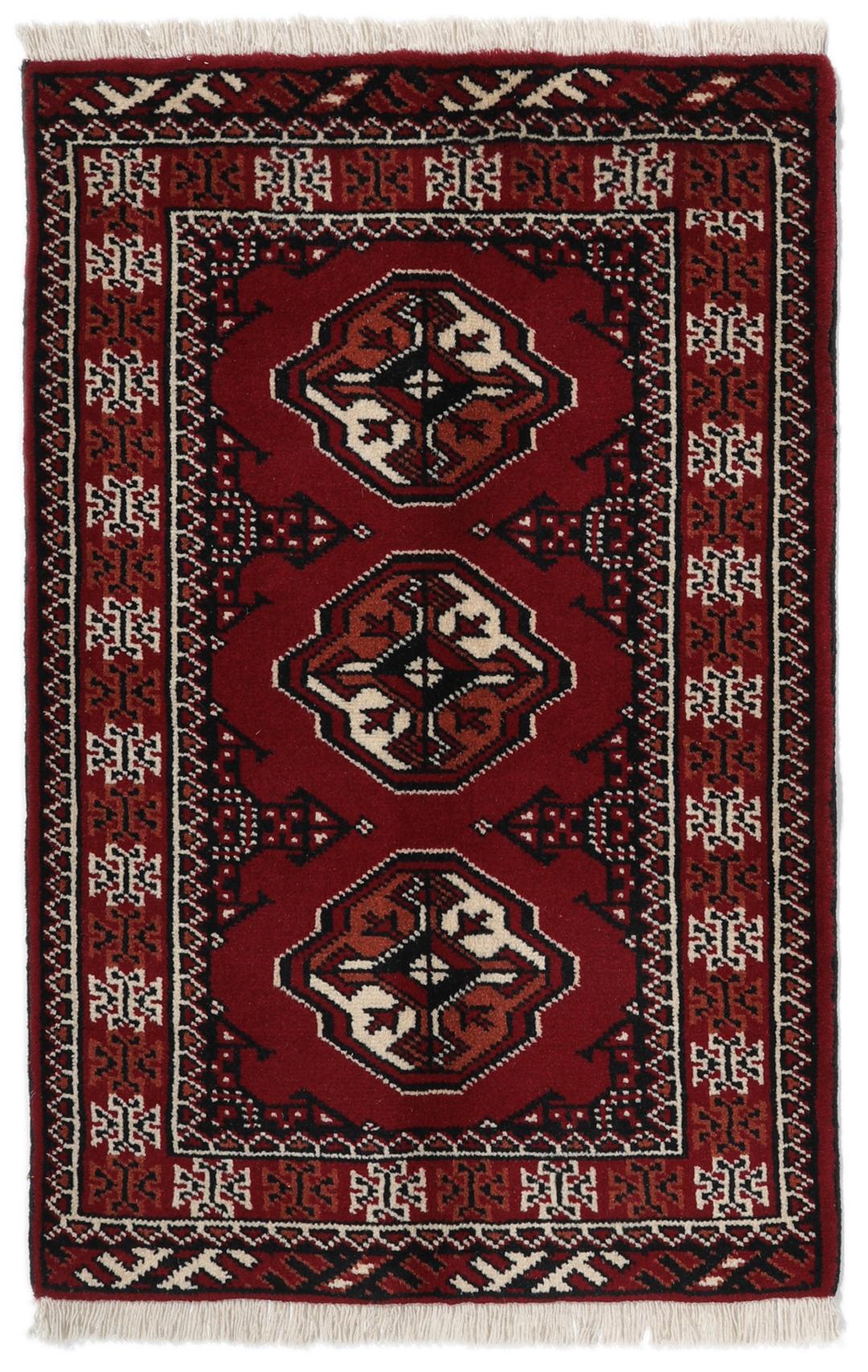
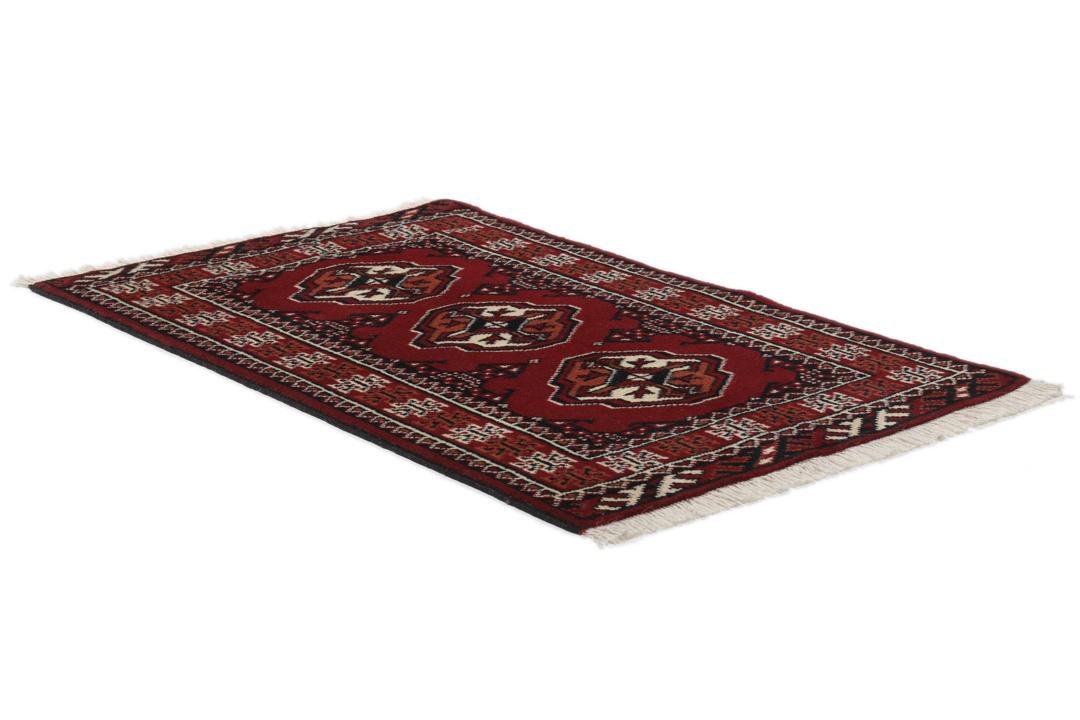
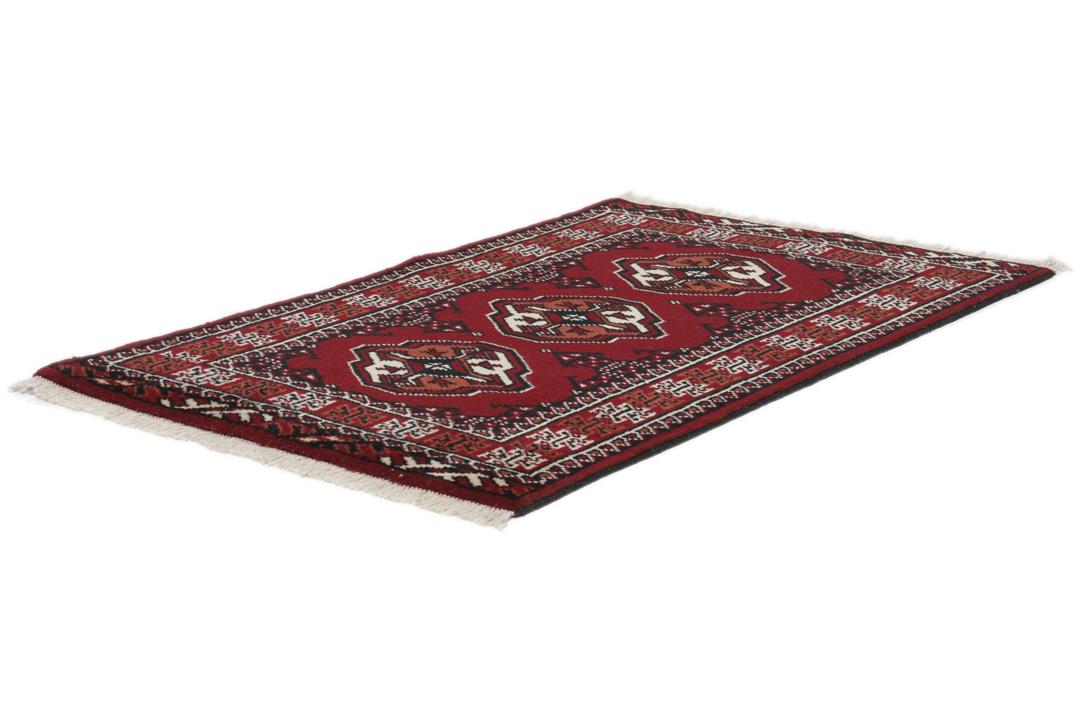
Turkaman rugs originate from the nomadic tribes of the Middle East, a region with a deep and storied history of textile artistry. Traditionally, these rugs were woven by tribal groups who drew inspiration from their surroundings, creating designs that served as both functional floor coverings and expressions of cultural identity.
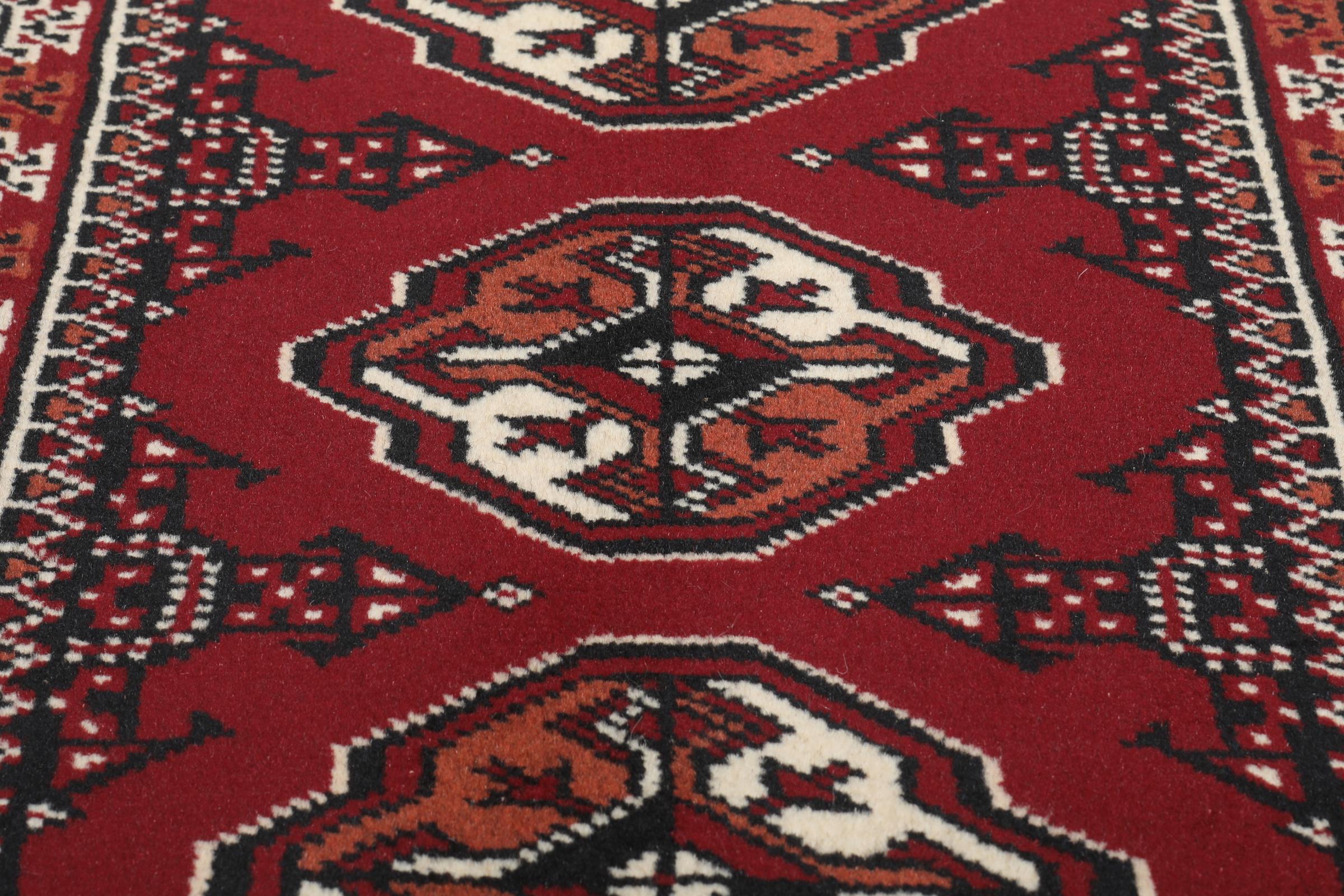
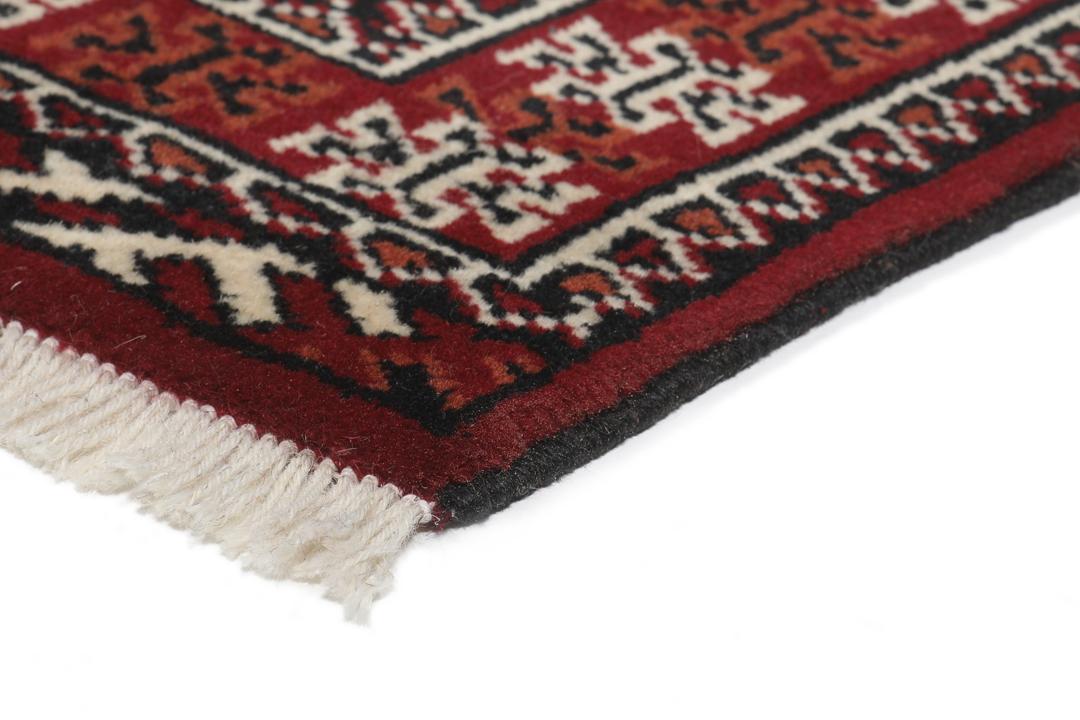
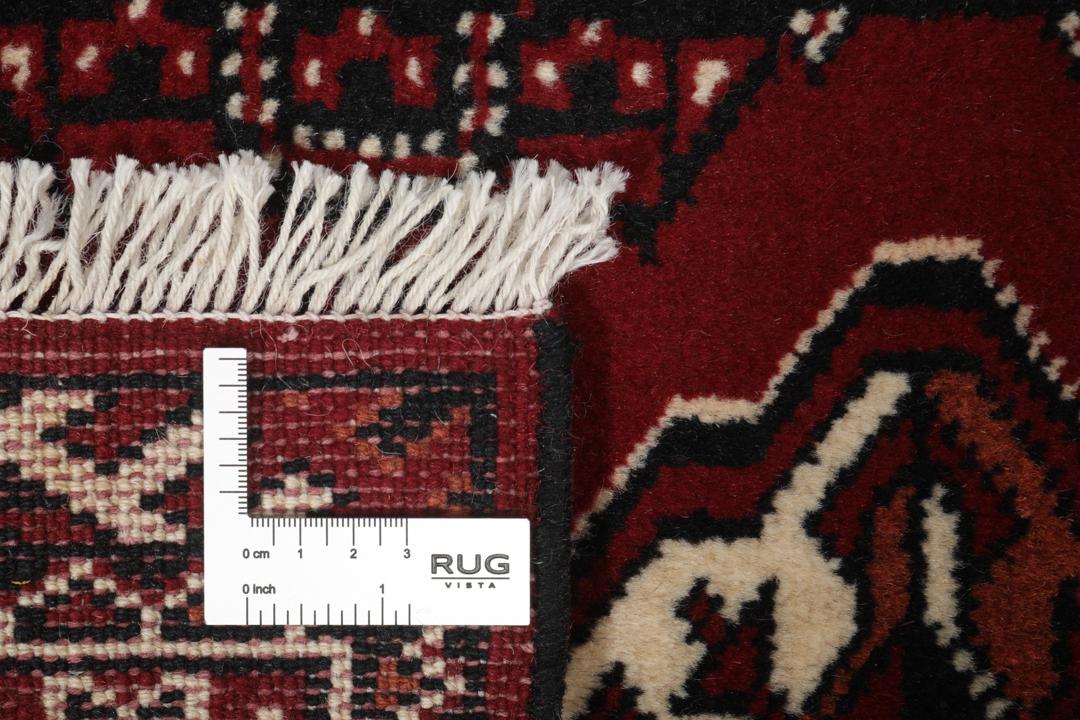
The term Turkaman refers to the specific style and technique developed by these tribes, which focuses on a sturdy, tight construction. This method involves carefully twisting the Wool fibres, which enhances the lustre and longevity of the pile. Such technical attention to detail is what allows these rugs to withstand the test of time while maintaining their soft, inviting texture.
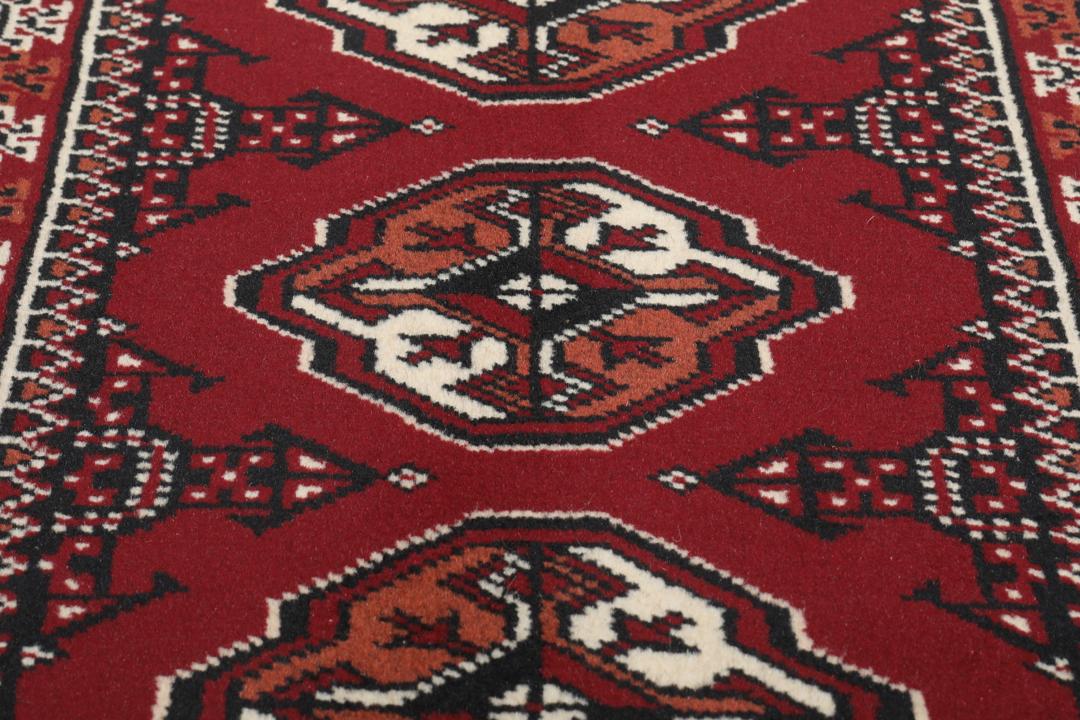
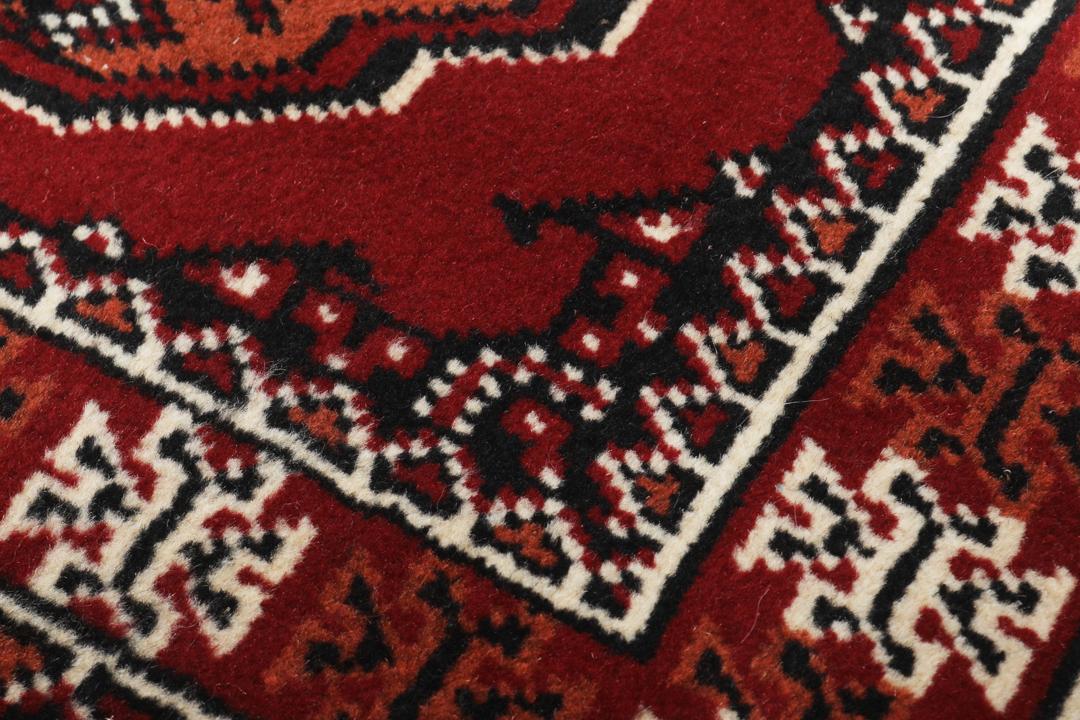
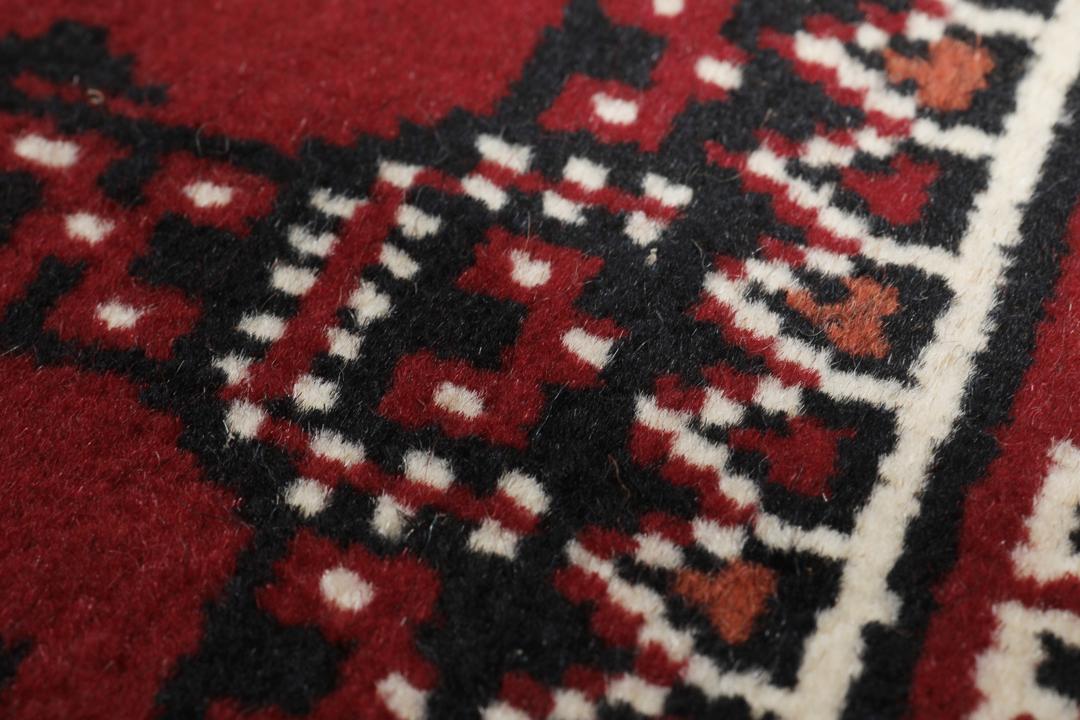
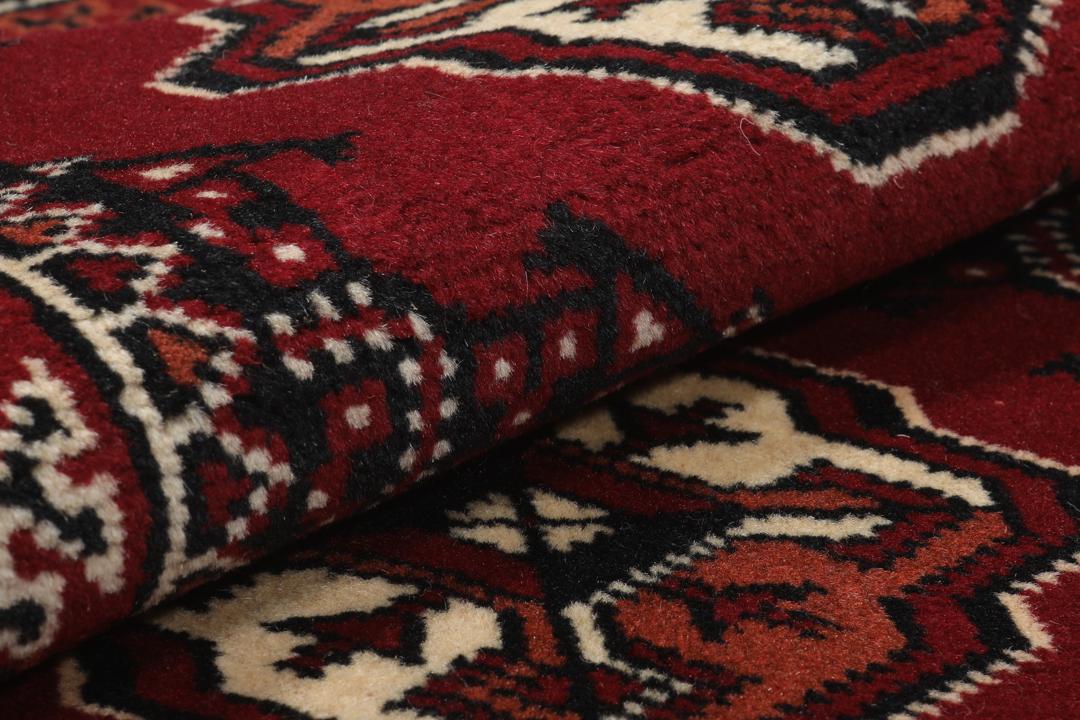
Visually, these rugs are defined by their iconic and repetitive geometric motifs, often featuring octagonal shapes known as guls. The use of deep, earthy reds contrasted with dark blacks and creams is a hallmark of the tradition, creating a balanced and formal appearance that has been admired for generations.
Today, these rugs are highly valued by collectors for their cultural weight and the undeniable skill required to produce them. Owning a piece of this tradition is an investment in heritage, representing a connection to a craft that has been preserved and handed down through centuries of nomadic life.