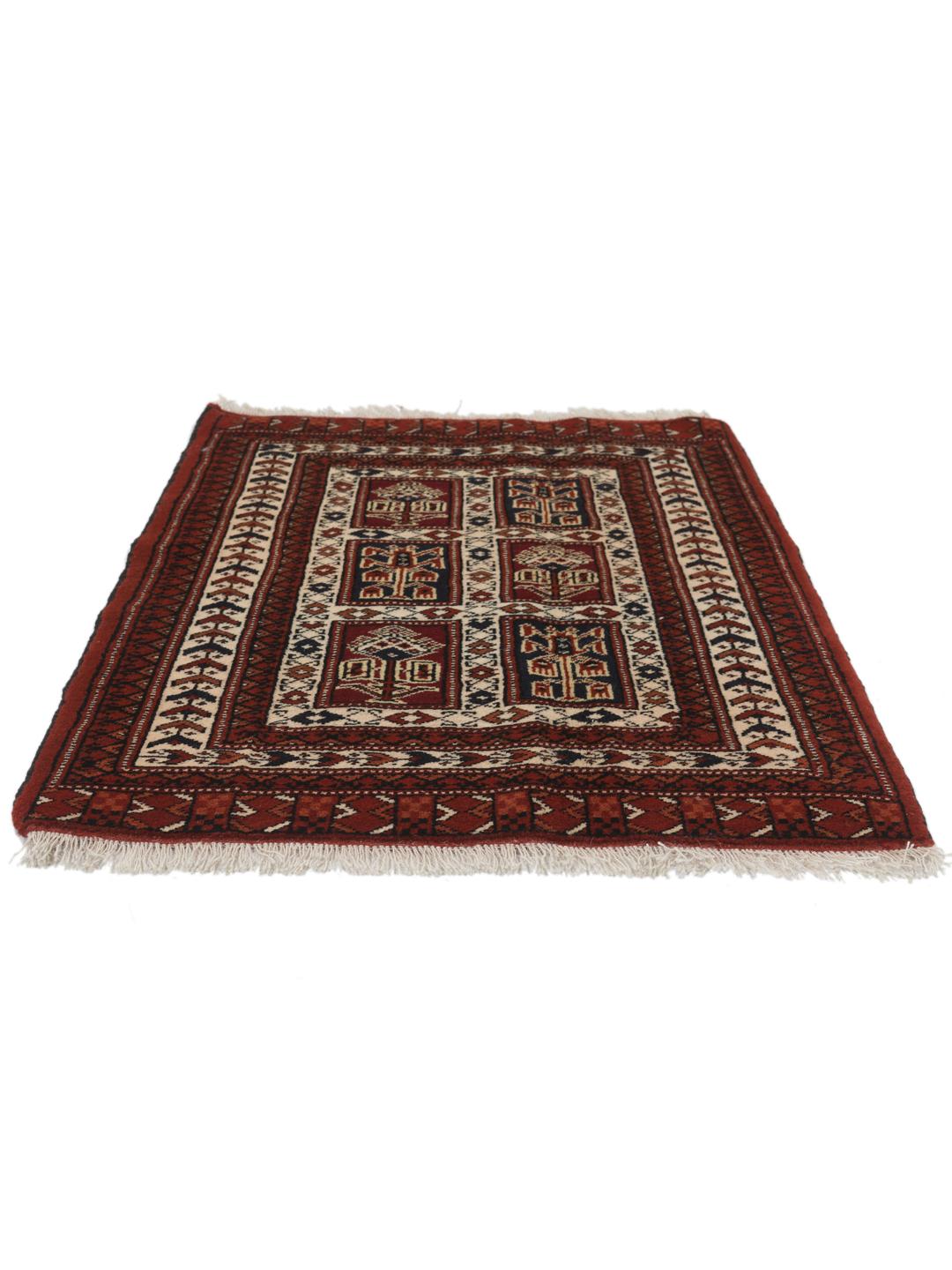
The Turkaman rug tradition finds its roots in the nomadic tribes of Central Asia, where weaving was not just a craft but a vital cultural expression. Over centuries, these nomadic designs evolved and flourished, eventually becoming a hallmark of Middle Eastern textile artistry that has influenced rug making across the globe.
The terminology used to describe these pieces often refers to the tribal heritage of the weavers, with specific motifs serving as signatures for different clans. Understanding this history allows you to appreciate the depth of knowledge passed down through generations, ensuring that every knot reflects a long-standing commitment to quality.
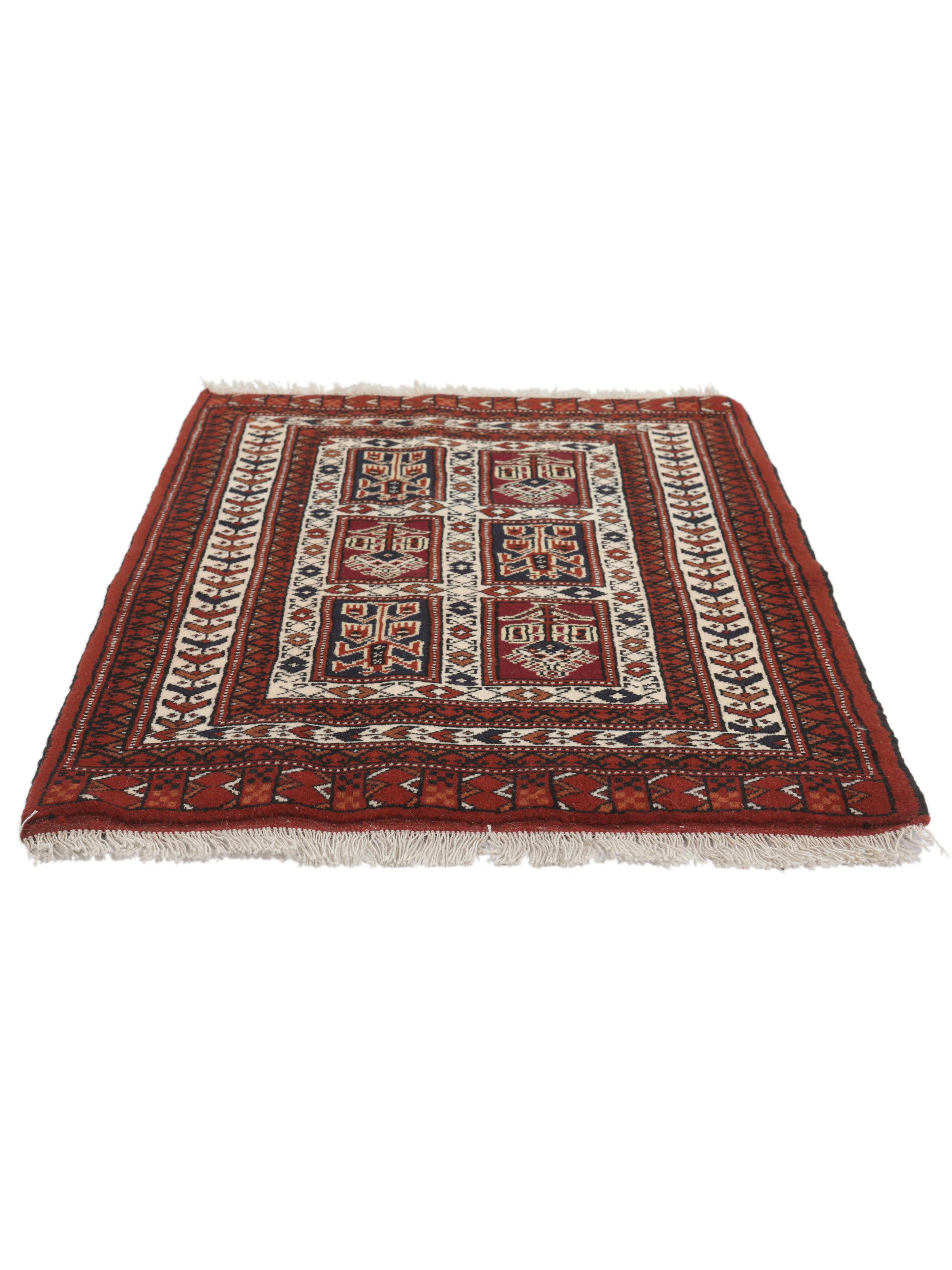
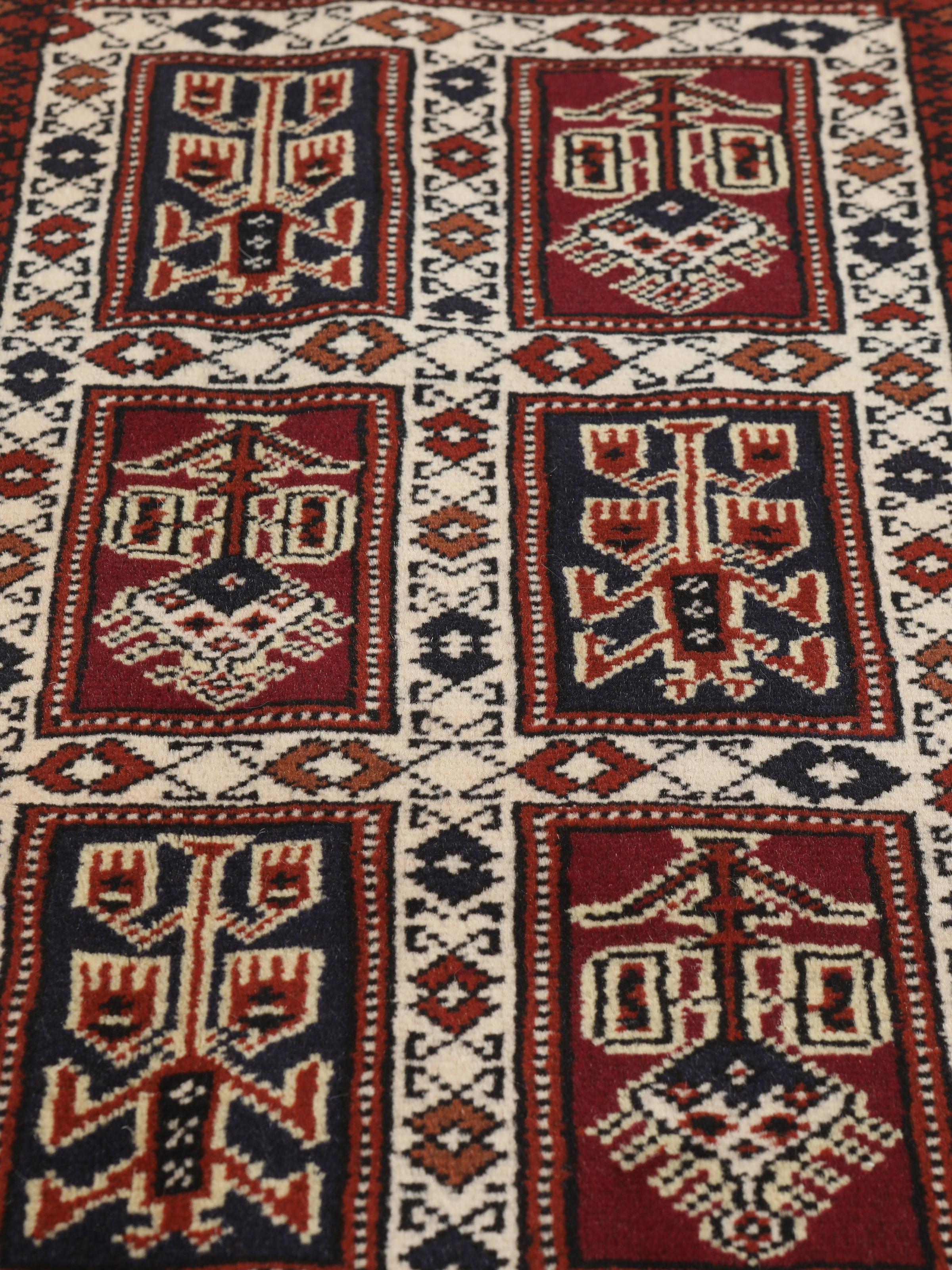
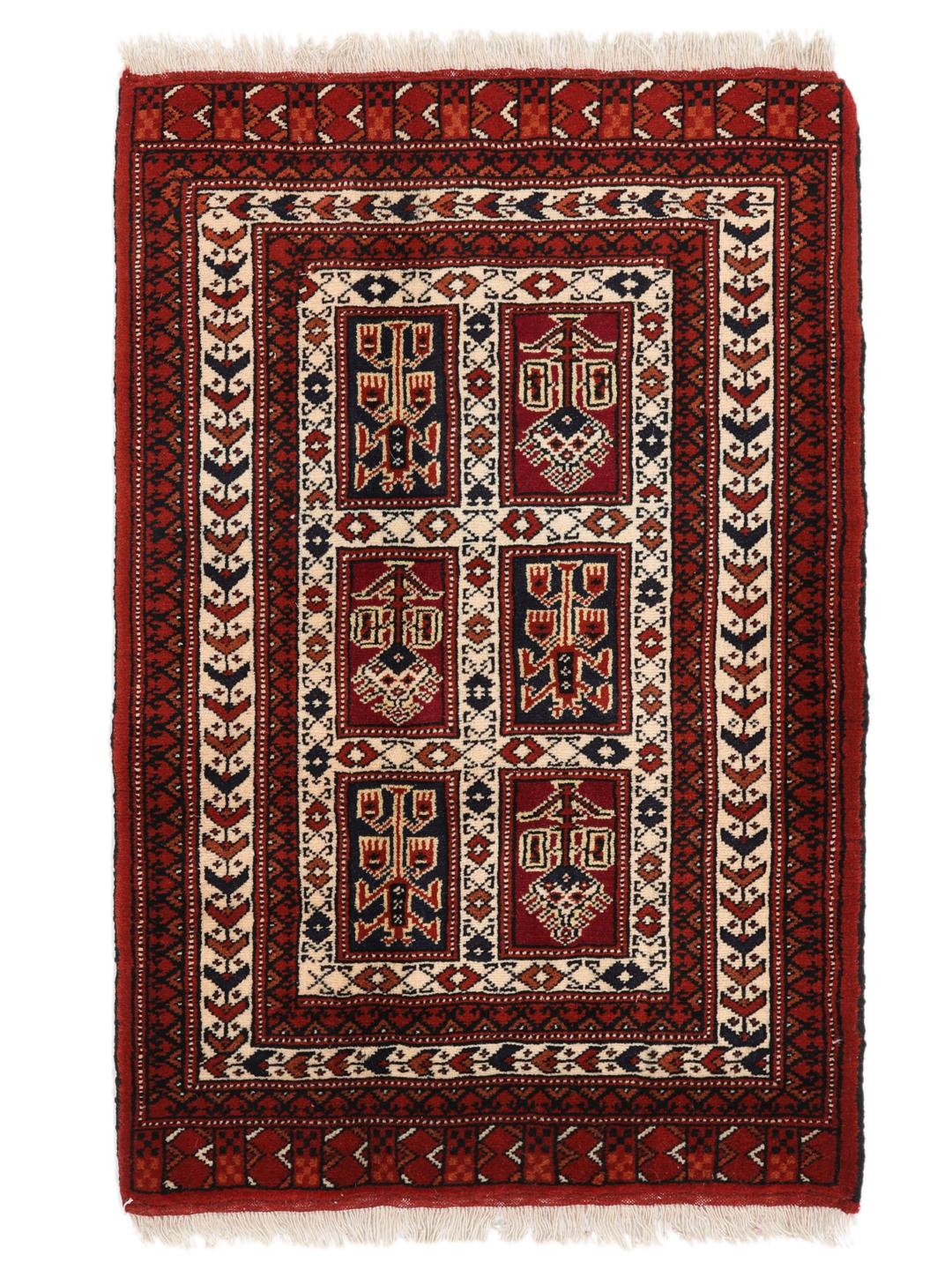
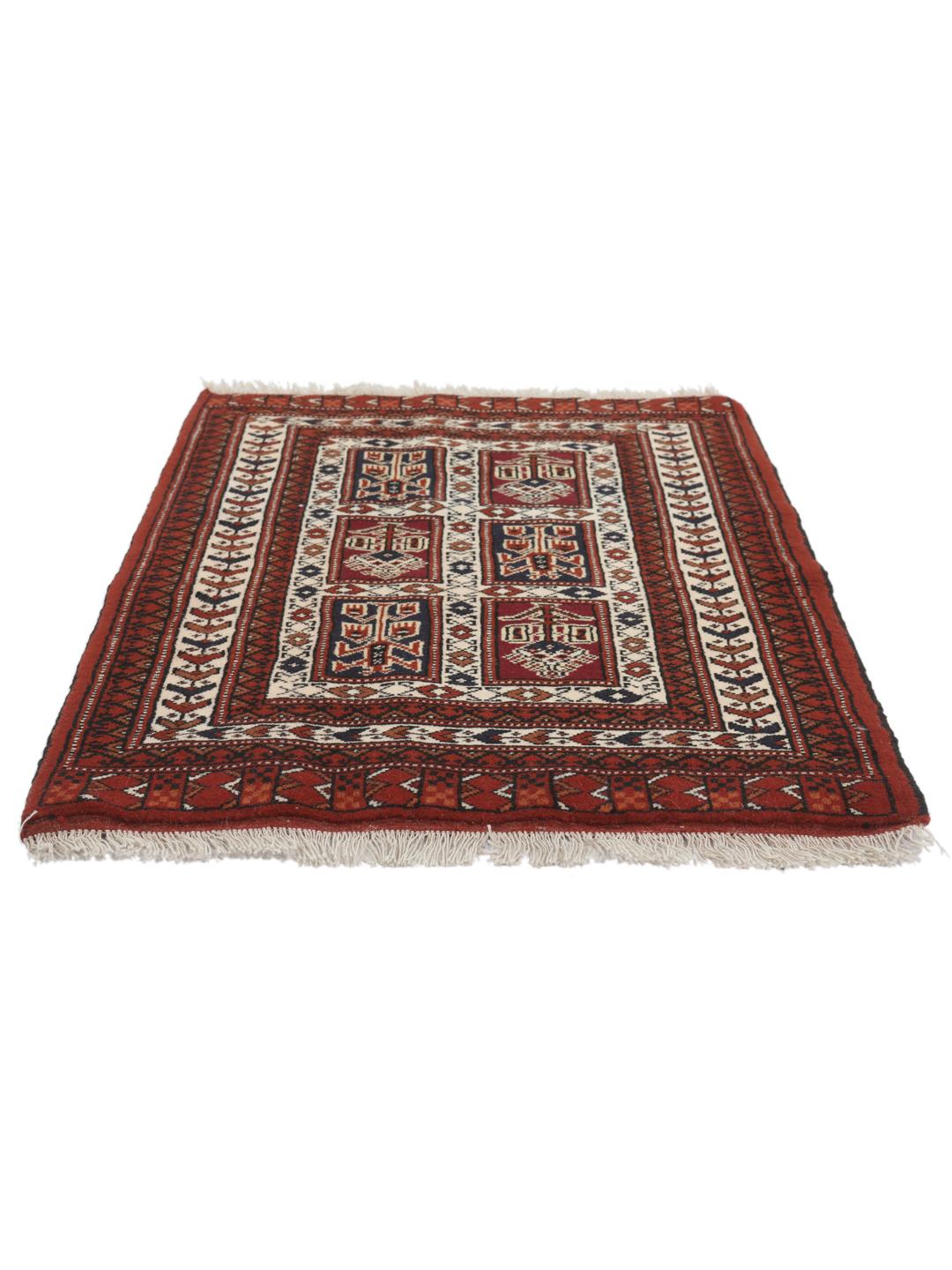
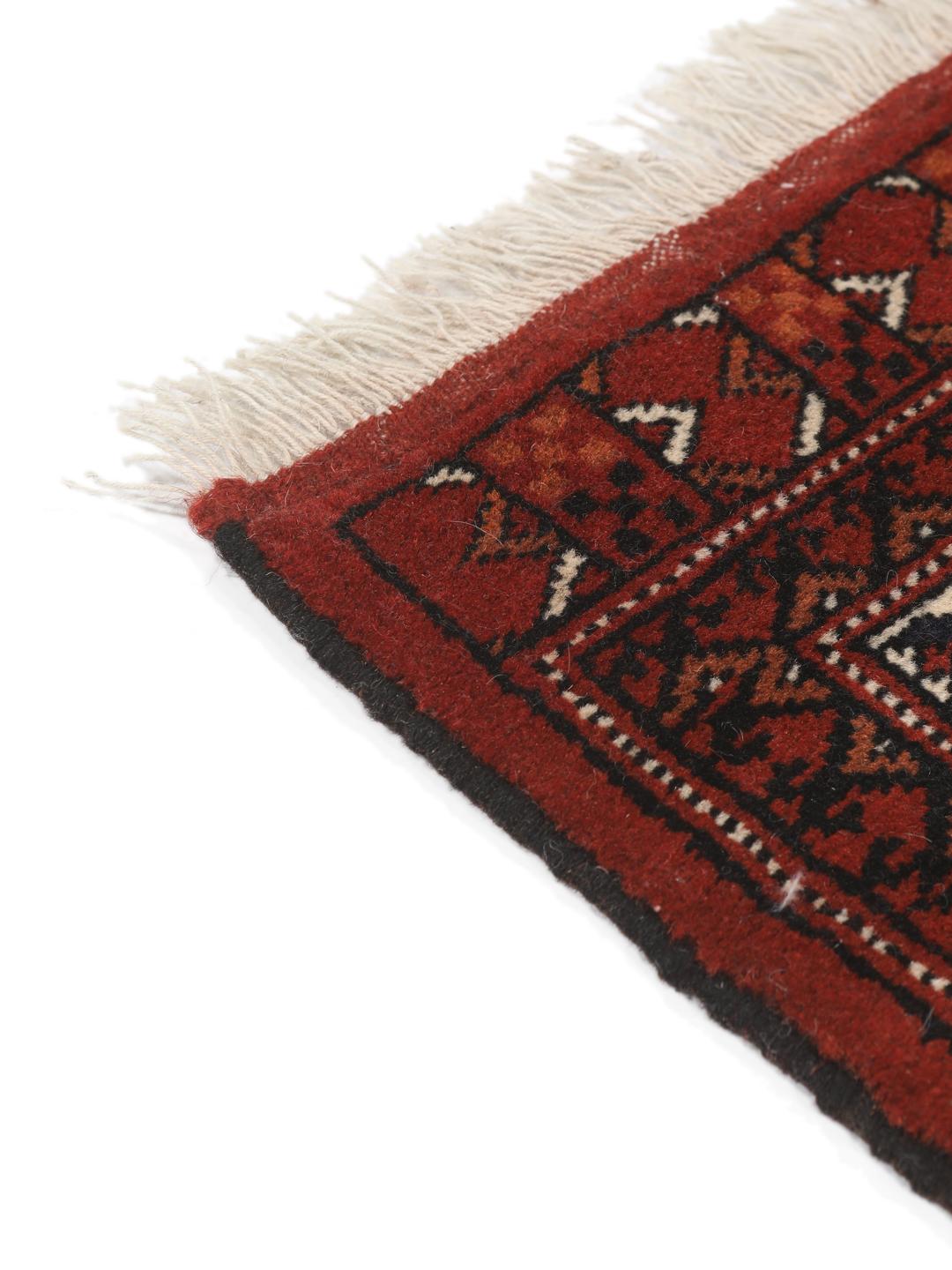
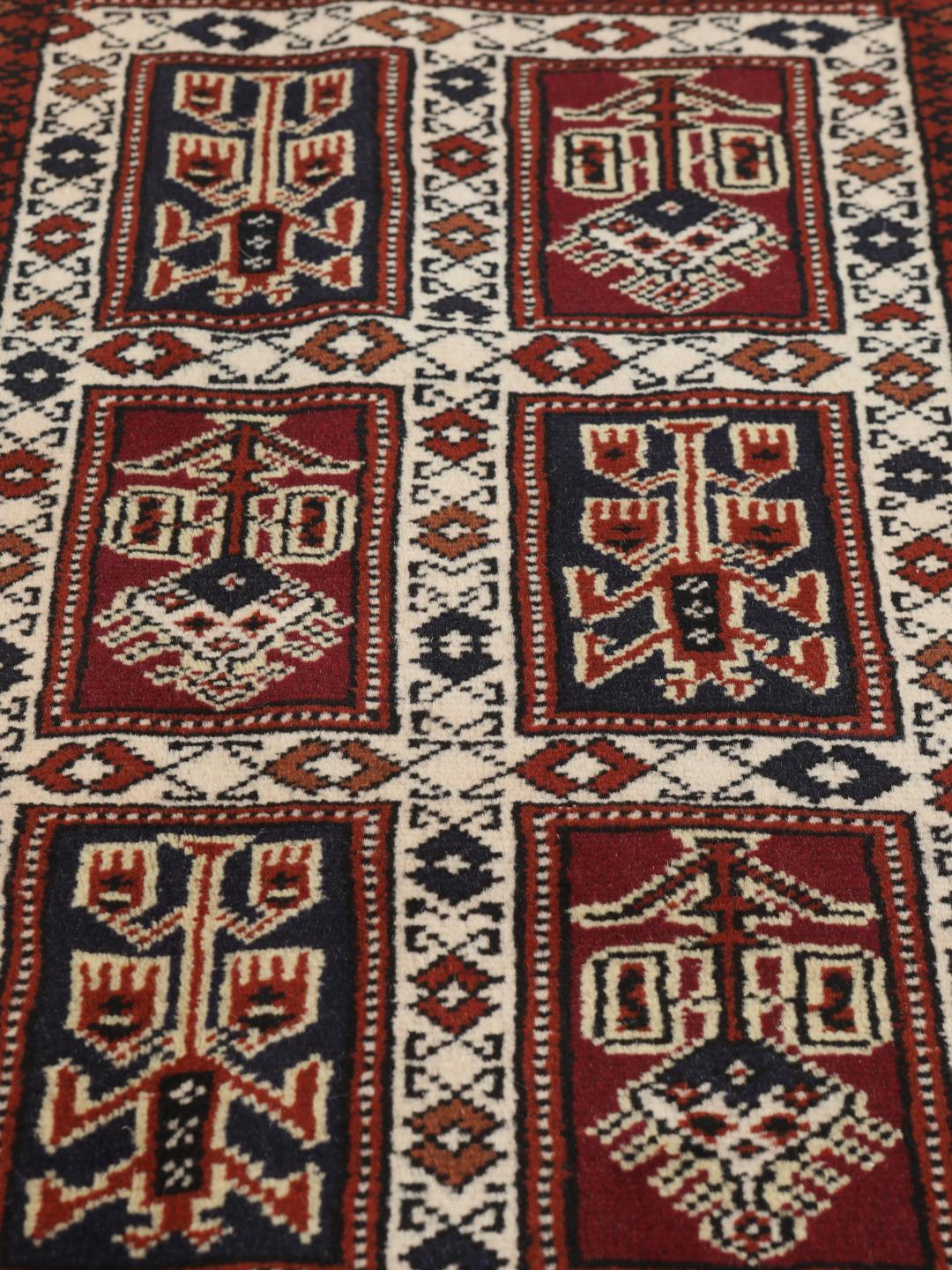
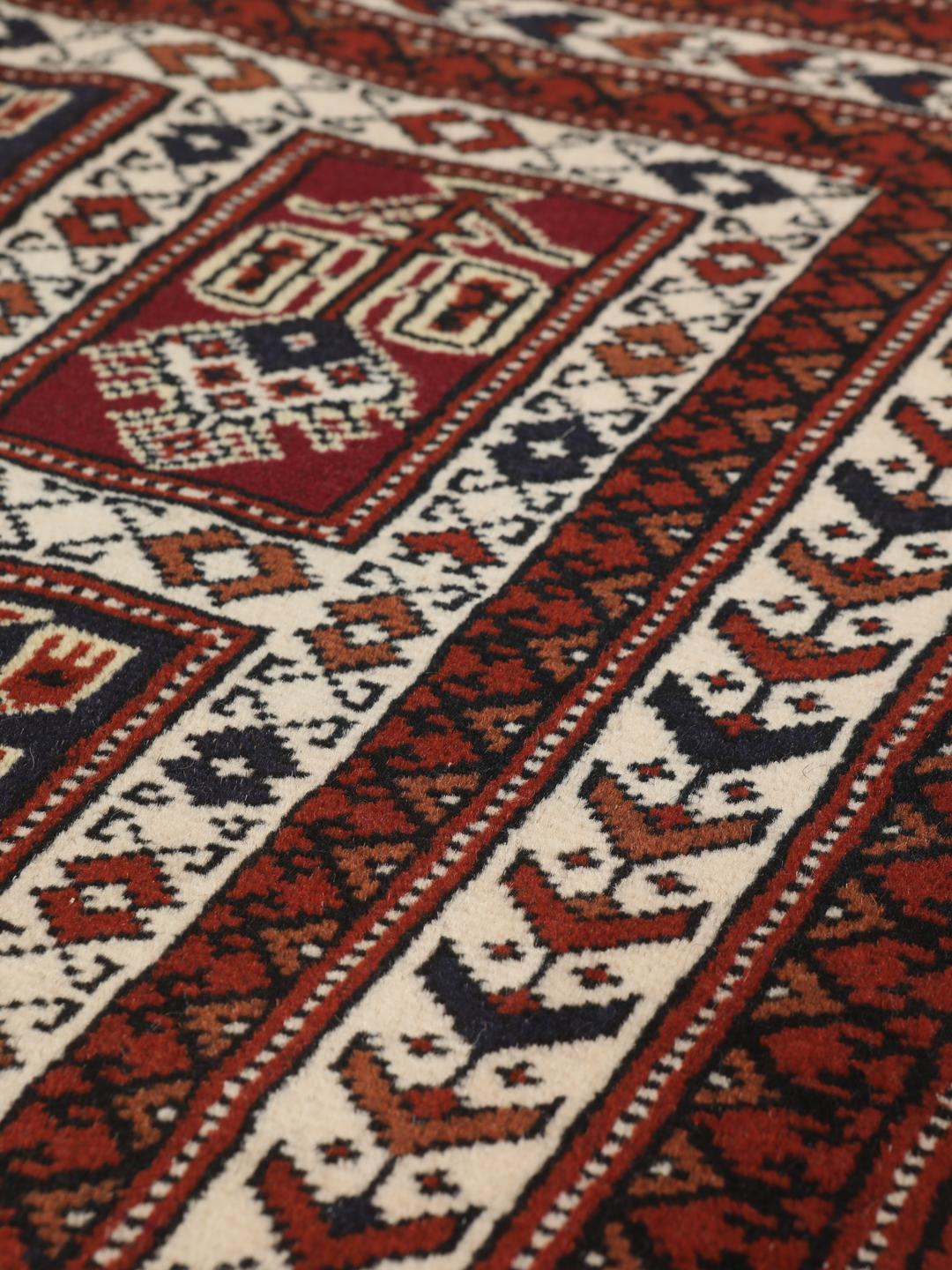
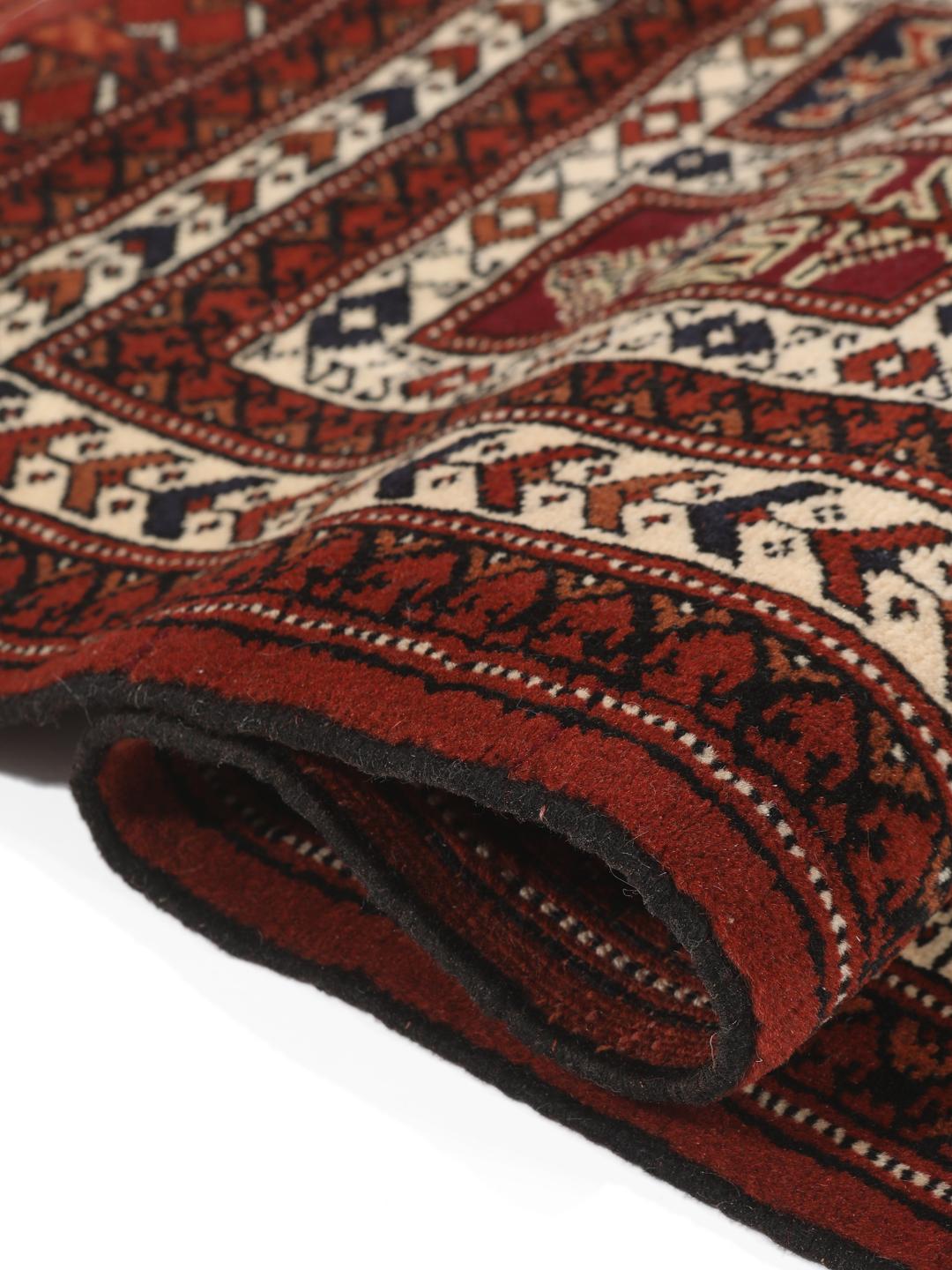
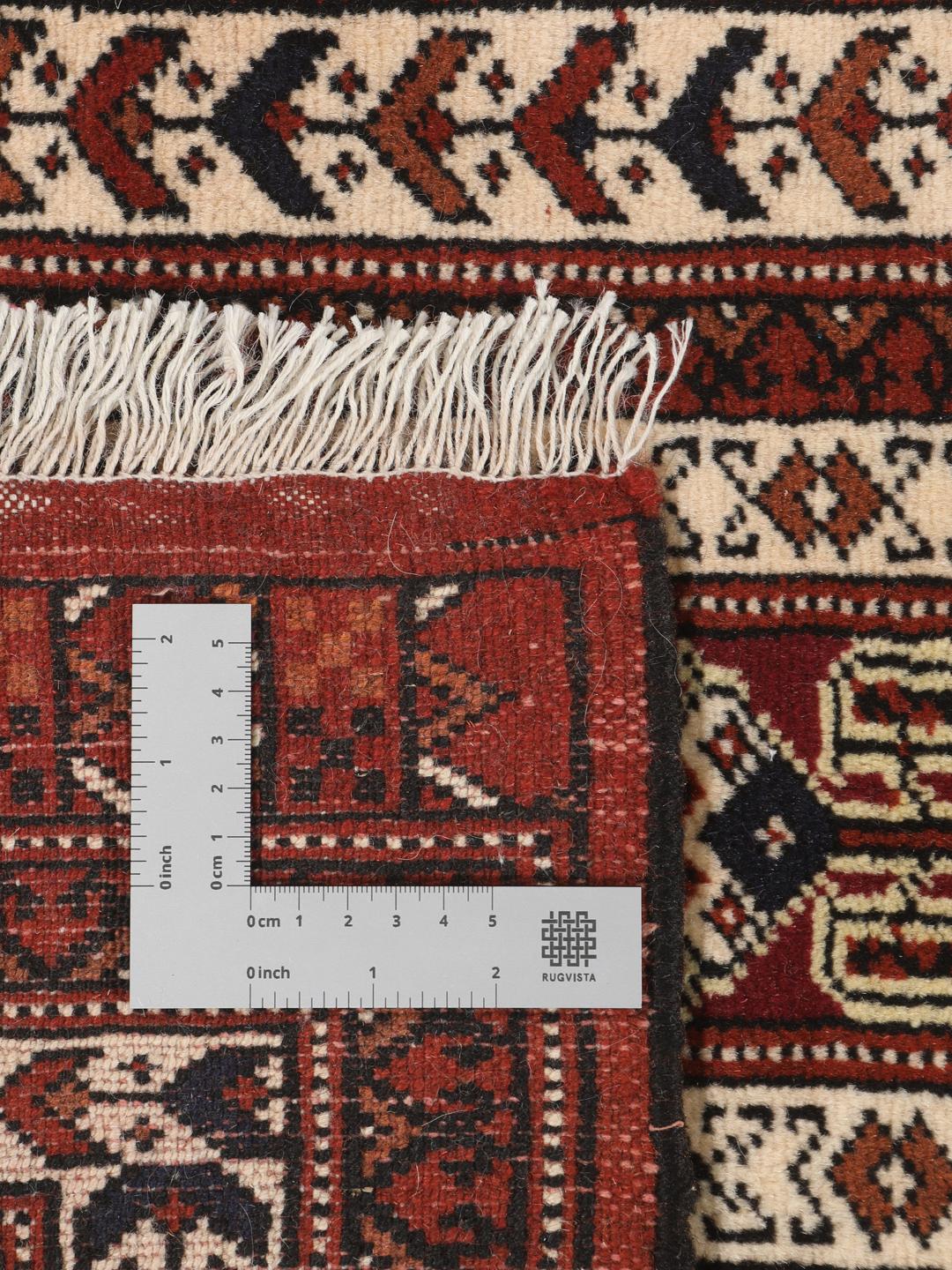
Signature design elements in Turkaman rugs often include repeating geometric medallions known as guls, which are typically arranged in precise, rhythmic rows. These motifs are framed by intricate, multi-layered borders that showcase the weaver's ability to balance complex patterns with a harmonious sense of scale and colour.
Owning a piece from this tradition is an act of preserving a rich cultural legacy. These rugs are highly valued by collectors for their blend of technical skill, historical narrative, and enduring aesthetic, making them a meaningful addition to any home that values authentic, human-made beauty.