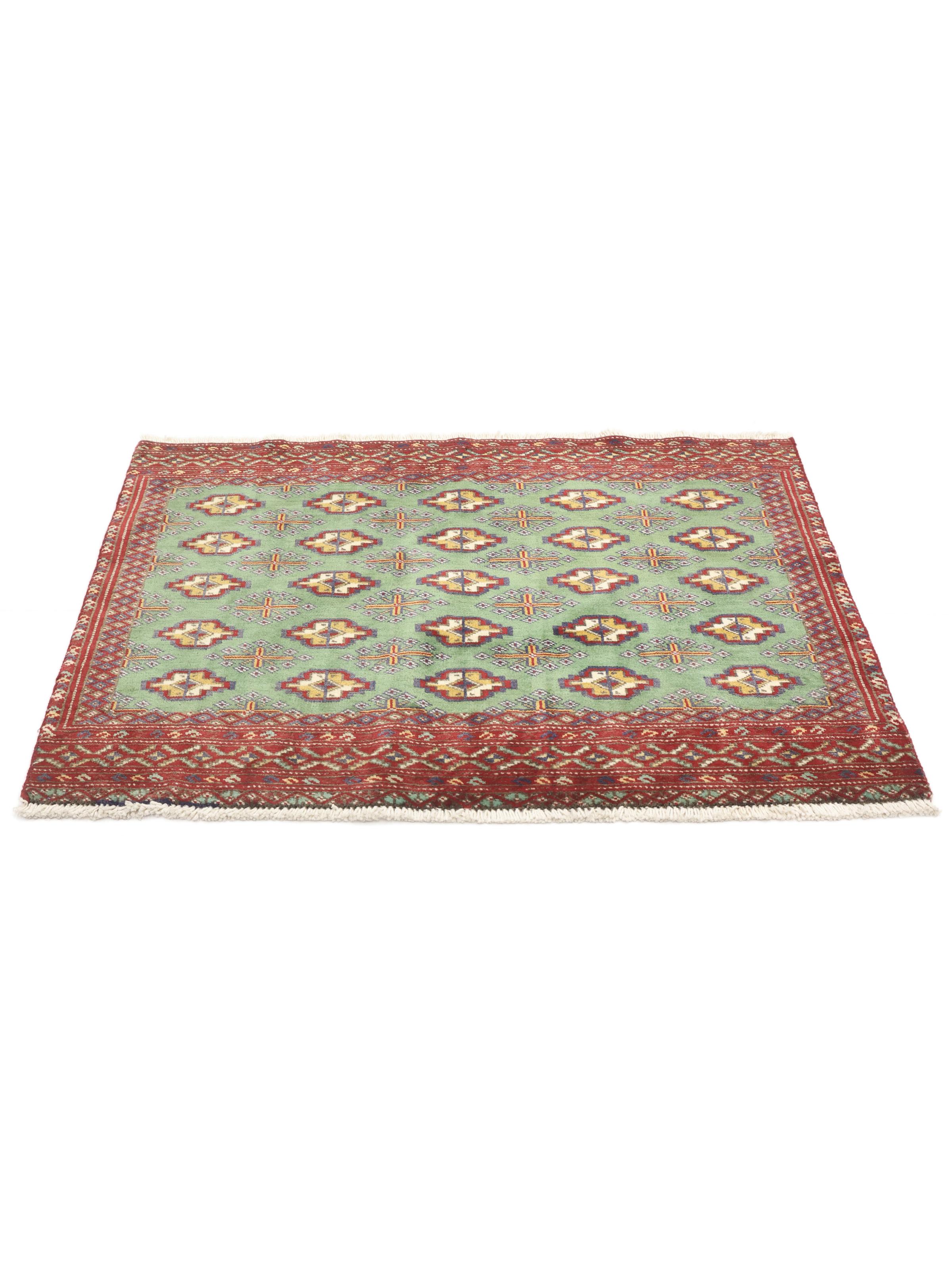
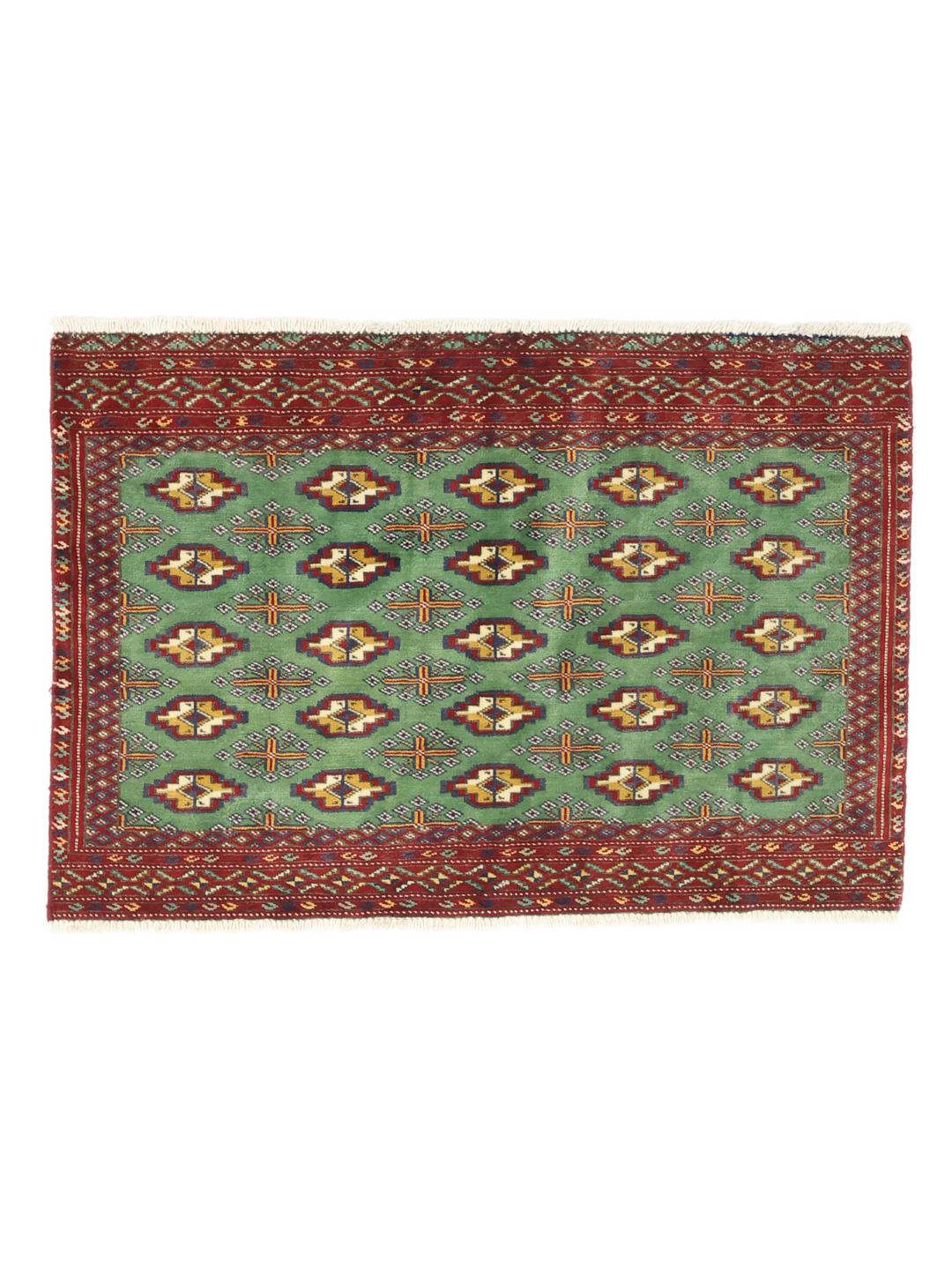
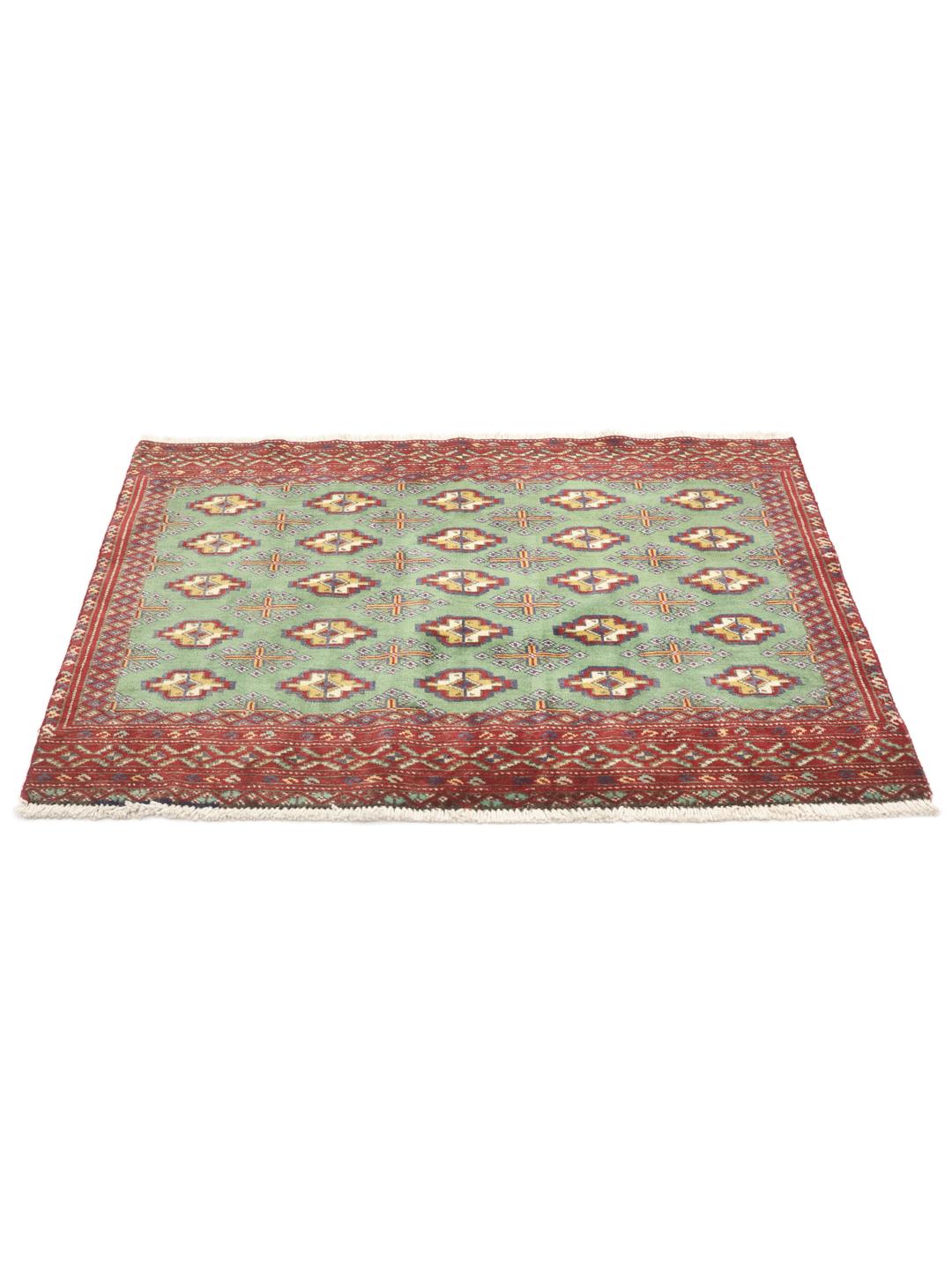
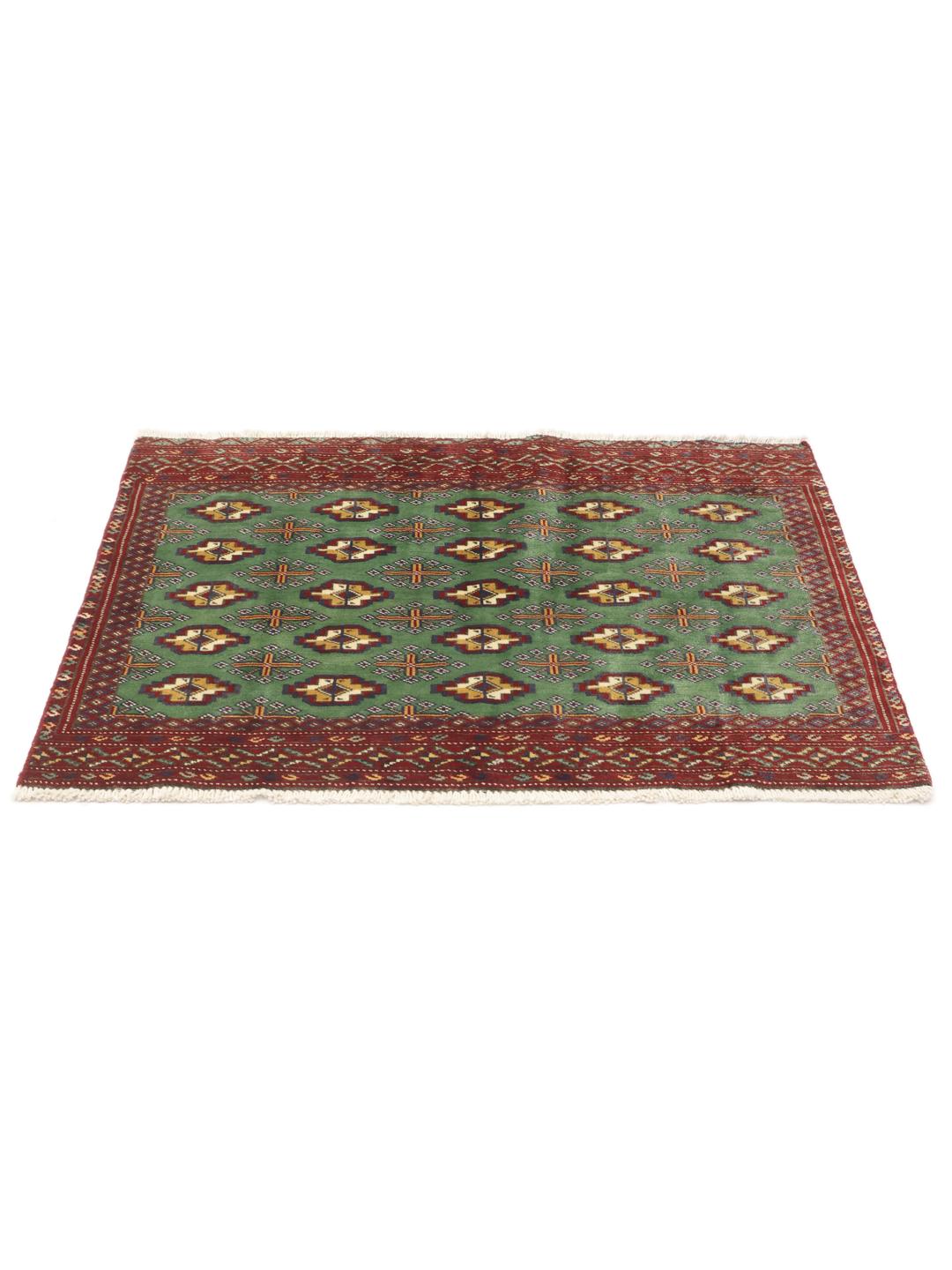
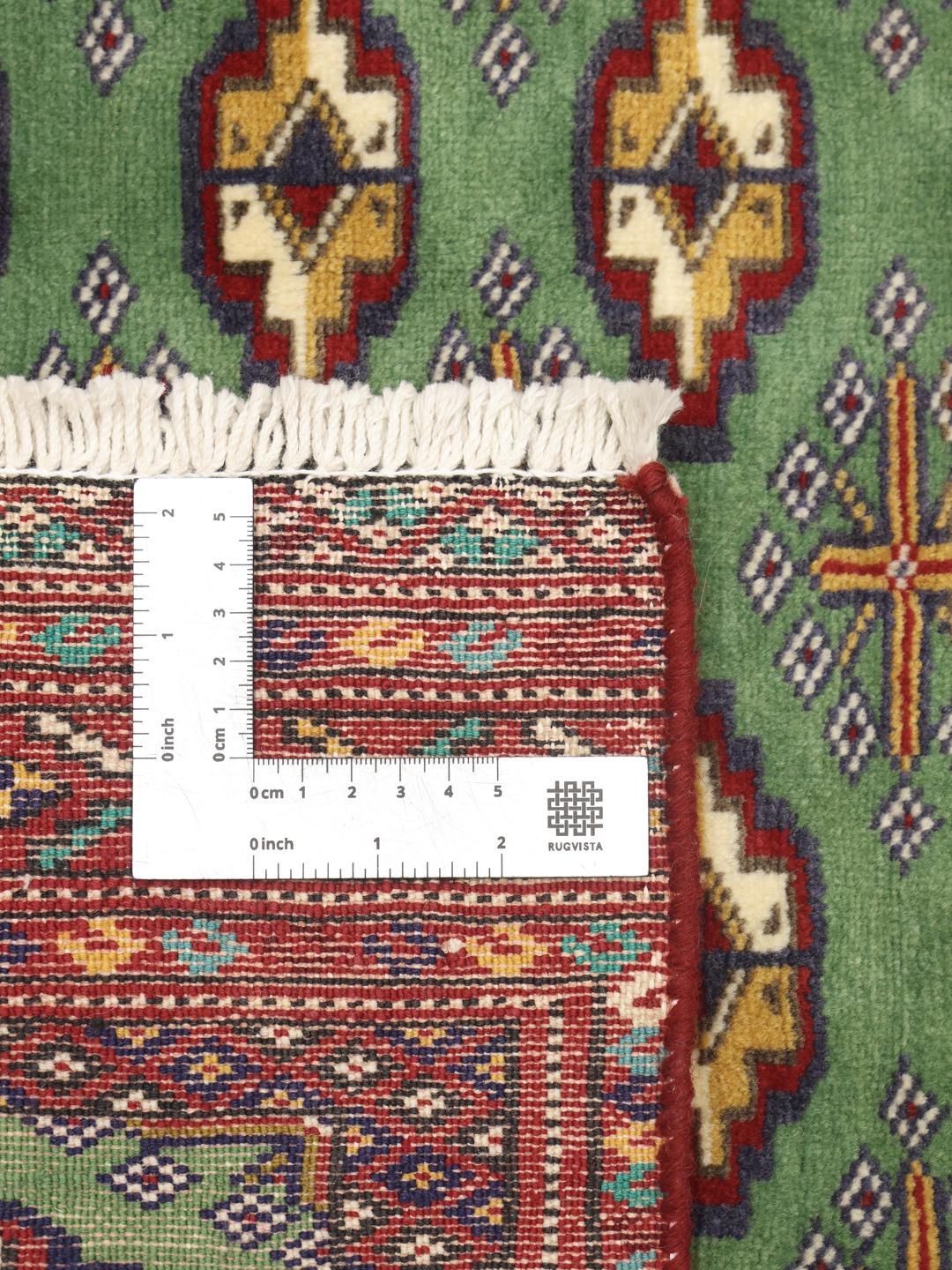
Turkaman rugs originate from the nomadic tribes of Central Asia and the Middle East, where weaving was not just a craft but a vital form of storytelling. These rugs were traditionally created by women, who used them as functional items like tent hangings, floor coverings, and storage bags. Over generations, these designs migrated through the region, evolving into the distinct, highly prized style we recognise today.
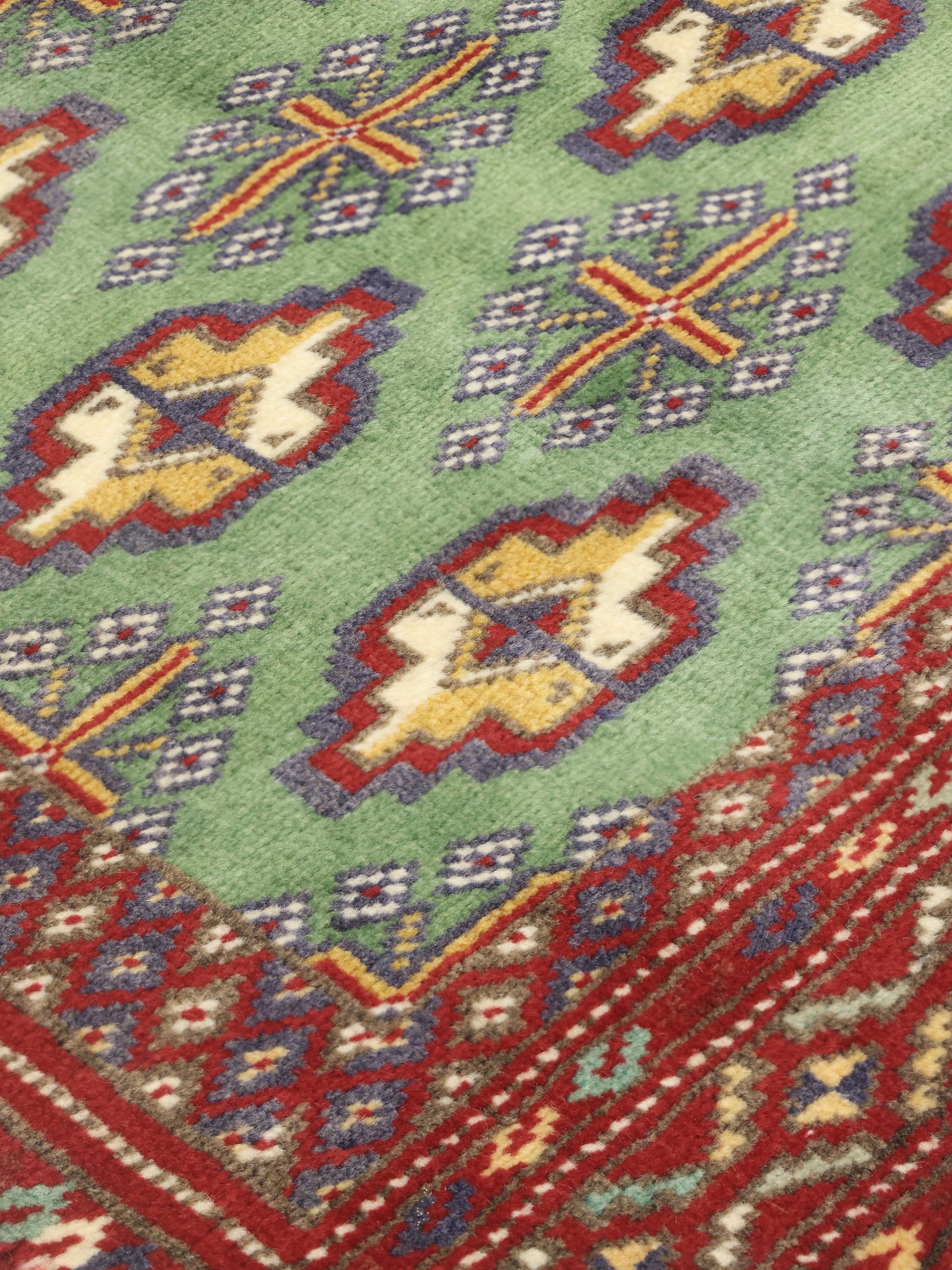
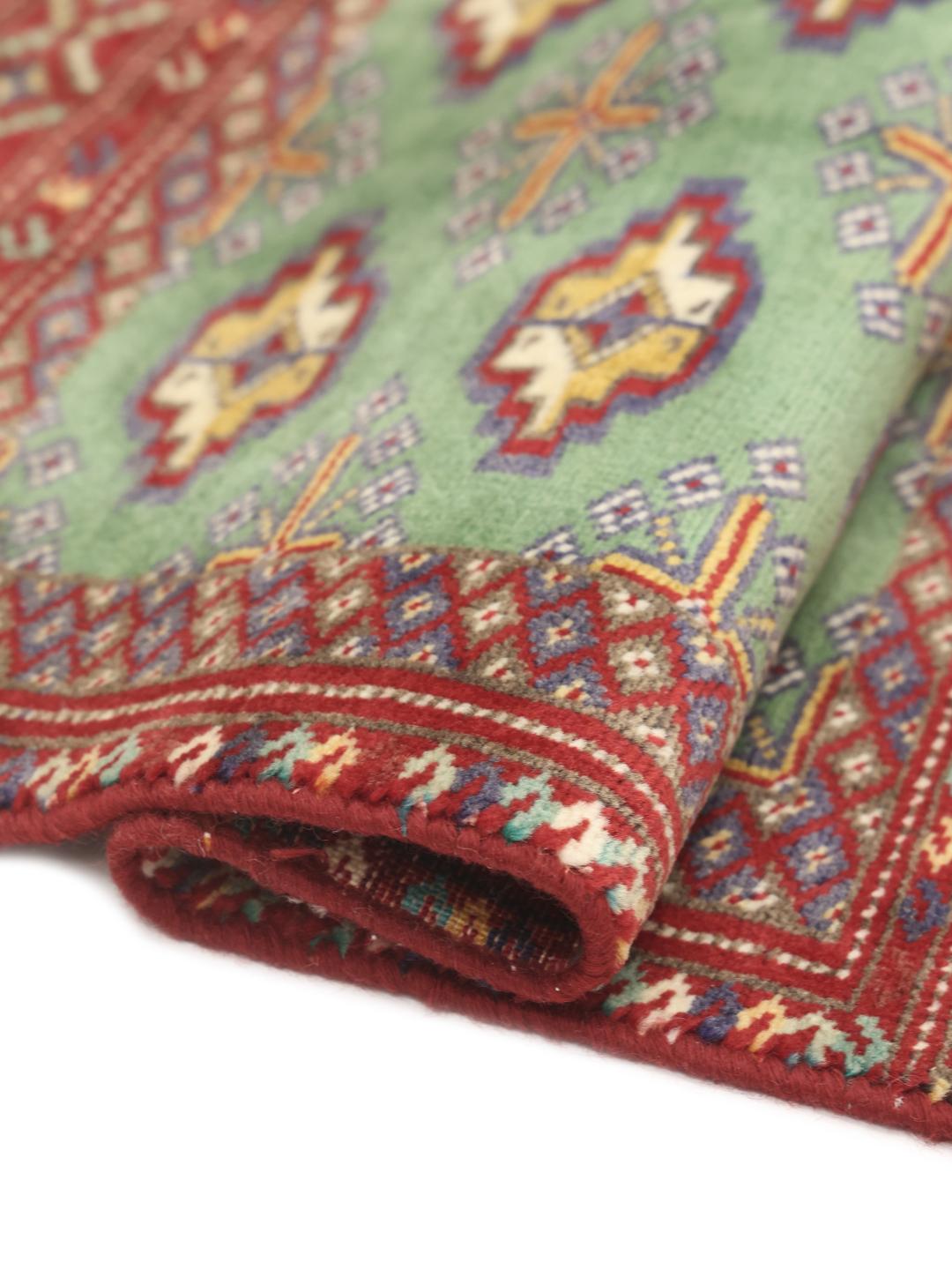
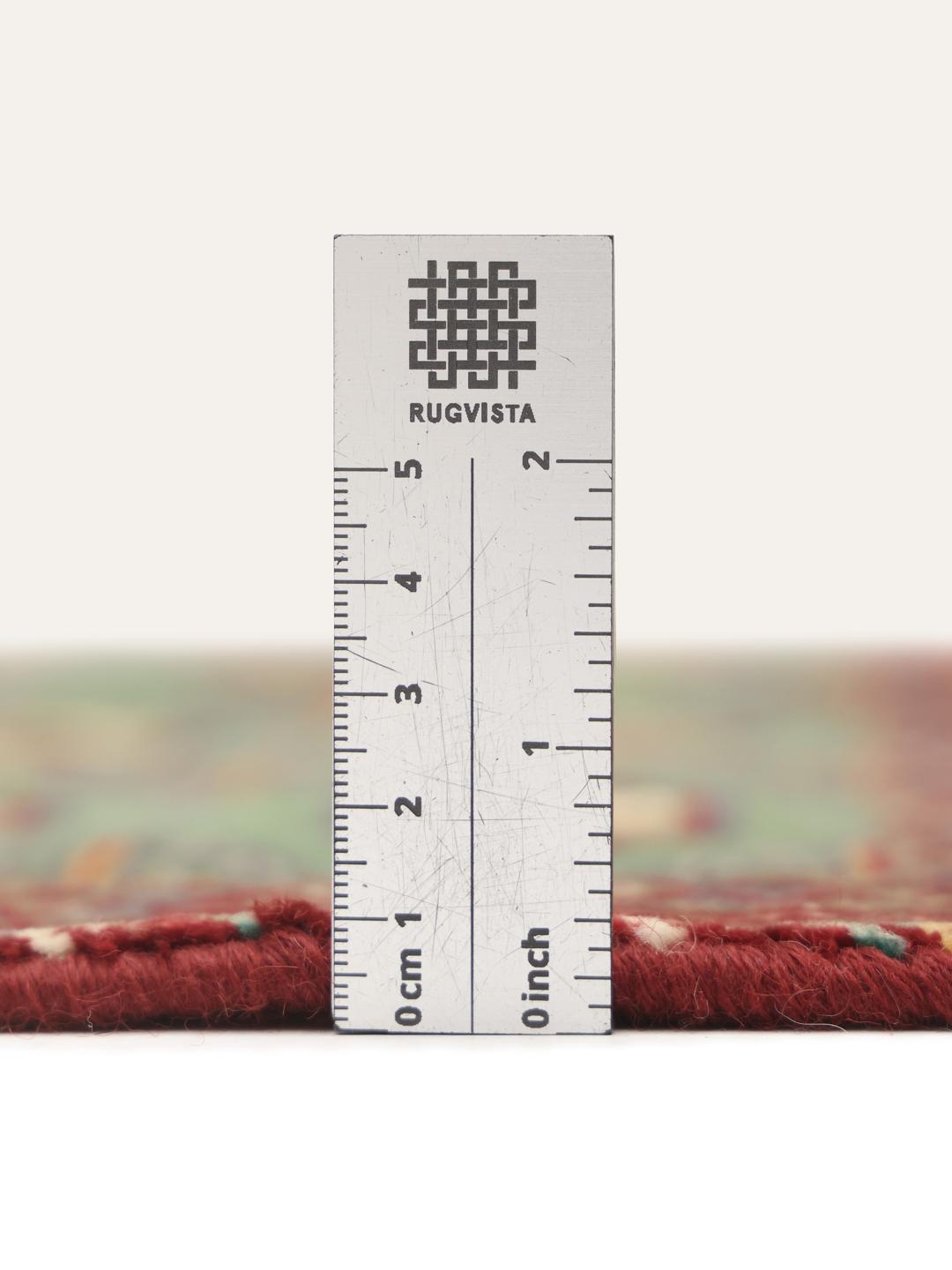
The term Turkaman refers to the specific tribal aesthetic that prioritises durability and symbolic geometry. The construction uses a high-quality Wool pile, which is prized for its natural resilience and ability to retain its lustre over many years. This material choice is fundamental to the category, ensuring the rug feels substantial and remains a fixture in the home for decades.
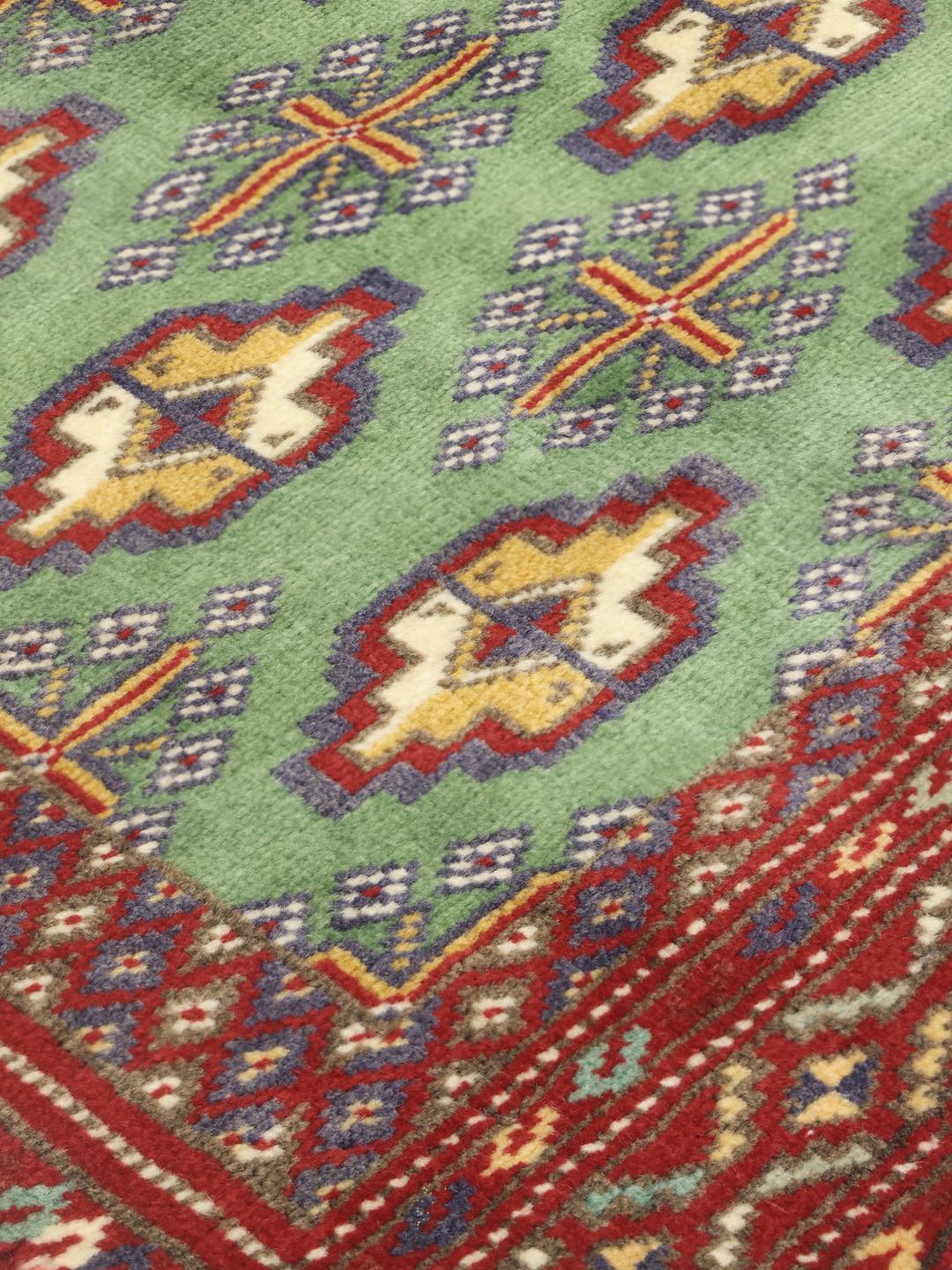
Visually, these rugs are defined by their repeating motifs, often known as guls. A gul is an octagonal medallion that represents the specific identity of the tribe that wove it. The field is frequently framed by complex, stylised borders that feature geometric elements, creating a sense of order and balance that defines the classic Turkaman look.
Collecting these rugs is an investment in cultural heritage. They are valued for their consistency of style combined with the unique, hand-wrought variations that occur in every piece. To own a Turkaman rug is to connect with a long lineage of craft, preserving a tradition that honours the skill of the weaver and the legacy of their ancestors.