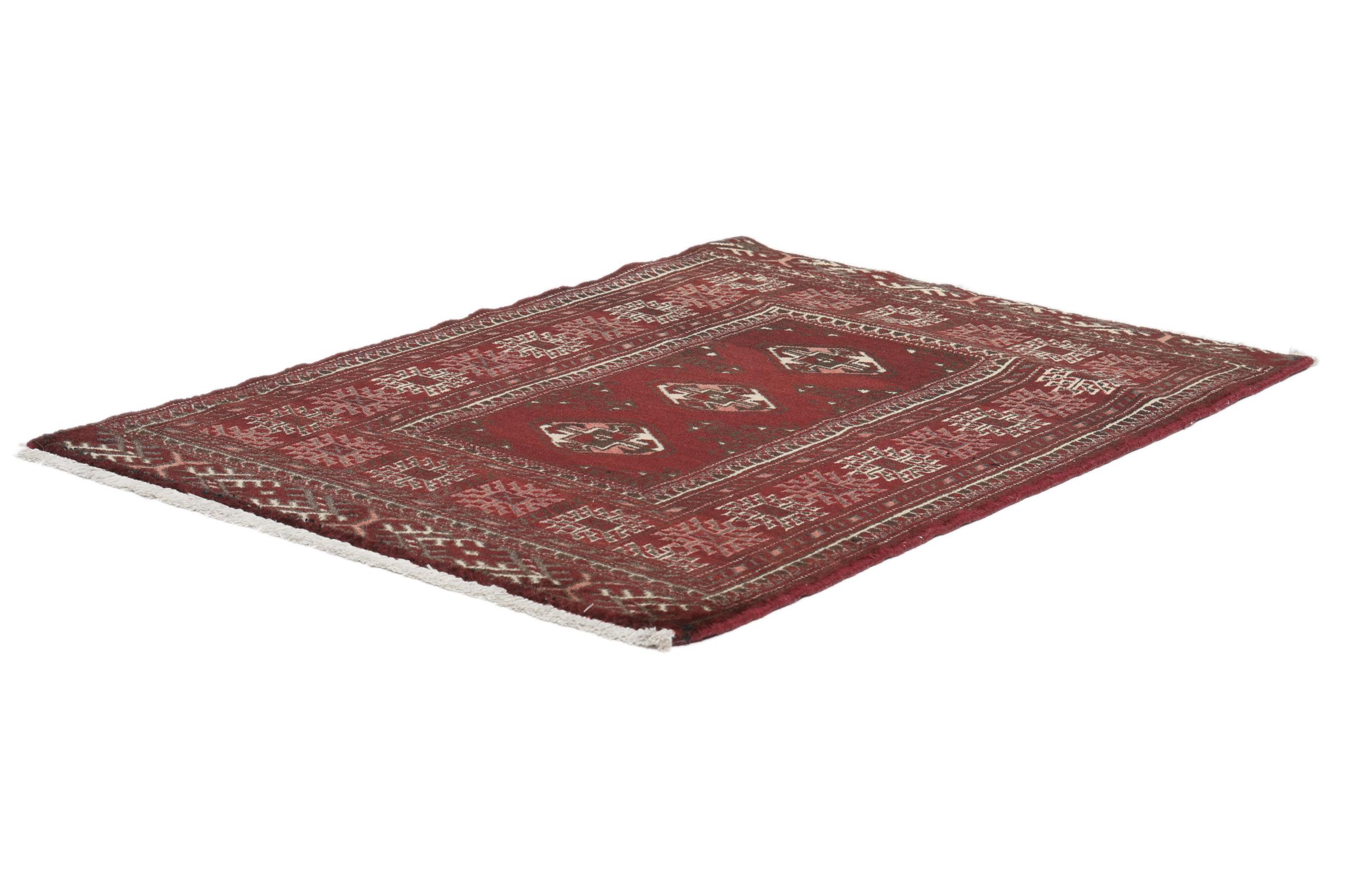
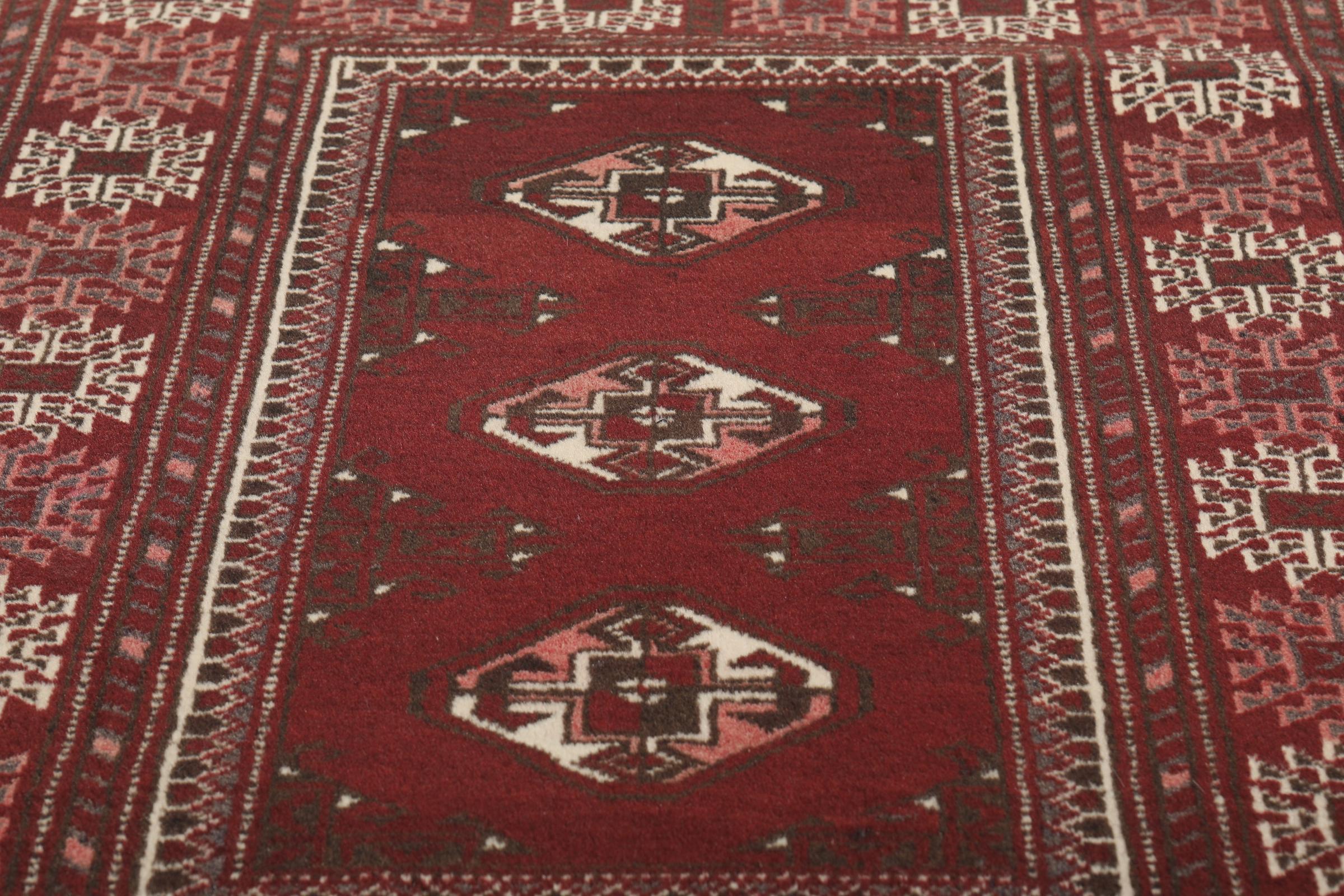
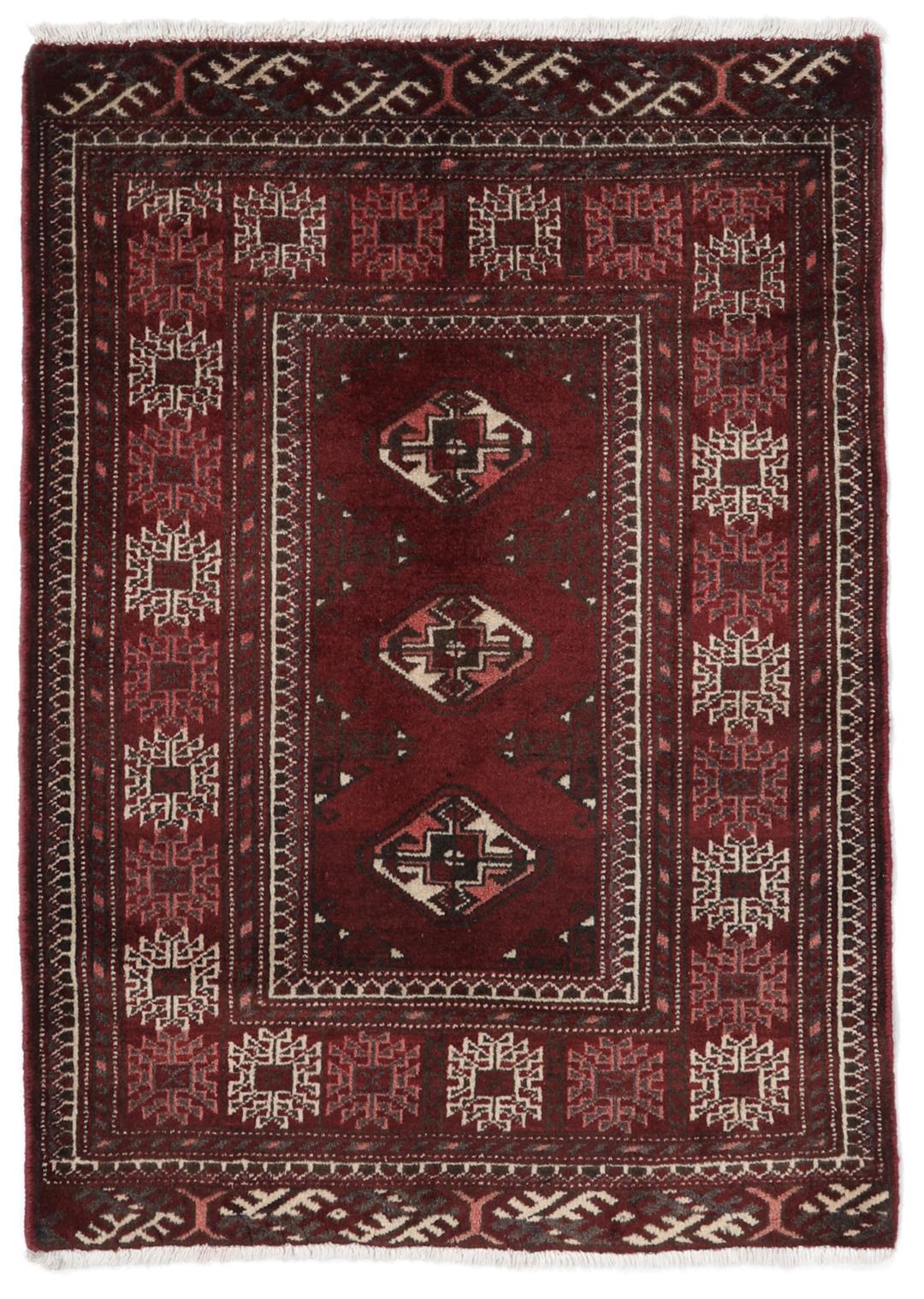
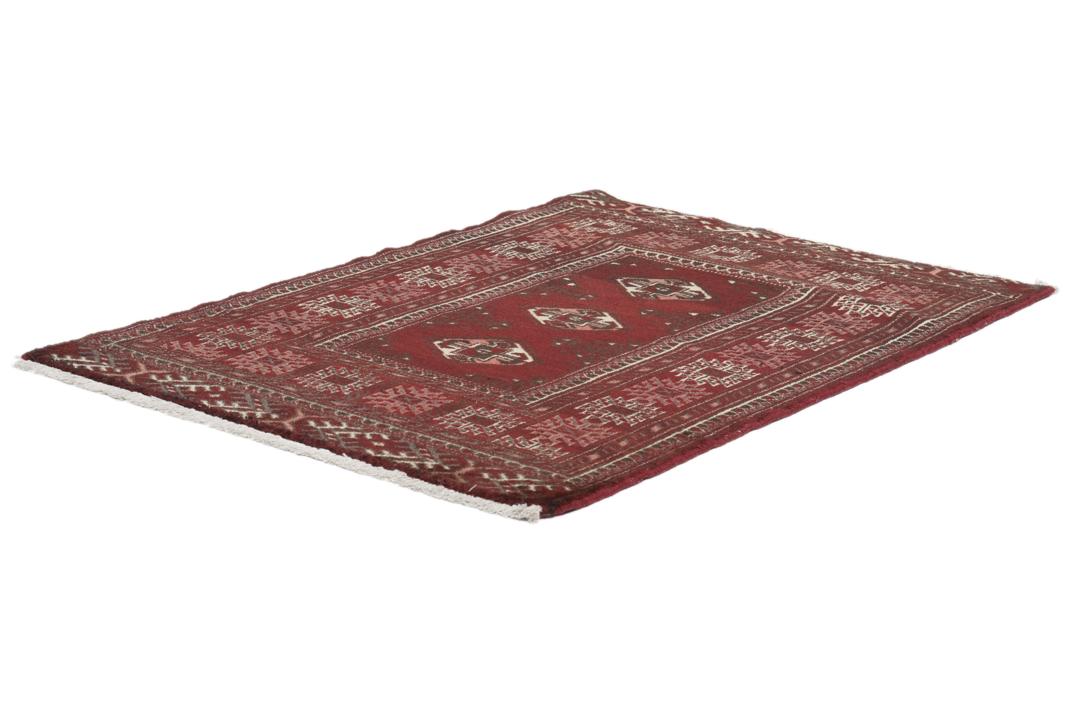
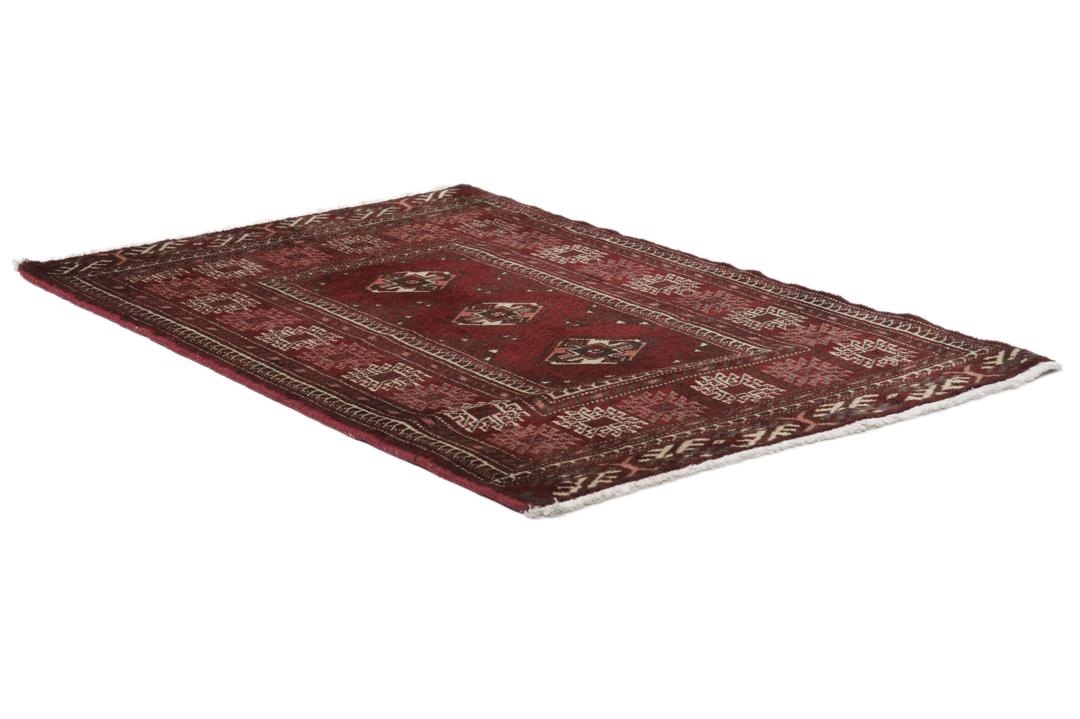
The Turkaman rug tradition finds its roots in the nomadic tribes of Central Asia, whose distinct weaving styles have been passed down through generations. While the style originated with tribes who moved across vast landscapes, it has evolved significantly, with many of the finest examples now being crafted by skilled artisans throughout the Middle East.
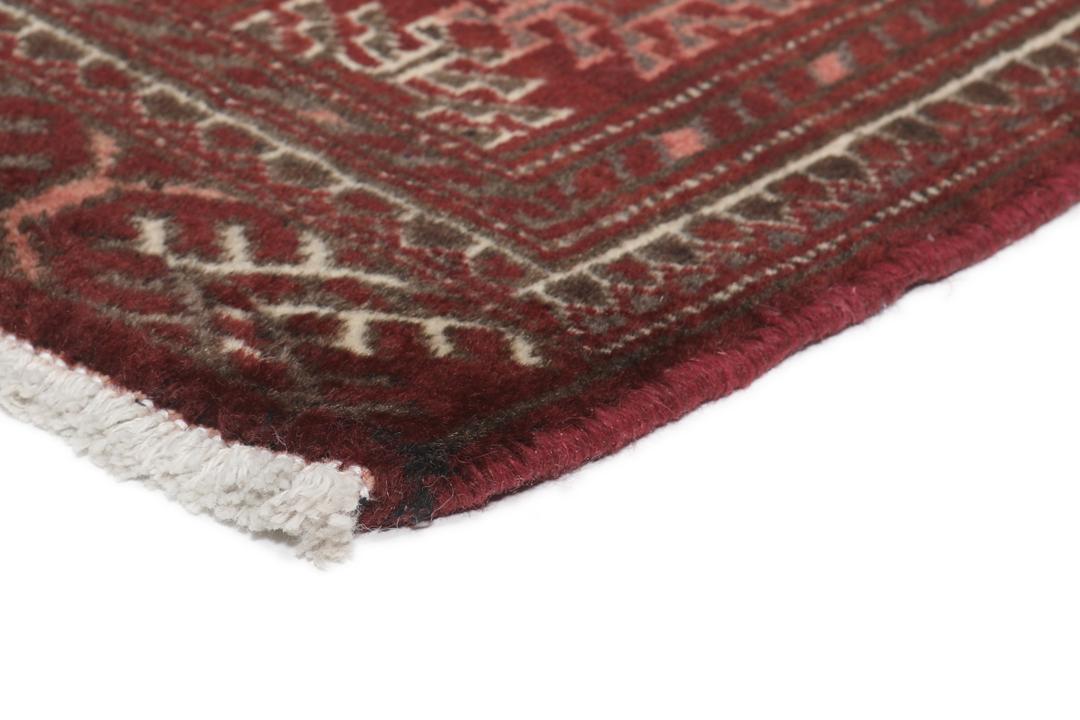
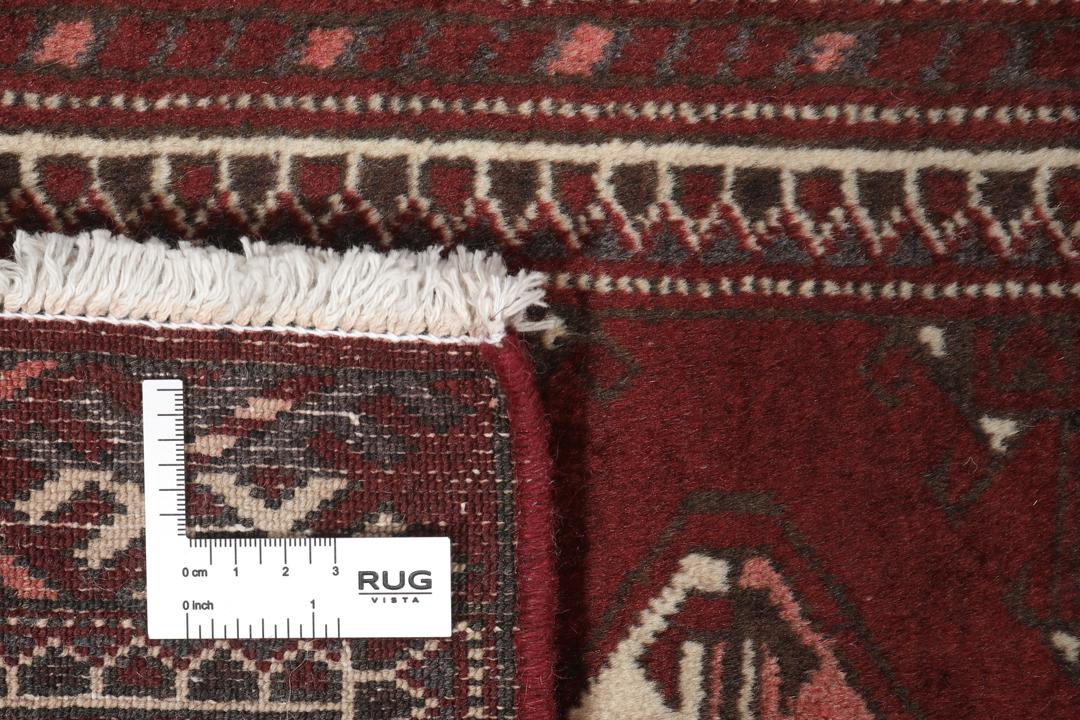
The term Turkaman refers to both the people and the specific, highly disciplined approach to knotting that creates these rugs. This craft is defined by the use of high-quality wool that is often processed to enhance its natural lustre and durability. The technique of hand-knotting, when applied with such tradition, produces a pile that is not only dense but also incredibly resistant to wear, ensuring that these rugs remain vibrant for decades.
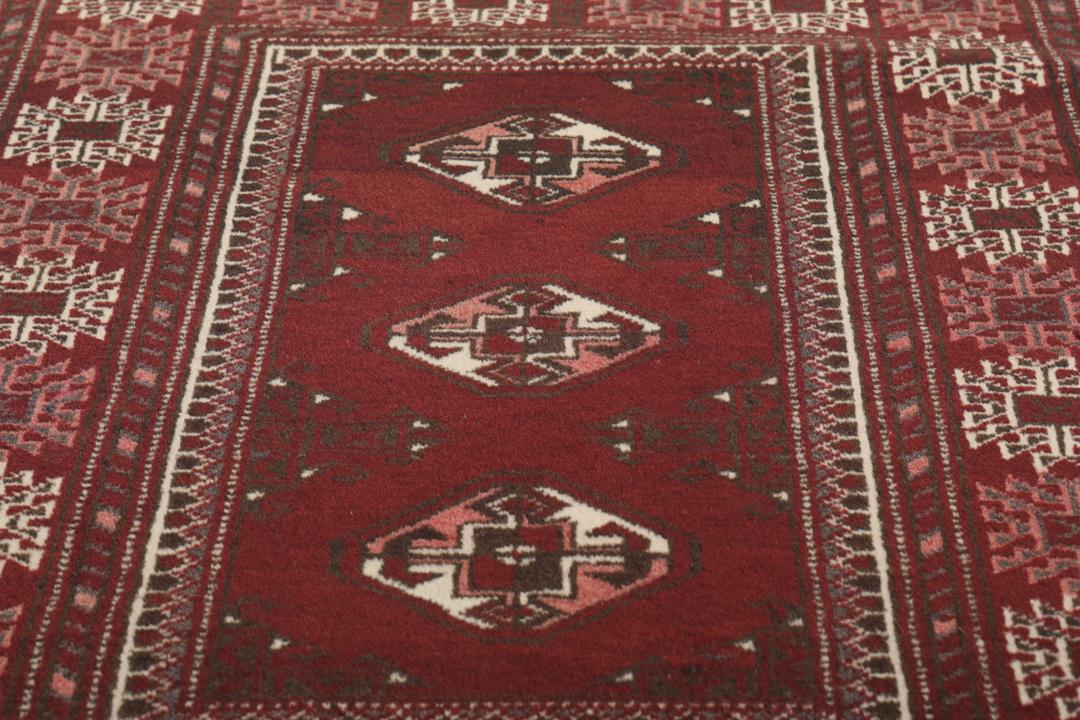
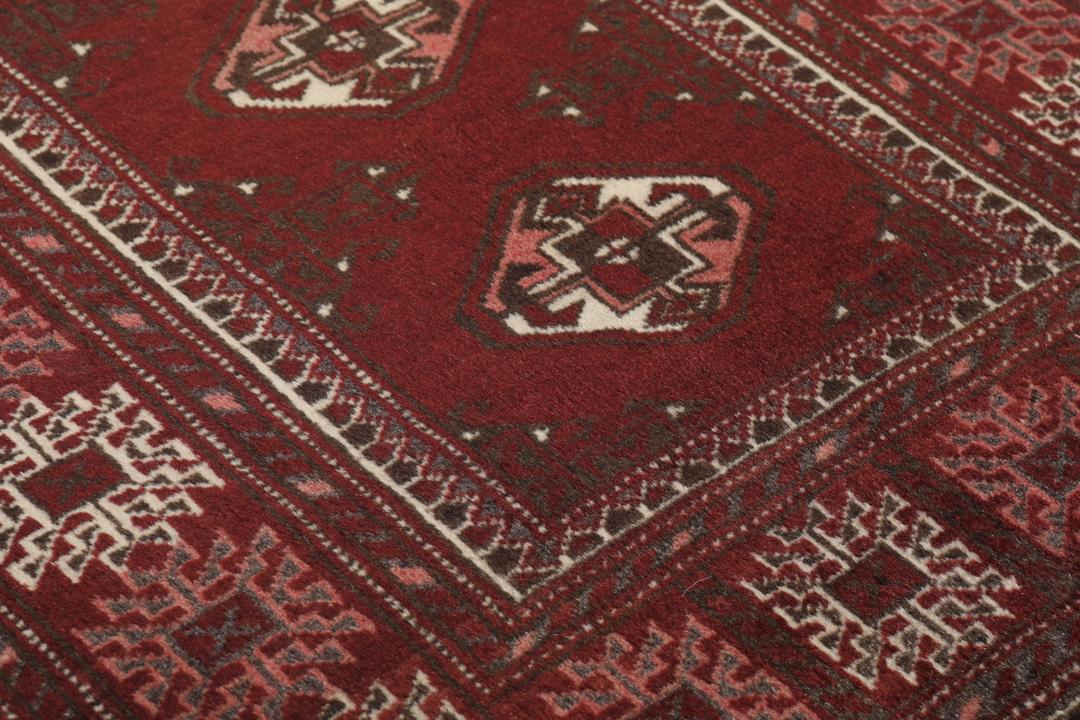
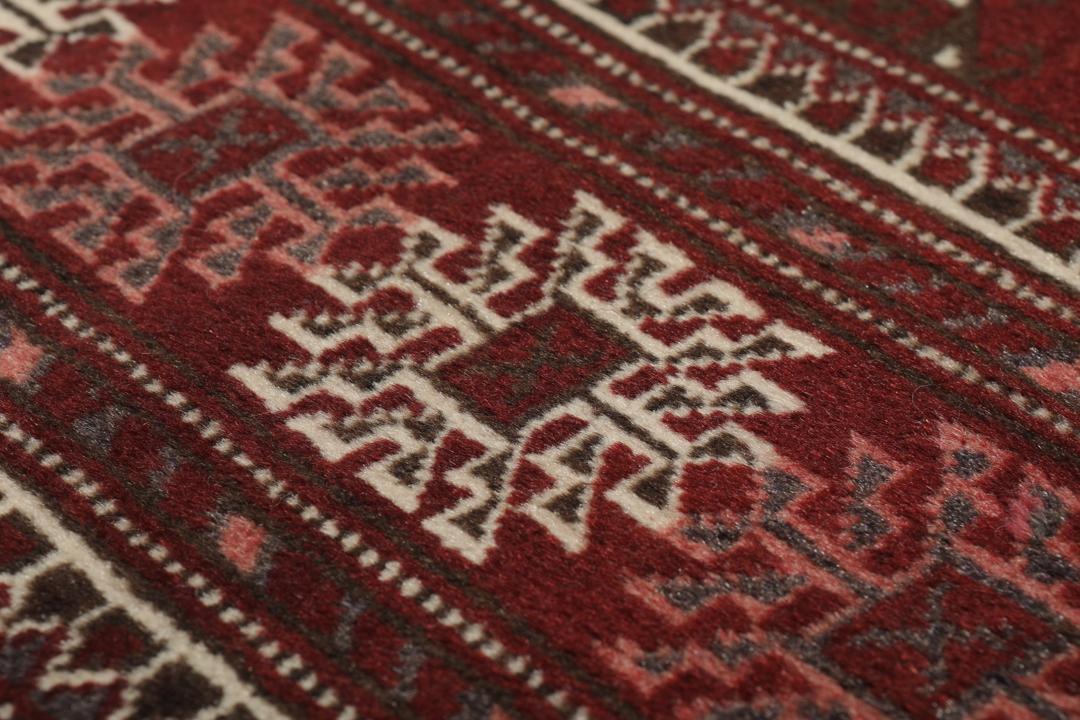
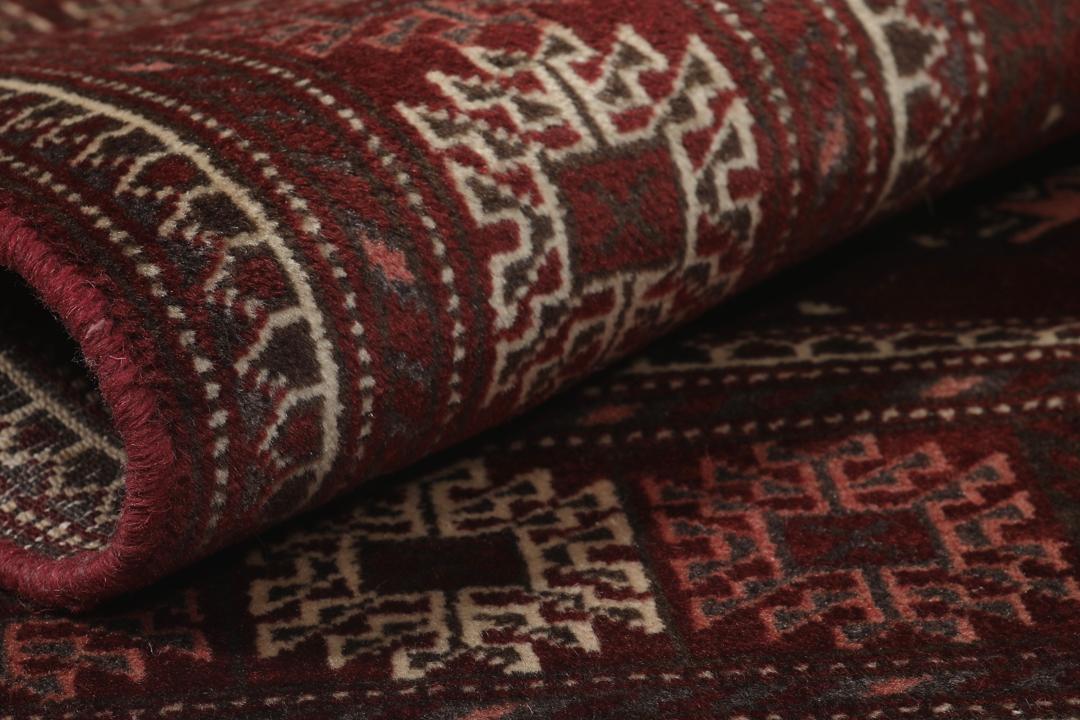
Visually, Turkaman rugs are celebrated for their sophisticated use of repeating motifs, most notably the gul, a stylised, octagonal emblem that represents tribal identity and heritage. The borders are typically formal and structured, framing the field with repeating geometric patterns that draw the eye inward. This specific rug captures that tradition perfectly, utilising a deep, rich palette that is a hallmark of the style.
Collectors and design enthusiasts value these rugs for their cultural significance and the evident skill required to produce them. Owning a Turkaman piece is an invitation to bring a piece of living history into your home. It represents a commitment to supporting ancient craft traditions and adds a layer of depth and authenticity to any room it inhabits.