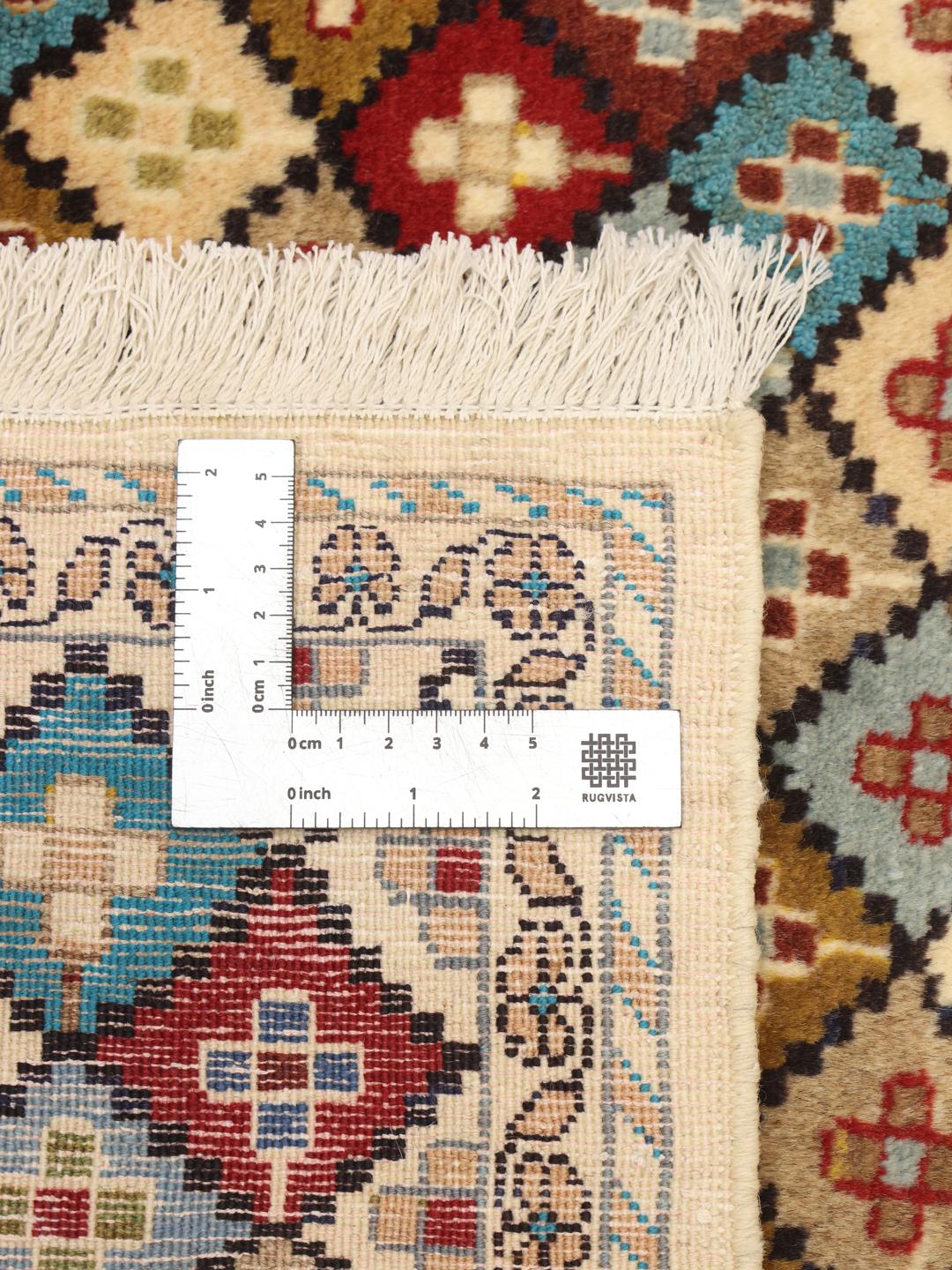
Turkaman rugs originate from the nomadic tribes of Central Asia and the Middle East, a region with a deep-rooted history of textile weaving. Traditionally, these rugs were created by tribal groups to serve as practical, portable, and durable floor coverings, often incorporating symbols and motifs that reflected the weaver's environment and cultural identity.
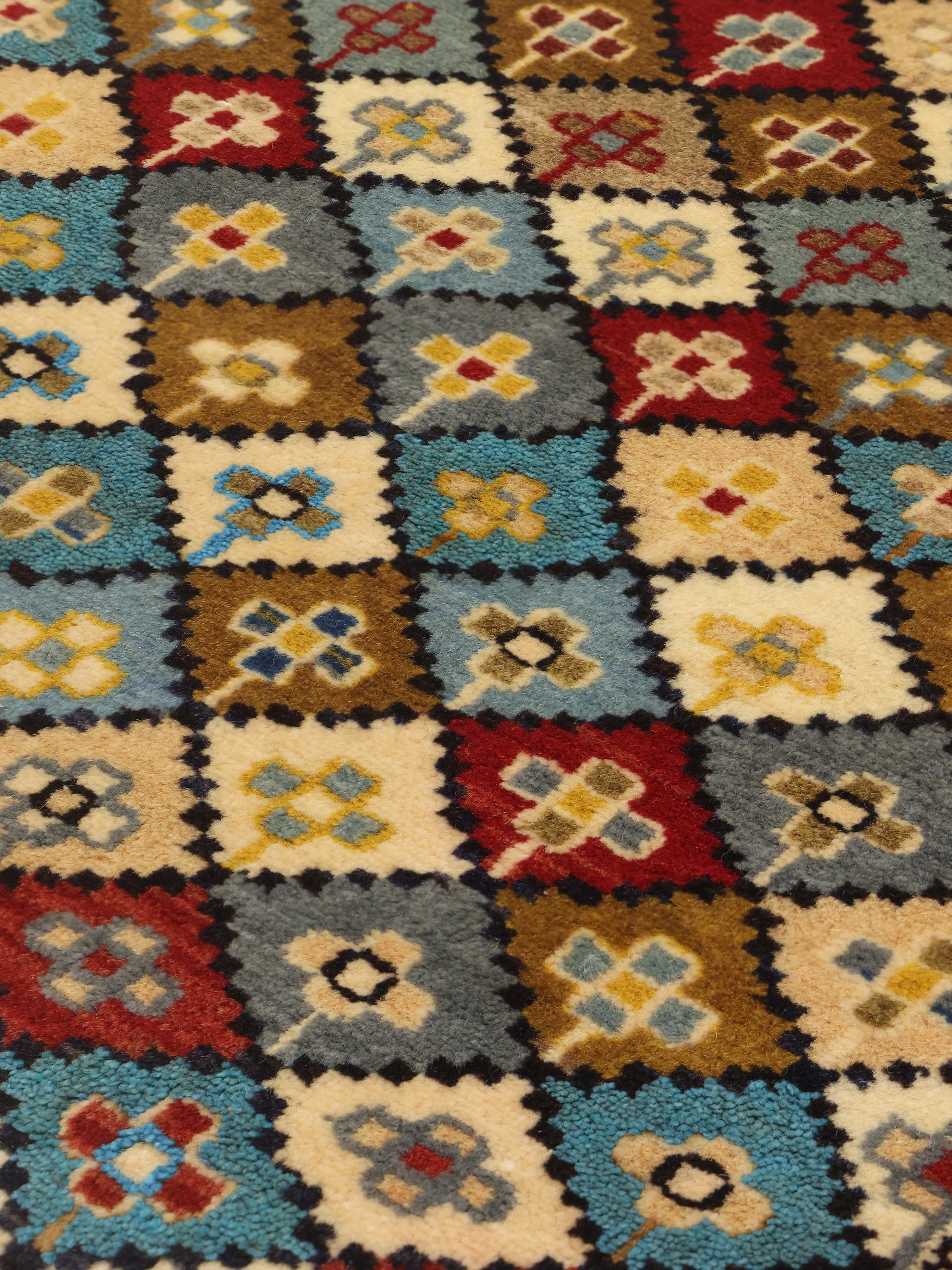
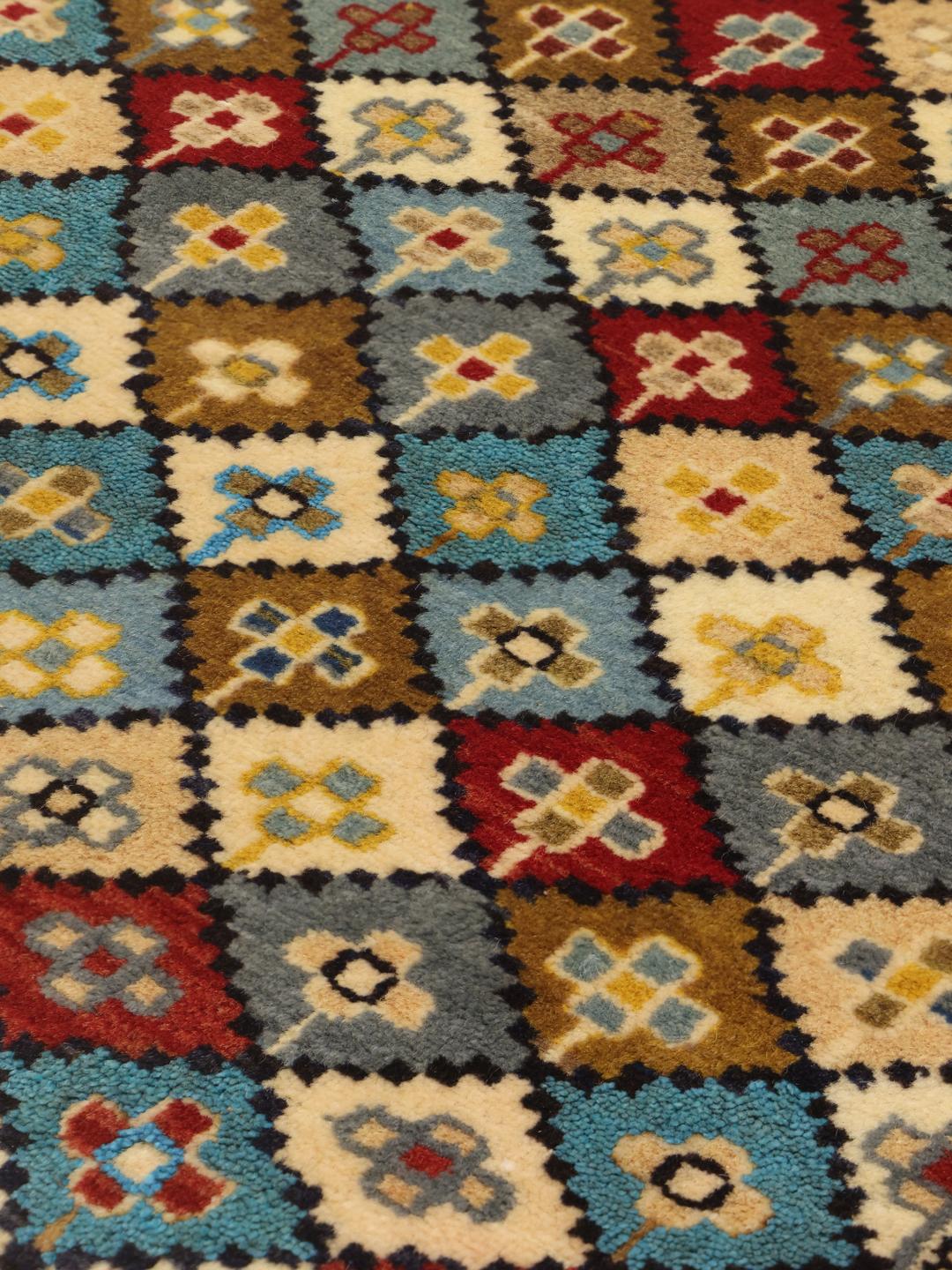
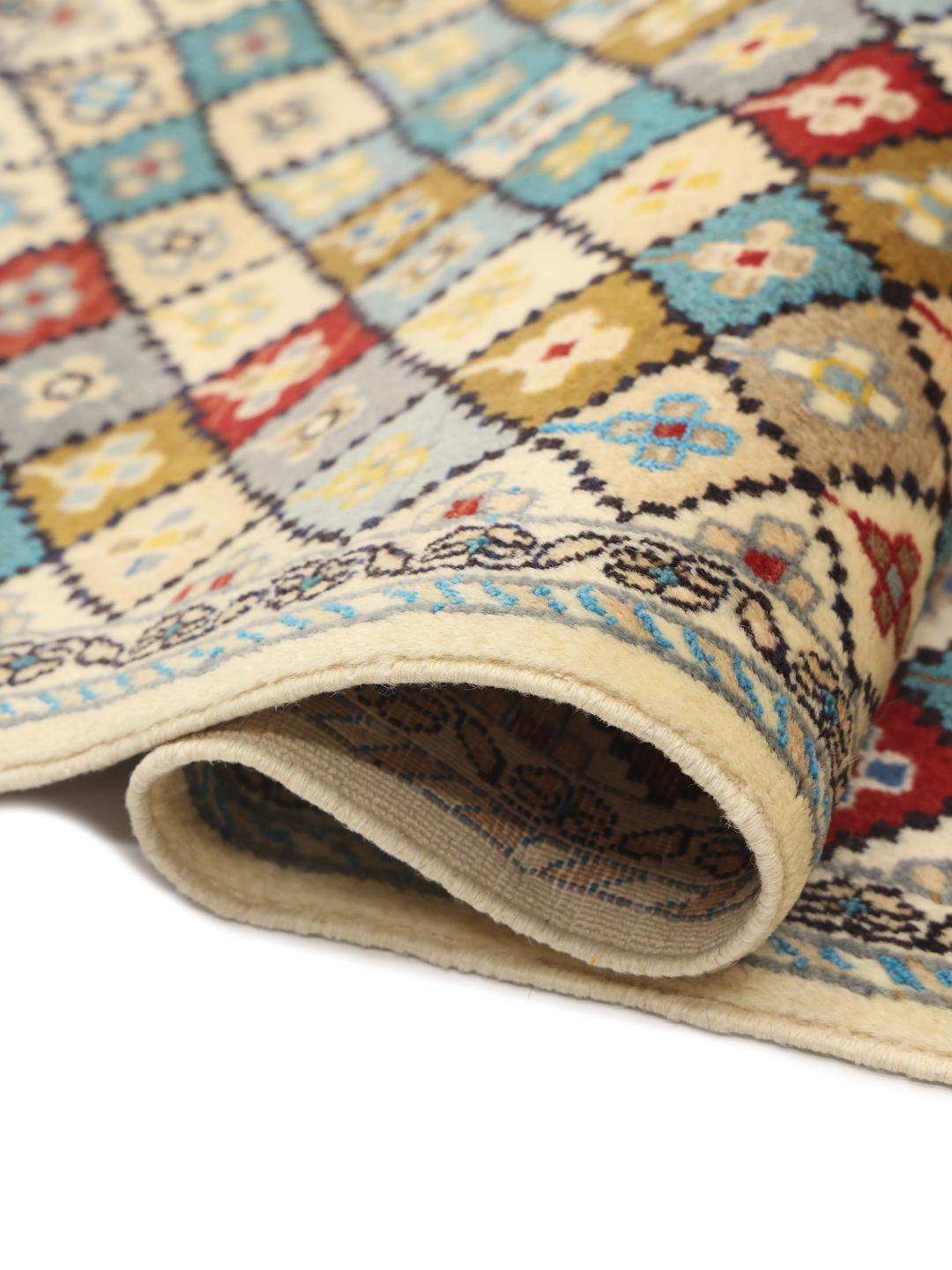
The term 'Turkaman' refers to a specific style of weaving that has evolved over centuries. The use of wool, often sourced locally, is central to this tradition. The wool is processed and spun into a sturdy pile, which, when combined with a cotton foundation, creates a finished product that is both soft to the touch and incredibly hard-wearing, capable of withstanding the rigours of everyday life.
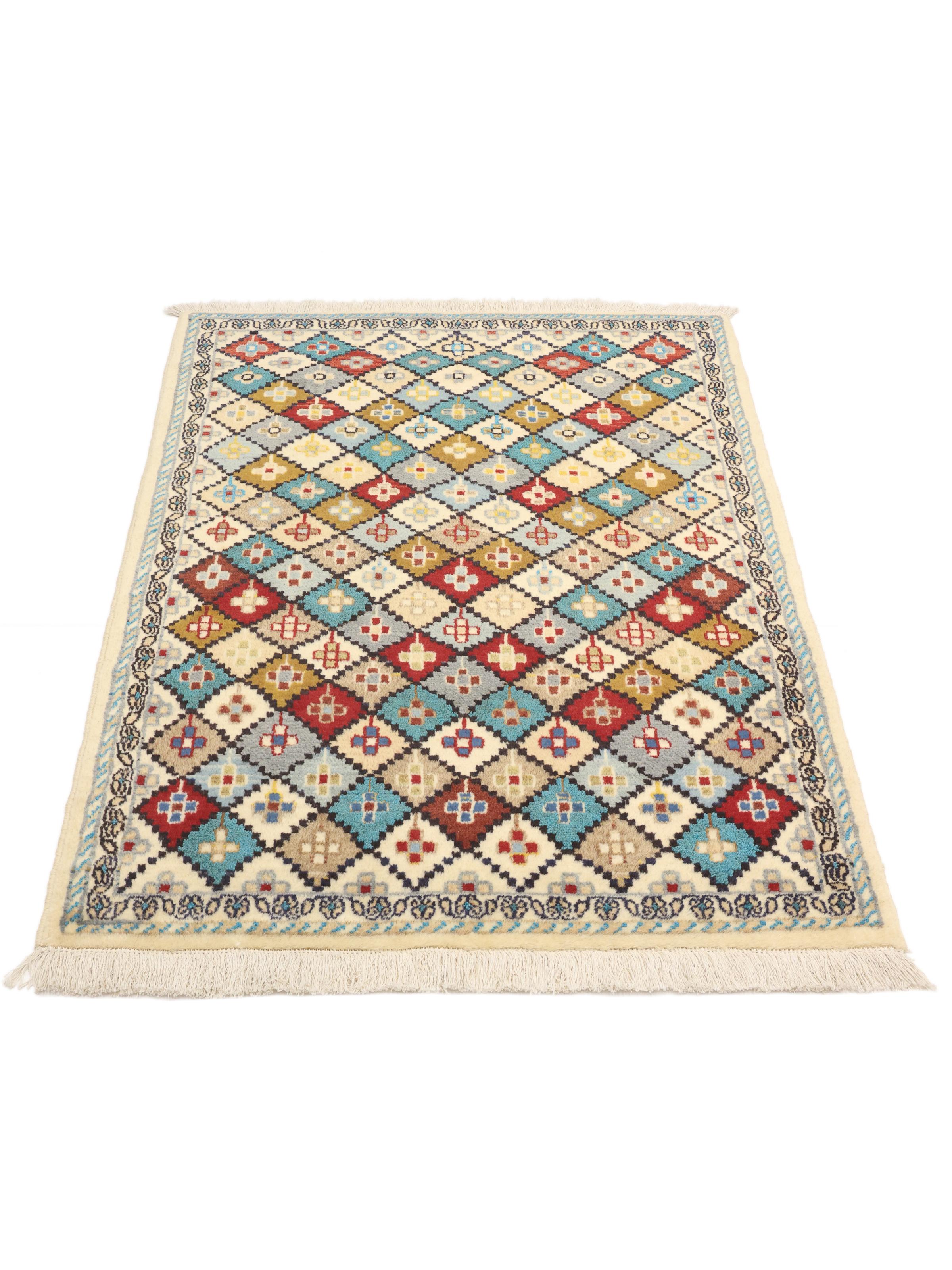
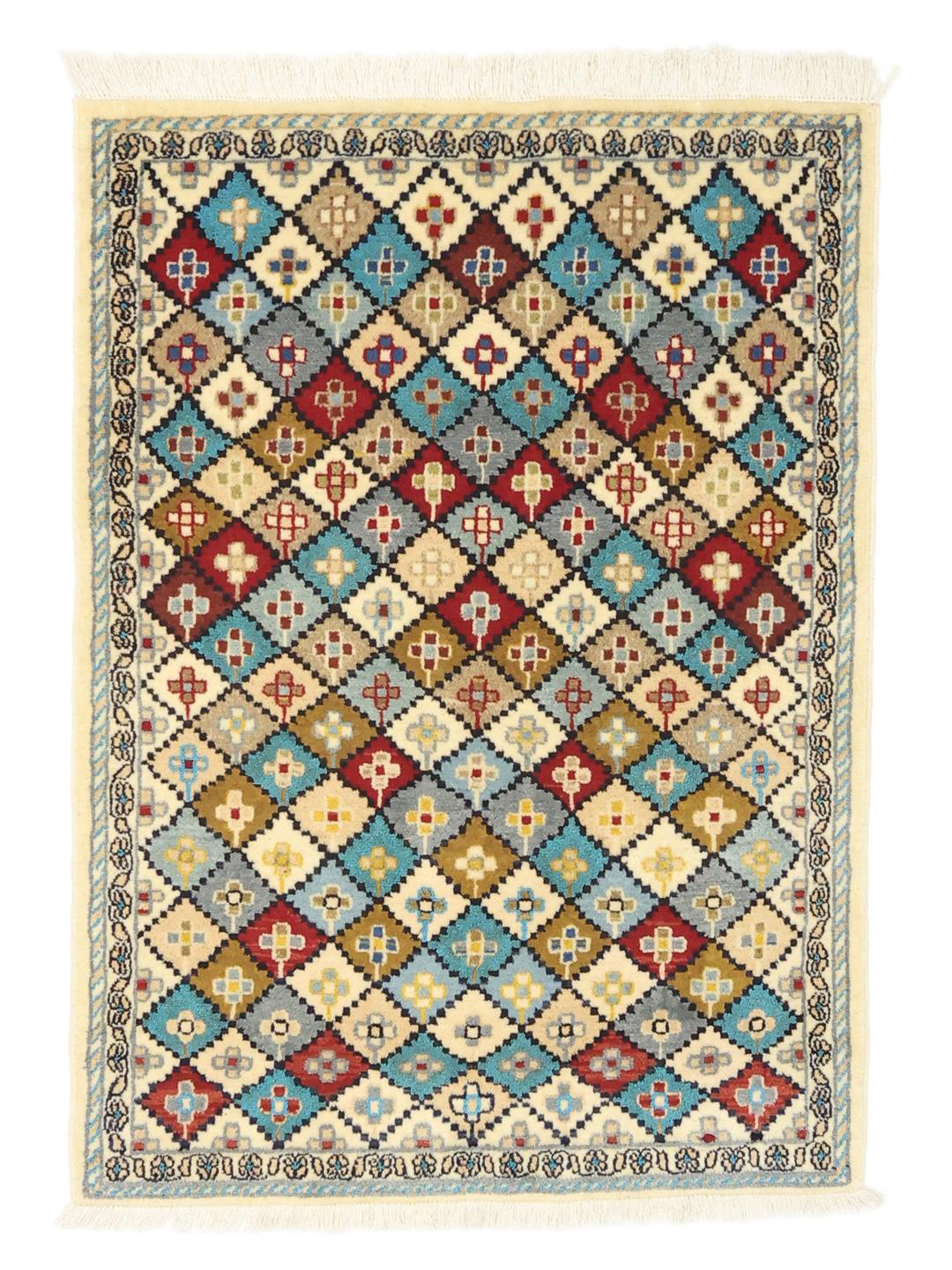
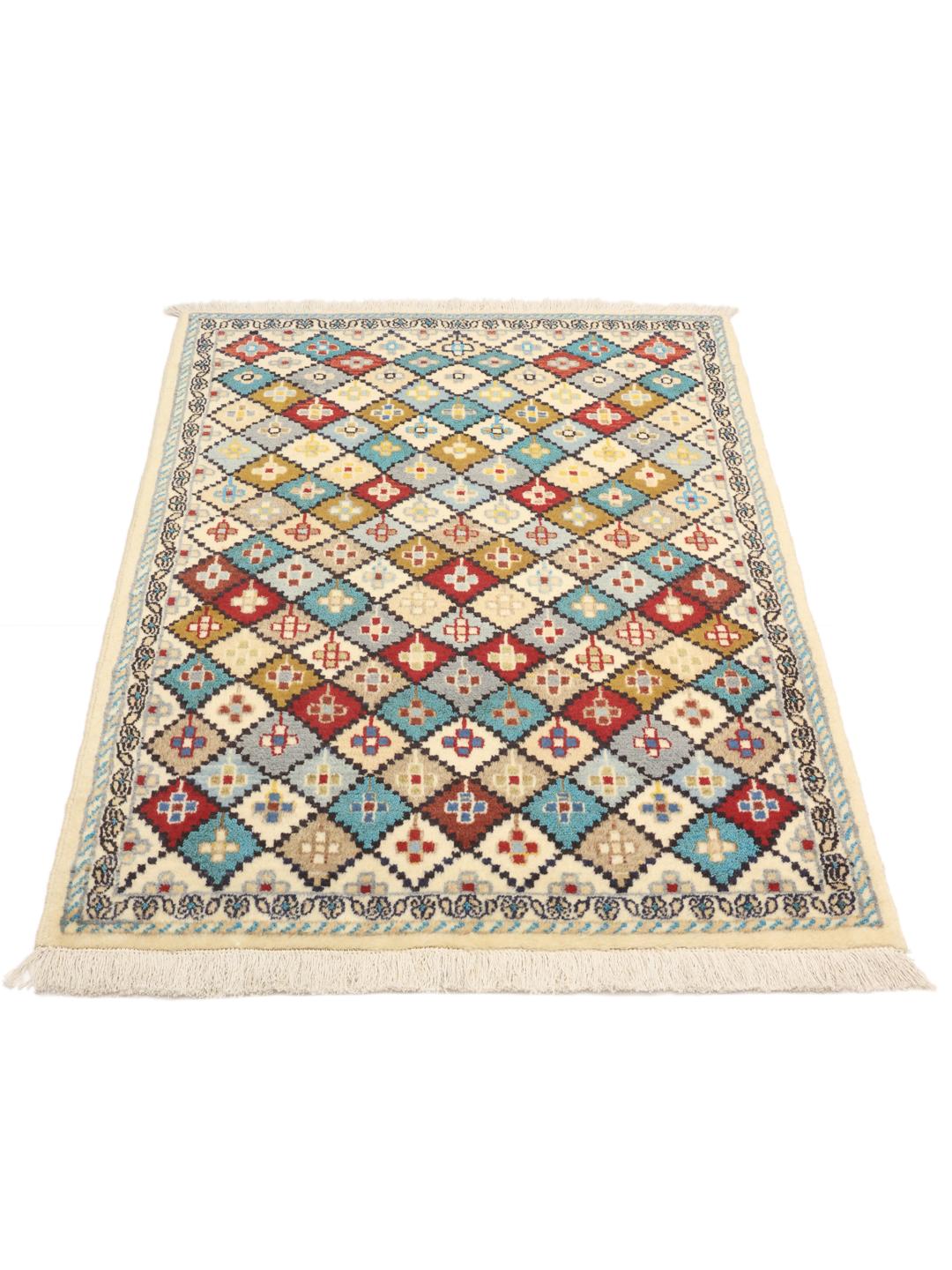
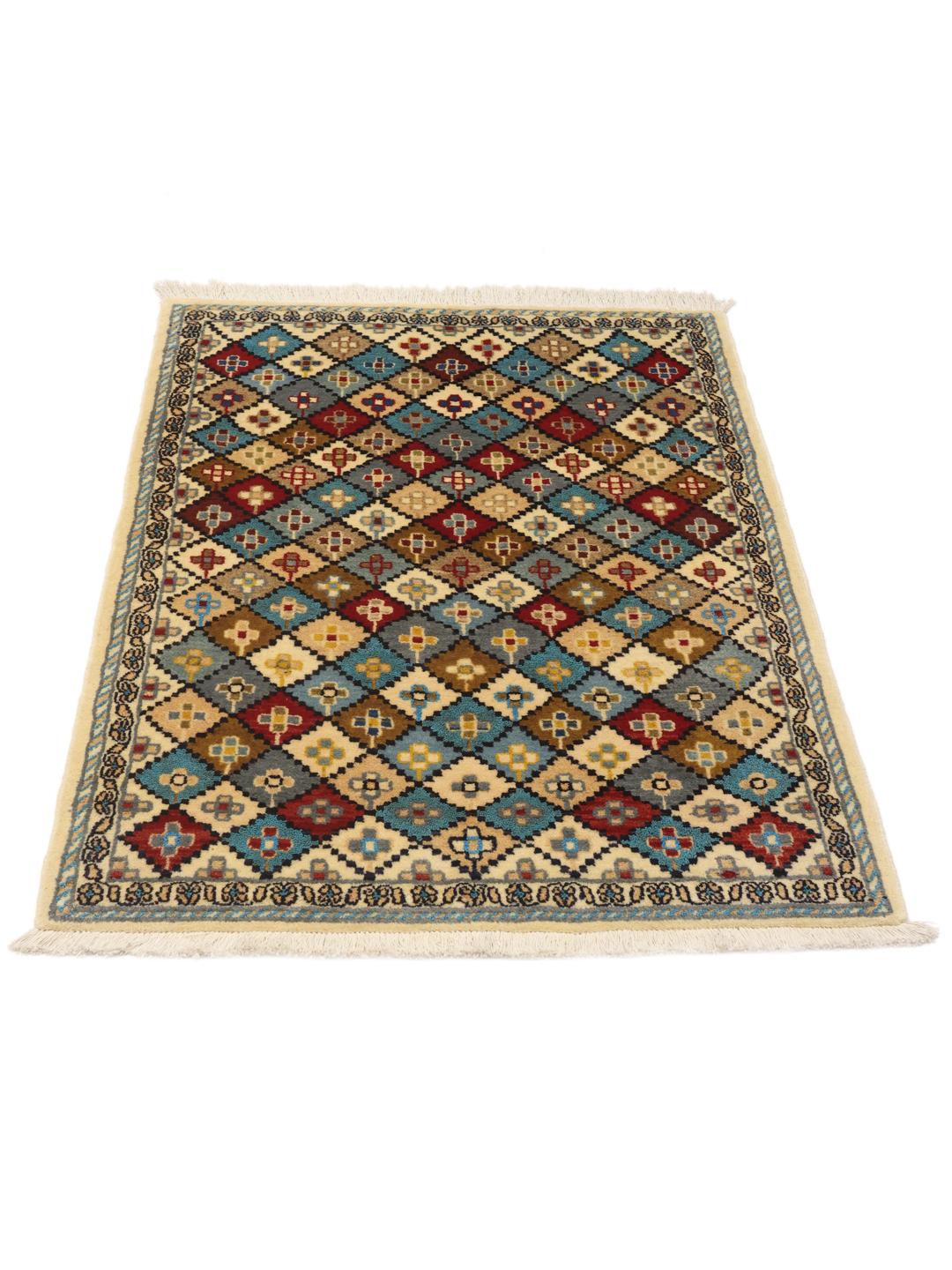
Signature design elements of these rugs include the iconic geometric motifs, often arranged in rows or diamond grids. These patterns are frequently enclosed by intricate, multi-layered borders that frame the field. The colour palette traditionally relies on deep, earthy tones, though the inclusion of vibrant accents in this piece showcases the versatility and artistic freedom inherent in the tradition.
Owning a Turkaman rug is an invitation to connect with a rich heritage of craft. These rugs are highly valued by collectors not just for their visual appeal, but for the history and human dedication embedded in every knot. They represent a bridge between ancient nomadic traditions and modern interior design, offering a timeless aesthetic that brings cultural significance to any home.