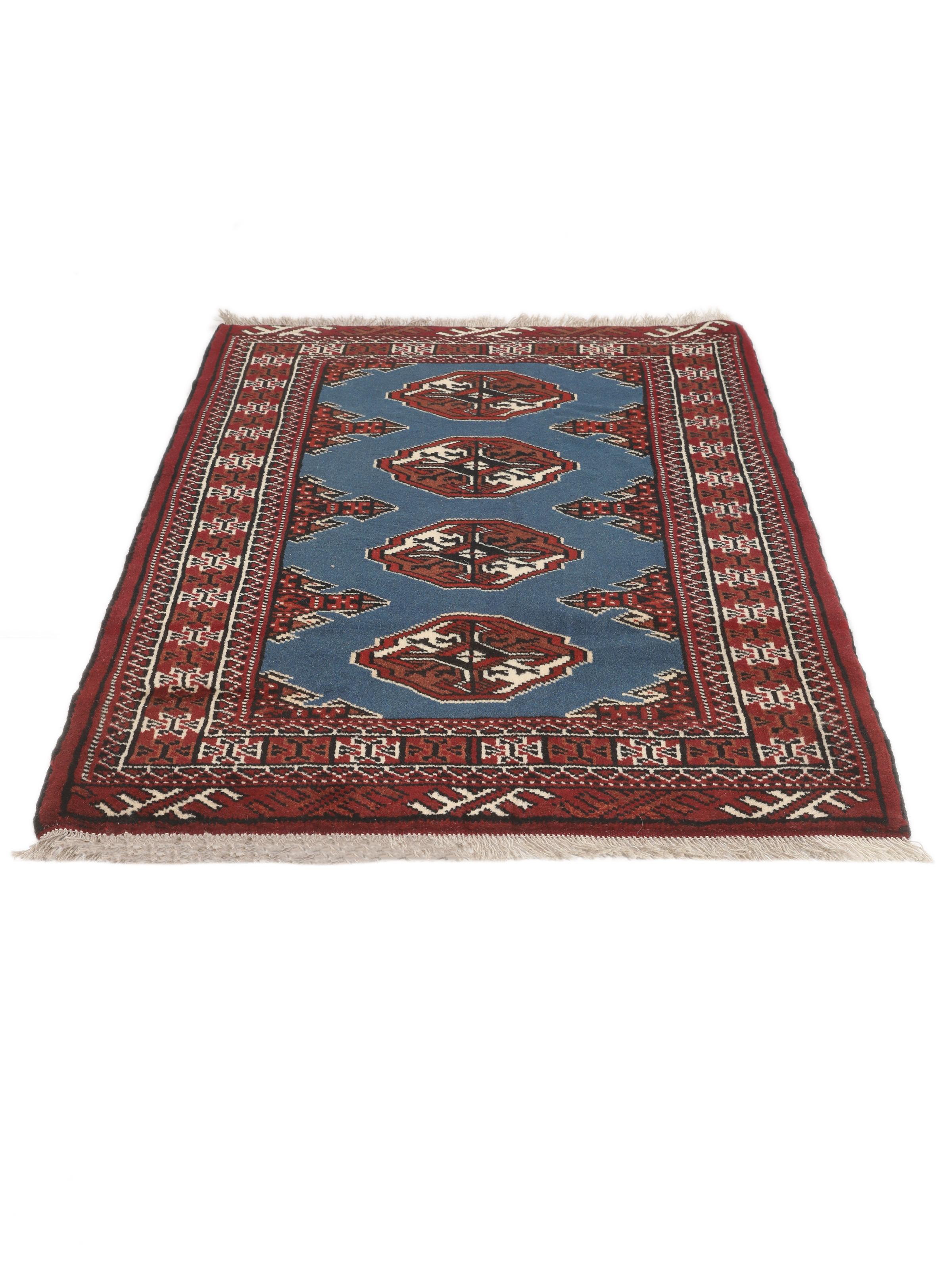
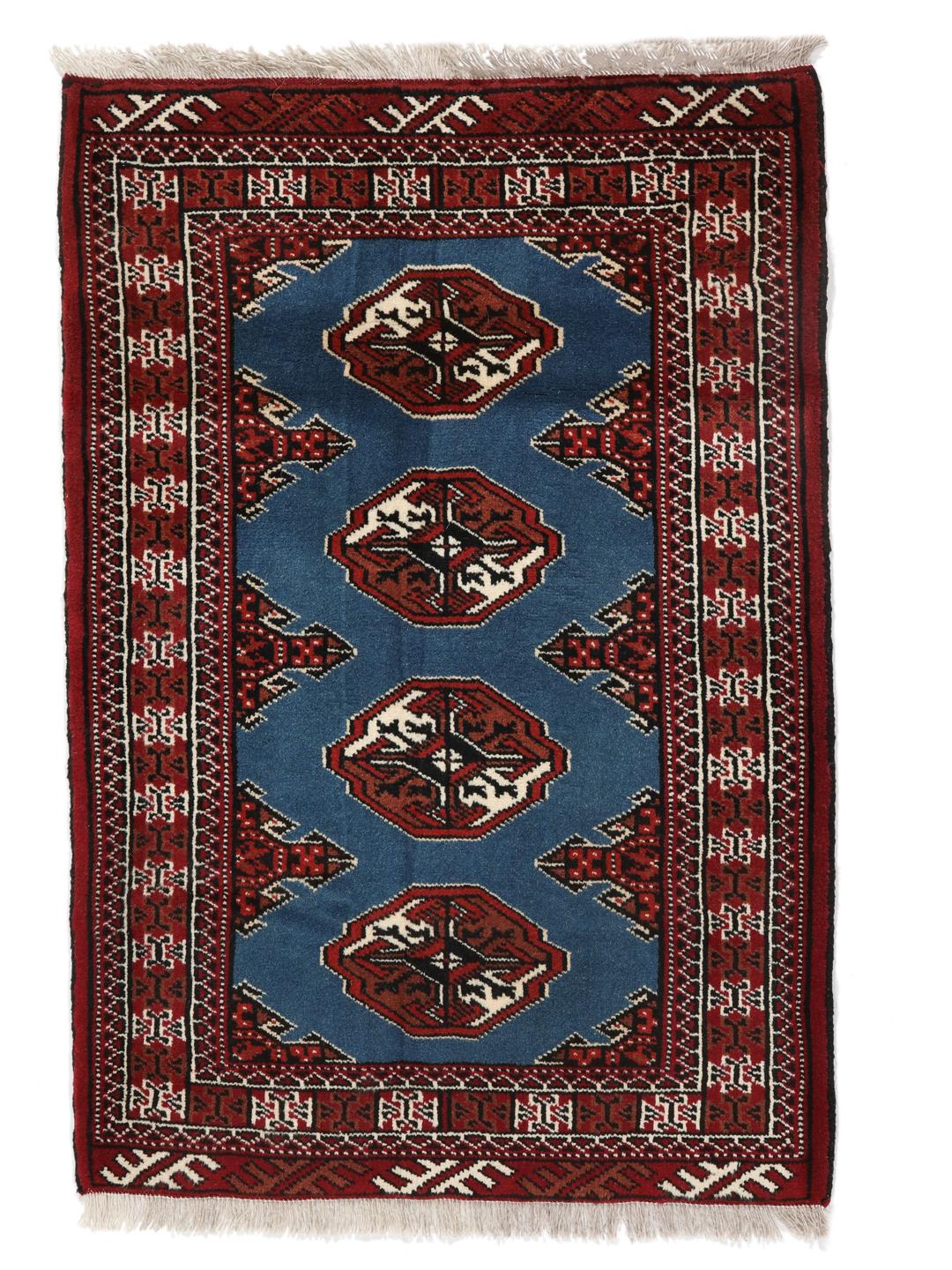
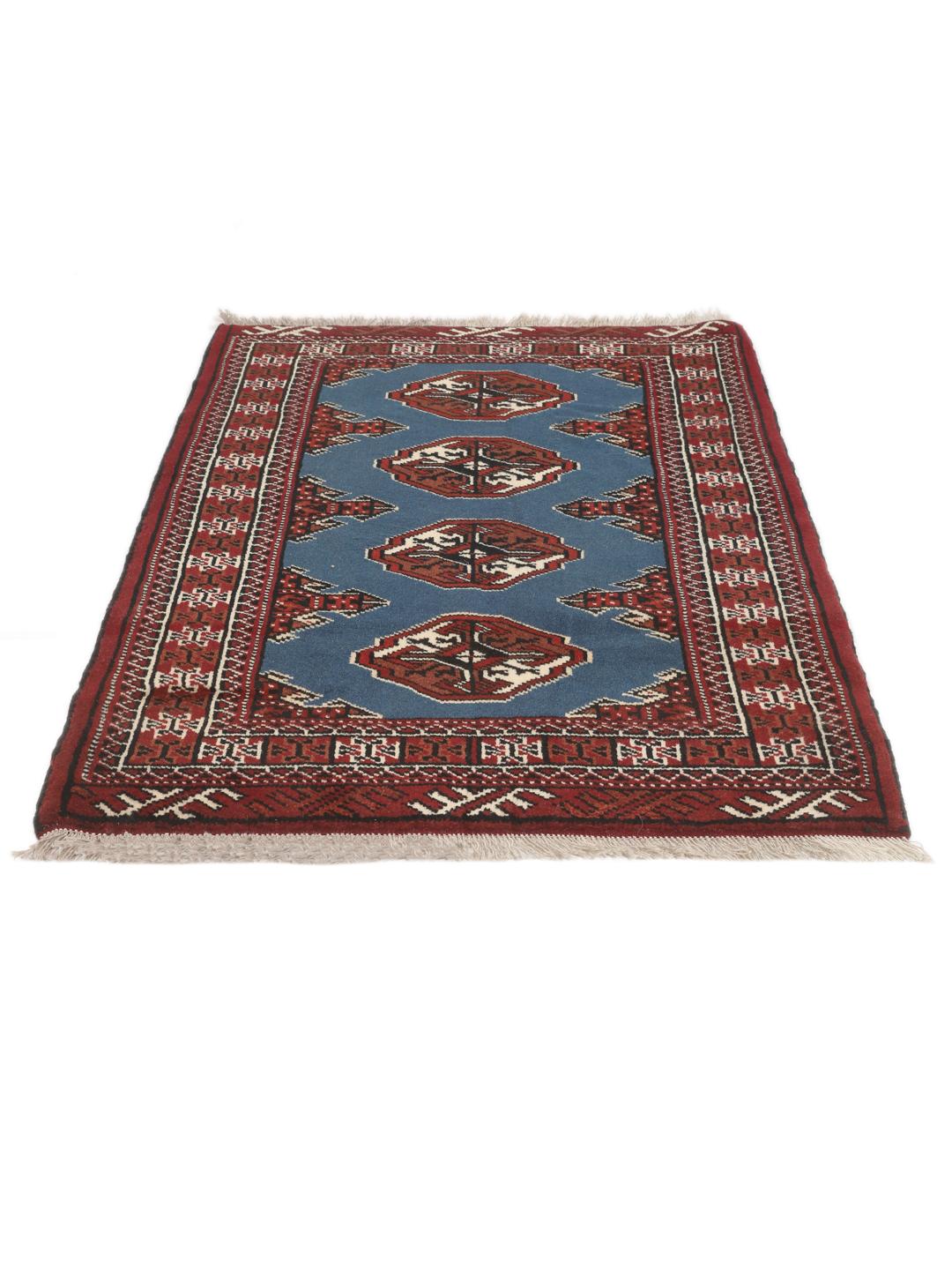
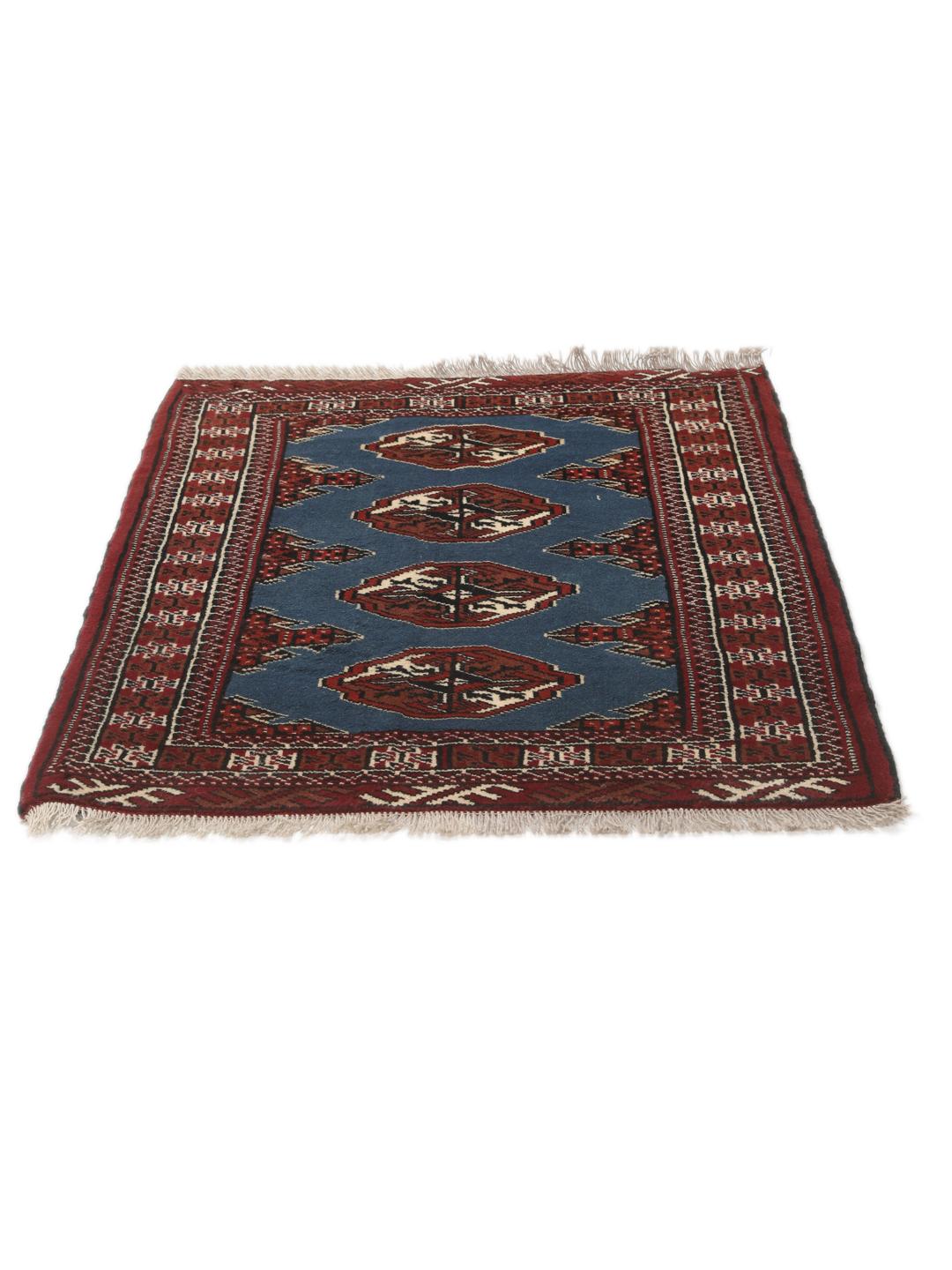
The Turkaman tradition is deeply connected to the nomadic and semi-nomadic tribes of the Middle East. These rugs were historically woven as functional items for life on the move, serving as floor coverings, tent decorations, and transport bags. Over centuries, these designs evolved into a highly refined art form that is now prized globally for its balance of structure and intricate detail.
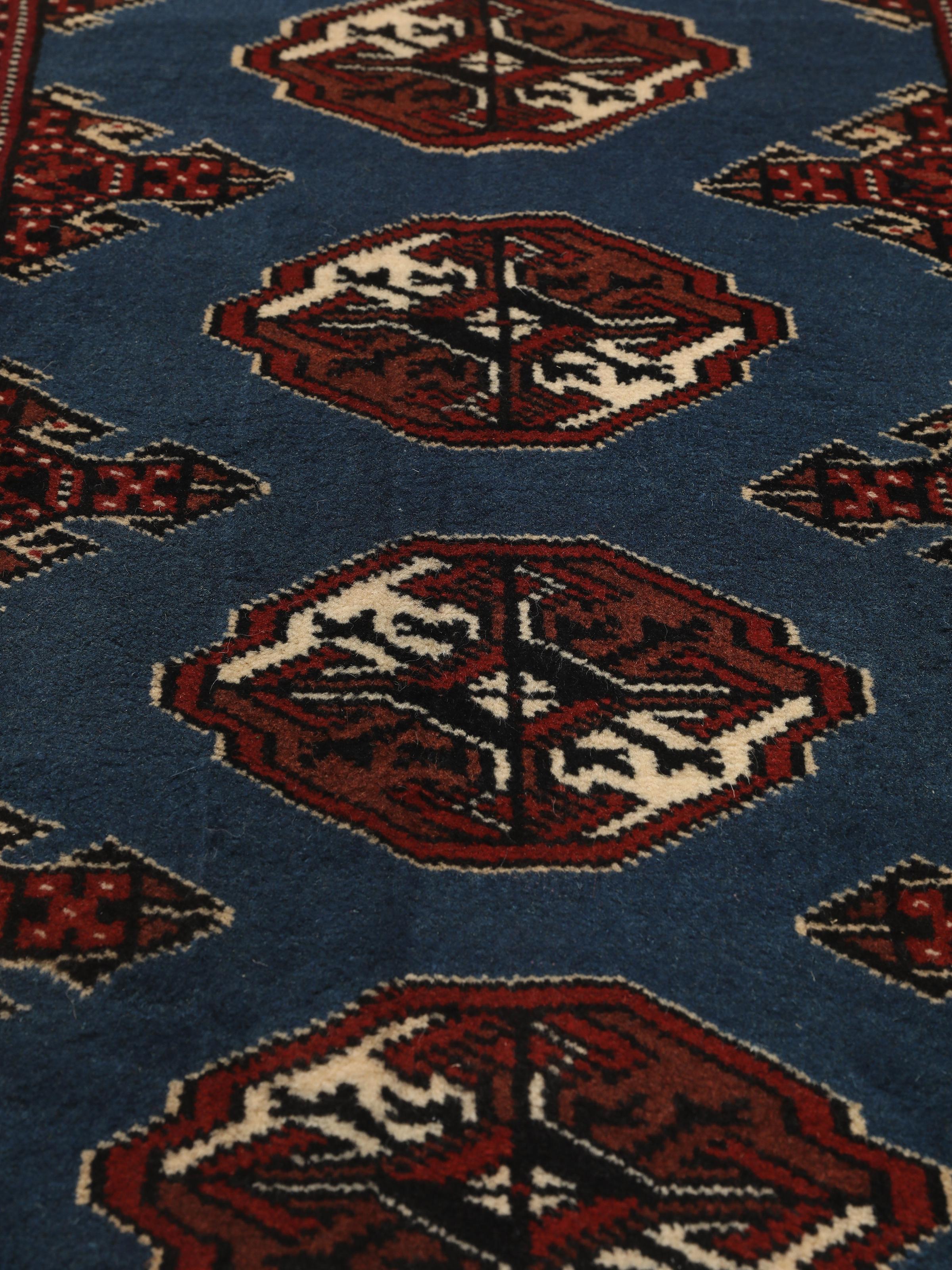
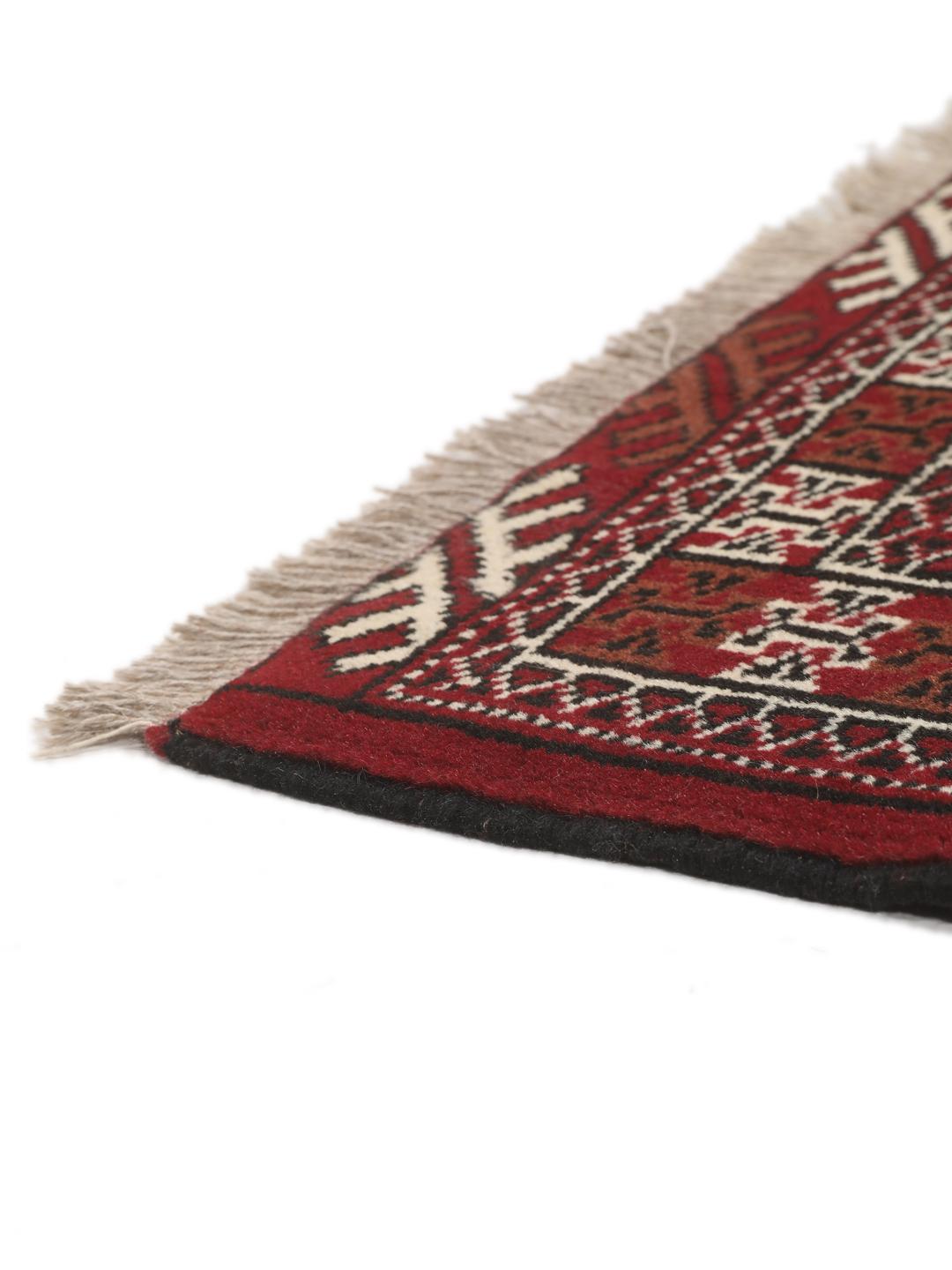
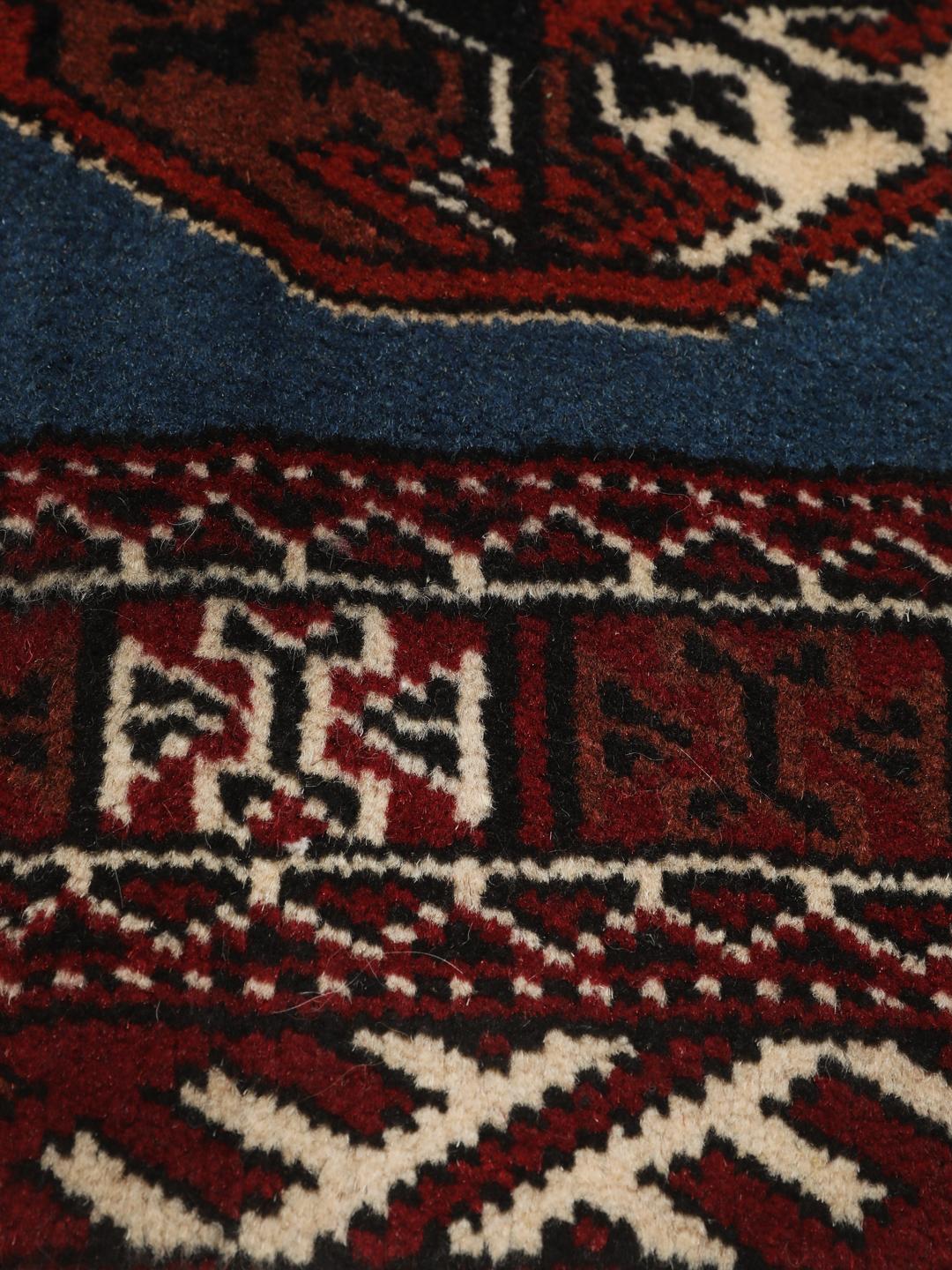
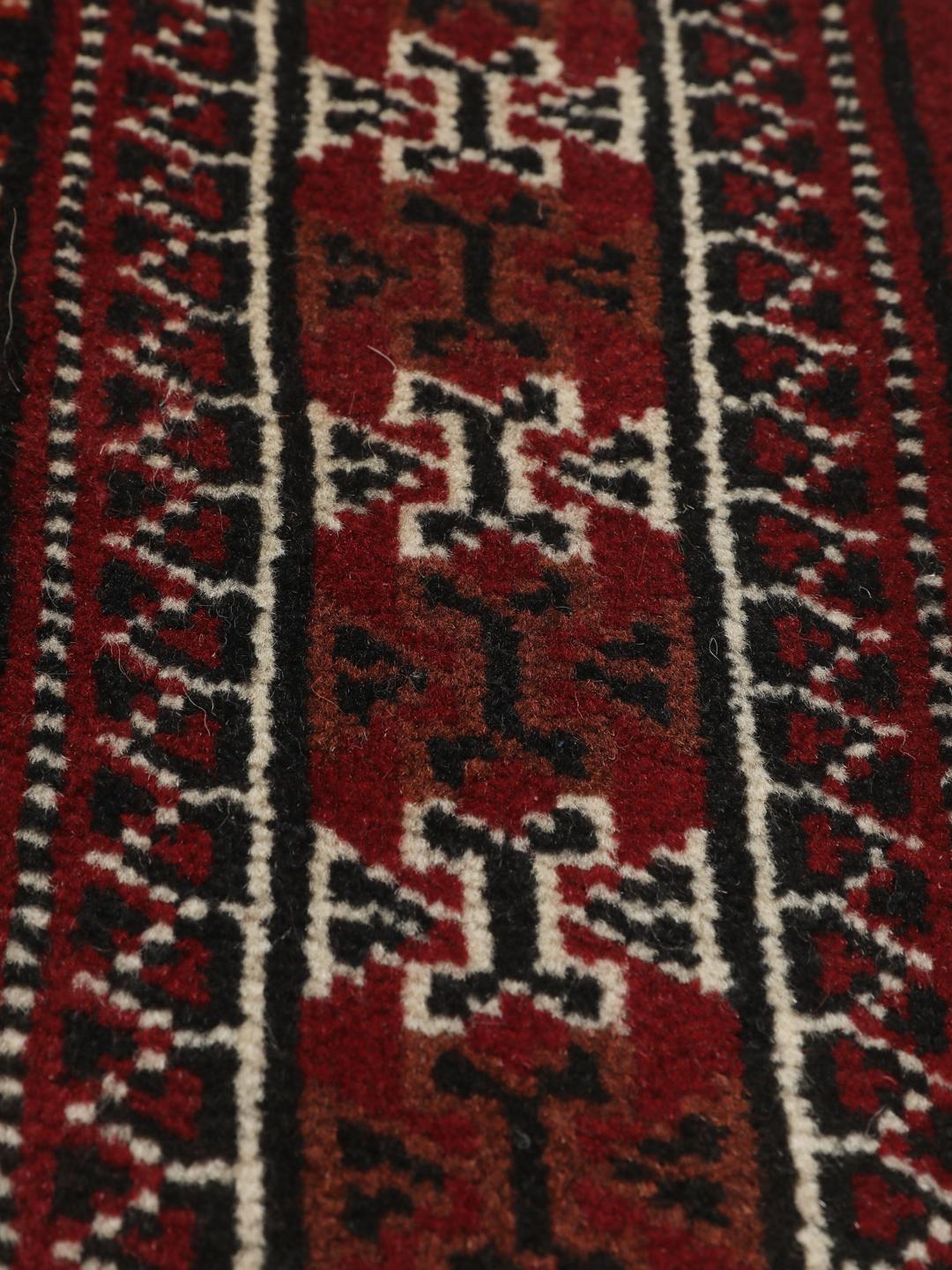
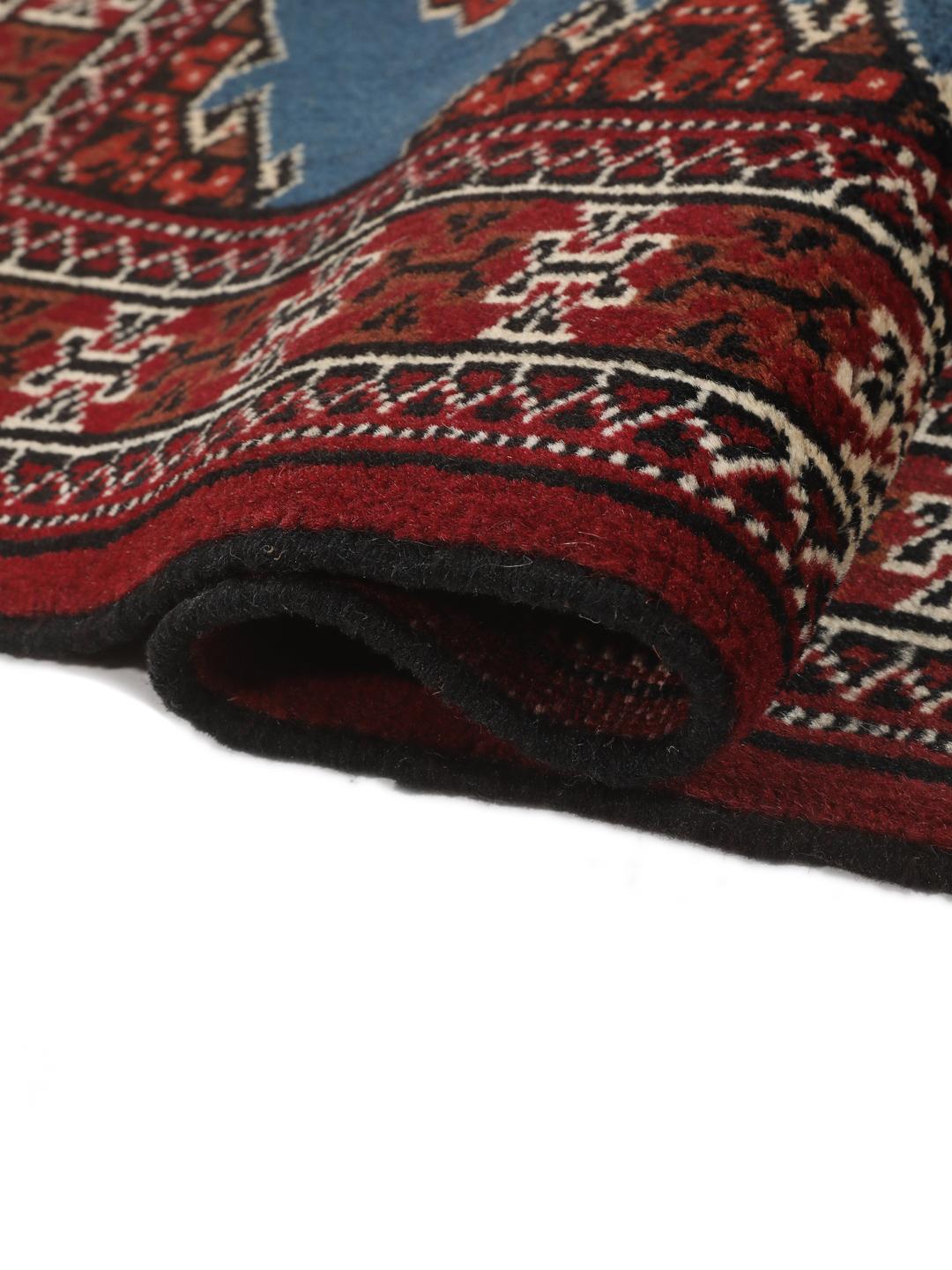
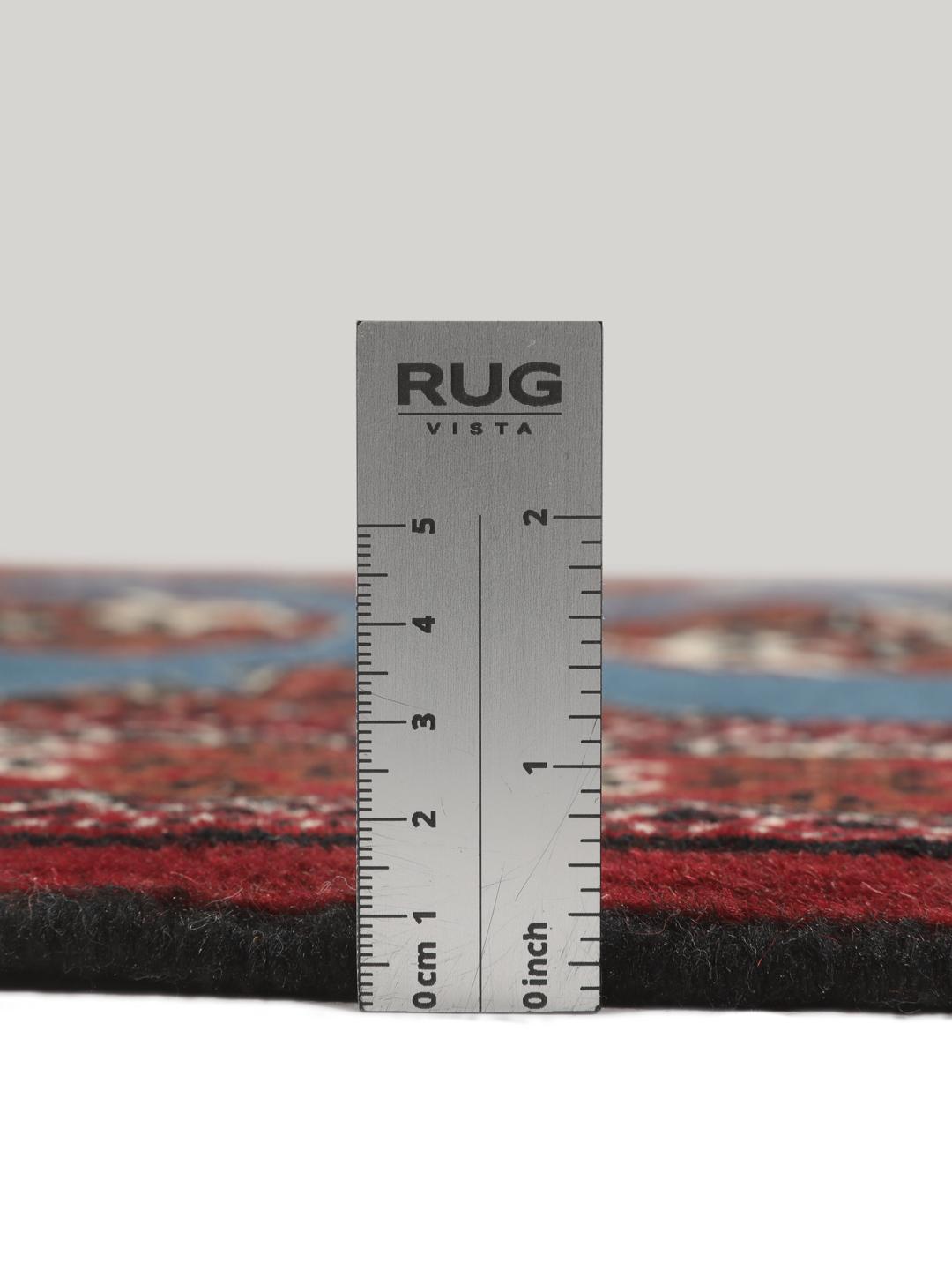
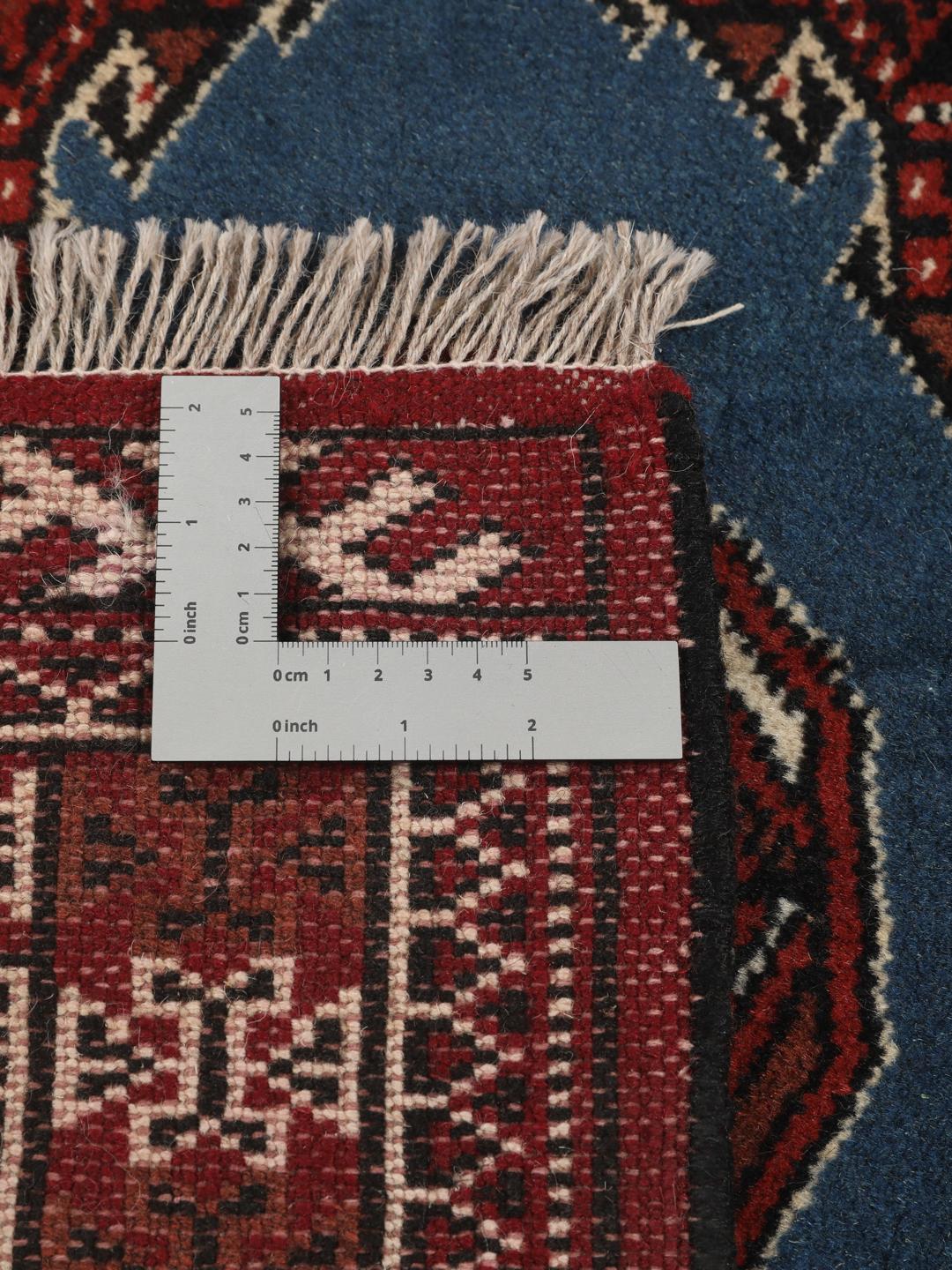
The distinctive character of these rugs is defined by their technical construction. Using high-quality Wool, artisans create a dense pile that is both lustrous and resilient. This traditional technique of knotting ensures that the rug can withstand the wear of daily life while maintaining a soft, luxurious texture that improves with age.
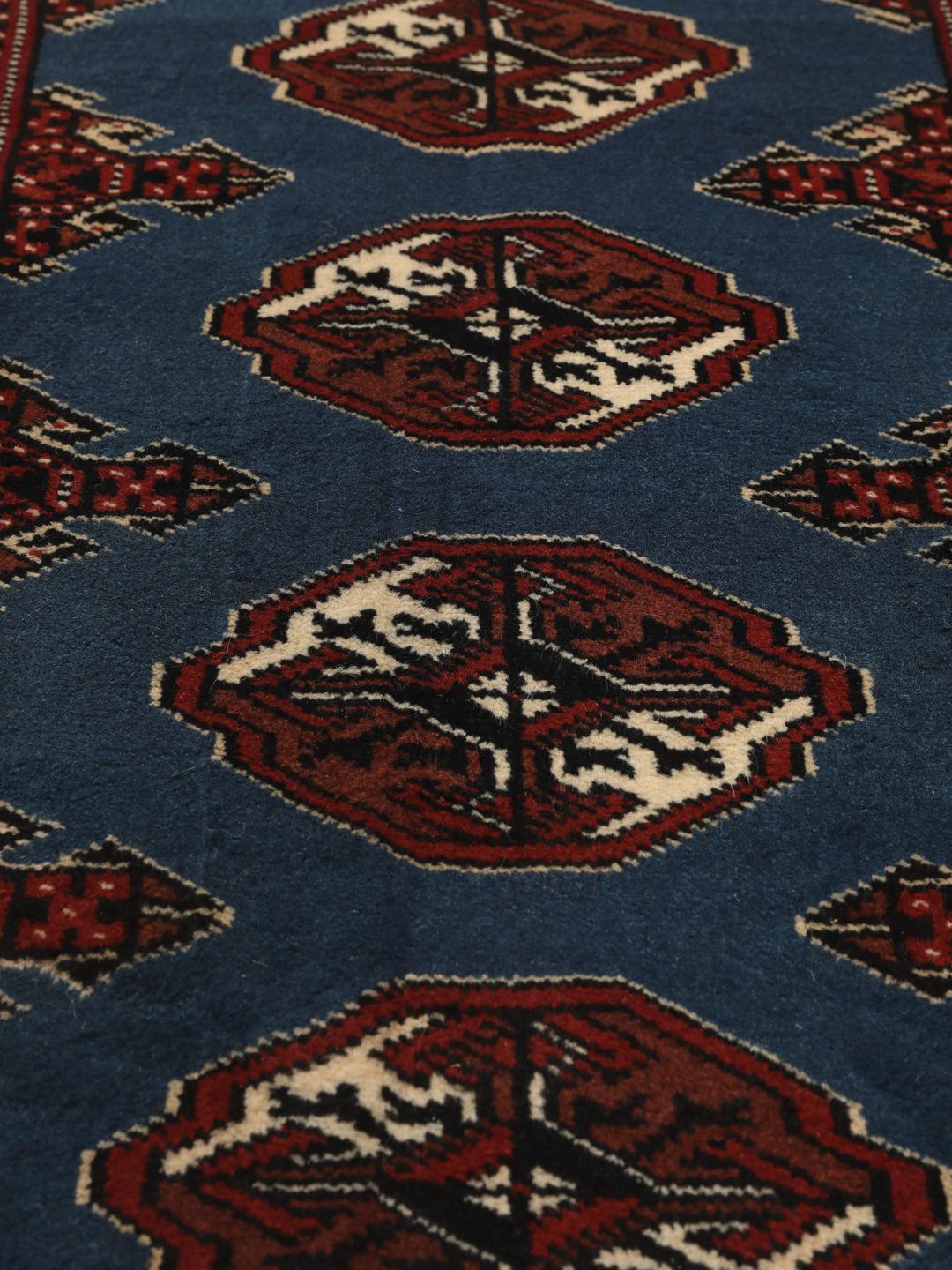
Visually, Turkaman rugs are famous for their repeating geometric motifs, most notably the gul. These medallions, often shaped like octagons or stylized elephant feet, are arranged in formal rows across the field. The borders are typically adorned with smaller, intricate geometric patterns that frame the primary design, creating a sense of symmetry and harmony.
Owning a piece from this tradition is an investment in cultural heritage. Collectors value these rugs not only for their striking aesthetic but also for the immense skill required to produce them. Each rug tells a story of regional identity and artistic dedication, offering a connection to a craft tradition that has been passed down through generations.