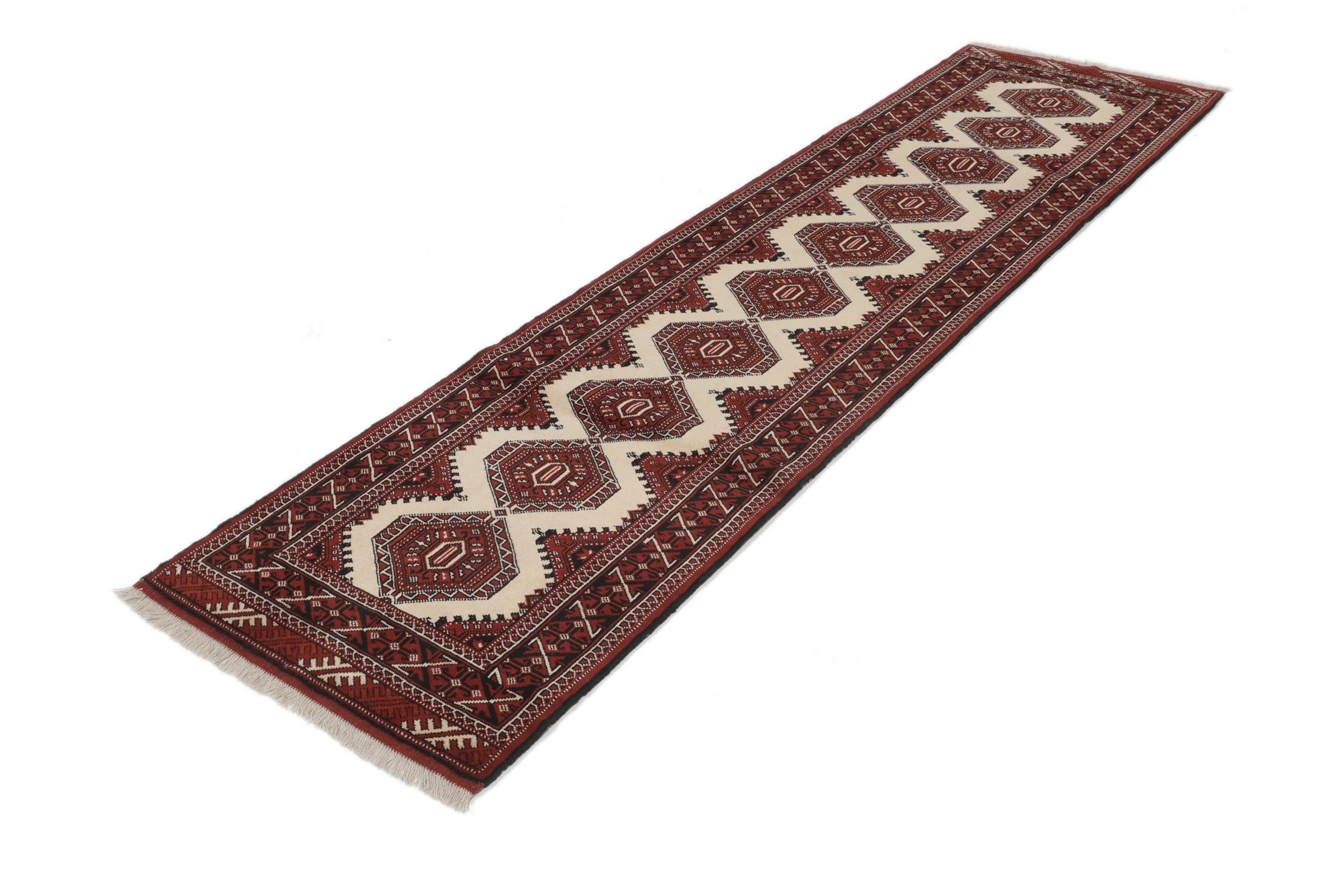
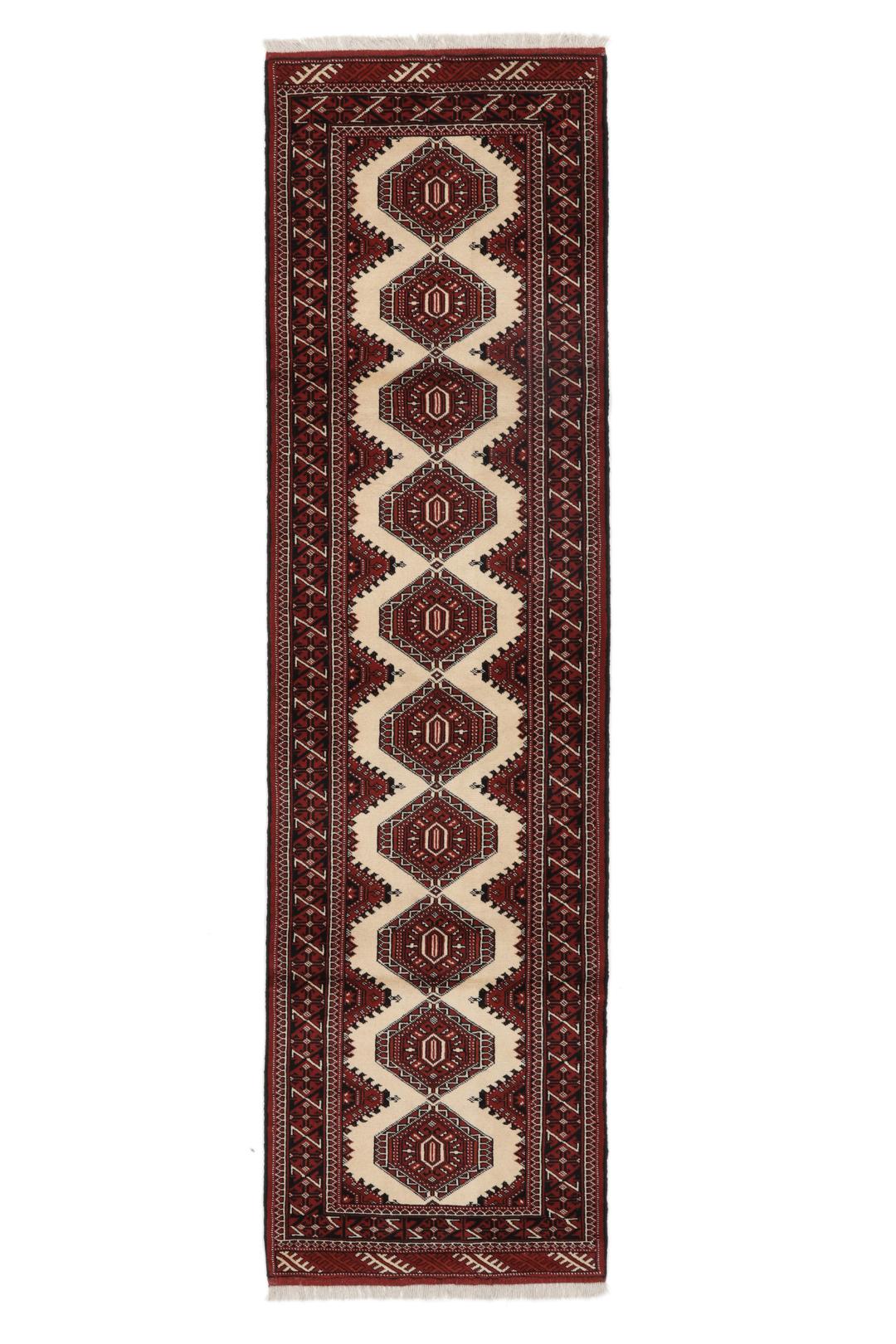
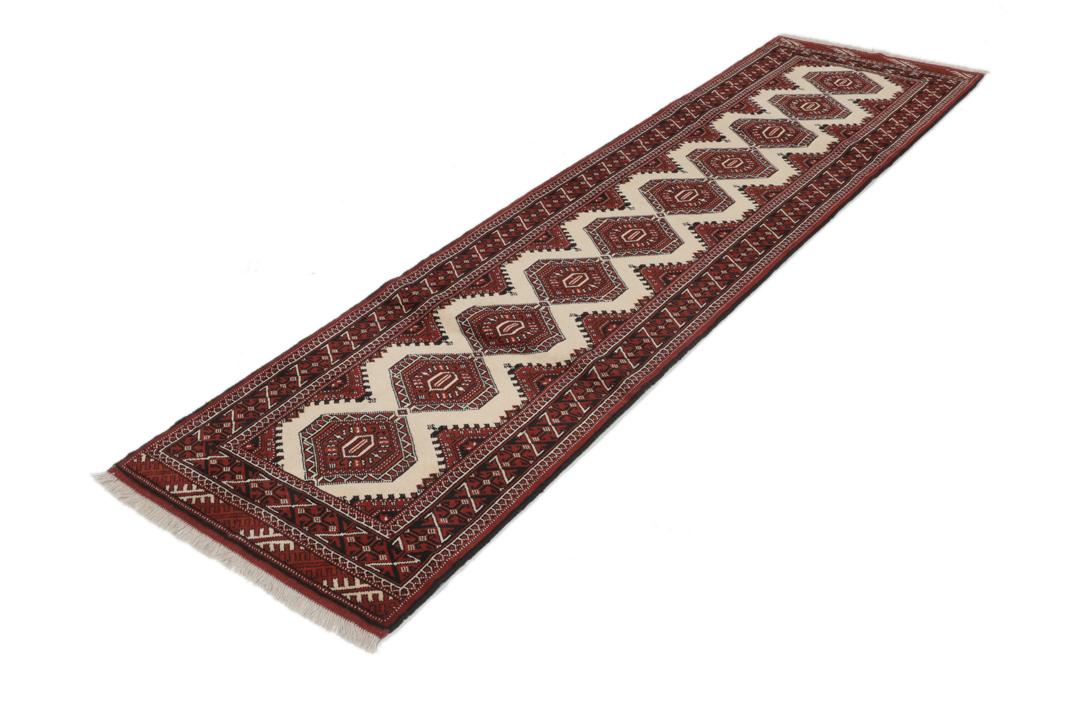
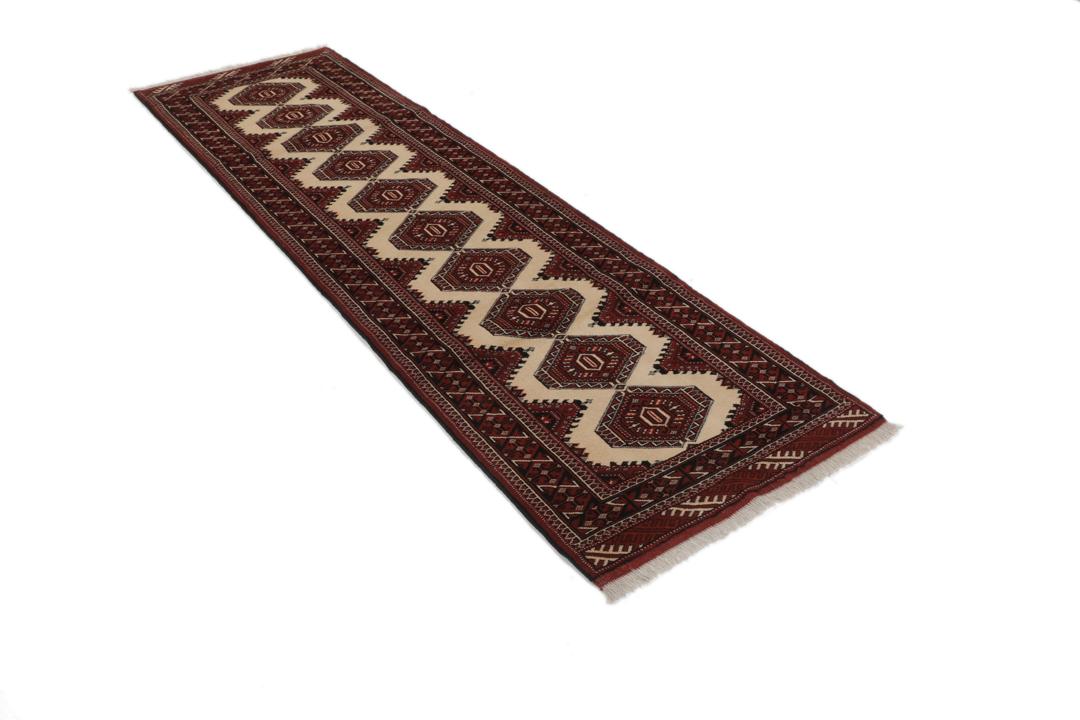
The Turkaman rug tradition finds its roots in the nomadic tribes of the Middle East, where weaving was not merely a craft but a vital cultural expression. These rugs were historically created by tribal groups who translated their environment, family history, and regional identity into the patterns they wove.
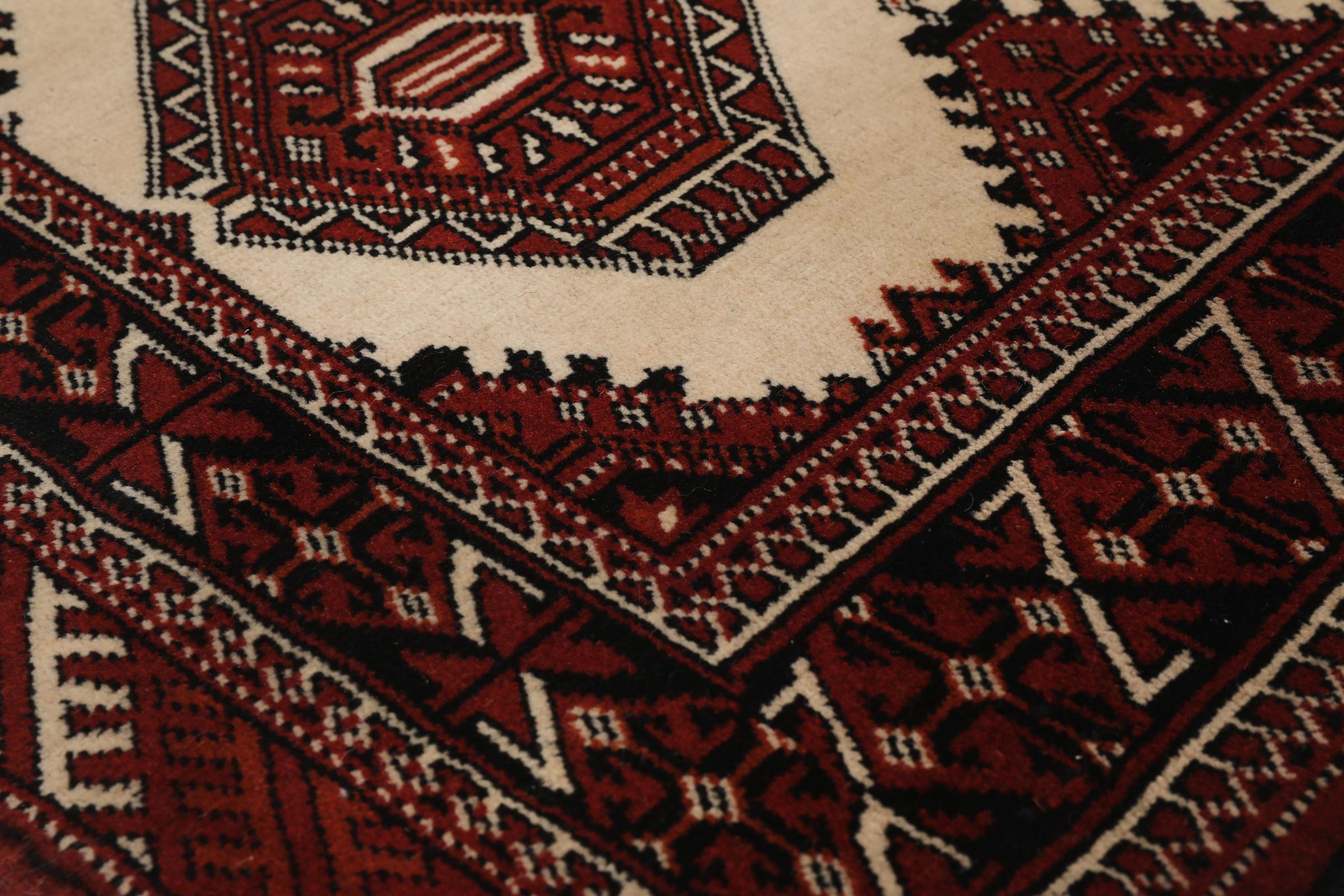
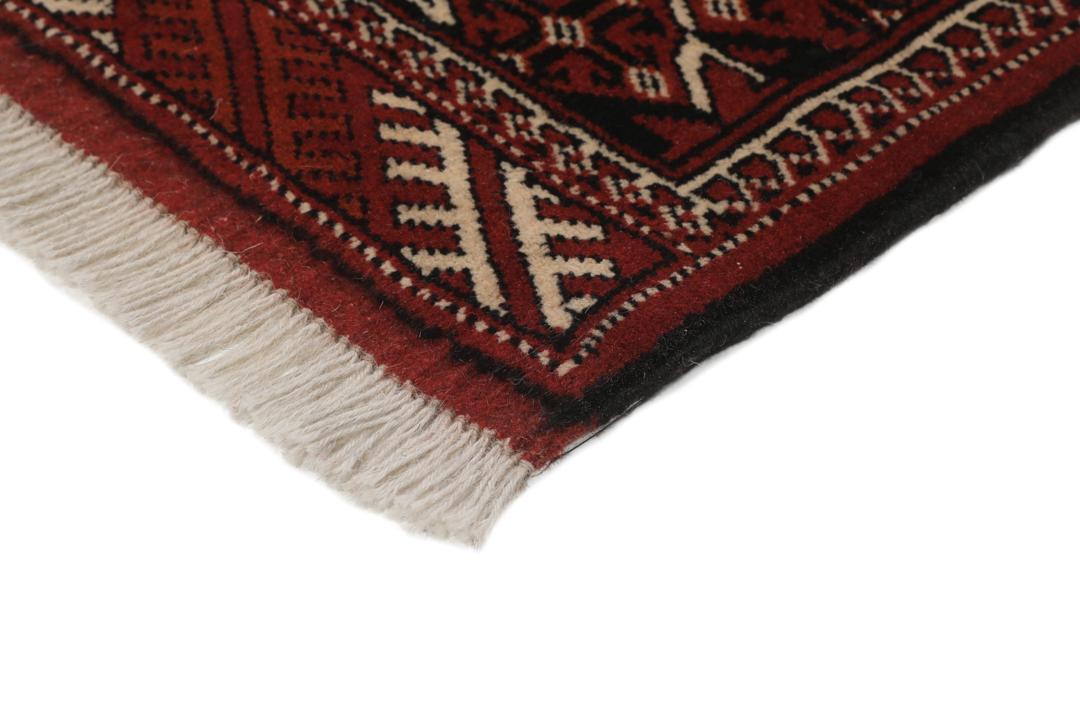
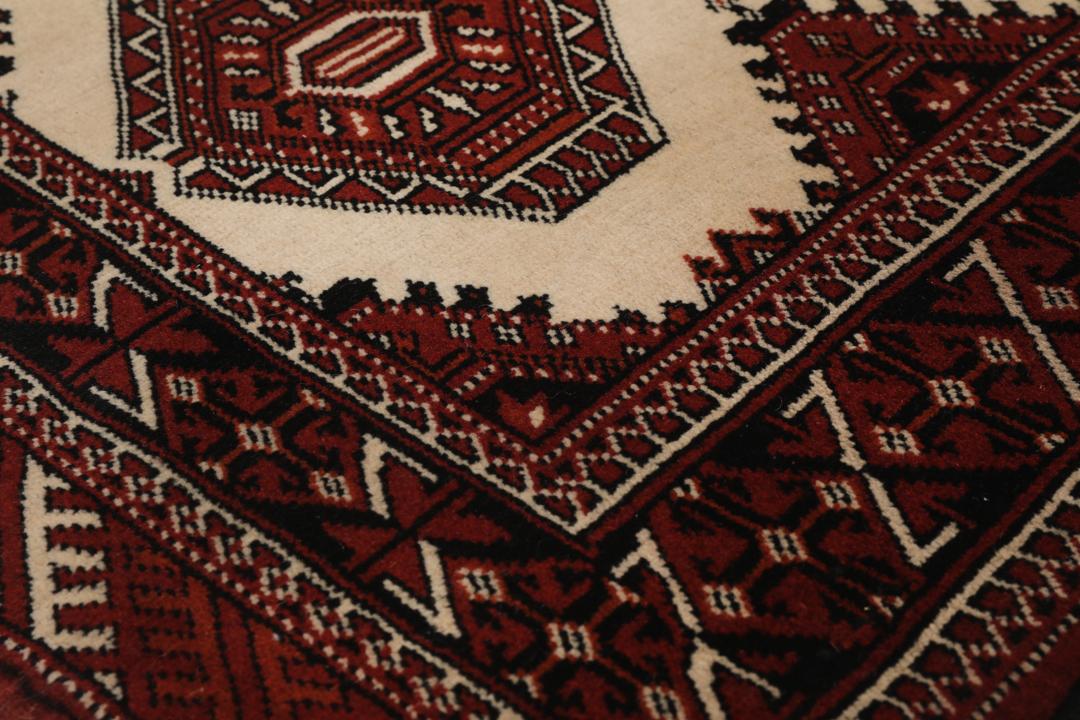
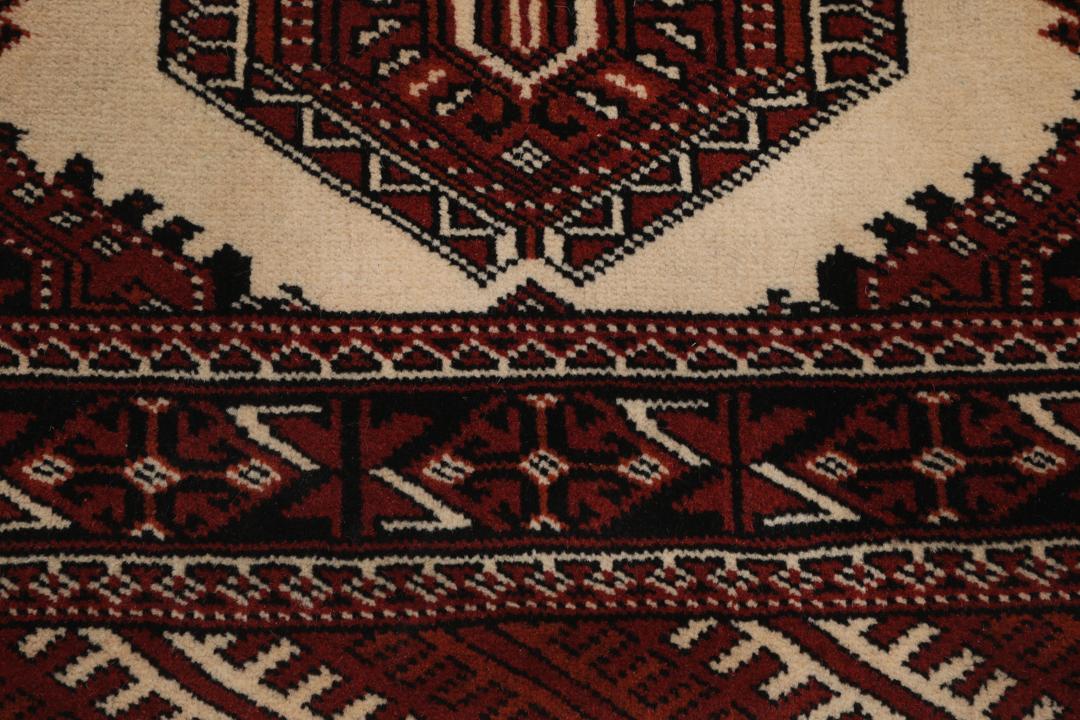
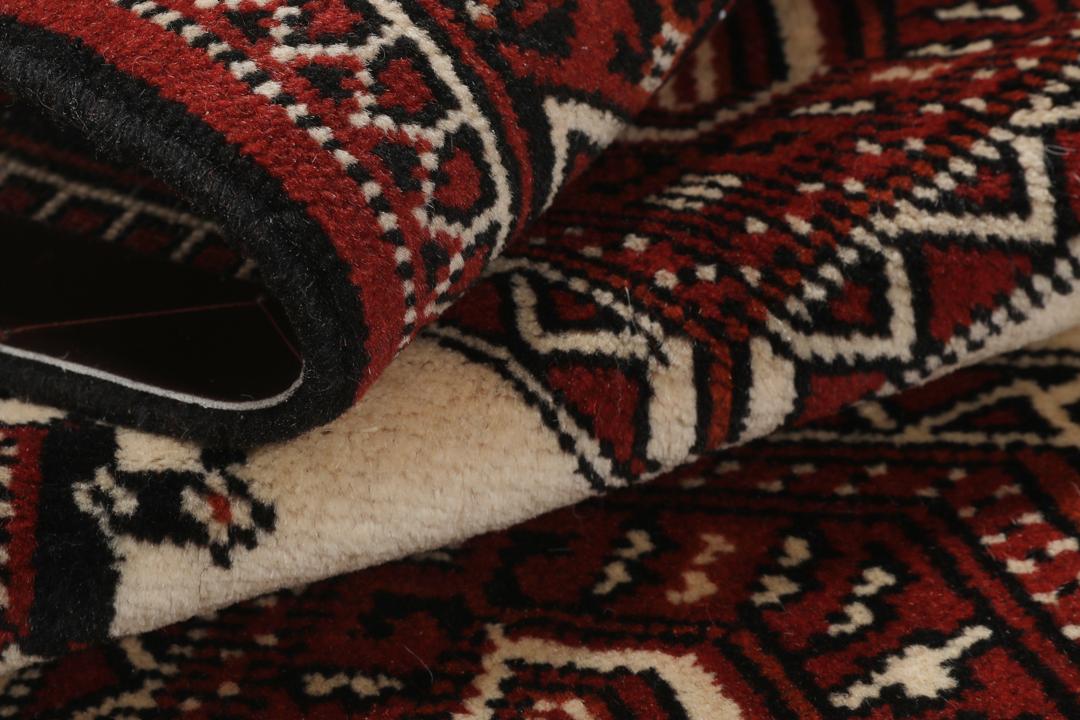
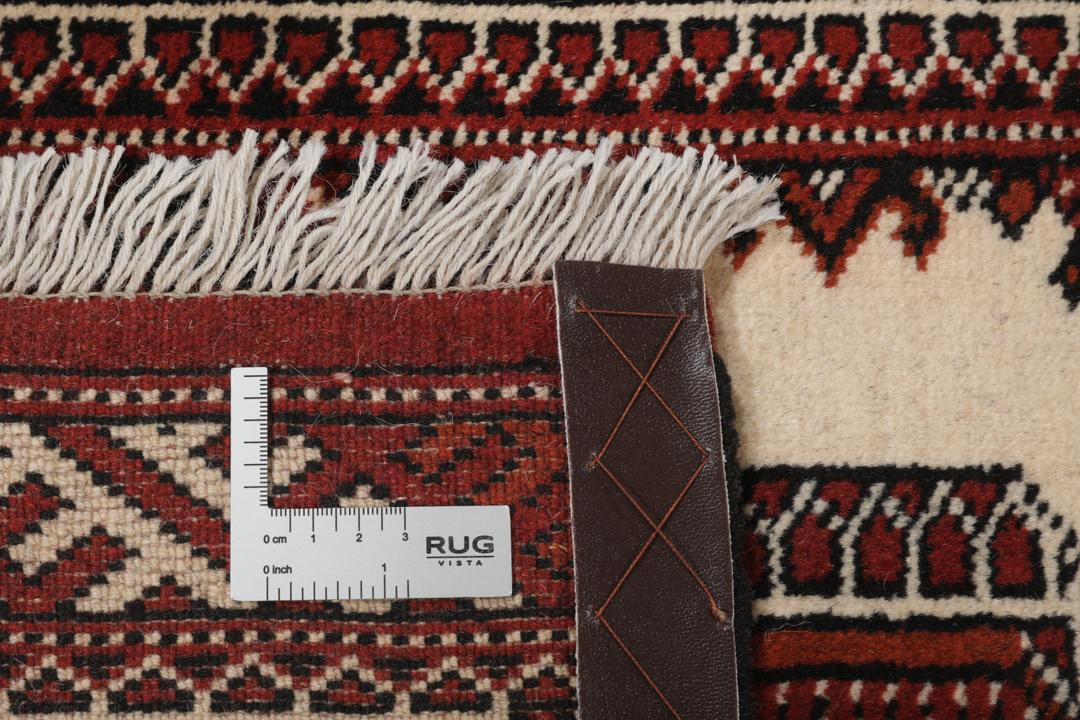
The term Turkaman refers to these specific tribal weaving traditions, which are celebrated for their technical excellence and consistency. The use of dense, hand-knotted pile construction is a hallmark of this style, ensuring that the finished product is both durable and capable of displaying highly detailed, geometric designs.
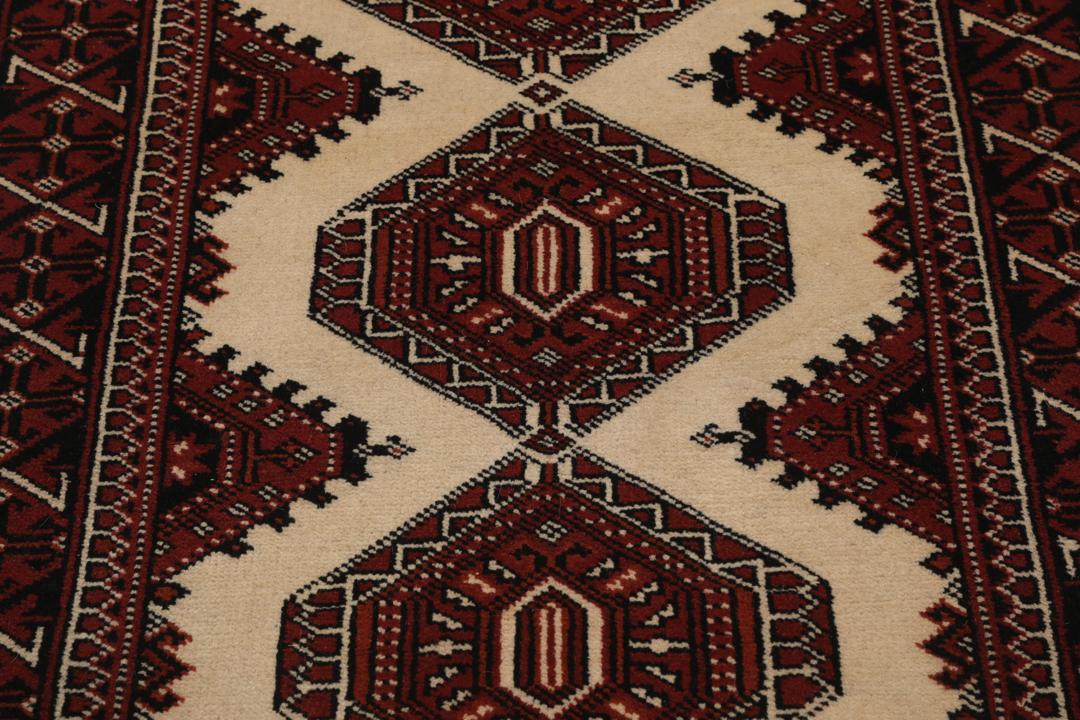
Design-wise, these rugs are famous for their repeating motifs, often referred to as guls. These medallions serve as the central visual anchor, arranged in rhythmic rows to create a sense of harmony and balance. The deep, earthy red tones often found in these pieces are achieved through traditional methods, creating a timeless look that feels grounded and authentic.
Owning a piece from this tradition is an opportunity to connect with a long-standing heritage of craftsmanship. These rugs are highly valued by collectors for their resilience and the depth of their design, serving as a reminder that true quality is measured by the skill and history woven into every individual piece.