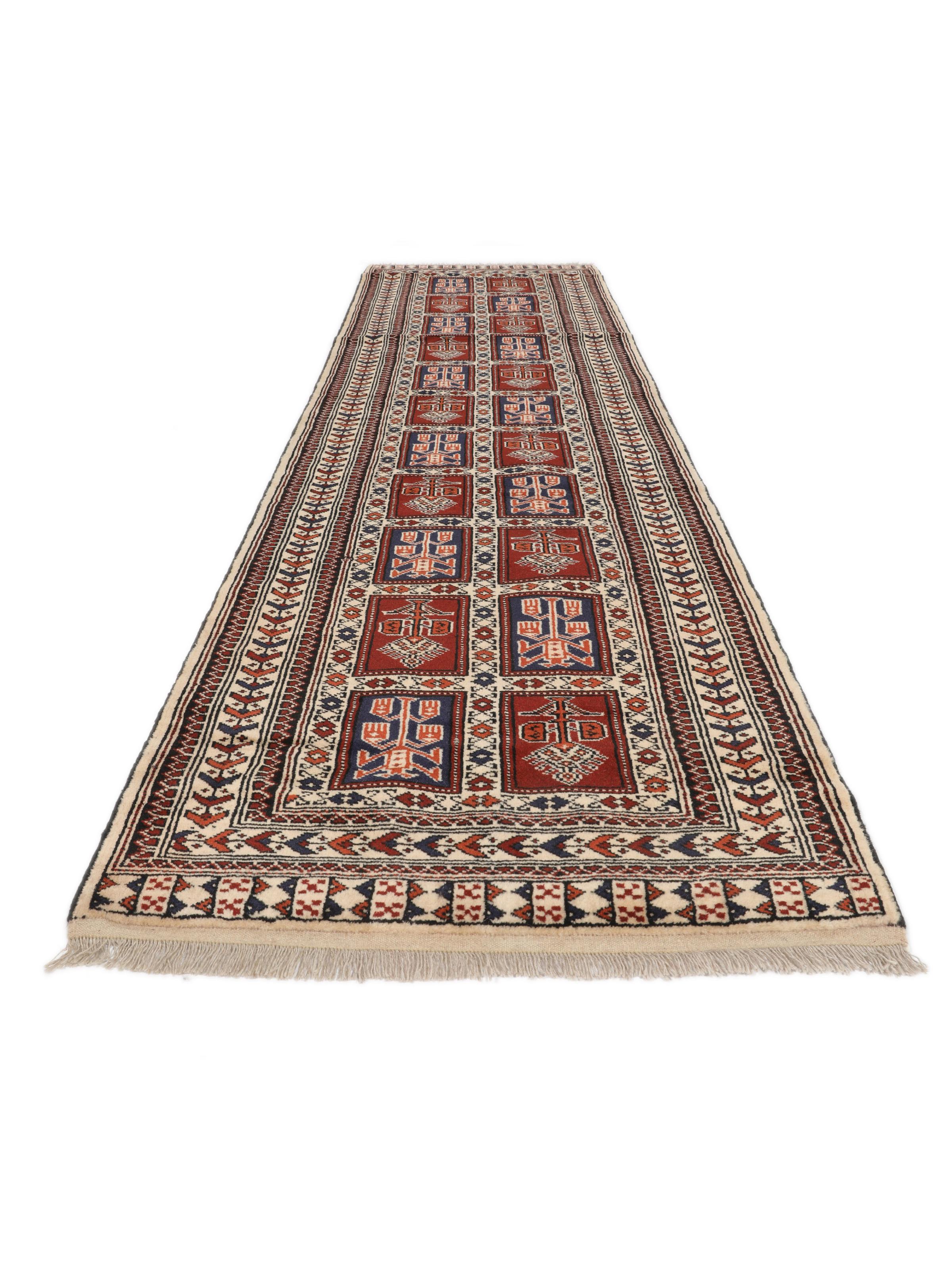
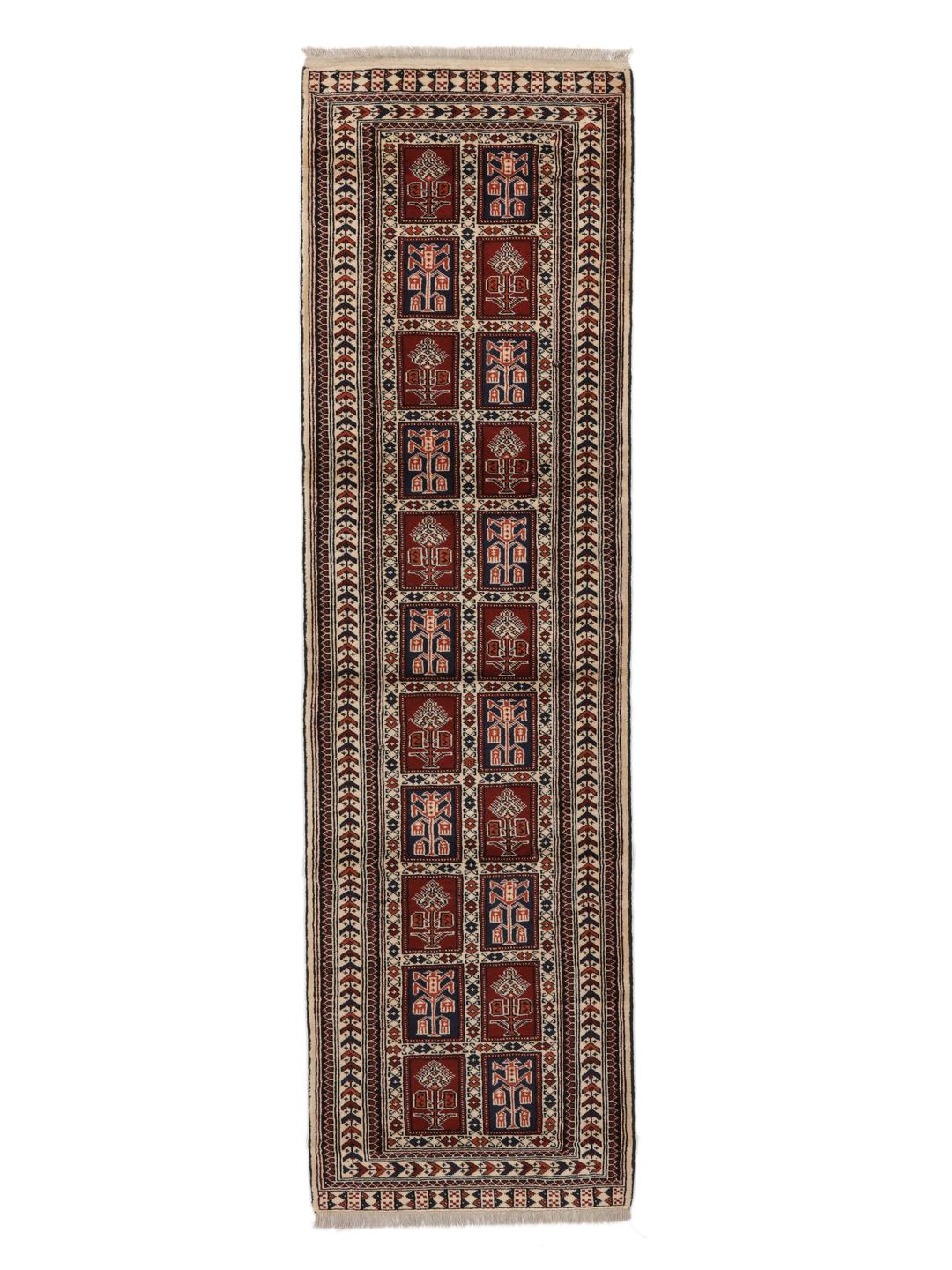
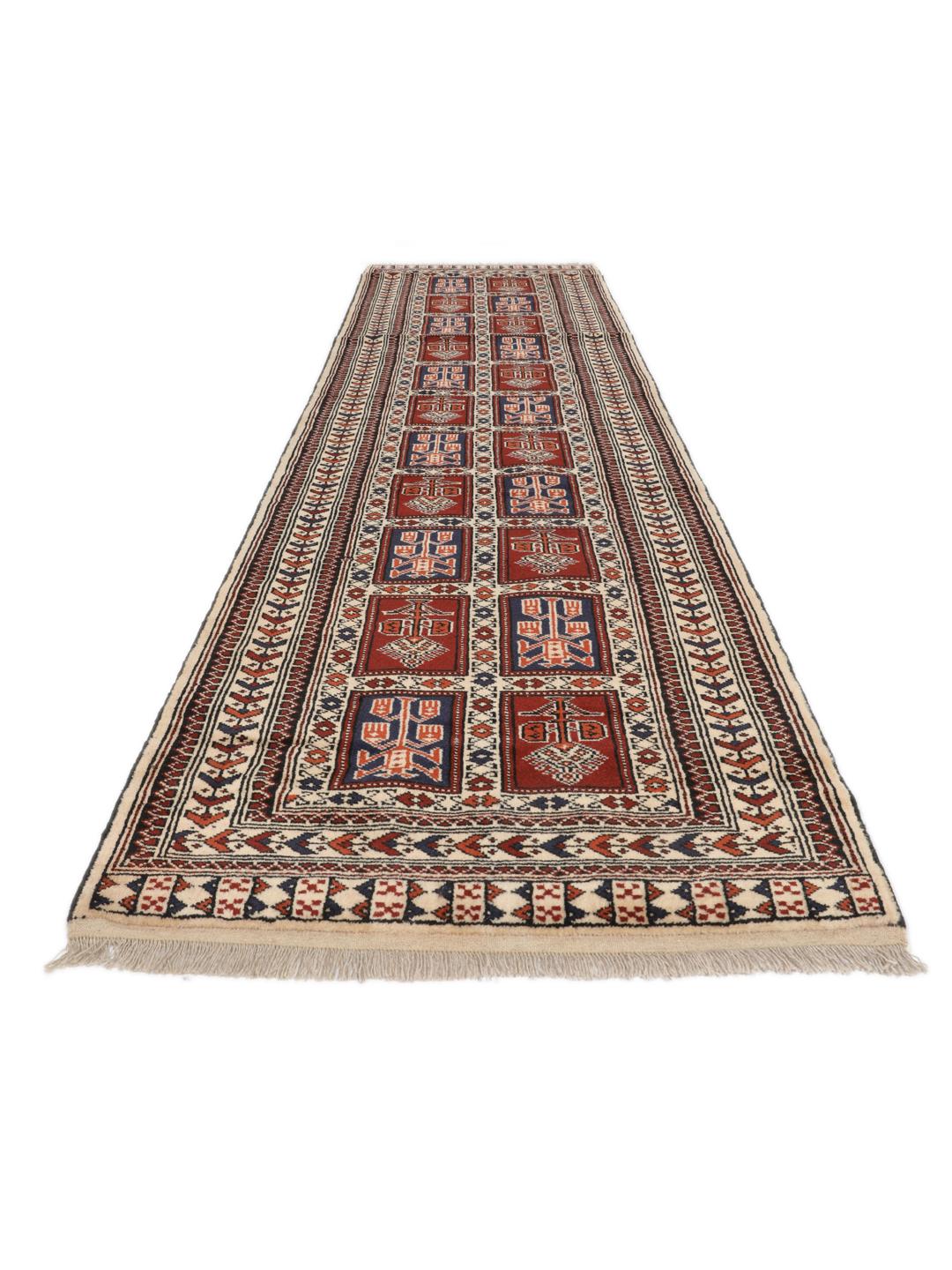
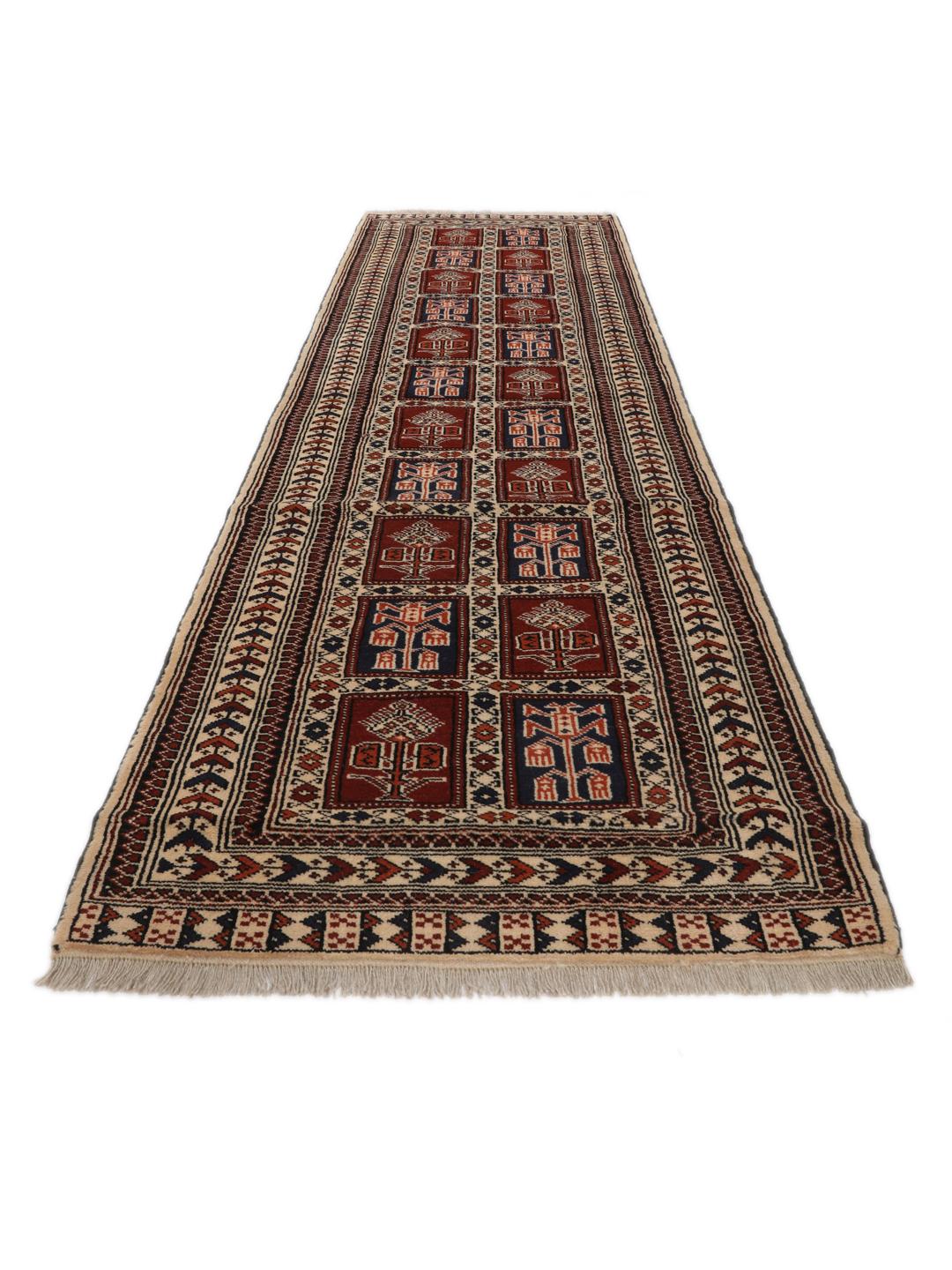
The Turkaman rug tradition finds its roots in the nomadic tribes of Central Asia, where these rugs were initially created for practical use within tents and dwellings. Over centuries, these designs migrated across the Silk Road, finding a permanent home in the Middle East, where they evolved into the highly refined, sophisticated pieces we see today. This history is woven into every thread, reflecting a long legacy of tribal artistry and nomadic resilience.
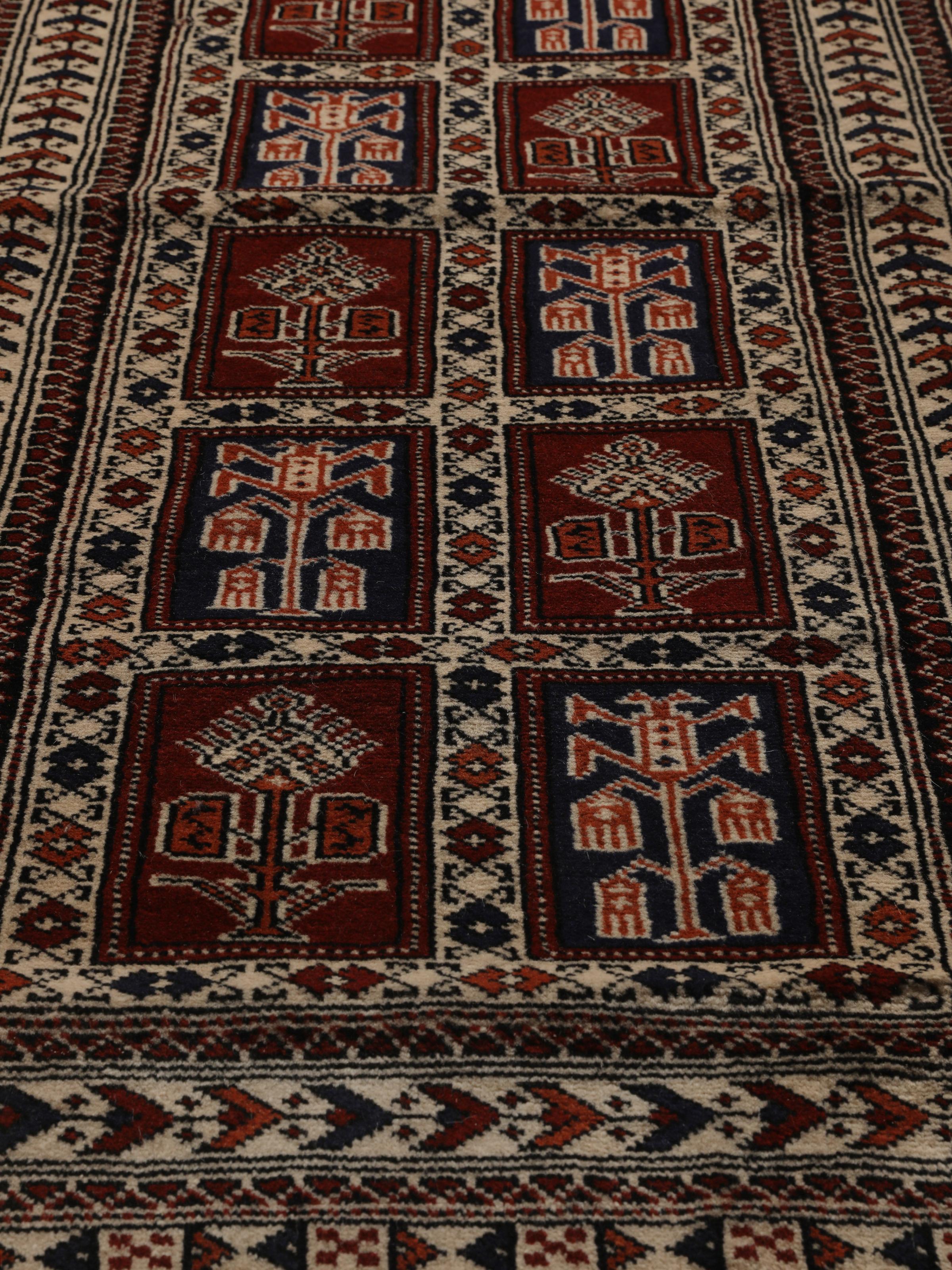
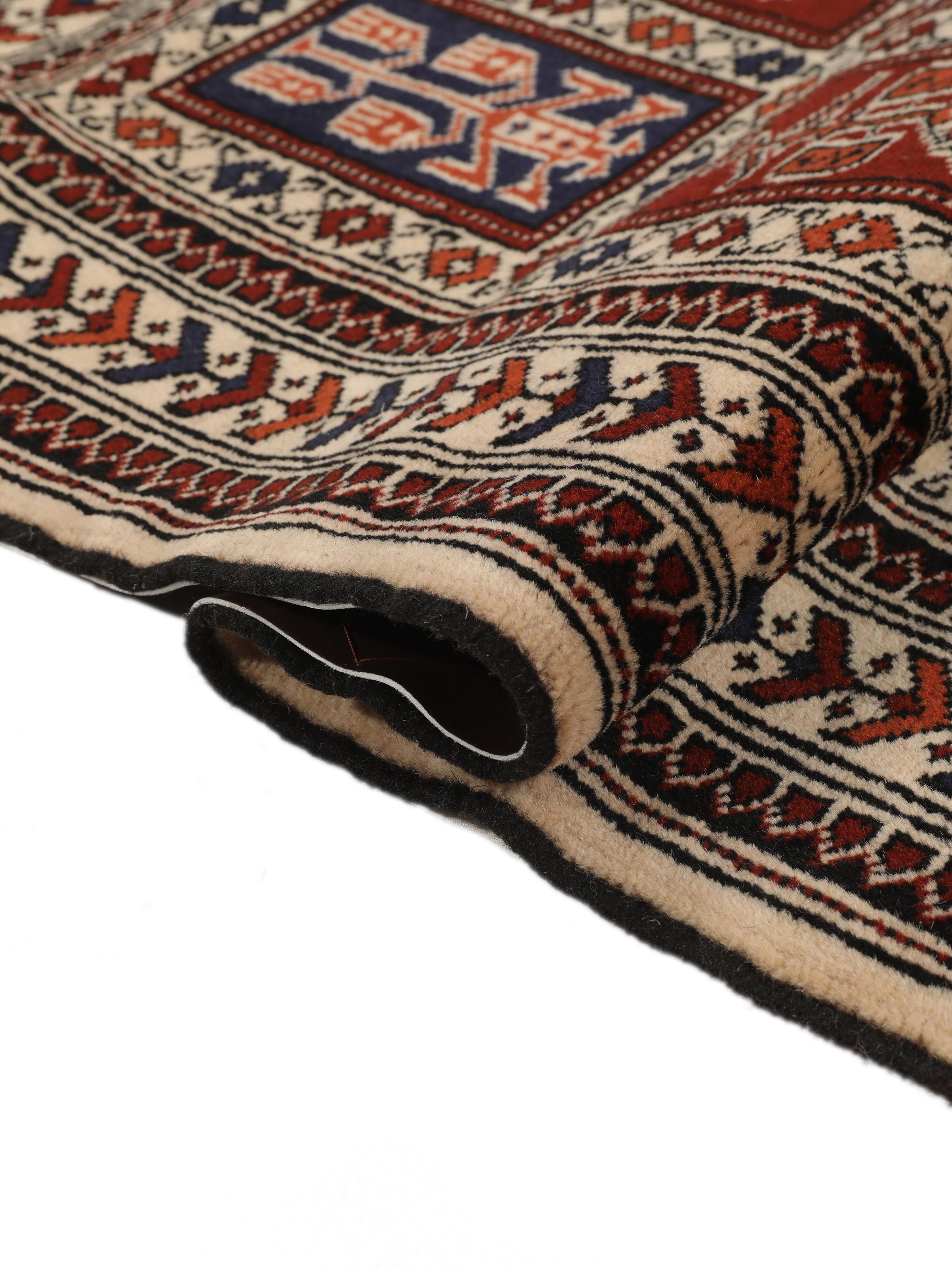
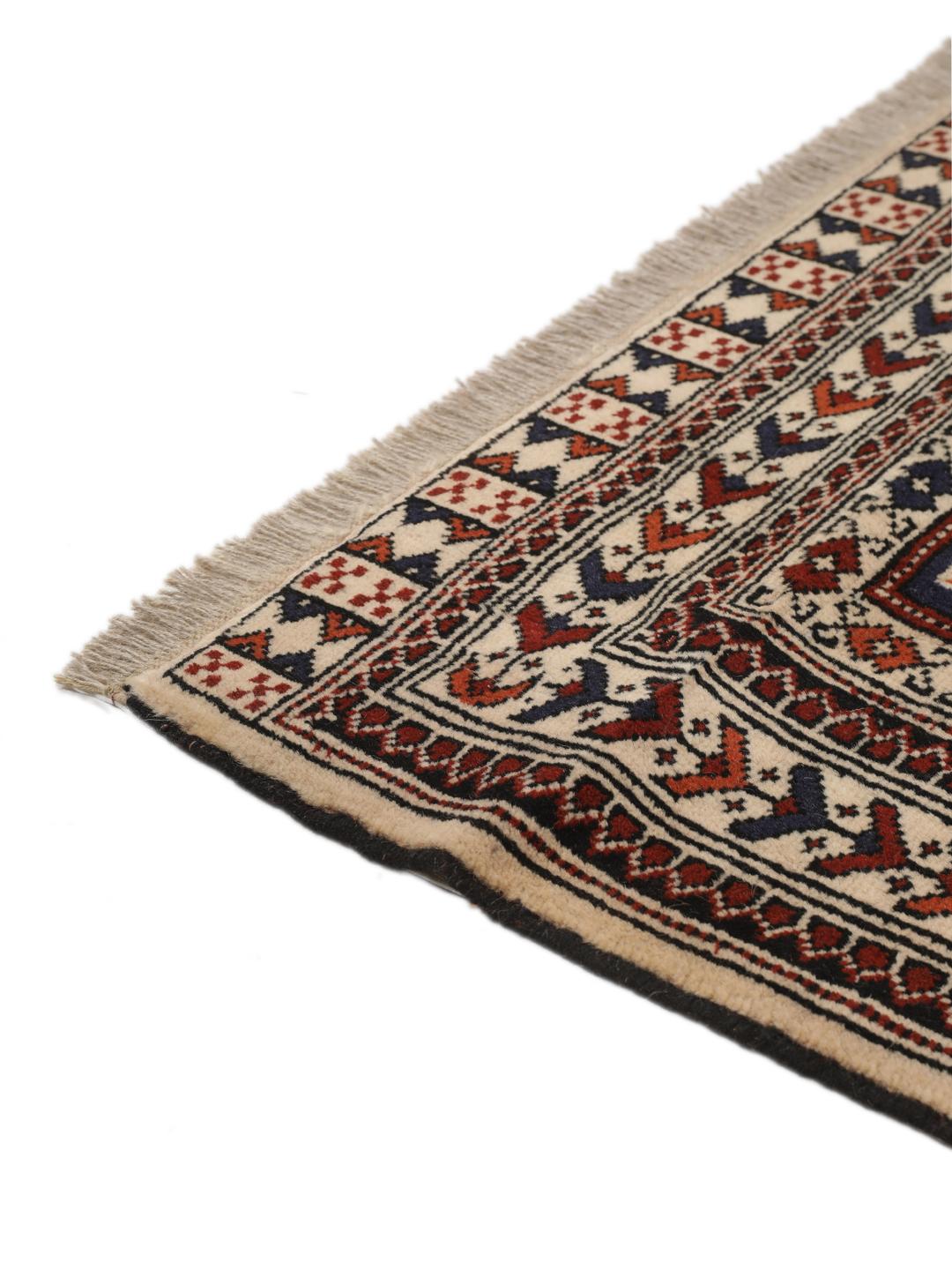
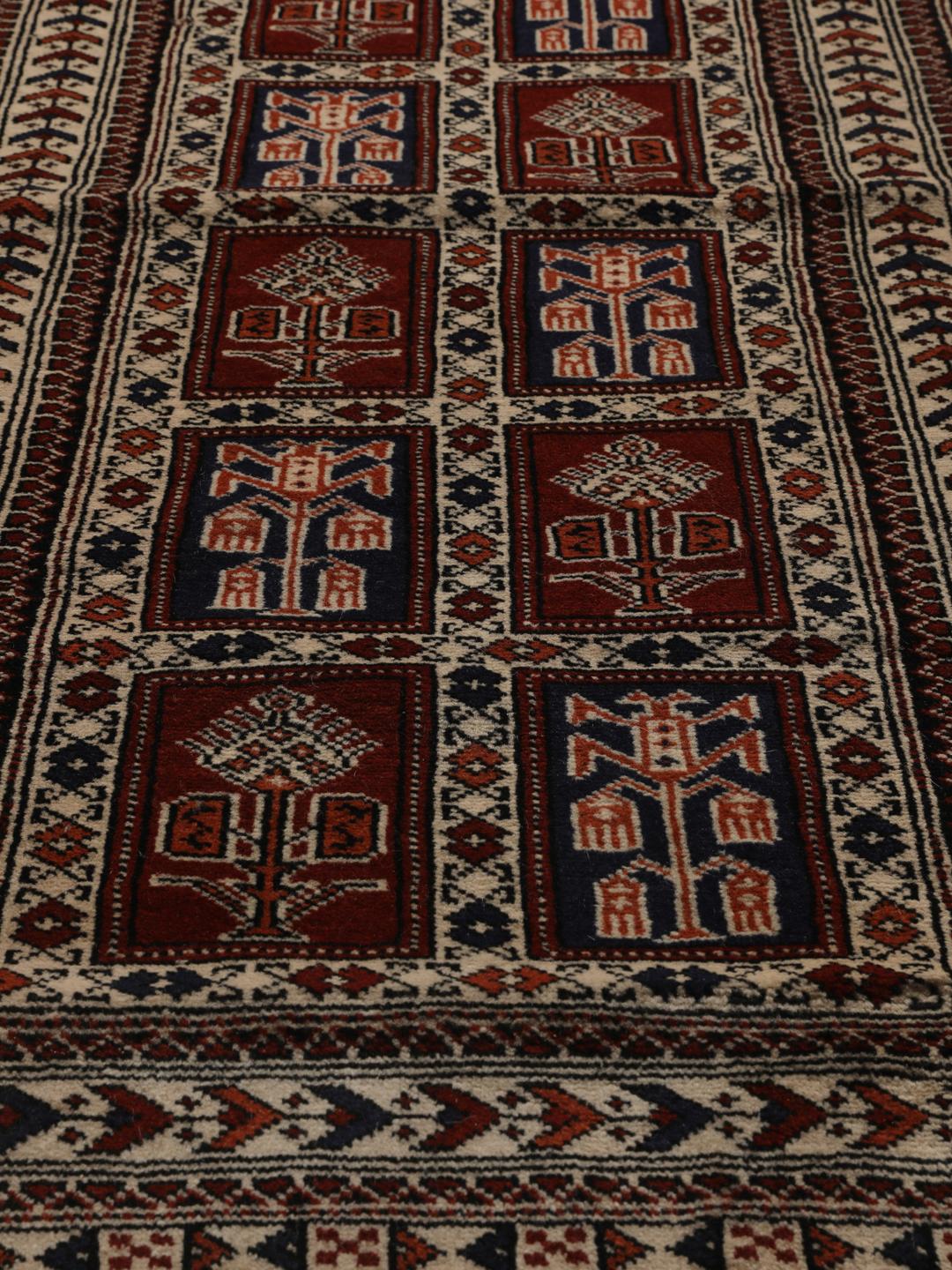
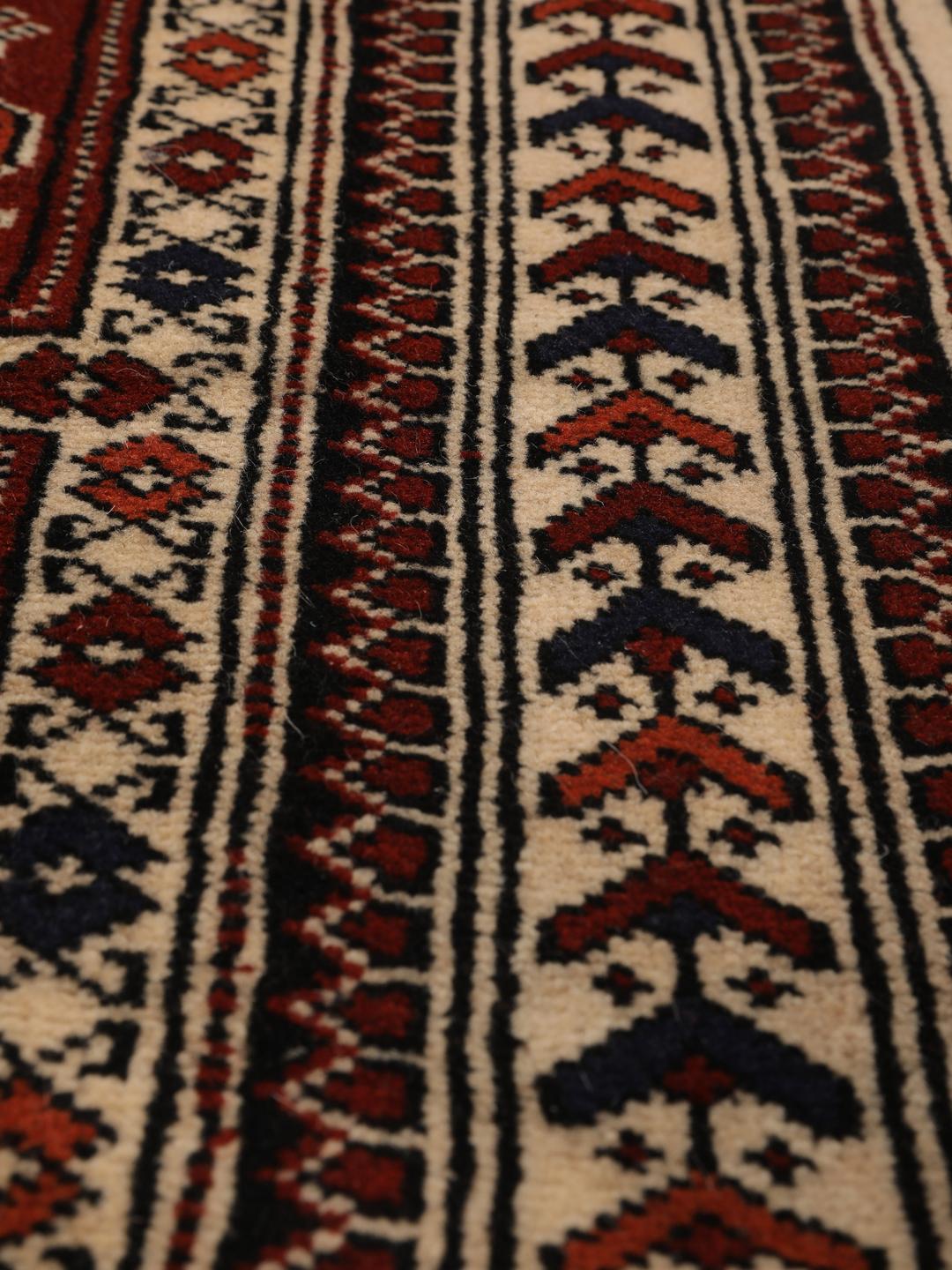
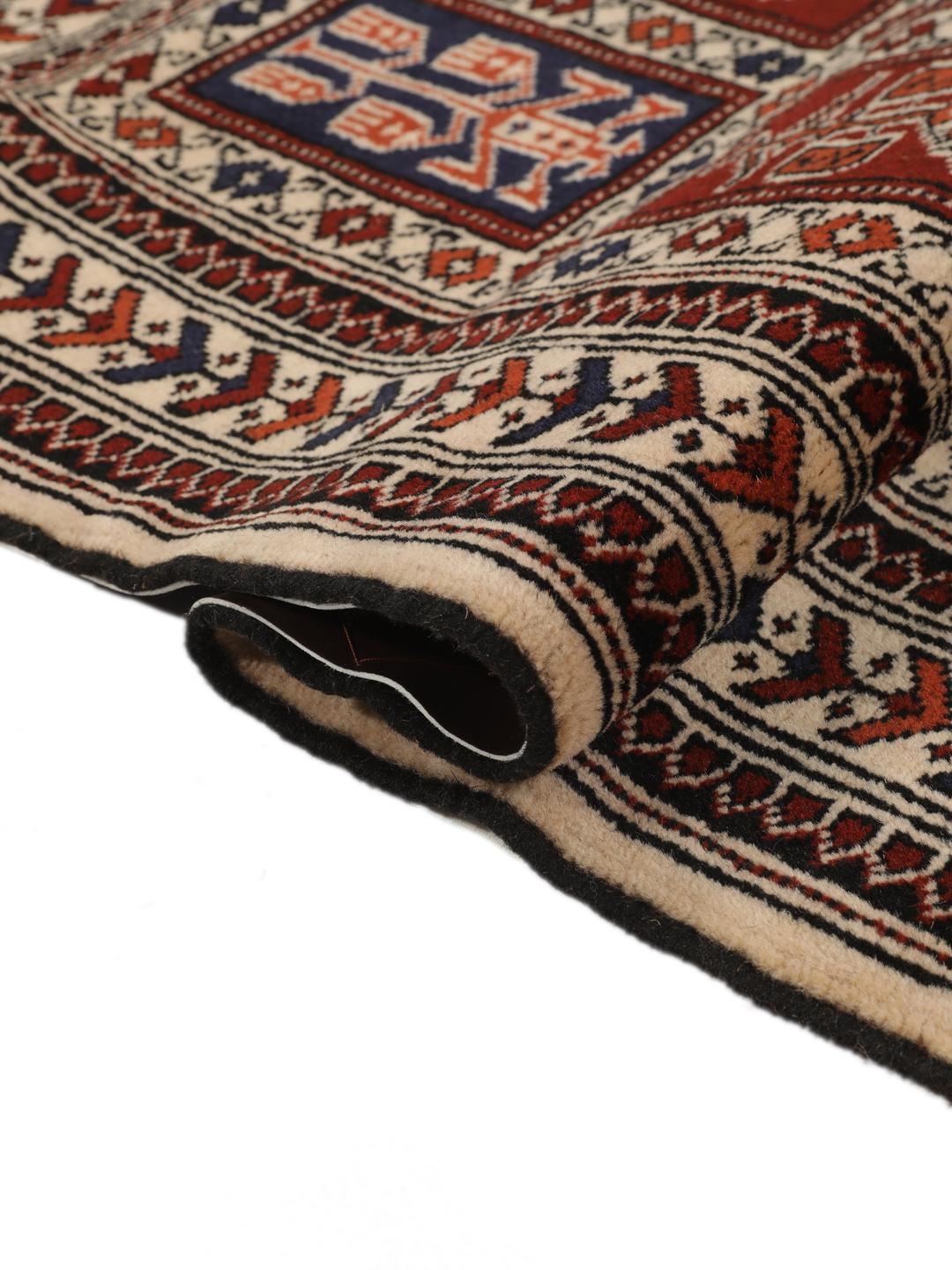
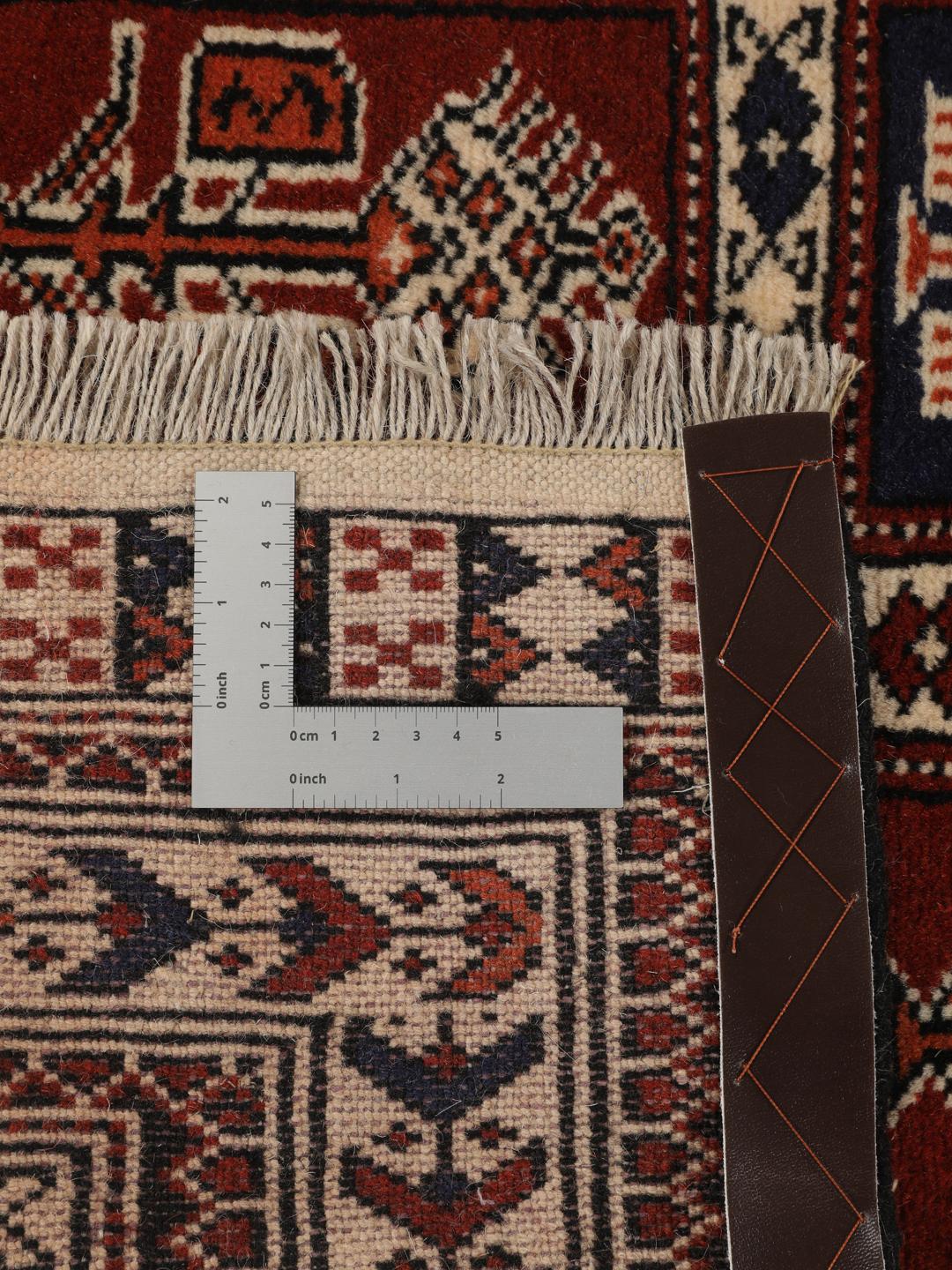
The term 'Turkaman' refers to a specific design language rather than a single location. These rugs are recognised for their mastery of geometric precision and the use of natural dyes that produce deeply saturated, lasting colours. The construction is known for its durability, achieved through a tight knotting technique that creates a firm, lustrous pile. This density is what makes these rugs so sought after, as they provide a balance between functional strength and luxurious comfort.
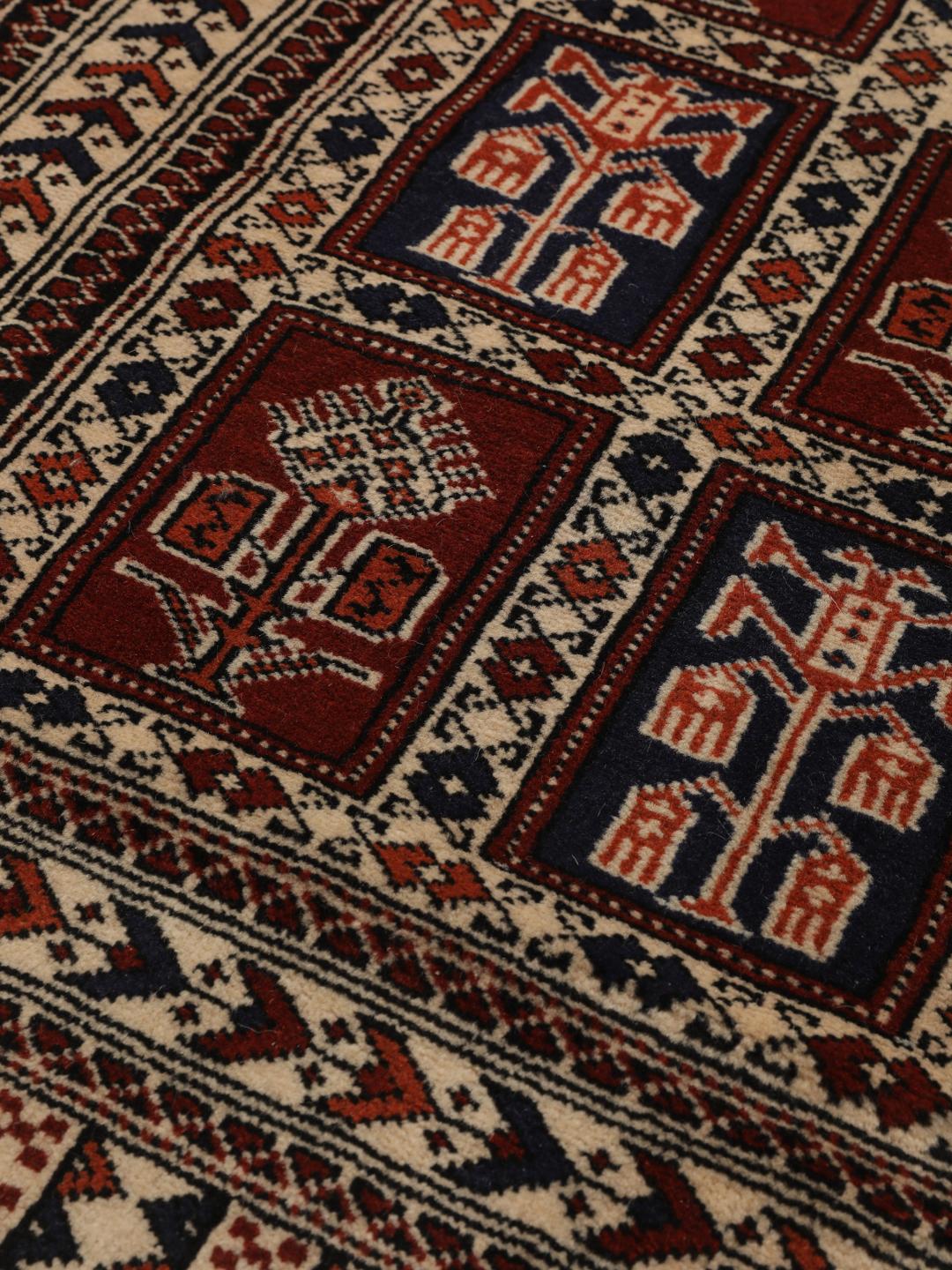
The signature design elements of a Turkaman runner often include repeating patterns known as 'guls' or other geometric motifs, enclosed by bold, symbolic borders. These motifs are not merely decorative but serve as a visual language representing tribal identity, nature, and the history of the weaving community. The symmetry and rhythmic repetition of these patterns create a sense of order and calm, which is why they remain a favourite choice for those who appreciate structured, intentional design.
Valued by collectors and interior designers alike, a Turkaman rug is more than a floor covering; it is a testament to human skill and cultural continuity. Owning one allows you to participate in a tradition that prizes patience, detail, and the preservation of ancient motifs. Because each rug is a unique expression of the weaver’s craft, it carries a sense of soul and provenance that mass-produced items lack, making it a meaningful addition to any collection.