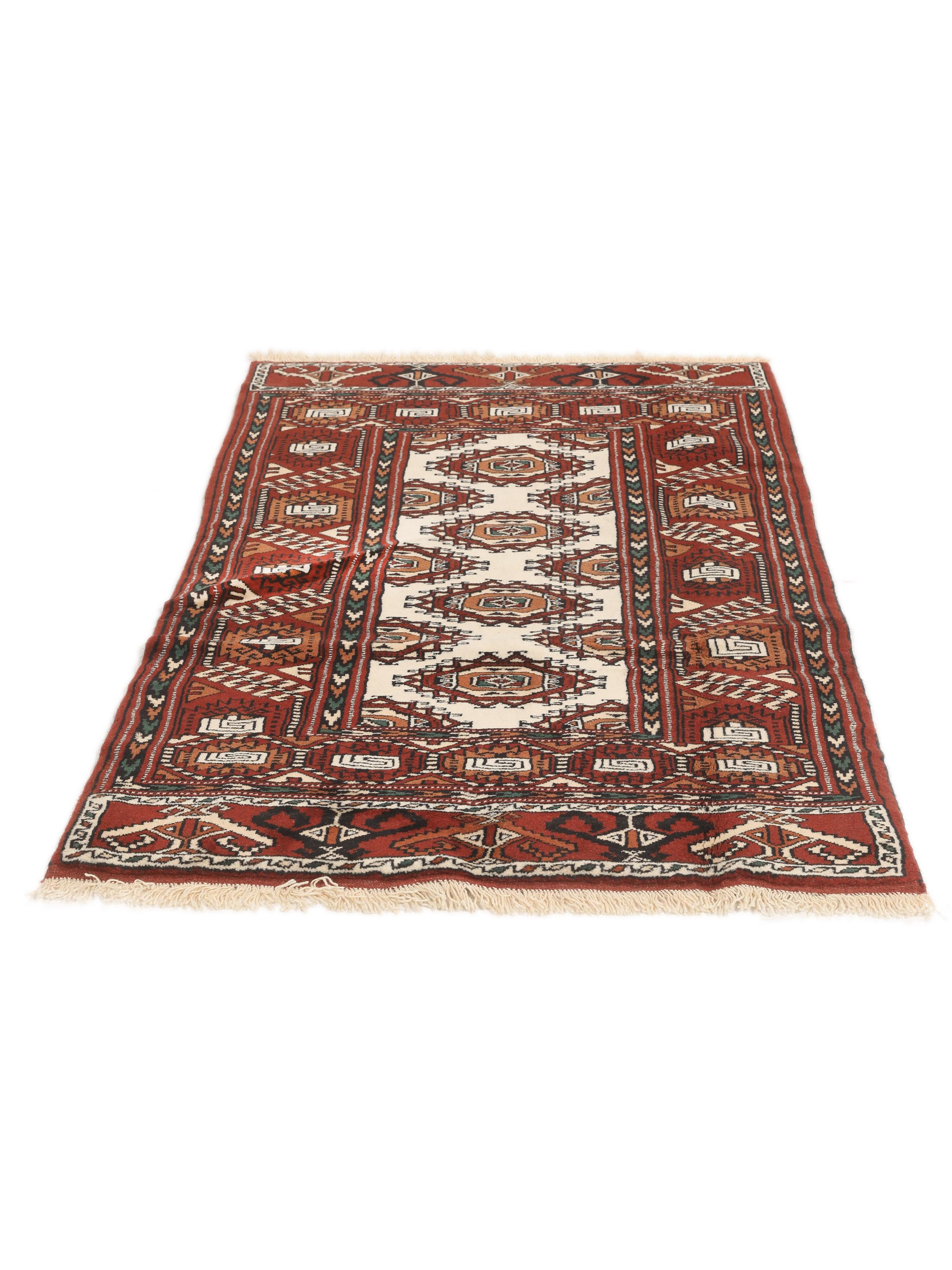
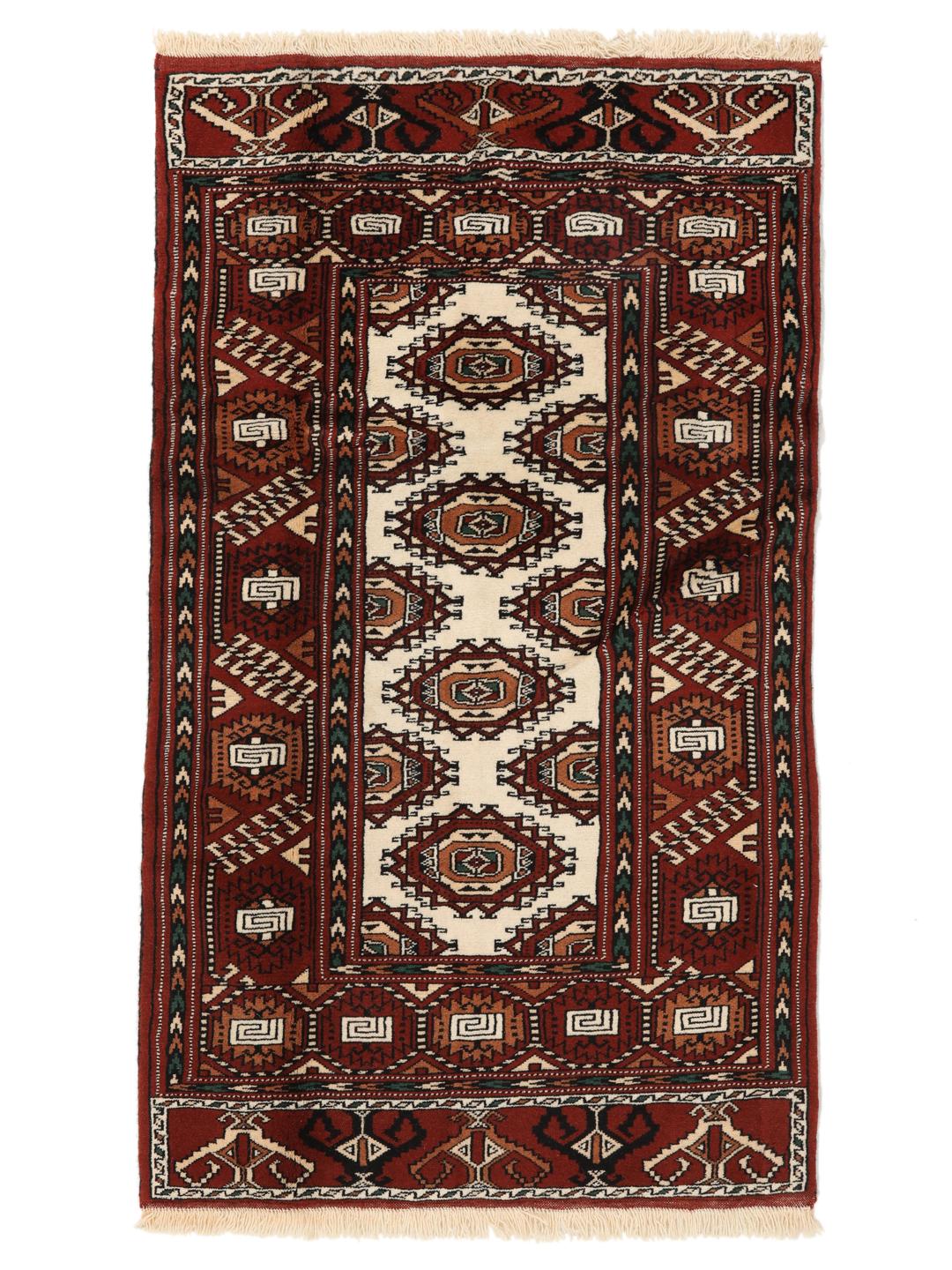
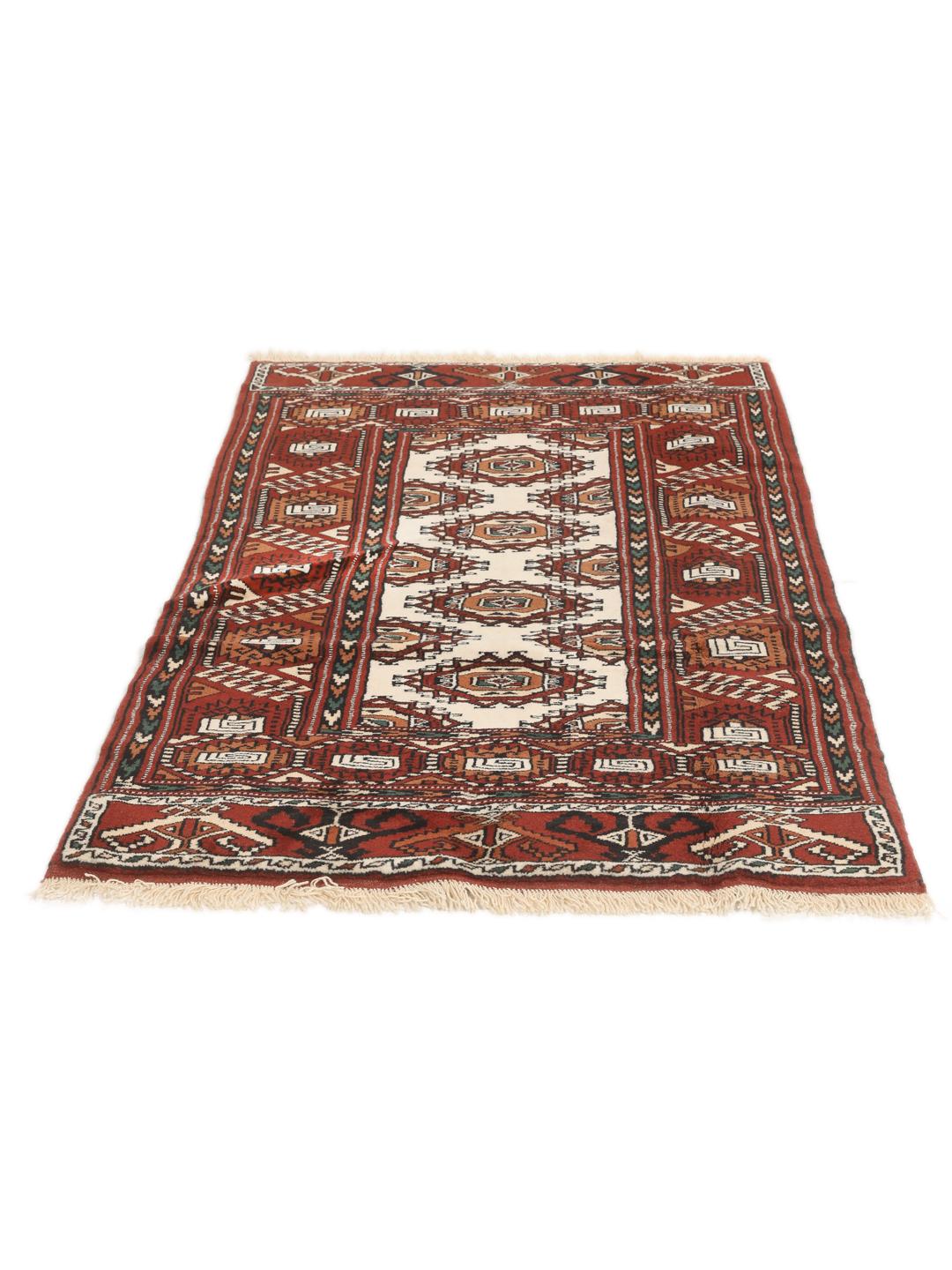
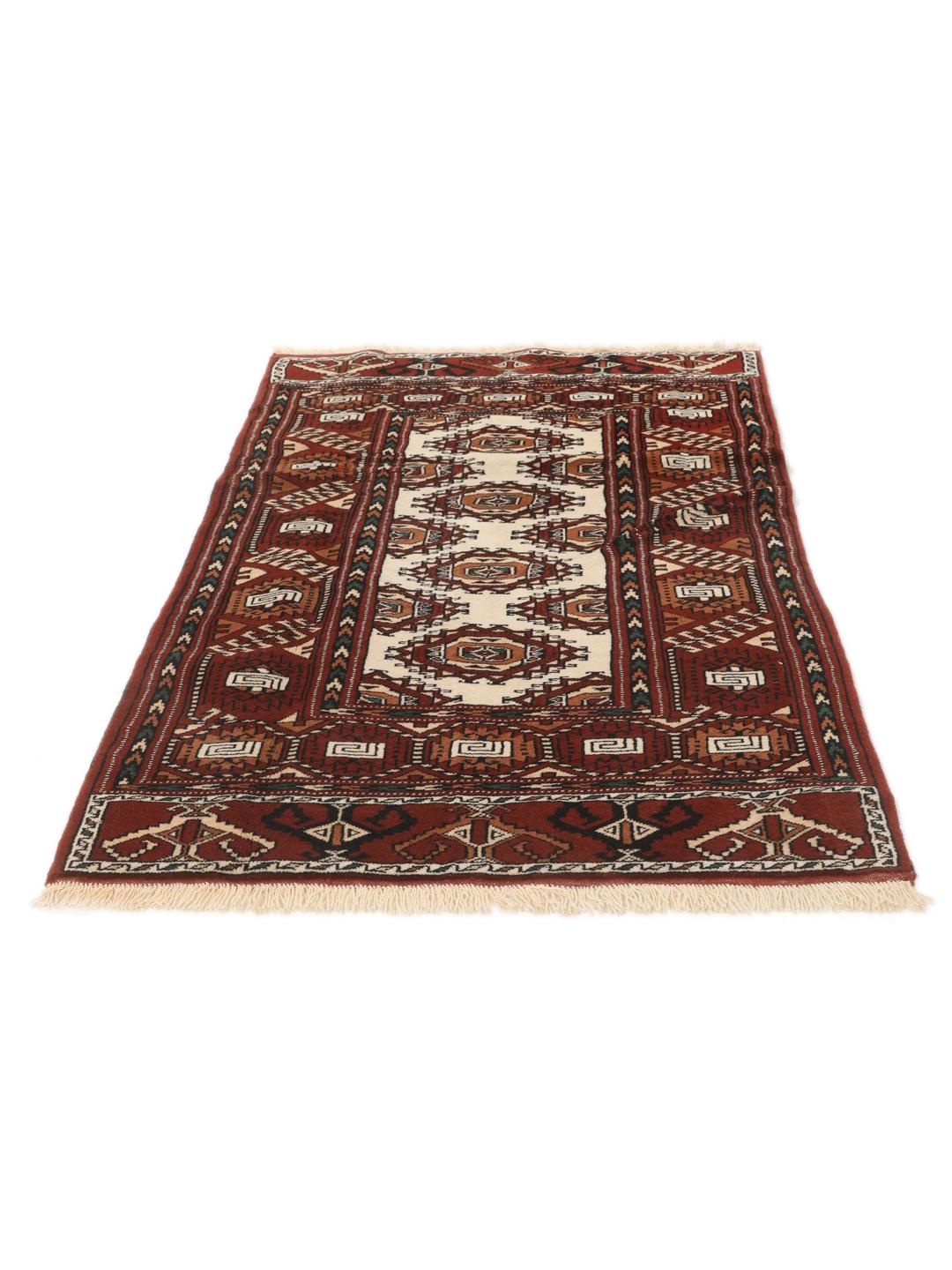
Turkaman rugs originate from the nomadic tribes of Central Asia, a region with a deep-rooted history of textile weaving that spans centuries. Over time, these weaving traditions migrated and evolved, eventually becoming a staple of Middle Eastern rug production. The name itself reflects the heritage of the Turkmen people, who developed a distinct visual language that has remained influential in the world of fine rugs.
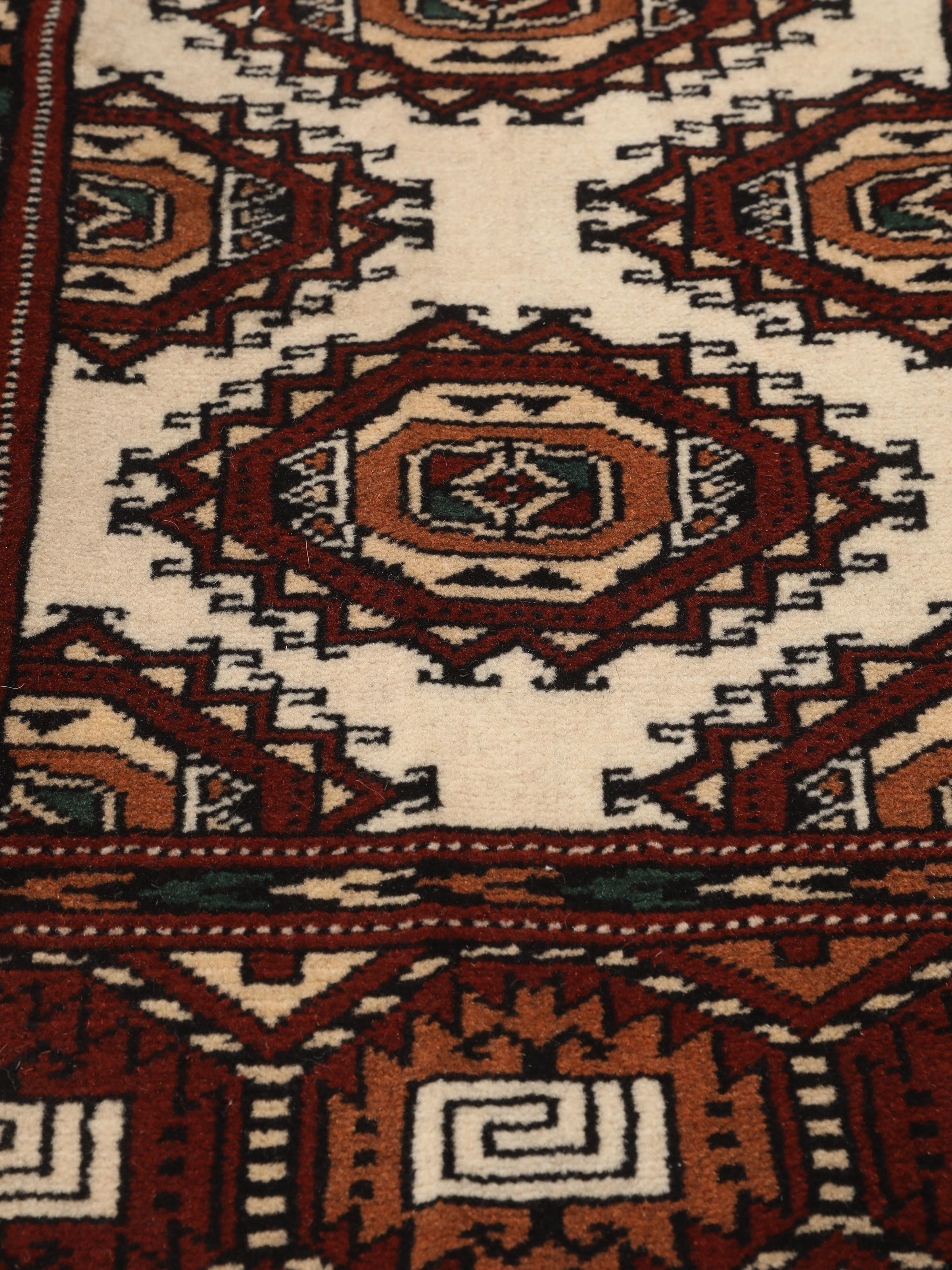
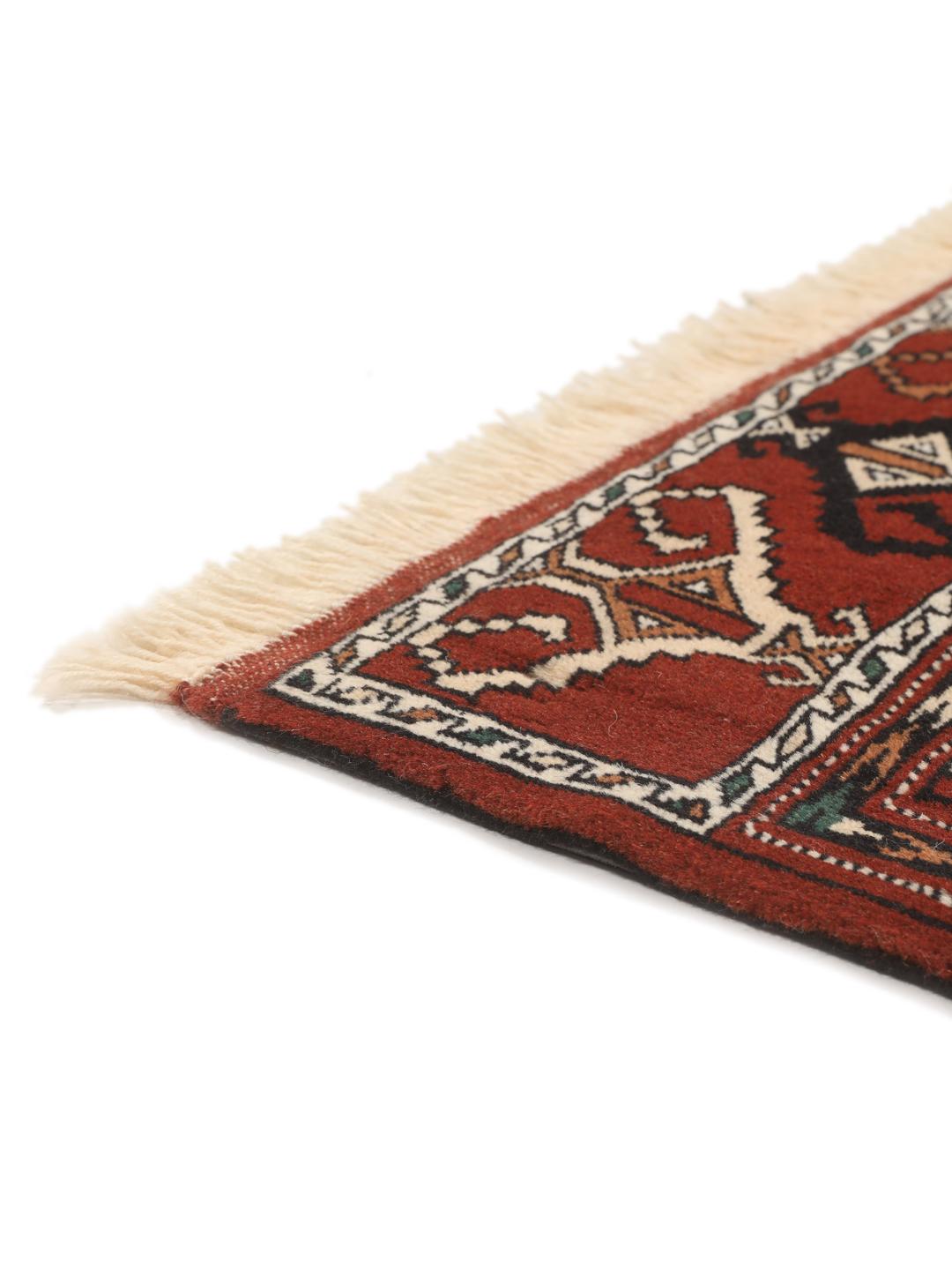
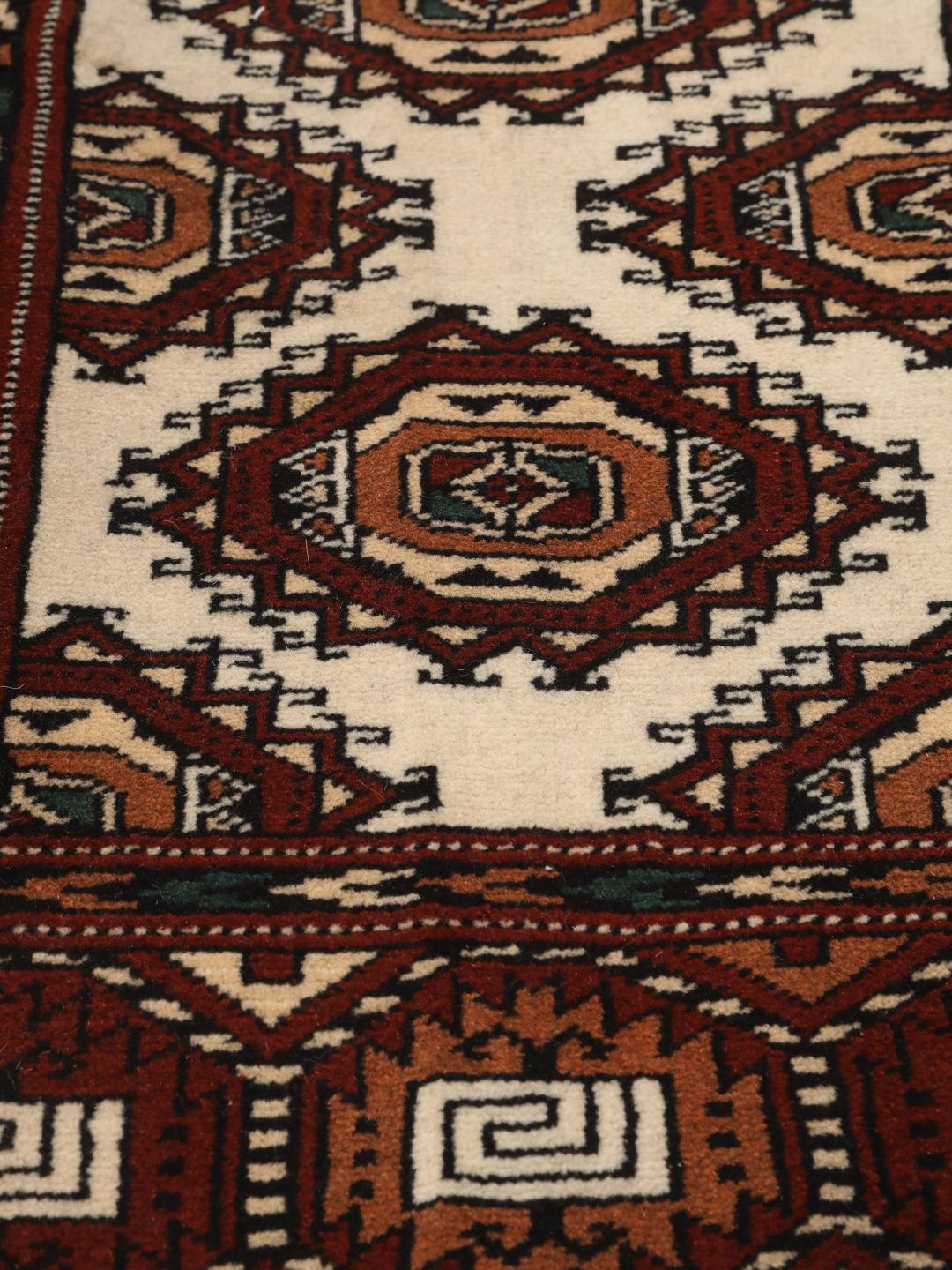
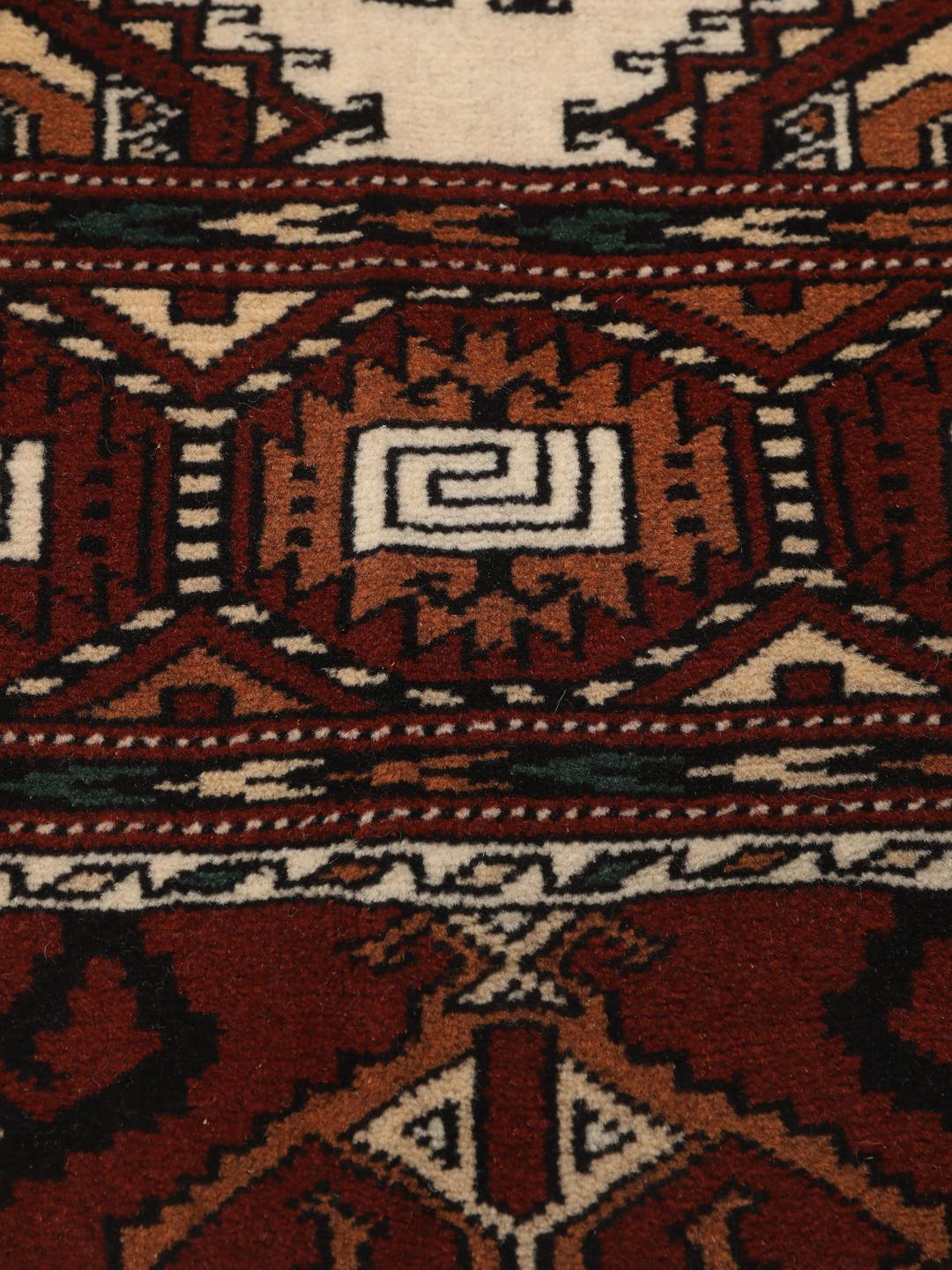
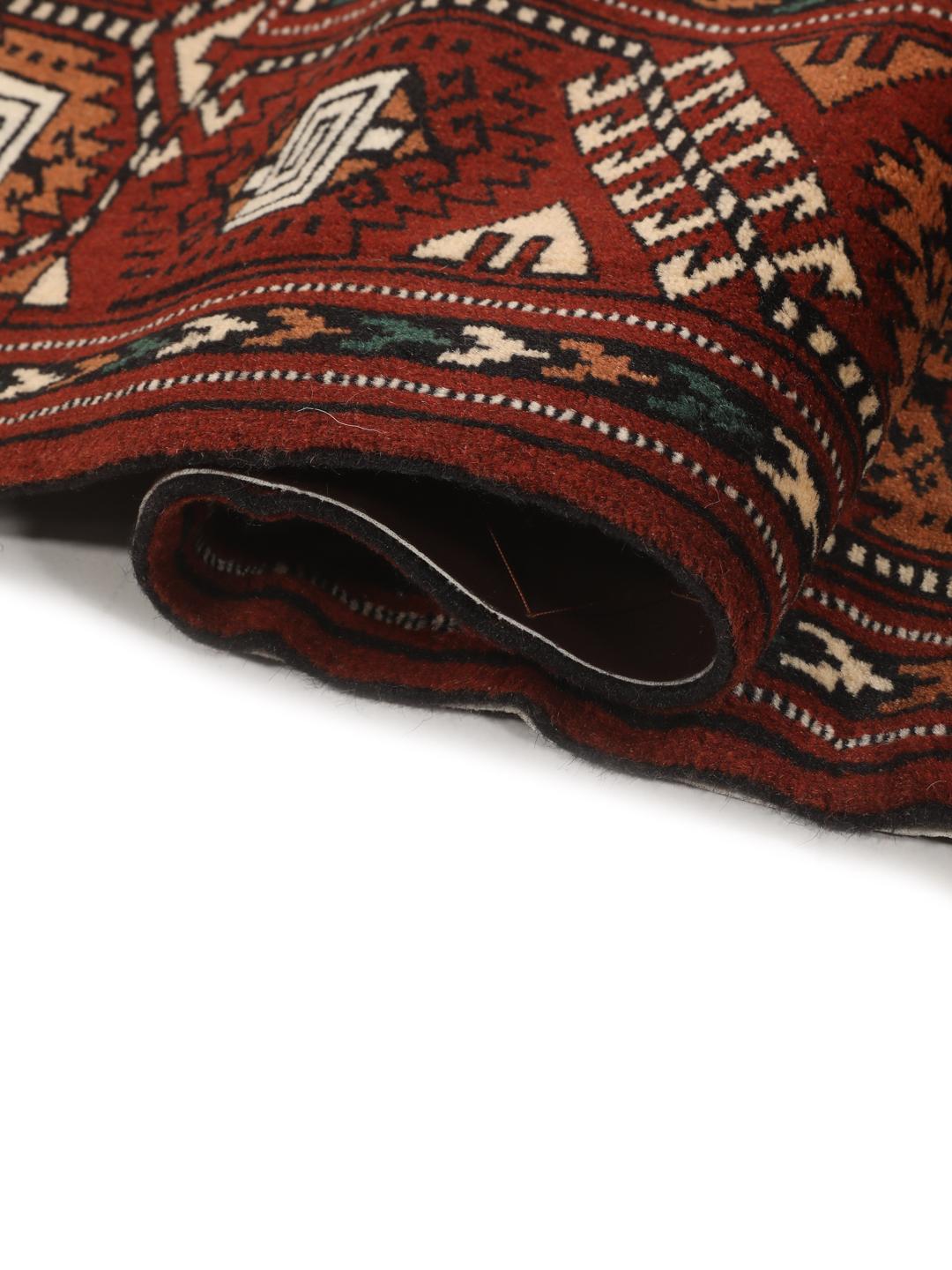
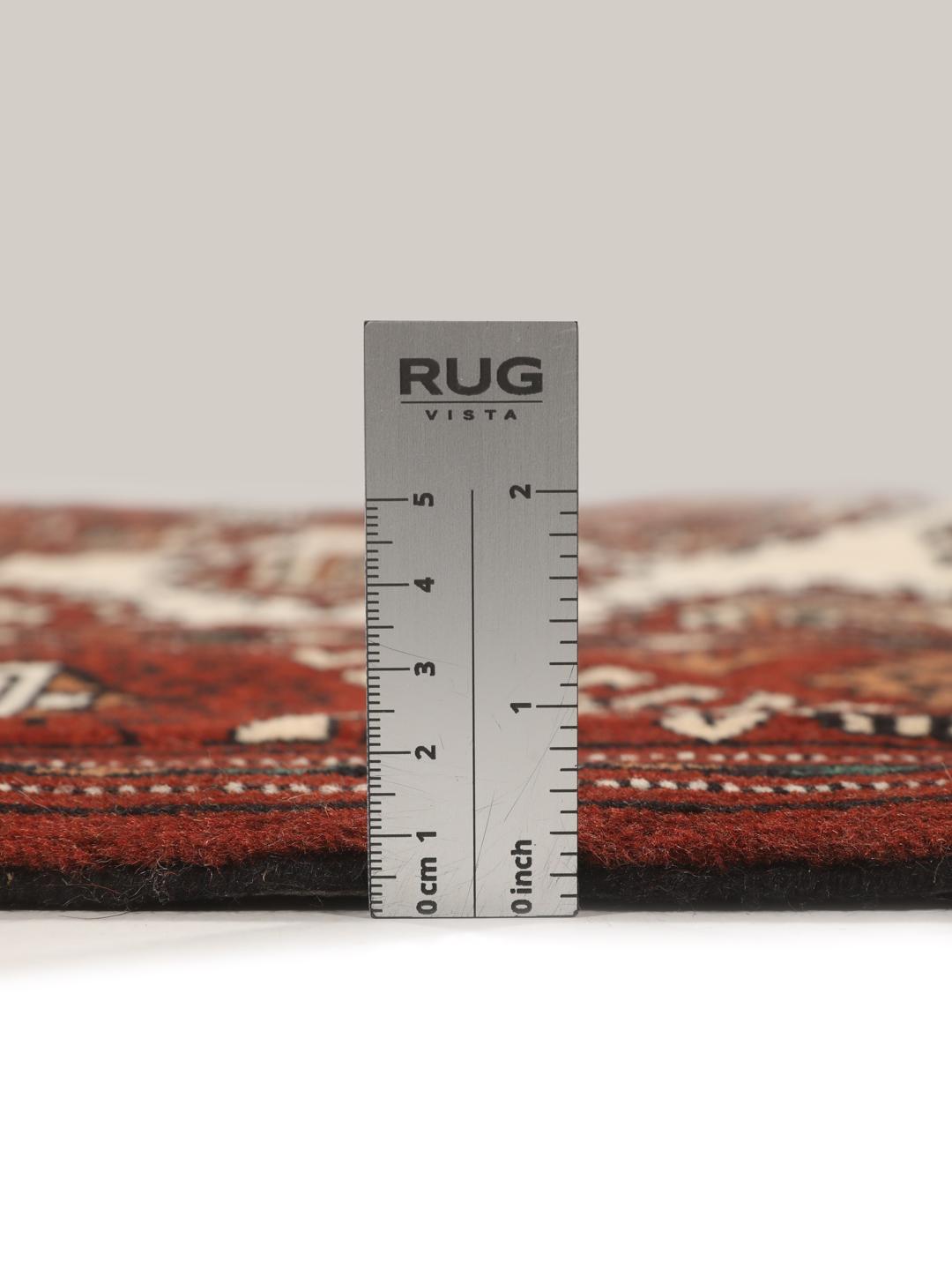
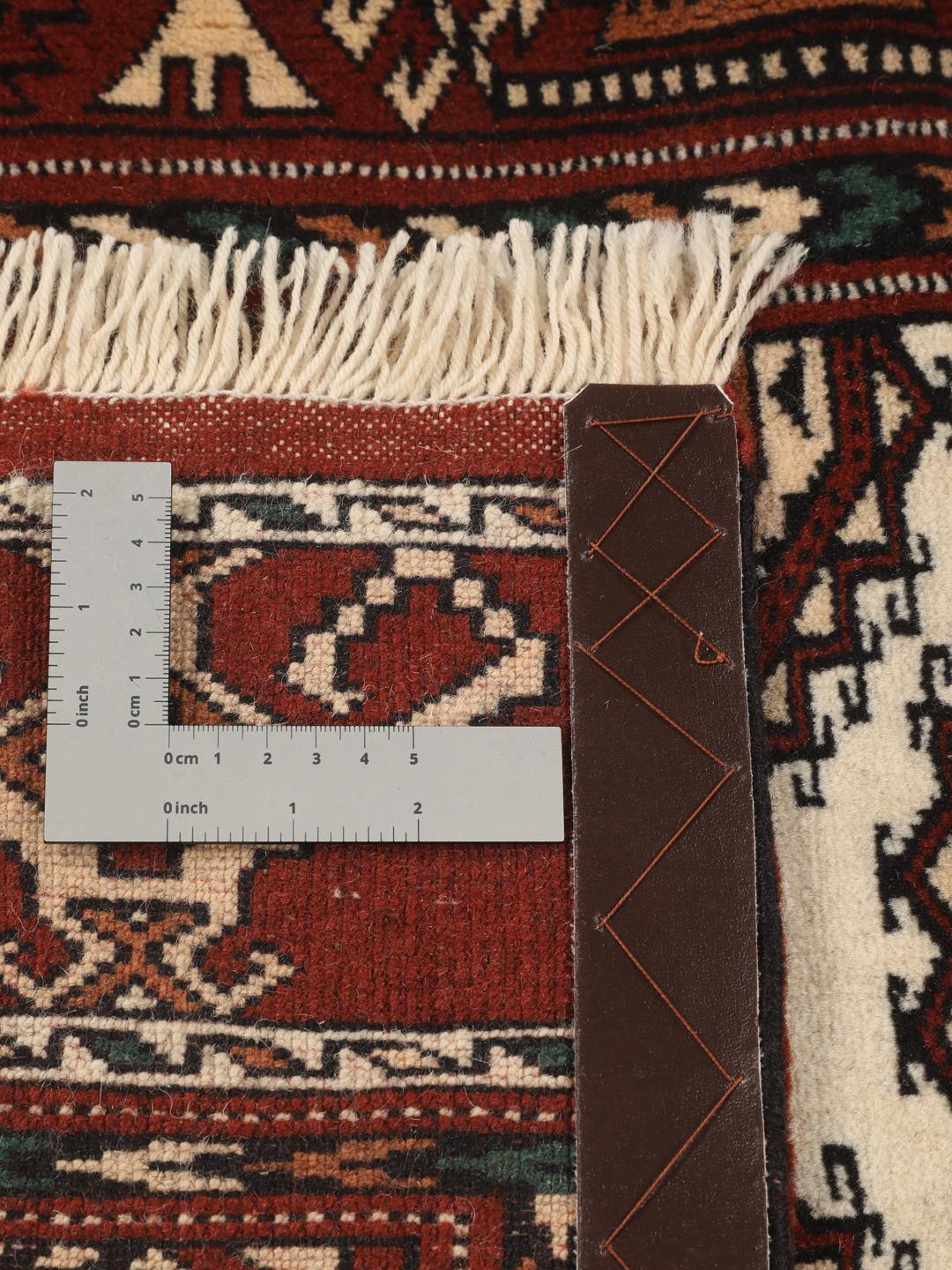
The technical quality of these rugs is defined by their construction, which often features a dense, short pile that enhances the clarity of the design. The term hand-knotted refers to the technique of tying individual strands of wool onto a foundation. This method is crucial because it allows for a high level of detail and a dense pile that is both lustrous and incredibly resilient, making it ideal for high-traffic areas.
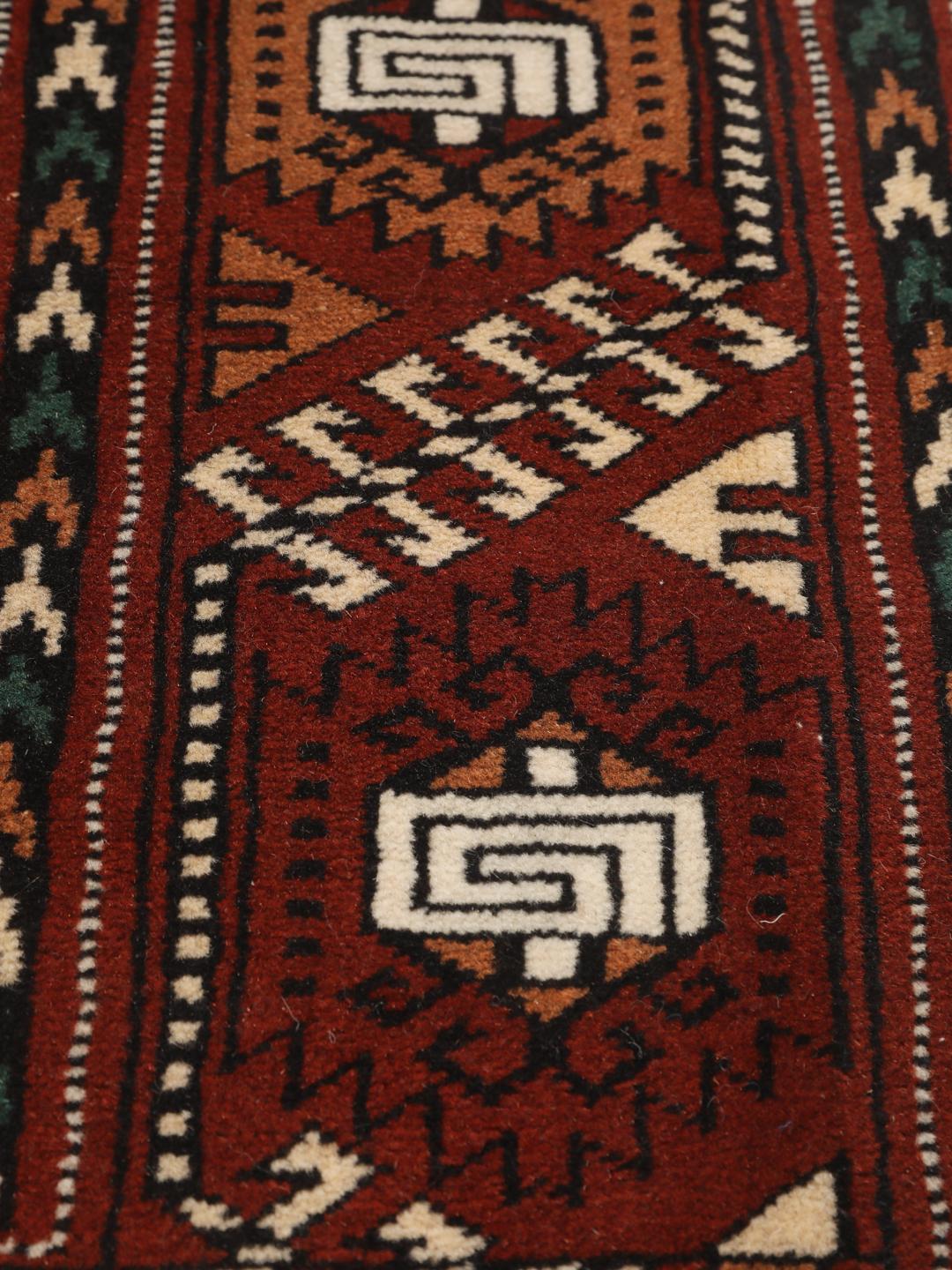
Signature design elements of Turkaman rugs include the repeating geometric motifs often referred to as guls. These medallions, which can take on various octagonal or diamond-like shapes, are typically arranged in formal rows across the field. The borders are usually just as intricate, featuring repeating patterns that frame the central motifs and provide a balanced, harmonious look that is both sophisticated and traditional.
Collectors value rugs from this tradition for their deep connection to nomadic history and the immense skill required to produce them. Owning a piece from this lineage is a way to celebrate human creativity and the enduring nature of craft. These rugs are not just decor; they are historical artifacts that tell a story of regional identity, patience, and the pursuit of beauty, making them a significant acquisition for any home.