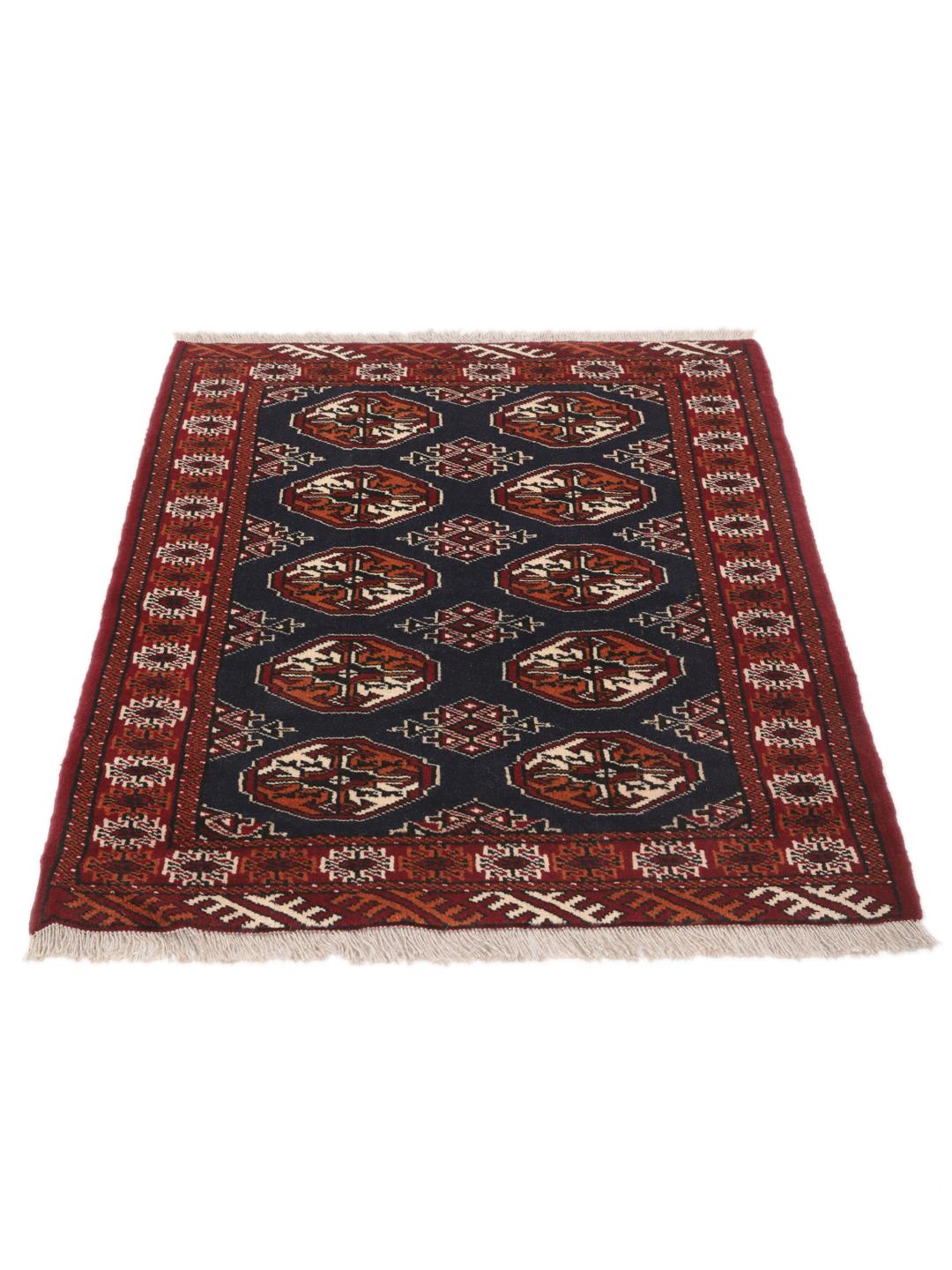
Turkaman rugs, often referred to as Turkmen carpets, originate from the nomadic tribes of Central Asia and the broader Middle Eastern regions. Historically, these rugs were woven by tribal women who translated their cultural identity, family stories, and the natural beauty of their environment into complex geometric patterns. Over generations, these weaving traditions migrated and evolved, becoming highly prized for their deep, earthy colour palettes and distinctive design language.
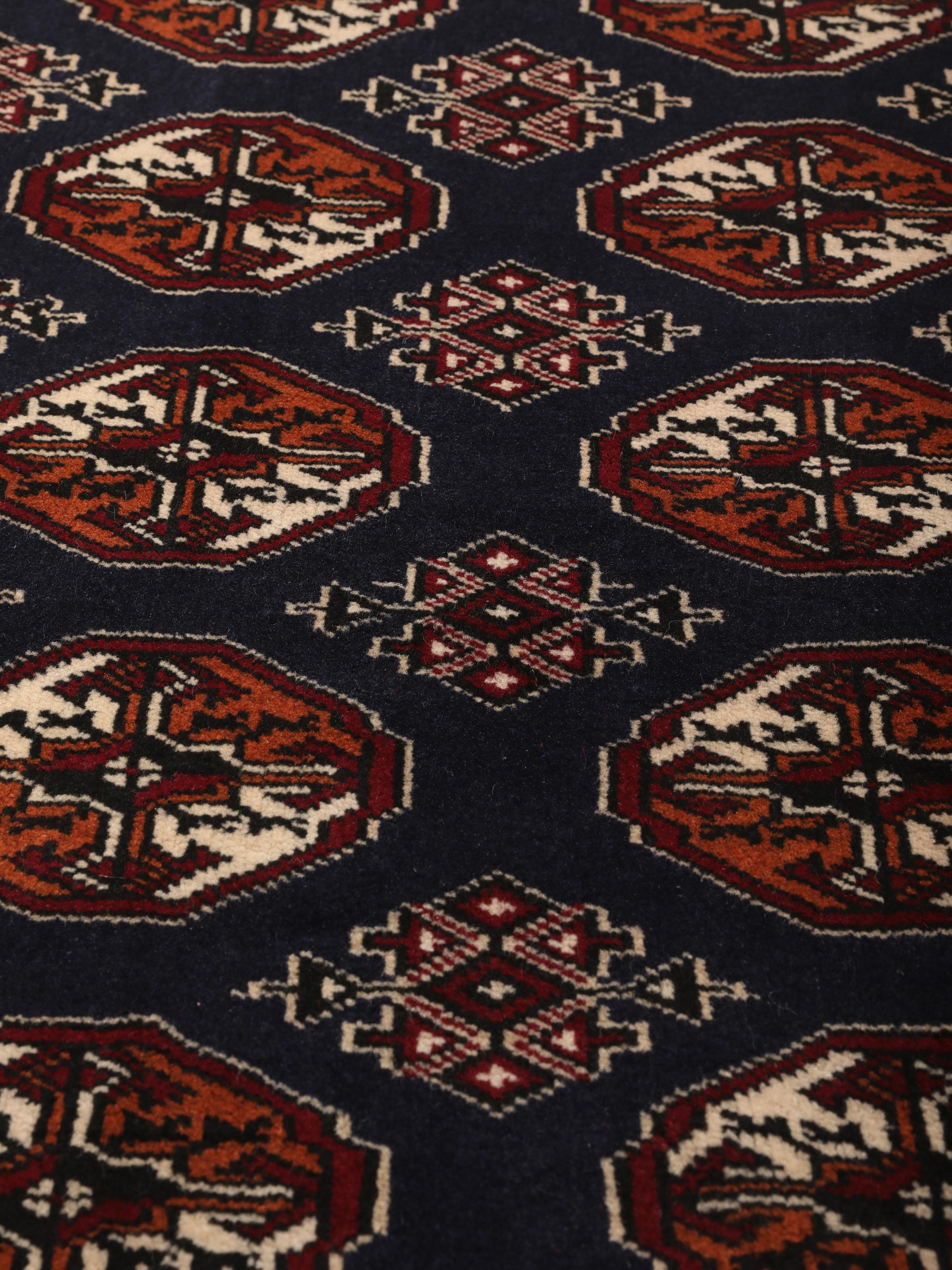
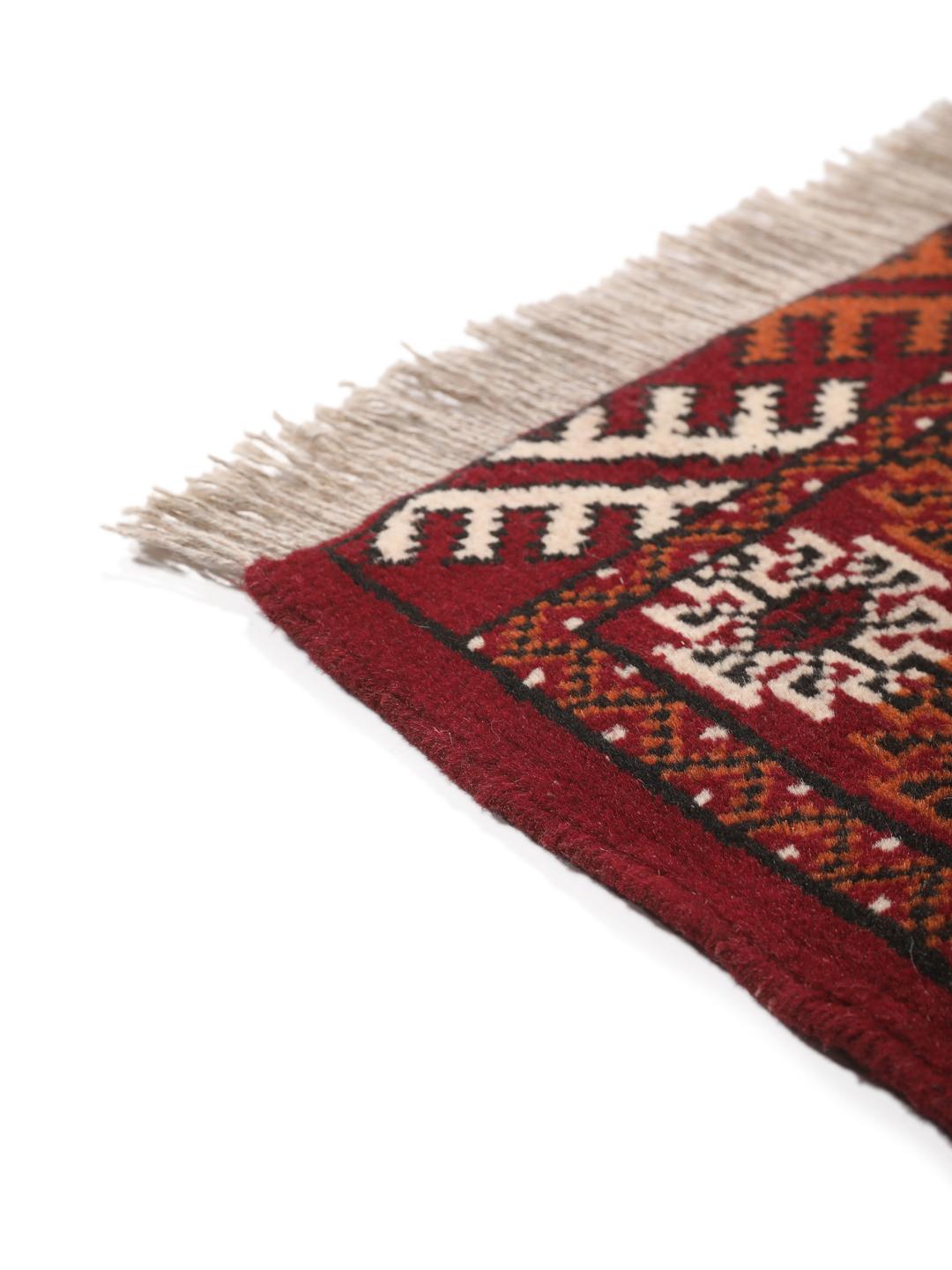
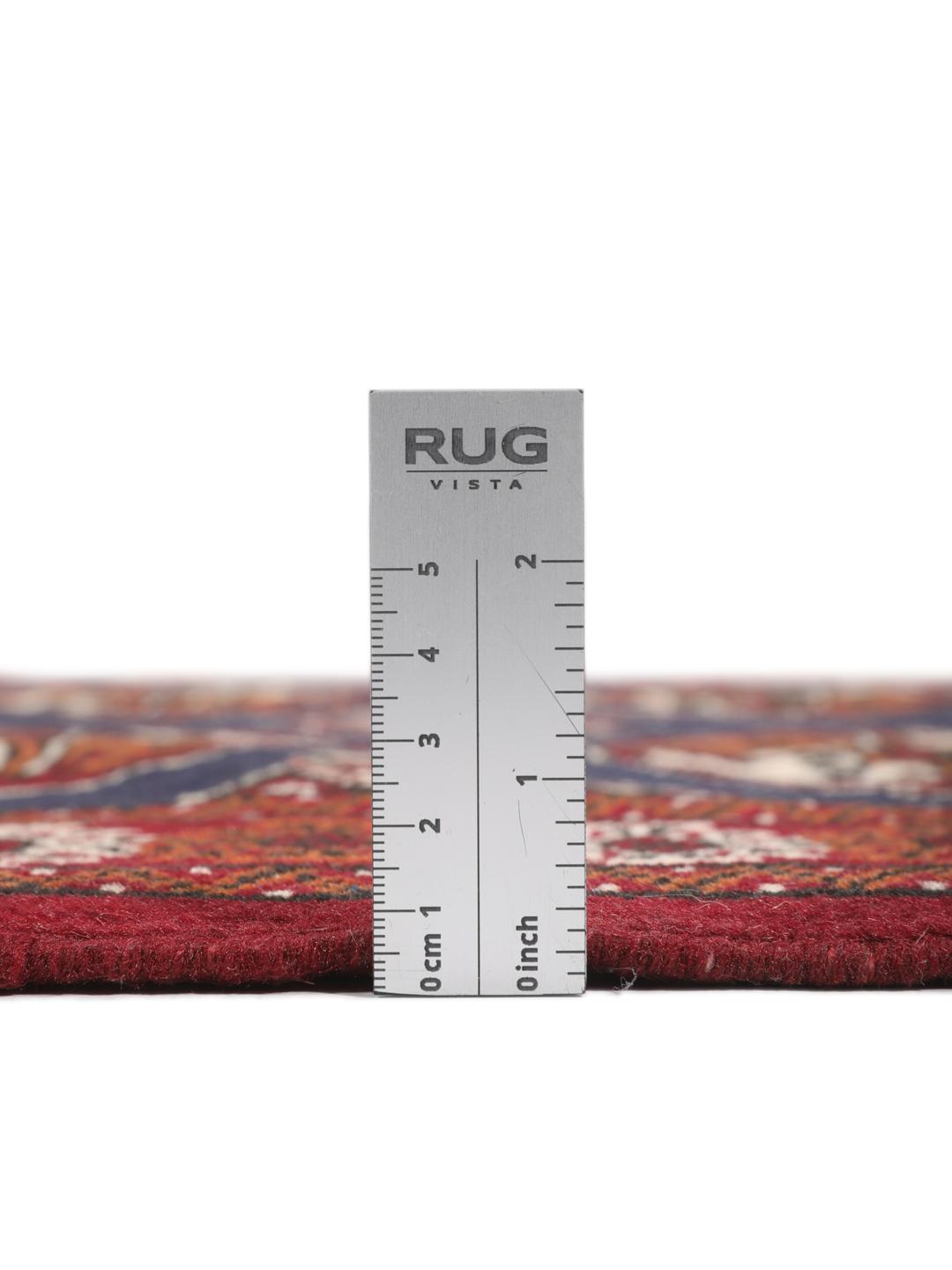
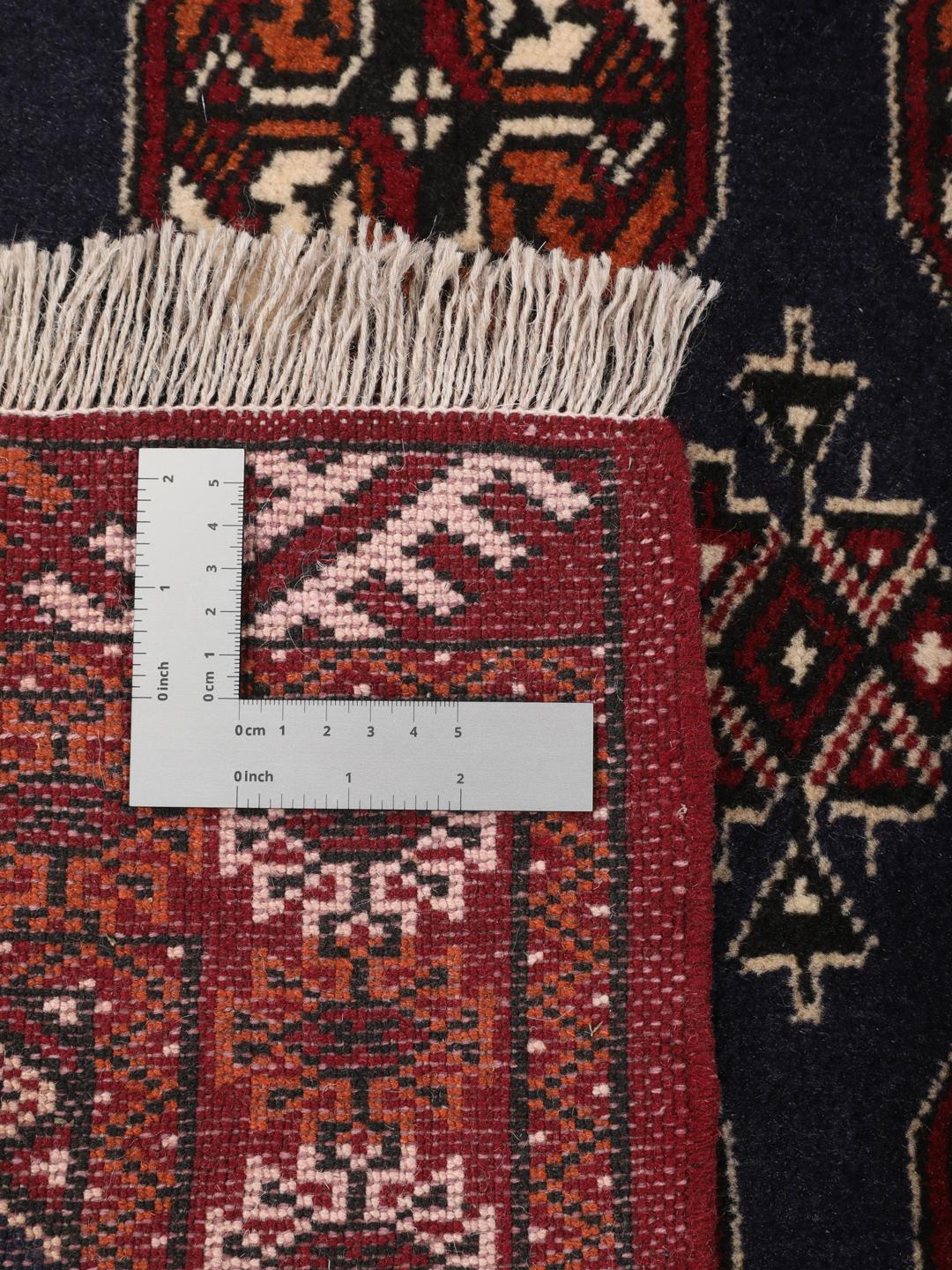
The term Turkaman refers to both the people and the specific style of weaving that emphasises durability and intricate symmetry. These rugs are known for their dense, low-pile construction, which was originally designed to withstand the harsh conditions of nomadic life. The technique of hand-knotting ensures that the wool remains tightly packed, resulting in a surface that is both lustrous and incredibly resistant to wear.
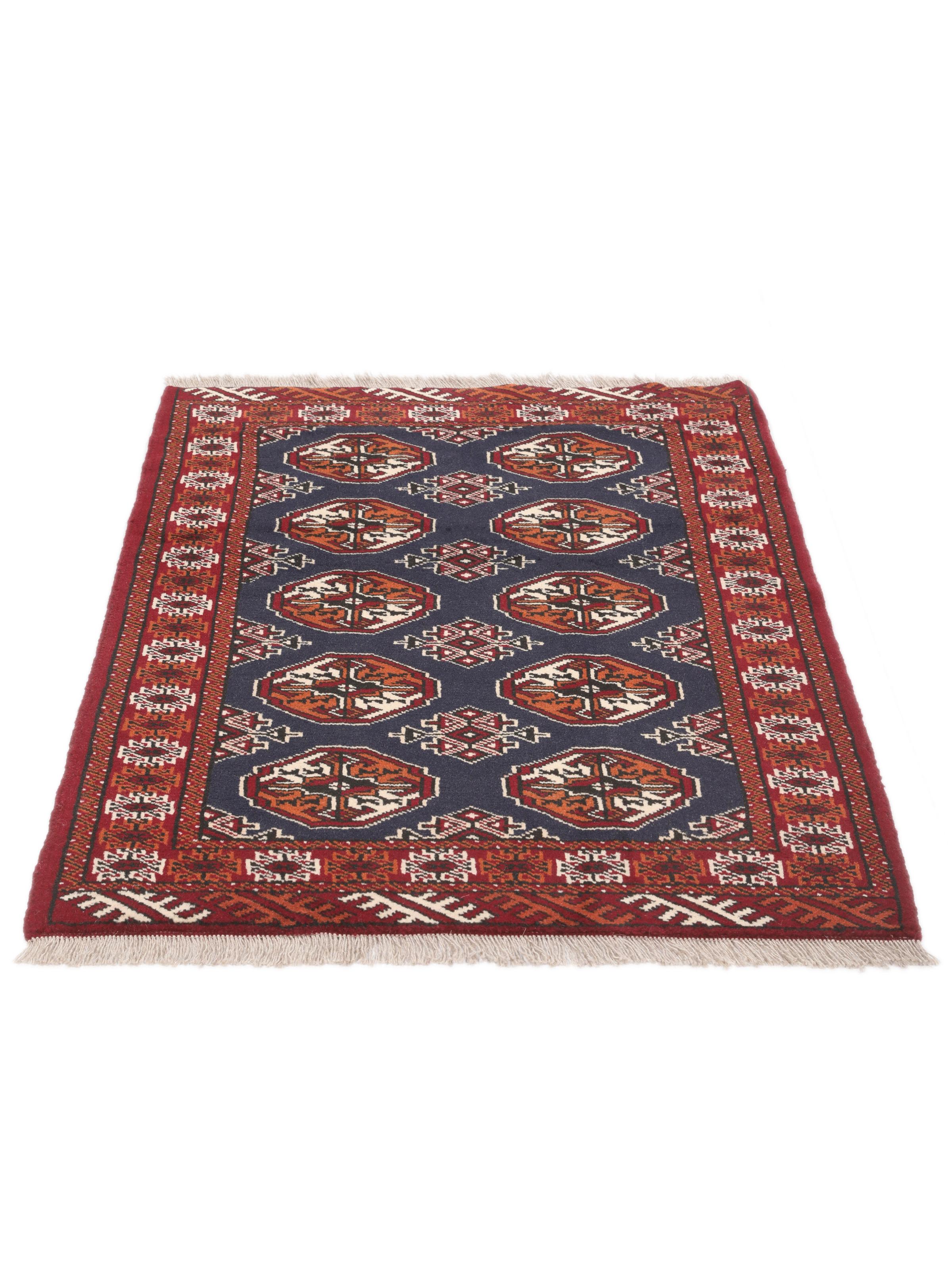
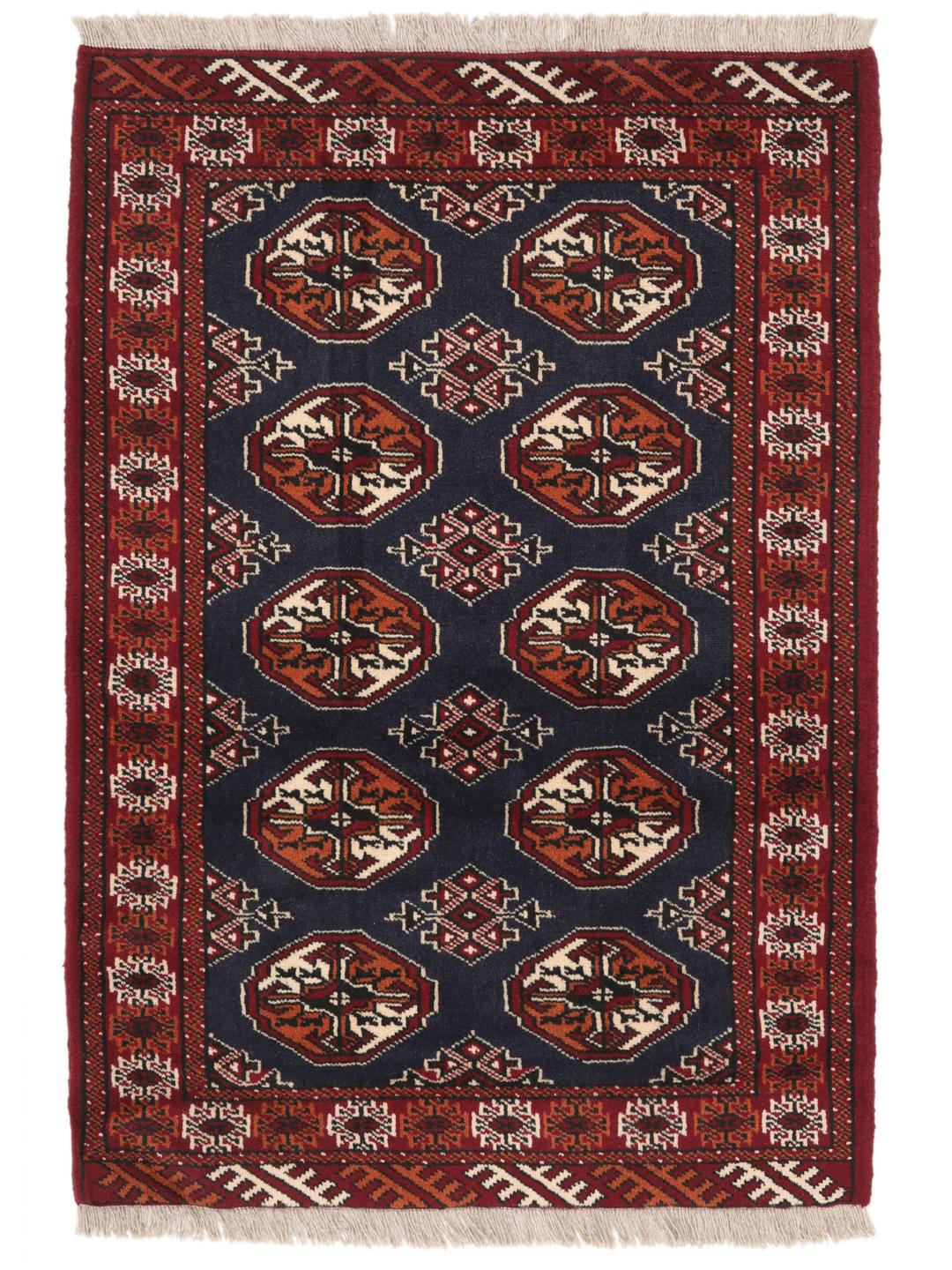
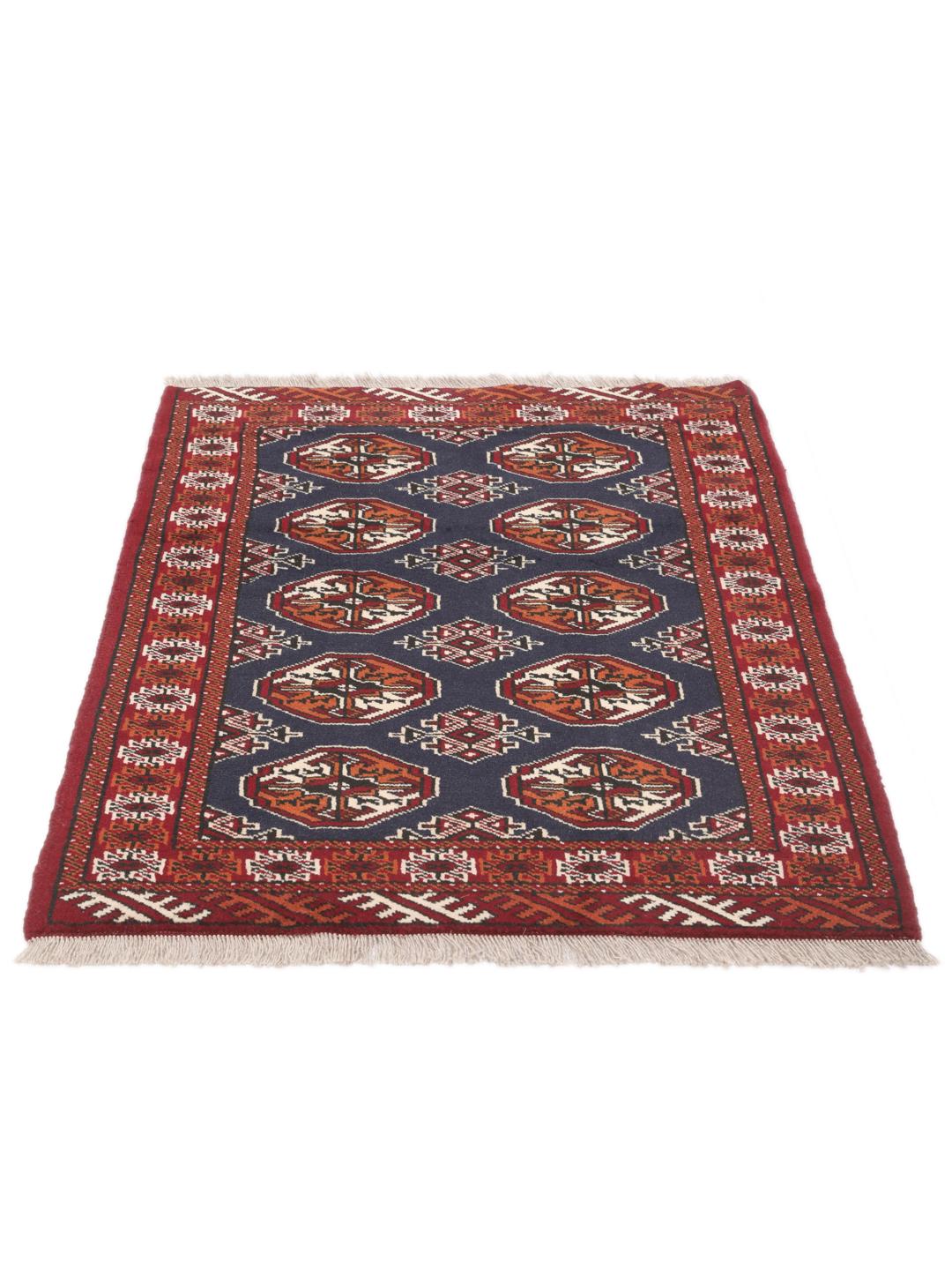
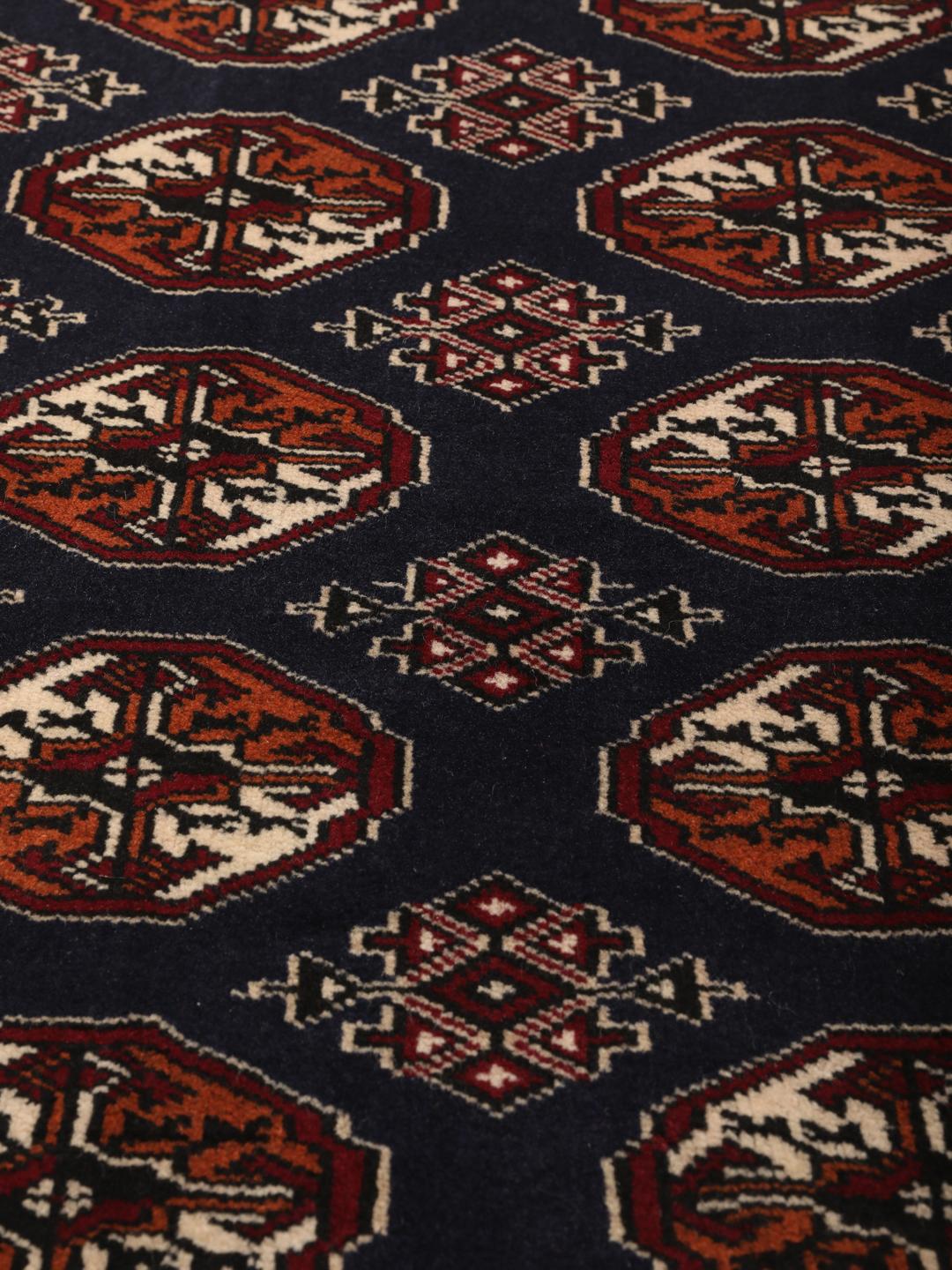
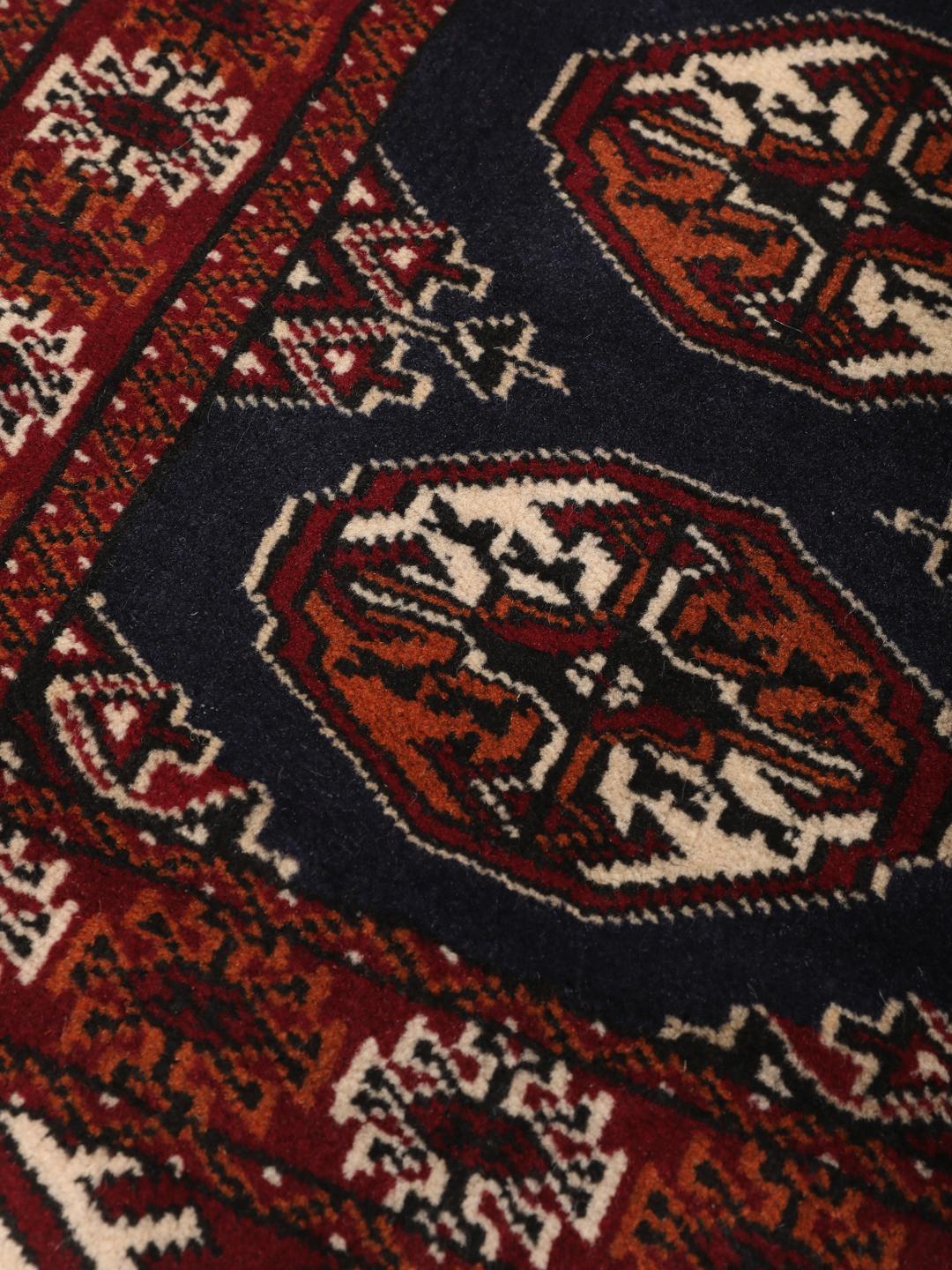
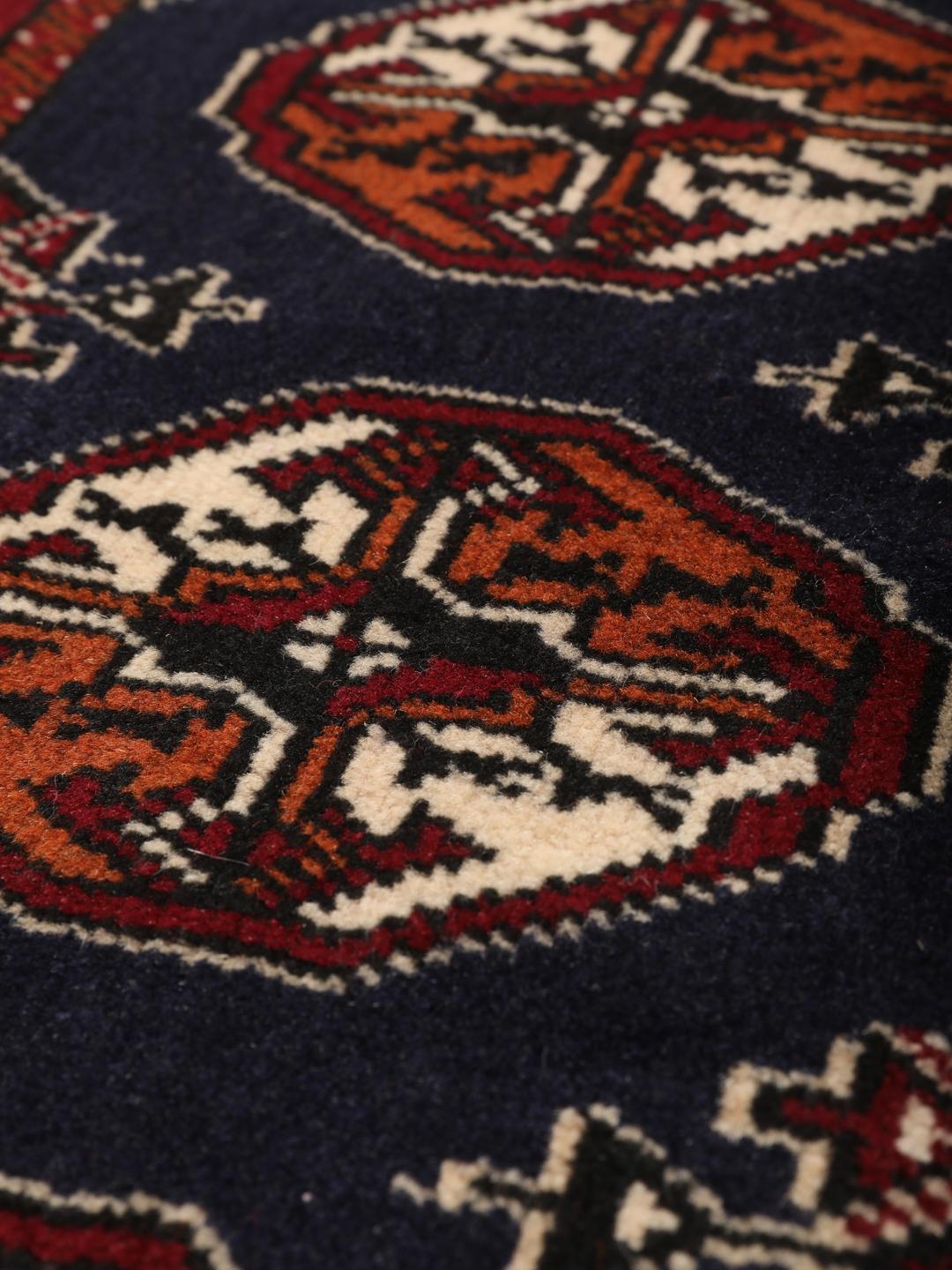
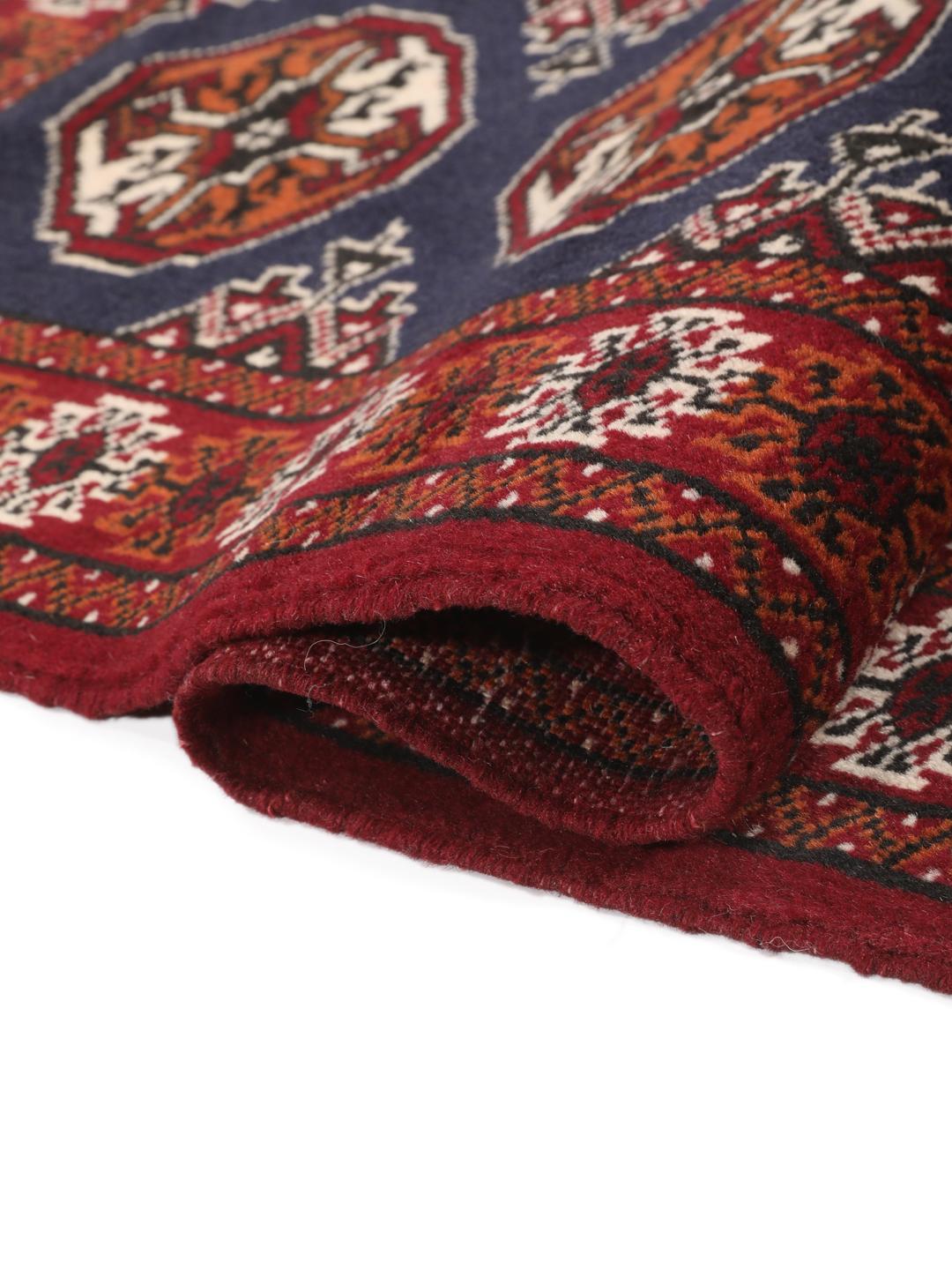
The visual signature of a Turkaman rug is the repeating gul motif, a stylised, octagonal emblem that represents the tribal heritage of the weaver. Often arranged in a grid-like field, these medallions are surrounded by intricate, geometric borders that frame the composition. While deep reds are traditional, the use of contrasting dark blues or other deep hues creates a striking visual depth that highlights the precision of the tribal patterns.
Today, these rugs are sought after by collectors and interior enthusiasts alike for their historical weight and the undeniable skill required to produce them. Owning a Turkaman rug is more than just a decorative choice; it is an investment in a tradition that values patience, heritage, and the passing down of craft skills. It serves as a tangible bridge to a storied past, bringing a sense of cultural legacy into the modern home.