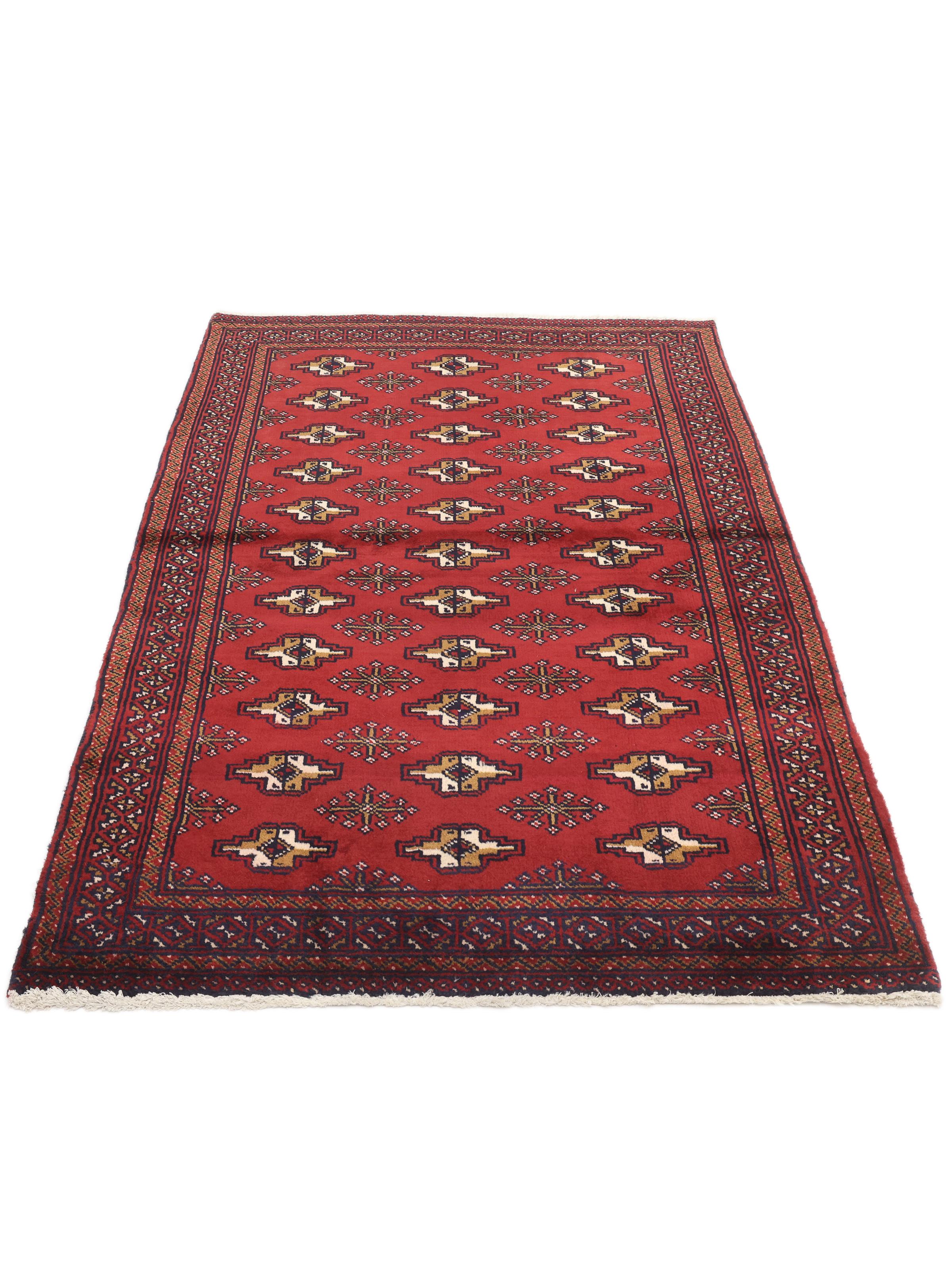
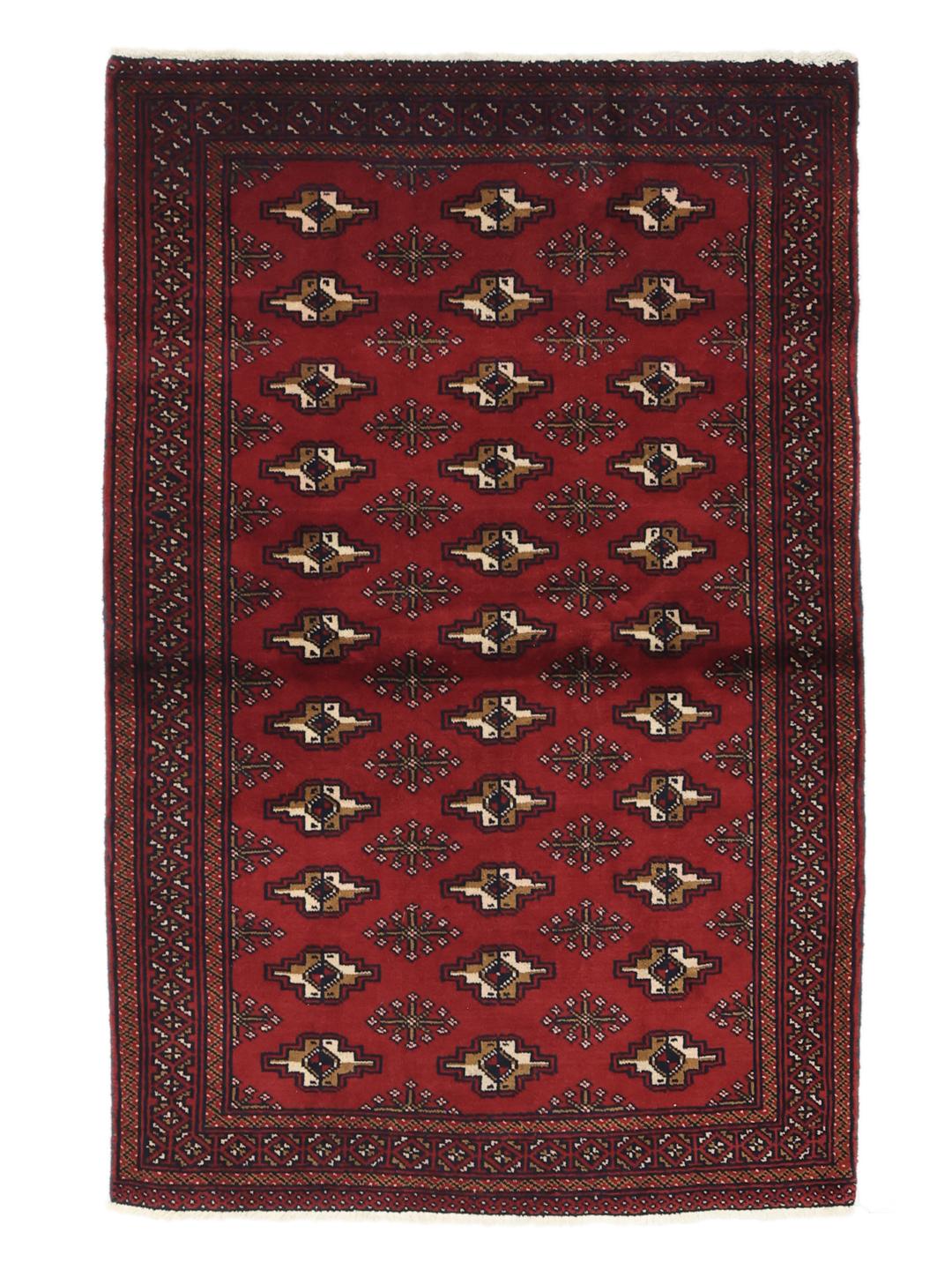
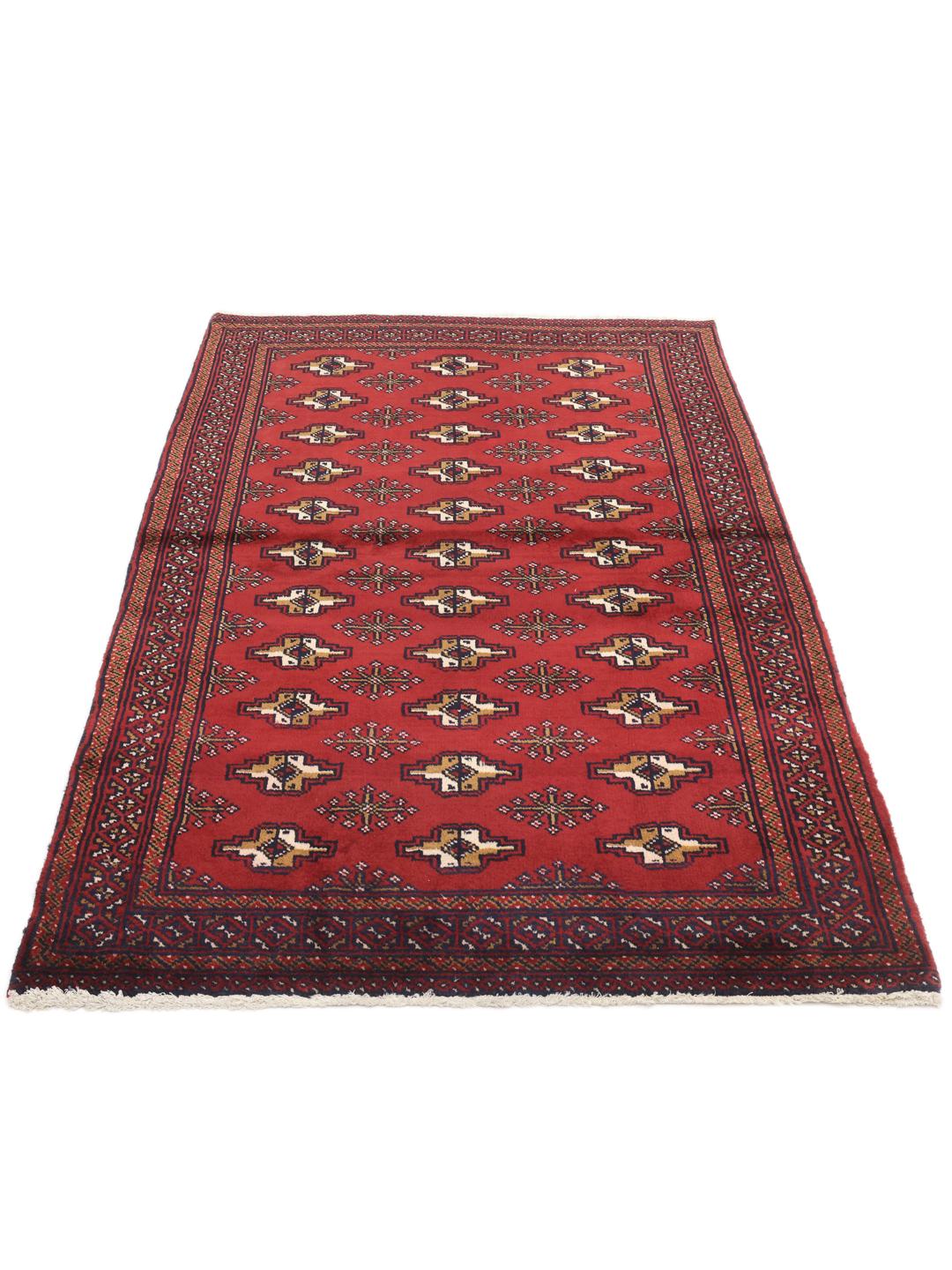
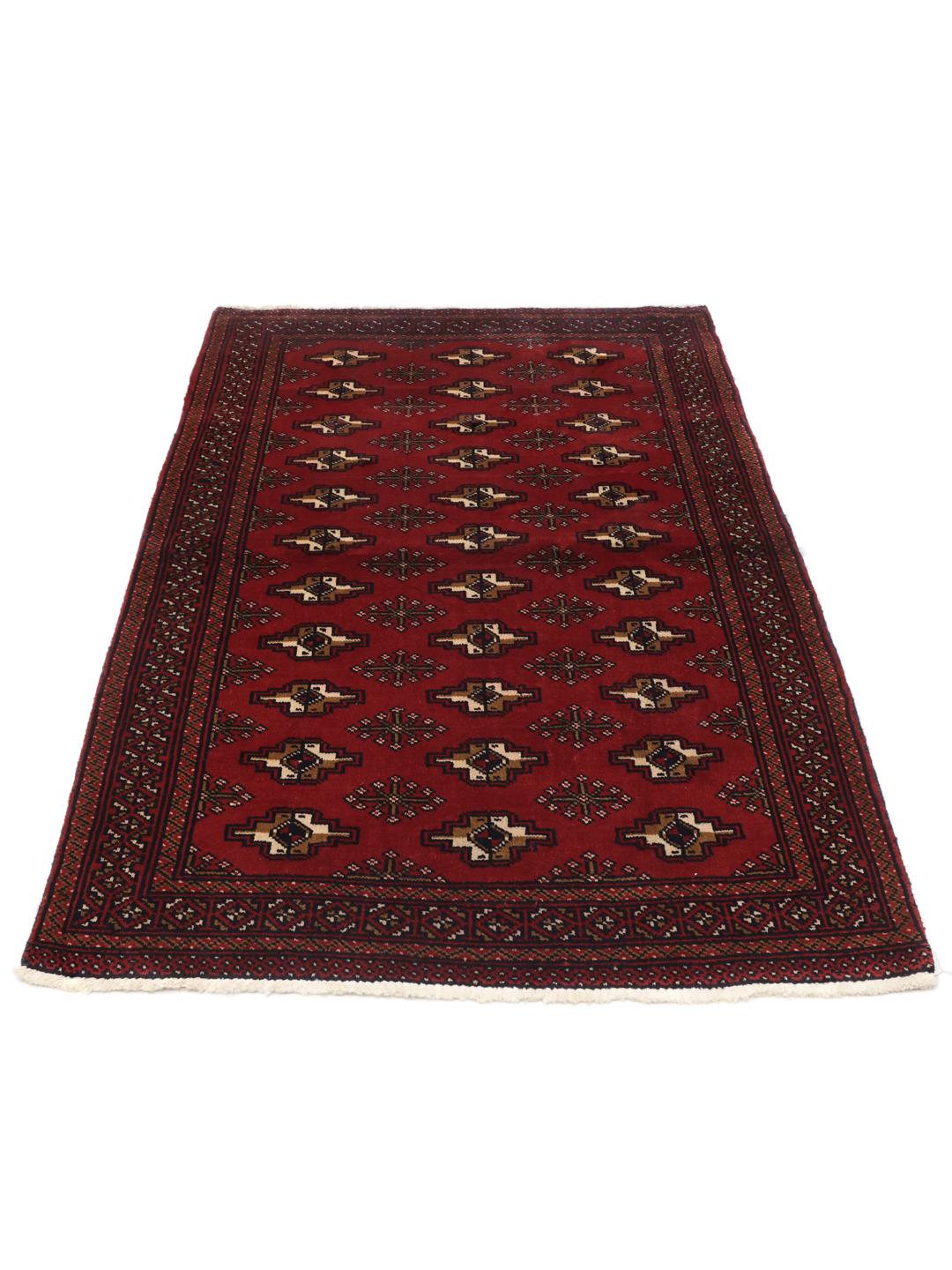
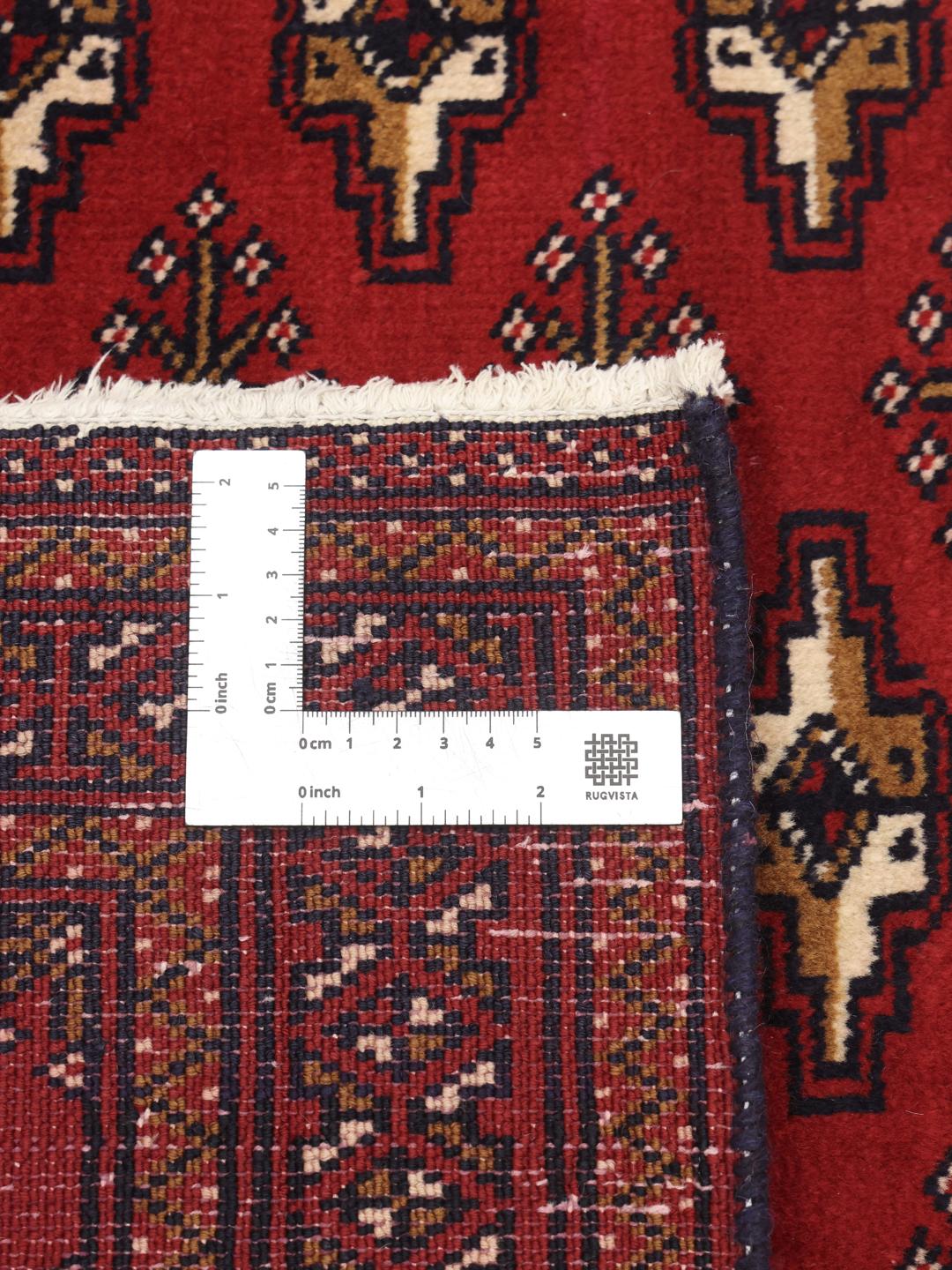
Turkaman rugs originate from the nomadic tribes of the Middle East, a tradition that has evolved over centuries. These rugs were historically woven to serve as practical, portable items for nomadic life, ranging from floor coverings to storage bags, and they remain deeply rooted in the cultural identity of the region.
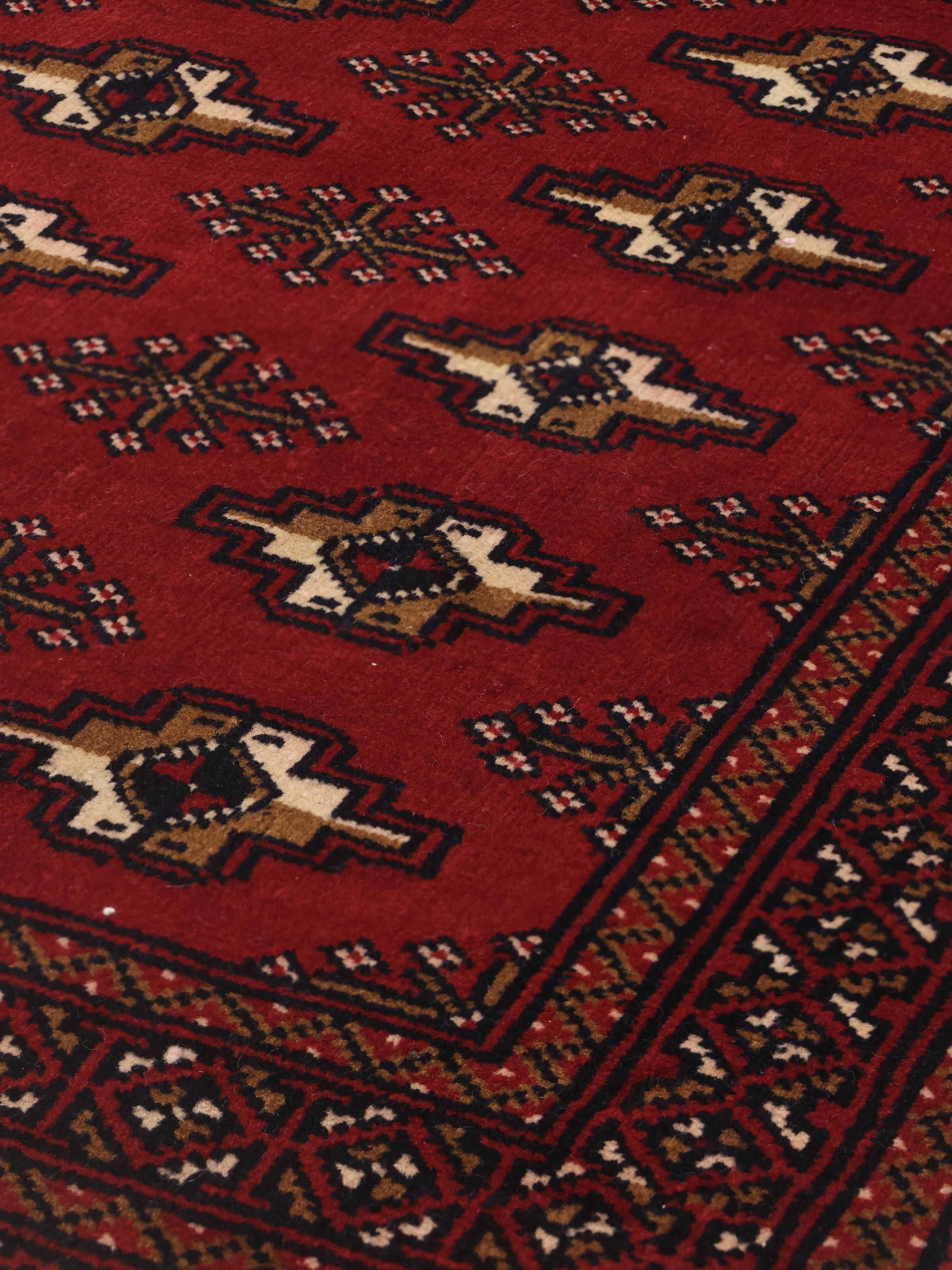
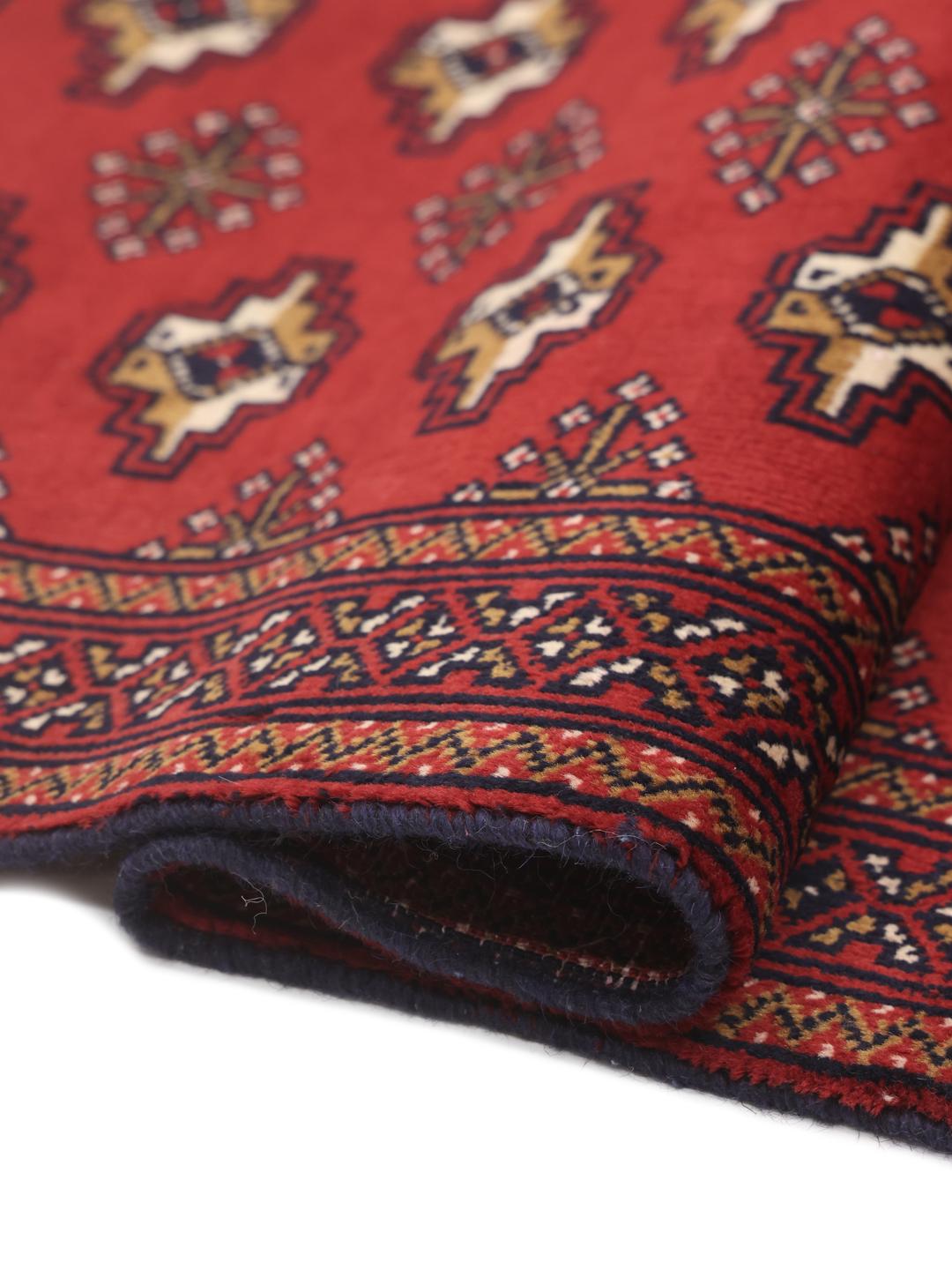
The term Turkaman refers to a specific group of tribal designs characterised by their bold, geometric aesthetics. The craft relies on a deep understanding of Wool quality and dye processes, where the goal is to create a durable, lustrous surface that can withstand the rigours of daily use while maintaining its visual appeal.
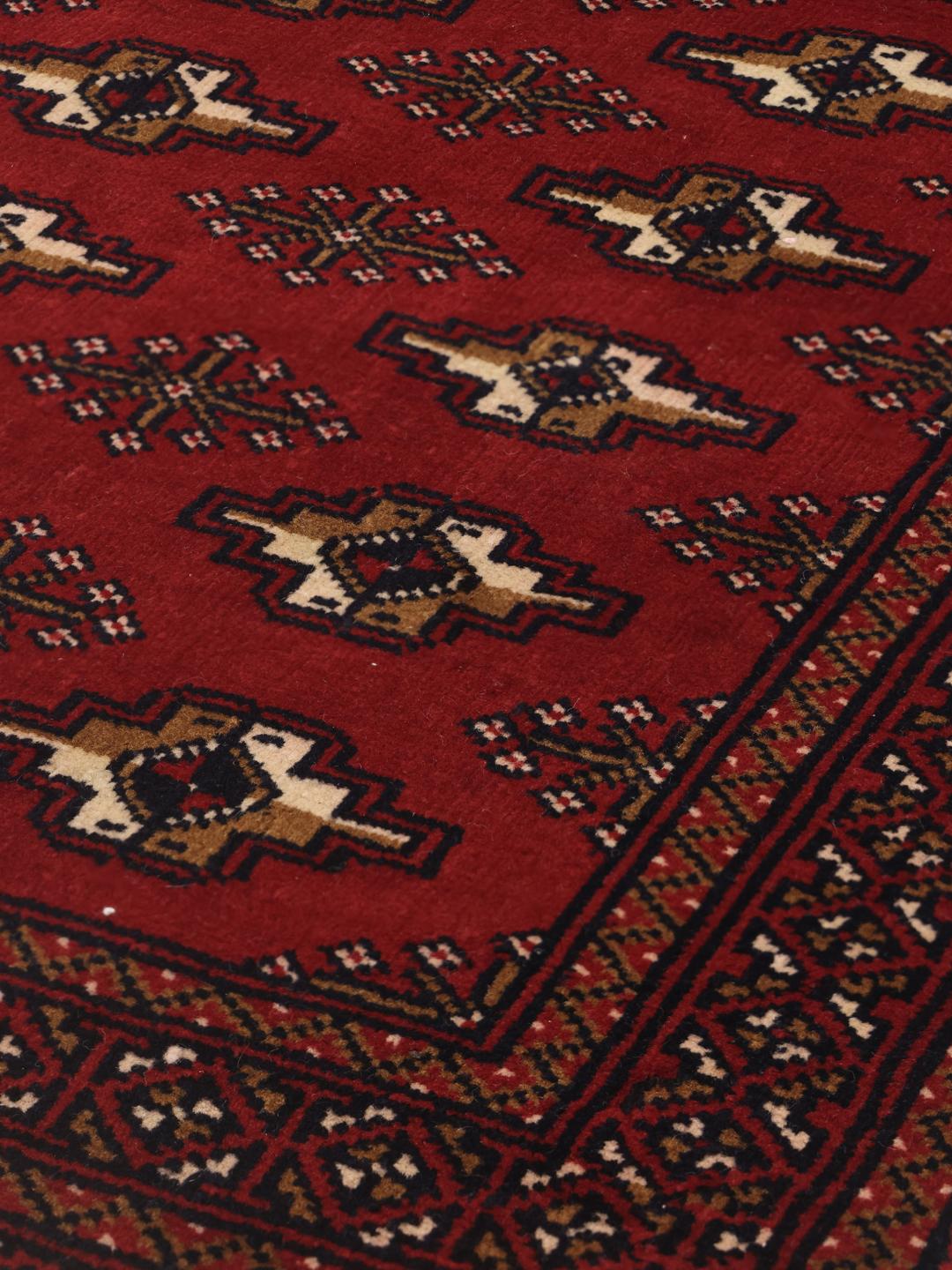
A signature element of these rugs is the use of repeating motifs, often referred to as guls. These octagonal or geometric emblems are typically arranged in orderly, symmetrical rows across the field, often enclosed by complex, multi-layered borders that frame the composition with precision and balance.
These rugs are highly valued by collectors for their consistency in technique and their connection to a long-standing tribal heritage. Owning a piece from this tradition is an investment in human skill and history, offering a level of authenticity and cultural weight that mass-produced items simply cannot match.